It was supposed to be a clean, confident product launch. Instead, it turned into one of the more awkward firearm rollouts in recent memory.
The Launch That Went Sideways
Smith & Wesson introduced the Response as a 9mm pistol-caliber carbine aimed at a hot corner of the market: affordable, easy-shooting range and home-defense rifles. The company positioned it as a flexible, modern design with magazine compatibility that appealed to both Glock and Smith & Wesson pistol owners.
The timing looked smart. Interest in pistol-caliber carbines had been strong, and the Response arrived with the kind of practical feature set that usually gets immediate traction with first-time buyers and seasoned shooters alike.
But almost as soon as it hit shelves, the story changed. By February 20, 2024, Smith & Wesson had issued a consumer safety alert covering Response rifles manufactured before February 12, 2024.
What The Recall Was About

The core issue was serious. According to Smith & Wesson and trade coverage that followed, the company identified a condition in which an out-of-battery discharge could occur if the bolt failed to fully close and the trigger was pulled.
That matters because an out-of-battery event is not a minor nuisance. It can rupture an unsupported case, vent gas through the magazine well and upper receiver, and potentially fracture part of the receiver.
Smith & Wesson said it had observed the condition in only a very small number of products. Even so, it told owners to stop using affected rifles immediately and return them for inspection and repair at no cost, with shipping covered by the company.
Why The Timing Made Headlines
The reason this recall stuck in people’s memory was not just the defect. It was the speed.
The Response had been circulating in the market only briefly when the alert landed, creating the impression that the rifle had barely had time to establish itself before being pulled into damage-control mode. Firearm recall trackers list the Response notice on February 20, 2024, and industry chatter at the time reflected how abrupt the move felt.
That kind of timing is especially brutal in the gun business. New firearms live or die on first impressions, early reviews, and word of mouth from the first wave of buyers.
The Bigger Problem For Gunmakers
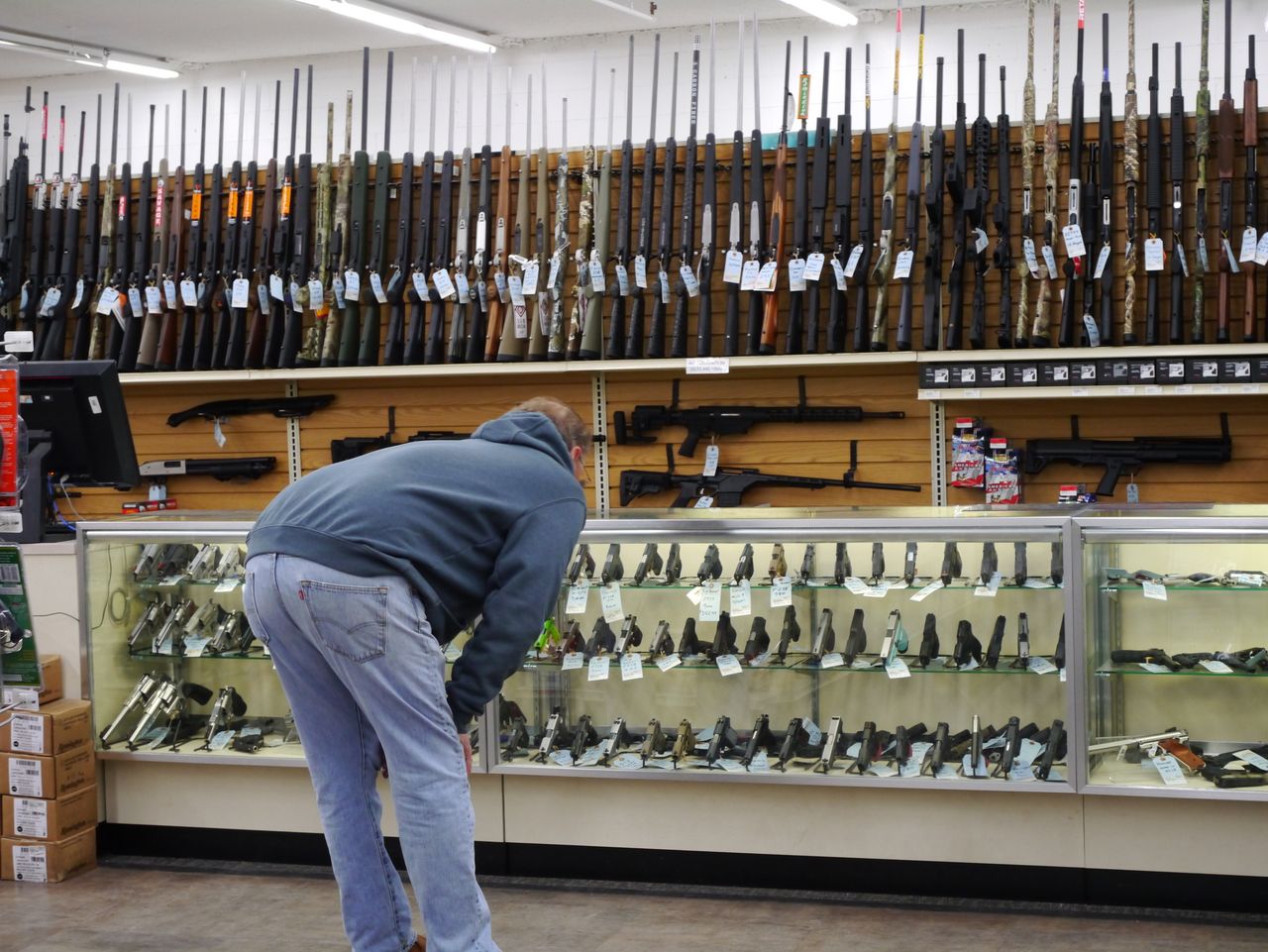
Unlike cars or many household consumer products, firearms do not sit inside a simple, centralized federal recall system. Industry recall databases note that no federal agency can compel a manufacturer to issue a firearm recall in the same way many people assume other product recalls work.
So when a gun company moves quickly, it usually reflects a mix of legal caution, engineering concern, and brand protection. In that sense, the Response episode can be read two ways.
On one hand, a near-immediate safety alert is embarrassing. On the other, it suggests the company acted before a small problem had a chance to become a much bigger one.
What Buyers Were Originally Getting
Part of what made the Response appealing was that it was not a me-too carbine. Reviews and product coverage highlighted its modular magazine-well system, allowing owners to run different pistol magazines, a feature that gave it practical appeal in a crowded 9mm carbine field.
It was also marketed as approachable. Light recoil, familiar controls, and compatibility with gear many shooters already owned gave it broad appeal beyond hardcore enthusiasts.
That broad targeting raised the stakes. When a rifle is pitched to general consumers rather than niche collectors, reliability and confidence are not bonus features. They are the whole game.
How The Company Handled It
Smith & Wesson told owners to determine whether their rifle was affected by checking the box label’s date of manufacture or confirming by serial number. If included, the rifle would be returned for inspection and repair with prepaid shipping.
That matters because recall logistics often shape public reaction almost as much as the defect itself. A hard-to-navigate process can deepen distrust, while a simple return-and-repair system can limit reputational damage.
The company’s own filings later acknowledged that in February 2024 it initiated the safety recall for Response rifles manufactured before February 12, 2024 due to field reports involving the potential for out-of-battery discharge.
Why This Recall Still Matters
The Response recall is a reminder that the riskiest moment in a firearm’s life may be launch week. That is when design theory meets real-world ammo, real-world users, and real-world tolerances.
For consumers, the lesson is simple: never assume “brand new” means fully proven. Early production runs can carry the most uncertainty, even when the manufacturer is well established.
For the industry, the Response became a case study in how fast momentum can evaporate. One week you are selling the future. The next, you are shipping boxes for returns.