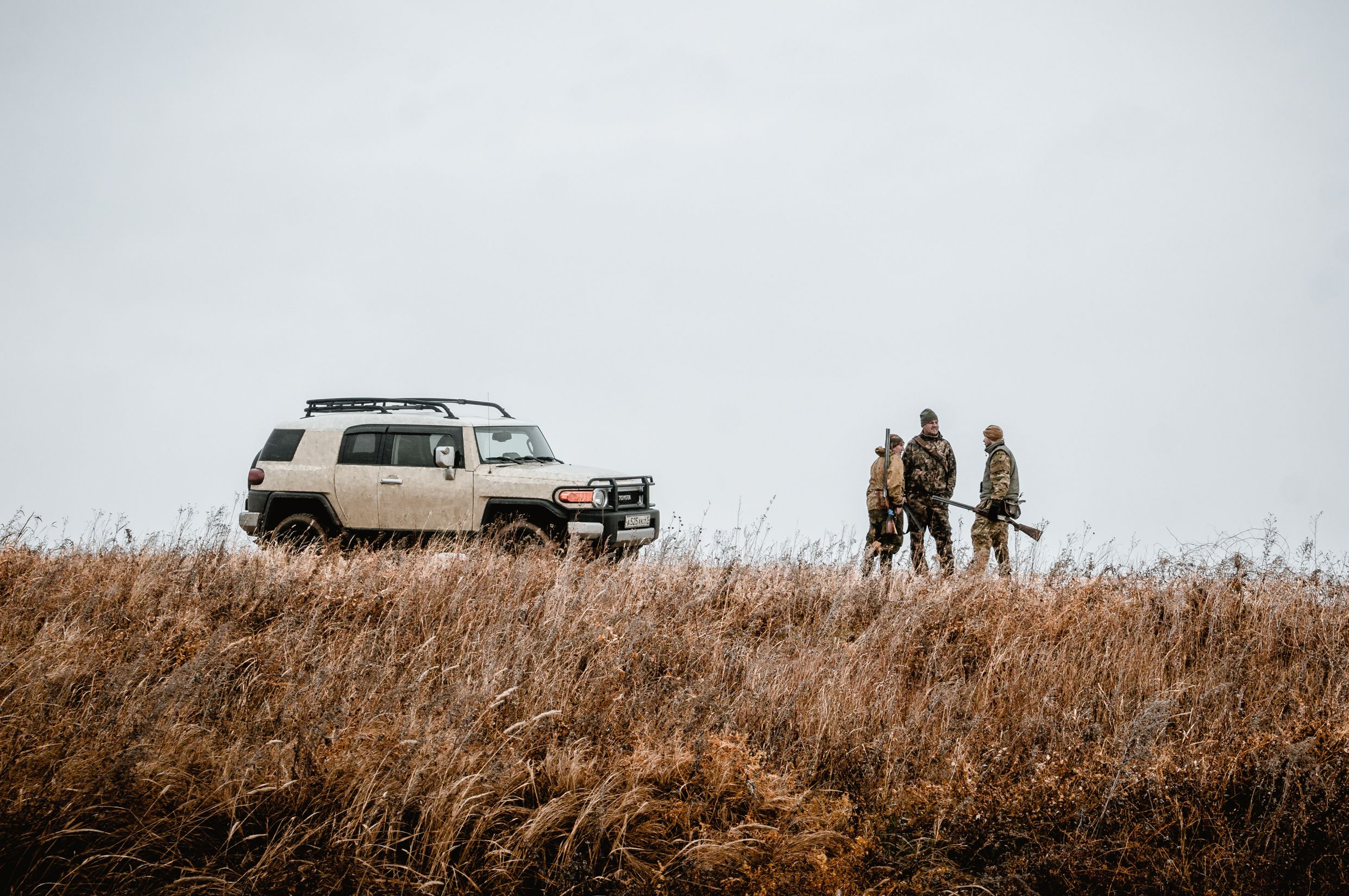
A lot of rifles get admired. Very few get carried for decades in ugly weather, hard country, and moments that actually matter.
It Earned Its Reputation the Hard Way
The Marlin Guide Gun was never a safe-queen darling first. It became famous because hunters, outfitters, and wilderness guides needed a short rifle that could come out of a scabbard fast, swing in timber, and still hit with authority.
That formula centered on the Model 1895 platform in .45-70 Government, a cartridge that has been around since 1873 and still refuses to fade. Its appeal is simple: heavy bullets, strong close-range performance, and proven usefulness on large animals.
What made the Guide Gun special was packaging that power in a handier lever action. According to Ruger, the modern Marlin 1895 Guide Gun family became a priority in the brand’s relaunch, and the company later called the 1895 Guide Gun its first reintroduction in that specific family after acquiring Marlin.
That matters because the rifle’s reputation survived corporate upheaval. Plenty of firearms lose their audience during production gaps or ownership changes. The Guide Gun did not.
Backcountry Hunters Want Fast, Not Fancy
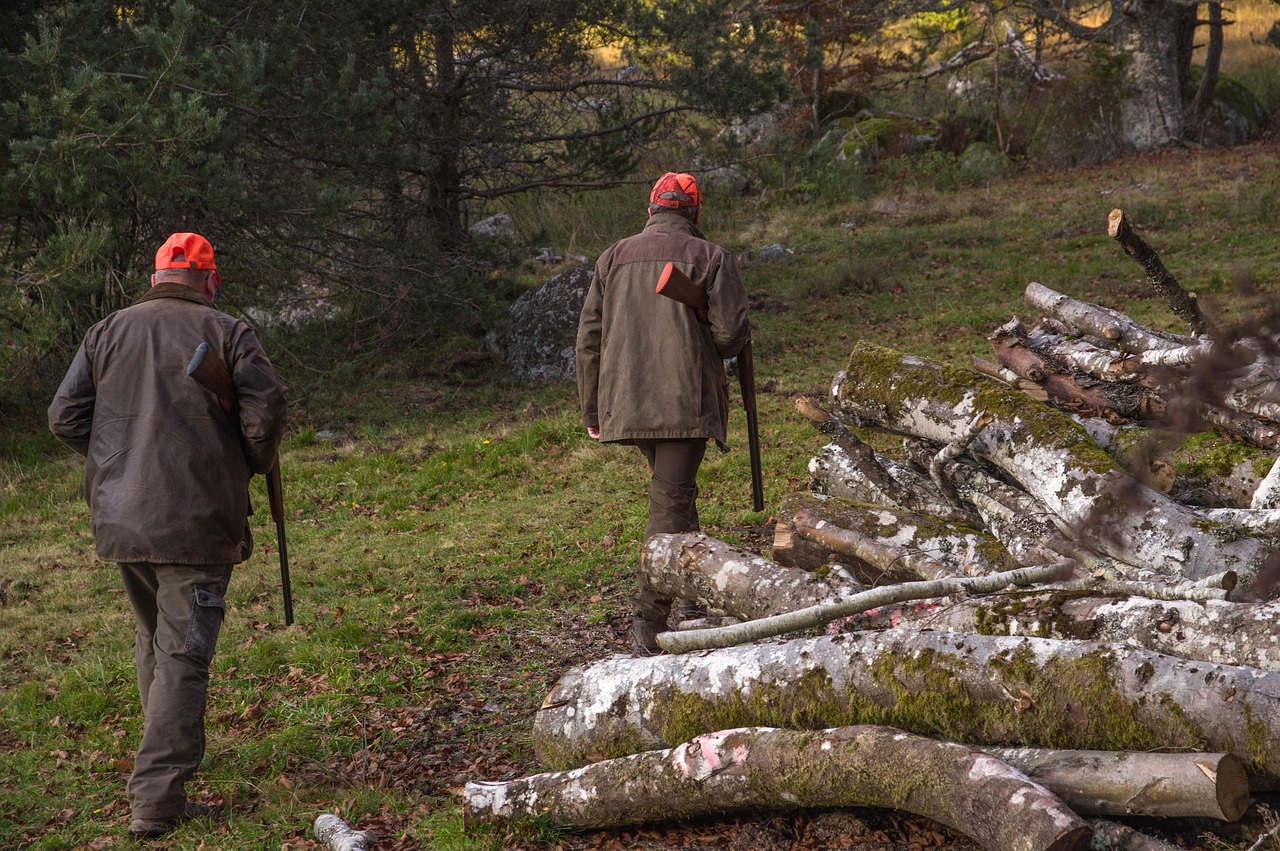
In the mountains, alder tangles, dark timber, and creek bottoms, long-barreled rifles can feel like boat oars. A Guide Gun solves that problem by staying compact without giving up the confidence hunters want around bears or heavy-bodied game.
The modern Ruger-made Marlin 1895 Trapper, which shares the same practical DNA, carries a 16.17-inch cold hammer-forged barrel with a 1:20 twist, stainless construction, and receiver-mounted Skinner sights, according to Ruger. Those details are not cosmetic; they are exactly the sort of field-minded features serious users ask for.
Outdoor writers keep returning to the same point. Outdoor Life has praised the new Ruger-made 1895 line as the finest factory Marlins ever produced, while Guns & Ammo noted that the big-bore lever gun remains popular with guides, bear hunters, and wilderness travelers.
In other words, this is not nostalgia alone. It is a tool that still fits the job.
The .45-70 Still Makes Sense Up Close
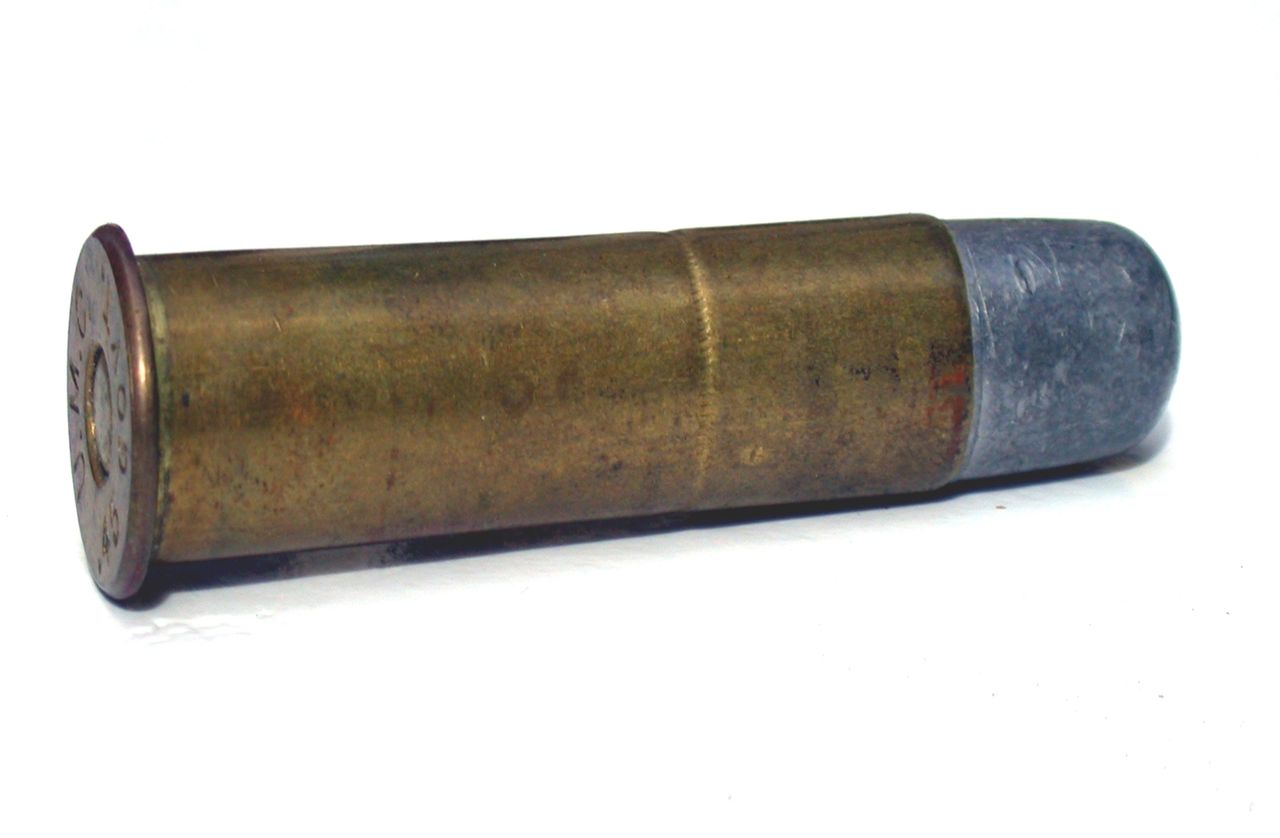
The Guide Gun’s chambering explains much of its cult following. At the distances where many backcountry encounters happen, especially in thick cover, hunters are not asking a rifle to be a 600-yard instrument. They are asking it to stop trouble quickly and predictably.
That is why .45-70 remains relevant. With modern loads, it can push hard-cast or controlled-expansion bullets that hunters trust on elk, moose, and bear-sized animals, while still working through a simple, durable lever-action system.
Field & Stream’s review of the 1895 SBL described it as a better thought-out version of Marlin’s popular Guide Gun concept and noted that full-power .45-70 loads can generate more than 50 foot-pounds of recoil. That recoil is real, but experienced users accept it as the price of serious terminal performance.
Nobody calls it gentle. They call it comforting.
Reliability Matters More Than Fashion
One reason hunters refuse to give up the Guide Gun is that lever actions like this one are easy to understand in the field. The manual of arms is straightforward, the balance is lively, and the rifle carries naturally in one hand while moving through rough terrain.
The newer Ruger-era guns also arrived with an explicit focus on quality. Outdoor Life reported that the comeback of Marlin mattered because longtime fans had watched quality erode in later years before the brand was shut down, and early reviews of the revived rifles emphasized improved fit, finish, and execution.
That improvement gave old believers a reason to come back and younger hunters a reason to buy in. When a rifle points quickly, cycles smoothly, and holds up in weather, loyalty follows.
In the backcountry, practical trust beats trendiness every time.
It Fits Real Hunting, Not Internet Debates
The internet loves spec-sheet arguments. Backcountry hunters usually care more about whether a rifle rides well in a truck, fits in a saddle scabbard, clears brush, and can be brought on target without drama when adrenaline spikes.
American Hunter, discussing backcountry defense guns, argued that today’s Marlin rifles are better than previous versions and singled out the 1895 Trapper as an outstanding wilderness defense option. The same publication highlighted its short overall length and manageable carry weight, exactly the traits hunters value when miles add up.
That praise extends by association to the Guide Gun format as a whole. Hunters who live with rifles in the field tend to converge on the same answer: compact big-bores are not glamorous, but they are deeply useful.
Useful rifles tend to survive every trend cycle.
Why Hunters Still Won’t Let It Go
The Marlin Guide Gun sits in a sweet spot that modern rifle design still has not replaced. It is shorter than many bolt guns, faster-handling than most magnum setups, and more reassuring in thick country than lighter-duty carbines.
It also carries a kind of earned emotional weight. Hunters remember rifles that were with them in bad weather, around horses, on riverbanks, and in country where visibility shrinks and consequences grow. The Guide Gun has been there for all of it.
That is why backcountry hunters refuse to give it up. The Marlin Guide Gun is not beloved because it is fashionable, exotic, or new. It is beloved because, generation after generation, it keeps proving it belongs.