The best outdoor tool is still the one between your ears. When the trip gets hard, forgotten skills beat expensive gadgets every time.
Reading the Land Before You Read a Screen
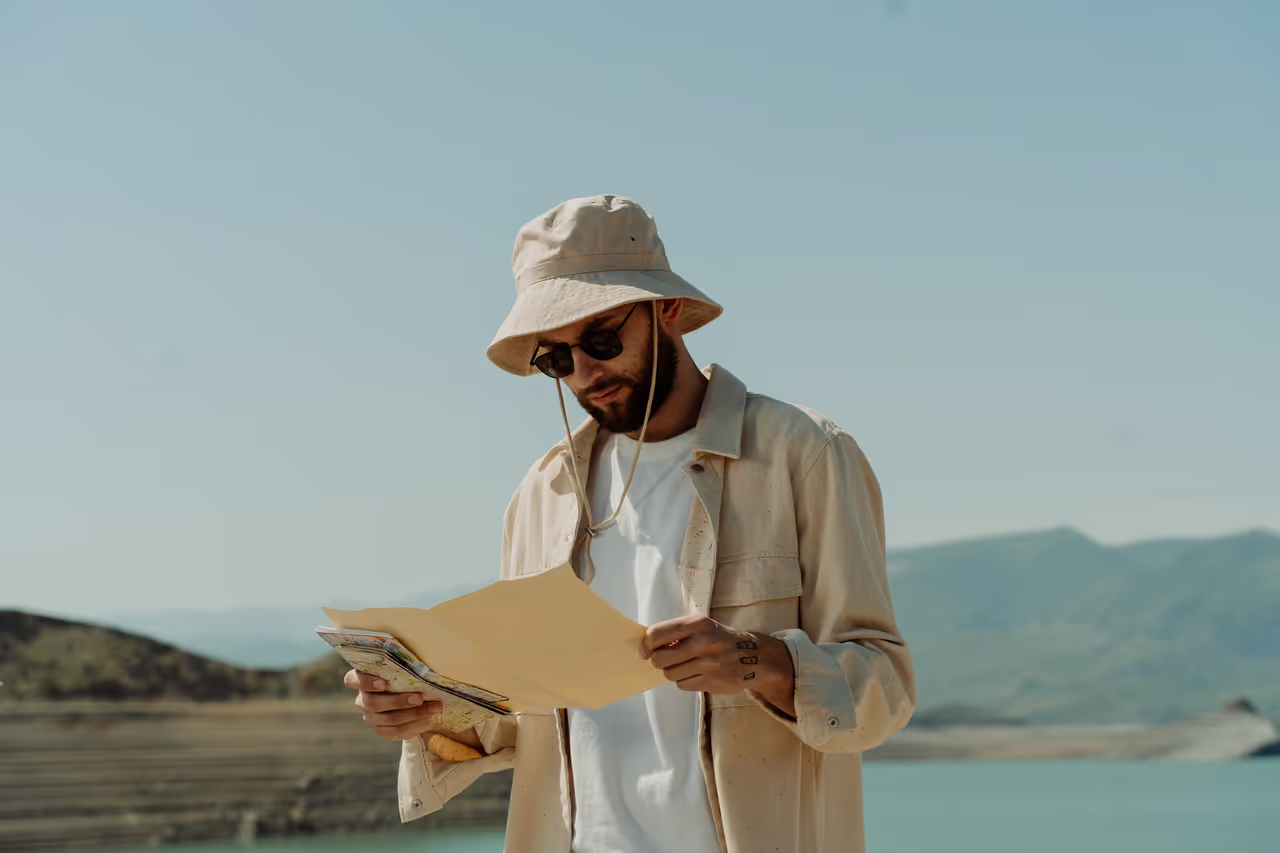
A GPS can show where you are, but it cannot teach you what the terrain means. The people who move well outdoors notice slope angle, drainage, wind exposure, and escape routes before trouble starts.
That kind of awareness is still taught by organizations like NOLS, which emphasizes topo-map reading, route planning, and judgment as core wilderness skills. Its instructors frame technology as useful support, not a replacement for foundational navigation and decision-making.
NOAA makes the same point from another angle. Mountain weather and conditions near large bodies of water can change dramatically, which means a blue-dot app is only part of the picture when clouds build, wind shifts, or thunder starts rolling in.
The outdoors rewards people who can connect clues. A faint game trail, a cold-air drainage, or a saddle on a ridge can matter more than the most expensive watch on your wrist.
Navigation Is More Than Following a Track

Too many hikers now treat navigation like turn-by-turn driving. That works until the battery dips, the map layer fails, or the route on the screen was never a smart route on the ground.
Real navigation means orienting a paper map, matching contour lines to what you see, and choosing terrain features you can follow even in poor visibility. It also means knowing when to stop, relocate, and backtrack instead of pushing deeper into uncertainty.
NOLS has long taught students to practice contour reading and route planning with consistent-scale maps because those habits build resilience. In wilderness travel, the goal is not just finding north. It is making good choices before a small error becomes a rescue.
That is why compass work still matters. Not because it is romantic, but because it is dependable, quiet, and brutally honest.
Fire Craft and Camp Craft Still Save Trips
Campfire skill is not just about comfort or nostalgia. It is about understanding fuel, wind, moisture, and safety well enough to stay warm, dry gear, and leave no hazard behind.
The U.S. Forest Service and Smokey Bear still hammer home the same shutdown routine: drown, stir, drown, and feel until the fire is cold to the touch. That advice persists because many people think a fire is out when it is only resting.
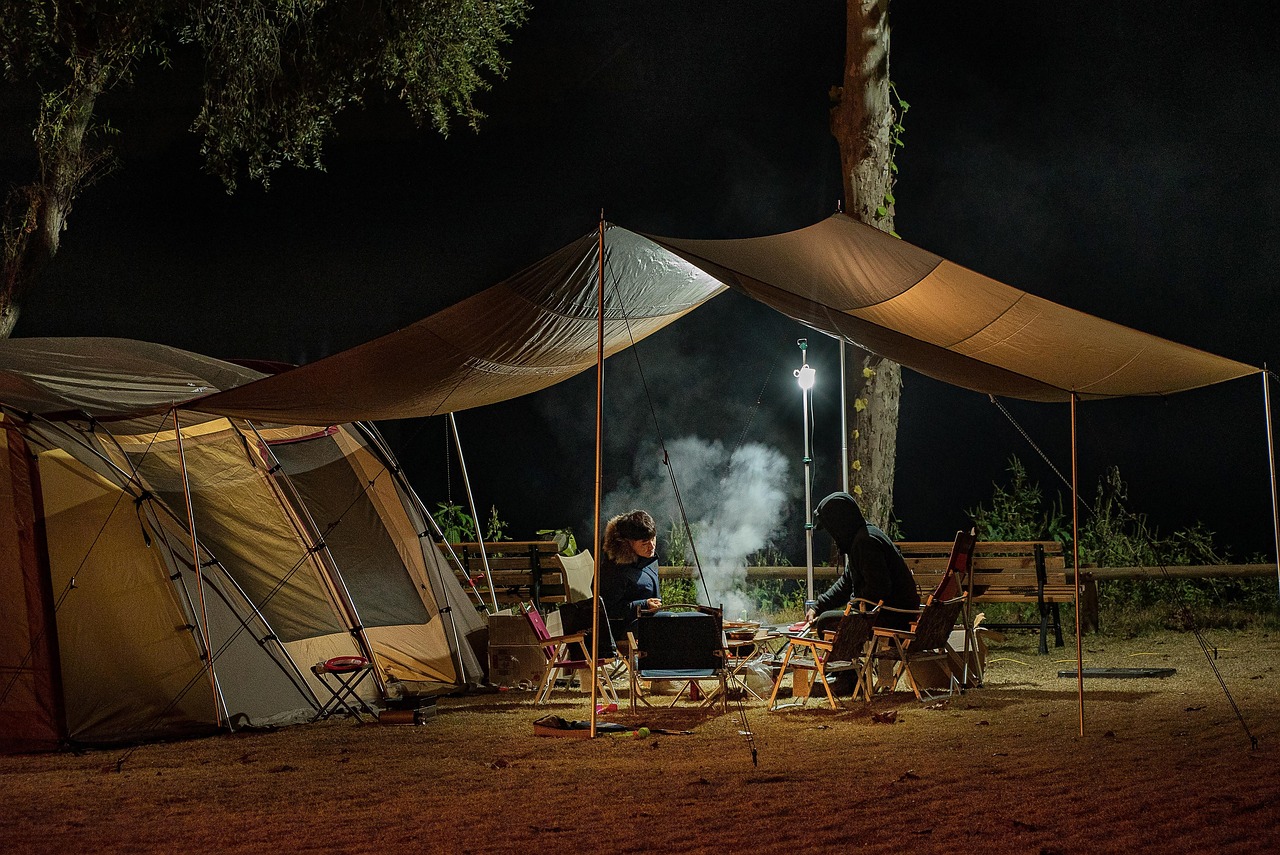
Good camp craft also includes picking shelter wisely. A perfect tent is less useful if you pitched it in a drainage, under widowmakers, or where wind funnels all night.
This is the unglamorous skill that prevents misery. Site selection, simple knots, dry storage, and a fast tarp setup routinely outperform costly gear used badly.
Knowing Your Body Before It Becomes an Emergency
Wilderness medicine starts with noticing. The National Park Service warns that early hypothermia signs include shivering, clumsiness, poor judgment, slurred speech, and exhaustion, and those signals often appear before people admit they are in trouble.
That matters because the outdoors rarely announces emergencies with drama at first. They begin with small mistakes: damp layers, missed calories, pride, or a late turnaround.
Olympic National Park notes that hypothermia is a leading killer in the outdoors, especially in wet and cold conditions. NOAA also warns that rapid heating, dehydration, and salt loss can trigger heat illness faster than many people expect.
The skill, then, is not owning the fanciest medical kit. It is recognizing the pattern early enough to add layers, eat, hydrate, rest, or bail before the situation snowballs.
Woodsmanship Means Paying Attention to Small Risks
The old hunters and backwoods campers called it woodsmanship, but the idea is broader than hunting. It means moving through a place with enough awareness to notice tracks, insect pressure, deadfall, storm signs, and changing ground conditions.
That same attention helps with mundane but important threats like ticks. The CDC says attached ticks should be removed as soon as possible with fine-tipped or even regular tweezers, using steady, even pressure rather than gimmicks like heat or petroleum jelly.
Notice the pattern again: a basic skill beats a specialty gadget. The person who checks socks, waistbands, and hairline after brushy miles is better protected than the person who bought gear and skipped the habit.
Outdoor safety is often boring in the best way. It lives in routines, not purchases.
Judgment Is the Skill Every Other Skill Depends On

The most overlooked outdoor skill is judgment. NOLS describes risk management as learning hazard identification, situational awareness, decision-making, and self-care in remote places where help may be days away.
That is why gadgets create a false sense of security for some people. A satellite communicator is excellent, but it does not decide whether to cross the creek, push the ridge, split the group, or turn around at 2 p.m.
Avalanche.org makes a similar distinction in snow country: carry a transceiver, probe, and shovel, and know how to use them. Gear without training is not preparedness. It is just expensive hope.
The best outdoors people are rarely the flashiest. They are the ones who stay calm, read the country, notice trouble early, and make the conservative call before anyone else realizes it was needed.