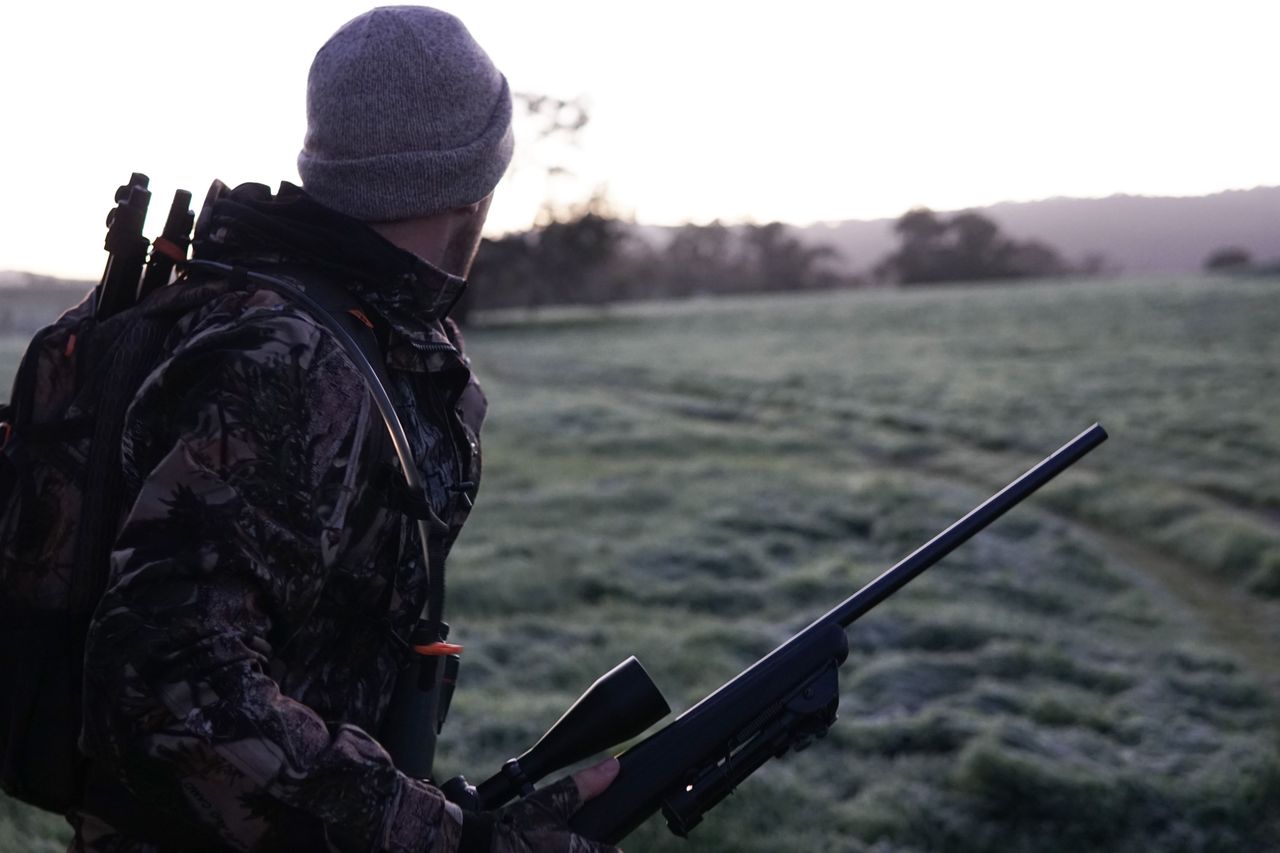
After dark, the argument gets louder. Across the South, night hunting rules are turning neighbors, landowners, and even hunting clubs against each other.
Why night hunting has become such a flashpoint
Night hunting used to sit at the edge of mainstream Southern hunting culture, often associated with predator control, hog eradication, or tightly local customs. That has changed fast. Feral hog populations have exploded across states like Texas, Georgia, Mississippi, and Alabama, pushing more landowners to demand flexible after-hours access to protect crops, fences, and food plots.
At the same time, wildlife agencies have faced pressure from a different direction. Many traditional deer hunters worry that broader night access normalizes behavior they long associated with poaching. In their view, once lights, optics, and nighttime rifle setups become common in the field, game wardens face a harder job separating legal hog control from illegal deer harvest.
The result is a debate that sounds narrow but is actually much bigger. It touches ideas about who hunting is for, what counts as ethical fair chase, and how much technology should reshape old practices. In many communities, the sharpest disagreements are no longer between hunters and non-hunters. They are happening within the hunting world itself.
The South is not one legal landscape after sunset.
One reason the issue feels so combustible is that the rules change dramatically from state to state, and sometimes from county to county or season to season. Texas has long allowed aggressive nighttime feral hog control on private land, helping create a culture where thermal optics and suppressed rifles are treated by many landowners as practical tools, not controversial gear.
Elsewhere, the picture is more restrictive or more confusing. In some Southern states, hunting certain nuisance species at night is legal only with permits, only on private land, only during specific windows, or only with approved equipment. Hunters who cross state lines for leases or family land can find themselves navigating a patchwork of regulations that are easy to misunderstand and expensive to violate.
That legal fragmentation fuels suspicion. If one county sheriff treats nighttime coyote control as routine while a neighboring jurisdiction treats any spotlight in a field as cause for investigation, hunters get mixed signals. Enforcement officers often say the challenge is not just writing citations. It is explaining a rulebook that many residents assume should be simpler than it is.
Feral hogs changed the conversation, but not the whole argumen.t

No animal has done more to reshape this debate than the feral hog. Agricultural economists and state wildlife agencies have repeatedly described the damage in staggering terms, from destroyed row crops to torn-up pastures and creek banks. In Texas alone, estimates of annual feral hog damage and control costs have often reached into the hundreds of millions of dollars.
That reality gives night hunting advocates a strong practical case. Hogs are largely nocturnal where pressure is high, they reproduce quickly, and daytime efforts often fail to keep numbers down. Landowners dealing with repeated damage do not want philosophical lectures about sporting tradition. They want more options, more flexibility, and fewer bureaucratic delays.
Still, hogs do not settle the issue by themselves. Critics point out that broad night hunting permissions created for hogs can blur into other forms of after-dark shooting, especially when deer, livestock, and rural homes share the same landscape. They argue that what begins as pest control can widen into a weakly monitored nighttime gun culture that many communities never consciously agreed to accept.
Technology is making old rules feel outdated
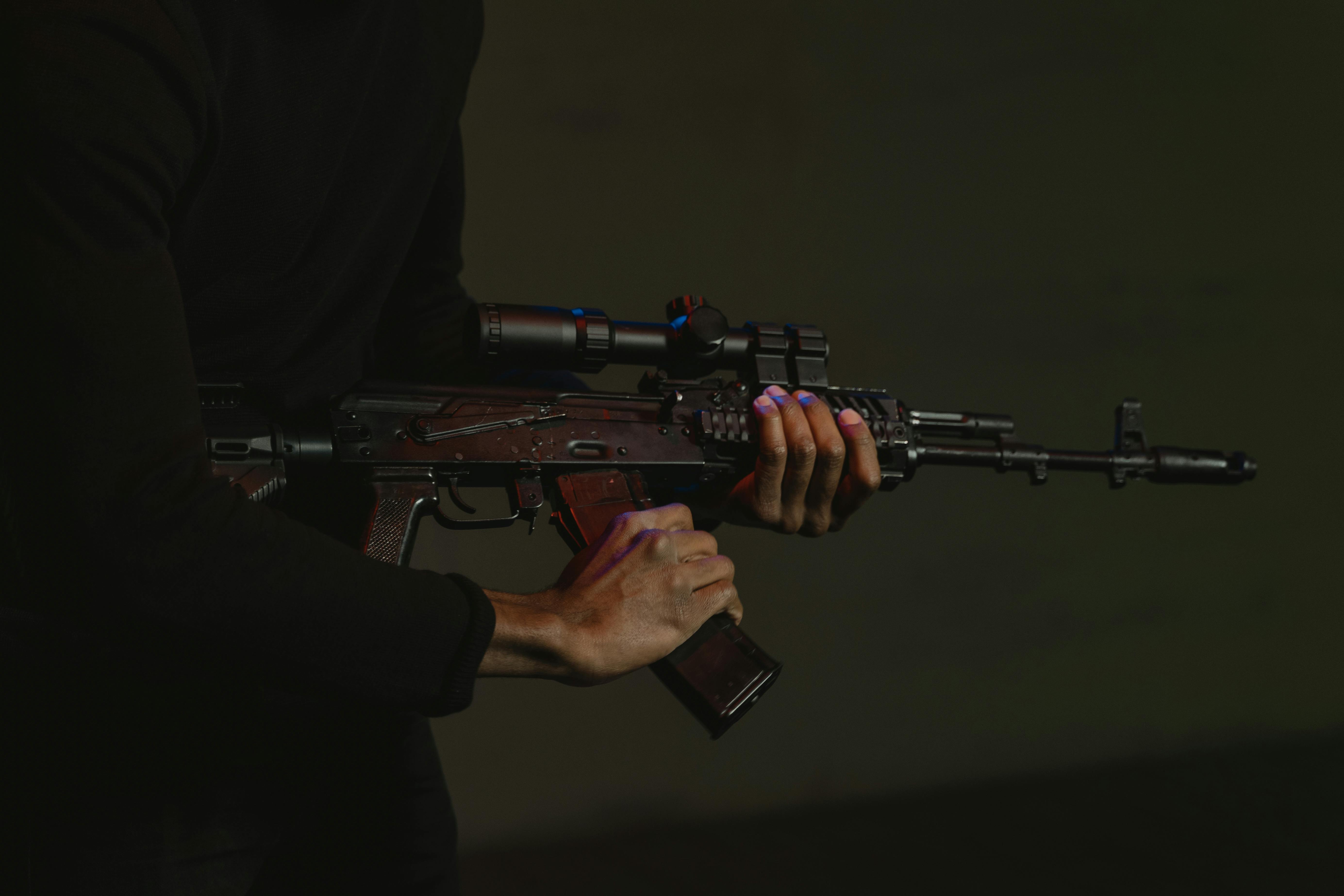
A generation ago, night hunting regulation was built around spotlights, basic scopes, and the assumption that darkness naturally limited range and accuracy. Today, thermal imagers, digital night vision, advanced tripods, rangefinding optics, and quieter firearms have transformed what hunters can see and hit after sunset. In some circles, the equipment now resembles a precision system more than a simple hunting setup.
Supporters say the law has to catch up with reality. If a rancher can clearly identify a hog through thermal optics at a safe distance, they argue, that may be more responsible than taking a rushed daytime shot through brush. Some wildlife managers also acknowledge that modern gear can improve target identification, a major public-safety concern in any low-light environment.
Opponents hear a different message. They believe these tools lower the barrier between legal predator control and highly efficient wildlife exploitation. The fear is not just illegal deer harvest, though that remains central. It is also the erosion of any shared line between hunting as skill and restraint, and hunting as a fully technologized exercise with darkness no longer acting as a meaningful limit.
Safety concerns are real, and so is mistrust of enforcement
Talk to rural sheriffs, game wardens, or landowners, and safety concerns come up quickly. Night changes everything: depth perception, orientation, property-line awareness, and the ability of nearby residents to know who is shooting and why. A legal nighttime shot on one tract can sound exactly like reckless or illegal gunfire to a family living two fields over.
That uncertainty creates tension even where violations are rare. Some landowners welcome responsible night hunters because hog damage is expensive and constant. Others post land more aggressively once after-dark traffic increases, especially if they have cattle, horses, or children near woods roads. In places where subdivisions now sit close to old farm country, one group’s pest-control solution can feel like another group’s late-night threat.
Enforcement adds another layer of strain. Many hunters believe game wardens need discretion because the field reality is messy. Many wardens, in turn, believe vague exemptions invite abuse. When a truck, a feeder, a rifle, and a thermal scope are present after midnight, proving lawful intent can be difficult, and everyone involved knows it.
A generational and cultural divide is widening

Age is not the only factor in this dispute, but it matters. Older hunters often frame night restrictions as part of the moral architecture of Southern hunting, something tied to restraint, visibility, and fair chase. For them, deer camp traditions were built around dawn and dusk, not around scanning fields at 1 a.m. with expensive optics.
Younger hunters and newer land managers often see that view as selective nostalgia. They point out that Southern hunting has always adapted to changing land use, wildlife pressures, and gear. Feeders, box blinds, food plots, trail cameras, and high-end rifles all changed the field long ago. In that context, they ask why thermal optics suddenly become an unacceptable line.
The split is also economic. Night hunting setups can be costly, which means the debate sometimes mirrors class divisions inside hunting culture. Well-funded landowners may see nighttime control as essential property defense, while working hunters may suspect the rules are being rewritten around elite equipment, private access, and a style of hunting that feels less communal and more transactional.
Where the debate is likely headed next
In the near future, most Southern states are unlikely to move in one sweeping direction. The more probable path is piecemeal regulation: expanded hog control here, tighter permit systems there, and continuing restrictions around deer seasons, public land, or specific equipment. Wildlife agencies tend to move cautiously when a rule touches ethics, safety, and enforcement all at once.
Expect data to matter more. Agencies increasingly want evidence on whether liberalized night rules actually reduce hog damage, increase violations, or produce more complaints from residents. If states can show measurable benefits with limited unintended consequences, broader access may follow. If poaching cases or safety incidents rise, lawmakers will face pressure to pull back quickly.
What makes this debate important is not only what happens after sunset. It reveals how Southern hunting communities are renegotiating identity in real time. The core question is whether night hunting remains a narrow tool for specific problems or becomes a normalized part of modern hunting culture. That answer will shape much more than a rulebook.