The fight over Massachusetts gun rules just moved into a more serious phase. A federal judge has refused to throw out a lawsuit that targets how the state licenses nonresidents who want to lawfully carry firearms.
What The Judge Actually Decided

Chief U.S. District Judge Denise J. Casper issued the ruling on August 28, 2026, in Lawson v. Campbell, a case pending in the U.S. District Court for the District of Massachusetts. The plaintiffs include the Second Amendment Foundation, the Gun Owners’ Action League, and three individual nonresident gun owners who say the state’s licensing process is too slow, too costly, and too restrictive.
State officials had asked the court to dismiss the case under Rule 12, arguing both that the plaintiffs lacked standing and that the complaint failed to state a valid legal claim. Casper rejected that request in important part. She denied the motion on jurisdictional grounds and also let the plaintiffs proceed on an as-applied Second Amendment claim and on an Equal Protection claim.
But this was not a total win for the challengers. The judge allowed the state’s motion as to the plaintiffs’ facial Second Amendment challenge and as to their Privileges and Immunities claim. That means the case survives, but in a narrower form than the plaintiffs originally wanted.
Who Brought The Lawsuit And Why
The lawsuit was filed on August 12, 2025, and centers on Massachusetts rules for nonresident licenses to carry, commonly called LTCs. According to the complaint materials described by the Second Amendment Foundation, the case argues that lawful visitors and out-of-state workers face repeated burdens that residents do not, including long waits and repeated trips into Massachusetts.
The plaintiffs say the initial application process can take six months or more. They also argue that nonresident permits are valid for only one year, while resident licenses can remain valid for up to six years. That difference is at the heart of the lawsuit because it turns what might be an occasional administrative task for residents into a constant renewal cycle for outsiders.
The individual plaintiffs say they regularly travel into Massachusetts for business or personal reasons and want to exercise what they view as their constitutional right to carry for self-defense. The organizational plaintiffs, SAF and GOAL, frame the case as part of a broader post-Bruen battle over whether states can maintain systems that technically allow carry but make it unusually hard in practice.
Why Massachusetts’ Nonresident System Draws So Much Criticism
Massachusetts law requires a license to carry for many forms of firearm possession and public carry within the Commonwealth. For nonresidents, the governing statute is General Laws Chapter 140, Section 131F, which provides for a temporary license issued by the colonel of the state police or designees. The law states that this nonresident license is valid for one year.
By contrast, the resident licensing statute, Section 131, provides that a resident LTC is valid for not more than six years. That gap is one of the starkest practical differences in the system. Critics say it effectively creates a two-track framework: one for Massachusetts residents and another for everyone else.
Current Massachusetts law also says licensing authorities generally must approve or deny a completed application within 40 days under Section 121F. The challengers argue that the state’s real-world processing of nonresident applications does not match that timeline. If those claims are proven, the case could turn less on what the statutes say on paper and more on how the state actually administers them.
The Broader Legal Backdrop Matters Here
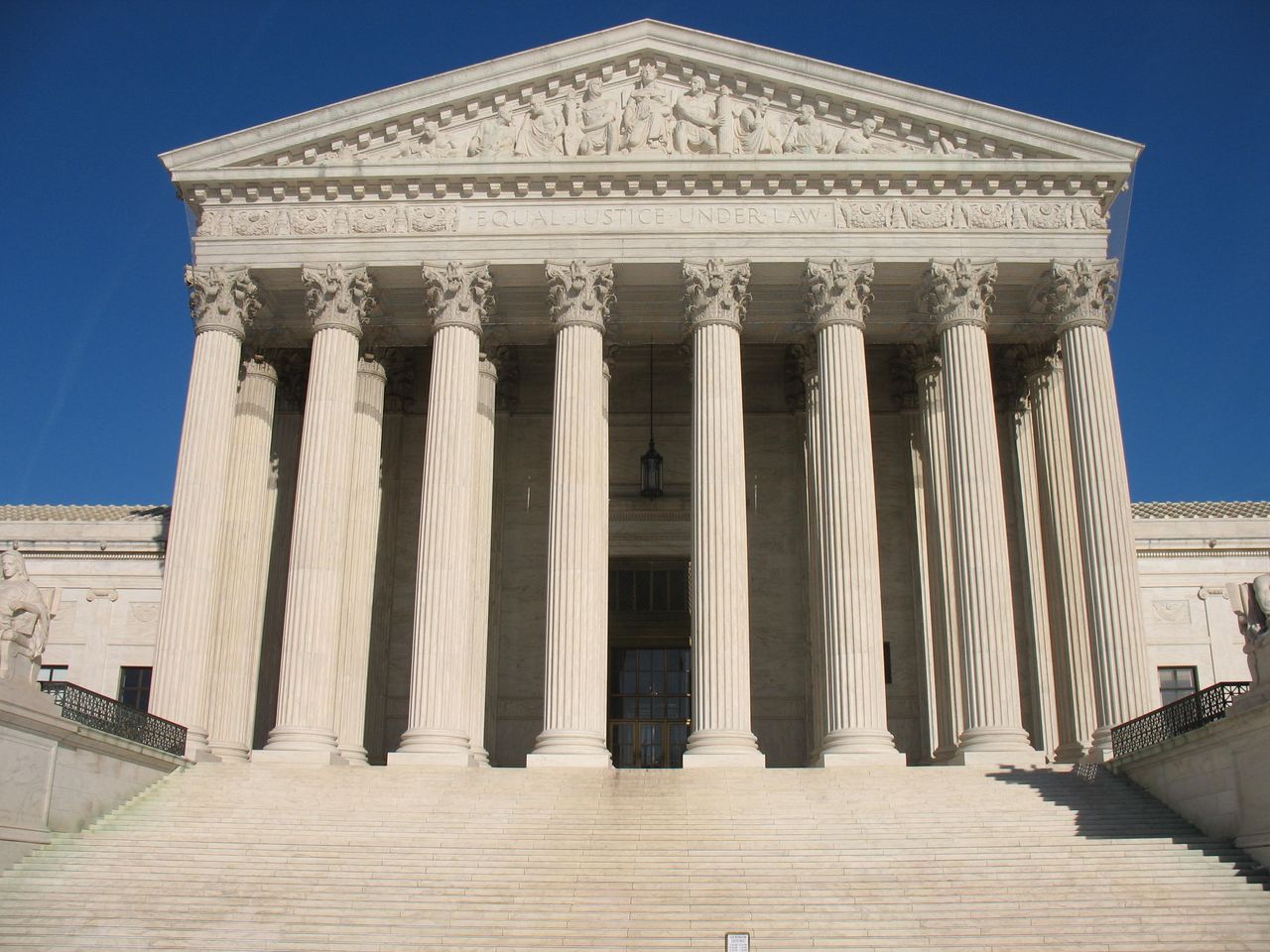
This lawsuit does not exist in a vacuum. Since the U.S. Supreme Court’s 2022 decision in New York State Rifle & Pistol Association v. Bruen, courts around the country have been forced to reexamine firearm licensing laws through a new constitutional lens that is generally less deferential to modern gun restrictions.
Massachusetts has already been in the spotlight on this issue. In 2025, the Massachusetts Supreme Judicial Court said the Commonwealth’s prior version of its nonresident licensing scheme violated the Second Amendment under Bruen in Commonwealth v. Marquis. But official state legal summaries also note that after August 10, 2022, the amended Section 131F was treated as constitutional against certain challenges.
That split is part of what makes Lawson v. Campbell worth watching. The federal case is not simply replaying Marquis. Instead, it tests whether the current framework, especially its delays and its annual renewal burden on nonresidents, can survive constitutional scrutiny when examined as applied in the real world.
What The Surviving Claims Could Mean
The as-applied Second Amendment claim is now the centerpiece of the case. That matters because as-applied claims focus on how a law functions in practice for actual people, not just whether the text of the law could ever be enforced constitutionally under any circumstance.
If the plaintiffs can show that lengthy delays, repeated in-person requirements, and annual renewals effectively block lawful nonresidents from carrying for self-defense, they may persuade the court that the system is unconstitutional in operation. That would be a narrower ruling than striking down the law on its face, but it could still force major administrative changes.
The Equal Protection claim is also significant. The plaintiffs argue that Massachusetts treats similarly situated residents and nonresidents differently without sufficient justification. The state will likely counter that nonresident screening raises different practical and public-safety concerns, but the fact that this claim survived the dismissal stage shows the judge believes it is serious enough to be litigated.
Why Gun Owners And State Regulators Are Watching Closely

For gun-rights groups, this case is about more than Massachusetts. Across the country, post-Bruen litigation has shifted from broad attacks on permit systems to more targeted challenges against wait times, training rules, fees, and administrative hurdles that may chill lawful carry without banning it outright.
For Massachusetts officials, the stakes are also high. The Commonwealth has one of the country’s more tightly regulated firearm licensing regimes, and any federal court ruling against its nonresident process could pressure the state to revise forms, timelines, interviews, or renewal practices. It could also invite copycat suits in other states with special rules for outsiders.
There is also a practical enforcement angle. Massachusetts criminal statutes tie certain firearm possession offenses to whether a person holds a valid license under Sections 131 or 131F. When a licensing system becomes difficult to access, critics argue, ordinary legal exposure for travelers and commuters increases sharply.
What Happens Next In The Case
The immediate result is straightforward: the lawsuit is alive, and the parties are heading deeper into litigation. A scheduling conference was set for September 28, 2026, after the court’s August 28 order, meaning the case is moving into the next phase rather than ending at the pleading stage.
That next phase could include discovery into how long applications really take, what nonresidents are required to do in person, how often renewals lapse while still pending, and whether the state has data to justify treating nonresidents differently. Those facts may end up being more important than broad ideological arguments.
For the average reader, the takeaway is simple. This ruling did not strike down Massachusetts nonresident gun licensing rules, and it did not hand either side final victory. What it did do was keep alive a focused constitutional challenge that could reshape how the Commonwealth handles lawful gun carry by people from outside the state.