Some rifles look like bargains on the rack and disappoint the moment you cycle the bolt. The Savage 110 is more interesting than that.
Why the Savage 110 Has Such a Strong Reputation
The Savage 110 has earned its place by doing one thing extremely well for the money: delivering practical accuracy. Savage says the platform dates to 1958, and the company still positions it as a working rifle built around performance rather than luxury. That history matters because few bolt guns stay relevant that long without doing something right.
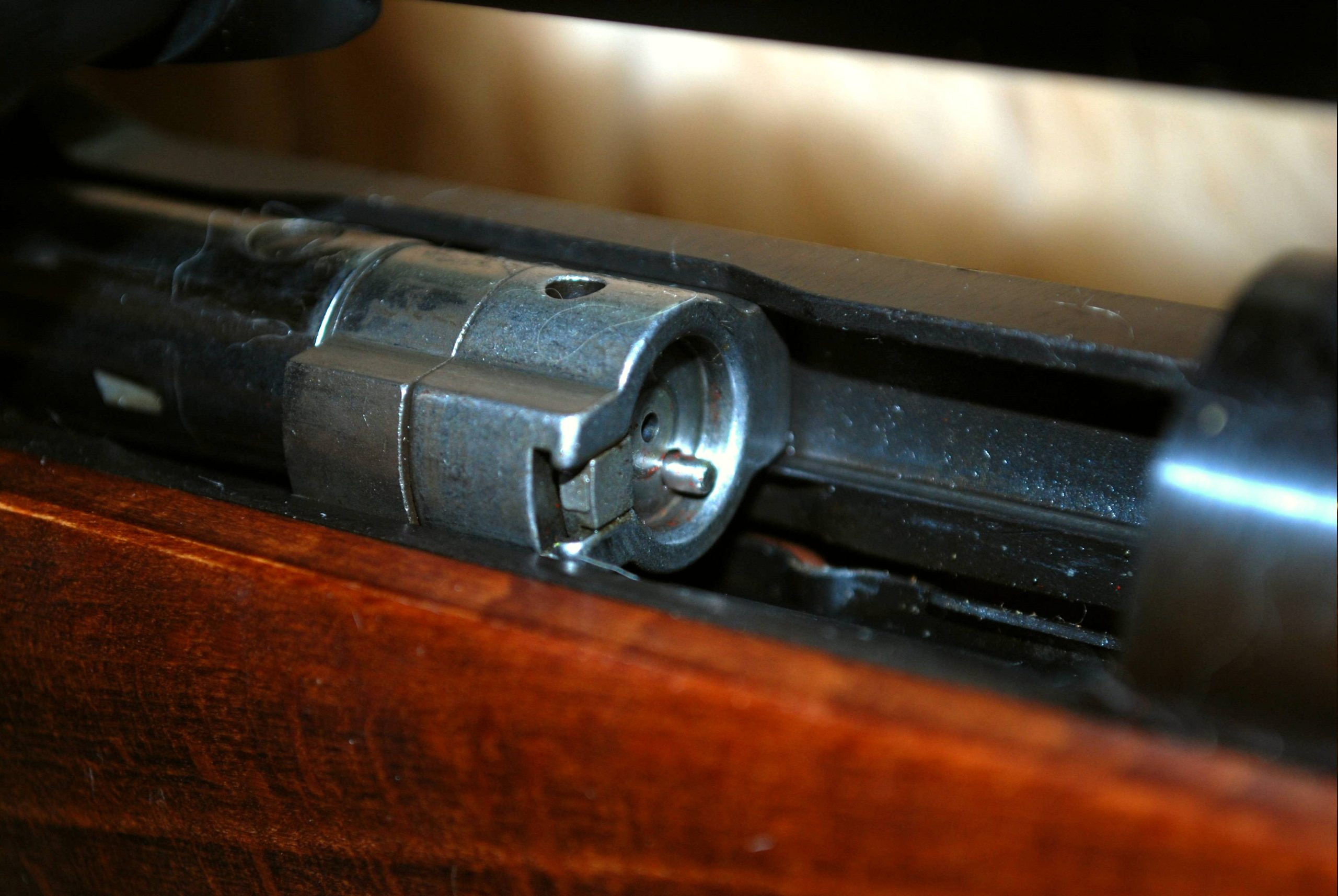
A big part of the reputation comes from the action design. Savage has long leaned on a floating bolt head and barrel-nut headspacing system, features the company credits with helping the rifle lock up consistently and shoot above its price class. Those are not glamorous talking points, but they are exactly the sort of engineering details that create repeatable results.
That reputation is not just marketing, either. American Rifleman recently highlighted a Savage 110 Magpul Hunter in 6.5 Creedmoor that posted .47-inch average groups with factory Hornady ammunition, an eye-catching result for an out-of-the-box rifle. That does not mean every 110 will shoot like a custom gun, but it reinforces why shooters keep coming back to the line.
Where the Value Is Real
The 110’s best value is that many versions give shooters features that used to belong to pricier rifles. AccuTrigger remains one of the most important examples, because a user-adjustable trigger can dramatically improve shootability without an immediate trip to a gunsmith. On newer models, Savage has also pushed adjustability with AccuFit and, in 2026 refreshes, AccuFit V2 stocks.
That stock fit matters more than many buyers realize. Length-of-pull and comb adjustments help shooters get behind an optic correctly, manage recoil better, and build consistency from field positions. Savage is essentially selling fit customization at a price where many competitors still expect buyers to accept a one-size-fits-all stock.
The lineup breadth also adds value. Field & Stream recently noted that Savage lists dozens of Model 110 variants, covering everything from basic hunting trims to premium long-range builds. That means a buyer can start with an entry-friendly version or pay more for threaded barrels, rails, detachable magazines, or lighter configurations without leaving the same basic ecosystem.
The Compromises You Can Feel
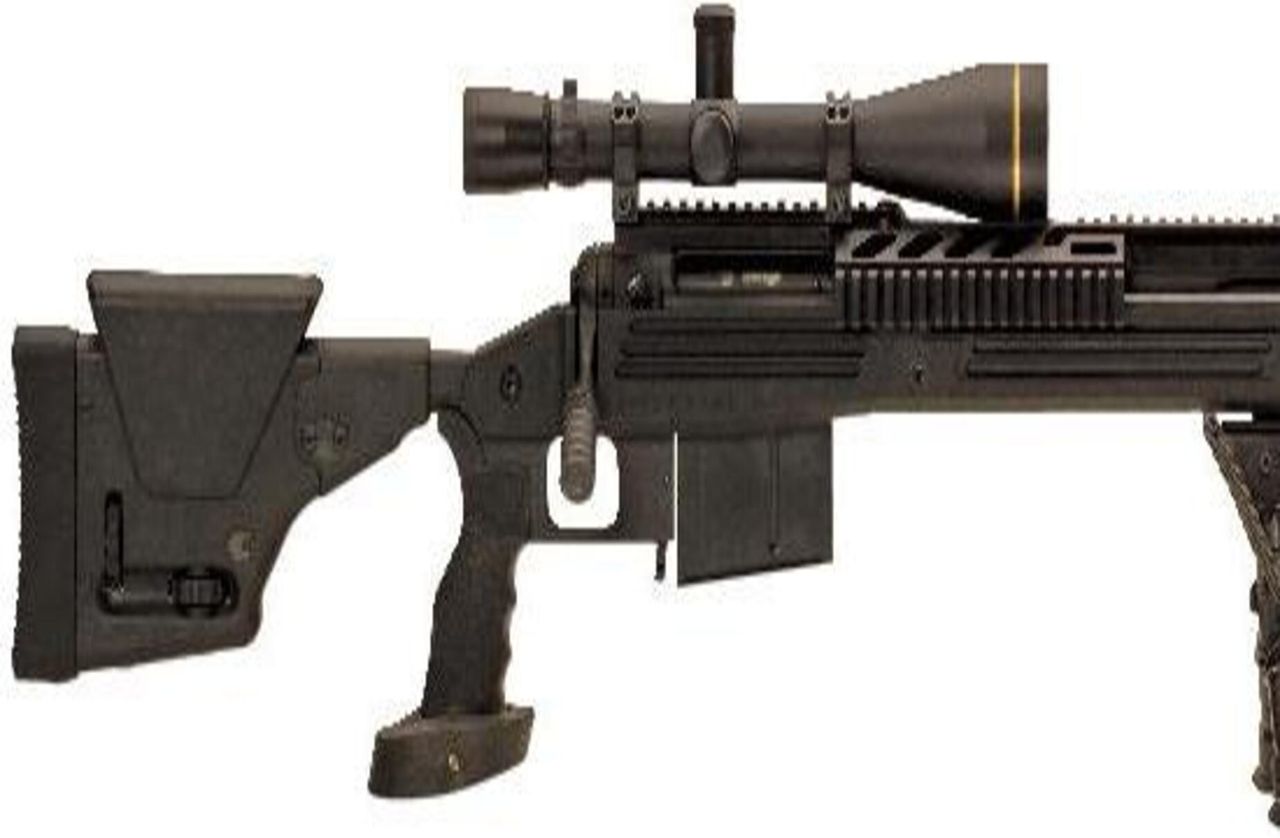
If you handle a Savage 110 next to a more expensive Tikka, Bergara, or premium Winchester, the compromises usually show up in refinement first. Bolt lift and cycling can feel less slick, stock materials can feel more utilitarian, and overall fit-and-finish may not project the same polish. None of that automatically hurts field performance, but it does affect perceived quality.
Weight and balance can also vary more than shoppers expect. Some 110 models feel solid and stable, while others lean a bit clunky compared with trimmer hunting rifles. In practice, that can matter on mountain hunts or long carry days more than it matters from a bench.
Magazine systems and furniture choices are another area where “value” can become model-dependent. A well-equipped 110 can feel modern and smartly configured, but cheaper trims may remind you exactly where Savage saved money. The rifle often prioritizes function first, with aesthetics and tactile refinement landing second.
Accuracy Versus Refinement Is the Real Debate

This is where the 110 becomes easy to misunderstand. If your standard for “best rifle” is smoothness, trim machining, and upscale handling, the Savage probably will not win. If your standard is downrange performance per dollar, the answer changes quickly.
Outdoor Life has described the Model 110 as a rifle designed to be affordable and accurate, and that still captures the platform perfectly. In the mid-priced hunting space, that formula remains powerful because many shooters care more about cold-bore confidence than about whether the bolt feels expensive. A rifle that groups well every season solves more real problems than one that simply impresses at the gun counter.
That tradeoff explains why Savage has survived trends that buried other budget brands. The company did not build the 110’s following on romance. It built it on the idea that a hunter or recreational marksman could spend less and still get honest performance.
Which Savage 110 Buyer Gets the Best Deal
The best 110 value usually goes to the shooter who wants performance features but does not obsess over prestige. A deer hunter, crossover target shooter, or practical long-range beginner can get a lot from this platform because the basics are strong: accuracy, adjustability, and broad model selection. That is especially true if the buyer knows exactly which trim level fits the intended use.
The value becomes less clear for someone who plans to replace the stock, trigger, bottom metal, and magazine setup immediately. At that point, the lower initial purchase price can disappear into upgrades. A more refined rifle bought upfront may actually be the smarter financial decision.
The sweet spot is the buyer who intends to shoot the rifle largely as purchased. In that role, the Savage 110 often delivers the biggest return on money spent. It is not always the prettiest option, but it is frequently one of the most sensible.
So, Is It the Best Value Rifle?
Often, yes, but with an asterisk. The Savage 110 is one of the strongest value rifles on the market when accuracy, adjustability, and broad configuration choices matter more than premium feel. Savage’s 2026 refresh of the 110 family only strengthens that case by pushing more modern features deeper into the lineup.
The price does hide compromises, but mostly in refinement rather than core performance. You are not getting custom-rifle smoothness, luxury materials, or universal elegance. What you are getting is a rifle that has spent decades proving that practical accuracy can be sold at a realistic price.
That is why the 110 remains relevant. It is not the best value because it is the cheapest. It is the best value because, in the right version for the right shooter, it gives up less than you would expect.