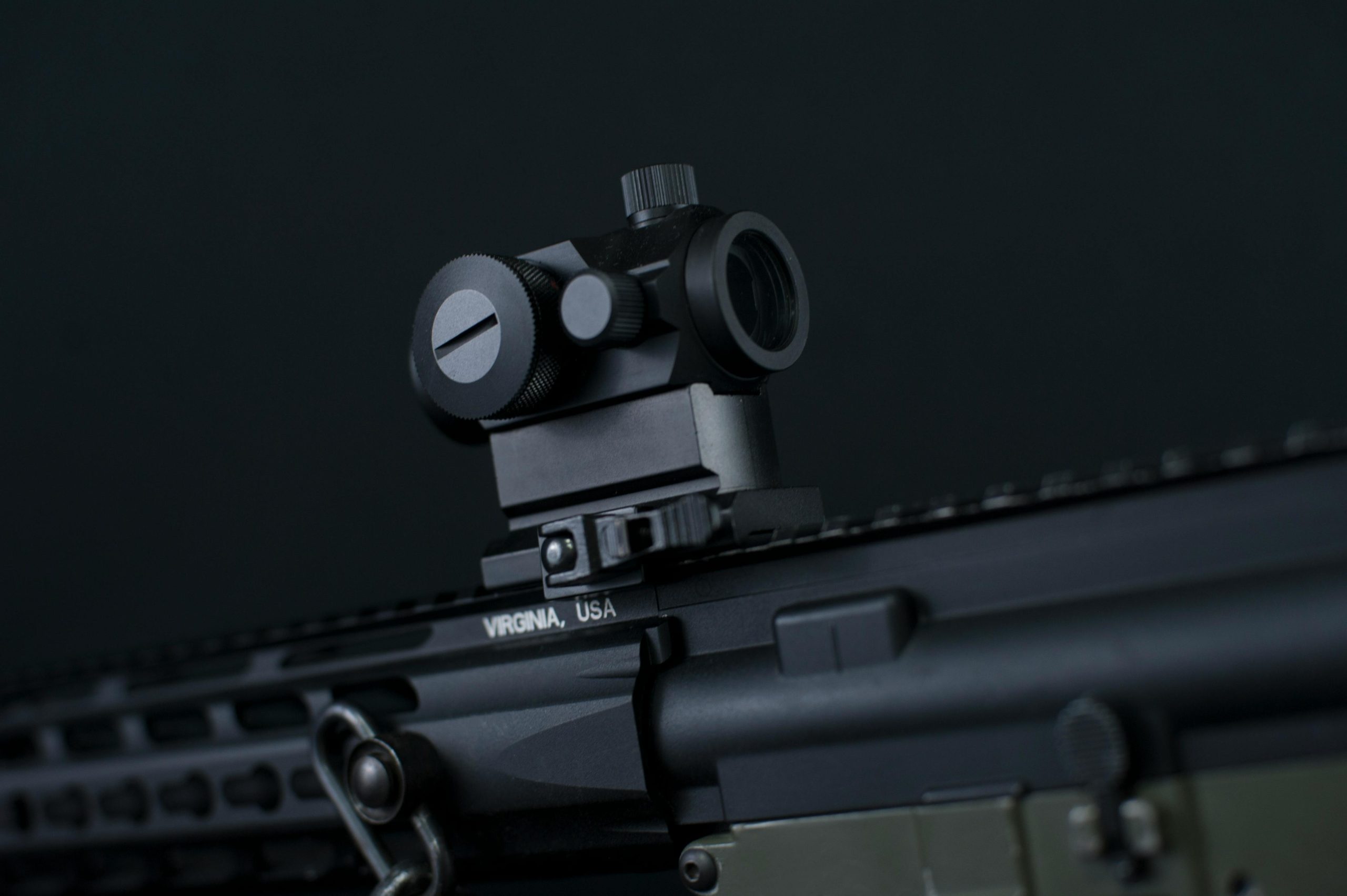
Thermal optics have changed hunting faster than most hunters expected. The real debate is not whether they work, but whether they leave enough uncertainty to keep the hunt honest.
What fair chase actually means
Fair chase is not just an old slogan hunters repeat around camp. It is the ethical backbone of North American hunting, and it asks a simple question: does the animal still have a meaningful chance, or has technology tilted the field too far? The Boone and Crockett Club defines fair chase as the lawful, ethical, sportsmanlike pursuit of free-ranging game without giving the hunter an improper or unfair advantage.
That sounds neat on paper, but the definition gets messy once electronics enter the picture. A better binocular helps you see. A rangefinder helps you judge distance. A GPS helps you navigate. Most hunters accept those tools because they support judgment rather than replace it.
Thermal optics feel different because they can reveal heat signatures that the human eye would never catch, especially in darkness, brush, fog, or broken terrain. That shifts the hunt from finding signs and reading habitat toward detecting living bodies directly. For many hunters, that is the line where assistance starts becoming domination.
The Boone and Crockett Club’s technology position has reflected exactly that tension. It has been said that some tools are not unfair in every use, but become a fair-chase problem depending on how they help a hunter locate and act on animals. That distinction matters because legal and ethical are not always the same thing.
Why does thermal change the hunt so dramatically

Thermal technology is not magic, but it is close enough to feel like it in the field. It detects heat differences rather than visible detail, which means a hog tucked into mesquite, a coyote slipping a fence line, or a bedded animal in low light can suddenly stand out. In practical terms, thermal often compresses the hardest part of hunting: finding the animal in the first place.
That is a much bigger advantage than people sometimes admit. Traditional hunting skills include scouting, glassing, understanding wind, predicting movement, and noticing tiny visual cues. Thermal can reduce the penalty for weaker fieldcraft because it gives immediate feedback about whether an animal is present.
It also changes the animal’s side of the equation. Game survives by blending into shadows, stillness, cover, and darkness. When one of those major defenses stops working, the hunter’s edge increases sharply. That does not automatically make every thermal-assisted hunt unethical, but it does mean the burden of restraint shifts more heavily onto the person behind the optic.
This is why critics often compare thermal less to a better scope and more to a step-change in detection power. The closer a tool comes to removing uncertainty, the more it challenges the spirit of fair chase, even when the shot itself still requires discipline and marksmanship.
The legal answer is not the same as the ethical one.
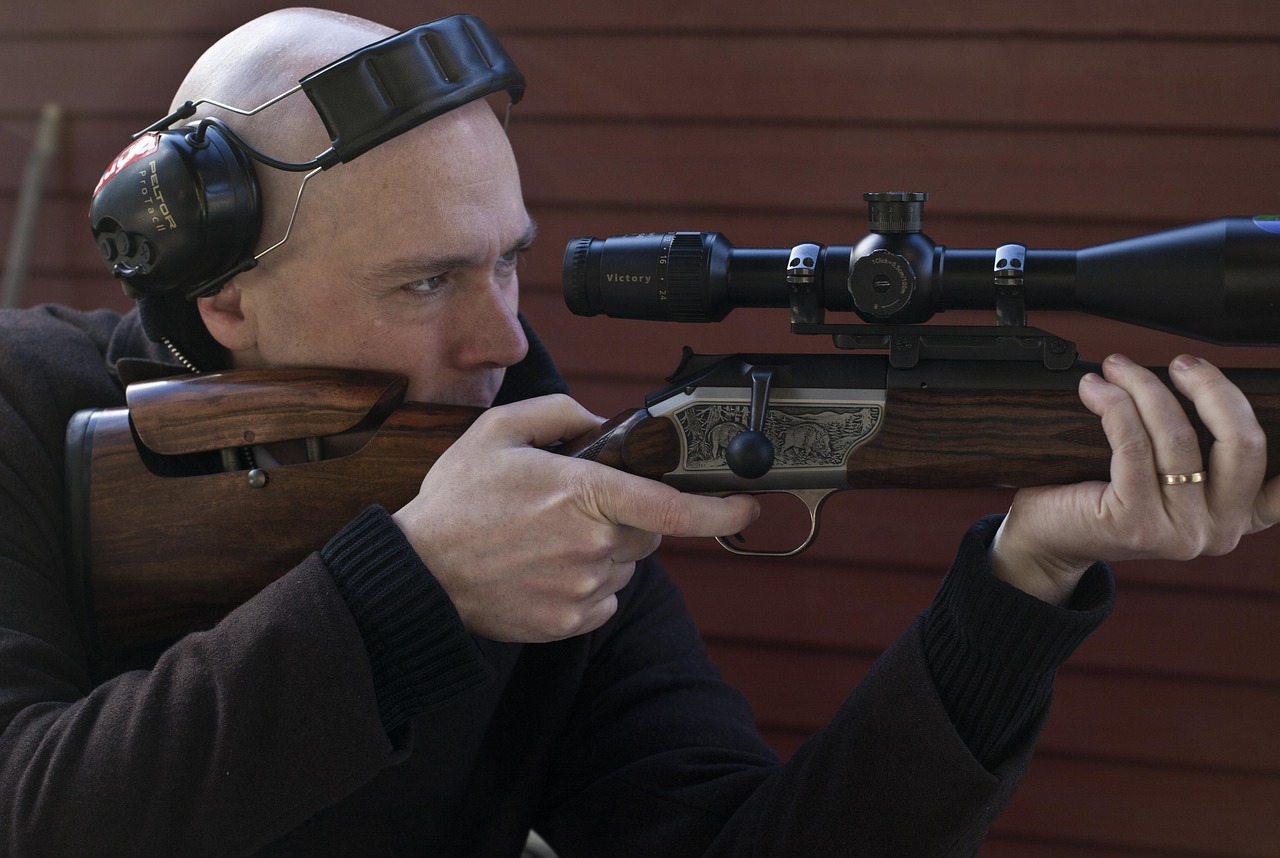
One reason this subject gets so heated is that state laws vary widely by species, method, and time of day. Texas regulations for the 2025-2026 season allow broad flexibility for taking nongame animals on private property by lawful means, which is one reason thermal has become deeply associated with nighttime hog and predator control there. In that context, many landowners see thermal as a practical management tool, not a sporting shortcut.
Pennsylvania took a narrower route years ago when its Game Commission allowed night-vision and infrared thermal optics for furbearer hunters, saying a review of other states found no safety concerns. That is a different conversation than saying the practice is fair chase for all game in all settings. It shows how agencies often regulate first around safety, enforceability, and wildlife management needs.
Montana has kept tighter restrictions in some hunting contexts, and its regulations have treated thermal and infrared imaging as prohibited for certain species and seasons. That approach reflects a more traditional fair-chase culture, especially for big game where daylight pursuit and animal wariness are central to the hunt’s identity.
So the law answers one question: may you do it here, for this species, in this season? Ethics answers another: even if legal, should you? Hunters who confuse those two questions usually end up talking past each other.
Where thermal makes the strongest case
The best argument for thermal is not trophy hunting. It is wildlife control, damage reduction, and recovery efficiency. In places overrun by feral hogs, thermal can help hunters find sounders that tear up crops, pasture, and native habitat mostly after dark. For that mission, the goal is effectiveness. Few landowners are interested in preserving a sporting chance for invasive hogs that reproduce fast and cause expensive damage.
Predator work can present a similar case. Coyotes targeting lambs, calves, or ground-nesting wildlife are often most active in low light. Thermal can make control efforts more humane by increasing positive target detection and reducing guesswork before a shot. In those situations, the standard is often competent removal, not a classic fair-chase ideal.
There is also a humane argument that deserves respect. Better detection can prevent wounded-animal scenarios if it helps the hunter identify animals clearly, avoid bad shots, and track hit game. Technology that improves recovery rather than merely boosting kill odds occupies a stronger ethical position.
Still, that defense is strongest when thermal is used for nuisance species, depredation, or predator management. It becomes less persuasive when imported wholesale into daylight-style trophy values, especially for big game, where the challenge of locating and approaching the animal is a major part of what hunters claim to honor.
Where thermal strains fair chase the most

Big game is where many hunters draw the hardest line. Boone and Crockett’s records policy specifically says using thermal imaging equipment to initially locate game for hunting is not fair chase, and its broader policies also treat thermal equipment used to locate game as disqualifying for records eligibility. That does not make thermal immoral in every circumstance, but it signals clearly where one of the most influential fair-chase institutions stands.
The concern is not just the success rate. It is the kind of success being rewarded. If a mule deer, elk, or whitetail loses the protective value of darkness, cover, or stillness because a hunter can sweep terrain for heat, then an essential part of the contest changes. The hunt starts to resemble acquisition more than pursuit.
Public perception matters too. Boone and Crockett have long argued that ethical hunting must also survive the judgment of nonhunters. A hunter slipping through timber with a rifle is one image. A hunter scanning for glowing bodies through advanced electronics can look very different to the public that grants hunting its social license.
That image concern is not superficial. Hunting remains broadly accepted when people believe it is tied to food, conservation, and restraint. It loses support when it appears optimized purely for efficiency. Thermal optics can push that perception in the wrong direction if hunters are careless about how, when, and why they use them.
A practical middle ground that hunters can live with
The most useful answer is probably not a universal yes or no. Thermal can be consistent with ethical hunting in limited contexts, while still violating fair-chase principles in others. If you are shooting invasive hogs on a ranch at night, few serious conservationists will insist the animals deserve the same chase standard as a public-land bull elk in October.
A sensible middle ground begins with species and purpose. Use thermal for invasive species, depredation, and predator control where management outcomes matter most. Be much more cautious with native big game, especially where the hunting culture values close approach, daylight observation, and traditional woodsmanship as part of the experience.
The second part is self-limitation. Even when legal, hunters can choose not to use thermal for the initial location of deer, elk, or antelope. They can reserve it for recovery work, safety checks, or non-trophy scenarios. Personal restraint has always been part of fair chase because no rulebook can cover every edge case technology creates.
The last part is honesty. If a tool dramatically increases advantage, say so plainly. Hunters do not protect the future of hunting by pretending every legal tactic is equally sporting. They protect it by drawing lines openly and accepting that some advantages, while effective, are better suited to control work than to the oldest ideals of the hunt.
So, is it still fair chase?

Sometimes no, sometimes yes, and often it depends on what you are hunting and why. If thermal is used to locate free-ranging big game in a way that strips away concealment and nighttime security, it clashes with the fair-chase standards promoted by Boone and Crockett and with the instincts of many experienced hunters. In that setting, the answer is usually no.
If thermal is used for feral hog control, predator management, or other practical wildlife-removal work, the answer changes because the mission changes. There, efficiency is not a corruption of the goal. It is the goal. Fair chase was built around the sporting pursuit of wild game, not necessarily every form of wildlife control.
That distinction is worth protecting. Hunters weaken their own argument when they insist all uses of thermal are identical. They are not. Context matters, species matters, and intent matters. Good ethics usually begin where slogans end.
My view is simple: thermal optics are a legitimate tool, but not always a fair-chase one. If the technology removes too much of the animal’s natural defense and too much of the hunter’s need for woodsmanship, then the hunt may still be legal, but it is no longer the kind of chase many hunters believe is worth preserving.