A bunker like this feels part science fiction, part Cold War relic. Then you step inside and realize it was built for a world that once expected the unthinkable.
From Missile Silo To Survival Fortress
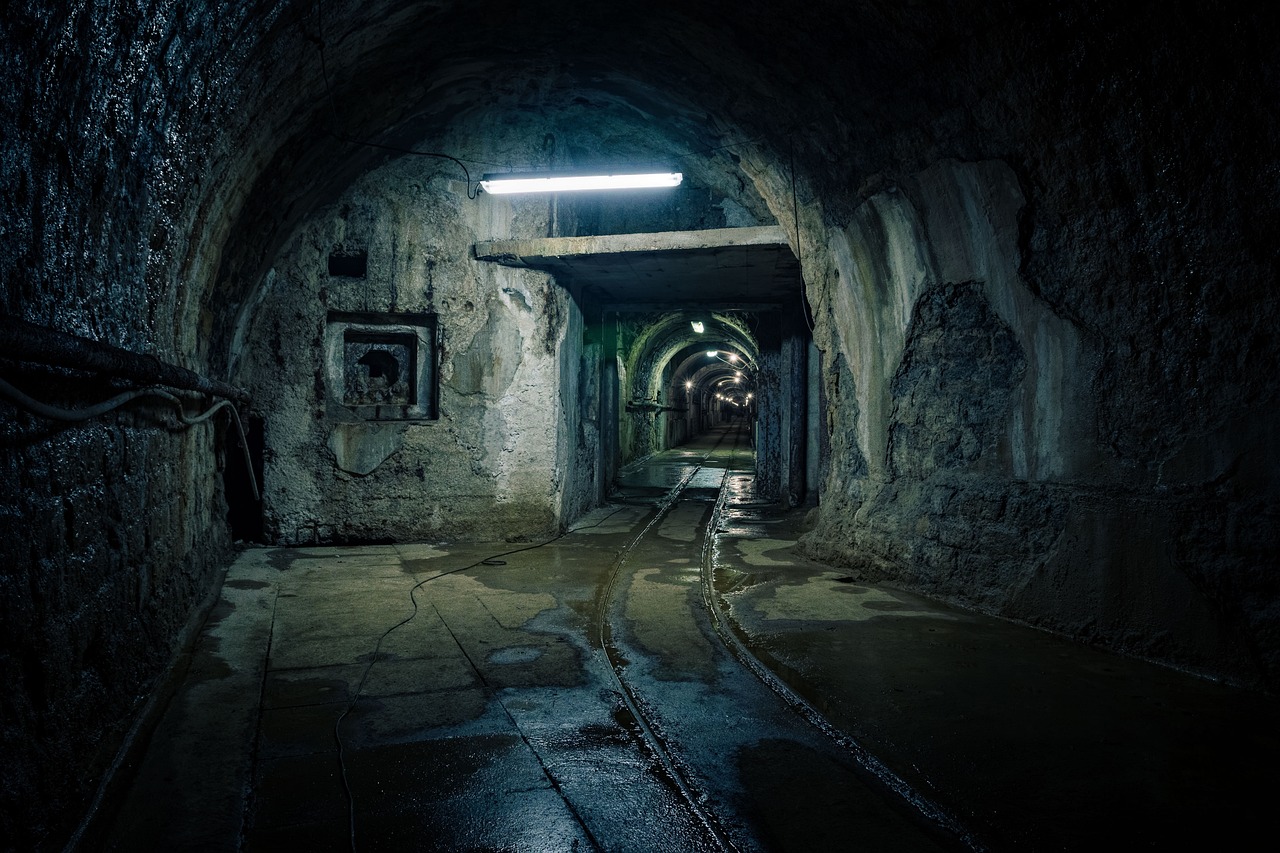
The most famous modern example is Survival Condo in Kansas, a private luxury shelter built inside a decommissioned Atlas F missile silo. According to the project’s own specifications, the structure offers more than 54,000 square feet of protected space and is designed to sustain 75 people for more than five years.
That claim is what makes the place so fascinating. This is not just a concrete hole with canned food and folding cots. It is a complete reworking of military infrastructure into a self-contained underground residence meant to ride out catastrophe.
The original Atlas F silos were Cold War engineering projects created by the Army Corps of Engineers. Survival Condo says only 72 of these silos were built, and they were among the most hardened structures of their era, intended to survive extreme blast conditions.
What The Structure Is Actually Like

The raw physical shell is the real star of the story. Survival Condo says the upper section has epoxy-hardened concrete walls 9 feet thick, while older reporting from Forbes described reinforced underground areas encased in heavy concrete and steel, built for nuclear survivability.
Depth matters too. Atlas F silos commonly extend far below ground, and similar converted sites in Kansas have been documented at roughly 176 to 200 feet deep. That depth is not magic protection, but it dramatically increases shielding from blast, heat, and fallout compared with an ordinary home.
Above the silo, the project adds a monolithic dome cap. Survival Condo says that dome can withstand winds above 500 mph, which speaks less to nuclear blast than to all-hazards design: tornadoes, debris impact, and the need to protect the entry point at all costs.
How People Could Stay Alive Down There
A survivable bunker is really a life-support machine wrapped in concrete. Survival Condo highlights redundant power, water, and Nuclear, Biological, and Chemical air filtration, the kind of systems that matter far more than luxury finishes when the outside world becomes contaminated or unstable.
Power resilience is especially important. Earlier reporting on the Kansas project described a microgrid approach combining diesel generation, battery backup, and wind support, allowing the site to operate independently if the main grid fails.
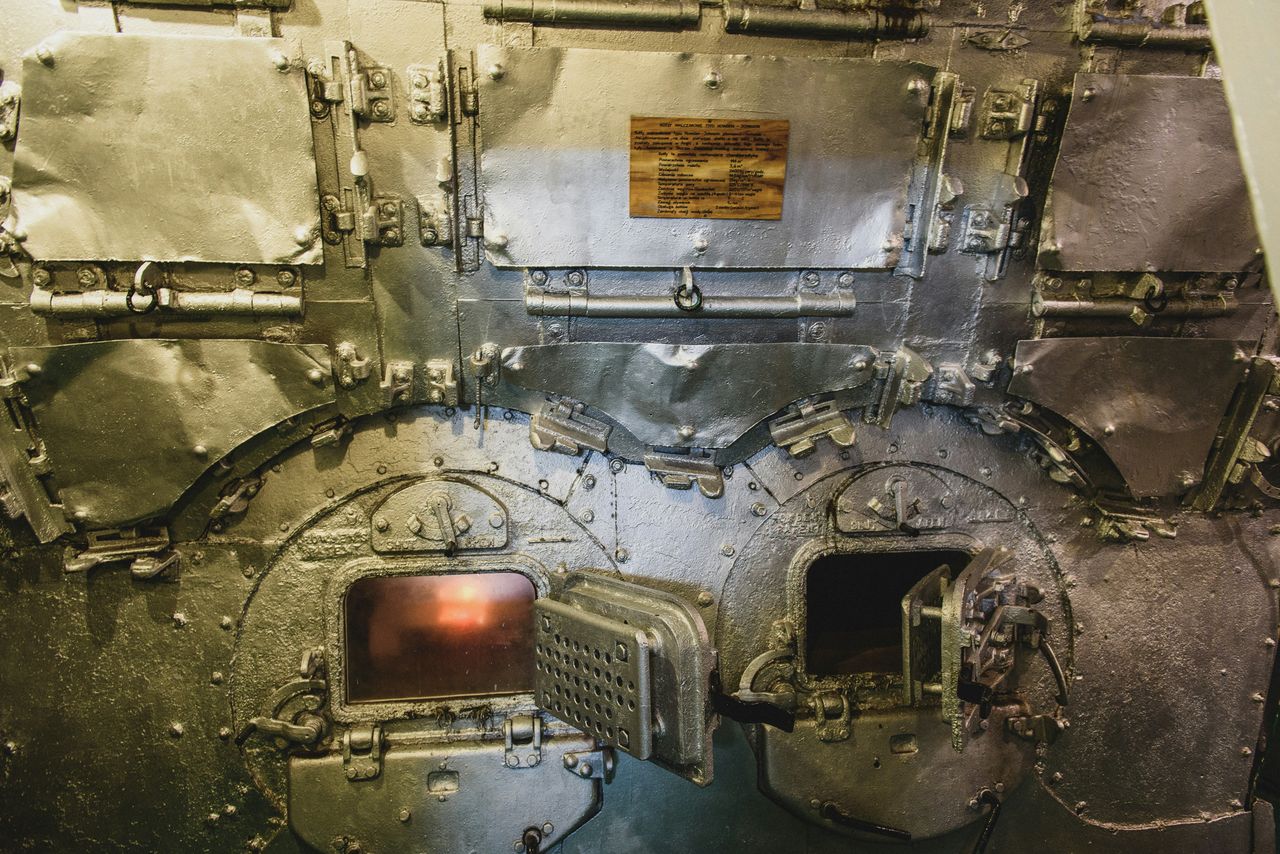
Air handling is just as critical. Historical bunker designs in Europe and former Soviet facilities relied on sealed compartments, positive pressure, filtration, and decontamination spaces, all intended to keep radioactive dust and chemical particles from entering occupied areas.
Why It Looks More Like A Condo Than A Shelter
Here is the twist that surprises most people: the bunker is designed to feel livable, not grim. Survival Condo includes amenities such as a pool, spa-style bathrooms, kitchens, common areas, and upscale interior finishes because long-term survival underground is also a psychological problem.
That logic is showing up in newer bunker projects as well. Recent reporting on a Canadian luxury bunker conversion noted that planners are paying close attention to mental health, daylight simulation, and the emotional strain of weeks or months without real outdoor life.
In other words, comfort is not frivolous. If people are expected to remain underground through uncertainty, fear, and confinement, design choices like lighting, privacy, recreation, and a sense of normal routine become part of the survival system.
The Real Limits Of Nuclear Bunkers

Even an impressive bunker has hard limits. A shelter can reduce exposure to blast effects and fallout, but it cannot guarantee safety in every scenario, especially if it is too close to a direct strike, loses critical systems, or faces long-term shortages after the initial emergency.
Cold War bunkers were often designed around delay, not permanence. Some historical government shelters carried supplies for days or weeks, buying time until radiation levels dropped enough for limited movement, rather than promising a fully comfortable underground life indefinitely.
That is why modern private bunkers emphasize redundancy. Multiple filters, backup generators, food stores, water treatment, medical supplies, and repair capability all address the same reality: the weak point is rarely the concrete shell, but the chain of systems keeping people alive inside it.
Who Actually Buys A Place Like This
The audience is smaller than the fascination suggests. Buyers tend to be wealthy individuals thinking about continuity planning, family protection, civil unrest, extreme weather, infrastructure collapse, or worst-case geopolitical events rather than one narrow doomsday script.
Projects like this also sell control. In a crisis, most people depend on public systems that may fail under pressure. A hardened private shelter offers a radically different promise: independent power, controlled air, stored food, and a limited community behind blast-rated barriers.
There is also unmistakable symbolism involved. Owning space in a converted missile silo turns Cold War fear into a status object, blending real preparedness with the modern market for exclusivity, privacy, and engineered peace of mind.
What This Bunker Really Says About Our Time
The underground bunker built to survive nuclear war is not just a relic of 1960s anxiety. It is a modern response to a broader age of uncertainty, where pandemics, grid failures, cyberattacks, climate extremes, and geopolitical tension all feed the demand for hardened refuge.
What makes Survival Condo so compelling is that it turns abstract fear into architecture. Every thick wall, sealed door, filtration unit, and backup generator is a physical answer to one old question: what would it take to outlast disaster?
Seen that way, the bunker is less about apocalypse fantasy than about human planning under pressure. It is a place where engineering, psychology, and wealth meet underground, all in service of surviving a future nobody hopes to see.