
Colorado didn’t call it a ban. But for many buyers, dealers, and sheriffs, it may feel a lot like one.
What The New Colorado Law Actually Does

The new Colorado approach focuses on access rather than possession. That distinction matters, because the law does not generally force current owners to surrender AR-15-style rifles or similar semiautomatic firearms already in circulation.
Instead, it places new conditions on future sales and transfers. In practice, that means the state is regulating who can buy, what can be sold, and what steps must happen first.
Supporters describe that as a public-safety measure aimed at high-profile firearms often used in mass shootings. Critics argue the structure is designed to discourage lawful purchases through cost, delay, and bureaucracy.
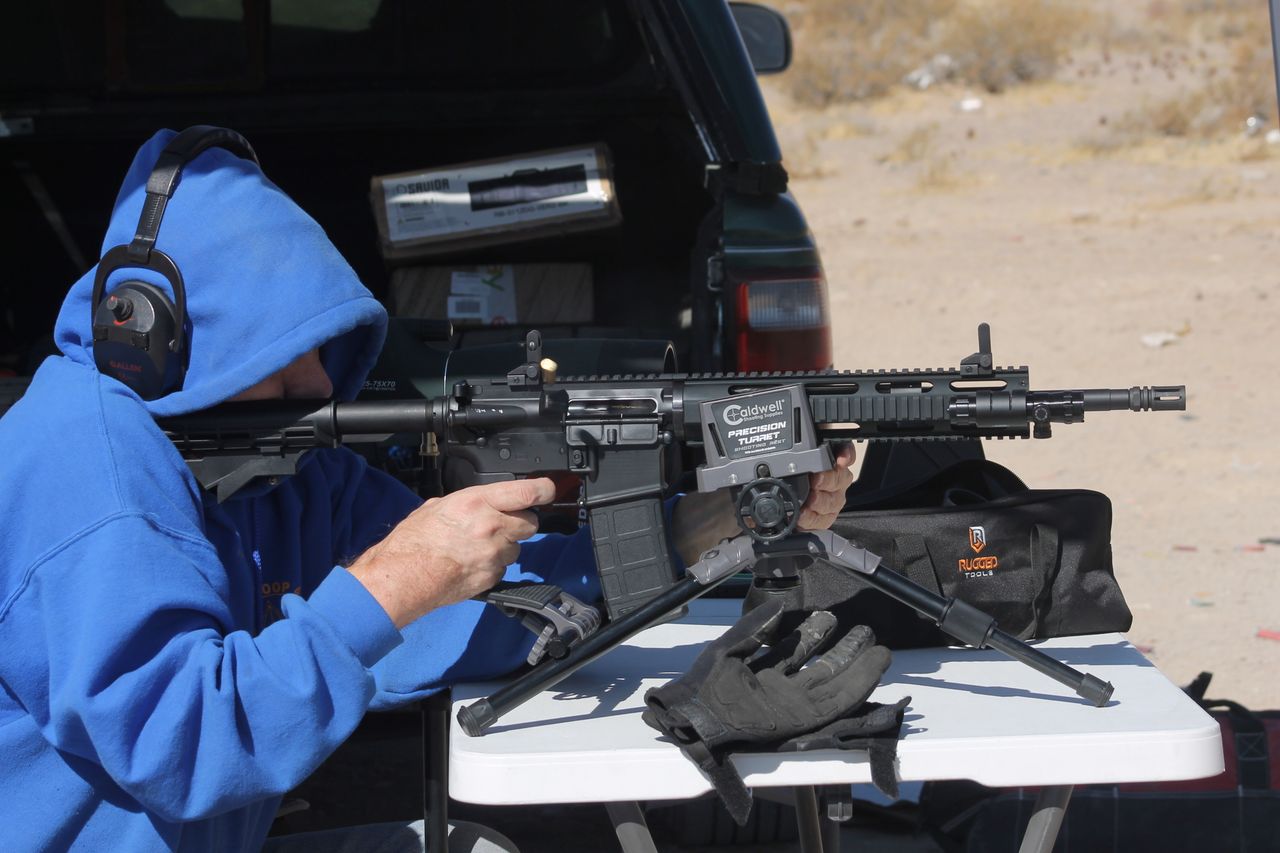
According to reporting from outlets covering the bill’s passage, the law centers on semiautomatic firearms that can accept detachable magazines and share military-style features. That makes AR-15-pattern rifles the clearest real-world target.
Why It Is Not Technically A Ban
A true ban usually means a flat prohibition: the item cannot be sold, transferred, or possessed. Colorado’s law does not go that far, which is why supporters can say it remains legal under certain circumstances.
The legal strategy appears deliberate. Lawmakers know that outright bans invite immediate constitutional challenges, especially after recent Supreme Court rulings that demand a historical tradition for modern gun restrictions.
So instead of saying “no one may buy this rifle,” the state says “you may buy it only after completing specific requirements.” That turns the fight from a pure prohibition case into a licensing and regulatory case.
That difference is not just semantic. Courts often examine whether a law destroys access completely or merely burdens it, and Colorado seems to be betting that a burden is easier to defend than an outright ban.
The Permit And Training Requirements Matter Most
The biggest practical barrier is the permit-style process. A prospective buyer may have to complete safety instruction, meet application requirements, and secure approval before a transaction can happen.
For a casual buyer, that is a major change from walking into a gun store, passing a background check, and completing a purchase. Every extra step introduces time, travel, and potential uncertainty.
Rural access is a major issue here. If approved instructors are limited, or if local agencies process requests unevenly, two Colorado residents could face very different paths to the same legal purchase.
Gun-rights groups often call this “process as prohibition.” The argument is simple: when the state layers enough mandatory steps onto a constitutional right, many people will give up before reaching the finish line.
How Dealers And Local Officials Could Shape Access

Even if the law is statewide, enforcement may not look the same everywhere. Dealers must understand the rules precisely, and many will likely adopt conservative compliance policies to avoid legal risk.
That means some stores may stop carrying affected rifles or magazines altogether. Others may limit transfers until they are certain the paperwork, training records, and approvals are fully documented.
Sheriffs and local authorities could also become gatekeepers depending on how the law is administered. If one county processes applications quickly and another moves slowly, access starts to depend on geography.
That uneven map matters. A right that exists on paper but varies sharply by county can create a de facto patchwork where the law is technically uniform, yet functionally restrictive for many residents.
The Magazine Issue Is Part Of The Pressure
Colorado has already wrestled with magazine-capacity restrictions, and the new law adds pressure by targeting firearms commonly paired with detachable magazines. AR-15-style rifles sit directly in that lane.
Even if a rifle itself is not categorically forbidden, limiting compatible configurations can make the most common versions harder to buy or transfer. That affects inventory, pricing, and dealer willingness to stock them.
Manufacturers may respond by offering compliance models, but those versions can be less familiar, less available, and sometimes more expensive. Consumers then face a narrowed market rather than a clean legal ban.
This is a common modern regulatory tactic: don’t always outlaw the platform outright, but make standard versions less practical to obtain. Over time, reduced supply can be almost as powerful as prohibition.
The Legal Fight Is Likely Just Beginning
Expect lawsuits. Gun-rights organizations and industry groups are likely to argue that Colorado is burdening weapons commonly owned for lawful purposes, a key standard in modern Second Amendment cases.
They will also likely challenge the discretionary parts of the system. Whenever a constitutional right depends on approvals, classes, or local administration, plaintiffs usually argue the state has created unconstitutional friction.
Colorado, on the other hand, will likely frame the law as a measured public-safety regulation, not a ban. The state’s defense will probably emphasize training, accountability, and limits on especially lethal configurations.
The outcome may depend on how courts describe the law’s real effect. If judges see a manageable licensing system, the state has a stronger case. If they see widespread denial through delay and burden, trouble grows.
What This Means For Colorado Gun Owners

For current owners, the immediate impact may be limited if possession of existing rifles remains lawful. The bigger effect falls on future buyers, first-time owners, and families considering a purchase for home defense or sport.
For them, AR-15 access may still exist, but with more hoops, more expense, and more uncertainty. That is why opponents say the law blocks access without needing the politically explosive language of a ban.
In practical terms, Colorado is testing a policy model other states may watch closely. If the courts allow it, lawmakers elsewhere could copy the same blueprint: leave ownership nominally legal, but tightly control the path to purchase.
For supporters, that is responsible regulation. For critics, it is a ban by another name. Either way, the state has shown how government can shrink access dramatically without ever saying the rifle is completely illegal.