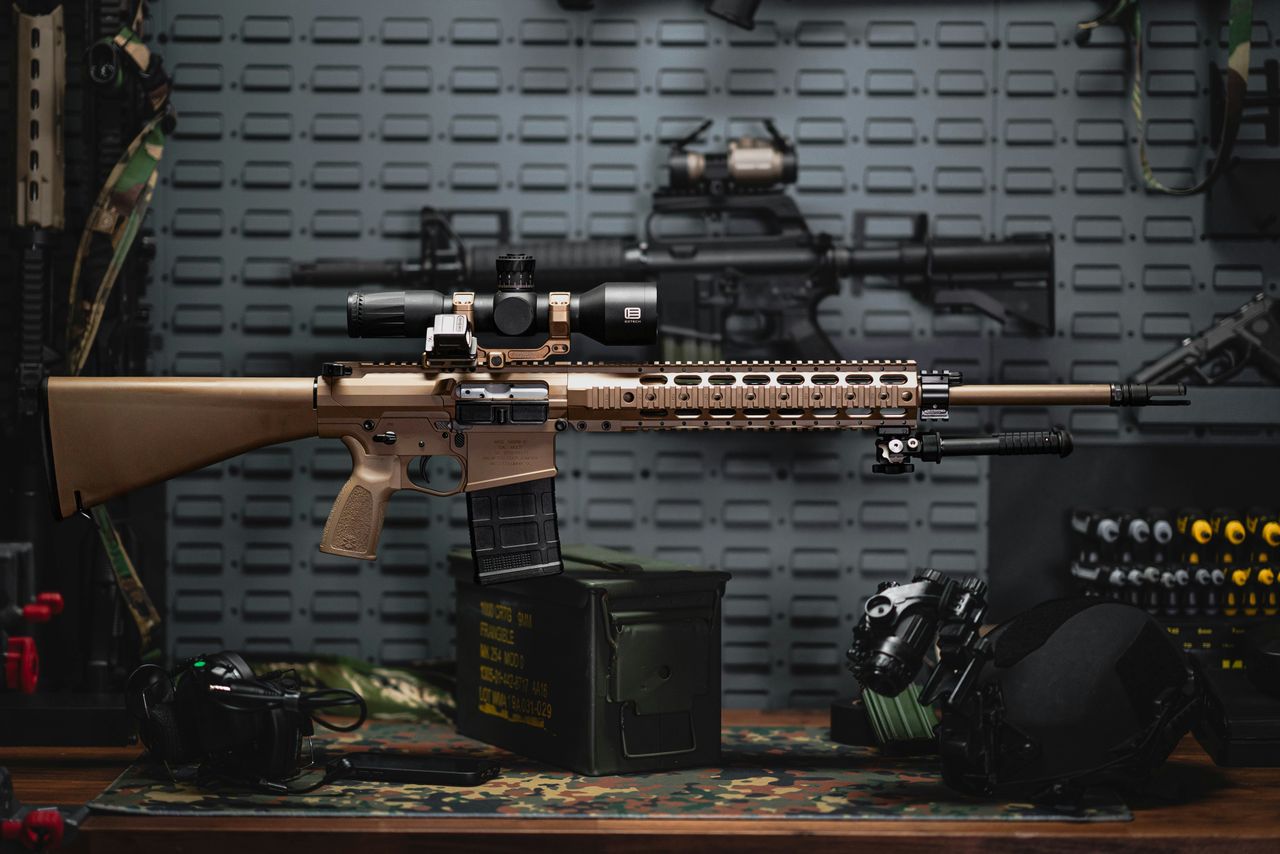
Some hunters see innovation as progress. Others see it as a shortcut that risks turning a hard-earned pursuit into a managed outcome.
The Question Is Older Than The Gadgets
Hunting has always been shaped by technology, so this debate did not begin with drones, thermal scopes, or app-linked optics. The bow replaced the spear, the rifled barrel improved accuracy, and rangefinders changed how many hunters judged distance. Every generation gets its own version of the same argument: when does better equipment stop being a tool and start becoming an unfair advantage?
That is why the phrase fair chase matters so much in this conversation. Boone and Crockett, one of North America’s most influential voices on hunting ethics, says legal technology is acceptable only so long as it does not give hunters an unfair advantage over the animal. The group has also drawn hard lines against tools such as drones, thermal imaging for locating game, real-time image transmission used to direct a hunter, and smart scopes with built-in electronic ranging in its records-book standards.
That distinction is useful because legality and ethics are not the same thing. A state may allow a piece of gear for management reasons, while many hunters still reject it on ethical grounds. So the issue is not simply whether technology has made hunting easier. It is whether technology is changing the core experience from woodsmanship, patience, and close decision-making into detection, calculation, and execution.
Today’s Gear Can Flatten The Learning Curve

There is no honest way to deny that modern technology can dramatically reduce the time it takes to become effective in the field. GPS mapping apps help hunters navigate property boundaries, mark bedding areas, and recover blood trails. Cellular trail cameras can reveal movement patterns without repeated scouting trips, while laser rangefinders remove guesswork that once separated practiced hunters from novices.
Optics have advanced just as quickly. Better binoculars and rifle scopes offer brighter images in low light, cleaner reticles, and dialing systems that make longer shots far more manageable than they were a generation ago. Even if a hunter never touches a so-called smart optic, the combination of ballistic apps, custom turrets, and stable tripod systems can make a once-difficult shot feel routine.
That does not automatically make hunting hollow, but it absolutely changes the entry point. According to Idaho Fish and Game, the state’s 2025 hunting technology review led to new restrictions on transmitting trail cameras and other advanced tools in some big game contexts, largely because officials concluded these tools were reshaping scouting and harvest dynamics. When regulators start responding to equipment, it is a sign that technology is no longer just improving convenience. It is altering the structure of the hunt itself.
The Most Controversial Tools Cross A Different Line
Not all technology raises the same concerns. Most hunters are comfortable with better boots, better packs, or a more dependable rifle. The sharpest pushback usually centers on tools that remove uncertainty in real time. A drone that locates an animal from the air, a thermal optic that reveals hidden heat signatures, or a camera that sends live images to a phone can collapse the animal’s natural advantage in seconds.
That is why so many wildlife agencies and hunting organizations have moved to restrict these tools. Texas Parks and Wildlife says aircraft, including drones, generally cannot be used to hunt, locate, photograph, count, drive, or recover wildlife in association with sport hunting. The U.S. Fish and Wildlife Service also prohibits drone use on national wildlife refuges because of wildlife disturbance concerns, and federal airborne hunting rules remain a major backstop.
Thermal gear creates a similar tension. In some places it is lawful for predators or varmint species, but not for big game. Minnesota’s 2025-2026 regulations, for example, allow thermal or night vision in limited predator contexts while restricting its use for other wild animals. That selective approach makes sense. Many regulators are effectively saying the same thing: technology may be acceptable when the management goal is control, but not when the goal is a sporting chase.
Easier Success Is Not Always Better Hunting

Supporters of high-end hunting tech often argue that better equipment can produce cleaner kills, shorter tracking jobs, and fewer lost animals. There is truth in that. A precise rangefinder, a dependable optic, and good ballistic data can absolutely help a disciplined hunter place a more accurate shot. In that narrow sense, technology can improve animal welfare rather than diminish it.
But the counterargument is just as serious. Boone and Crockett’s long-range shooting position says the likelihood of wounding and the difficulty of recovery rise as shooting distance increases, even if the gear itself is capable. Research on hunting-induced wounding has likewise treated crippling rates as an important measure of ethical performance, because a harvested animal is only part of the story. Capability on paper does not erase wind, nerves, movement, angle, or terrain.
In other words, technology often increases confidence faster than it increases judgment. That may be the central problem. A hunter with an app, a turret, and a premium rifle might attempt shots that an equally competent traditional hunter would decline. When equipment expands what seems possible, it can also expand the zone where overconfidence lives. Easier access to opportunity does not always mean better decisions when the moment of truth arrives.
Wildlife Agencies Worry About More Than Tradition

The argument is not just emotional nostalgia from old-school hunters. Wildlife agencies have practical reasons to care when technology boosts efficiency. Boone and Crockett notes that some agencies restrict certain tools because success rates can rise to the point that seasons or permit numbers may need to be reduced. Once hunters become too efficient, the biological math changes.
That concern helps explain why states have started drawing more precise lines. Utah moved against transmitting trail cameras and has prohibited trail cameras on public land during much of the hunting season window. Idaho adopted limits on transmitting trail cameras for big game on public lands during key dates and proposed broader restrictions around thermal imaging, night vision, and aircraft-assisted scouting. These are not symbolic gestures; they are management responses.
There is also a public perception issue. Hunting survives politically when non-hunters believe it is regulated, restrained, and tied to conservation. The Boone and Crockett tradition and the broader North American model have long connected hunting to responsibility, not simply harvest. That matters because hunters still fund conservation in a major way. U.S. Fish and Wildlife Service apportionment documents for fiscal year 2025 show Pittman-Robertson wildlife restoration dollars continuing to send substantial excise-tax funding back to the states for wildlife work, habitat, and hunter education.
Safety, Access, And Fairness Complicate The Debate

Technology does not only make hunting more effective; sometimes it makes it safer and more accessible. GPS mapping reduces trespass mistakes and can help hunters get out of rough country after dark. Satellite communication devices add a safety margin in remote terrain. Digital licensing and tagging systems, now offered more broadly in places such as Texas, streamline compliance and reduce paperwork in the field.
For older hunters or people with limited mobility, some tech can mean the difference between participation and staying home. A better rangefinding binocular, a lighter rifle, or an app that simplifies navigation can keep someone engaged in hunting long after physical limitations would otherwise push them out. That is not trivial. Recruitment and retention matter if hunting is going to remain culturally and financially connected to conservation.
Still, fairness concerns remain. If the hunt becomes an arms race of premium optics, cellular cameras, e-bikes, mapping subscriptions, and algorithm-driven scouting, cost itself becomes a competitive advantage. That can push newcomers toward the idea that success is bought, not learned. Hunting has never been perfectly equal, but when the field tilts too far toward expensive electronics, people start to question whether skill and effort still sit at the center of the experience.
The Real Answer Depends On Where You Draw The Line
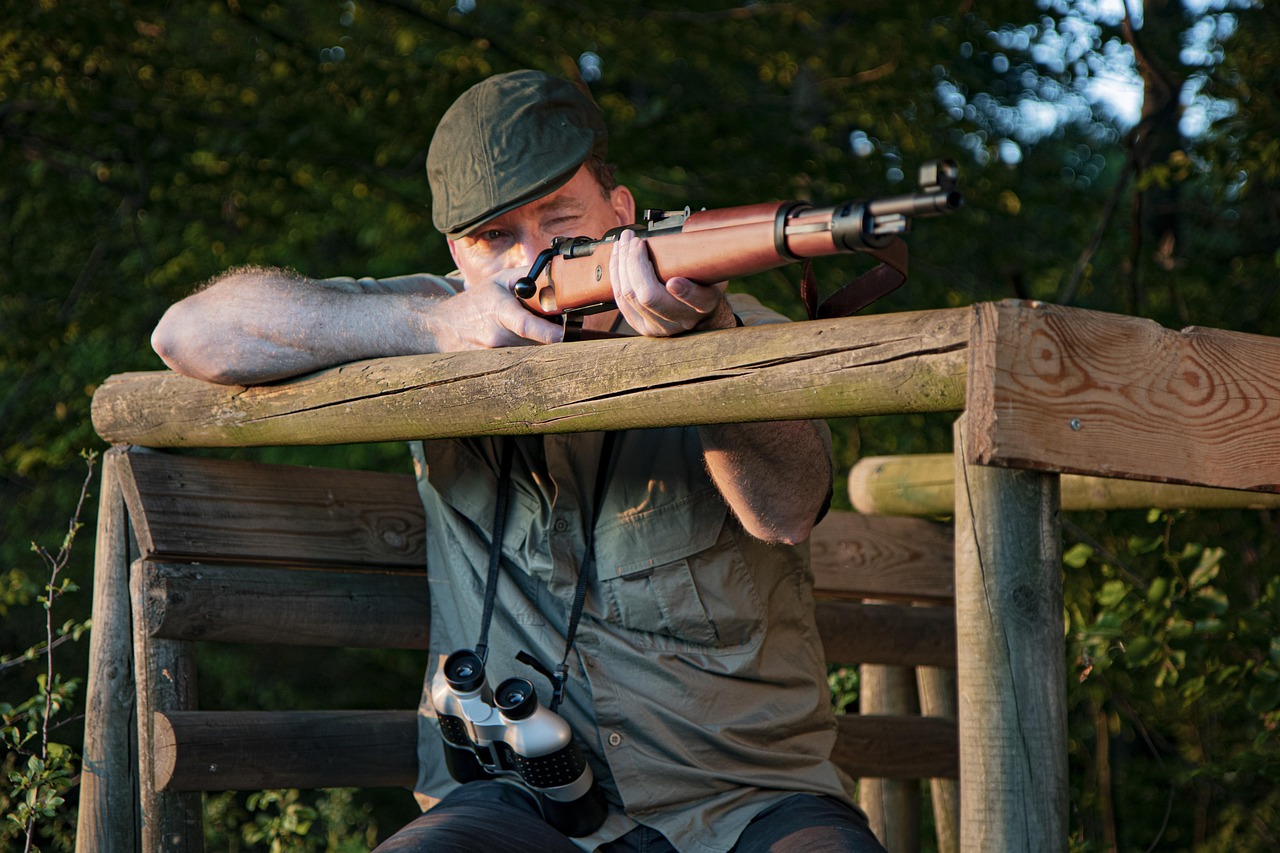
So, has technology made hunting too easy? In some forms, yes. Certain tools clearly compress scouting time, reduce uncertainty, and increase effective range so dramatically that they can undercut the animal’s chance to evade detection. Drones, live-feed cameras, and some smart targeting systems do more than assist a hunter. They can replace core elements of hunting judgment.
At the same time, not every innovation deserves suspicion. A quality GPS, a rangefinder, safer tree-stand equipment, or a cleaner-tagging system does not ruin the hunt by itself. The real test is whether the technology supports woodsmanship or substitutes for it. When gear helps a hunter operate responsibly, recover game, and stay legal, it strengthens the tradition. When it turns wild animals into efficiently solved problems, it weakens it.
That is why the healthiest future for hunting probably lies in self-restraint as much as regulation. Hunters do not need to reject innovation, but they do need standards. The best question is not “Can this tool help me kill?” It is “Does this tool leave enough uncertainty, effort, and respect in the process for the hunt to remain worthy of the name?”