Backyards can feel ordinary, right up until a motion-sensor camera reveals something no one expected to see by the bird feeder. Across America, scientists and wildlife experts have been surprised to find elusive, adaptable, and sometimes downright famous animals living far closer to people than anyone realized. These discoveries are changing how we think about suburbia, and about the creatures quietly sharing it with us.
Black Bears

For plenty of Americans, black bears used to seem like animals you drove hours into the woods to find. Then trail cameras, security footage, and stunned homeowners started showing the same thing: bears wandering through cul-de-sacs, climbing fences, and sniffing around backyard grills.
Scientists were surprised not just by where the bears showed up, but by how comfortable they seemed in suburban spaces. Easy calories from trash, bird seed, pet food, and fruit trees turned many neighborhoods into reliable pit stops.
The bigger surprise is how quickly bears can learn the layout of human spaces. In some regions, researchers now see suburbia as part of bear habitat, not just the edge of it.
Coyotes

Coyotes have become one of the clearest examples of wildlife adapting on the fly. Once associated mostly with open plains and remote landscapes, they are now regularly documented slipping through neighborhoods, golf courses, schoolyards, and backyard edges after dark.
What shocked scientists was their stealth. Many communities had thriving coyote populations for years before residents realized they were there. GPS tracking has shown that coyotes can move through cities and suburbs with an almost ghostlike efficiency.
They use greenbelts, drainage corridors, and even quiet streets as travel routes. To researchers, that adaptability explains why they have become one of the most successful wild predators in modern America.
Bobcats
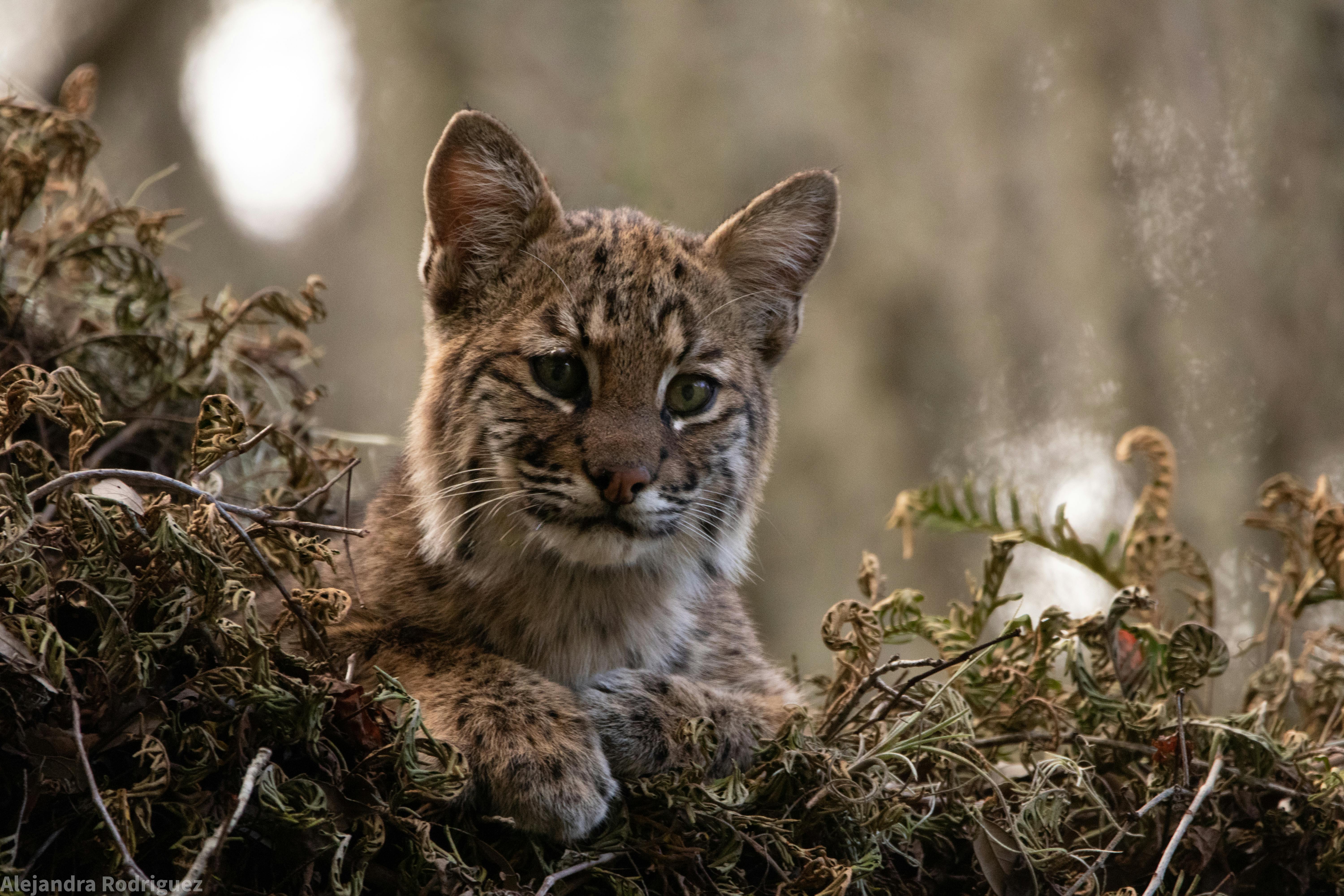
Bobcats are famously private animals, which is exactly why their suburban appearances caught scientists off guard. Homeowners checking security cameras in parts of California, Texas, Arizona, and even more developed areas found sleek wild cats padding past patios and hedges like they belonged there.
Researchers discovered that bobcats can survive surprisingly close to people as long as they have cover, prey, and a few quiet escape routes. Rabbits, rodents, and landscaped green spaces make many neighborhoods more inviting than they look.
The real twist is that bobcats often go unnoticed. They are masters of staying hidden, which means some backyard visitors may have been around long before anyone thought to look.
Mountain Lions
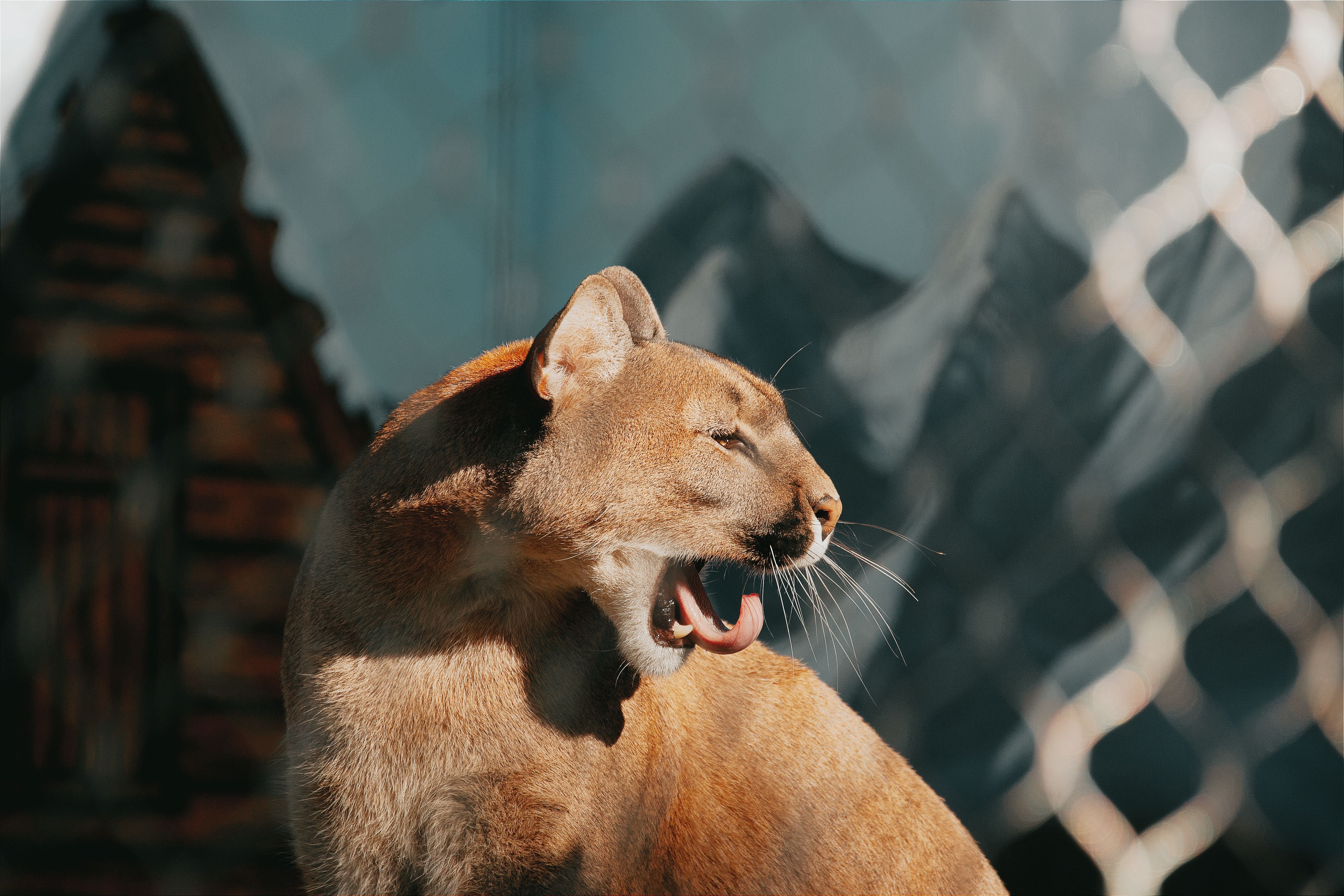
Few backyard discoveries rattle people like a mountain lion sighting. These big cats are usually linked with rugged terrain, so reports of them crossing patios, perching on retaining walls, or moving through subdivisions immediately grabbed scientists’ attention.
In western states especially, researchers found that young dispersing lions can travel astonishing distances and sometimes cut through developed areas in search of territory. Even places that seem thoroughly suburban may sit along hidden movement corridors.
That does not mean mountain lions are common backyard residents everywhere, but their presence near homes has forced scientists to rethink the boundary between wild country and human neighborhoods. It turns out that line can be much blurrier than expected.
Red Foxes
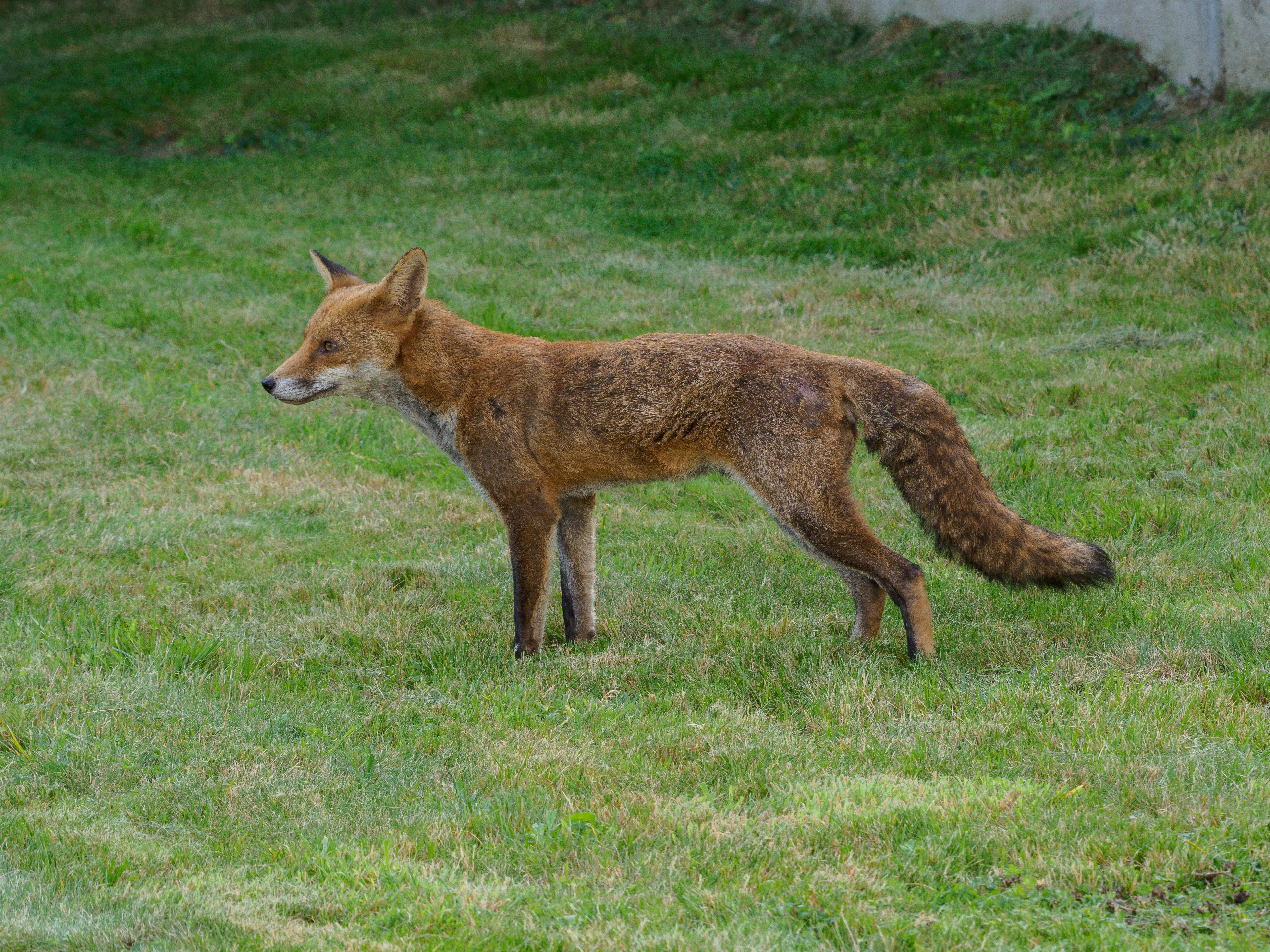
Red foxes look almost too storybook to be real, especially when they show up trotting across a neatly mowed lawn at sunrise. Yet scientists have documented foxes thriving in suburbs across much of the country, often using decks, sheds, and overgrown corners as temporary shelter.
Their success comes from being flexible eaters and remarkably calm around low-level human activity. Rodents, insects, fallen fruit, and even the occasional unattended pet food dish can support them surprisingly well.
Researchers were especially struck by how foxes use neighborhoods as patchwork habitat. A backyard here, a park there, and a brushy lot down the street can add up to everything a fox needs.
Barred Owls
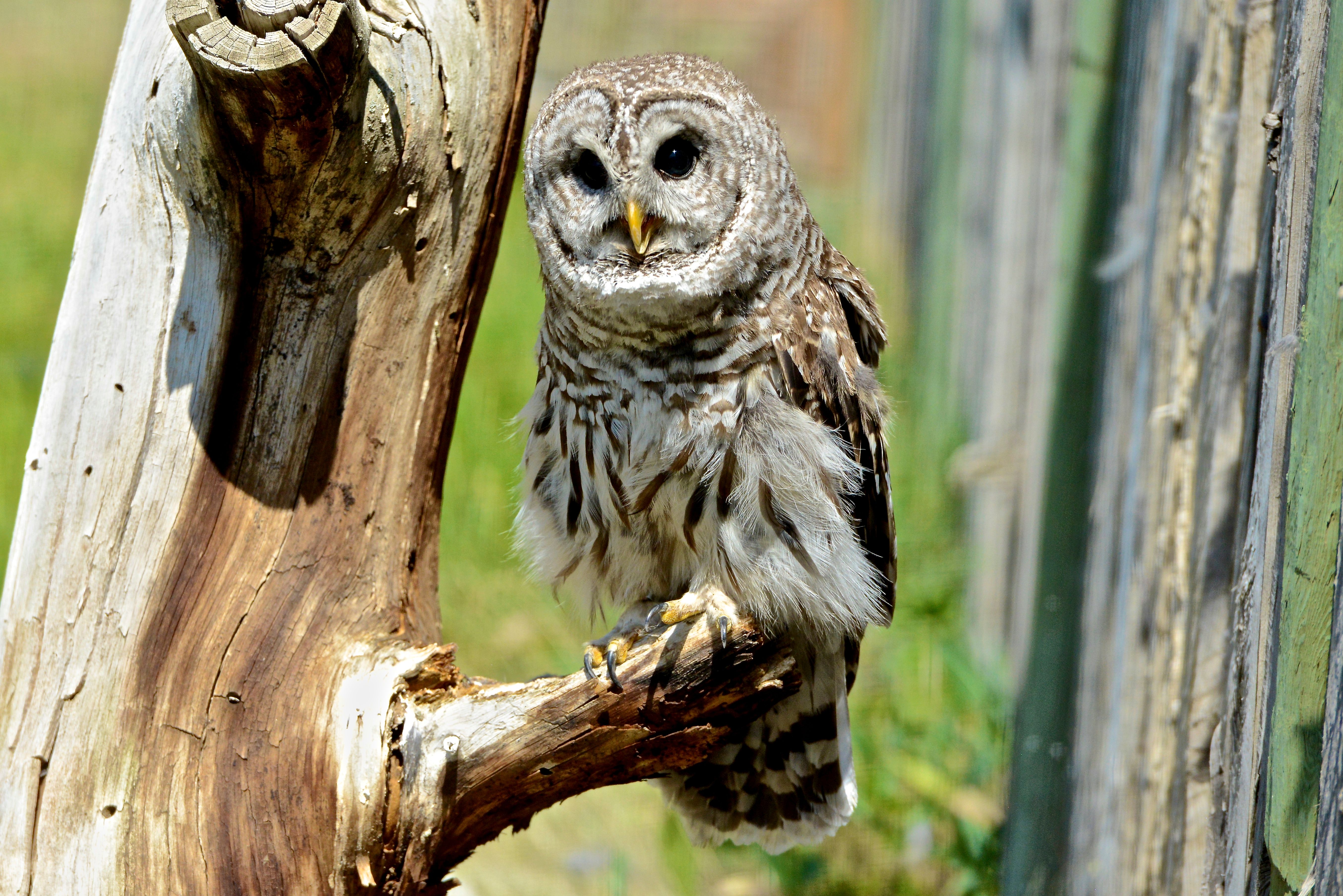
Owls already feel mysterious, so finding them nesting or hunting in suburban backyards has a special kind of wow factor. Barred owls, with their dark eyes and unmistakable call, have turned up in wooded neighborhoods where scientists did not always expect them to settle so comfortably.
Part of the surprise is that suburban yards can offer exactly what they need. Mature trees, small prey, and a nighttime lull in human activity create decent hunting and nesting conditions in the right places.
Researchers have learned that some owls can tolerate more human presence than previously assumed. For residents, that means an ordinary backyard can double as a nocturnal hunting ground for one of America’s most charismatic birds.
Alligators

In parts of the Southeast, the idea of an alligator in a pond is not exactly headline material. What stunned scientists and residents alike were the growing reports of alligators turning up in drainage ditches, backyard pools, retention ponds, and neatly landscaped developments.
The reason is simple, if a little unsettling. As housing spread into wetland habitat, people built communities right beside places alligators already used. Add warm weather and connected waterways, and suburban appearances start to make ecological sense.
Even so, seeing a large reptile beside a swing set has a way of scrambling expectations. These sightings are a vivid reminder that some backyards overlap with ancient, still-active wildlife systems.
River Otters
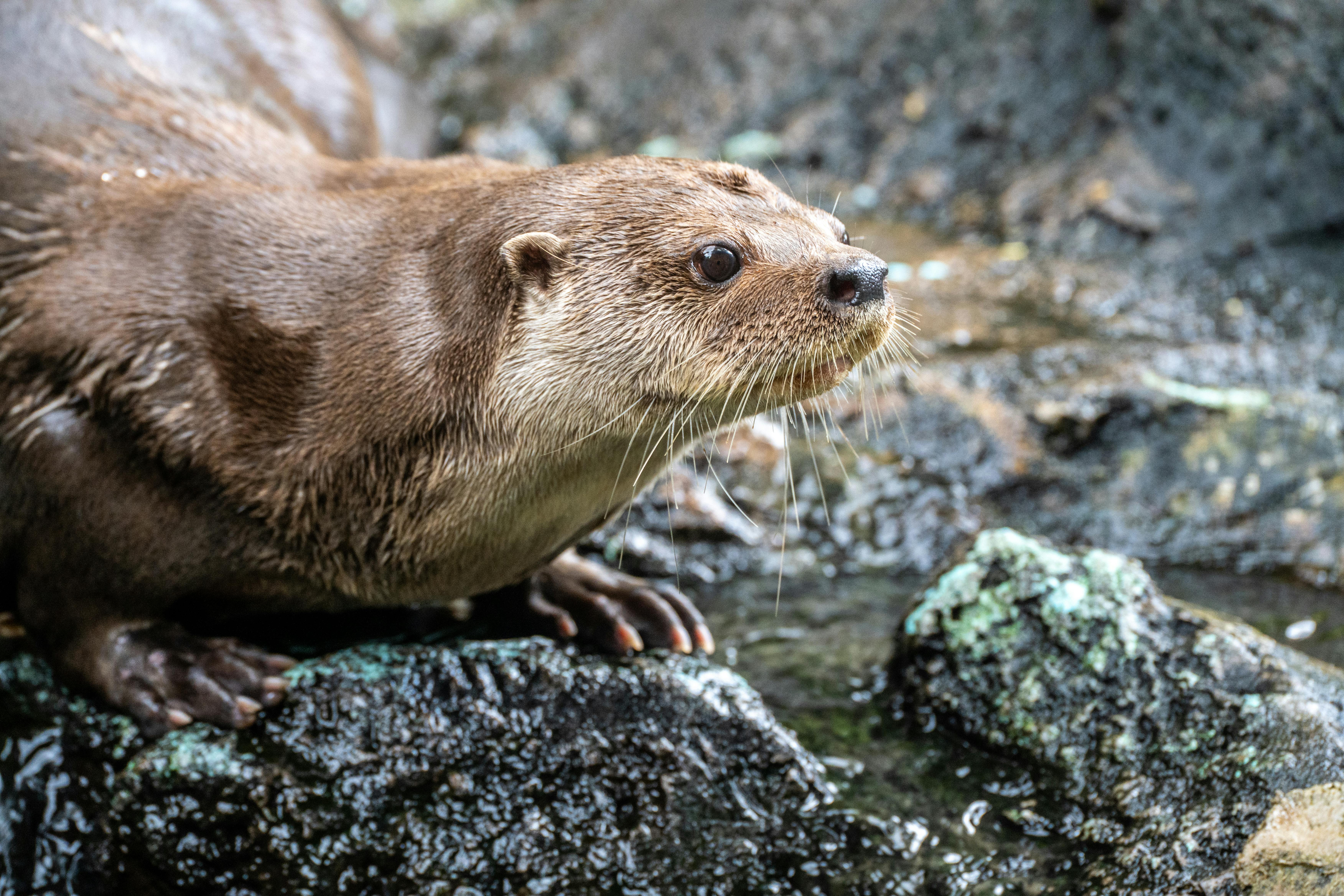
River otters are usually imagined as residents of cleaner, quieter waterways, not animals weaving through neighborhoods. That is why scientists took notice when otters began appearing in suburban creeks, stormwater channels, and ponds near homes in several parts of the country.
Their comeback is actually a good-news story. In many areas, improved water quality and conservation efforts helped otter populations rebound, allowing them to reclaim places that had been written off as too developed.
What makes their presence so surprising is the setting. A sleek otter sliding through water behind a subdivision feels almost unreal, but to researchers it is evidence that some wild species can return faster than people think when habitat conditions improve.
Wild Turkeys
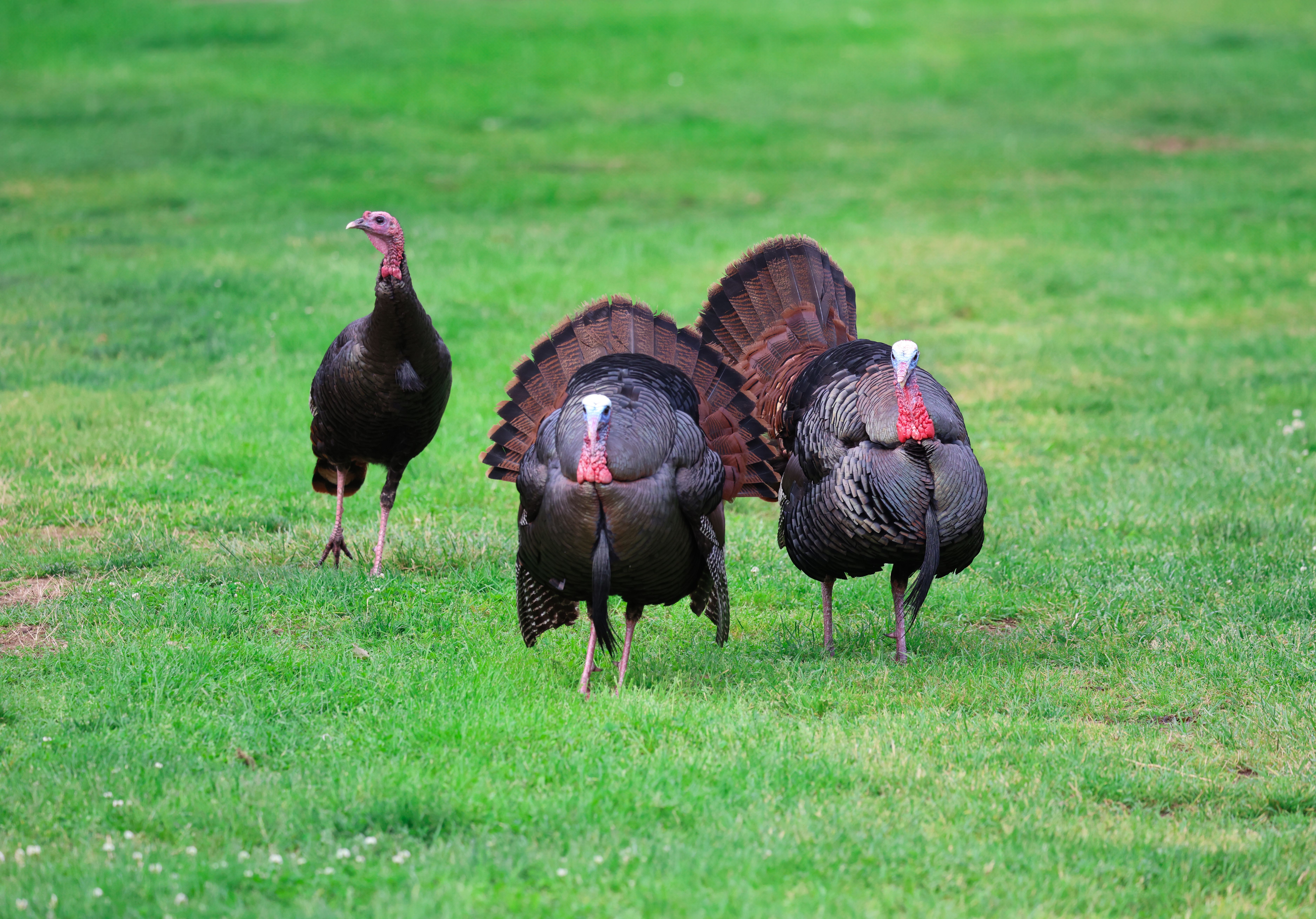
Wild turkeys have staged one of the most unexpected neighborhood takeovers in recent memory. Once in serious decline in many regions, they now strut through front yards, perch on fences, and peck around suburban lawns with the confidence of animals that know they belong.
Scientists were surprised by how well turkeys handled fragmented habitats. Small woods, ornamental plantings, open lawns, and reduced hunting pressure in developed areas created conditions they could use to their advantage.
Their size makes them hard to ignore, which is part of why their return feels so dramatic. There is something wonderfully strange about seeing a flock of large, prehistoric-looking birds crossing a driveway during morning school drop-off.
Bats
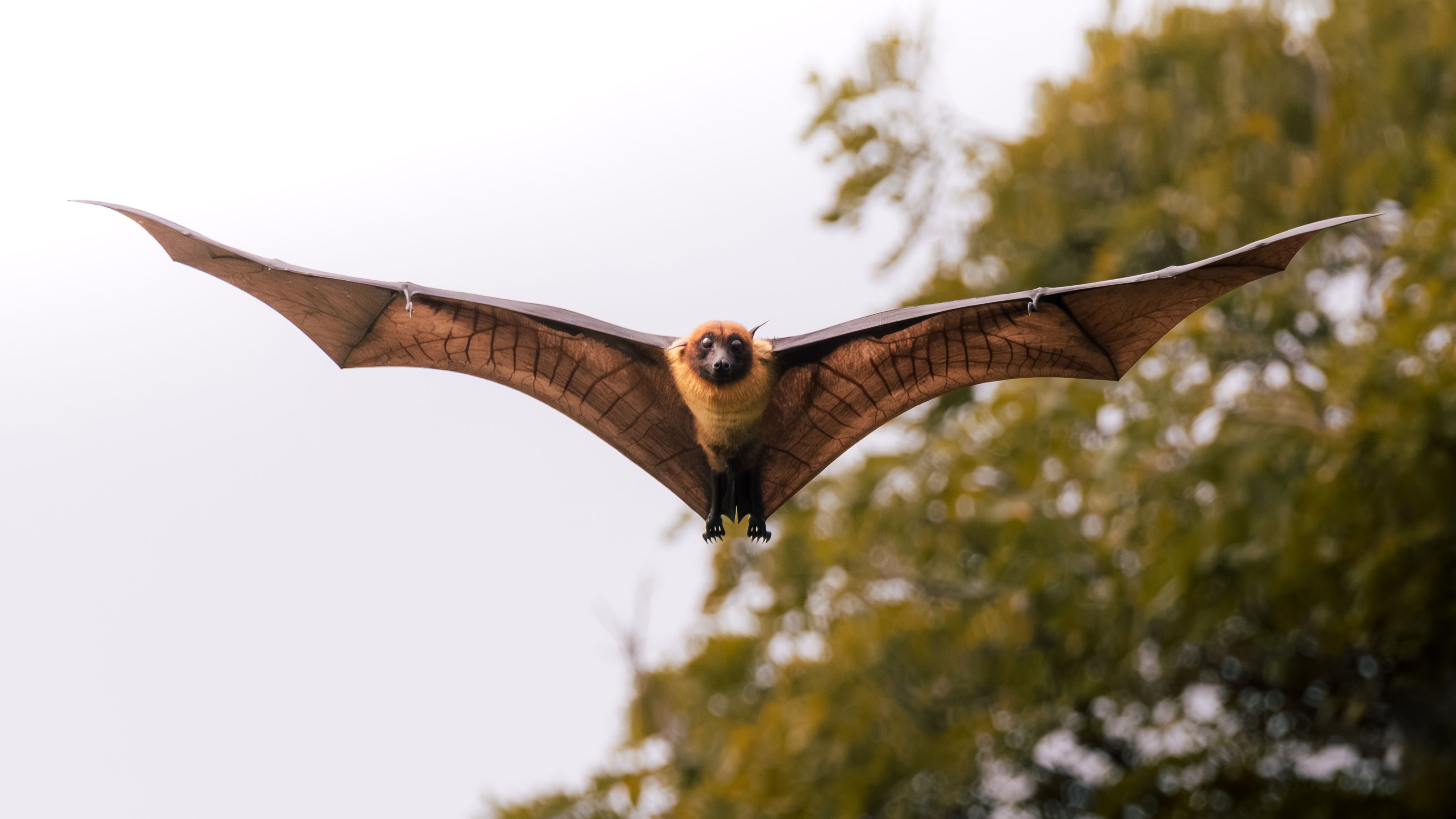
Bats may be among the most common backyard wildlife surprises because they can be both abundant and barely noticed. Scientists studying suburban ecosystems found that bats regularly forage over pools, gardens, and tree-lined streets, drawn by insects and sheltered roosting spots.
What caught researchers off guard was how important neighborhoods can be to local bat activity. Even modest yards with native plants, water features, or mature trees can become valuable feeding zones after sunset.
Their presence is easy to miss unless you know when to look. Once people start noticing those fast, darting silhouettes overhead at dusk, they often realize their backyard is part of a much larger nighttime ecosystem.
Armadillos
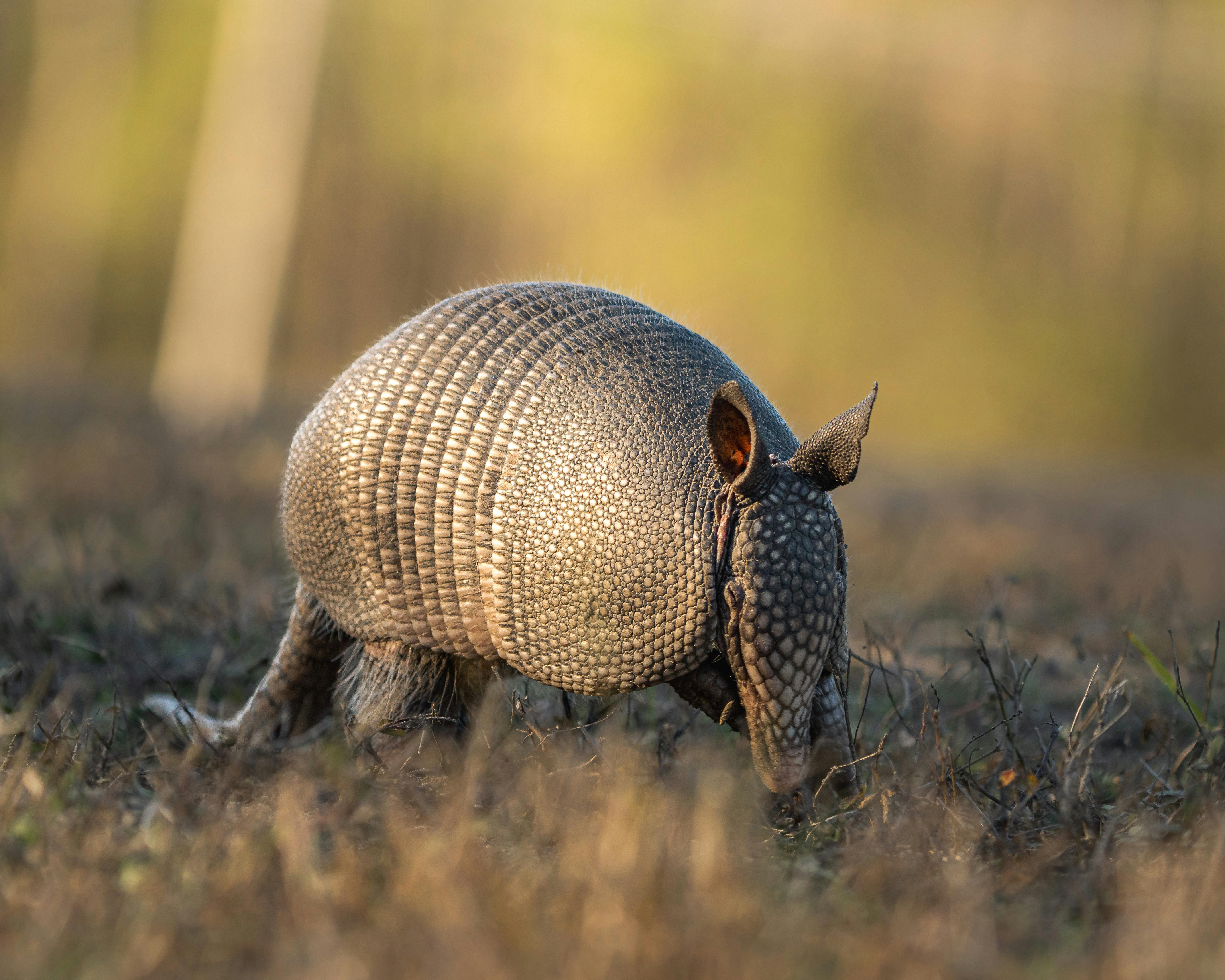
Armadillos once seemed like a regional oddity, but scientists have watched them expand steadily into new parts of the United States. That expansion has brought them into suburban neighborhoods, where homeowners often discover their presence by spotting small dug-up patches in lawns and flower beds.
Researchers were intrigued by how well armadillos handled human-altered landscapes. Loose soil, insects, and relatively mild winters in some areas gave them an opening, and they took it.
They are not glamorous backyard guests, but they are unforgettable once seen. A shelled, nocturnal digger waddling past a porch light feels like the kind of thing that should belong somewhere much wilder than a subdivision.