A hunt can unravel long before you see antlers, feathers, or fur. Small mistakes in scent, sound, movement, and setup can tell animals exactly where you are, often without you realizing it. This gallery breaks down the most common rookie errors that blow your cover and explains how smarter habits can keep you hidden longer.
Ignoring the Wind

Beginners often focus on where animals should appear and forget the one factor that can ruin everything in seconds: wind. If your scent cone drifts into a bedding area, trail, or feeding zone, game may know you are there long before you ever spot them.
This mistake is especially costly because it feels invisible. You can be perfectly still, well camouflaged, and tucked into great cover, yet a single bad setup turns the whole location against you.
Experienced hunters constantly test the breeze, adjust routes, and even abandon promising spots when the wind is wrong. It is not dramatic, but it is often the difference between a clean opportunity and an empty morning.
Walking in Too Loud

The hunt does not begin when you sit down; it begins with your approach. Crunching leaves, snapping sticks, clanking gear, and stomping through the dark can warn animals hours before legal shooting light even arrives.
Rookies often rush the entry, thinking the destination matters more than the path. In reality, noisy access can clear out the exact field edge, draw, or timber pocket you planned to hunt.
Quiet entries take patience and planning. Softer routes, slower steps, and organized gear all matter. When the woods wake up naturally instead of because you barged through them, your odds improve fast.
Wearing Strong Scents

A surprising number of beginners show up smelling like laundry detergent, gasoline, coffee, or cologne. To people those scents may seem normal or faint, but many game animals process odor on a completely different level.
The problem is not just body spray or soap. Scent can cling to backpacks, car seats, gloves, and freshly washed clothing that came out of heavily fragranced detergent.
No system makes a hunter scent-free, but reducing obvious odors still matters. Clean gear, scent-conscious storage, and avoiding overpowering smells can buy you precious seconds. Sometimes that is all it takes for an animal to keep moving calmly instead of exploding out of range.
Moving at the Wrong Time

Many new hunters assume slow movement is always safe. It is safer than quick movement, but timing matters just as much as speed. Reaching for binoculars or turning your body while an animal is already looking your way is a classic giveaway.
Wild game notices unnatural motion faster than most people expect. A small head turn in open timber or a hand shifting on a gunstock can flash like a signal when everything else around you is still.
Smart hunters move when terrain hides them, when the animal’s head is behind cover, or when attention shifts elsewhere. The lesson is simple: not every movement is bad, but badly timed movement usually is.
Skylining Yourself
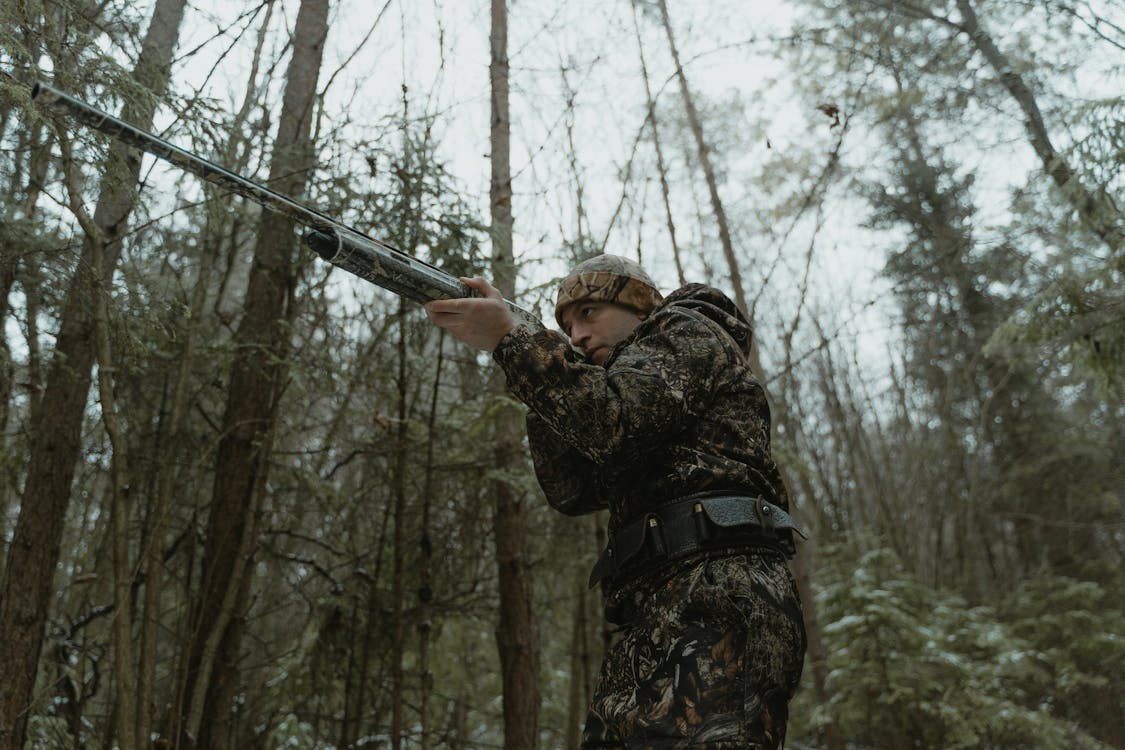
A hunter standing on a ridge, field edge, or bare rise can be visible from much farther away than expected. Even excellent camouflage loses its edge when your outline is framed against bright sky or open light.
This mistake happens often during glassing, stalking, or while choosing a “better view.” The problem is not visibility to other people; it is the sharp, unnatural silhouette that catches an animal’s eye in an otherwise broken landscape.
Using brush, shadows, and terrain folds keeps your shape from standing out. If you can see everything from a high exposed point, there is a good chance plenty of animals can see you too.
Setting Up in the Open

Good visibility feels comfortable to beginners, which is why many sit where they can see a lot but remain poorly hidden. An open tree, sparse brush line, or field edge seat may offer a wide view while exposing every small motion.
Animals do not need a full body view to detect danger. A face, hand, shoulder, or slight shift against the wrong background can be enough to trigger caution or send them circling downwind.
Better setups blend observation with concealment. Back cover, shadow, and broken outlines matter as much as sightlines. If your position makes you feel easy to notice, game animals may feel exactly the same way.
Letting Gear Make Noise

Metal buckles tapping, zippers rasping, loose shells clicking, and plastic accessories knocking together can betray a hunter instantly. These sounds seem minor in a garage or truck, but in still woods they carry like a warning bell.
Rookies usually notice gear noise only after they are already in position. By then, every adjustment becomes a tiny announcement, especially during calm mornings when natural sound is low.
Well-prepared hunters silence equipment before the hunt starts. They tape rattles, secure straps, and know exactly where each item sits. Quiet gear may not look exciting, but it protects the one thing every setup depends on: surprise.
Overcalling or Calling at the Wrong Moment

Calling can be effective, but beginners often treat it like a volume contest or use it without reading the situation. Too much calling, too loud a sequence, or poor timing can make an animal suspicious instead of curious.
In pressured areas especially, game may have heard every standard call pattern in the book. When the sound does not match natural behavior or comes from a bad location, animals often hang up, circle, or leave.
Subtlety is usually the better play. Shorter calling, longer pauses, and more attention to wind and cover create a believable setup. The goal is not just to make noise; it is to sound like something worth approaching.
Checking Your Phone Too Often

Phones create more problems than many beginners realize. The glowing screen can flash in a dark blind, movement draws attention, and notification sounds or vibration can shatter a quiet moment at exactly the wrong time.
There is also a focus issue. Looking down at a device pulls your eyes and ears out of the hunt, making it easier to miss subtle movement or the soft approach of an animal slipping through cover.
A phone has its place for maps, weather, and safety, but constant checking works against you. Dim the screen, silence alerts, and keep use brief. In many cases, the best move is simply leaving it alone until the action slows.