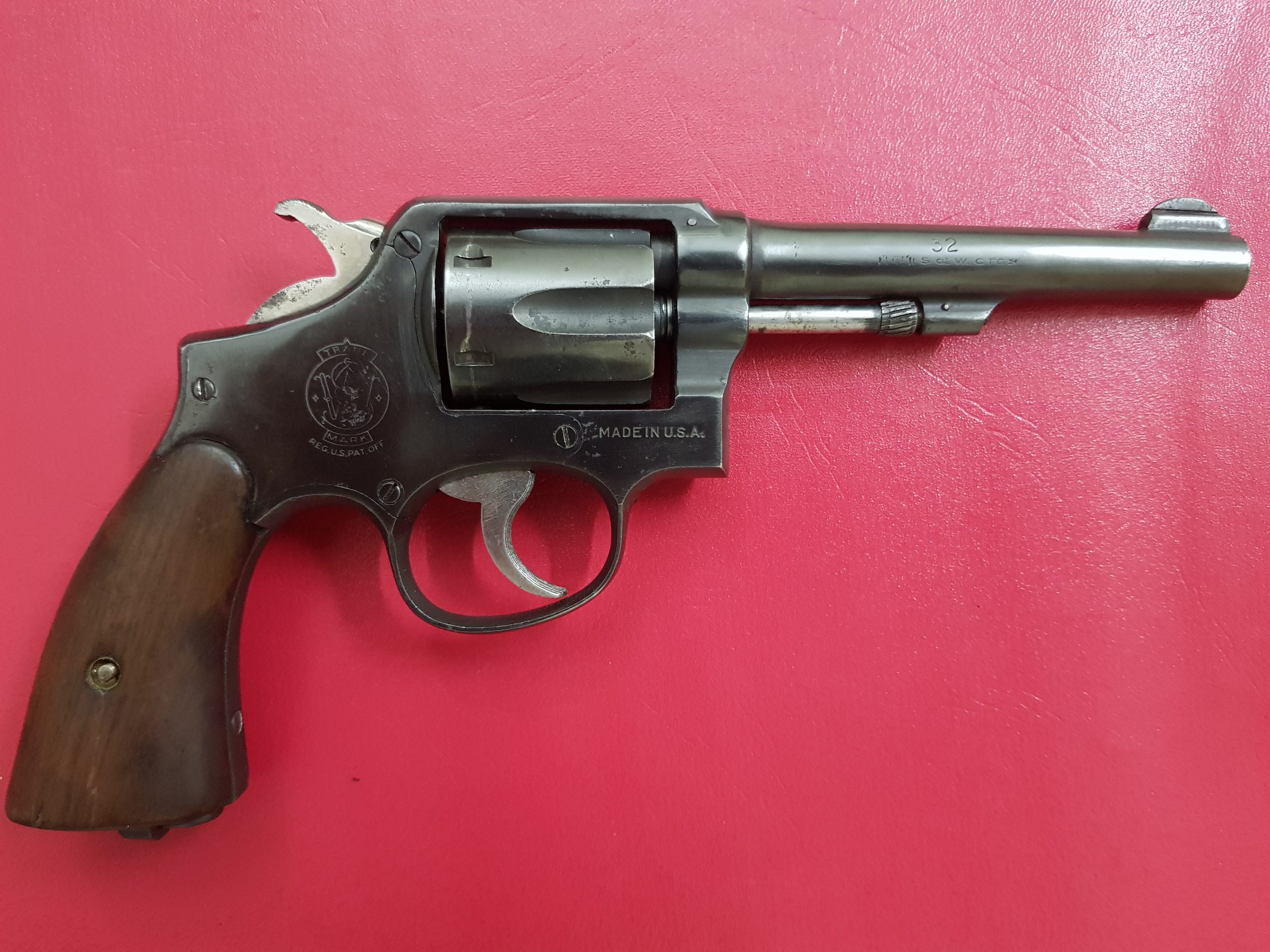
The Smith & Wesson Military & Police revolver became one of the most recognizable American service handguns of the Second World War. Often associated with the name Victory Model, it was produced in huge numbers and distributed far beyond the U.S. military. Its story involves American aircrews, Navy personnel, factory guards, Commonwealth troops, and even resistance movements. The frequently cited figure of more than 1 million refers to broader wartime M&P military production, while the dedicated V-series Victory Model itself reached 811,119 examples.
1. It Grew From the Model 10
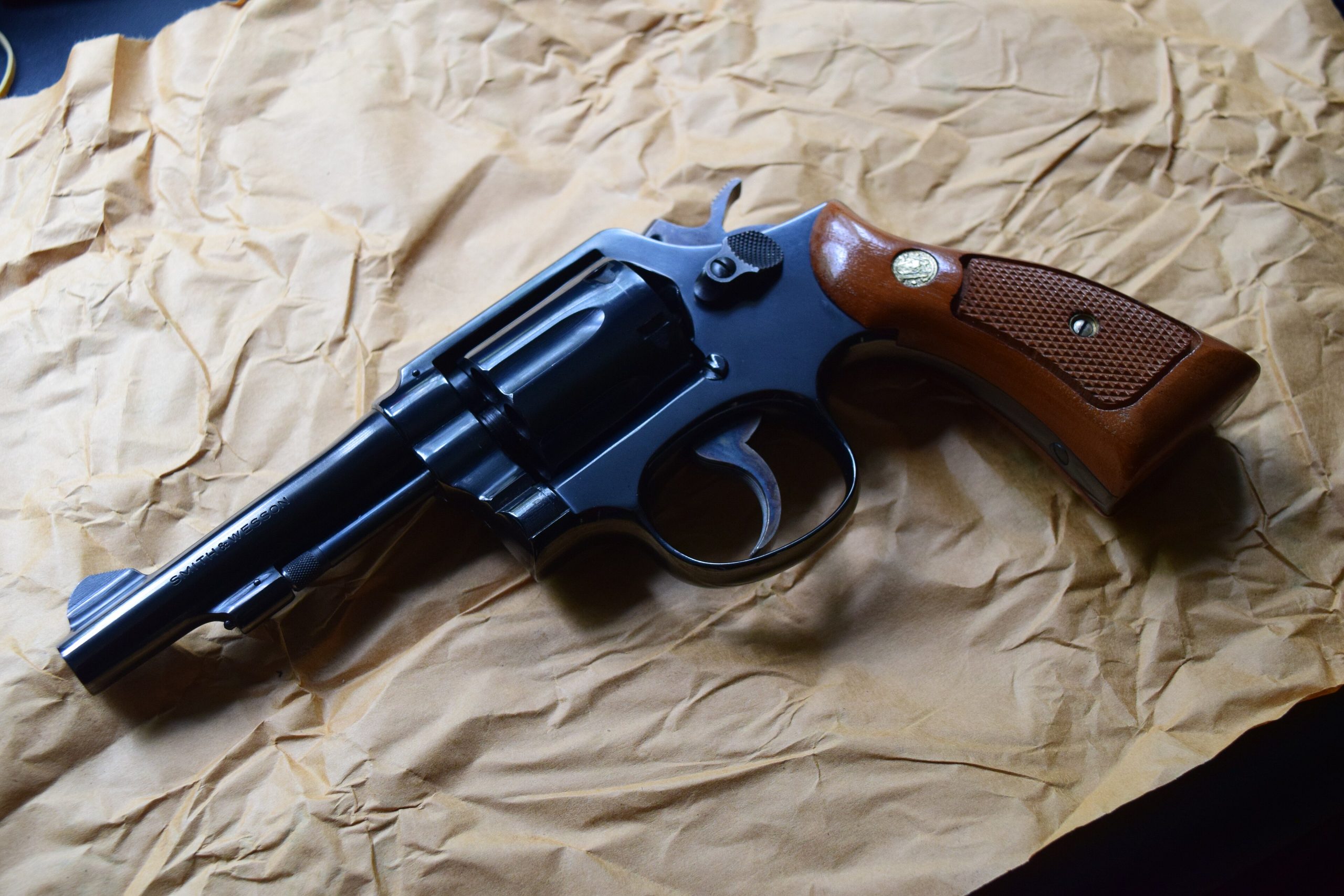
The wartime revolver was not an entirely new design. It grew from Smith & Wesson’s long-established .38 Military & Police, the ancestor of the Model 10. By 1942, wartime demand pushed the design into dedicated Victory Model production, with serial numbers beginning at V1. Total Victory production reached 811,119 by August 1945, while broader wartime military procurement of the M&P family is often rounded to about 1 million. That distinction matters because the million figure covers more than the later V-marked guns alone, including earlier wartime M&P production.
2. Six Shots of .38 Power
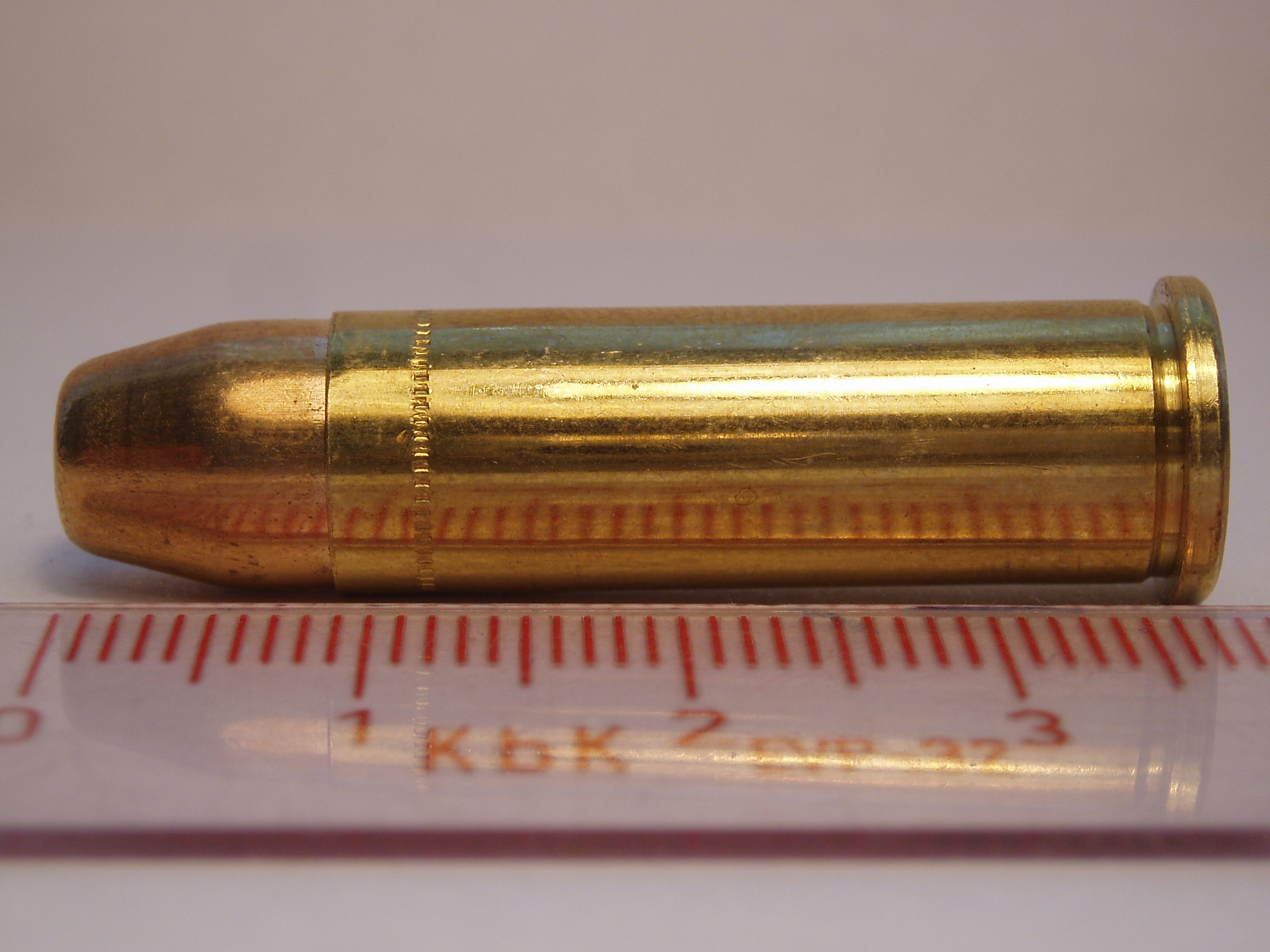
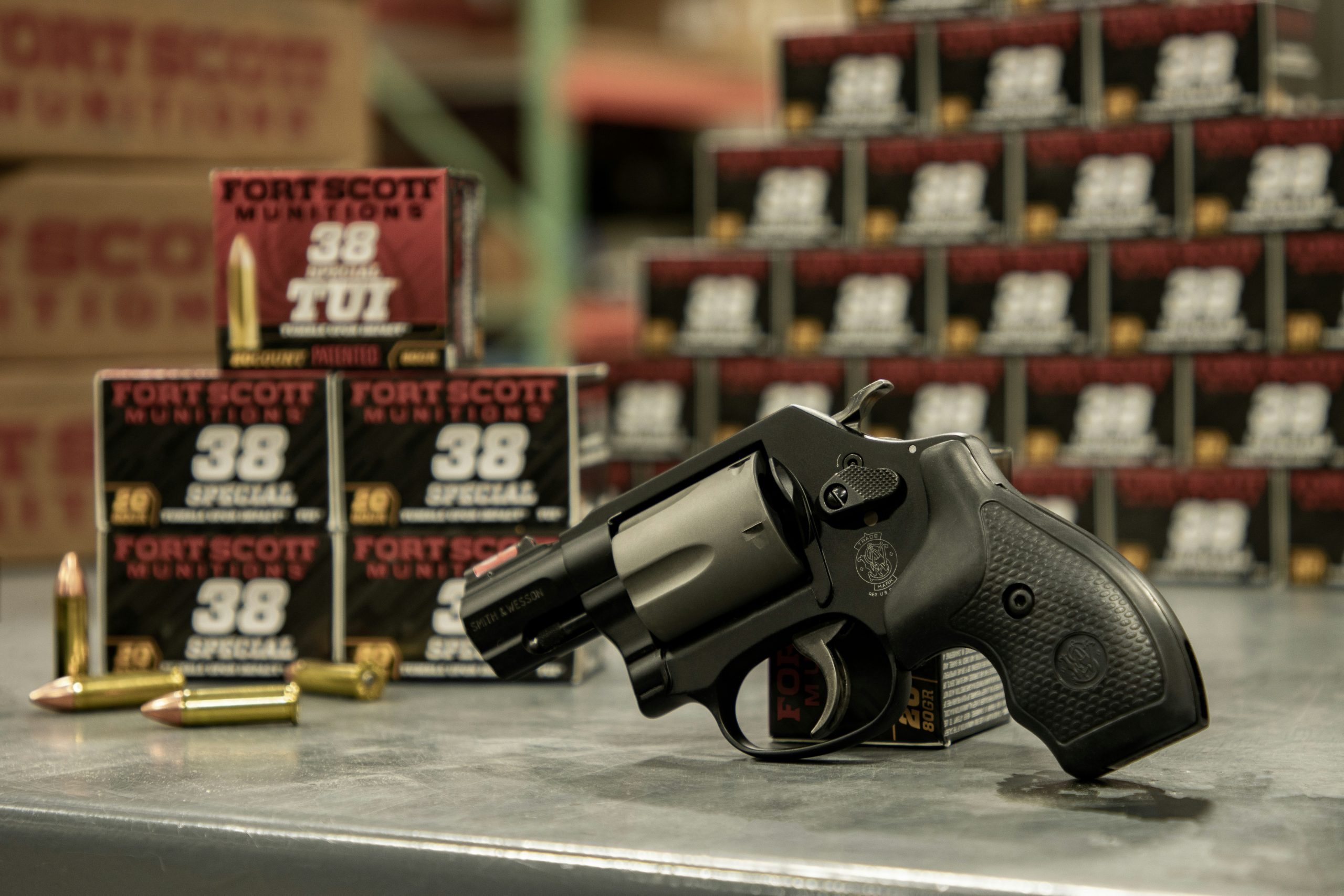
The standard American version used .38 Special, a six-shot cartridge already familiar to police and military users. Its practical appeal was simplicity rather than spectacular power. A typical wartime Victory Model had a 4-inch barrel and a K frame, giving it a useful balance of weight and handling. British and Commonwealth contracts instead commonly used .38/200, firing a 200-grain bullet. About 590,305 of these .38/200 revolvers were supplied through the Allied war effort, showing how one basic design served two ammunition systems across the Allied war effort.
3. The Finish Became More Practical

Before the war, Smith & Wesson revolvers were known for polished blue finishes and carefully checkered grips. Wartime production favored speed and utility, so the Victory Model commonly received a Parkerized matte finish and simpler smooth wooden stocks. The change was not merely cosmetic. A non-reflective surface made more sense for military service, while simplified furniture reduced production work. The timeline also reveals the transition: finishes changed during 1941 and 1942, with Parkerizing becoming the familiar wartime appearance after April 1942.
4. The Navy Had a Major Role
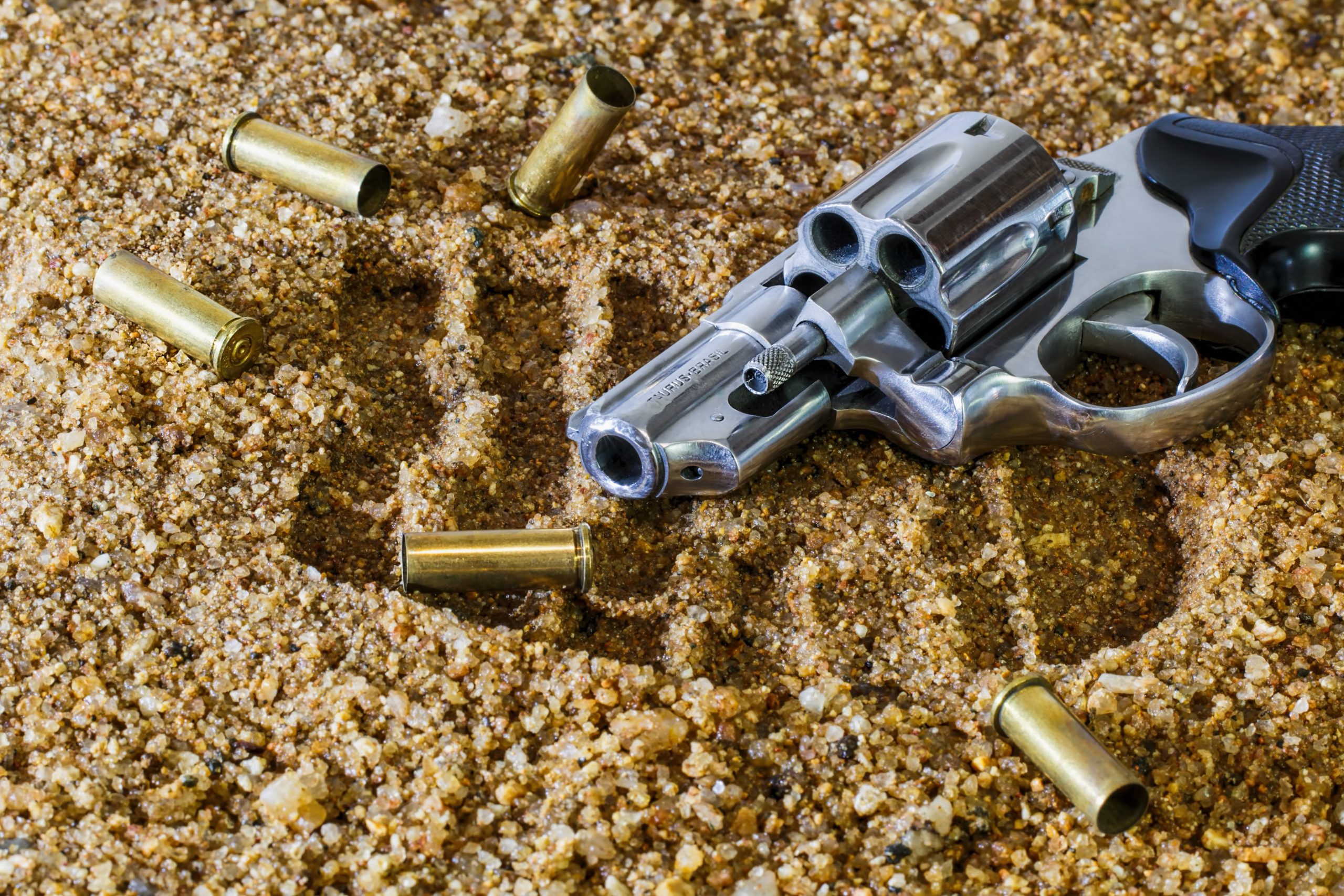
The Victory Model became especially associated with the U.S. Navy and Marine Corps, where.38 Special examples served aircrews and other personnel. That role reflected a practical need for a compact, dependable sidearm that could be carried around aircraft and ships. Some were also issued to guards and security personnel at defense facilities. Government procurement of .38 Special Victory Models totaled 352,315 under wartime contracts, far below the number shipped in .38/200 to Commonwealth users, but still large enough to make the revolver a significant American wartime sidearm.
5. Britain Needed Hundreds of Thousands
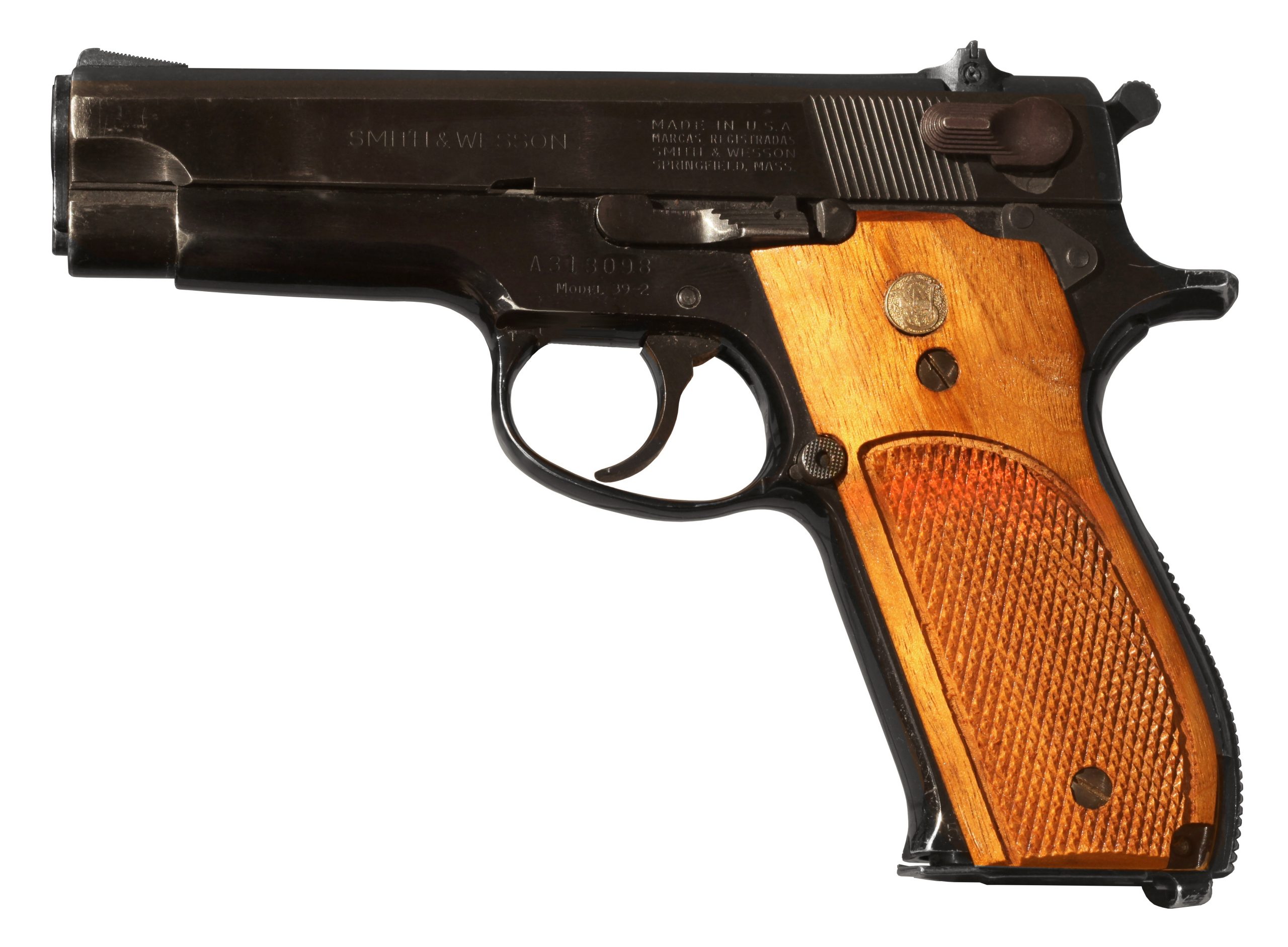
The revolver’s story reaches well beyond American uniforms. Britain and other Commonwealth forces needed additional handguns, and Smith & Wesson supplied large quantities in .38/200. Ordnance records put production for this chambering at 590,305 revolvers between October 1941 and March 1945. They went to Britain, Canada, Australia, New Zealand, and South Africa, largely through Lend-Lease arrangements. This makes the Victory Model an unusual wartime weapon because one American factory design became part of several nations’ equipment systems at once.
6. The V Prefix Became a Wartime Signature
Collectors can often recognize a wartime Smith & Wesson by its serial number. The V prefix began with V1 in 1942, creating the nickname Victory Model. Yet the marking should not be treated as a perfect label for every wartime gun. Earlier Military & Police revolvers were already being produced for military contracts, and some transitional examples appeared before the V series. The final Victory Model reached serial number VS811,119 in August 1945. That sequence provides a useful historical fingerprint, but production records and markings still need careful interpretation.
7. Safety Changed After a Tragedy
Even a proven revolver could expose a weakness under wartime conditions. In 1944, an accidental discharge aboard a ship killed a sailor after a loaded revolver was dropped. Smith & Wesson responded by improving the hammer block safety system. Later production incorporated the change, and serial markings using the VS prefix are associated with the revised guns. The episode shows how wartime engineering was not frozen in place. Real service experience could force a design adjustment, even after hundreds of thousands of revolvers had already been made.
8. The OSS Put Some Behind Enemy Lines
The Victory Model also found a less visible wartime role through the Office of Strategic Services, or OSS. Thousands of revolvers were supplied to resistance organizations, making the type part of clandestine Allied support as well as conventional military service. Records have identified .38/200 examples in OSS holdings, while the organization also helped arrange suitable ammunition for these guns. Their use illustrates why production totals alone do not tell the whole story. A revolver made in Massachusetts could travel through secret supply networks and reach fighters far from the factory.
9. Its Service Did Not End in 1945
Victory Models did not simply disappear when World War II ended. Large numbers remained in military inventories, while others entered police and government service overseas. Some continued to appear with military users during later conflicts, including Korea and Vietnam. The basic M&P design also survived as the Model 10 and remained in production for decades. More than 6 million Model 10s were eventually made across its long history. That longevity explains the wartime revolver’s importance: it was one chapter in America’s durable service revolver story.