After the Six-Day War of 1967, Israel had a clear lesson from the battlefield: reliability mattered enormously in hot, dusty conditions. The country wanted a domestically produced service rifle that could combine the rugged operating qualities seen in AK-pattern weapons with Western ammunition and Israeli requirements. Yisrael Galili and Yaacov Lior developed the Galil around that philosophy. Its ancestry was strongly connected to Finland’s RK 62, itself an AK derivative, but the finished rifle incorporated numerous changes of its own. The result was a sturdy, distinctive weapon that entered Israeli service in the 1970s.
1. It Borrowed the AK Idea, Not Just Its Appearance
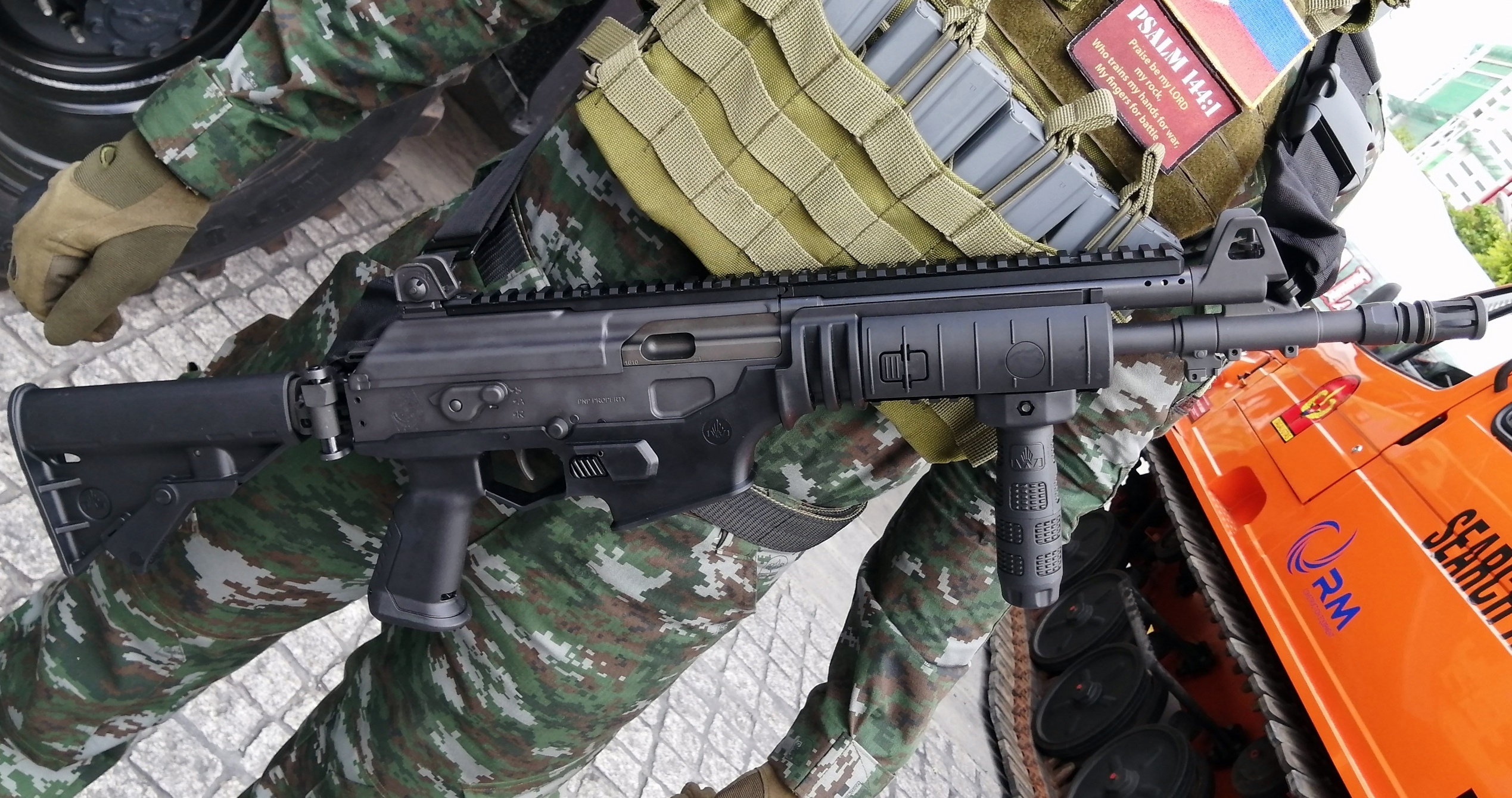
The Galil was not a straight copy of the Soviet AK-47. Its lineage ran through Finland’s RK 62, an improved AK-pattern rifle, and Israeli engineers reshaped that foundation around local needs. Yisrael Galili and Yaacov Lior began development after the 1967 Six-Day War, when captured AKs had shown impressive reliability in harsh conditions. The result kept the long-stroke piston and rotating bolt but adopted Israeli manufacturing, sights, furniture, and 5.56 mm ammunition. That blend explains why the Galil looked familiar while remaining distinctly Israeli.
2. It Was Built Around Harsh Israeli Conditions
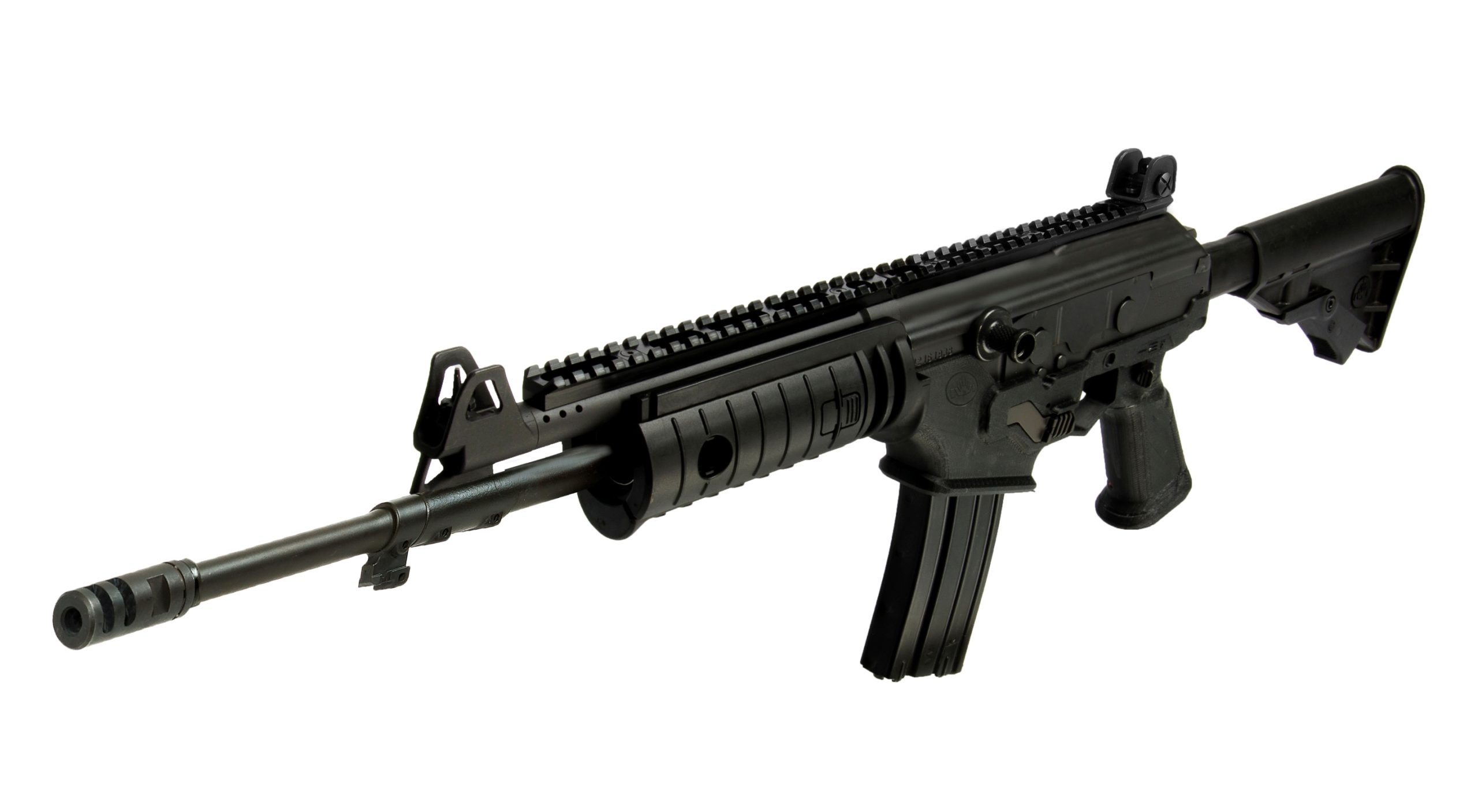
Israel wanted a rifle that could survive dust, heat, neglect, and hard field use, not simply imitate an enemy weapon. The Galil therefore used a robust milled steel receiver and a long-stroke gas system, combining strength with the proven AK-style operating cycle. Its chromium-lined barrel helped resist corrosion and wear, while the protected sights were designed for rough handling. The standard 5.56 mm Galil AR used an 18.1-inch barrel and weighed about 4.35 kg unloaded in ARM form. Those figures reveal a rifle built more for durability than extreme lightness.
3. Its Cartridge Was a Major Departure
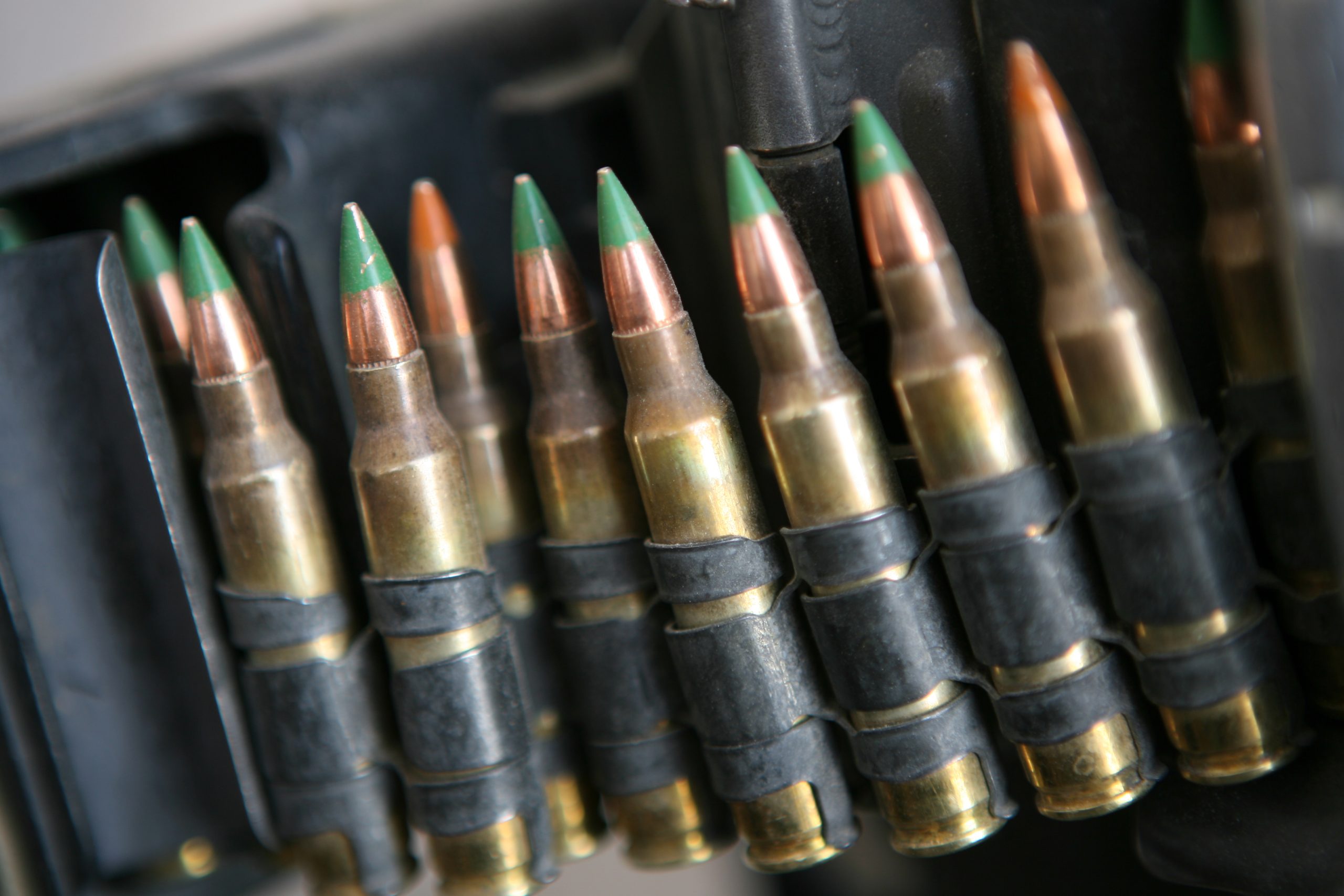
The Galil’s choice of cartridge marked a major departure from classic AK practice. Instead of the Soviet 7.62×39 mm round, Israel selected the Western 5.56×45 mm cartridge as its principal infantry ammunition, reflecting closer ties with the United States and NATO standards. Early rifles were configured around the M193 load, while later production adopted faster rifling for the heavier SS109 or M855 family. Standard 5.56 mm magazines held 35 rounds, while a 50-round magazine was also available. A 7.62×51 mm version existed mainly for export. It was a deliberate logistical choice.
4. Its Folding Stock Added Real Battlefield Flexibility
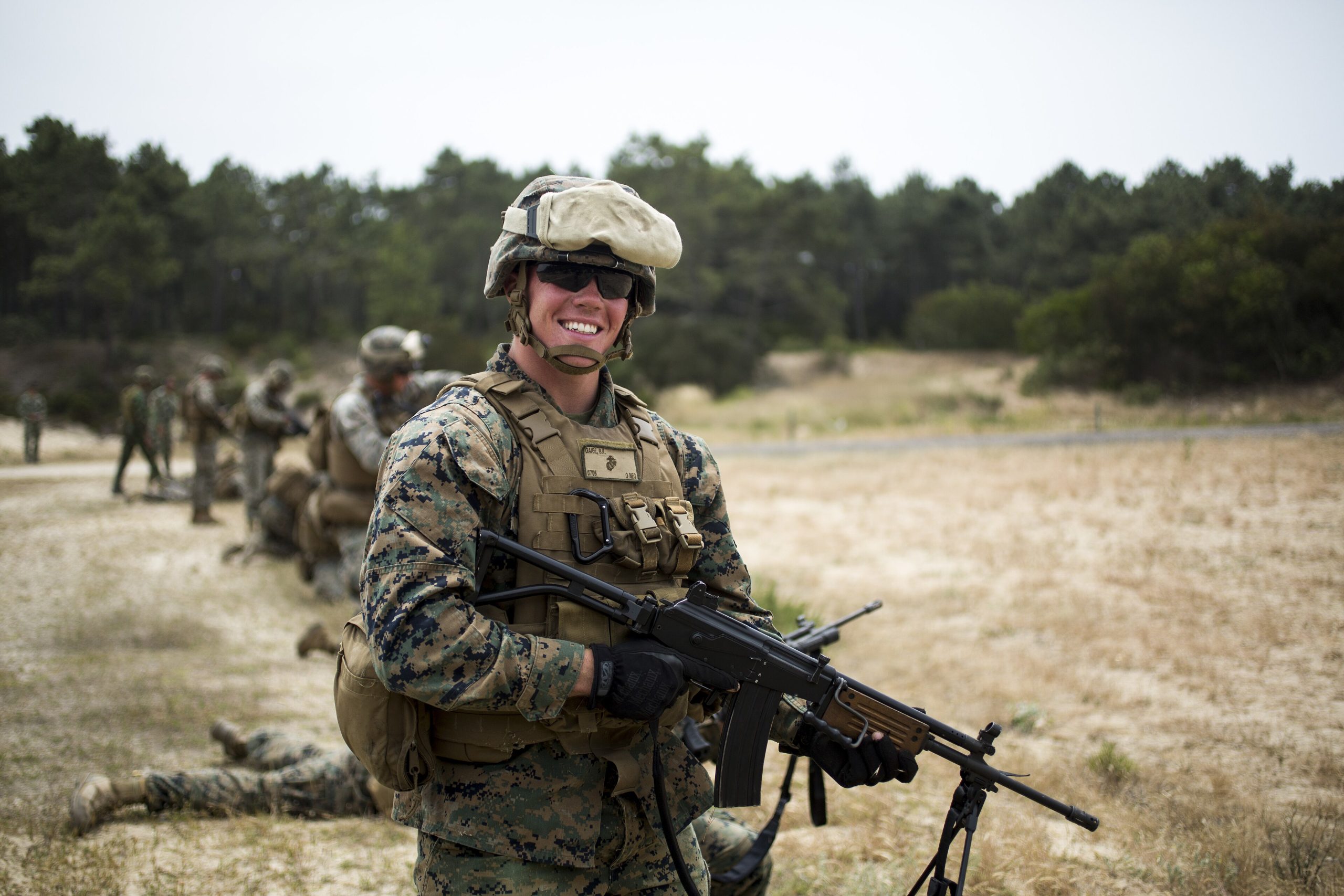
One reason the Galil became so recognizable was its folding metal stock. The design allowed the full-size rifle to become considerably shorter for transport, vehicle crews, and movement in confined spaces. The 5.56 mm SAR, for example, measured about 850 mm with its stock extended and 614 mm folded, while its barrel was only 332 mm long. The standard AR stretched roughly 978 mm with the stock open and folded to about 742 mm. This compactness helped vehicle crews and soldiers working in tight spaces.
5. The ARM Added More Than Just a Bipod
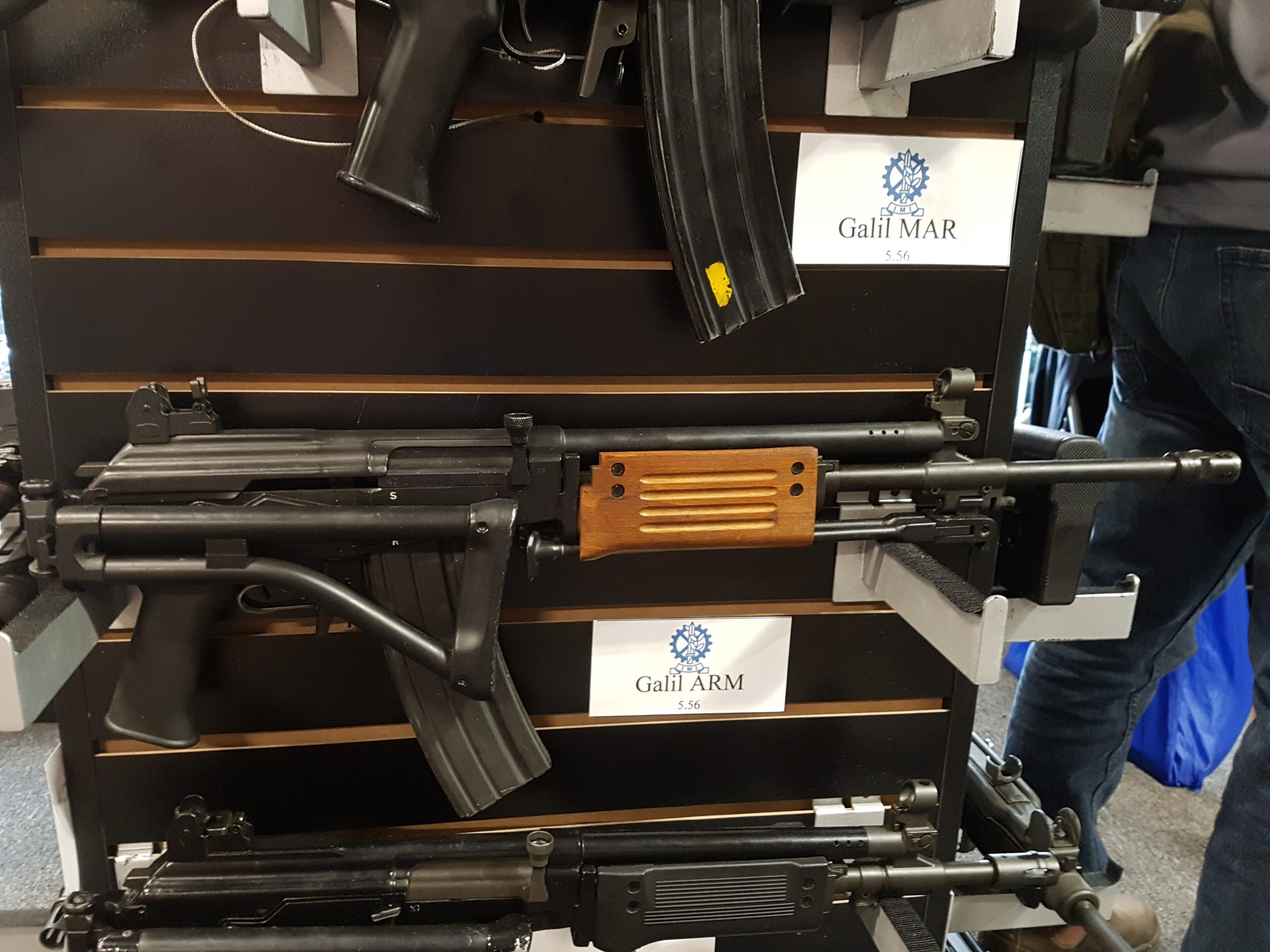
The Galil ARM went beyond the role of an ordinary infantry rifle by integrating a folding bipod into the weapon. Deployed, the bipod could support the rifle during sustained fire; folded, it sat beneath the handguard without requiring a separate accessory. Its legs also incorporated a wire-cutting function, adding another field utility. The ARM used a barrel around 460 mm long and retained the rifle’s 5.56 mm chambering. A built-in bottle opener was another famously practical touch, intended to stop soldiers from damaging magazines while opening bottles.
6. Its Controls Improved on Familiar AK Features
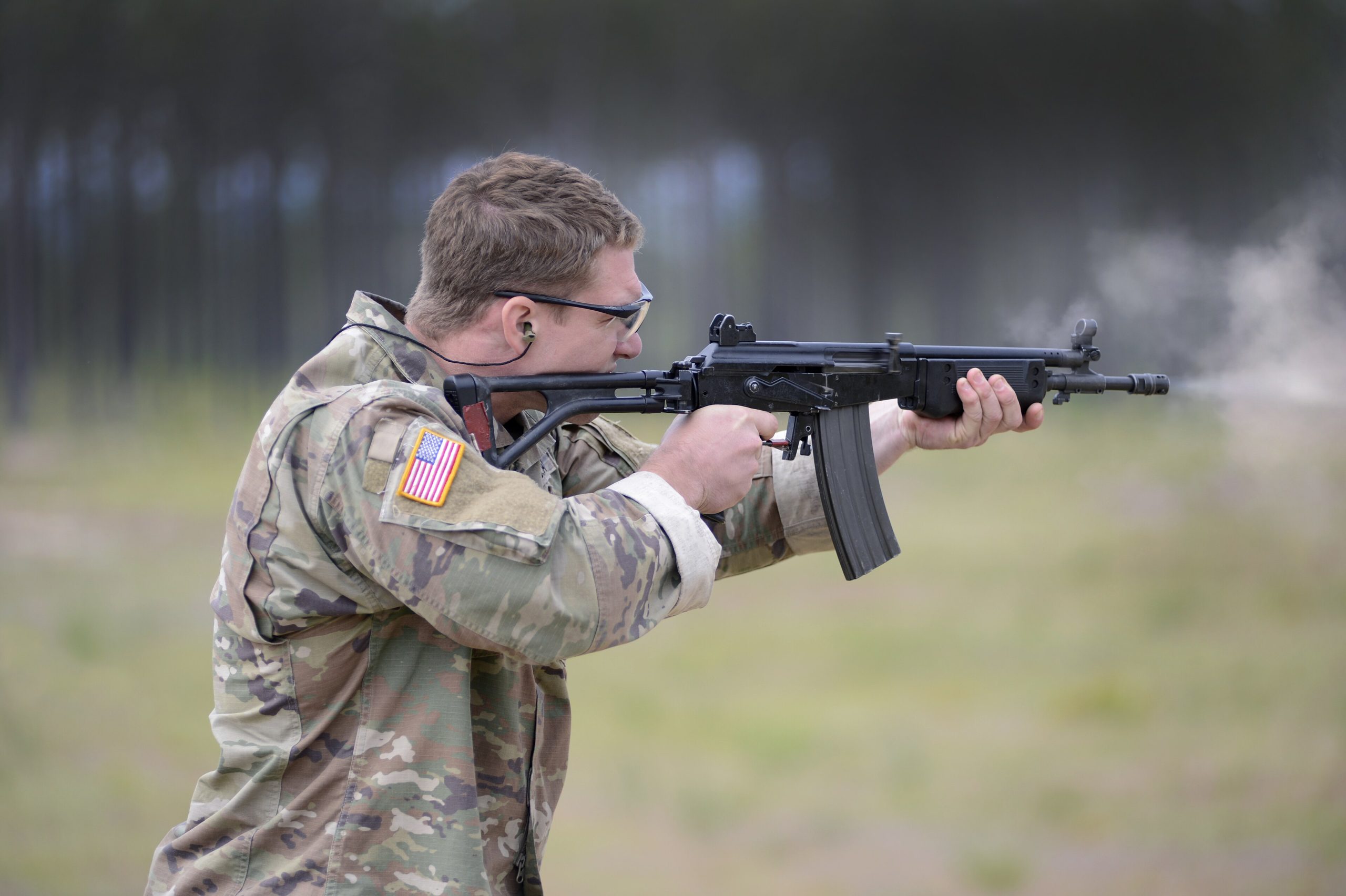
The rifle’s controls showed that Israeli designers were willing to improve familiar AK ideas rather than preserve them unchanged. Its charging handle was bent upward, making it easier to reach from either side, while the fire selector included a prominent lever that could be operated with the thumb. The rear aperture sight used protected, flip-up settings calibrated around 300 and 500 meters, and later rifles could include tritium night sights. These details did not reinvent the rifle’s action, but they made the AK-derived platform more adaptable to Israeli service.
7. It Had to Beat Several Serious Rivals
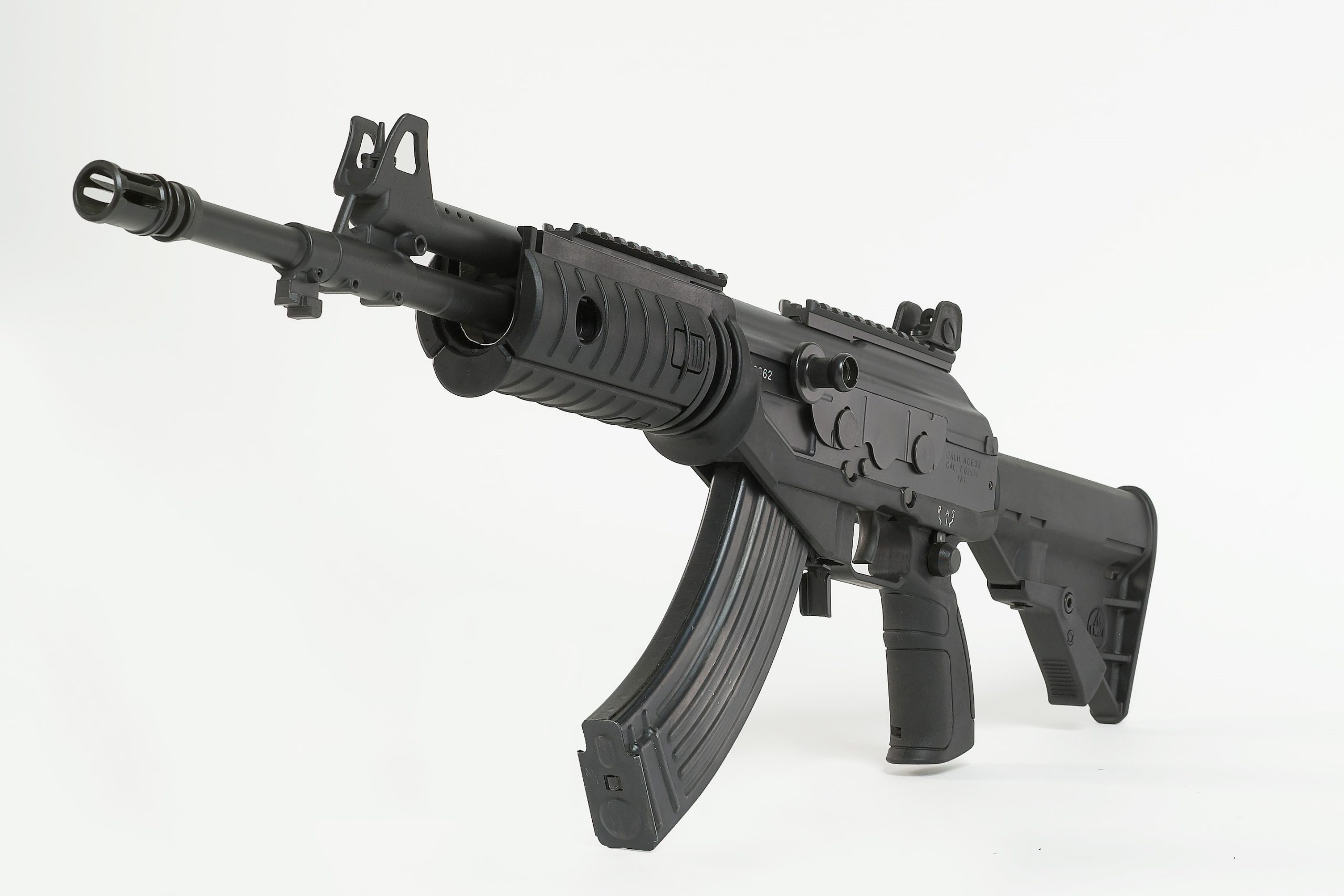
Testing was central to the Galil’s reputation, and the rifle faced competition before adoption. Israeli trials compared it with designs including the M16, HK33, AR-18, Stoner 63, and other contenders. In one reported evaluation, the Galil scored 97.5 percent, compared with 85.3 percent for the AK-47 and 82.7 percent for the M16. The rifle was approved for IDF service in 1972, although the 1973 Yom Kippur War disrupted the transition. The Galil was judged as a service rifle.
8. Its Influence Spread Far Beyond Israel
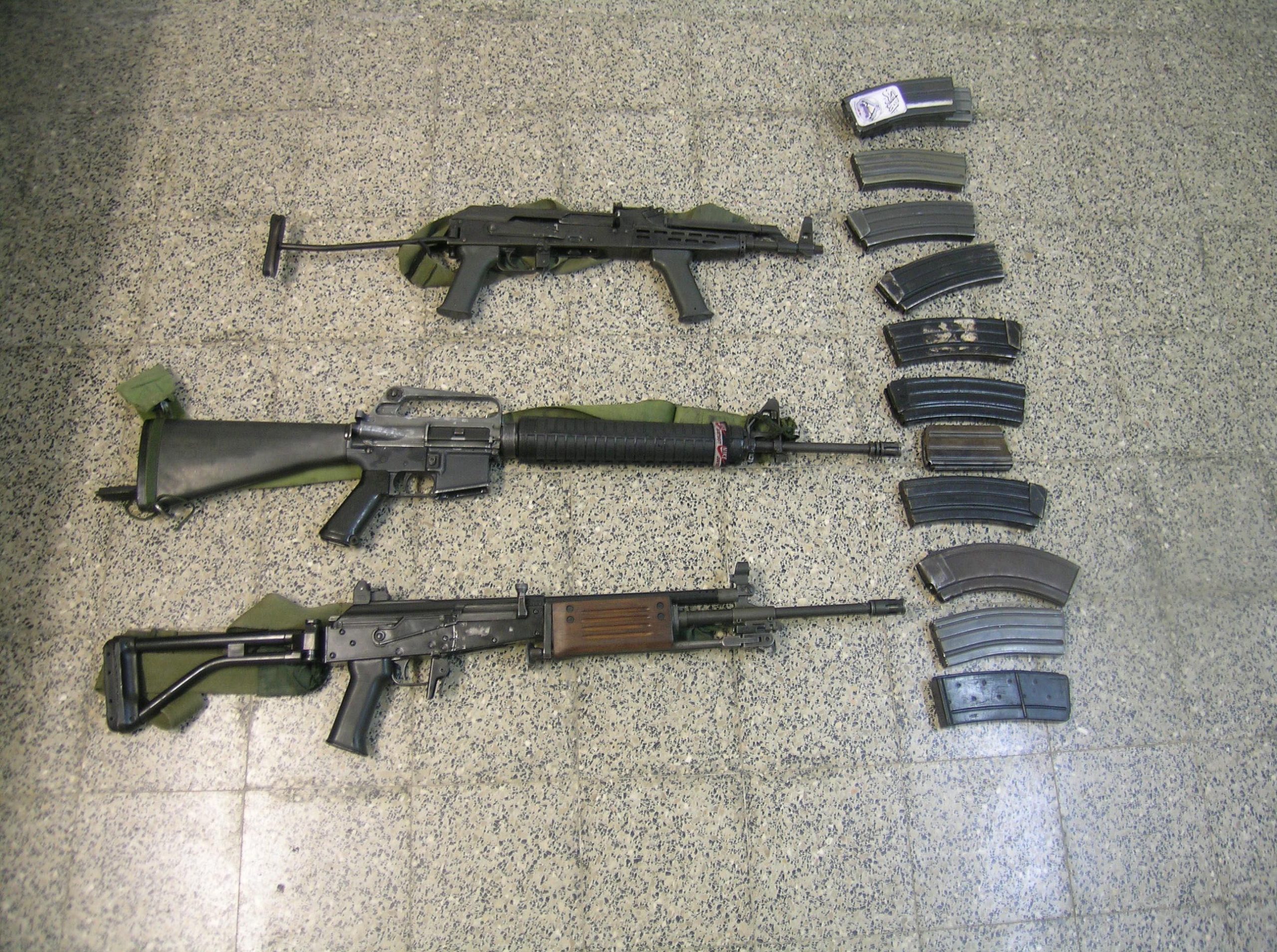
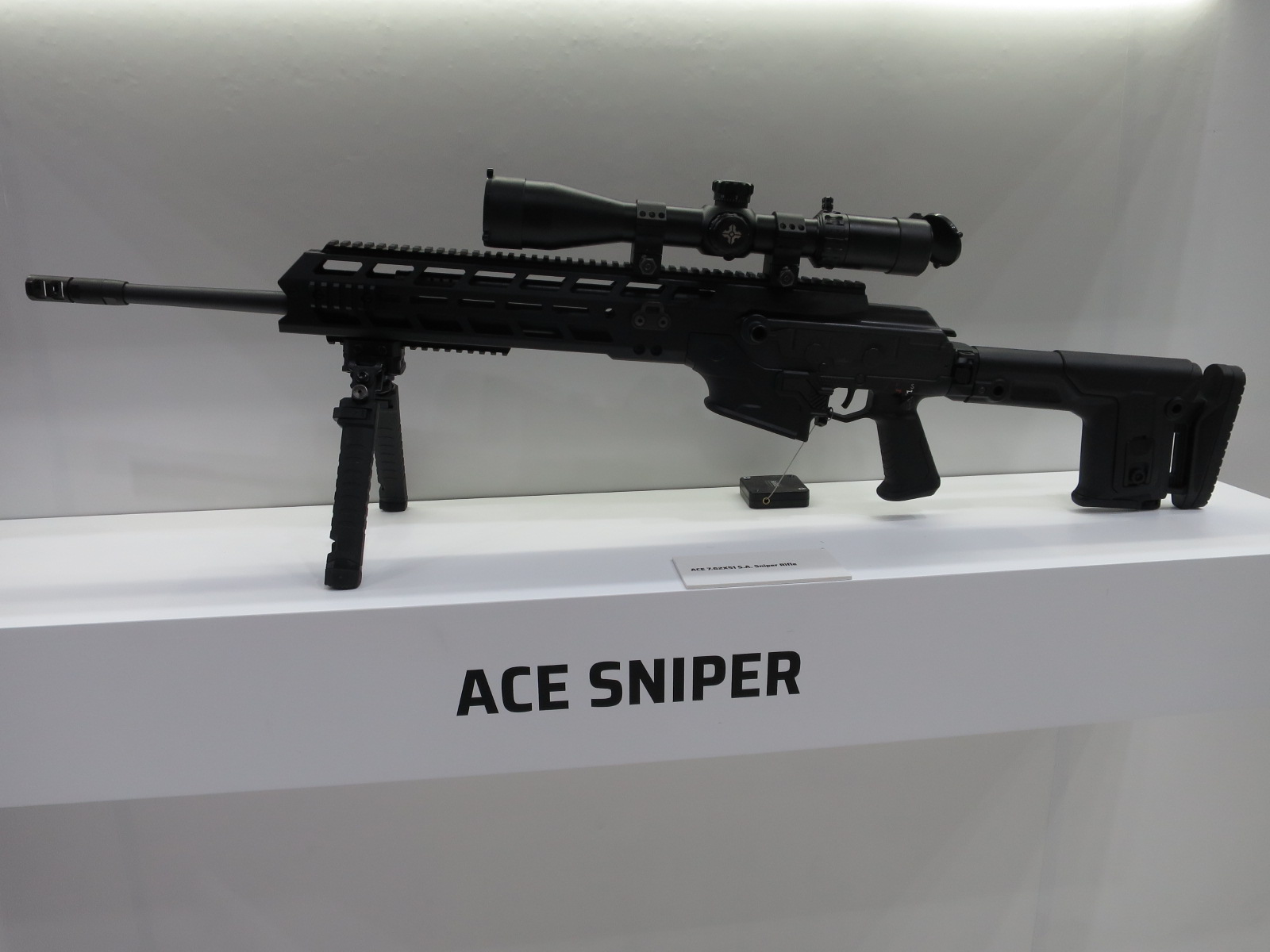
The Galil’s career eventually stretched far beyond Israel, giving the design a second life overseas. South Africa produced its R4 family under license, while Colombia and other countries adopted Galil variants for military and security use. The original Israeli production run lasted from the early 1970s into the 1990s, and the platform later returned in modernized Galil ACE form. The ACE kept the Galil name and core heritage while adding contemporary furniture and mounting options. Its international success proved the original concept had value well beyond its birthplace.
9. Its Legacy Was About Selective Borrowing
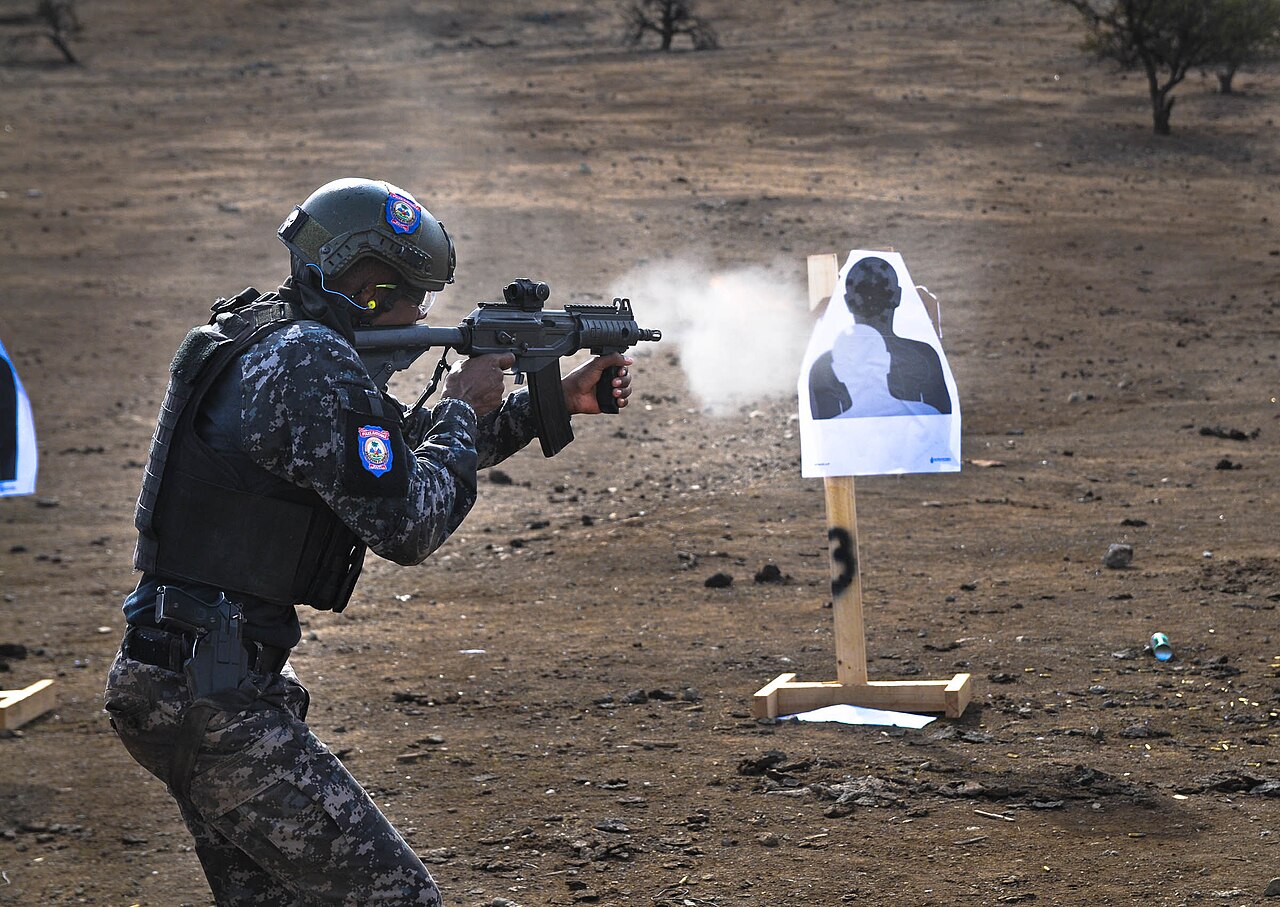
The Galil was ultimately a case of selective borrowing, not simple copying. Israel took the rugged operating principles associated with the AK family, refined through the Finnish RK 62, then combined them with 5.56 mm ammunition, a folding stock, protected sights, an integrated bipod, and locally tailored ergonomics. The original rifle served the IDF from the 1970s era and remained influential even after newer designs replaced it as the main service rifle. Its legacy survives because it solved a practical problem: how to turn a proven AK-style mechanism into a distinctly Israeli service rifle.