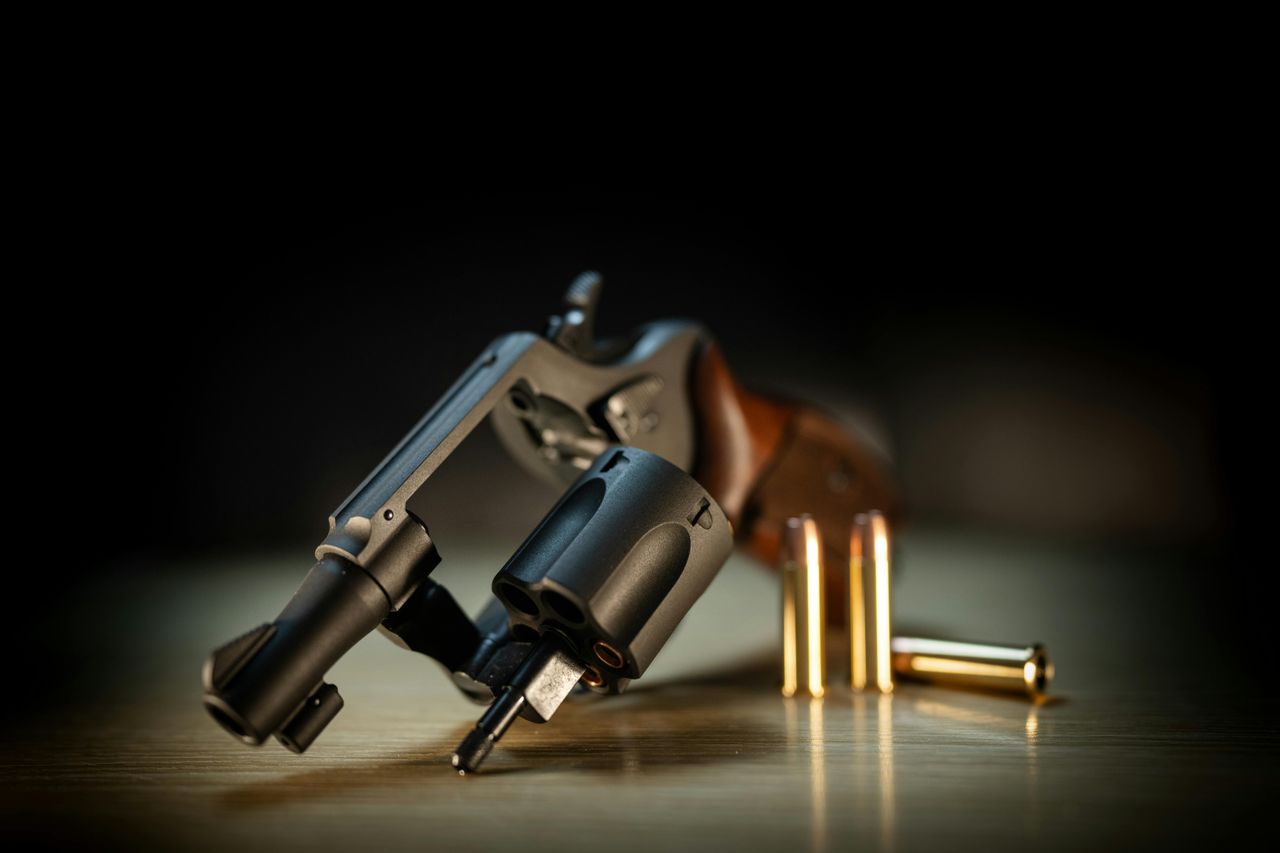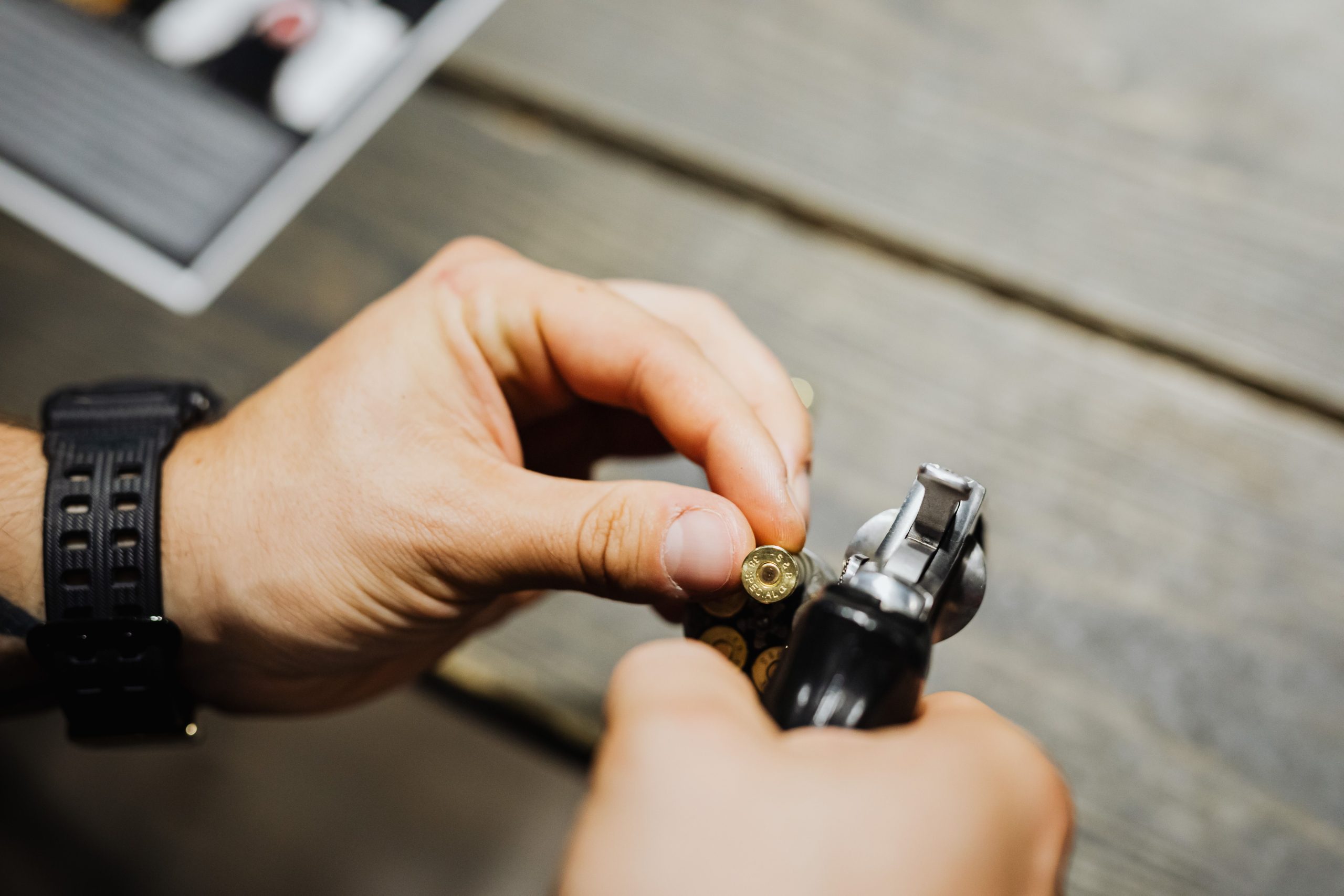
Few revolver makers have built a reputation quite like Korth. Founded around the vision of German gunsmith Willi Korth, the company pursued an unusual philosophy: treat a revolver as a precision instrument rather than a mass-produced handgun. Korth’s own history emphasizes carefully selected steels, extensive hand fitting, inspection, and continual refinement. That approach made the brand exceptionally expensive and exclusive, but it also created a following among collectors and precision shooting enthusiasts.
1. Willi Korth Wanted to Build the Best
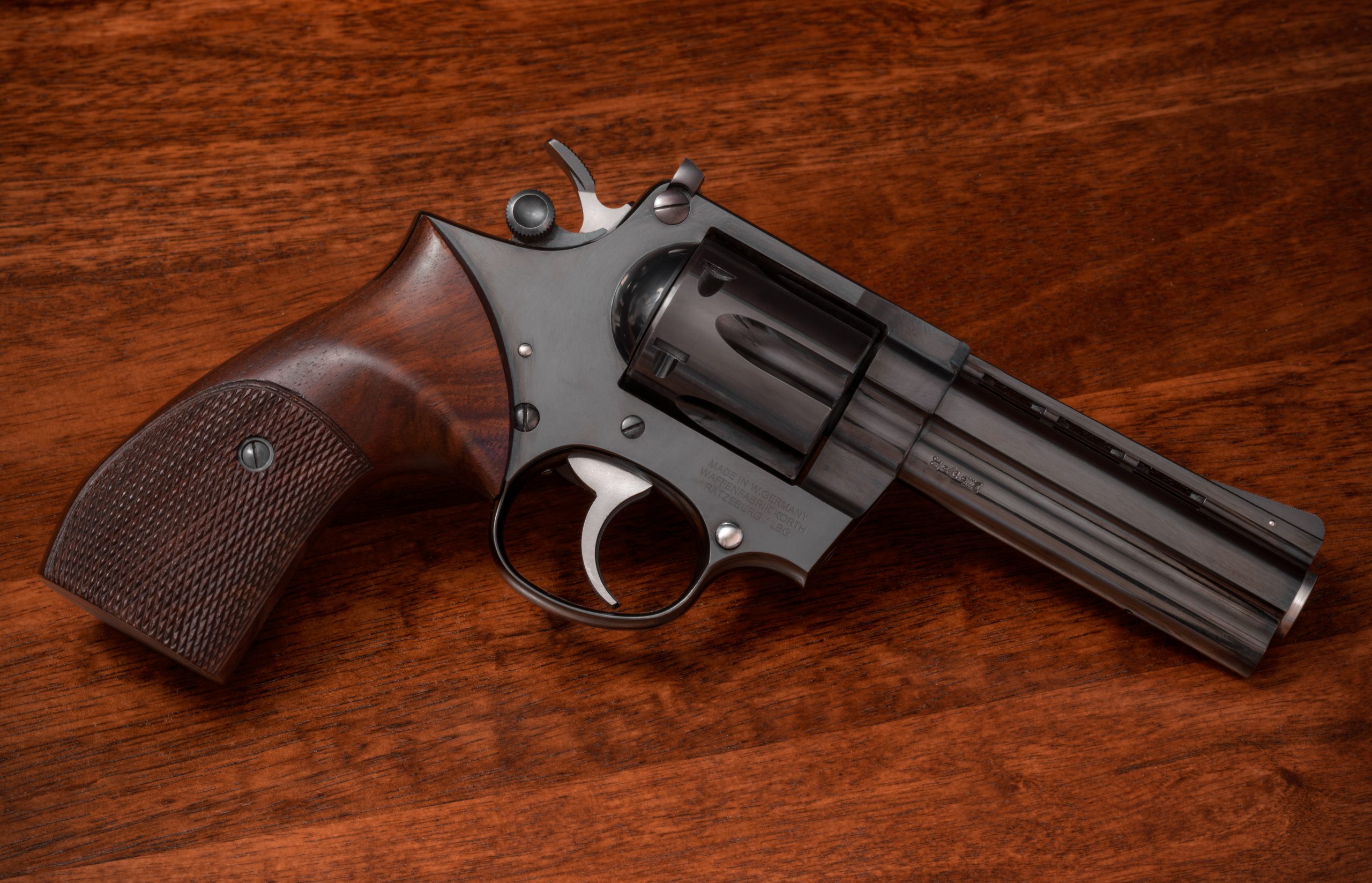
Willi Korth’s ambition was remarkably direct: he wanted to create what he regarded as the world’s best revolver. His independent work developed during Germany’s postwar firearms restrictions, beginning with gas and blank-firing designs before the company moved toward conventional sporting revolvers. By the 1960s, Korth was pursuing sophisticated centerfire designs rather than simply copying established American patterns. His philosophy centered on improving mechanical details wherever possible, giving the brand its distinctive identity.
2. It Started With Gas Revolvers
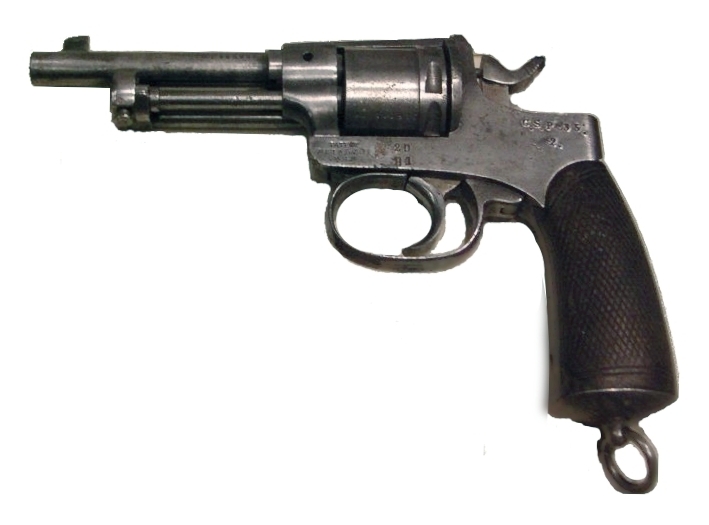
Korth’s early commercial story is more unusual than many collectors realize. Before producing the famous sporting revolvers, Willi Korth worked on gas and alarm revolvers during Germany’s restrictive postwar firearms environment. Historical accounts indicate that production began in the 1950s, with roughly 20,000 gas revolvers reportedly produced between 1954 and 1964. Those early designs helped Korth develop manufacturing experience and mechanical ideas that later appeared in his conventional revolvers. They also established the company’s reputation for unusually elaborate construction.
3. Precision Was Built Into the Manufacturing Process
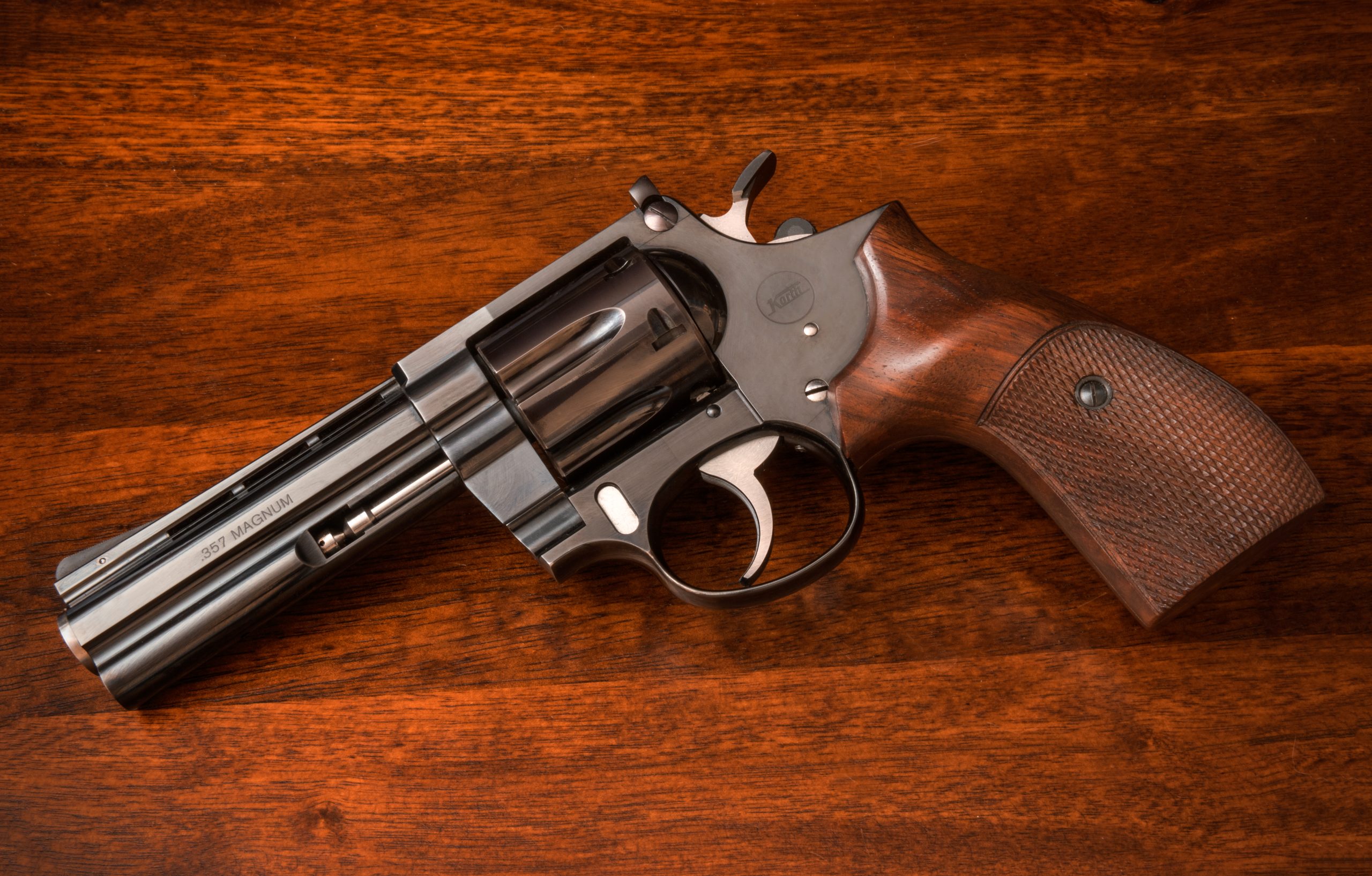
Korth’s reputation for precision comes from more than polished surfaces or a famous name. The company’s published manufacturing philosophy describes approximately 600 individual operations for one revolver, with only about 30 percent attributed to machine work. The remaining 70 percent involves hand fitting, inspection, adjustment, and finishing. Important components are produced from selected high-alloy steels, while major parts can receive surface hardening reaching approximately 60 HRC. Those figures illustrate why Korth production has traditionally been associated with intensive craftsmanship.
4. The First Conventional Revolvers Were Specially Engineered
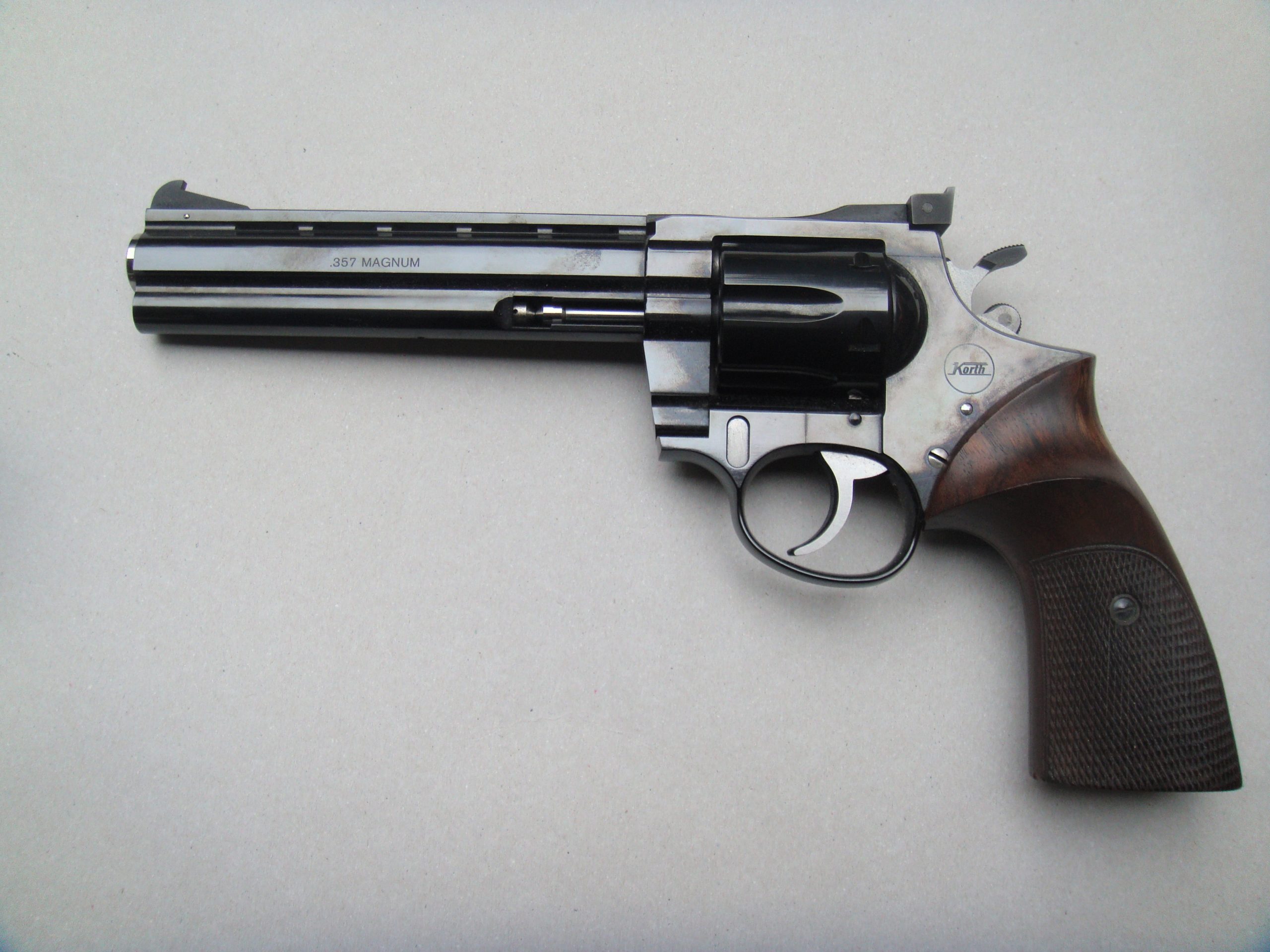
Korth’s conventional revolver development reached an important stage during the early 1960s. Sources describe the first centerfire production revolver as a .32 S&W Long design, followed by more ambitious sporting and combat models. The company did not simply imitate the dominant American revolvers of the period. Instead, Willi Korth pursued his own mechanical solutions, emphasizing fit, smooth operation, durability, and precision. By the mid 1960s, Korth revolvers were available in more powerful chamberings, including .357 Magnum, helping establish the marque’s legendary reputation.
5. The Korth Was Made Like a Precision Machine
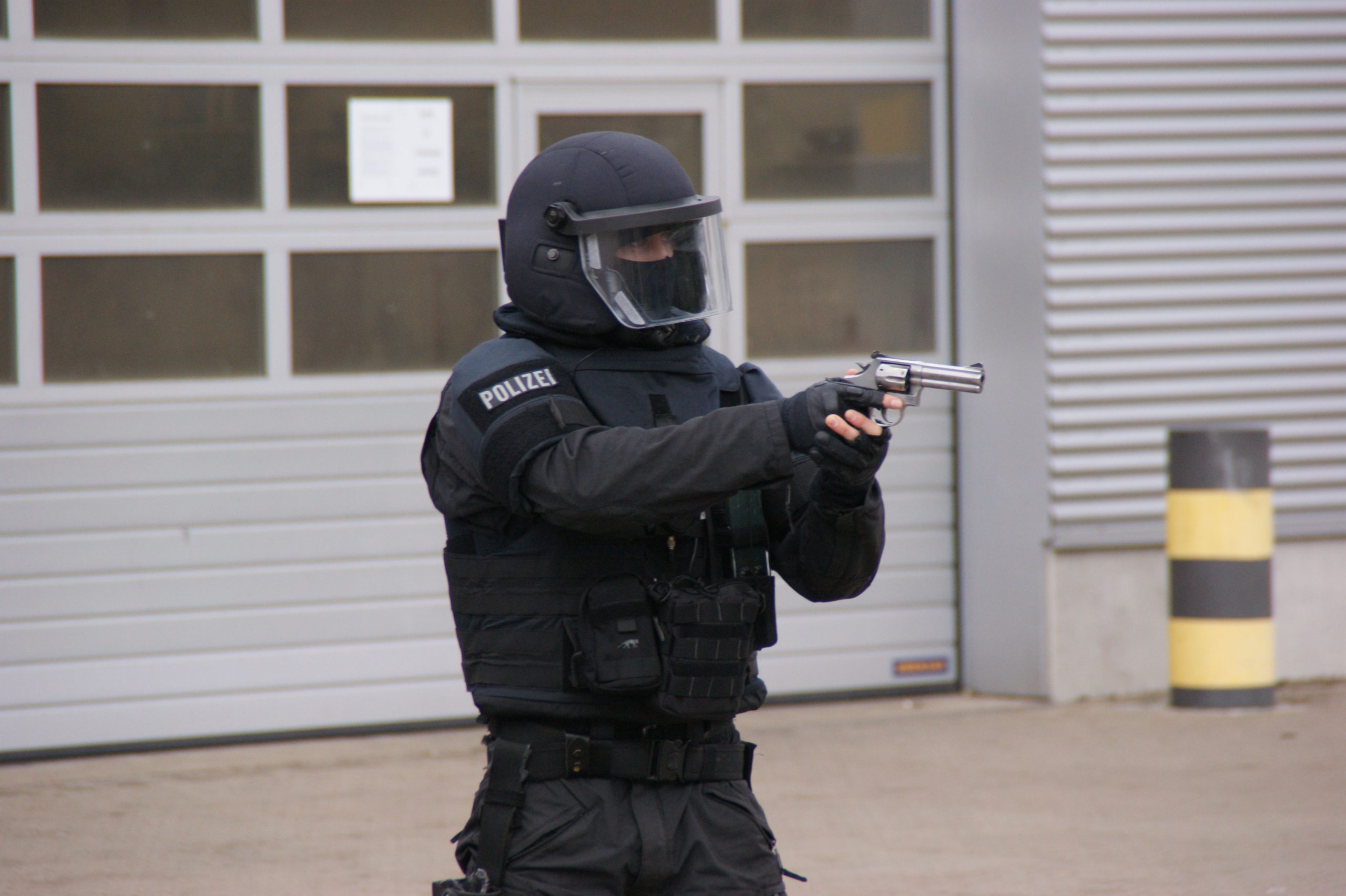
One reason Korth revolvers became so expensive was the amount of fitting involved. Rather than treating components as interchangeable pieces that required minimal adjustment, Korth’s manufacturing philosophy placed substantial emphasis on individually fitting moving parts. The frame, crane, sideplate, trigger mechanism, and other components received careful attention before final assembly. The company’s stated philosophy combines modern machinery with traditional gunsmithing, allowing parts to be manufactured precisely and then refined by skilled craftsmen. The objective was consistency, smooth mechanics, and long service life.
6. Korth Offered More Than .357 Magnum
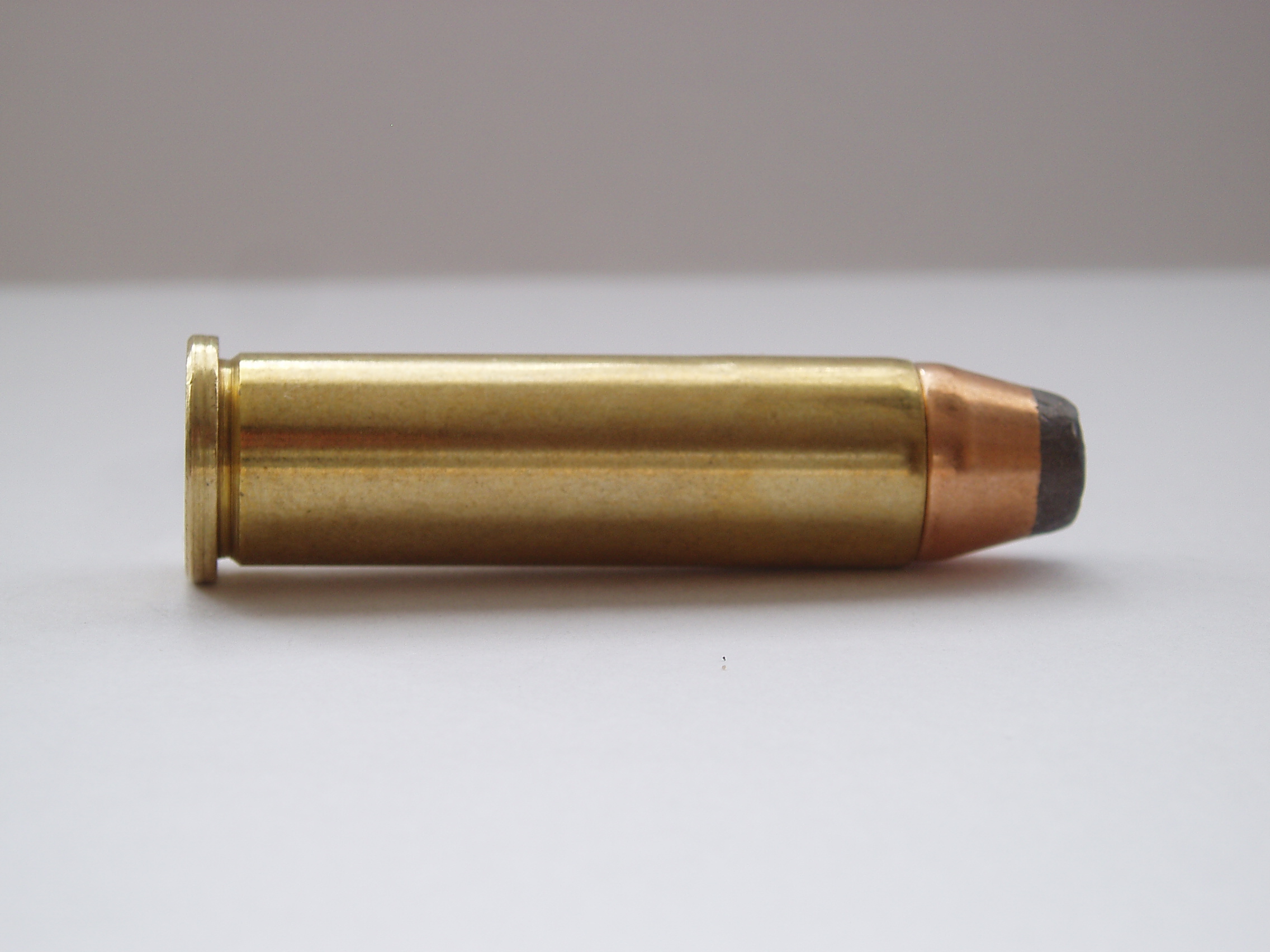
Although .357 Magnum became strongly associated with the Korth name, the company’s historical range was considerably broader. Older Korth revolvers were produced in chamberings including .22 LR, .22 Magnum, .32 S&W Long, .38 Special, .357 Magnum, and 9mm variants. Historical models also appeared with different barrel and cylinder arrangements, including 5-shot and 6-shot configurations. That variety reflected Korth’s willingness to build specialized sporting revolvers rather than maintain one standardized configuration. The result was a surprisingly diverse catalog for such a small manufacturer.
7. The Brand Became Famous for Extreme Exclusivity
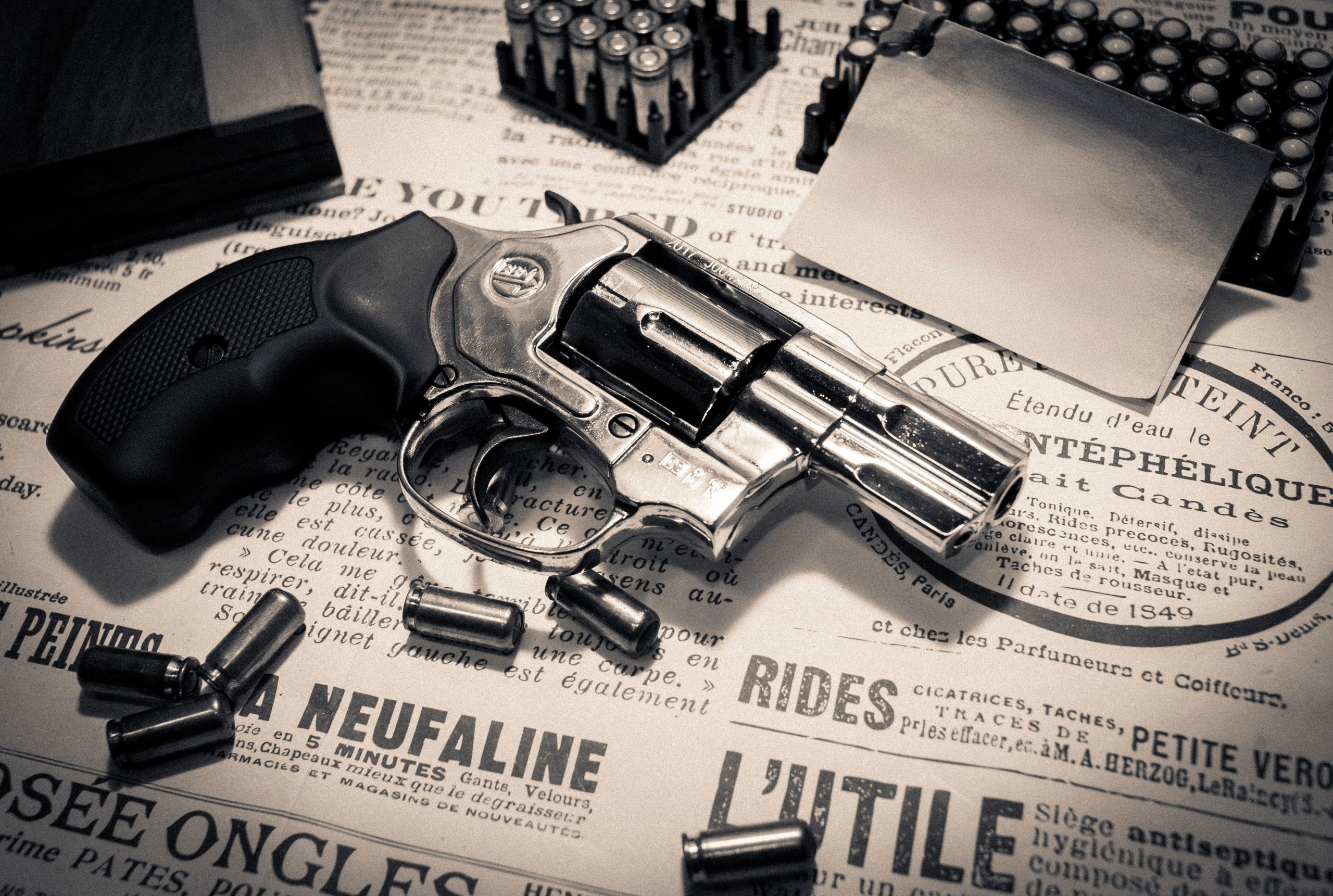
Korth never competed with mainstream revolver manufacturers on production volume. Its appeal came from scarcity, craftsmanship, and customization. Historical accounts describe production measured in comparatively small numbers, while the modern company emphasizes individually finished firearms and personalized configurations. This approach naturally pushed prices far above ordinary production revolvers. Korth therefore became less of a conventional firearm brand and more of a specialist luxury manufacturer. For collectors, the attraction is not merely mechanical performance. It is the combination of German engineering, limited production, hand craftsmanship, and distinctive design.
8. The Company Preserved the Original Philosophy
Korth’s modern identity remains closely connected with Willi Korth’s original approach. The company states that Martin Rothmann has continued the Korth tradition since 2008, combining modern manufacturing equipment with established hand craftsmanship. Its current team comprises 25 employees, with experience in precision manufacturing fields such as aerospace, automotive, and defense. The important point is continuity: Korth still presents precision, careful materials, detailed finishing, and individualized production as central characteristics rather than merely historical marketing.
9. Its Reputation Comes From the Details
The enduring Korth reputation ultimately rests on dozens of small engineering decisions rather than one revolutionary feature. Careful tolerances, hardened components, hand fitting, trigger work, balance, finish, and inspection all contribute to the company’s distinctive character. Korth itself describes its revolvers as combining precision, elegance, and craftsmanship, while historical evaluations have frequently compared the brand with luxury engineering rather than ordinary mass production. That helps explain why Korth remains one of the most recognizable names in high-end German revolver making, more than half a century after its early sporting designs.