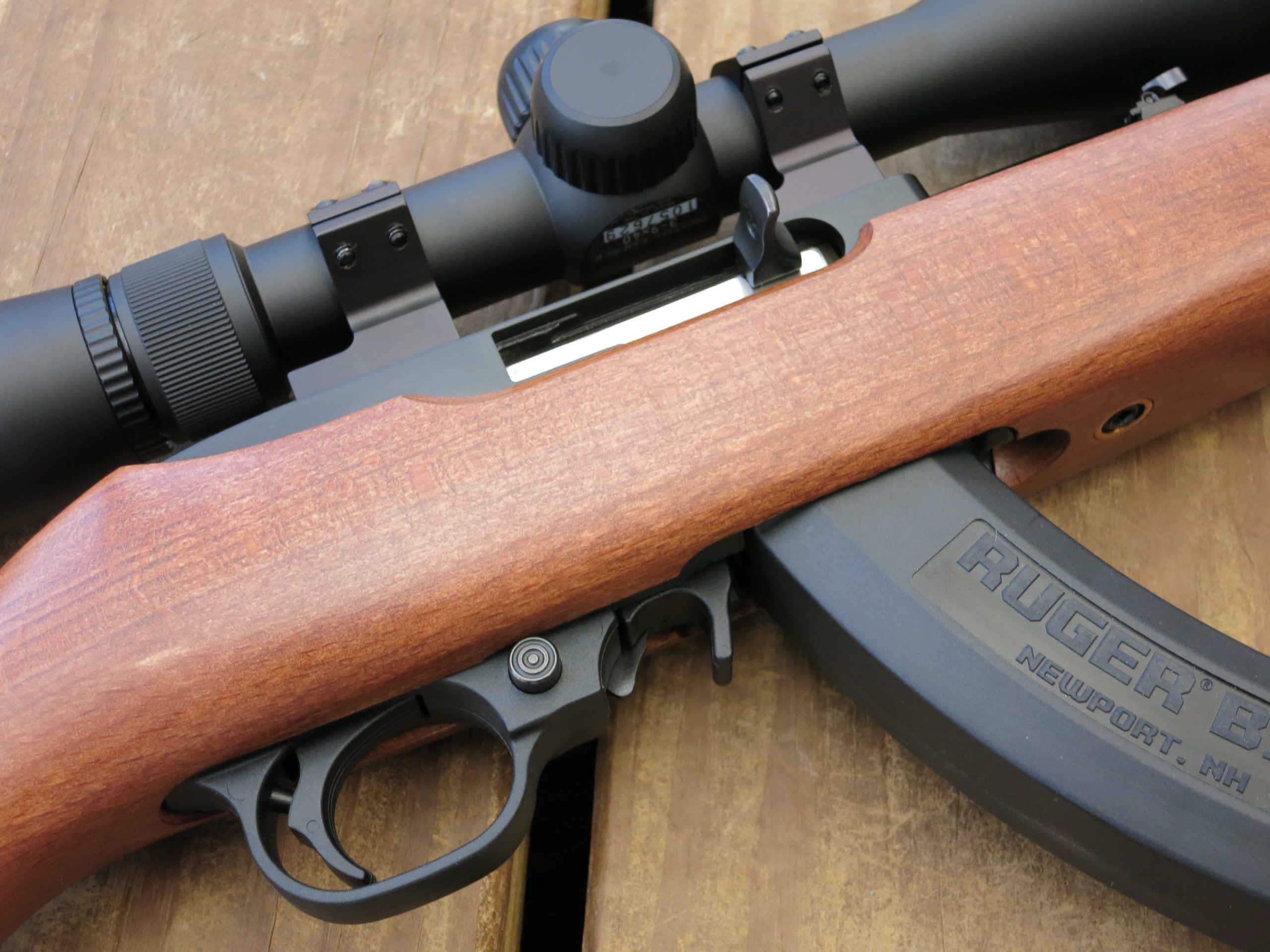
Few rifles have earned the loyalty the Ruger 10/22 enjoys. It is light, reliable, cheap to feed, and accurate enough to place a .22 LR bullet exactly where a hunter wants it. Whether you are a teenager heading out for a first squirrel or a veteran thinning a pasture, this little carbine fits the job. These nine hunts show where it truly excels, with the distances, weights, and limits that matter.
1. Gray and Fox Squirrels
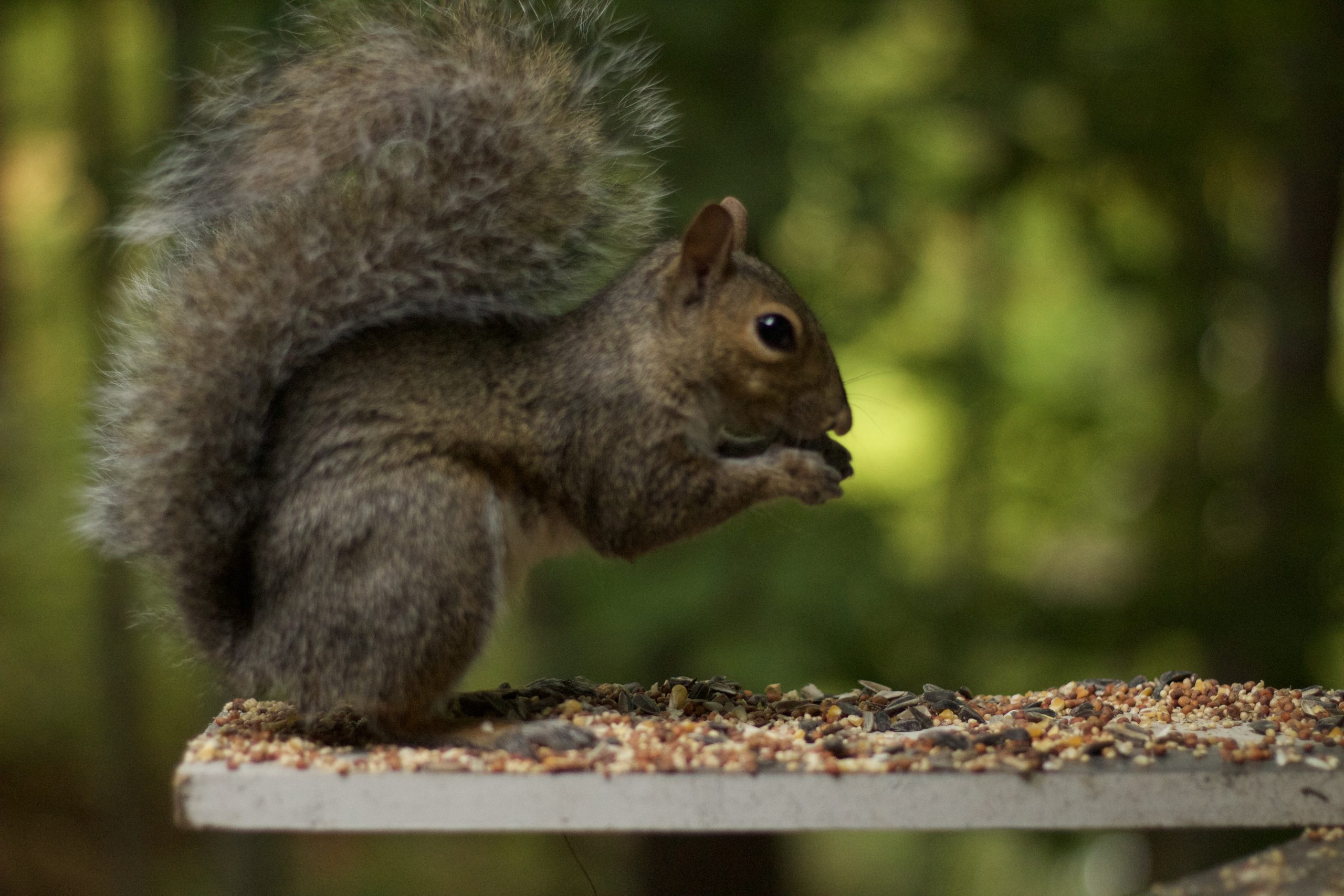
Squirrel hunting is the job the 10/22 was practically born for. A standard rifle weighs around 5 pounds, so carrying it through hardwoods from dawn until noon never wears you down. Gray squirrels run 1 to 1.5 pounds, and the target zone is the size of a golf ball, which is why most hunters aim for the head at 15 to 40 yards. A 40-grain hollow point leaving the 18.5-inch barrel at roughly 1,250 feet per second drops them cleanly with little meat damage. Mount a 3-9x scope or a simple peep sight, wait beside a nut tree, and expect two to five squirrels in a morning. Many states allow daily limits of 5 to 10, so always check local seasons and rules before heading out.
2. Cottontail Rabbits
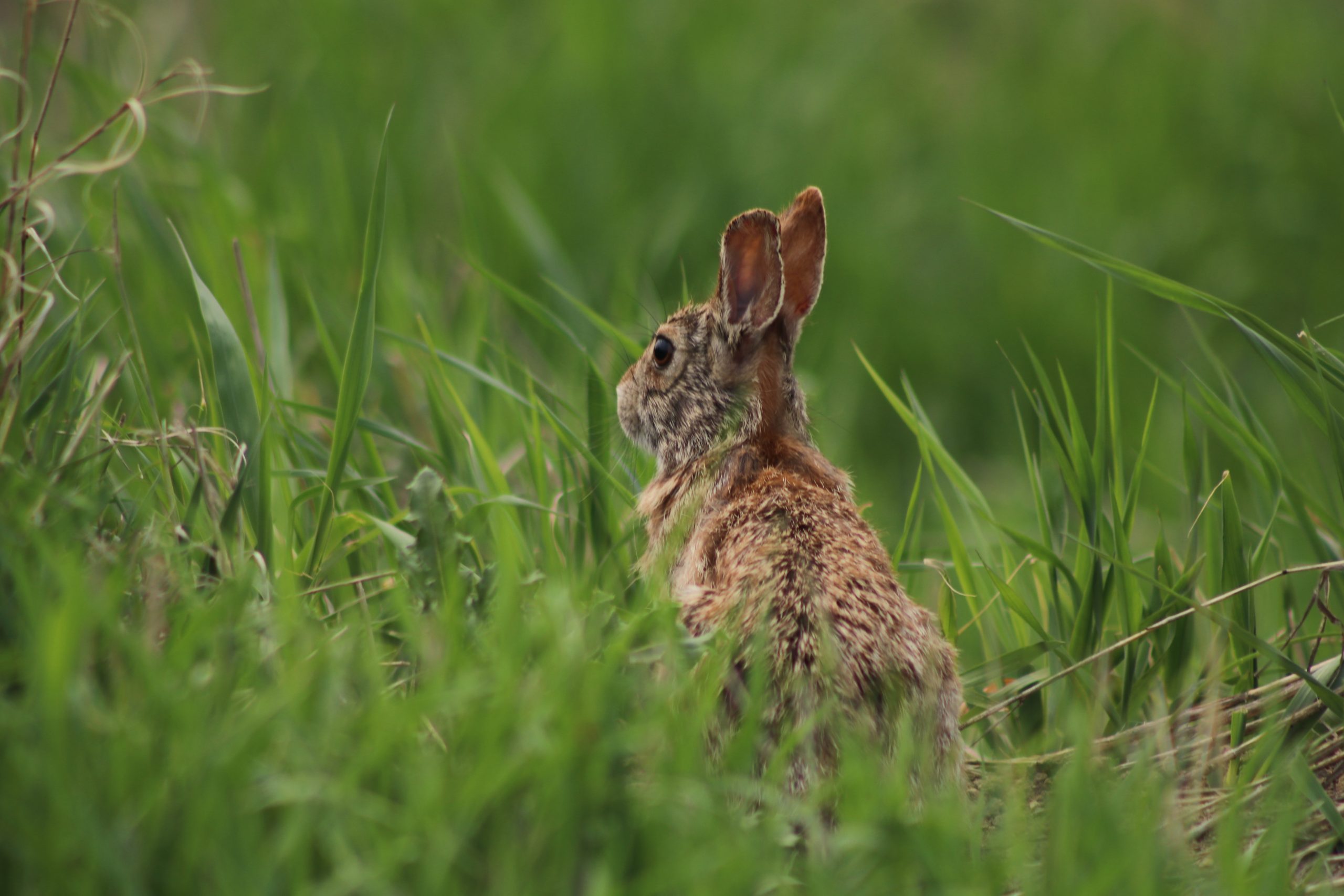
Cottontails are the classic partner for a 10/22, especially on cold mornings after fresh snow. An adult weighs 2 to 3 pounds, and a head shot at 25 to 50 yards drops it instantly without ruining the shoulders or hindquarters. Walk slowly along brushy fence lines, pausing every 10 steps, because rabbits freeze and rely on camouflage until you nearly step on them. Seeing the animal first matters more than raw power, and a 10/22 with a red-dot or low-power scope makes quick offhand shots simple. Season bag limits commonly sit at 4 to 6 rabbits per day, and a ten-round magazine covers a busy afternoon. Dress in quiet layers and keep your pace unhurried and patient.
3. Snowshoe Hares
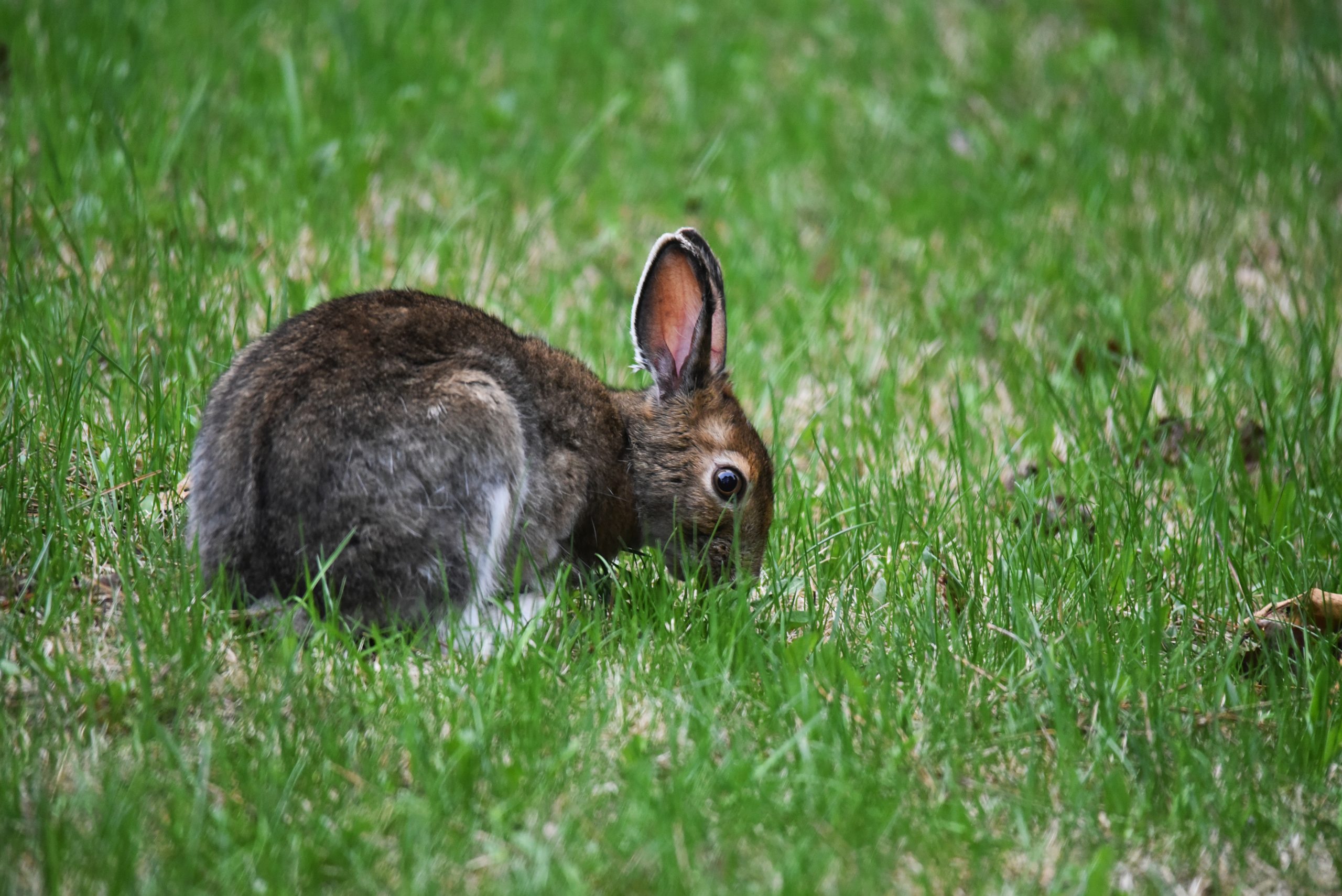
Snowshoe hares reward hunters willing to chase cold weather across northern forests. They weigh 3 to 4 pounds and bolt in zigzags, so aim for the head or neck at 20 to 40 yards. Their white winter coats stand out against bare ground but vanish in deep snow, so spot them by the dark eye and black ear tips. Look along spruce thickets and old logging roads where trails crisscross, and stand still for a few minutes between steps. The 10/22 stays light in snowshoes, and CCI Mini-Mag or Velocitor loads hold their punch in temperatures near 10 degrees. Daily limits often run 3 to 6 hares, and a lightly oiled action avoids sluggish cycling. Check local rules first.
4. Groundhogs
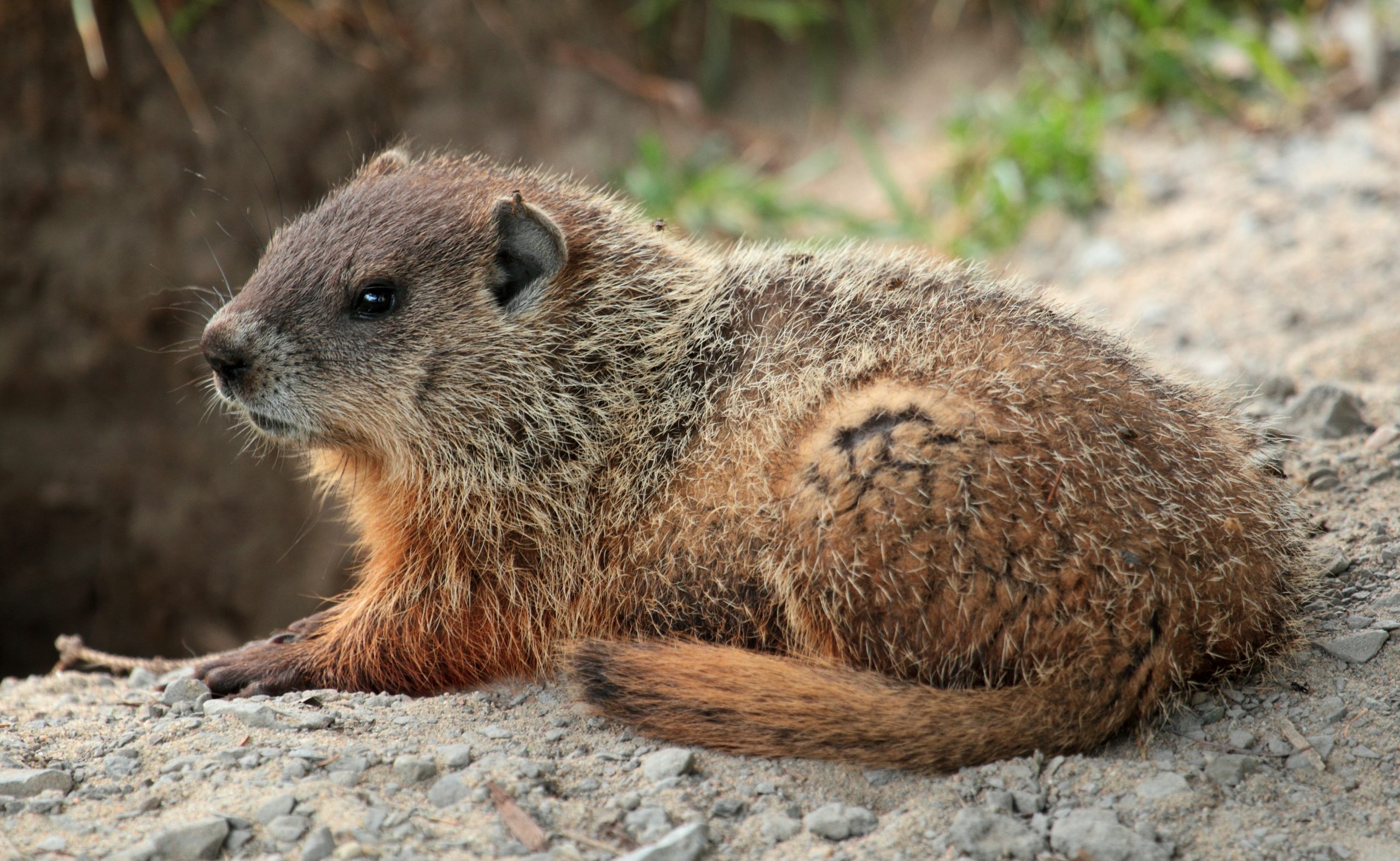
Groundhogs, also called woodchucks, turn a 10/22 into a surprisingly capable pasture rifle. Adults weigh 6 to 12 pounds and stand watch near burrow mouths, giving you a stationary target at 50 to 100 yards. Because a .22 LR drops roughly 6 inches at 100 yards when zeroed at 50, practice the holdover before the season opens. Aim just behind the eye, since the brain case is small and a body hit rarely stops a heavy animal before it dives underground. Shoot from a bipod or shooting sticks, and choose 40-grain hollow points, which carry roughly 90 foot-pounds of energy at 100 yards. Farmers often welcome the help, but always ask permission and confirm property lines first.
5. Ground Squirrels
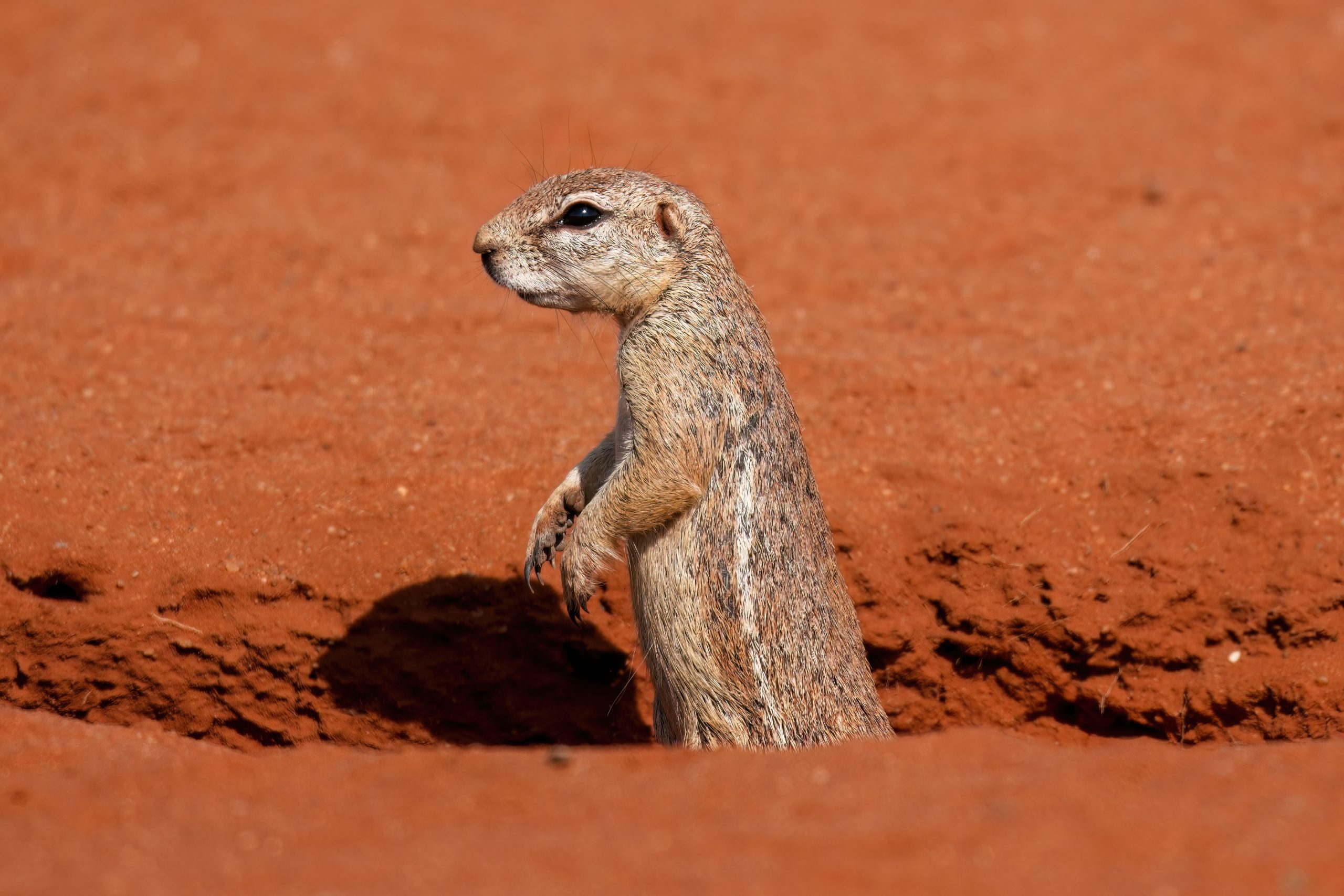
Ground squirrels are the best training ground for anyone who wants to sharpen their rifle skills. Richardson’s and California ground squirrels weigh roughly 0.7 to 2 pounds, and their heads pop above the grass at 30 to 75 yards. Those small targets, only about 2 inches across at the head, force you to master breathing, trigger squeeze, and wind judgment. A 10 mph crosswind can push a 40-grain bullet roughly 5 inches at 75 yards, so watching grass tips pays off. Western hunters often fire 100 or more rounds in an afternoon, which makes a cheap, dependable 10/22 the ideal tool, since bulk ammo costs about 8 to 10 cents a shot. Ranchers frequently grant free access.
6. Prairie Dogs
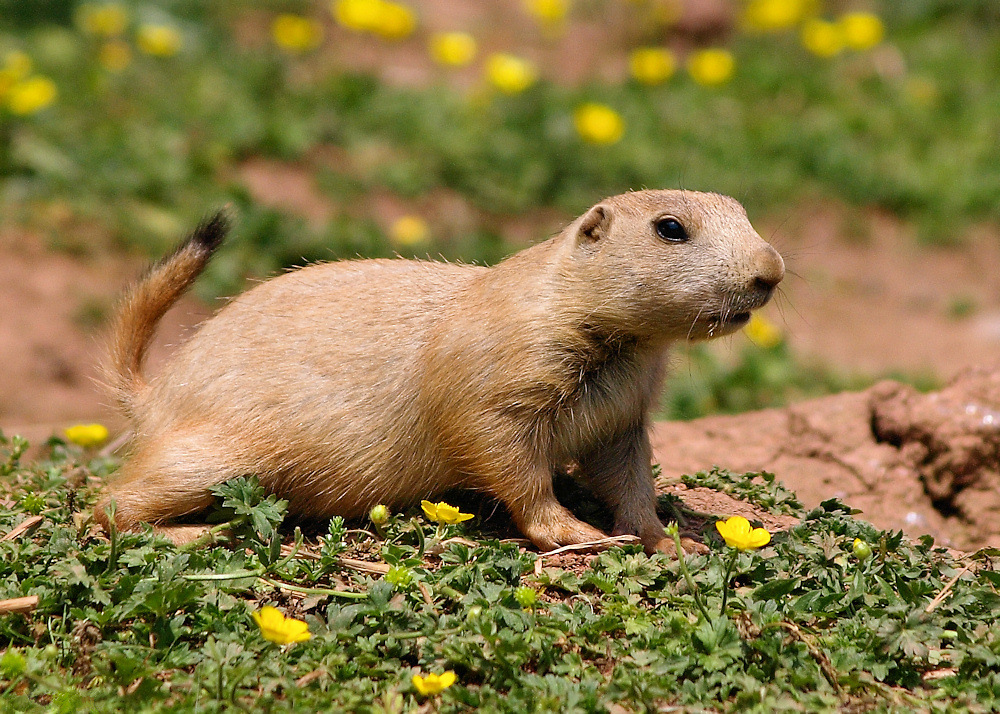
Prairie dog towns are lively, noisy, and perfect for a long rimfire day on open grassland. Black-tailed prairie dogs weigh 1.5 to 3 pounds, and a head shot inside 75 yards is a realistic goal for a 10/22 using a 40-grain hollow point. Past 100 yards, energy slips under 95 foot-pounds, and the bullet struggles to deliver a clean, quick kill. Colonies can hold 10 to 25 animals per acre, so you get dozens of chances while the spotting scope or binoculars do the hard work. Add a rangefinder, since misjudging 60 yards for 80 changes your point of impact by roughly 2 inches. Rules differ on public grasslands, and some areas close during breeding season, so confirm access in advance.
7. Forest Grouse
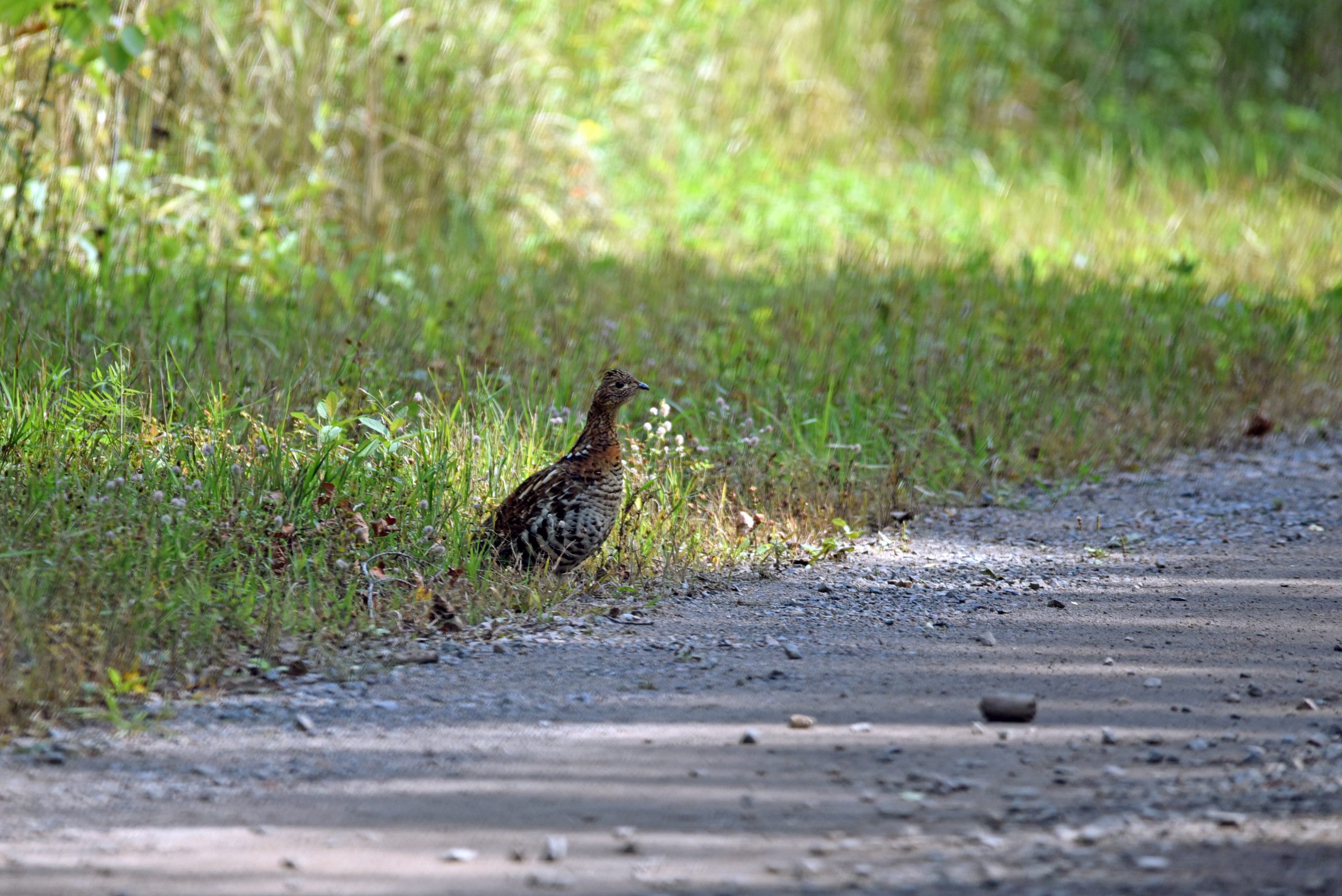
Where regulations allow rimfire rifles for upland birds, forest grouse offer a quiet, old-school challenge. Ruffed grouse weigh 1 to 1.5 pounds, and spruce grouse, often called fool hens, tend to sit tight on logging roads at 10 to 30 yards. Walk quietly, scan branches at eye level and above, and shoot only at perched birds, because a .22 is not a wing-shooting tool. A neck or head hit keeps the breast meat intact, which matters because a bird this size yields only about 8 ounces of usable meat. Daily bag limits generally fall between 3 and 5 birds, and seasons usually open in September or October, when leaf cover begins to thin. Verify local firearm rules first.
8. Treed Raccoons
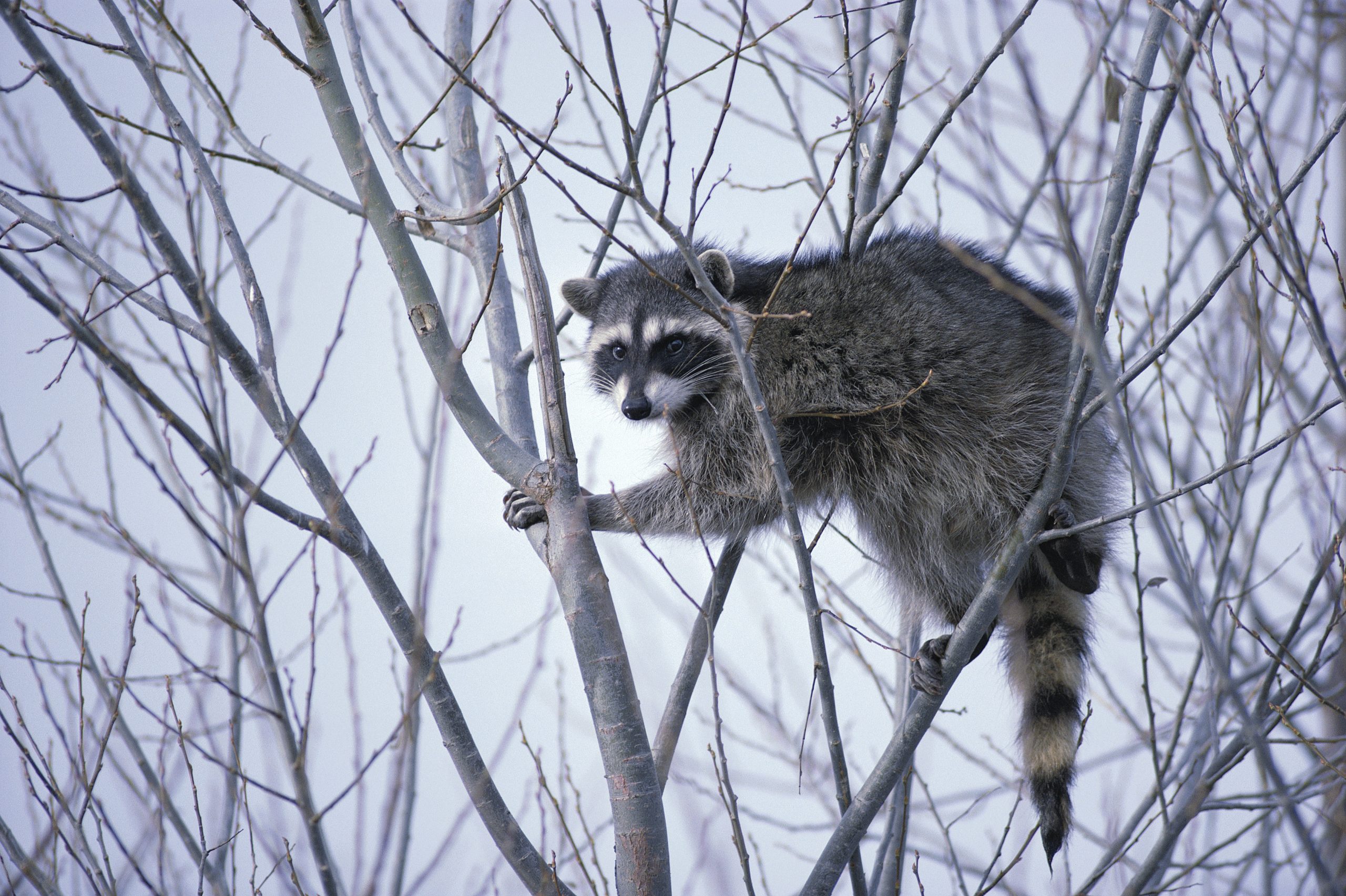
Treeing a raccoon at night is a different kind of rimfire hunt, built around hounds, headlamps, and patience. Adult raccoons average 12 to 20 pounds, yet once a dog bays one in a tree, a shot at 15 to 30 yards is usually all that remains. Pick a spot behind the ear or between the eyes, because body shots from a .22 often wound rather than kill an animal this heavy. Use a 40-grain solid for deeper penetration, and carry a 1,000-lumen headlamp or a rifle-mounted light so the eyeshine tells you exactly where to aim. Seasons vary widely, but many states let hunters take raccoons from late autumn through winter, with limits ranging from none to 5 per night.
9. Nutria
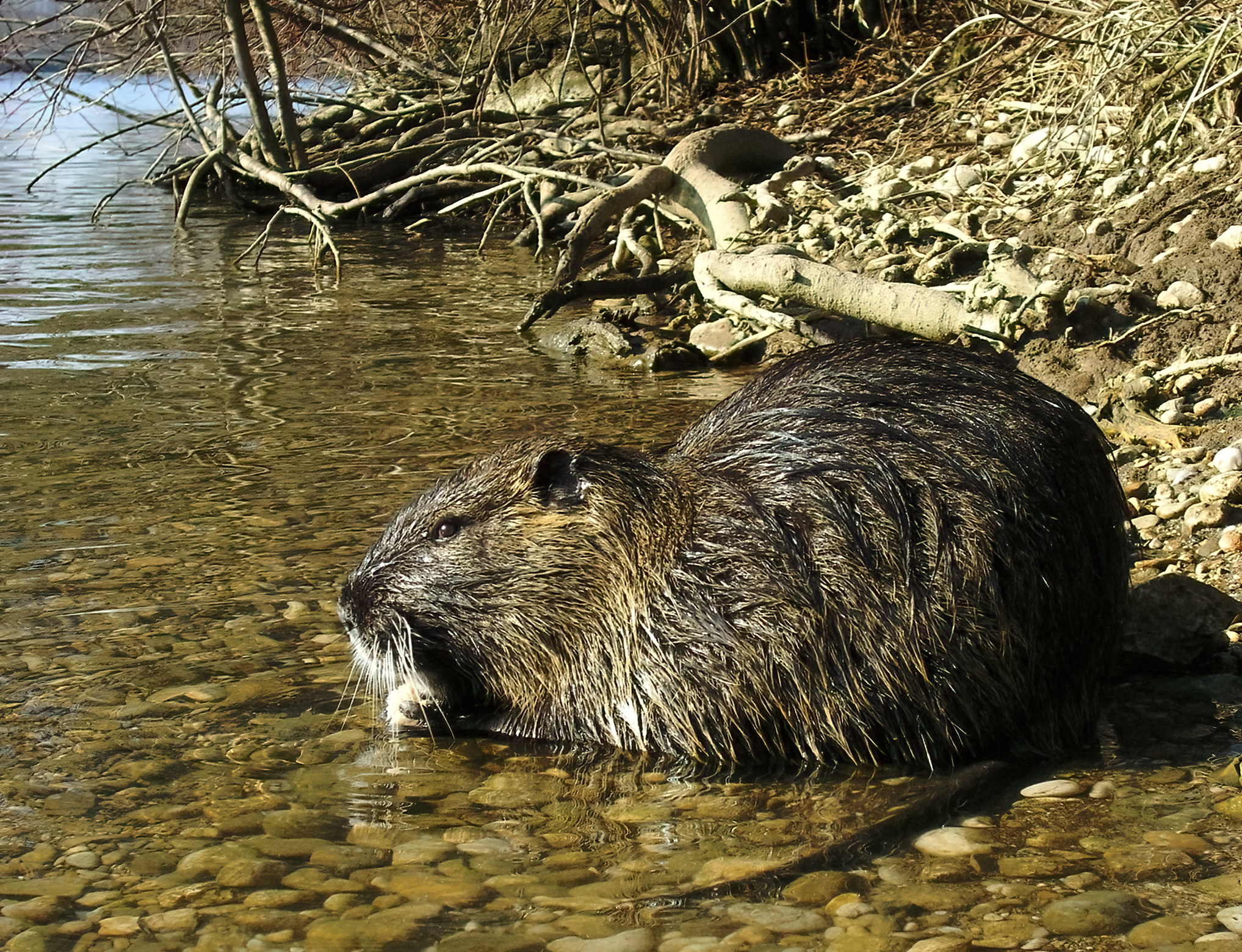
Nutria give the 10/22 a conservation purpose, since these invasive rodents chew through wetland vegetation across Louisiana, Maryland, and the Pacific Northwest. An adult measures about 2 feet long without the tail and weighs 8 to 20 pounds, so it is far larger than any squirrel. Take head shots at 20 to 40 yards from a boat or bank at dawn or dusk, when the animals feed in shallow water. Their orange incisors and webbed hind feet make identification easy, which helps you avoid mistaking a muskrat or beaver for one. Louisiana’s bounty program pays about 6 dollars per tail, and annual harvests have often topped 300,000 animals. Verify local permits and landowner permission first.