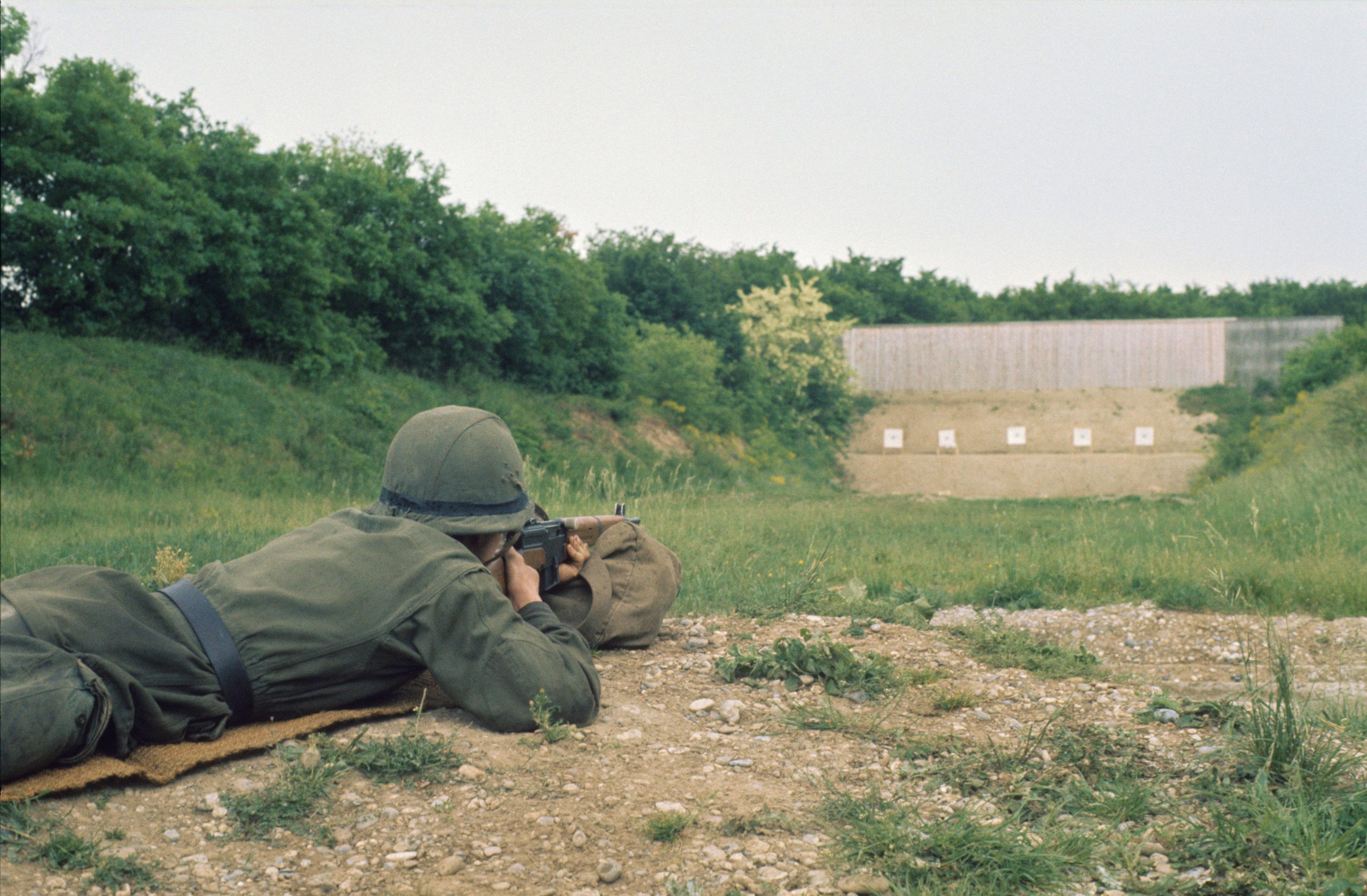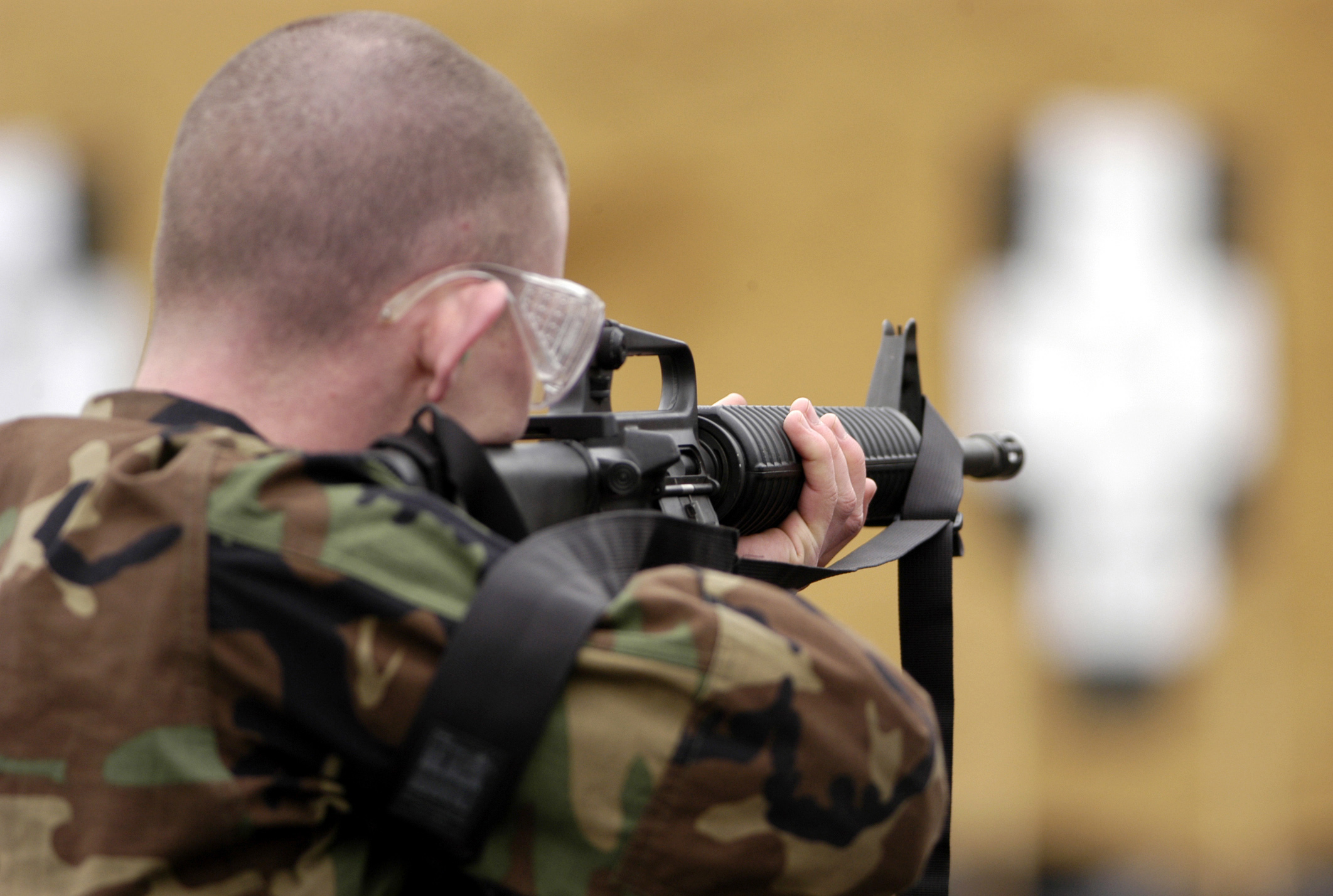
New rifle designs come and go. The old action types that remain are still here because they keep doing the hard job better than most replacements.
Good mechanics do not go out of style
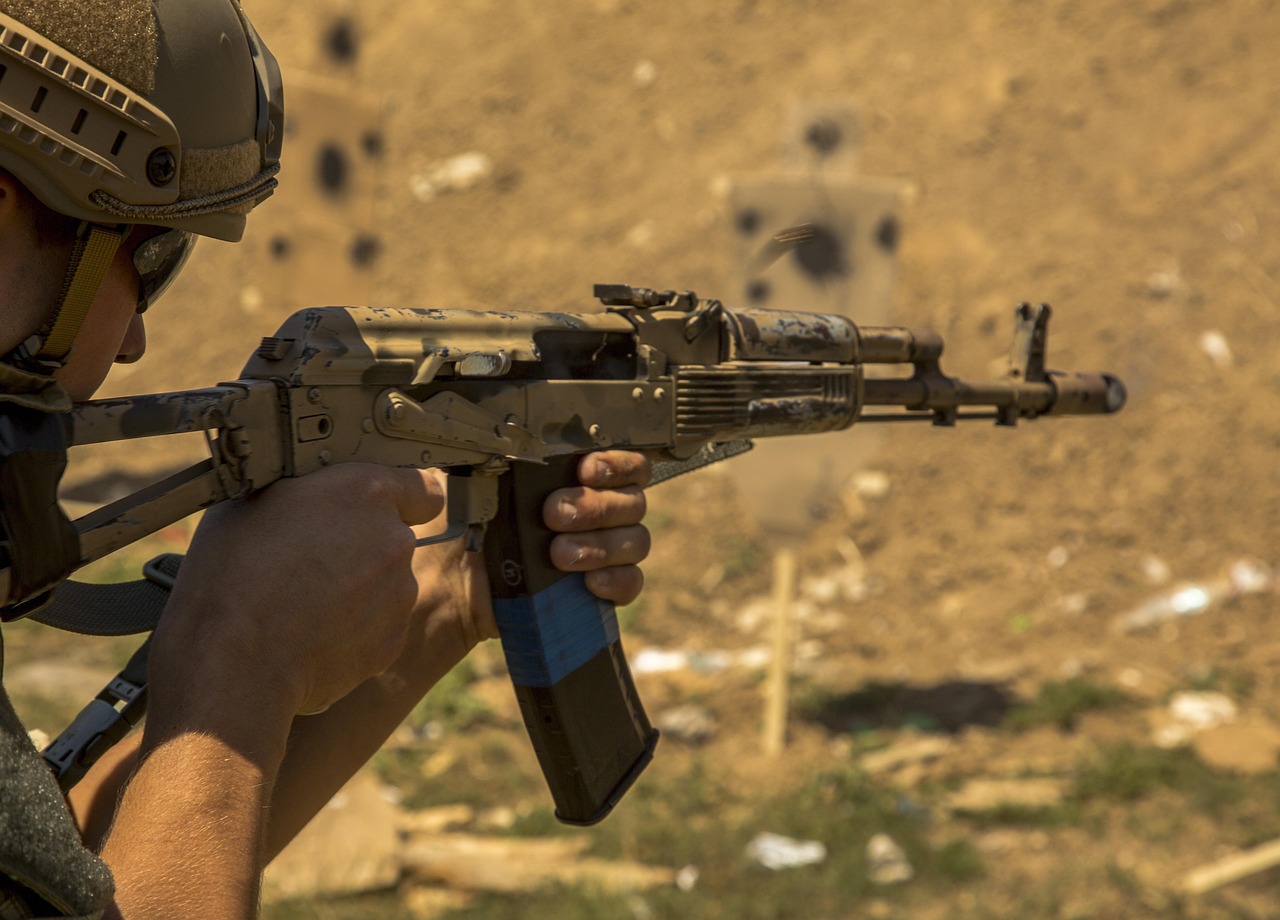
A rifle action survives when it feeds, locks, fires, extracts, and ejects with very little drama. That sounds simple, but it is the whole game. If a mechanism keeps doing those jobs in mud, snow, dust, and neglect, people keep buying it.
That is why Mauser-pattern ideas still show up everywhere. The rotating bolt with stout locking lugs became the baseline for strength and repeatability, and even Springfield Armory history notes that the M1 and the 1903 before it used a Mauser-type rotating bolt with locking lugs. National Park Service material on Garand development shows how long that basic logic carried forward.
The lesson is not that engineers stopped innovating. It is that once an action gets the fundamentals right, later improvements usually refine the edges instead of replacing the core.
Reliability beats novelty in the field
Hunters and soldiers are ruthless testers because the field punishes small flaws. An action can look brilliant on a bench and still fail once grit, awkward shooting positions, and rushed loading enter the picture. Designs that survive do so because they keep working when conditions turn ugly.
Controlled-round-feed bolt actions are a perfect example. Winchester still describes the Model 70’s pre-64 style claw extractor as a defining feature, and its current manual says that extractor controls the cartridge as it enters the chamber and can pull it free even if it is not fully chambered. That kind of mechanical control is not marketing poetry. It is insurance.
Winchester’s own history also shows something revealing: the company brought the pre-64 style controlled-round-feed action back to general production in the early 1990s. That return happened because shooters never stopped valuing dependable feeding over fashion.
Easy production matters more than romance
Some actions live on because they are not just good, but efficient to build. A manufacturer can admire an elegant old design and still drop it if it is too expensive to machine, fit, or assemble at scale. Longevity usually means the action found the sweet spot between performance and production.
The Remington 700 is the modern textbook case. Remington lists its introduction year as 1962, and its cylindrical receiver became famous because it simplified manufacturing while still delivering accuracy potential. That is one reason the 700 pattern spread so widely through sporting rifles, police rifles, custom builds, and target guns.
People often talk about tradition as if it alone keeps old actions alive. In truth, accountants help decide what becomes timeless. If an action is accurate, strong, and relatively straightforward to produce, it gains a second life every time costs are reviewed.
The best survivors adapt without losing identity
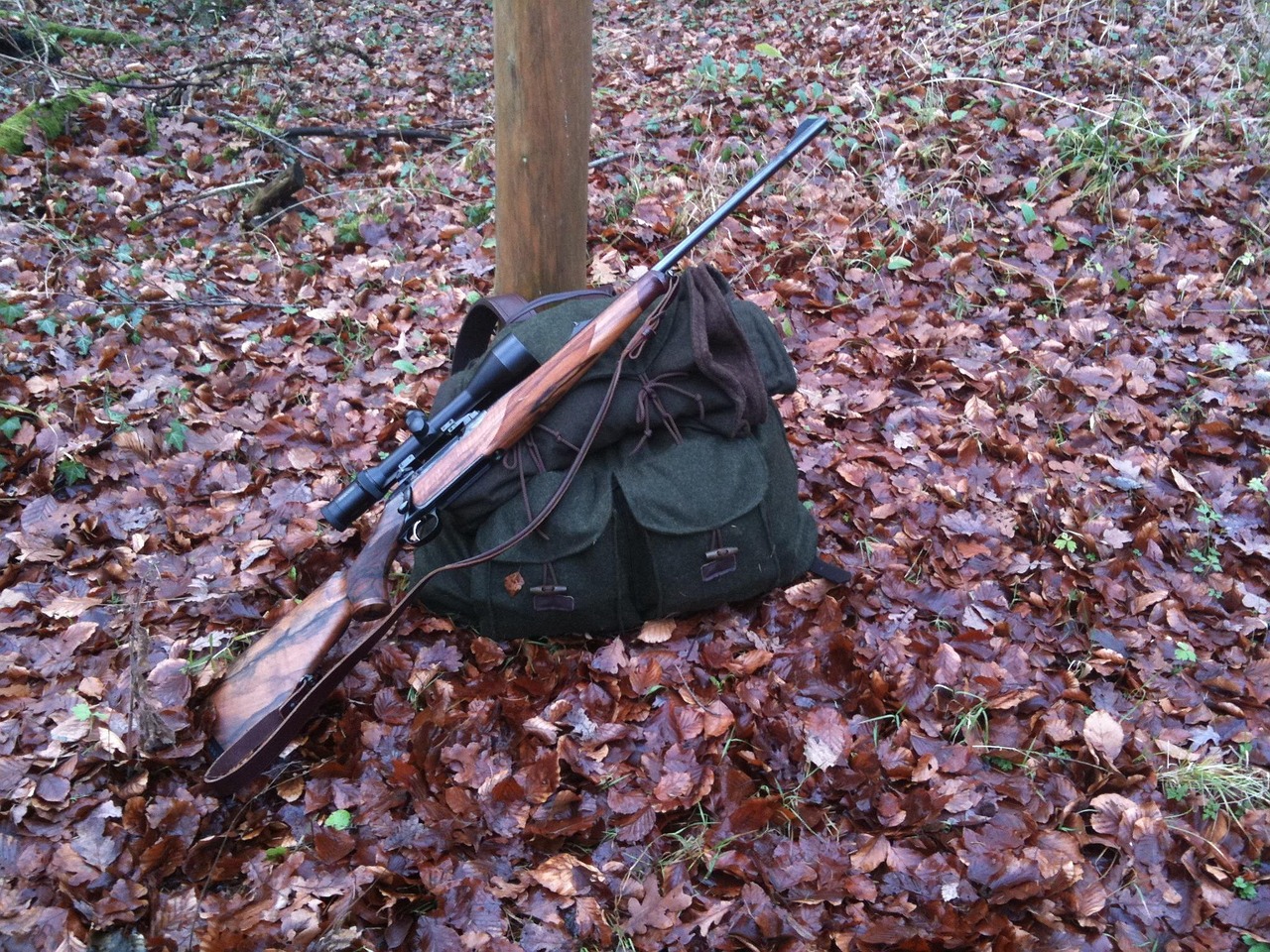
A durable action is rarely frozen in time. The winners usually accept new steels, coatings, optics mounting systems, triggers, magazines, and stock materials without giving up the geometry that made them successful in the first place. That ability to modernize is a huge reason old actions refuse to die.
Look at the Winchester Model 70 again. Winchester still sells it as a current-production rifle with controlled-round-feed, a three-position safety, and modern accuracy upgrades. The core operating idea stayed familiar while the surrounding rifle kept evolving for present-day hunters and shooters.
That same pattern shows up across the industry. The old mechanism survives because it offers a stable center, while everything around it can be updated to match new ammunition, new manufacturing methods, and new user expectations.
Military proof creates civilian trust

Combat service gives an action a reputation that advertising cannot buy. When a mechanism works on battlefields, it carries that credibility into the sporting world for generations. Shooters may not need a military rifle, but they trust designs that earned their name under pressure.
The M1 Garand is one of the clearest examples. The National Park Service says the Army officially adopted the M1 in 1936, and Springfield Armory history highlights its gas operation and long service life through World War II and Korea. Its rotating bolt and semi-automatic layout proved that older locking concepts could power a very modern rifle.
That matters because firearm history is cumulative. A successful service rifle teaches designers, armorers, and shooters what is worth keeping, and those lessons often reappear in civilian guns decades later.
Shooters keep old actions alive on purpose

The final reason some actions endure is cultural, not just mechanical. People learn an action, trust its feel, pass it down, and compare everything new against it. Once that happens, the design becomes more than a machine. It becomes a standard.
Lever actions show this especially well. Marlin’s 336 line has remained relevant across generations, and Ruger highlighted the 336 Classic launch in 2023 as proof that demand for the traditional lever gun is still real. Buyers were not chasing nostalgia alone. They wanted fast handling, familiar controls, and a proven woods rifle format.
In the end, century-old rifle actions survive because they still solve real problems elegantly. Innovation never stopped, but the best old designs were already answering the right questions.