A quiet forest can hold a surprising amount of information if you know what to notice. From tracks in damp soil to alarm calls overhead, recent predator activity often leaves a trail of subtle but readable clues. This gallery walks through the signs that suggest a hunter has been nearby, helping readers look closer and move through wild places with more awareness.
Fresh Tracks in Mud or Snow

One of the clearest signs of a recent predator visit is a set of fresh tracks. In soft mud, wet sand, or light snow, paw prints can show crisp edges, visible toe marks, and little weathering. That sharp detail usually means the animal passed through not long ago.
The shape matters too. Canines often leave oval prints with claw marks, while cats tend to show rounder tracks and less obvious claws. Size, stride, and direction can also hint at whether the animal was roaming casually or moving with purpose.
If nearby leaves are still pressed down or moisture remains pooled inside the print, the trail may be very recent. In a forest, that is worth paying attention to.
Scat with Fur, Bones, or Feathers
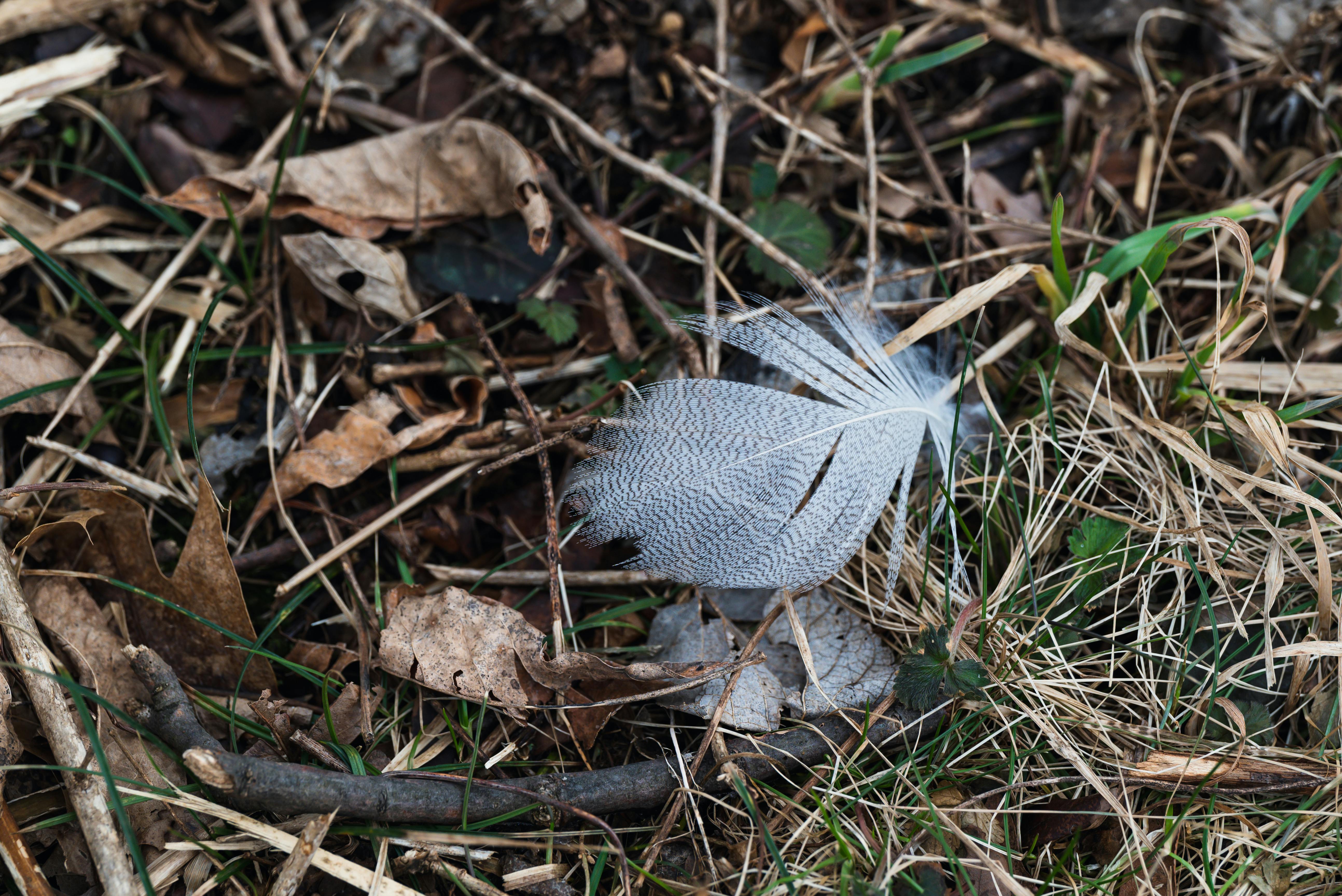
Predator scat often looks very different from droppings left by deer, rabbits, or other plant eaters. It can contain fur, tiny bone fragments, feathers, and sometimes a strong musky odor. When it appears moist, dark, and newly deposited, it may point to very recent activity.
Placement can be revealing as well. Many predators leave scat on trails, rocks, or raised spots that make it more visible, almost like a marker. That behavior can help define territory or signal regular travel routes.
You do not need to get close to learn from it. Even from a short distance, its contents and position can say a lot about what kind of animal has been hunting nearby.
Strong Musky or Metallic Smells
Sometimes the first warning is not visual at all. A strong musky scent can signal a carnivore den, a territorial marking site, or a spot where an animal has recently rested. A sharp metallic smell may suggest fresh blood from a nearby kill.
These odors tend to stand out against the usual earthy smell of leaves, bark, and damp soil. If the scent feels concentrated rather than faint, the source may be close, especially in still air or cool morning conditions.
Trusting your nose can be useful in the woods. Predators often leave scent messages behind, and those messages can linger long enough to tell you the area is active even when the animal is out of sight.
Partially Covered Kill Sites
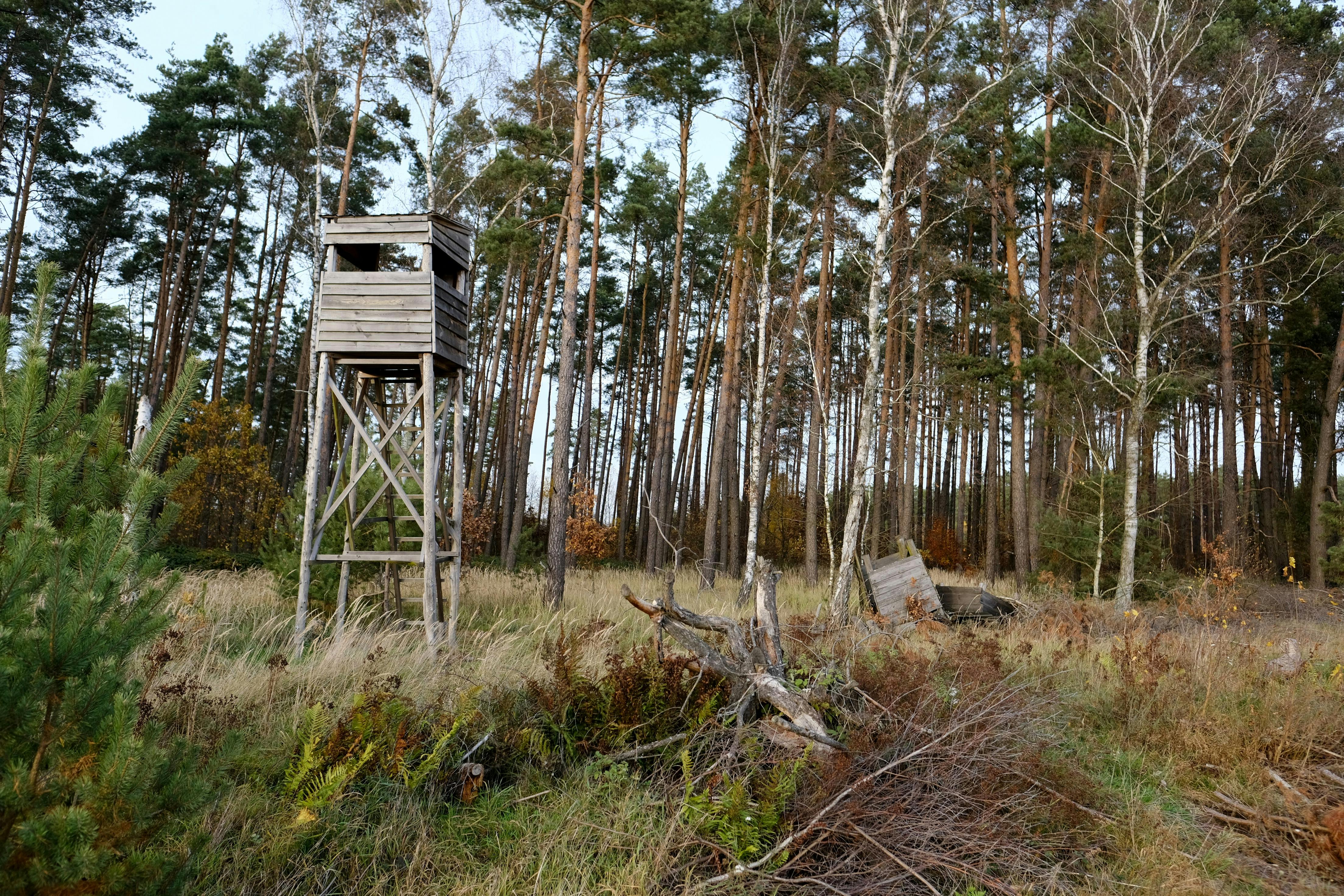
A hidden carcass can be one of the strongest signs that a predator has been nearby recently. Big cats in particular may cover a kill with leaves, grass, or loose soil to return later. Other predators may leave torn ground, scattered fur, and drag marks around the site.
The scene often looks disturbingly organized and chaotic at the same time. You might notice a patch of freshly disturbed earth, broken stems, and an unusual concentration of feathers or hair in one place.
If the remains still look fresh or insects have only just begun to gather, the predator could still be in the area. That is a clue to back away calmly and give the site a wide berth.
Drag Marks Leading Off the Trail
Predators do not always feed where they make the kill. Many will drag prey into cover, leaving a visible path through leaves, soil, or snow. That trail may look like two parallel lines, a smoothed strip, or a messy channel with broken vegetation.
The fresher the marks, the more obvious the disturbance tends to be. Leaves may still be flipped over showing their lighter undersides, and damp soil may not yet have dried. In snow, the dragged path can appear sharply cut and easy to follow.
This kind of sign usually means strength and urgency. If something large was moved recently, the animal responsible may still be close enough to defend its meal.
Scratch Marks on Trees or Logs
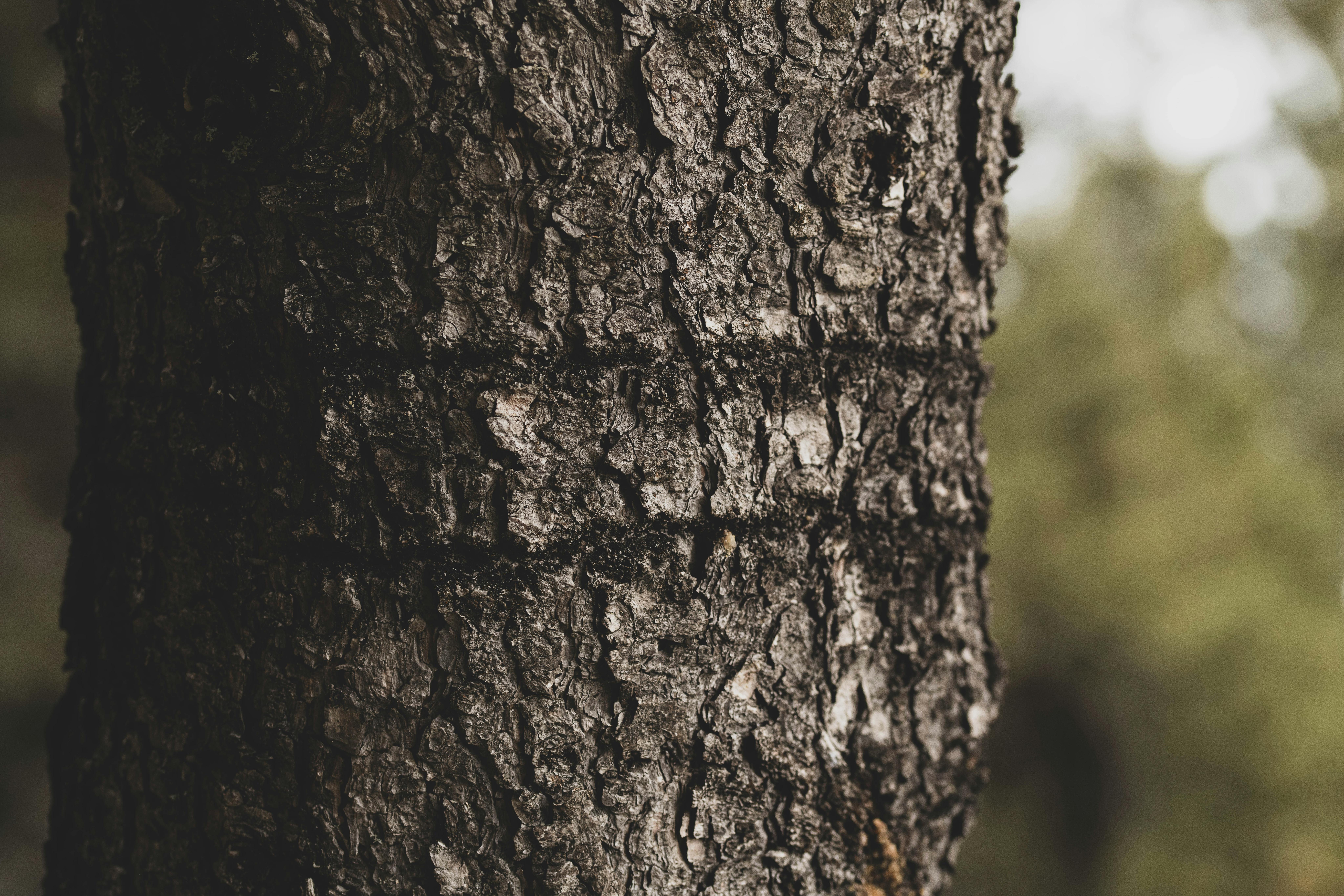
Claw marks on bark can be more than random wear. Predators scratch trees and fallen logs to sharpen claws, stretch, and leave scent from glands in their paws. Fresh marks often expose pale inner wood that has not yet darkened with age.
Height and spacing can offer clues about the species. A low rough scrape may come from a smaller carnivore, while higher, deeper slashes can suggest a larger animal. Nearby hair caught in bark can make the picture even clearer.
When the wood is still bright and sap looks fresh, the sign may be recent. In a quiet forest, that kind of message can mean the area is part of an active route or territory.
Birds and Small Animals Sounding the Alarm
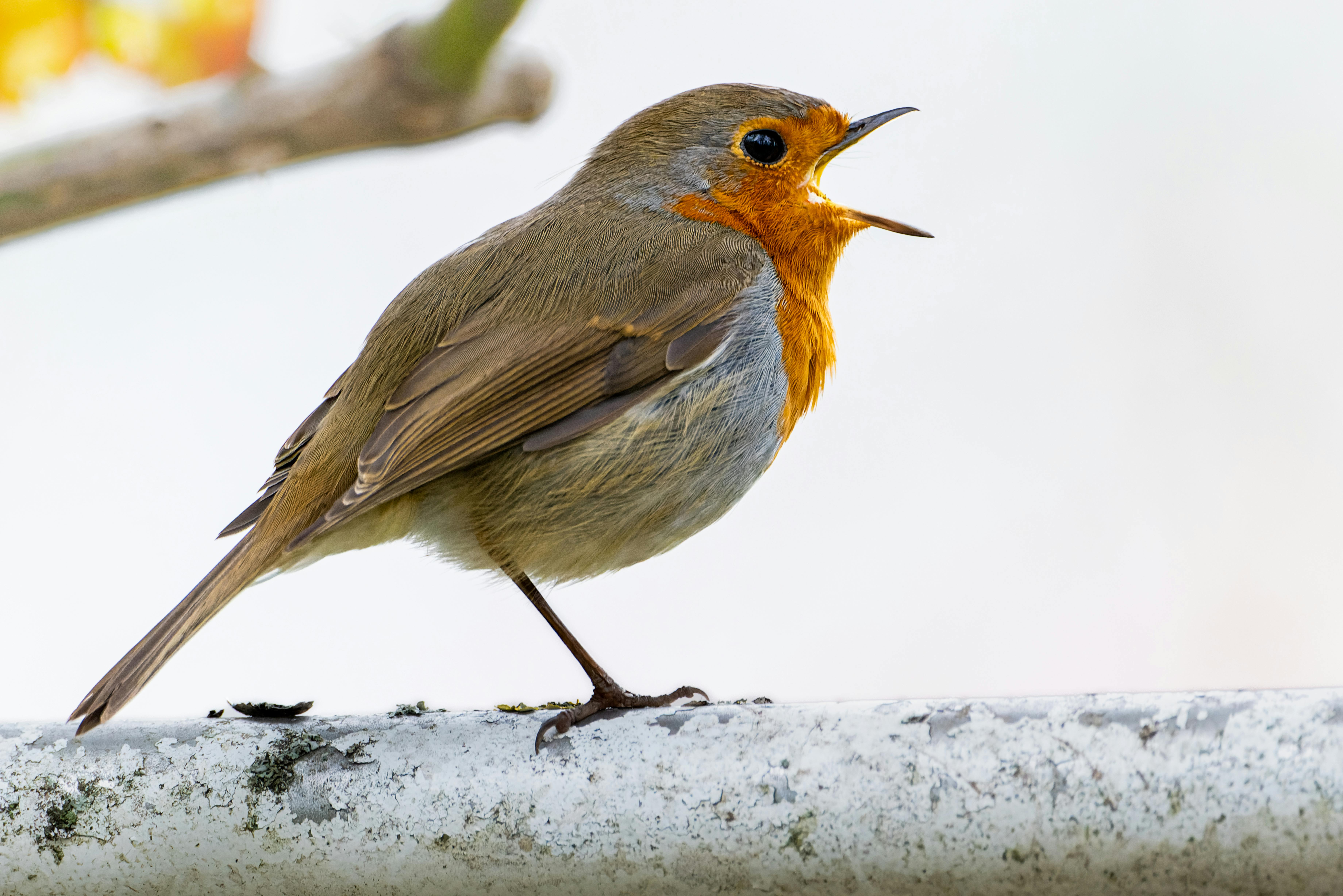
The forest often reacts before you see the reason. Sudden alarm calls from jays, squirrels, songbirds, or even deer can signal that a predator is moving through the area. The sound is usually sharper, more repetitive, and more focused than everyday chatter.
Pay attention to direction and movement. If calls seem to travel from tree to tree or sweep across a hillside, animals may be tracking a moving threat. A burst of silence after frantic noise can be just as meaningful.
This is one of the most overlooked clues because it feels less concrete than a track or scat. Yet the behavior of prey animals is often one of the fastest ways to sense a hunter nearby.
Sudden Silence in an Otherwise Active Area
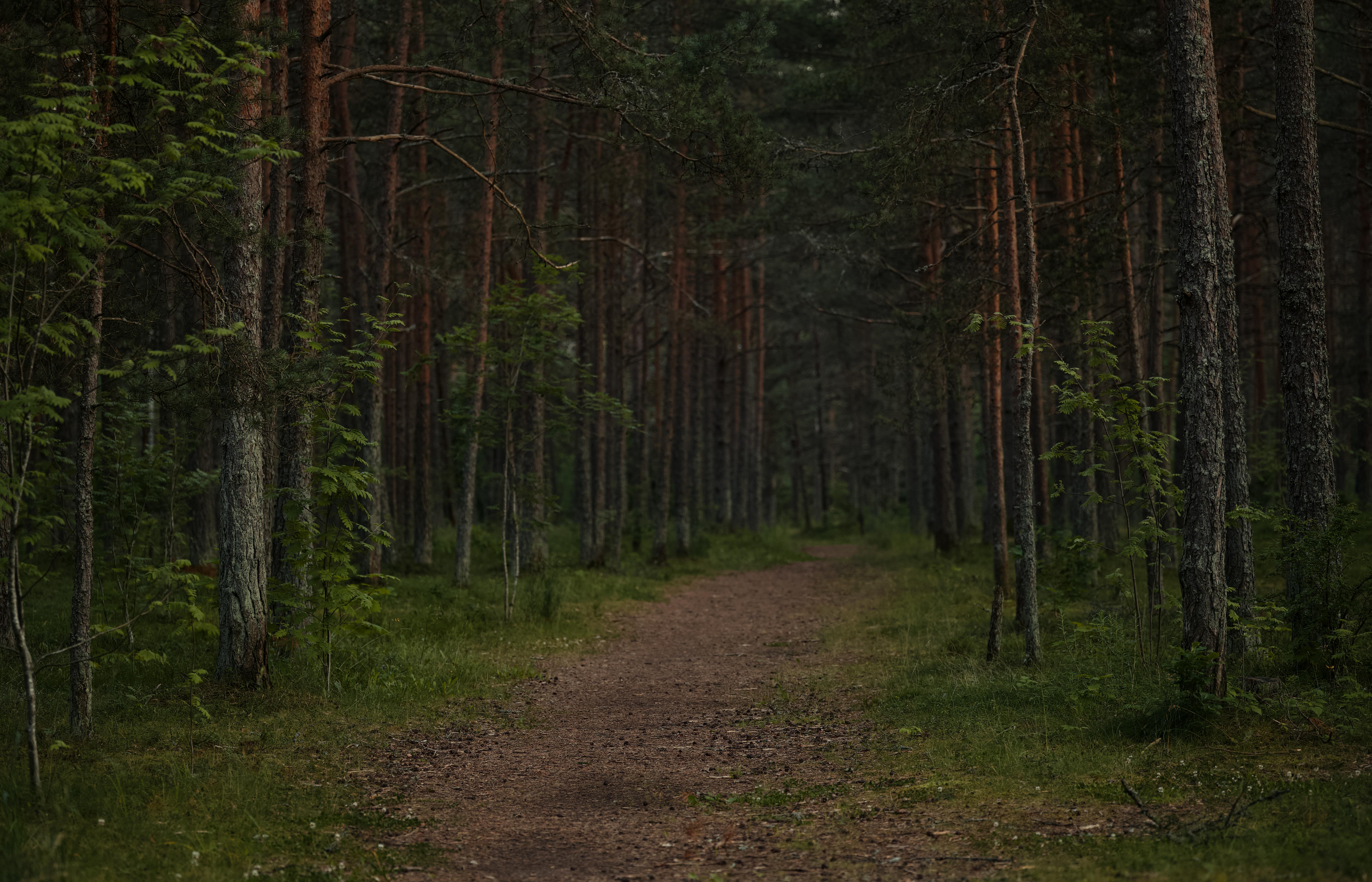
A living forest has a steady rhythm. Birds call, insects buzz, and small animals rustle through brush. When that background noise drops away all at once, it can mean something has changed, and a predator is one possible reason.
This kind of silence feels different from a naturally calm moment at dawn or dusk. It is often abrupt, almost as if the woods are holding their breath. Areas that were busy only moments before can seem strangely empty.
Silence alone does not confirm danger, but paired with tracks, scent, or fresh disturbance, it becomes much more telling. In the wild, absence can be just as informative as presence if you are paying close attention.
Dens, Beds, or Resting Spots with Fresh Disturbance

Predators often leave behind flattened grass, disturbed leaves, or sheltered hollows where they have rested. Under logs, beside rock outcrops, or in thick brush, these spots can look recently used if the vegetation is still bent and the ground still warm in color and texture.
A den entrance may also carry a stronger smell, fresh tracks, or hair caught on branches. In some cases, prey remains nearby make the area even more significant. The combination of signs matters more than any single clue.
These places deserve distance and caution. A recently used resting spot suggests the animal feels secure there, which means it may return quickly or may not be far away at all.
Flocks, Deer, or Other Prey Acting Uneasy
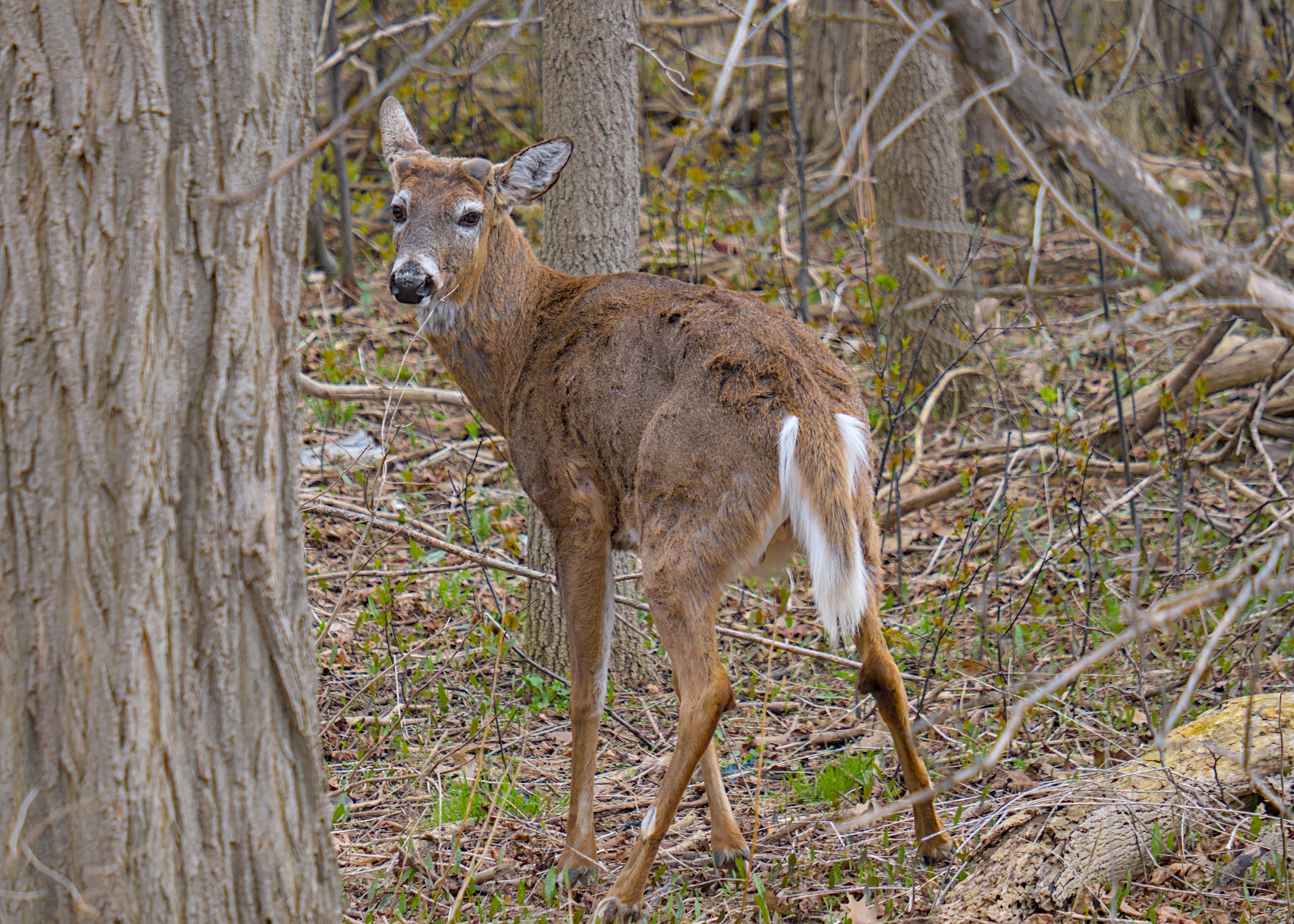
Even large animals advertise tension when a predator is near. Deer may freeze, stare into cover, stamp, or bunch together. Flocks of birds can lift off suddenly, circle, and refuse to settle. Smaller mammals may dart for cover and stay hidden longer than usual.
This behavior is especially revealing when several species seem uneasy at once. A single startled bird may mean very little, but a chain reaction across the forest suggests a more serious disturbance moving through the area.
Watching prey behavior gives you a wider lens on what is happening around you. When the whole neighborhood seems on edge, it is smart to assume there is a reason and proceed with extra awareness.