Trapping in remote country demands equipment that can withstand cold weather, rough travel, and long stretches far from a workshop. Although modern hunters often favor familiar sporting rifles, traditional trappers have relied on a wider variety of firearms, from compact rimfires to dependable lever actions and older military designs. Each rifle offers a different balance of weight, ammunition availability, reliability, and practical usefulness in the field. These nine examples highlight less familiar choices tied to trapping history and backcountry life, including the details that make each design worth knowing.
1. Savage Model 24
The Savage Model 24 combines a rifle barrel and a shotgun barrel in one break-action firearm. Depending on the version, combinations included .22 Long Rifle over .410 bore, giving it two roles without requiring two guns. Its compact layout appealed to people who valued versatility in the backcountry. The trade-off is extra weight and slower reloading compared with a dedicated rifle. Each barrel must be handled safely, and chamberings vary by model, so owners should verify the markings rather than assume all Model 24s use the same ammunition. Its unusual design remains memorable.
2. Marlin Model 39A
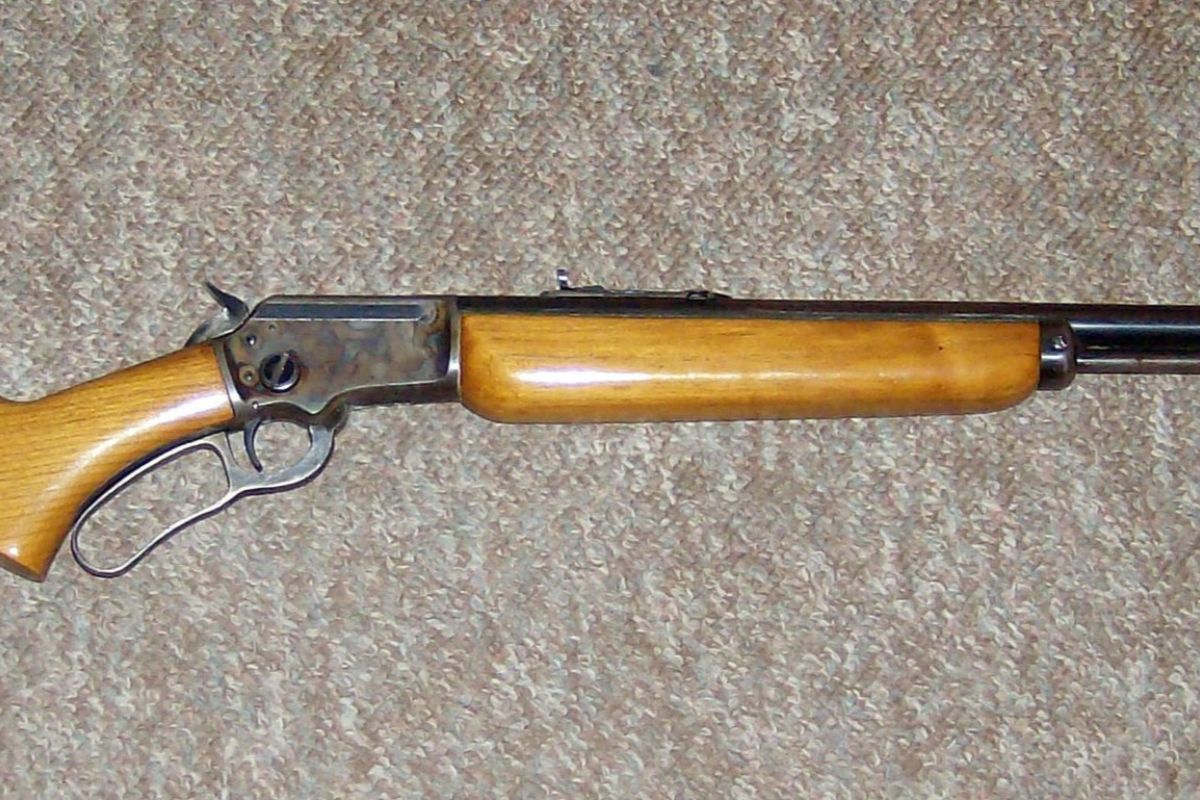
The Marlin Model 39A is a classic .22 rimfire lever-action rifle associated with small-game shooting. Many versions hold more than 10 cartridges, depending on barrel length and ammunition, so the shooter need not reload after every few shots. Mild recoil and familiar controls suit careful shooting at modest distances, while its wood-and-steel construction is straightforward to maintain. Older rifles vary in condition, however, and a used example deserves a gunsmith’s inspection before firing. It is a small-game specialist, not a substitute for a larger-caliber rifle.
3. Winchester Model 94
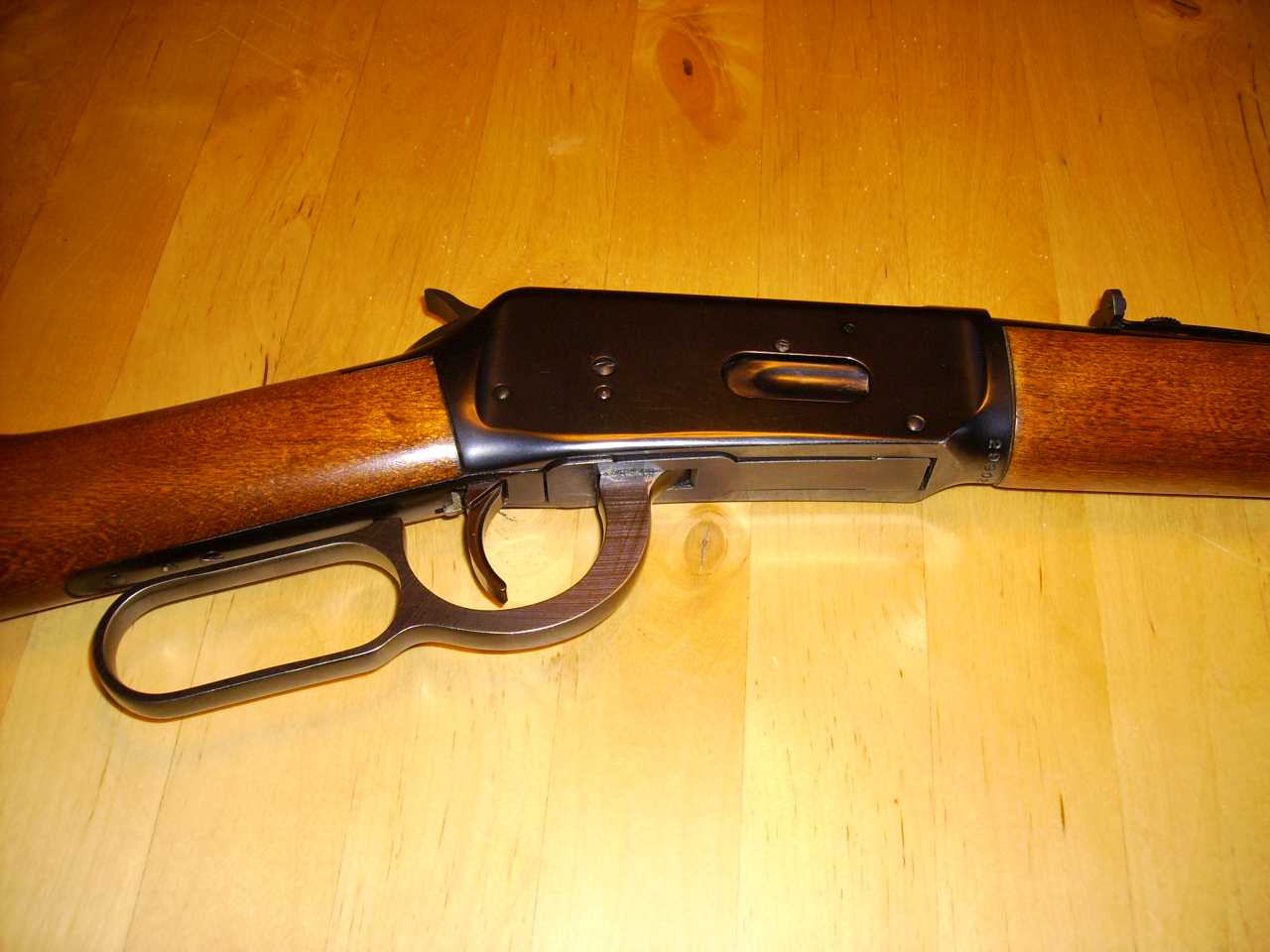
The Winchester Model 94 helped define the handy American lever-action rifle. Most famously chambered in .30-30 Winchester, its slim profile is easier to carry through brush than many long, heavy rifles. Depending on the version, capacity is commonly about 6 to 8 rounds, though configurations differ. The cartridge suits deer-sized game at sensible ranges, but it is not ideal for every task a trapper might face. The Model 94 is not especially obscure, yet its practical balance and long service history explain why it remains a respected backcountry classic.
4. Savage Model 99
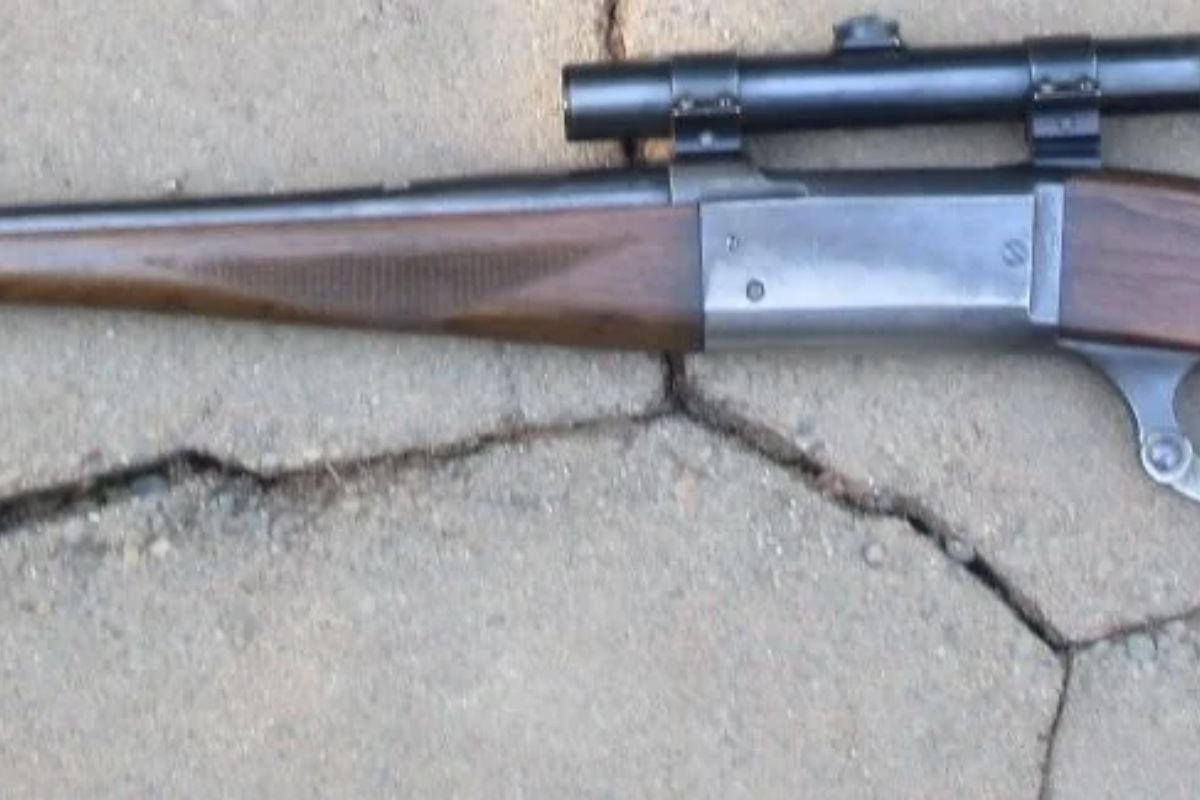
The Savage Model 99 differs from many lever actions by using a rotary magazine in most versions rather than a conventional tubular magazine. That layout allowed pointed bullets in suitable chamberings, including .300 Savage, introduced in 1920. Capacity commonly falls around 4 to 5 rounds, depending on model and cartridge. The rifle attracted hunters seeking a compact action with performance beyond older designs. Its mechanism is more complex than it looks, and replacement parts can be difficult to find for some variants, making condition and service history important when assessing an older example.
5. Remington Model 8
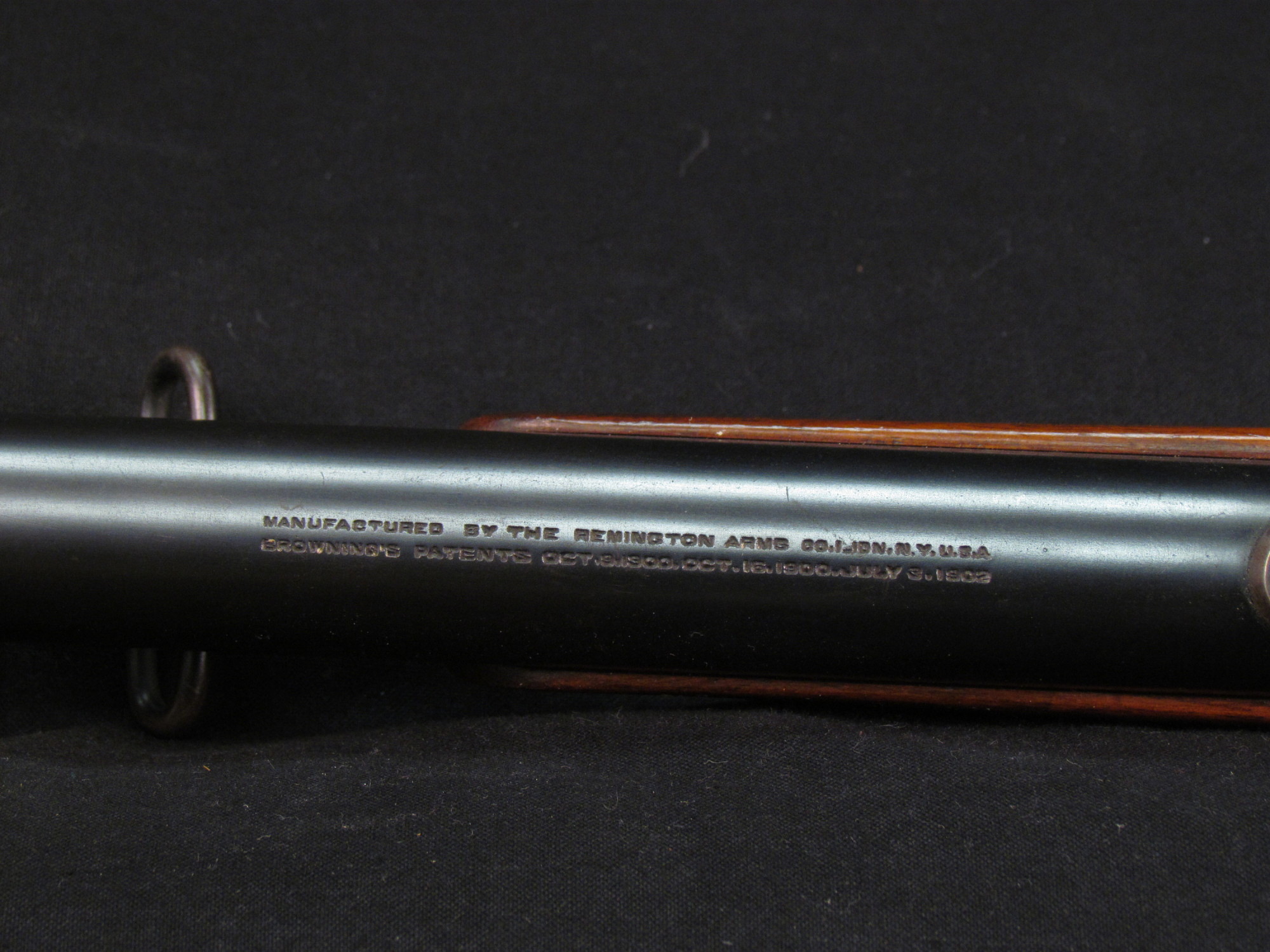
Introduced in 1906, the Remington Model 8 was an early successful semiautomatic sporting rifle. It was offered in cartridges including .25, .30, .32, and .35 Remington, with a standard five-round magazine. Its long-recoil action and distinctive profile set it apart from the bolt actions and lever guns often linked with remote-country use. It offered quick follow-up shots for its era, but age brings concerns: worn parts, scarce replacements, and ammunition availability all deserve checking. A well-preserved Model 8 is both a historical design and a reminder to inspect old firearms before use.
6. Winchester Model 9422
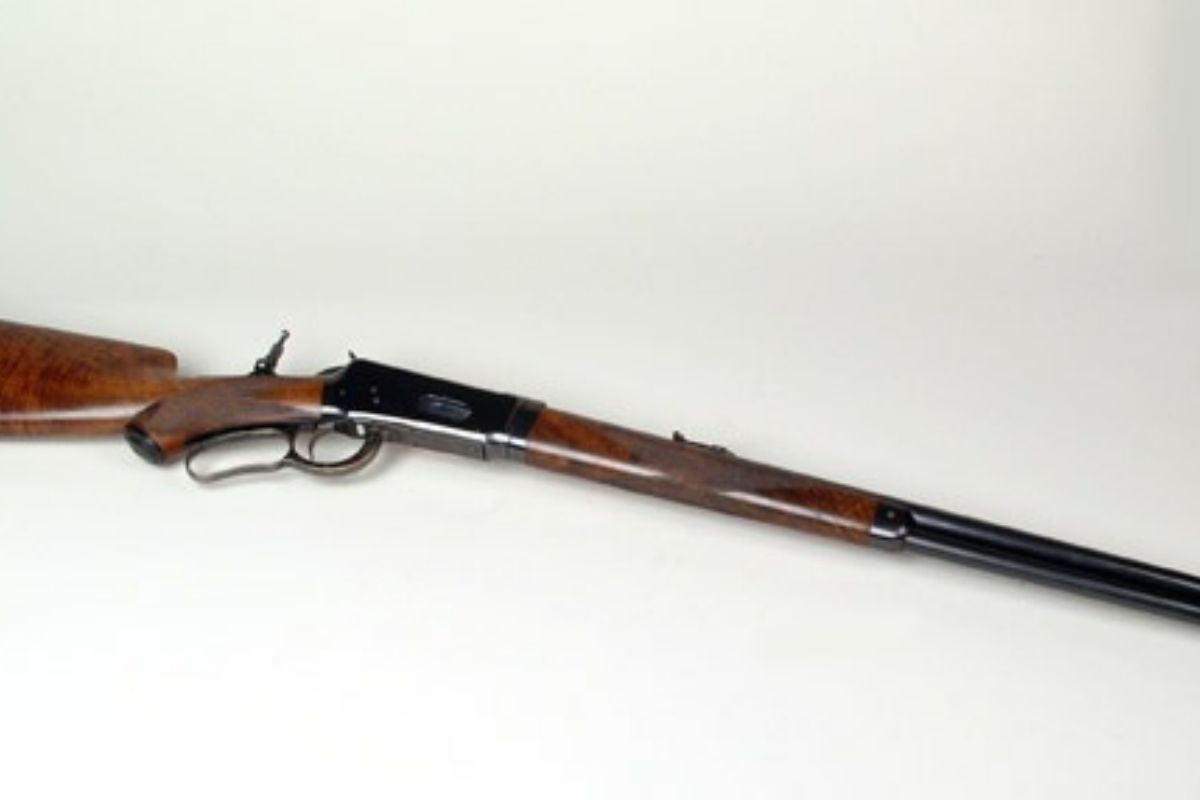
The Winchester Model 9422 brought the familiar lever-action format to rimfire cartridges when it appeared in 1972. It was made mainly in .22 Long Rifle, with other rimfire versions also available, for plinking and small-game use. Depending on chambering and model, its tubular magazine typically held around 15 .22 LR cartridges. Smooth handling and traditional styling appealed to shooters who preferred a classic feel over a synthetic stock. Production ended in 2005, so examples today are used or collectible. Check the exact model rather than assuming every 9422 shares identical features.
7. Stevens Favorite
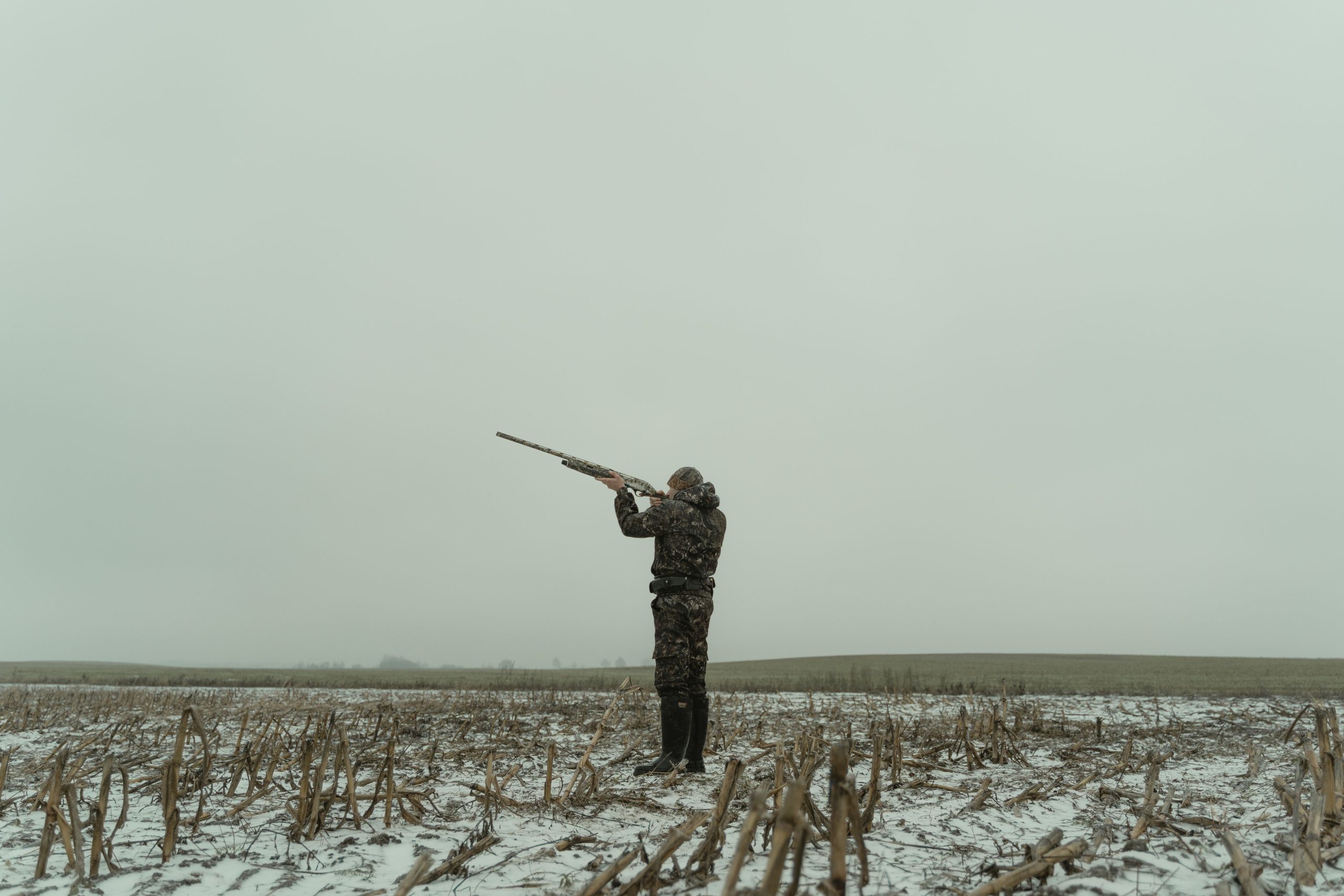
The Stevens Favorite is a small, single-shot falling-block rifle popular in the late 19th and early 20th centuries. Many examples used .22 rimfire cartridges, although other versions existed, and the one-round design makes each shot deliberate. With no magazine to load, its operation is simple and its compact size suits light carry. Age is the key caution: antique rifles may have worn locking parts, damaged bores, or chamberings that are hard to identify. Have a qualified gunsmith assess an example and confirm the correct ammunition before firing. Its appeal lies in its light design and place in firearms history.
8. Remington Model 6
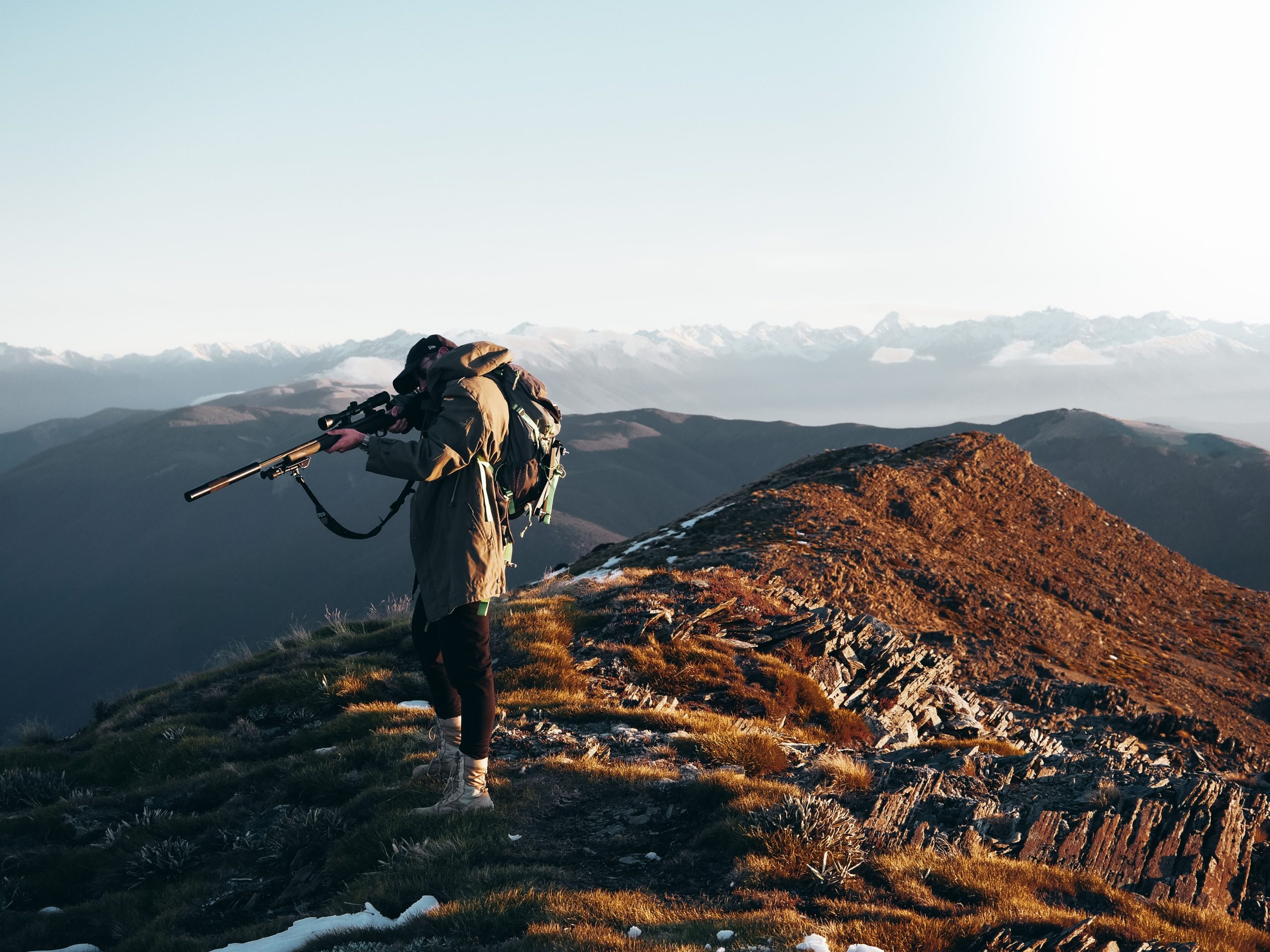
The Remington Model 6 was a compact rolling-block single-shot rifle produced around the turn of the 20th century, often found in .22 rimfire chamberings. Its action opens for one cartridge, making operation straightforward but slower than a repeater. For anyone interested in traditional trapping equipment, it shows how a modest rifle could use few moving parts without adding much bulk. Surviving examples are old, so corrosion, headspace, and uncertain chamber markings can make an apparently sound rifle unsafe. Treat one as a collectible until a gunsmith confirms its condition and ammunition compatibility.
9. Henry U.S. Survival AR-7
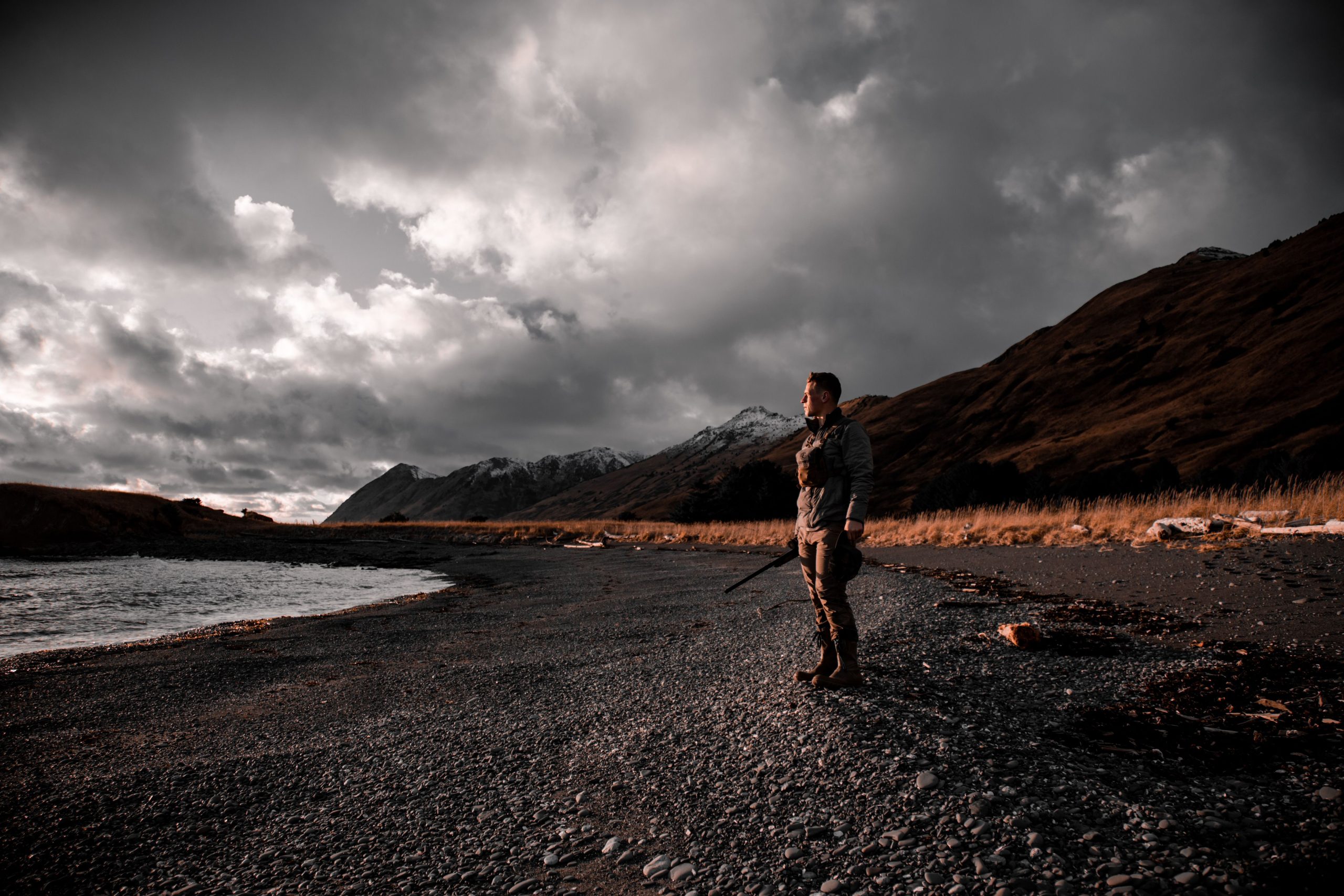
The Henry U.S. Survival AR-7 differs from traditional wood-stock rifles. Chambered in .22 Long Rifle, it breaks down so the barrel, receiver, and other components fit inside its hollow stock; the complete package weighs roughly 3.5 pounds, depending on version. Its design traces to a survival rifle developed for U.S. Air Force crews, and compact storage is useful when space is limited. Lightweight construction and a small cartridge also set clear limits: it is intended for modest small-game tasks, not large game. Confirm the model’s magazine capacity before relying on it outdoors.