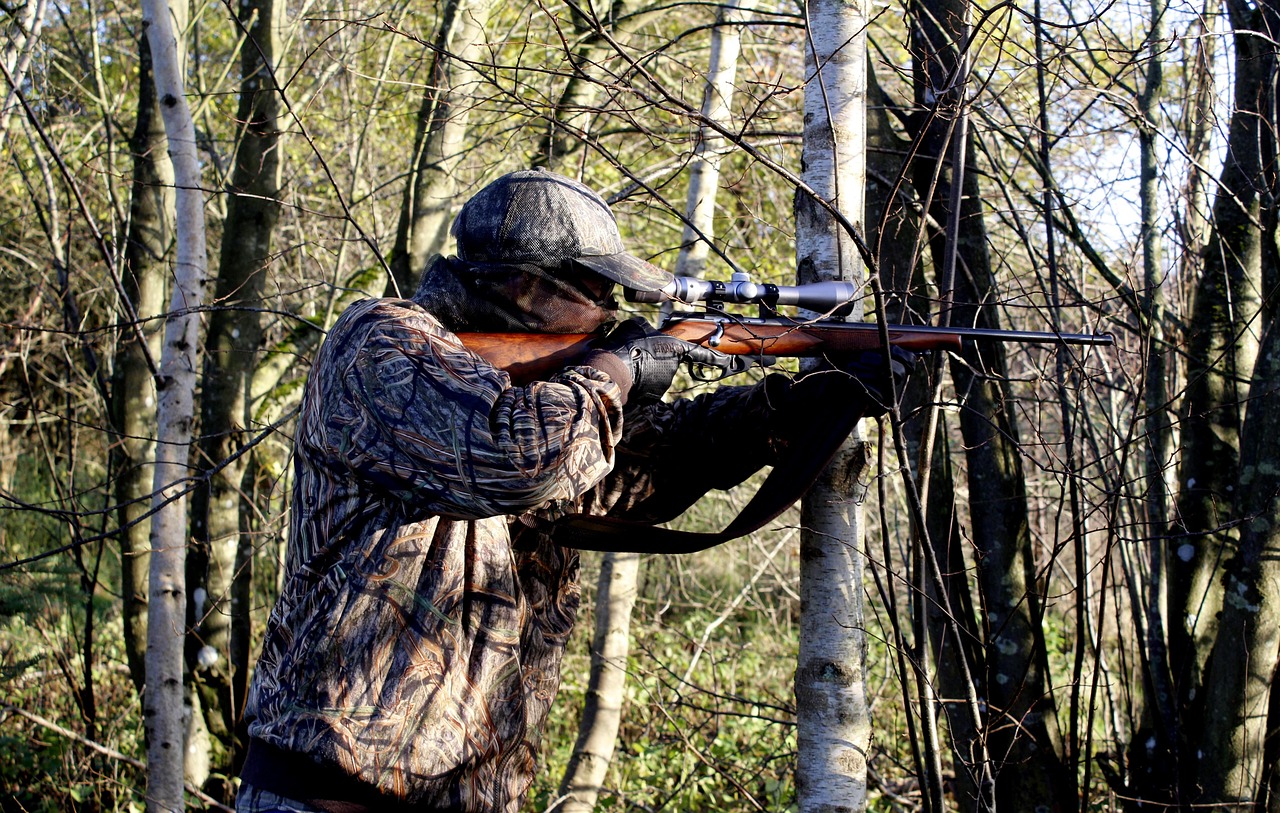
In thick brush, the rifle that looks best on paper is not always the one that feels best in your hands. The Henry Big Boy has built a reputation for calm, confident performance in tight cover, where fast handling and mechanical simplicity can matter more than raw firing speed. This gallery breaks down the traits that help a lever gun shine when the woods get crowded and every movement counts.
It slips through tight cover with less snagging
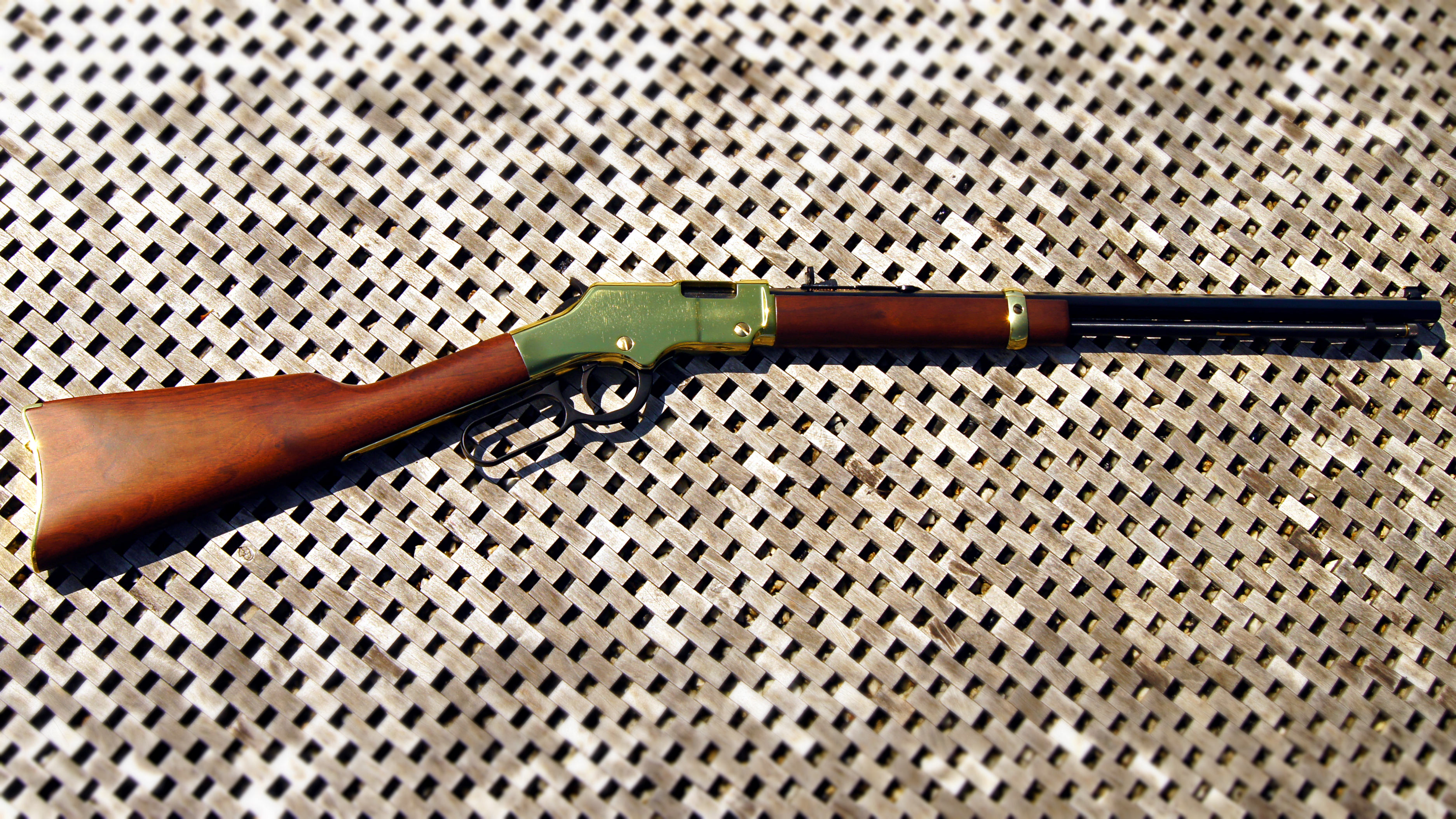
Dense brush punishes anything that sticks out, catches vines, or drags against saplings. The Henry Big Boy’s streamlined profile helps it move through cramped cover with less fuss, especially when every branch seems determined to grab a protruding part.
Compared with many semi-autos, a traditional lever gun often feels cleaner along the sides and easier to carry close to the body. That matters when you are ducking under limbs, weaving through cedar, or trying to keep your rifle from advertising your position with every noisy scrape.
In close country, smooth carry is not a luxury. It is part of staying quiet, controlled, and ready.
It balances naturally for quick shoulder mounts
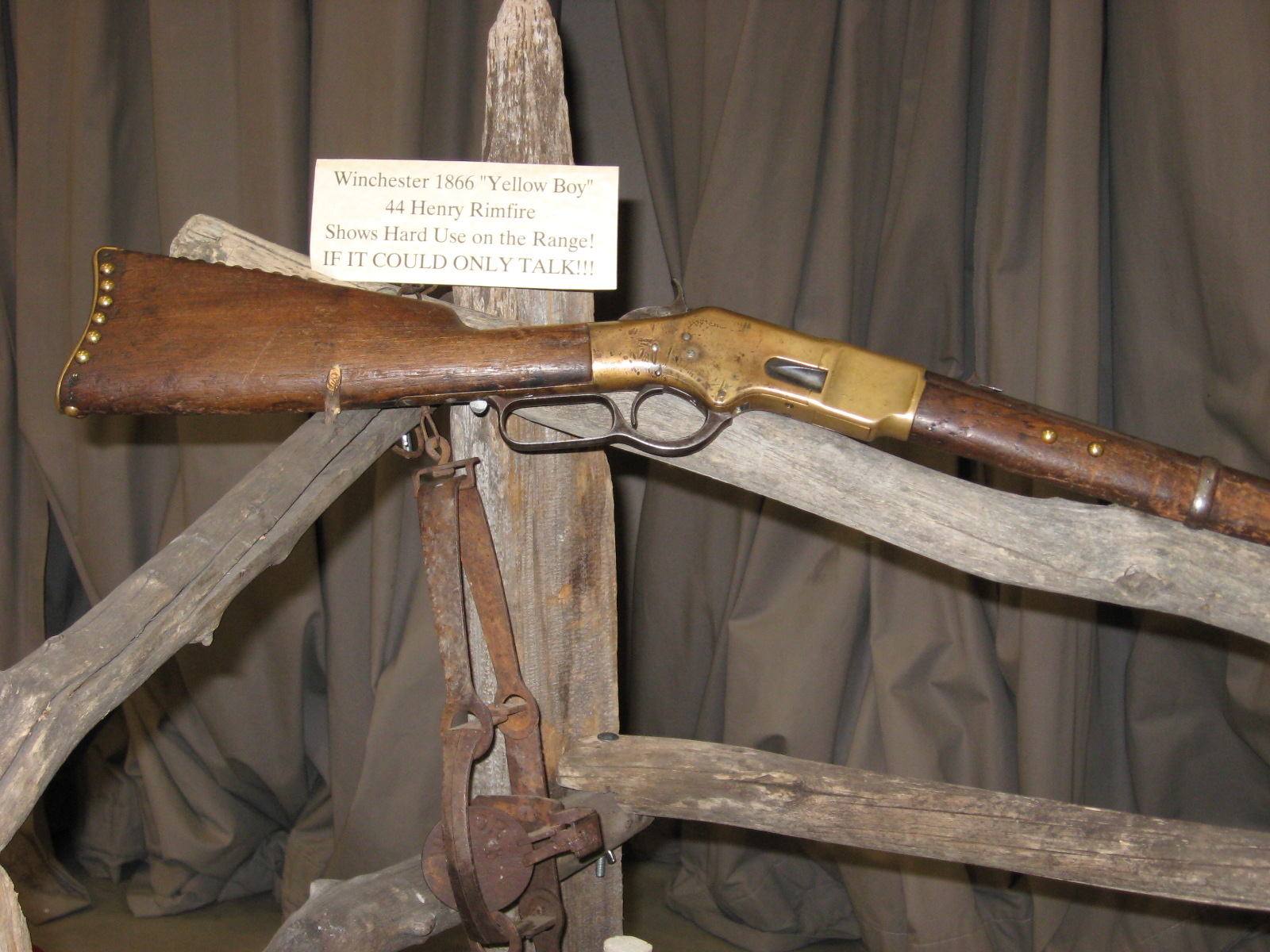
In thick timber, opportunities appear fast and disappear even faster. The Henry Big Boy is often praised for a lively, centered balance that makes it feel easy to bring up from a carry position without the awkward swing some shooters notice in heavier, more front-loaded rifles.
That natural balance can make the rifle feel like it meets your eye instead of forcing you to chase the sights. In brushy terrain, where shots are often short and angles are imperfect, that kind of instinctive handling inspires confidence.
A semi-auto may offer speed on paper, but balance is what helps you get on target cleanly in the first place.
It stays dependable when debris gets everywhere

Brush country has a way of putting dirt, leaf litter, pine needles, and moisture on everything. One reason lever actions still have a loyal following is simple: shooters trust their straightforward mechanics when conditions are messy and there is no bench nearby.
The Henry Big Boy does not rely on the same self-loading cycle that semi-autos do, so it is less dependent on perfect ammunition impulse and uninterrupted gas or recoil operation. In practical field use, that can mean fewer worries about whether the next round will cycle after a long push through rough cover.
When the woods get dirty, simple often feels reassuring.
It handles varied loads with less drama

A brush rifle is often judged by how calmly it works with the ammunition you actually carry, not just the load it likes best. The Henry Big Boy’s manual action gives it a real advantage here, because cycling is driven by the shooter rather than the rifle trying to tune itself around pressure and timing.
That can be especially appealing to hunters and recreational shooters who use different bullet weights or power levels within the rifle’s chambering. Instead of wondering whether a lighter or softer-shooting load will run the action consistently, the manual lever stroke keeps the process more predictable.
In dense cover, predictability beats theory every time.
It gives you better control over every cycle

One overlooked strength of a lever gun in thick brush is how much control it gives the shooter. With the Henry Big Boy, every chambering and ejection cycle happens because you decided it should, which can feel more deliberate and more composed in close quarters.
That manual rhythm is useful when you are moving carefully, crossing obstacles, or trying to manage the rifle quietly around partners, dogs, or a tight shooting lane. You are not relying on a semi-auto action to do its work immediately after every shot whether the moment calls for that or not.
Sometimes precision in handling matters more than pure speed.
It carries comfortably for long hours in the woods

A day in dense brush is often more about carrying than shooting. The Henry Big Boy’s shape and handling characteristics can make it feel comfortable over long stretches, especially when you are constantly shifting grip, changing direction, and threading through cover instead of walking an open trail.
Many shooters appreciate how a lever gun sits in the hand and against the body while moving. Without the same overall feel as many semi-autos, it can seem less bulky in the places that matter most when you are squeezing between trunks or climbing over deadfall.
Comfort may sound minor, but fatigue changes how well you shoot and move.
It keeps follow-up shots practical in close ranges

Semi-autos own the conversation when people talk about sheer rate of fire, but that is not the whole story in brush. At the short distances where the Henry Big Boy tends to shine, a practiced shooter can run the lever quickly while keeping the rifle planted and the sight picture surprisingly usable.
The result is not spray-and-pray speed. It is controlled, practical follow-up capability that matches the pace of real encounters in thick cover, where a second shot needs to be deliberate, safe, and well directed through narrow openings.
In that environment, usable speed matters more than maximum speed.
It brings a simpler, calmer field experience
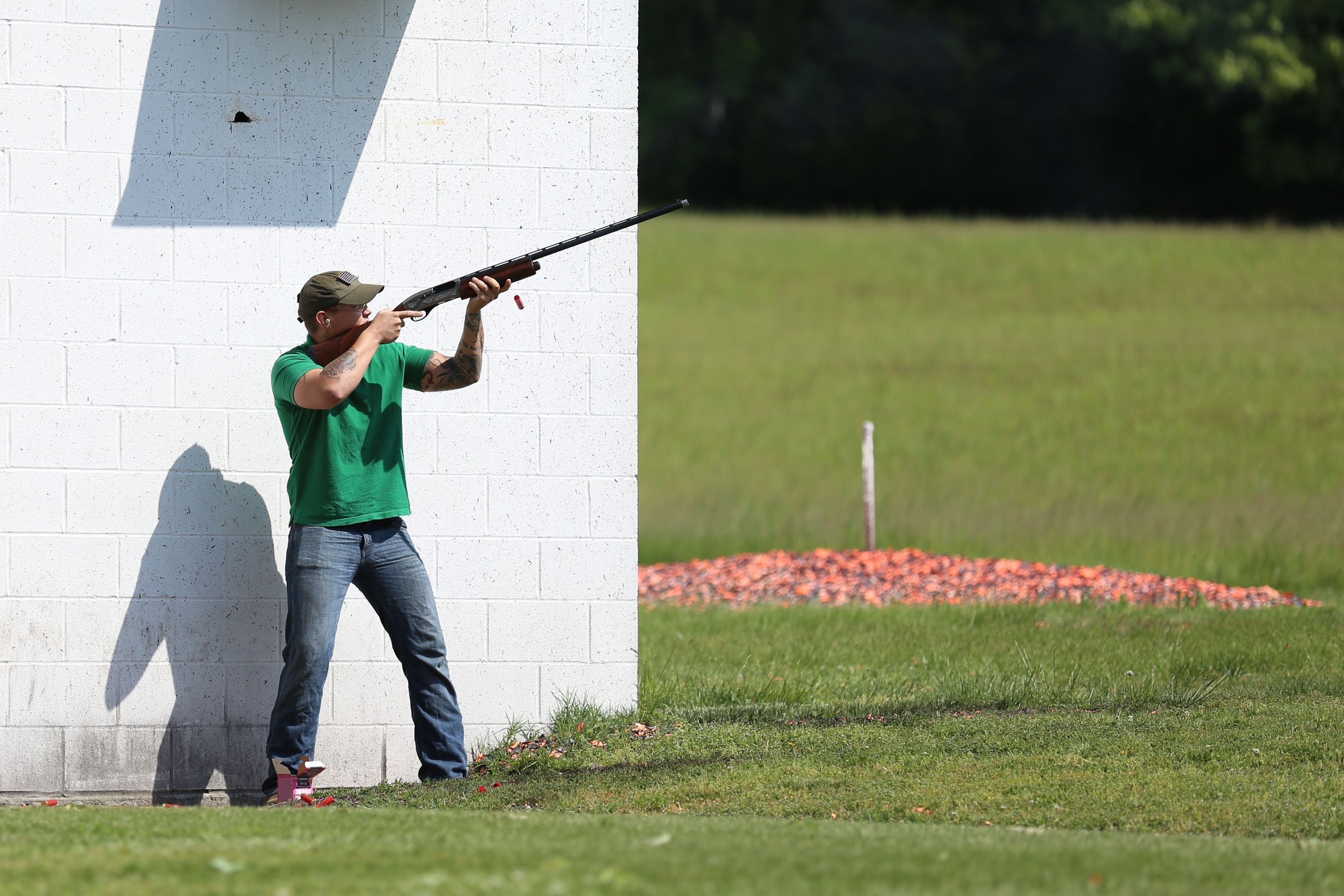
There is also something less mechanical and more intuitive about hunting thick cover with a lever gun. The Henry Big Boy encourages a measured pace, a strong awareness of your surroundings, and a more hands-on connection to the rifle that many shooters find especially satisfying in the woods.
That does not make it old-fashioned for the sake of nostalgia. It makes it well suited to an environment where shots are close, decisions are quick, and confidence often comes from familiarity rather than feature lists.
In dense brush, the rifle that keeps you calm and competent has already done a lot right.