
RV travel in the United States has surged, with the RV Industry Association reporting 11.2 million RV-owning households in 2024, a 10% increase over five years. Along with this growth, many owners unknowingly break laws that can lead to fines, license points, or even accidents. From towing missteps to illegal dumping, some common habits pose risks to safety, property, and the environment. The following list highlights illegal behaviors backed by state and federal regulations, ensuring RVers can stay compliant while enjoying the open road.
Ignoring Parkway Restrictions for Heavy Vehicles
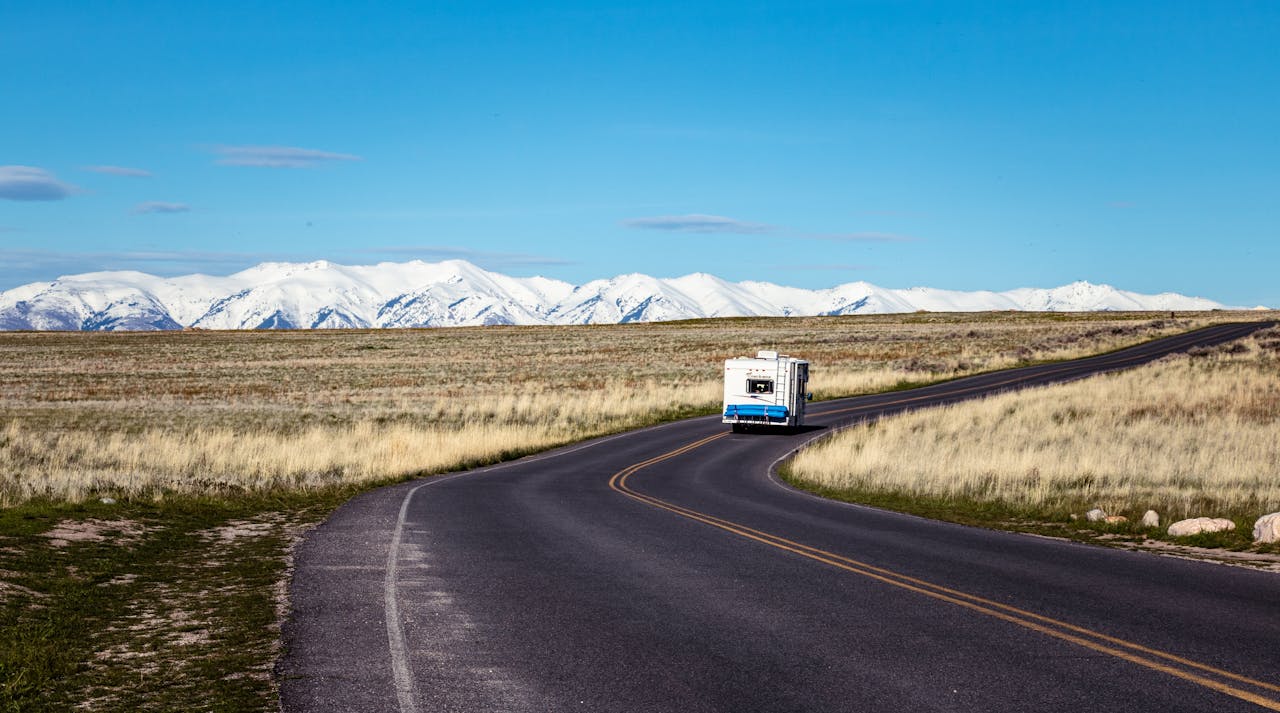
Many Northeast parkways, including Long Island’s Northern State Parkway, prohibit vehicles over 8,000 pounds or wider than 8 feet. Violating these restrictions can result in fines exceeding $200, and insurance may not cover accidents in prohibited zones. The Federal Highway Administration notes that collisions on parkways often occur due to tight lanes and low bridges. RV drivers should consult state DOT maps before travel, as parkway violations are among the most common RV infractions in the region.
Towing Without Proper Licensing
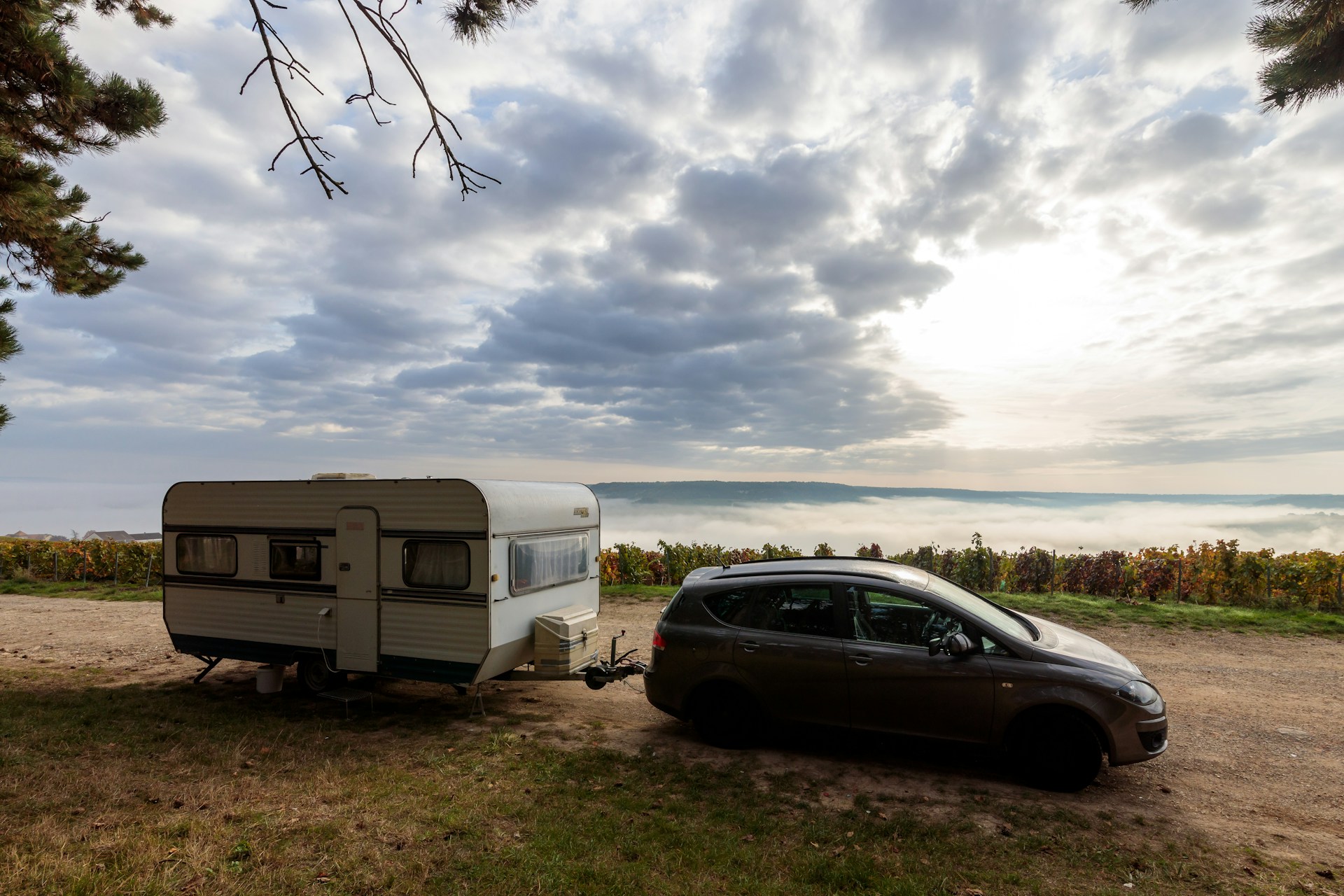
Towing trailers without the required endorsement or commercial license is illegal in many states. For example, in California, a Class C license only allows towing vehicles under 10,000 pounds; exceeding this requires a Class A or B. DMV data shows towing-related crashes account for over 15% of RV accidents annually. Ensuring the proper license reduces liability and improves safety by matching driver training to the vehicle’s size and handling characteristics.
Ignoring Posted RV Speed Limits
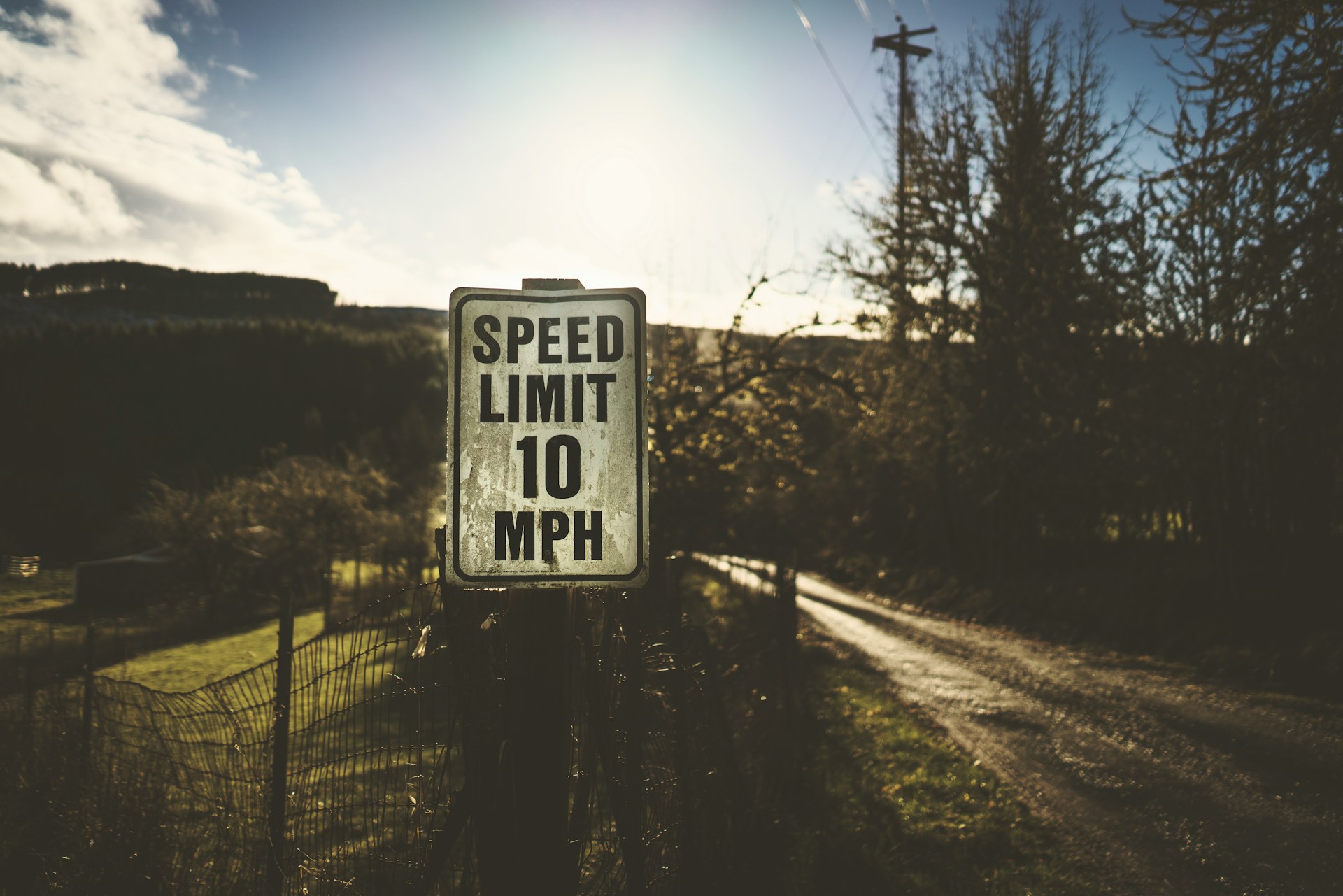
Some states, including Michigan and Texas, have specific RV or heavy-vehicle speed limits lower than standard limits. Exceeding these limits can trigger fines up to $250 and contribute to rollover risk, which the National Highway Traffic Safety Administration reports is responsible for over 30% of RV fatalities. Teens or new drivers unfamiliar with these lower limits may inadvertently violate the law, so RVers must watch for posted signs and consult state DOT websites for guidance.
Failing to Buckle Up in Every Seat

Unlike passenger cars, not all RV occupants are automatically required to wear seatbelts in all seating positions. States such as New York and Florida mandate seatbelt use in forward-facing seats while the vehicle is moving. Law enforcement data shows that unbelted passengers increase the risk of injury in a crash by 45–50%. Properly securing all passengers, including children in car seats when applicable, is both a legal requirement and a critical safety measure in motorhomes.
Camping Outside Designated Park Areas

Setting up camp in undesignated spots within National Parks violates federal law and can result in fines up to $300. The National Park Service reports that illegal camping causes soil compaction, vegetation loss, and wildlife disturbances. Teens and families may inadvertently choose remote spots to avoid crowds, but staying in designated campgrounds preserves park ecosystems and ensures compliance with local regulations.
Parking Overnight in Residential Areas

Parking overnight on city streets often violates municipal ordinances. In Los Angeles, for instance, RVs left overnight on residential streets can be cited with fines up to $150 per night. Studies by the League of American Bicyclists note that improperly parked RVs also obstruct sidewalks and reduce visibility, increasing accident risks. Checking city codes before parking ensures compliance and reduces conflicts with neighbors.
Exceeding Legal Size and Weight Limits

Exceeding federal or state limits for length, width, or weight can lead to fines, impoundment, or bridge toll penalties. The Federal Motor Carrier Safety Administration notes that overweight vehicles contribute disproportionately to road wear and highway crashes, with fines reaching $500 for a single violation. Properly measuring your RV and trailer before travel helps avoid costly mistakes.
Failing to Install Mud Flaps Where Required
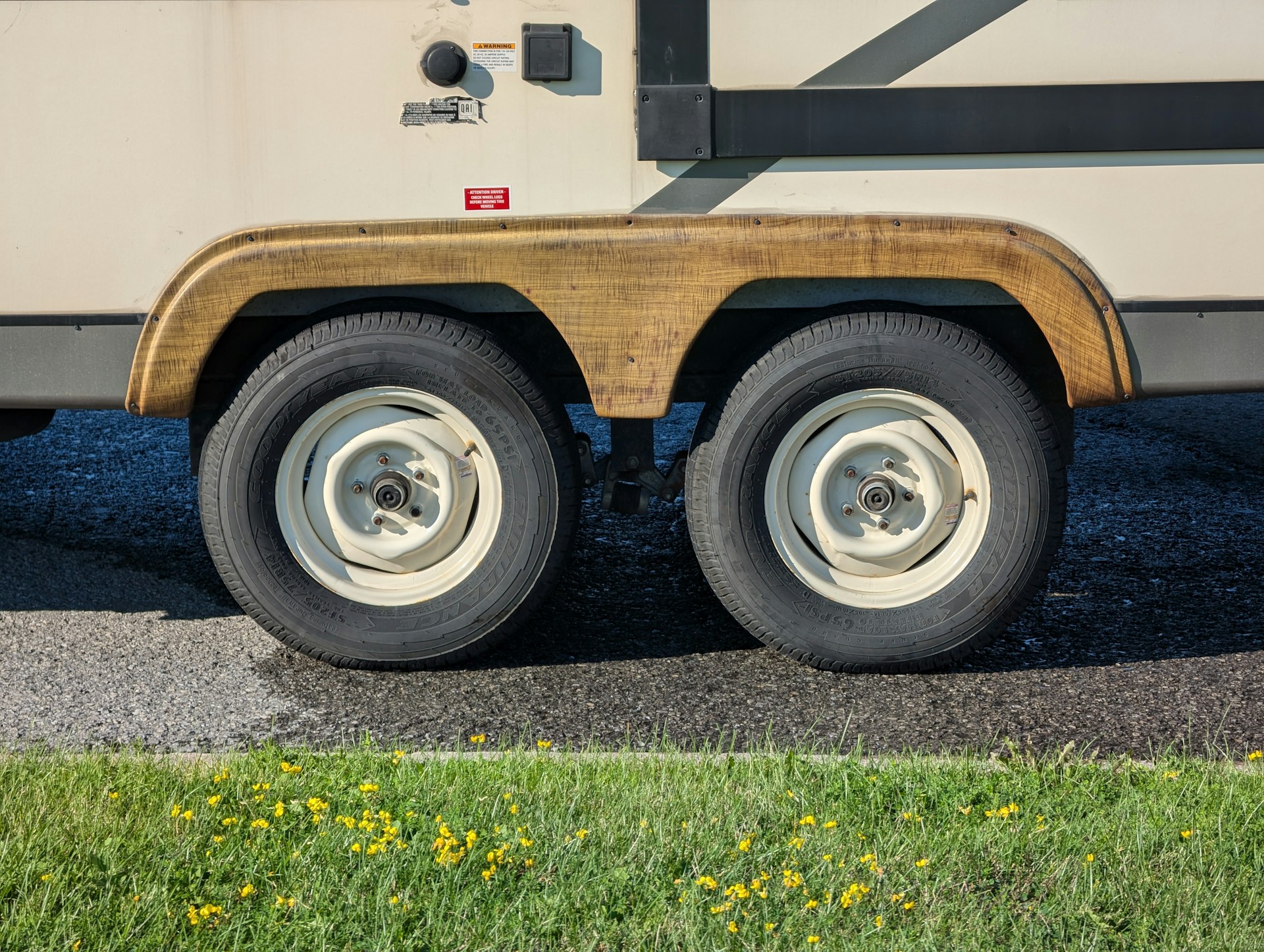
Many states mandate mud flaps for vehicles over 10,000 pounds to prevent debris from hitting other cars. Failing to comply can lead to fines and increased liability in accidents. Data from the AAA Foundation for Traffic Safety shows that rear-end collisions caused by flying debris from unflapped trucks or RVs result in hundreds of injuries annually. Installing the correct mud flaps ensures legal compliance and protects others on the road.
Mounting GPS Devices Illegally
Mounting GPS units or smartphones in restricted zones like windshields can be illegal in several states, including Minnesota and Washington. Violations often incur fines of $50–$150. Improper placement can also obstruct driver sightlines, increasing accident risk. Using dash or vent mounts within the legal field of vision is both safe and compliant, preventing distractions while navigating.
Failing to Restrain Pets in Vehicles

Many states, including California and New York, require dogs to be restrained while riding in vehicles. Unrestrained pets can distract drivers or be injured during crashes. Research published in the Journal of the American Veterinary Medical Association found that restrained pets reduce driver distraction and improve survival odds in accidents. Using harnesses or travel crates ensures both legal compliance and pet safety.
Leaving Propane On in Restricted Areas

Propane usage is prohibited in certain areas, like tunnels, ferries, or onboard aircraft parking zones. Ignoring these rules can result in fines and safety hazards, as propane leaks increase fire risk. The National Fire Protection Association notes that improper propane use in motorhomes contributes to hundreds of fire incidents annually, highlighting the importance of shutting off fuel in designated zones.
Camping Without Landowner Permission

Camping without permission on private land can result in trespassing charges or fines. The American Camp Association advises always securing written consent from property owners. Studies indicate that unauthorized camping can lead to environmental degradation and conflicts with landowners, especially when fires or sanitation issues arise. Always verify property boundaries and permissions before setting up camp.
Using the Wrong Lanes While Towing

Most highways designate specific lanes for slower or heavier vehicles. Failing to adhere to lane restrictions while towing can lead to fines, increased traffic congestion, and accidents. The Federal Highway Administration reports that lane misuse by trailers accounts for approximately 10% of highway collisions involving RVs. Observing lane rules improves safety and legal compliance.
Exceeding Nighttime Speed Limits

Although most nighttime speed limits have been removed, a few states, like Nevada, maintain reduced limits for heavy vehicles. Exceeding these limits can result in fines and increased rollover risk. Studies by the National Safety Council show that accidents at night are three times more likely to be fatal, making compliance crucial for RV drivers traveling after dark.
Improperly Disposing of Waste

Dumping sewage or graywater illegally can incur fines exceeding $500 and is harmful to waterways. The EPA reports that illegal RV waste disposal contributes to contamination of lakes and rivers, posing health risks. Always use designated dump stations or follow state-specific disposal regulations to stay compliant and environmentally responsible.