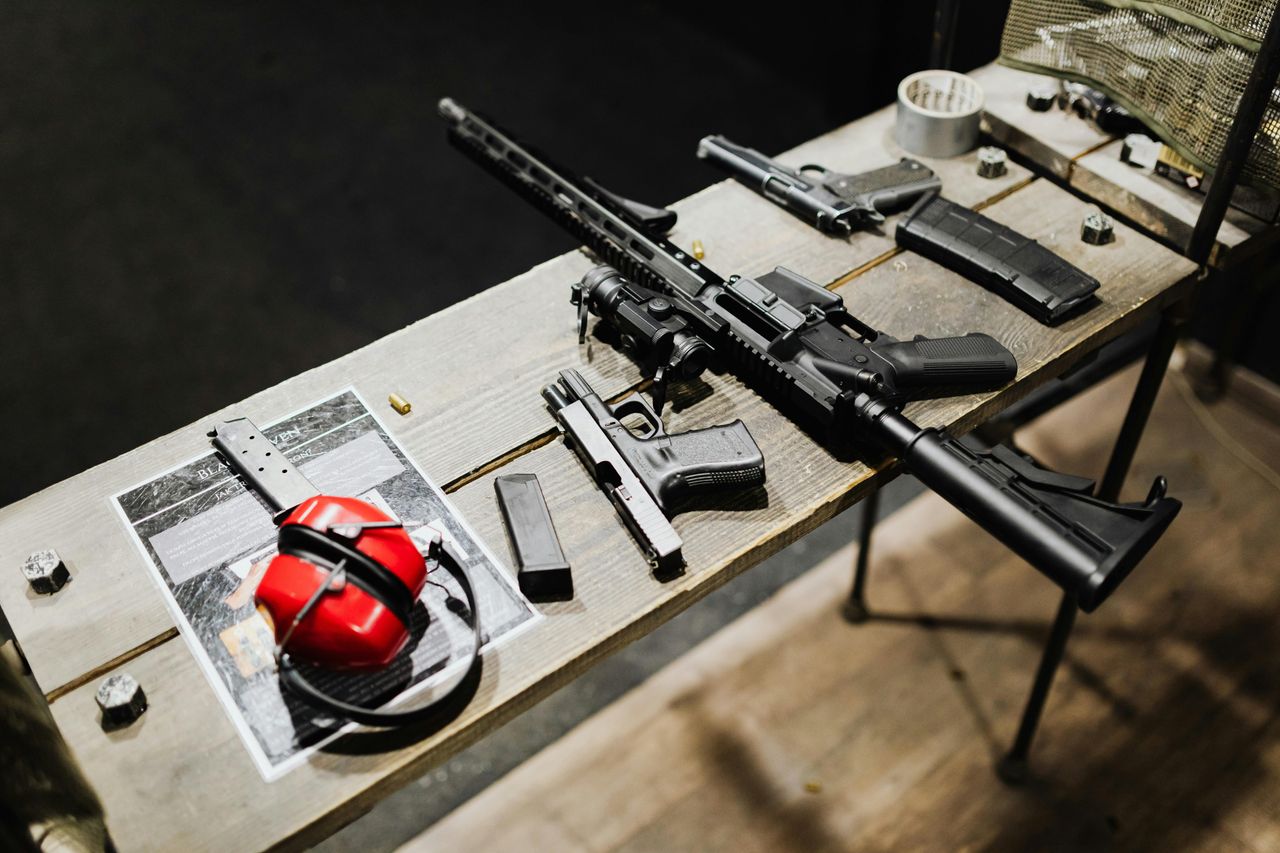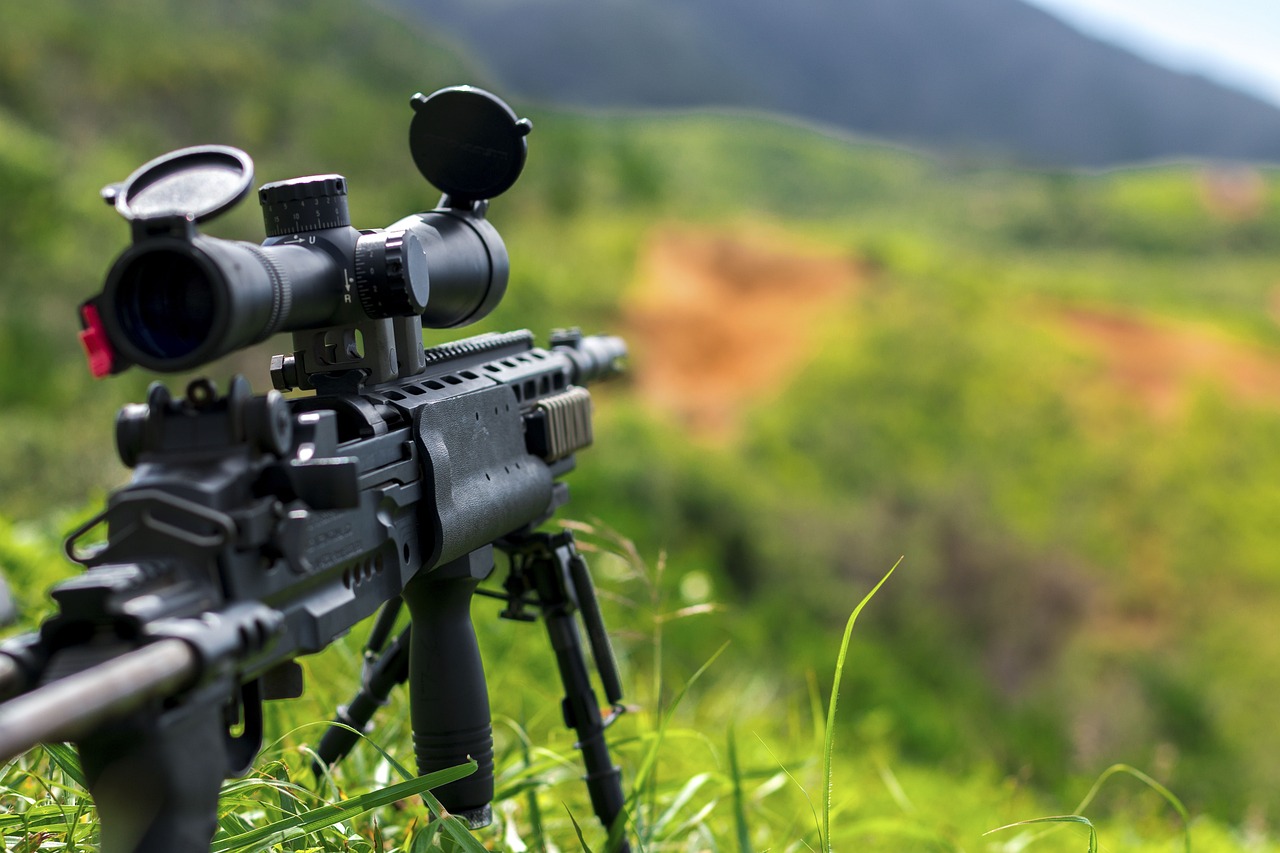
Ask a serious handloader where accuracy gains really come from, and dies quickly enter the conversation. Beyond powder charges and bullet choice, the right die can reduce runout, improve neck tension consistency, and make every round look a little more like the last. This gallery highlights nine die types and models that precision shooters frequently say delivered the most noticeable improvement on target.
Full-Length Bushing Sizing Die
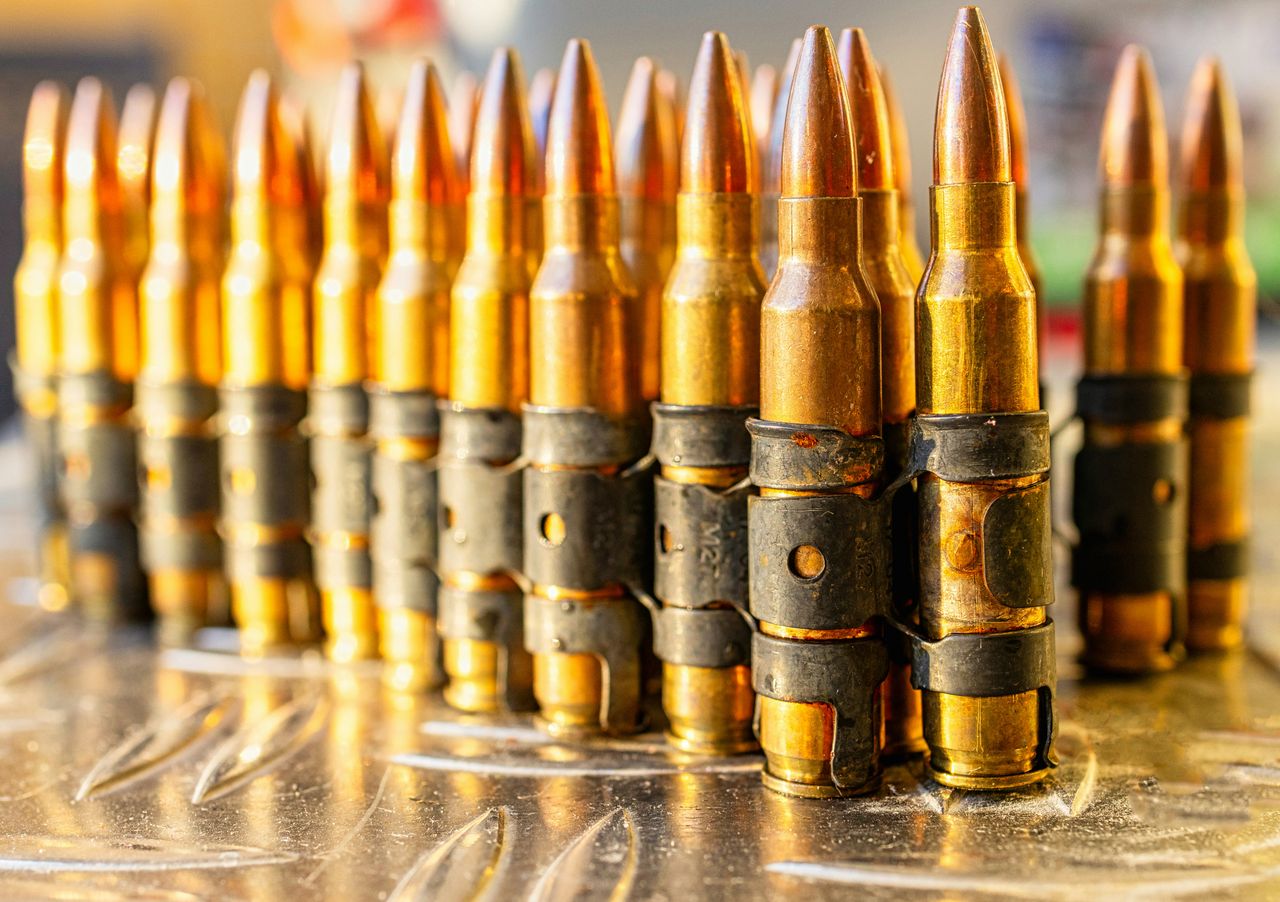
For many precision shooters, the full-length bushing sizing die is the point where handloads start becoming truly tunable. Instead of accepting whatever neck tension a fixed-dimension die gives, reloaders can choose bushings that better match their brass, bullet diameter, and accuracy goals.
That flexibility matters because neck tension influences release consistency, and release consistency shows up on paper. Shooters often say this die helped them tighten extreme spread and shrink vertical dispersion, especially when loading for bolt guns shot at longer distances.
It also brings another advantage: full-length sizing with controlled shoulder bump. When set up carefully, the die can preserve smooth chambering while avoiding more sizing than necessary, which is exactly the balance precision reloaders chase.
Micrometer Seating Die

If there is one die precision shooters rave about almost universally, it is the micrometer seating die. The appeal is simple: repeatable, fine seating depth adjustments without guesswork, shim stacking, or a lot of trial and error at the bench.
That convenience turns into real performance when shooters test jump to the lands in small increments. A die with a reliable micrometer top makes it much easier to move in .001 steps, record settings, and return to a known sweet spot after changing bullets.
Many also report less bullet runout compared with basic seaters, especially when the die uses a well-designed sliding sleeve. In practical terms, it is often the die that makes load development feel more precise and less like educated improvisation.
Inline Bullet Seating Die

The inline seating die has a near-mythic reputation in some accuracy circles, and for good reason. By guiding the case and bullet in close alignment before seating begins, it aims to minimize the little off-center starts that can create measurable runout.
Shooters who switched to inline seating often describe the difference in simple language: straighter ammo, more confidence, and fewer unexplained flyers. That does not mean every rifle suddenly becomes a bughole machine, but this die is frequently credited with making carefully prepped brass feel fully realized.
It is especially popular among benchrest and F-Class handloaders, where tiny improvements are taken seriously. When every thousandth counts, a die built around alignment can feel less like a luxury and more like a missing piece.
Body Die
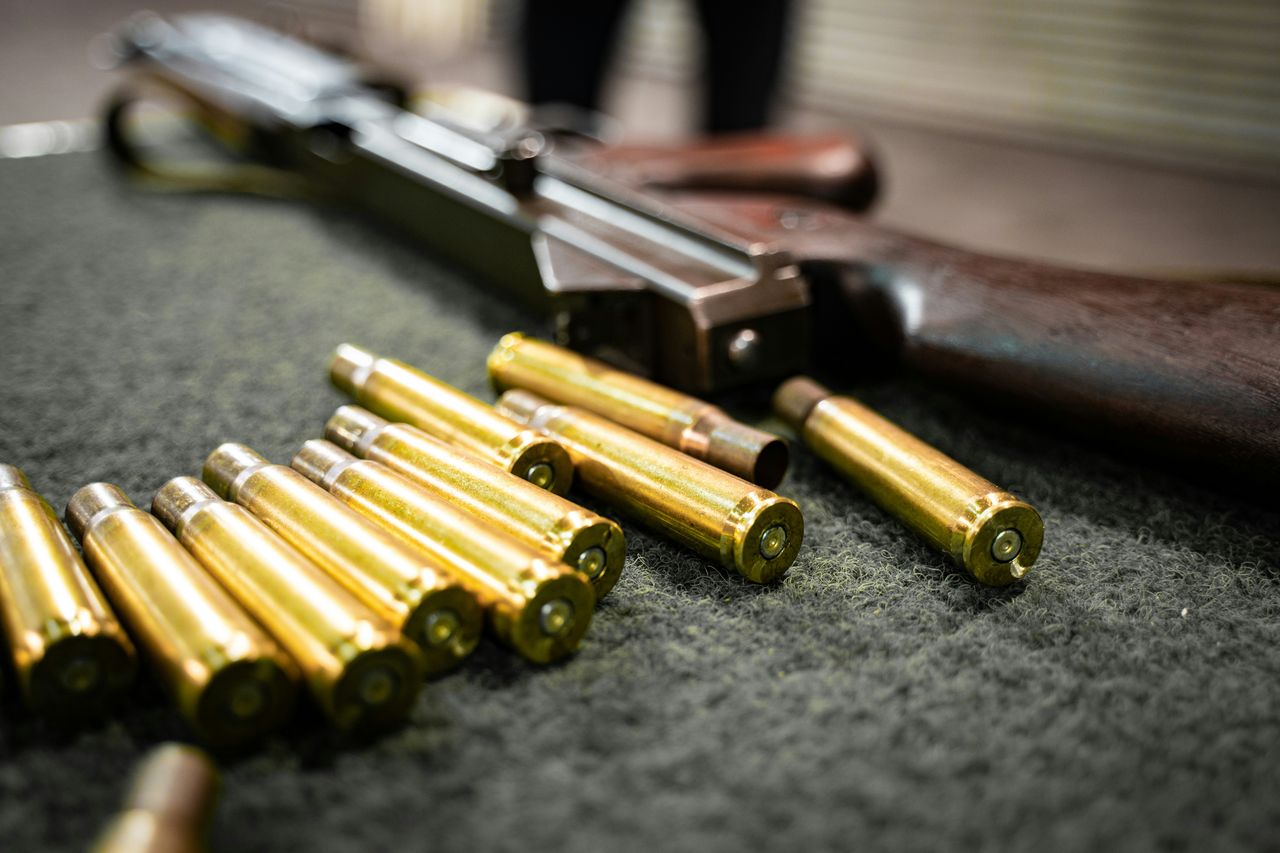
The body die rarely gets the glamour of seating dies, but precision shooters know it can solve very real problems. Its job is straightforward: resize the case body and bump the shoulder without further working the neck, which can be useful when neck sizing has gone as far as it should.
That selective approach appeals to reloaders trying to preserve carefully tuned neck tension while restoring easy chambering. Instead of overworking the whole case, they can address fit and headspace more directly, often extending brass life in the process.
Shooters who use body dies tend to praise them for consistency rather than excitement. Yet that is the point. In precision loading, the tools that quietly remove variables often make a bigger difference than the ones that merely feel more sophisticated.
Neck Sizing Die
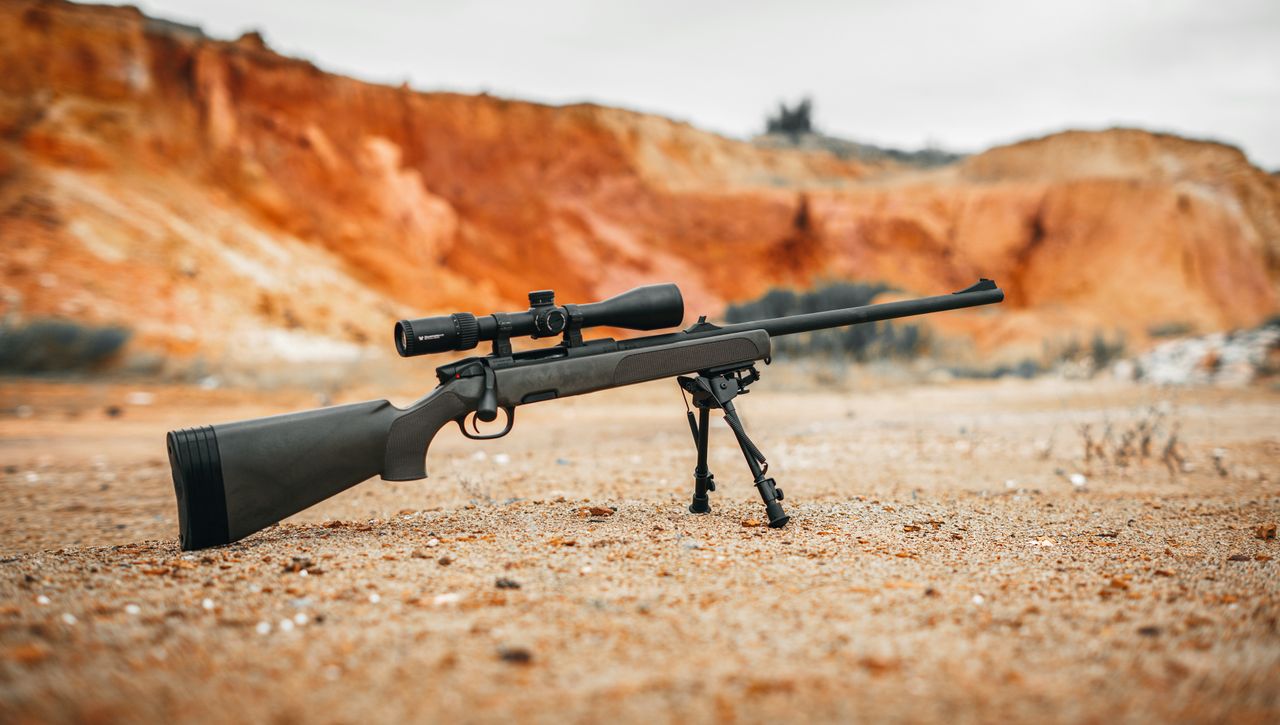
The neck sizing die remains a favorite among shooters who load for a single bolt-action rifle and want to fit brass closely to that chamber. By sizing only the neck, it can reduce brass working and maintain the fire-formed relationship between case body and chamber.
Fans of the method often say their ammo feels smoother and more uniform, with a subtle but welcome improvement in accuracy. For some rifles, that tailored fit has translated into smaller groups and less brass fatigue over repeated firings.
Of course, it is not a universal answer, and many shooters eventually return to some form of full-length sizing. Still, as a step in the precision handloading journey, the neck sizing die is often remembered as the tool that first showed them how much die choice can matter.
Mandrel Expander Die

A mandrel expander die has become one of the most talked-about tools in modern precision reloading because it addresses neck tension in a very deliberate way. Rather than relying only on the sizing die, shooters can use a mandrel to iron out variation and set a more uniform inside neck diameter.
That added step may sound minor, but many handloaders say it improved their standard deviation and made seating pressure feel noticeably more consistent. When rounds seat with the same smooth resistance, reloaders tend to trust the ammunition more, and often with good reason.
It is also a popular answer to brass with necks that vary slightly after sizing or turning. In accuracy work, consistency is currency, and this die is often praised for buying more of it.
Competition Seating Die

The competition seating die earns its reputation by combining easy adjustment with careful cartridge alignment. Precision shooters often describe it as the die that made their loading process feel more repeatable from one session to the next, especially when moving between test loads and match batches.
Its biggest appeal is usually the same blend of convenience and precision. Fine seating depth changes are simple to track, and the internals are generally built to hold case and bullet straighter during the seating stroke.
That combination can pay off in both measurable runout reduction and better workflow. For shooters trying to build ammo with fewer surprises, the competition seating die frequently stands out as one of the most immediately satisfying upgrades on the bench.
Small Base Sizing Die
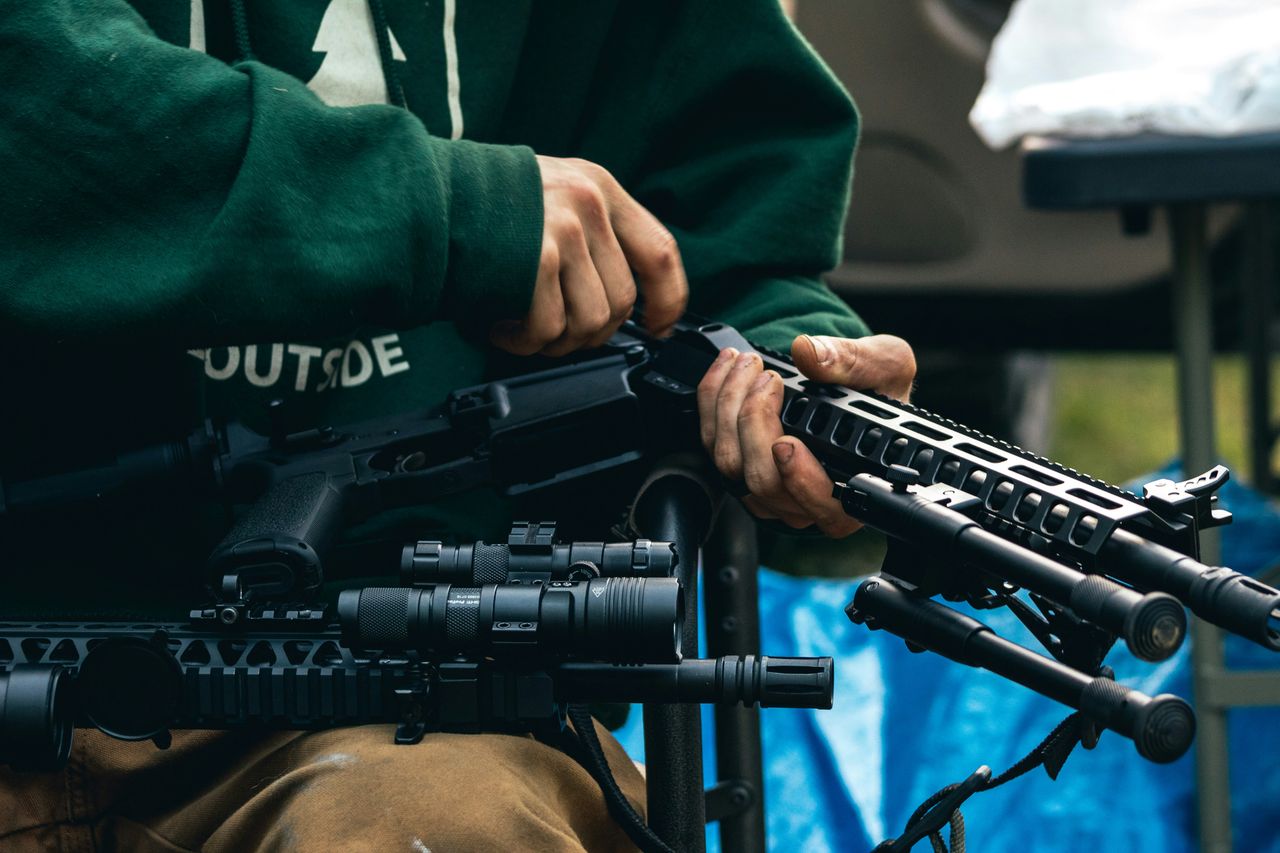
At first glance, the small base sizing die seems more about reliability than pure precision, but many shooters loading for semi-automatic rifles see it differently. In gas guns, consistent chambering and extraction are part of the accuracy equation because interruptions in function can wreck confidence and rhythm.
By sizing the case a bit more at the base, this die can help cartridges feed and chamber more uniformly in tighter or hard-used rifles. Shooters working with AR-platform match rifles often say it reduced stubborn fit issues that had been introducing inconsistency.
It is not the first choice for every setup, particularly when minimal brass working is the goal. But where reliable fit is the limiting factor, this die can be the difference between theoretical accuracy and usable accuracy.
Custom Honed Full-Length Die
A custom honed full-length die is the sort of upgrade shooters usually try after they have already done everything else. The concept is appealingly direct: take a proven full-length die design and open specific dimensions slightly so it sizes brass exactly as much as needed, and no more.
That level of fit can reduce unnecessary working of the neck and body while still giving the chambering reliability precision shooters demand. Handloaders who invest in one often talk about a subtle but unmistakable gain in brass consistency from firing to firing.
It is not the cheapest route, and it assumes the user already understands shoulder bump and neck tension. But among experienced reloaders, a custom honed die is often described as the final refinement that brought an already good load into excellent territory.
Lee Collet Neck Sizing Die

The Lee Collet Neck Sizing Die has a devoted following because it approaches neck sizing differently from more conventional designs. Instead of pulling an expander ball back through the neck, it squeezes the neck against a mandrel, which many shooters believe helps reduce induced runout and neck distortion.
Its fans often describe it as one of the best value upgrades in precision reloading. For a modest cost, they say it delivered straighter ammo, more uniform neck tension, and surprisingly impressive groups in rifles that were already decent performers.
Not every rifle or loading style will favor it, but that has not dulled its reputation. Among practical accuracy improvements per dollar, this die is frequently mentioned as the one that convinced skeptical reloaders that simple tools can still produce serious results.