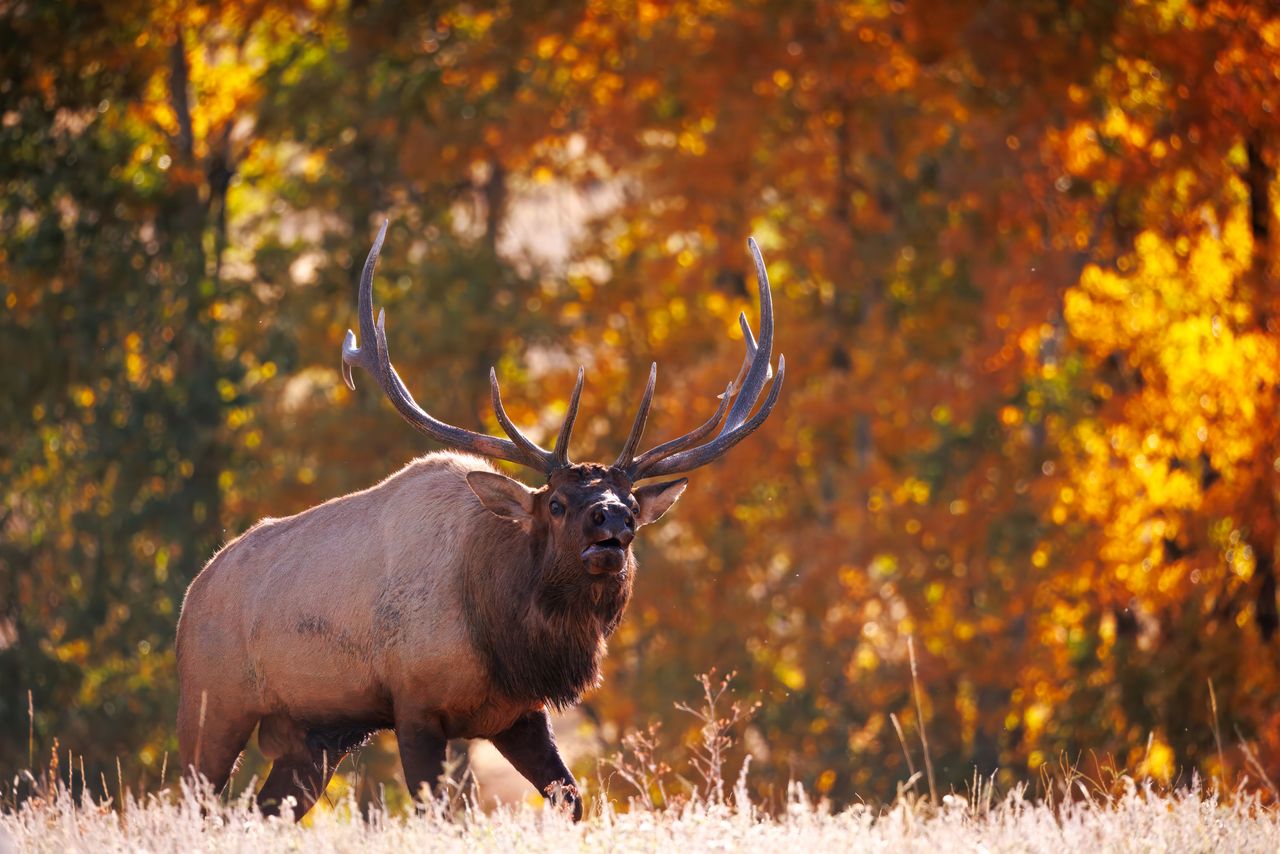
Every elk camp has its gear debates, and caliber talk usually gets lively fast. Yet for all the buzz around newer magnums and sleek long-range rounds, the .30-06 keeps riding into camp in old scabbards and new rifle cases alike. Its staying power is not nostalgia alone. It comes from a long record of practical success where elk hunters actually hunt.
It has a track record hunters trust

The .30-06 has been putting meat in camp for more than a century, and that history matters to elk hunters. People tend to trust tools that have seen hard weather, steep country, and plenty of real-world results. In a hunting culture where stories are often earned the hard way, the cartridge has credibility very few rounds can match.
That trust is not just sentimental. Hunters have watched the .30-06 work on elk across timber, burns, and open parks, often with ordinary rifles and straightforward loads. When a cartridge has proven itself for generations, it becomes the round people reach for when they want fewer surprises and more confidence.
It offers enough power without excess recoil
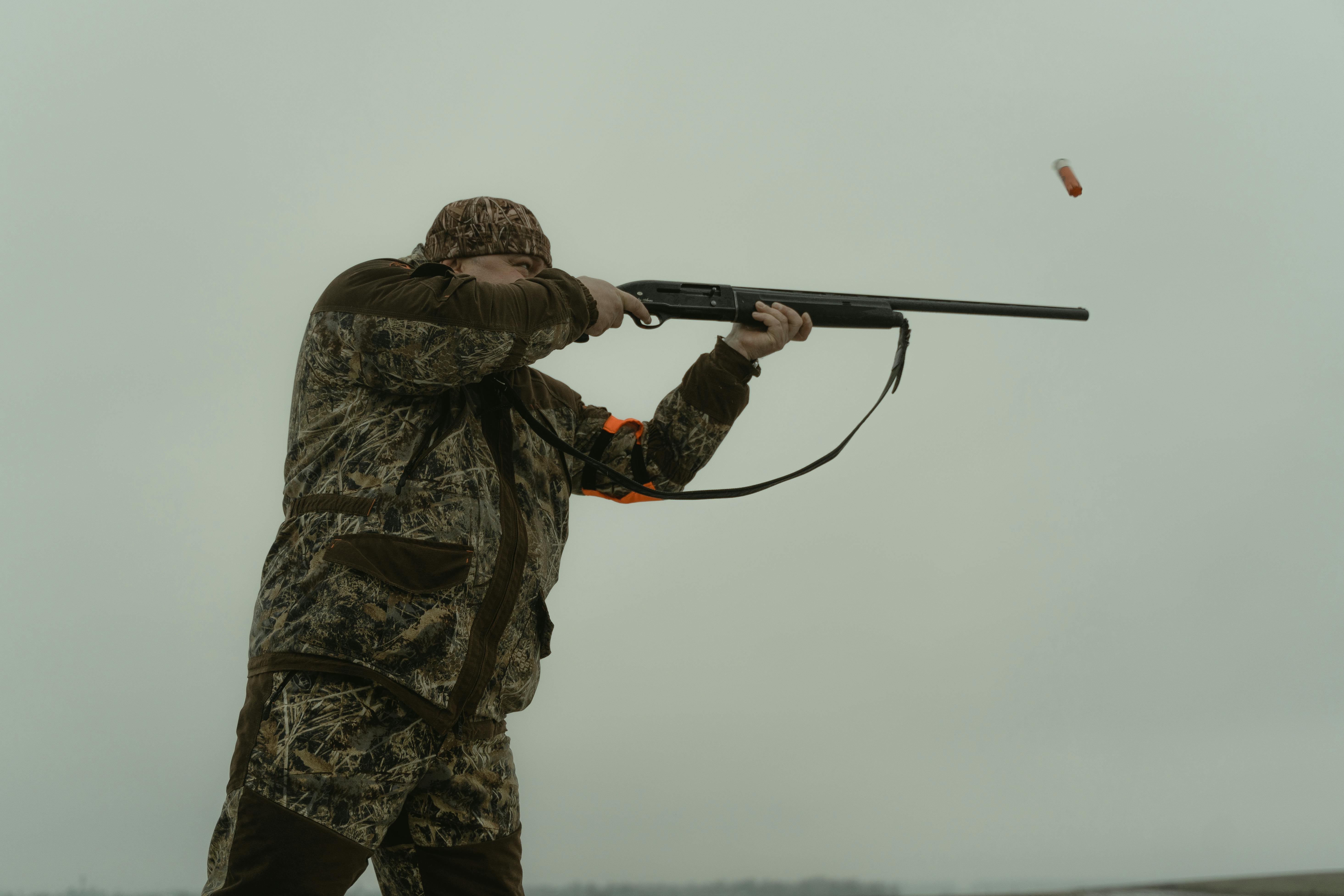
Elk demand a cartridge with real authority, but not every hunter wants the punch of a hard-kicking magnum. The .30-06 sits in a practical middle ground. It delivers the kind of energy and bullet weight that elk hunters respect, while remaining manageable for a wide range of shooters.
That balance pays off more than many people admit. A hunter who shoots comfortably usually shoots more often, and practice tends to matter more than raw muzzle velocity. In the field, a cartridge that encourages steady shooting and clean follow-through can be more useful than one that looks impressive on a ballistic chart but gets flinched at the bench.
Factory ammo is easy to find

One quiet strength of the .30-06 is simple availability. Walk into enough sporting goods stores, small-town hardware shops, or mountain outfitters, and there is a good chance you will find at least one box of .30-06 on the shelf. That matters when travel plans get messy or when a hunter realizes too late that ammo stayed on the workbench at home.
Newer calibers can be excellent, but some are harder to source outside bigger markets. The .30-06 has a long-established footprint that makes it reassuringly common. For hunters heading deep into elk country, that kind of easy access is not glamorous, but it is absolutely part of the cartridge’s appeal.
Bullet choices are broad and proven

The .30-06 can run a wide span of bullet weights and styles, which gives elk hunters useful flexibility. From lighter loads suitable for deer-sized game to stout controlled-expansion bullets built for heavy animals, the cartridge can be tailored to different hunts and different preferences without drama.
For elk specifically, that means hunters can choose loads designed for deep penetration and reliable performance on quartering shots. Because the cartridge has been around so long, manufacturers have spent decades refining what works in it. The result is a mature menu of options that makes load selection feel less like experimentation and more like choosing among established winners.
Most rifles chambered for it are practical hunting tools
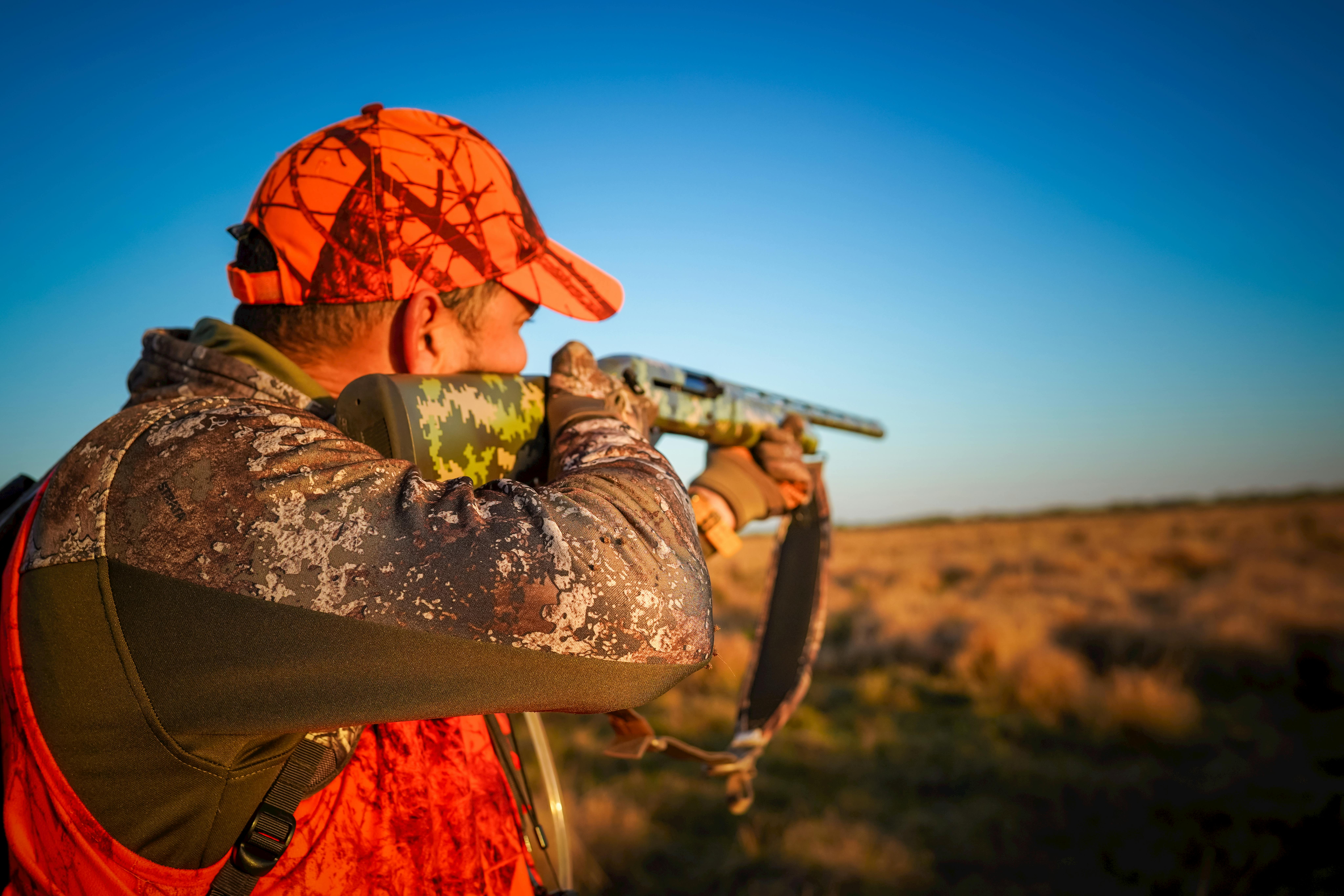
Not every elk rifle needs to be a specialized long-range machine. Many .30-06 rifles are straightforward, dependable hunting guns with sensible barrel lengths, useful magazine capacities, and familiar controls. They carry well in dark timber, ride easily in a truck or scabbard, and generally do exactly what hunters ask of them.
That practicality is part of why the cartridge endures. A lot of hunters already own a rifle in .30-06, know how it shoots, and trust how it handles under pressure. In elk camp, familiarity counts. When a shot finally appears after days of climbing and glassing, a simple rifle that feels like an old friend can be a real advantage.
It performs well at typical elk ranges

Much of the modern caliber conversation is built around distance, but plenty of elk are still taken at ordinary hunting ranges. In timber, on ridges, and near meadow edges, shots often happen inside the kind of distances where the .30-06 remains entirely at home. It does not need to dominate extreme range discussions to be highly effective where many elk are actually encountered.
That reality keeps the cartridge relevant. Hunters who know their trajectory and stay within sane distances can make the .30-06 work beautifully. Its reputation was built long before laser rangefinders and dial-up turrets became common, yet in the practical envelope of real elk hunting, it still fits the job very well.
It is easier on barrels and budgets than many magnums

There is more to choosing an elk cartridge than terminal performance. Cost matters, and so does how much a hunter can afford to practice. The .30-06 is generally less punishing on both the shoulder and the wallet than many magnum options, which can make regular range time more realistic over the long haul.
It also tends to avoid the reputation for accelerated barrel wear that follows some hotter cartridges. For many hunters, that means more rounds fired in practice and fewer worries about burning through an expensive setup. Elk rifles are field tools, not just conversation pieces, and the .30-06 continues to make ownership feel practical rather than precious.
Handloaders can tune it for almost anything
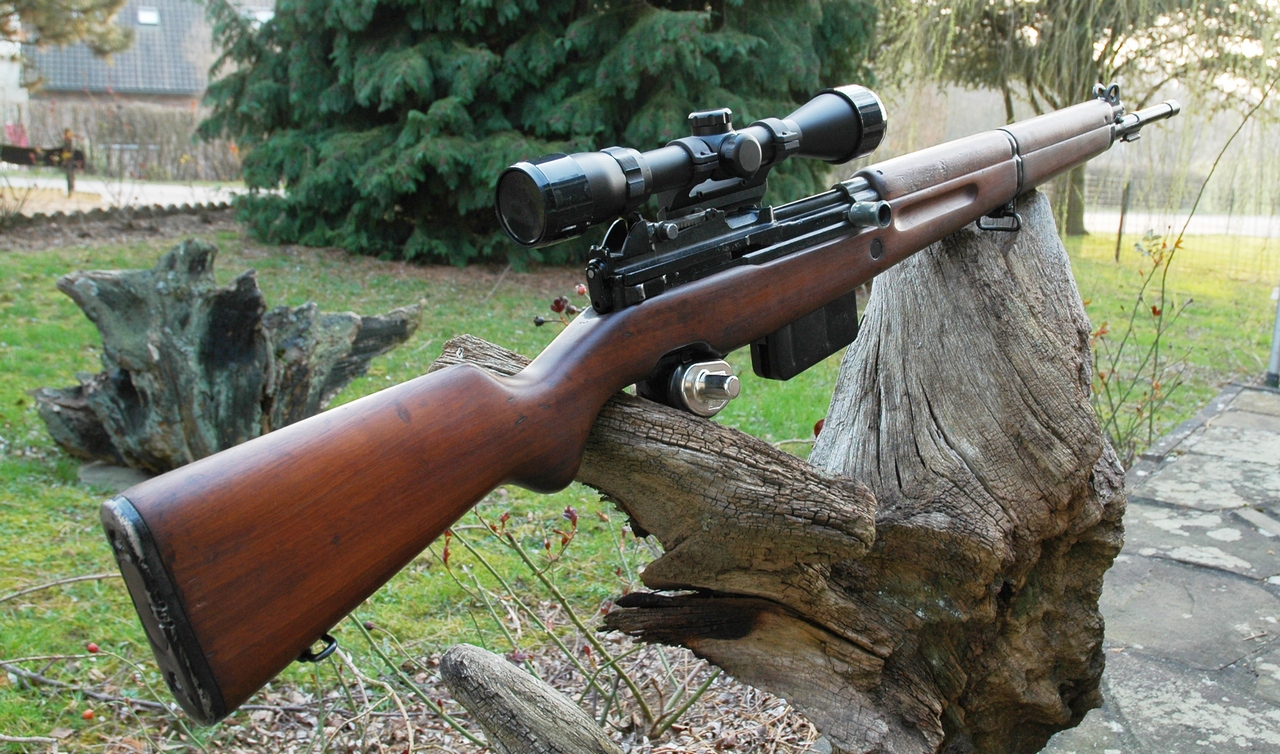
For reloaders, the .30-06 is like an old workshop with every tool already hanging on the wall. Brass is common, component bullets are plentiful, and there is a deep body of published load data. That makes the cartridge inviting for hunters who like to fine-tune accuracy, recoil, and terminal performance to fit their rifle.
It also gives experienced shooters room to build loads around specific elk scenarios. Some may want a heavier bullet for dark timber and close shots, while others may favor a flatter-shooting setup for more open country. The cartridge’s flexibility under the loading press helps explain why it continues to earn loyalty in camps full of newer ideas.
It rewards shot placement over hype
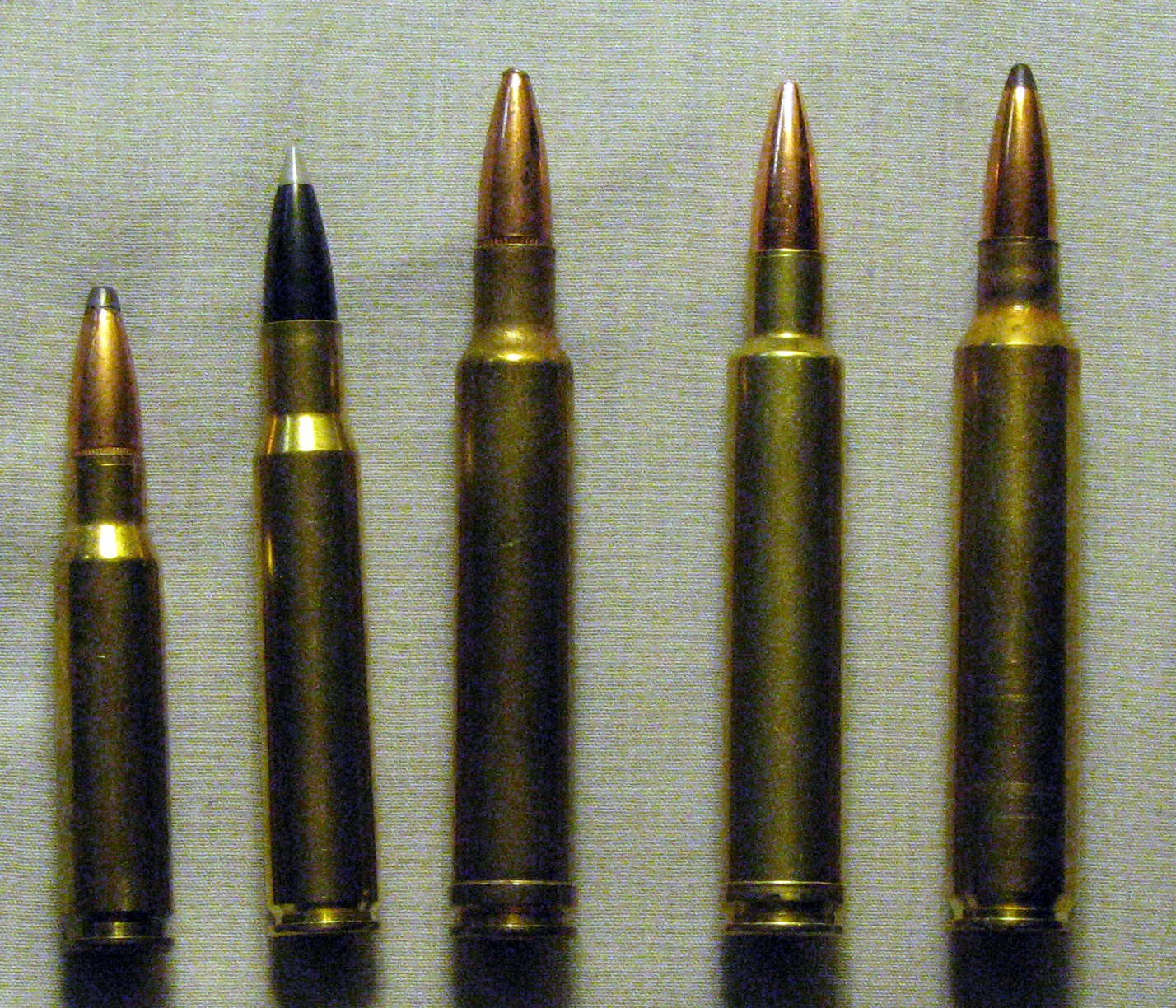
The .30-06 survives because it reminds hunters of a stubborn truth: elk are not taken by marketing language. They are taken by sound judgment, solid bullets, and well-placed shots. Newer cartridges can offer real advantages, but the old Springfield keeps proving that field success often comes down to execution more than trendiness.
That message resonates in elk camp, especially among hunters who have watched animals soak up poor hits from powerful rifles. A cartridge that is easy to shoot well and loaded with appropriate bullets often beats a faster round used carelessly. The .30-06 does not ask for much applause. It just keeps turning competent shooting into filled tags.