
Local gun clubs are attracting new members for reasons that extend beyond target shooting. For some people, these clubs offer structured recreation, while others appreciate the opportunity to learn from experienced participants and meet people with similar interests. Better access to organized activities, supervised training, and community events can also make membership more appealing. Although growth varies by location, nine factors help explain why some clubs are attracting fresh interest and encouraging members to remain involved.
1. Structured Training Appeals to Beginners

Many newcomers prefer learning in a supervised environment rather than trying to understand every aspect of shooting independently. A local club may offer introductory sessions covering range procedures, safe handling, target discipline, and the responsibilities that come with firearm ownership. For example, a beginner might complete a 2-hour orientation before progressing to more advanced instruction. This organized approach makes expectations clearer and gives participants opportunities to ask questions. Clubs that provide qualified instructors, written safety rules, and regular assessments can build confidence without encouraging careless behavior.
2. Competitive Events Give Members a Clear Goal

Organized competitions can turn an occasional hobby into a more rewarding long-term activity. Clubs may arrange monthly matches, seasonal championships, or friendly events involving different experience levels. A schedule of 12 competitions per year gives participants regular opportunities to measure progress and learn from their results. Scoring, time management, consistency, and concentration become practical skills that members can develop over time. Friendly competition also encourages people to return, especially when events recognize improvement and participation rather than rewarding only the highest-performing shooters.
3. Community Connections Make Clubs More Welcoming

For many members, the social atmosphere matters almost as much as the activity itself. Local clubs bring together people from different professions, age groups, and backgrounds who share an interest in responsible shooting sports. A club hosting 1 social gathering each month, alongside its regular activities, can give newcomers more opportunities to build friendships. Experienced members can also help beginners understand club traditions and expectations. When participants feel respected instead of judged, they are more likely to attend regularly, invite interested friends, and become part of a lasting community.
4. Family-Friendly Programs Expand Participation

Some clubs are broadening their appeal by organizing activities suitable for different generations, subject to local laws and age restrictions. Family open days, educational presentations, and supervised demonstrations can introduce relatives to the club’s wider sporting and safety culture without requiring everyone to participate in shooting. For example, a club might organize 4 family-oriented events annually. Clear supervision, appropriate protective equipment, and age-specific rules are essential wherever minors attend. These activities can help families understand what responsible participation involves while allowing existing members to share their interests in an organized setting.
5. Better Facilities Improve the Membership Experience
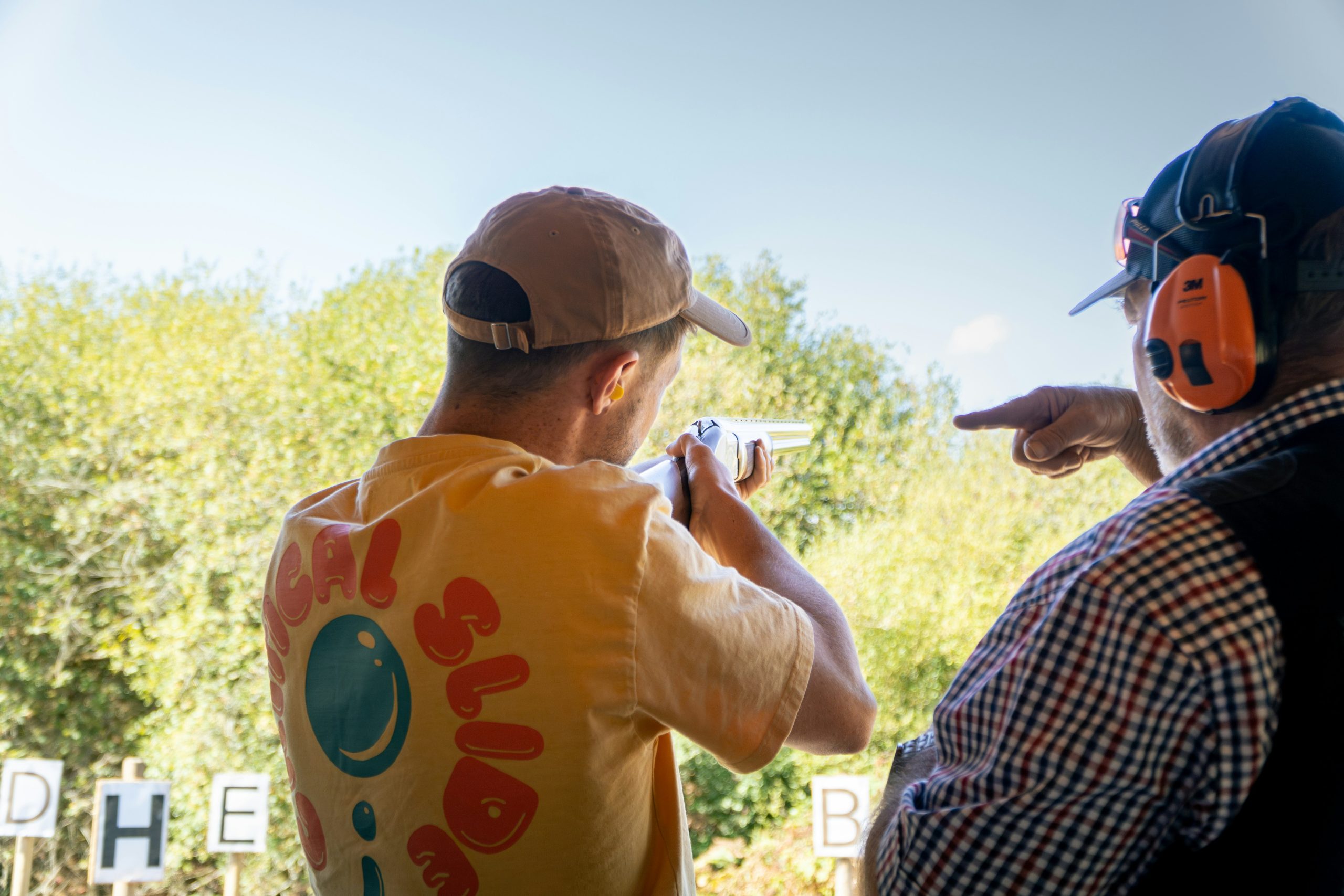
A club’s physical environment can strongly influence whether visitors decide to join. Clean facilities, clearly marked boundaries, maintained target areas, adequate lighting, and accessible restrooms all contribute to a more comfortable experience. Even a modest improvement, such as upgrading 2 frequently used range areas, can make regular visits more convenient. Clubs that maintain equipment properly and communicate operating rules clearly may also earn greater trust from prospective members. People are often more willing to pay membership fees when they can see that the organization invests in upkeep, supervision, and a consistently well-managed environment.
6. Different Shooting Disciplines Attract Wider Interests

Not everyone joins a club for the same reason. Some participants prefer precision target shooting, while others are interested in clay-target sports, formal competitions, or the technical aspects of sporting equipment. A club offering 3 distinct disciplines, where facilities and regulations permit, may appeal to a wider range of prospective members than one focused on a single activity. Introductory demonstrations can help people discover which discipline suits their interests and experience. Providing clear progression paths also gives members new challenges to pursue, helping maintain enthusiasm after the initial excitement of joining has passed.
7. Convenient Membership Options Lower Barriers

Cost, travel time, and scheduling can prevent interested people from joining even when they enjoy the activity. Clubs that publish transparent fees, explain membership categories, and offer clearly scheduled introductory sessions make the decision easier. For instance, 2 membership options, such as individual and family plans, may suit different household needs where permitted. Flexible session timings can also help people balance participation with work and family responsibilities. The goal is not simply to make membership cheaper, but to ensure prospective members understand exactly what they receive, which rules apply, and what additional expenses they may encounter.
8. Experienced Members Help Newcomers Progress
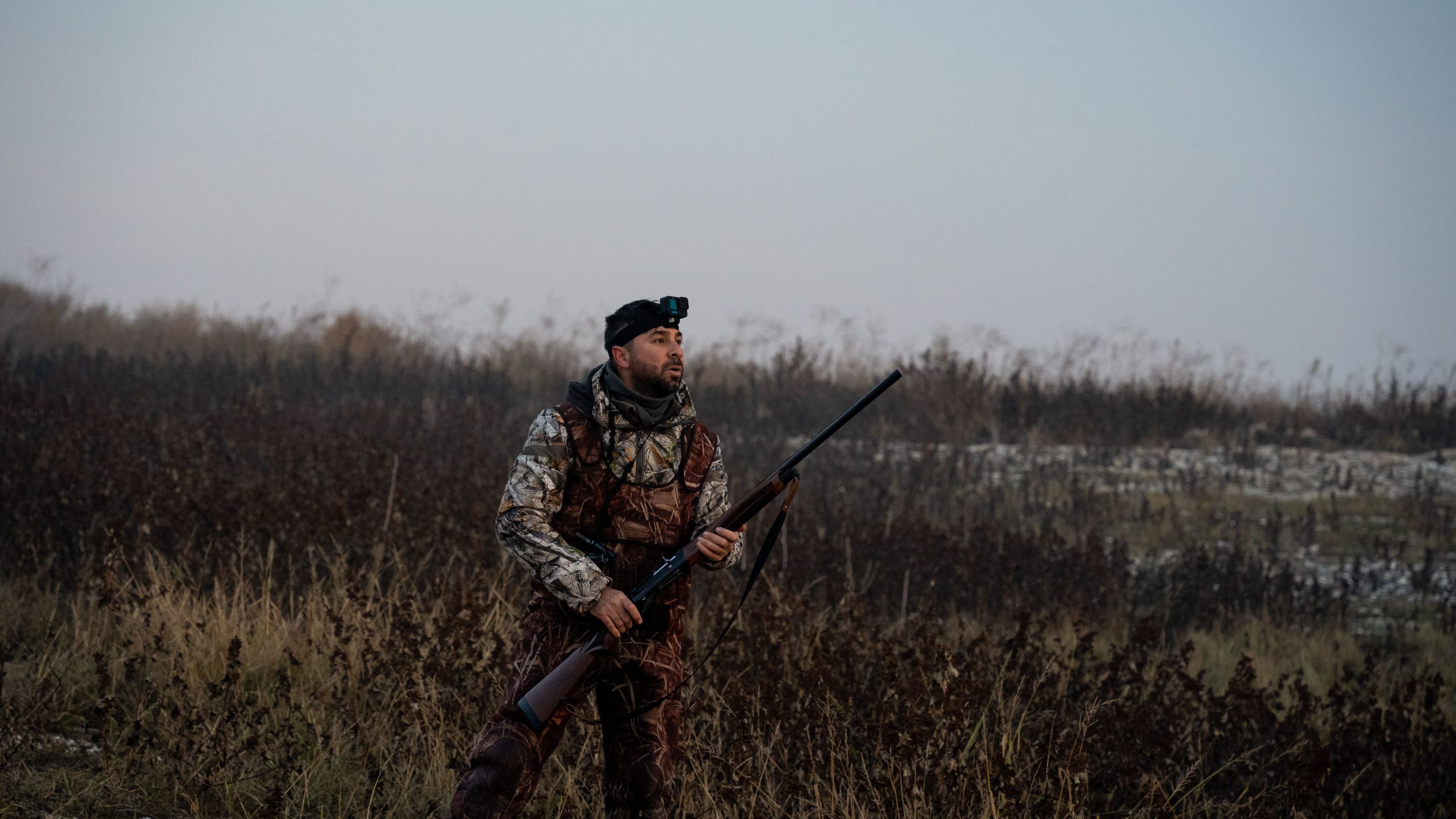
Personal guidance can make a substantial difference during the first few months of membership. Experienced participants may explain competition formats, demonstrate established safety procedures, and help newcomers understand the club’s expectations. A mentoring arrangement lasting 4 weeks, for example, could provide a structured introduction without overwhelming a beginner. Mentors should work within their qualifications and leave formal instruction to appropriately qualified professionals when required. This approach creates opportunities for knowledge-sharing while strengthening relationships between members. When newcomers receive patient, practical support, they may feel more comfortable attending events and continuing their development.
9. Responsible Sporting Culture Builds Public Trust

A club’s reputation can influence whether local residents feel comfortable exploring membership. Clear safety procedures, trained supervision, secure storage requirements, and prompt responses to concerns demonstrate that the organization takes its responsibilities seriously. Clubs can reinforce these standards through annual reviews, regular briefings, and documented procedures, including 1 formal safety review each year. Compliance with applicable laws and range regulations remains essential throughout every activity. A consistent commitment to responsible conduct can reassure prospective members, strengthen relationships with the surrounding community, and help establish the club as a credible place for organized sporting recreation.