A lot of online camping content is built to be seen, admired, and shared. Ex-military survivalists usually work from a very different mindset, where comfort matters, but security, efficiency, and contingency planning matter more. That shift changes everything from where camp goes to how light is used, how gear is staged, and even how long anyone stays put.
They choose location before comfort

Most casual campers start with the obvious question: where will the view be best? Ex-military survivalists usually begin somewhere else entirely. They look at concealment, drainage, escape routes, wind direction, foot traffic, and whether the spot can be observed from a distance.
That means the prettiest clearing often gets rejected in favor of a less glamorous patch of ground with better natural cover. A site that feels tucked away, breaks up outlines, and avoids ridgelines or open exposure is often the smarter pick.
To an outsider, that decision can look joyless. In reality, it is the foundation for every other choice that follows.
They avoid obvious visual signatures
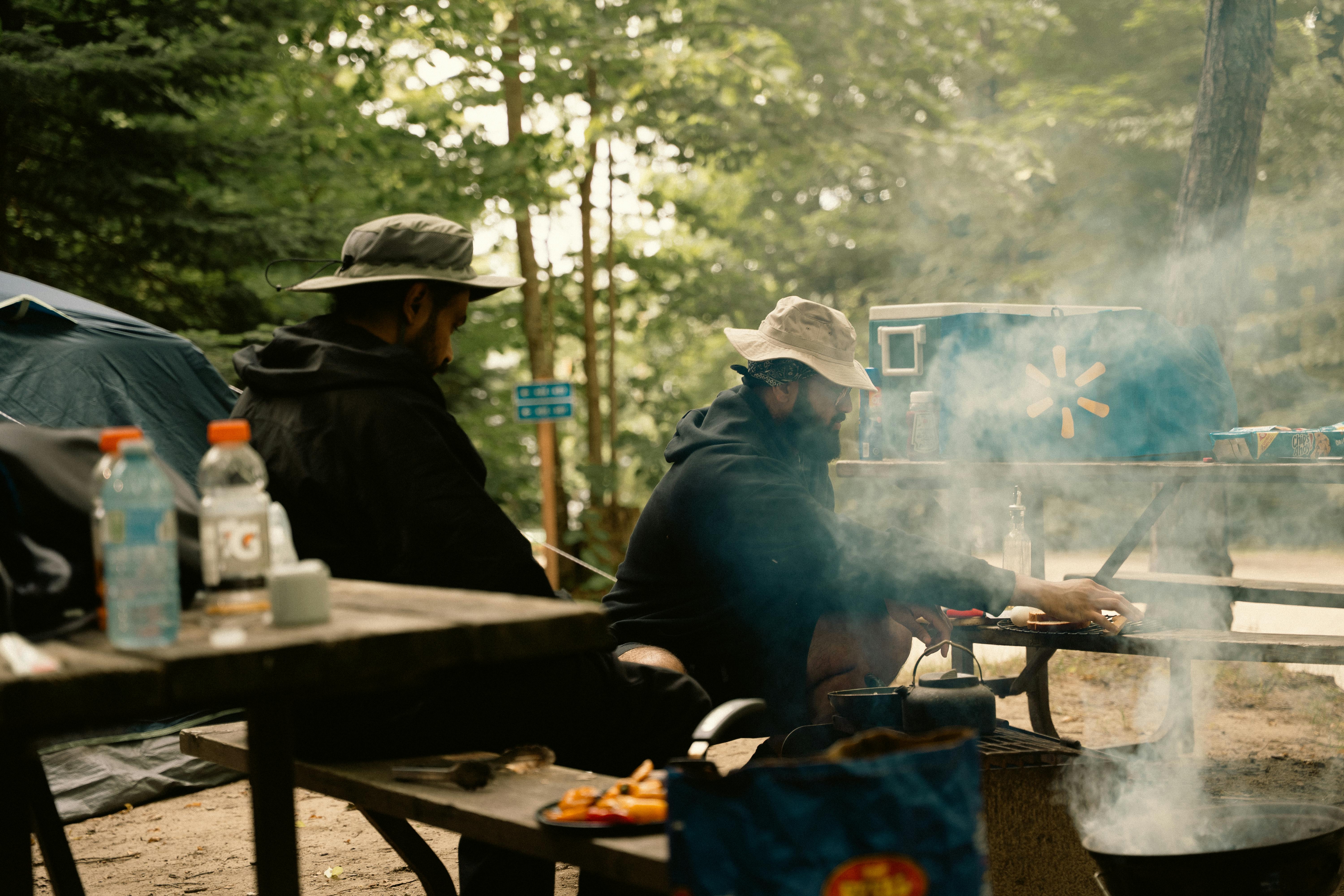
A lot of YouTube camps are designed like sets. Bright tarps, tidy lantern light, exposed cookware, and wide-open staging make everything easy to film and easy to admire. Ex-military campers tend to think in terms of signatures, meaning anything that gives away presence.
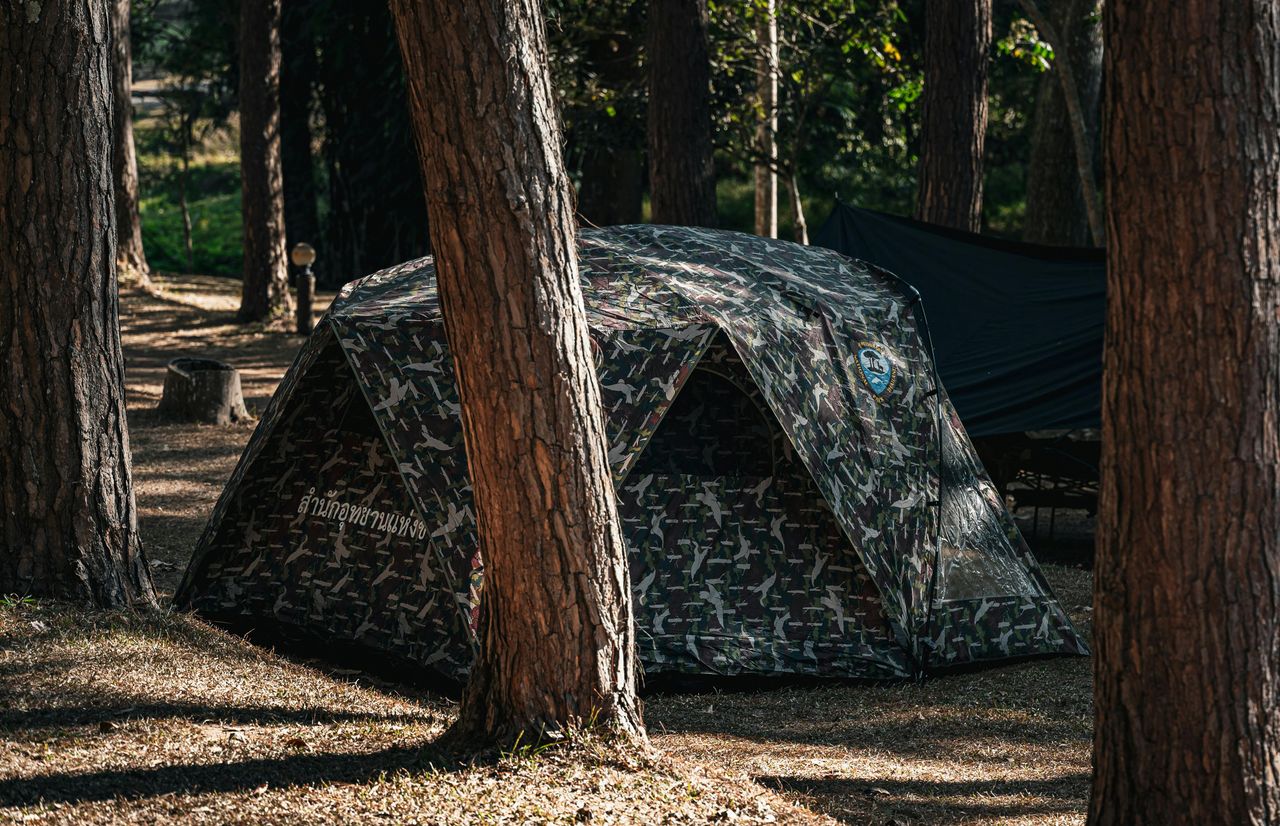
Color, shine, straight lines, and movement all matter. A reflective mug, a pale tent wall, or gear spread across open ground can catch the eye surprisingly fast, especially at dawn or dusk.
So their camps often look dull, even intentionally boring. That is the point. If nobody notices the camp at all, the setup is doing its job.
They keep fire small, hidden, or optional
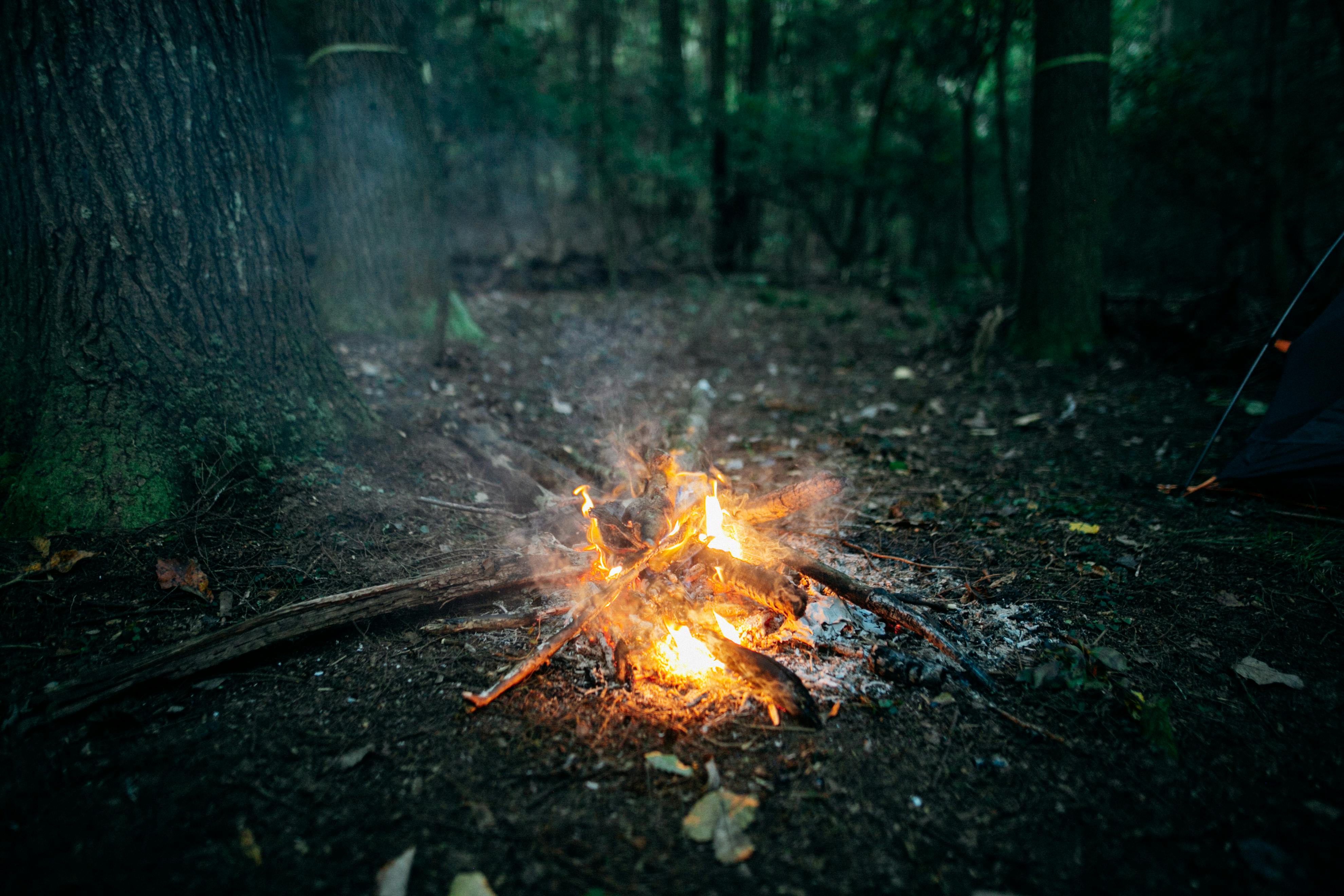
For many recreational campers, the fire is the heart of camp. It is warmth, mood, cooking, and a focal point for the entire experience. Ex-military survivalists often treat fire as a calculated risk with light, smoke, smell, and timing all attached.
That does not mean they never build one. It means they ask whether the payoff is worth the signal it creates. In some cases, a tiny controlled flame, a covered stove, or no fire at all is the smarter move.
This is one reason their camps can seem less cozy online. They are optimizing for control, not atmosphere, and those are rarely the same thing.
They organize gear for speed, not aesthetics
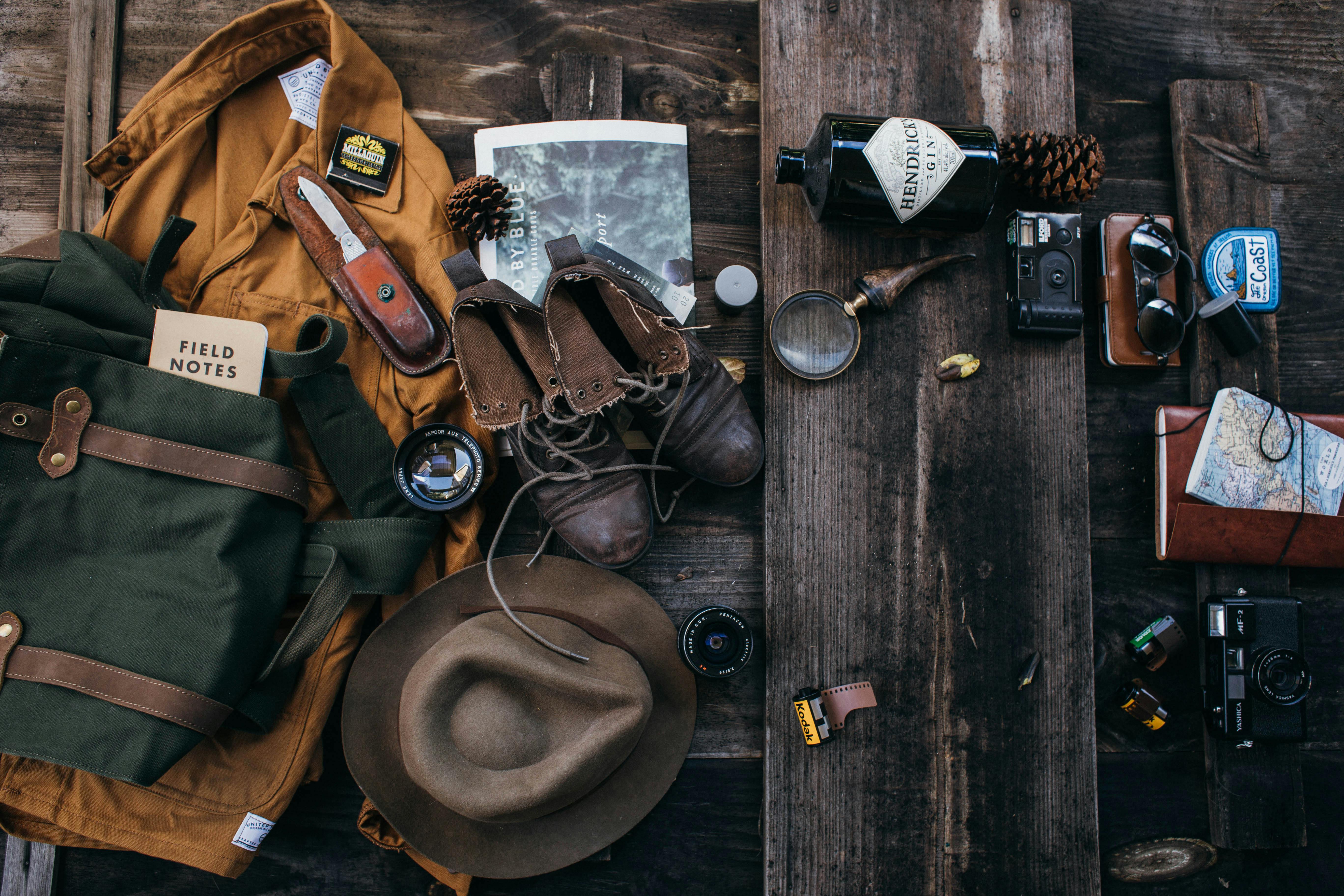
Social media often rewards a campsite that looks beautifully arranged. Blankets are fluffed, axes are posed, mugs are set just so, and every item reads well on camera. Ex-military campers usually organize around access, accountability, and fast movement.
That means essential gear is placed where it can be reached in the dark or under stress. Items are grouped by function, packed consistently, and returned to the same place every time. It is less about style than about not fumbling when conditions change.
To some people, that looks severe. To others, it looks like experience. Either way, it reflects habit built around consequences, not presentation.
They build with movement in mind
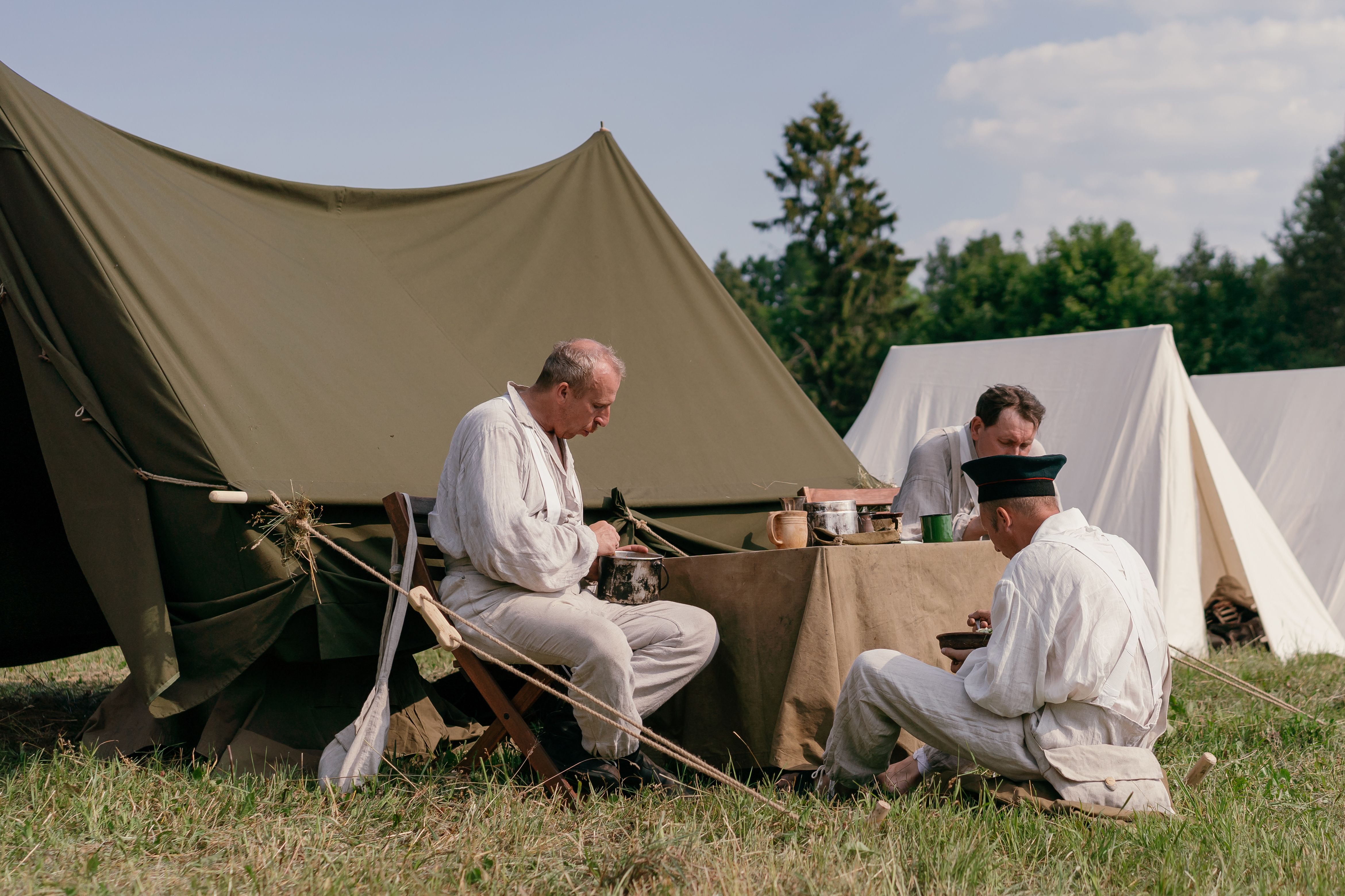
A casual camper may settle in as if camp is a temporary backyard. Ex-military survivalists often assume that plans can change quickly. Weather can shift, people can appear, terrain can prove worse at night, or a site can simply stop feeling safe.
Because of that, camp is often built for teardown as much as for comfort. Lines are simple, clutter is minimized, and important items stay packed or half-ready instead of being fully spread out across the site.
This approach can seem restless compared with leisurely outdoor content. But it gives the camp a kind of readiness that becomes valuable the moment a quiet evening stops being quiet.
They think in layers of security
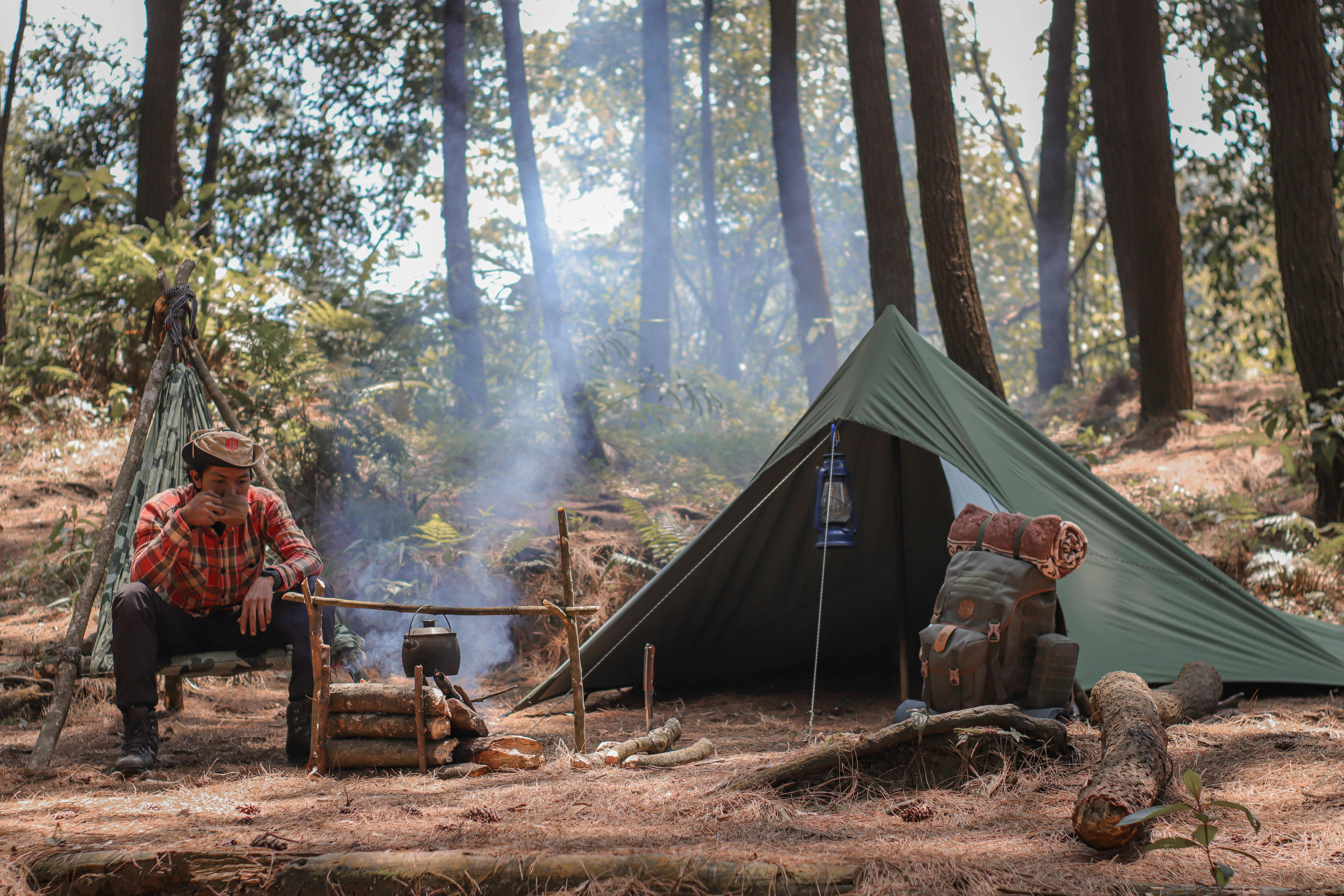
On YouTube, campsite security is often treated casually, if it is mentioned at all. Ex-military survivalists are more likely to think in overlapping layers: sightlines, noise discipline, where equipment sits, how a person would enter the area, and what warnings exist before direct contact.
Even in a non-combat outdoor context, that mindset shapes the whole camp. Sleeping position, gear placement, and route awareness are chosen to reduce surprise and buy time.
It is not paranoia so much as pattern recognition. People with that background are trained to ask what could go wrong and how early they can know about it.
They manage noise and light like resources
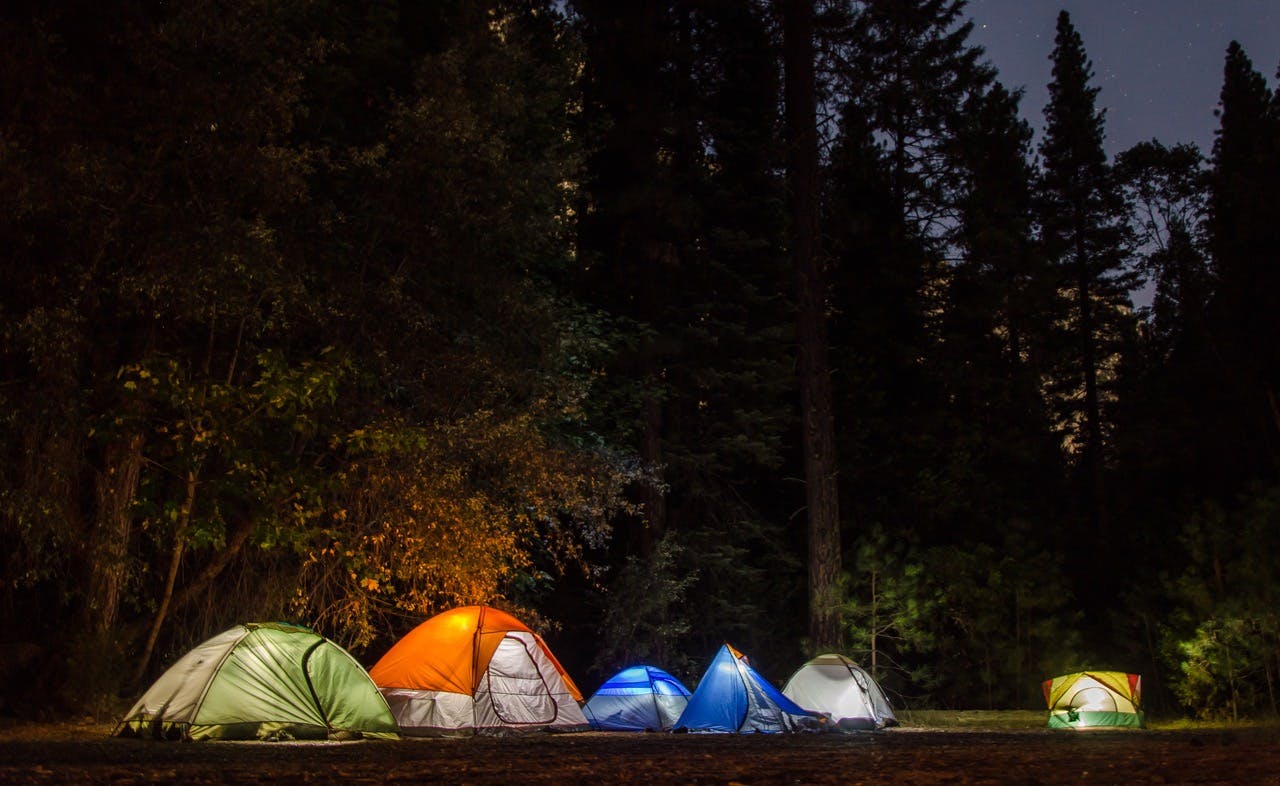
Many people think of noise and light as byproducts of camping. A speaker comes out, a bright lantern glows, someone talks loudly across camp, and the evening unfolds. Ex-military survivalists often treat both as resources that must be controlled.
Voices stay lower. Light is directed downward, blocked, dimmed, or used briefly. Even simple habits like zipper use, metal-on-metal contact, and where tools are set down can become part of a quieter system.
That restraint can make camp feel unusually calm. It also makes it harder for anyone outside the area to detect exactly where people are and what they are doing.
They stay disciplined about routine
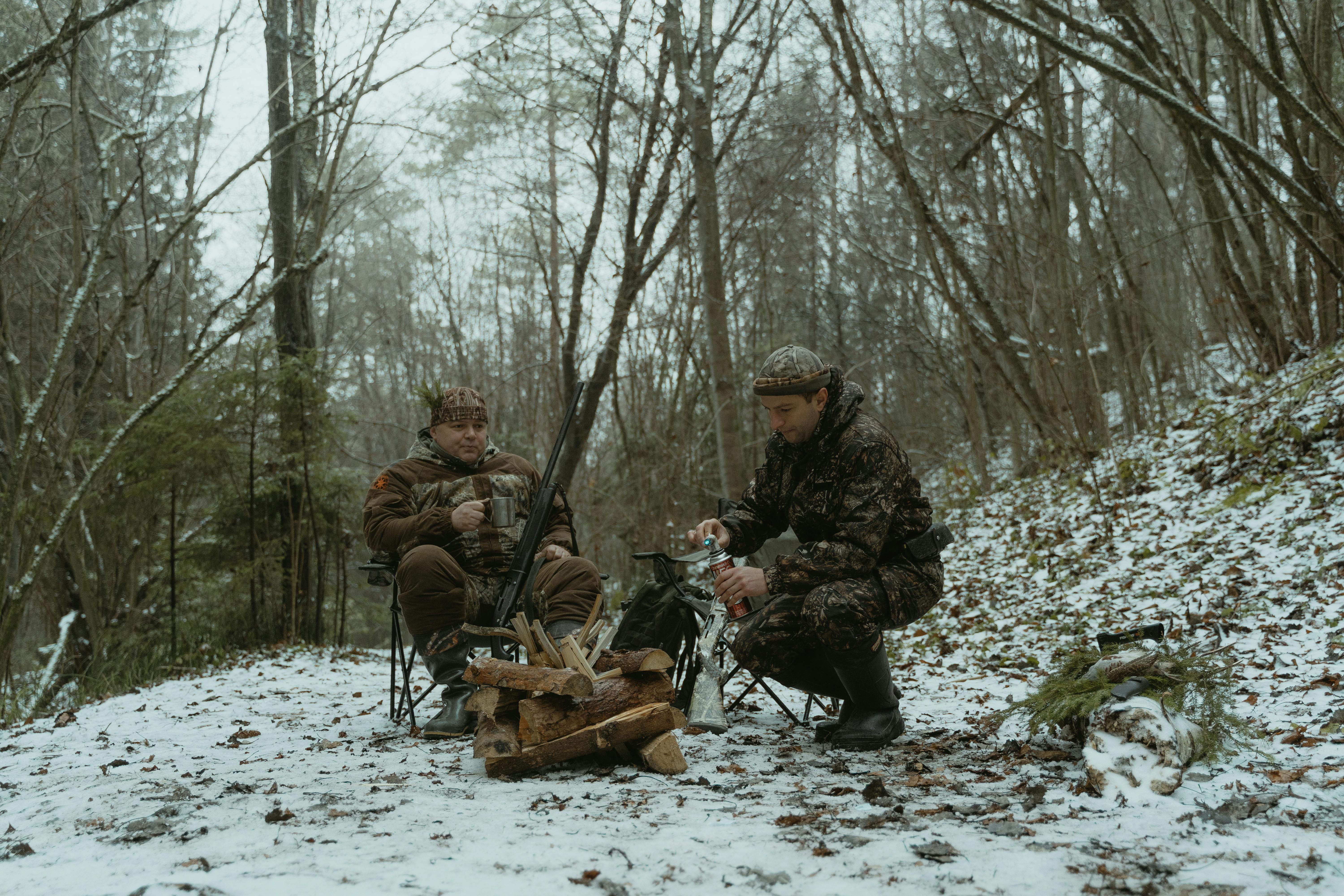
One of the biggest differences is not a tool or a shelter design. It is routine. Ex-military survivalists tend to repeat tasks the same way every time, from setup order to water handling to where boots, lights, and outer layers are placed before sleep.
That kind of consistency reduces mistakes when people are tired, cold, wet, or rushed. It also makes camp easier to manage because nothing depends on improvisation at the end of a long day.
To viewers, routine is not always exciting content. But in real outdoor conditions, boring habits are often the ones that prevent small problems from turning into miserable or dangerous ones.
They treat camp as part of a larger plan
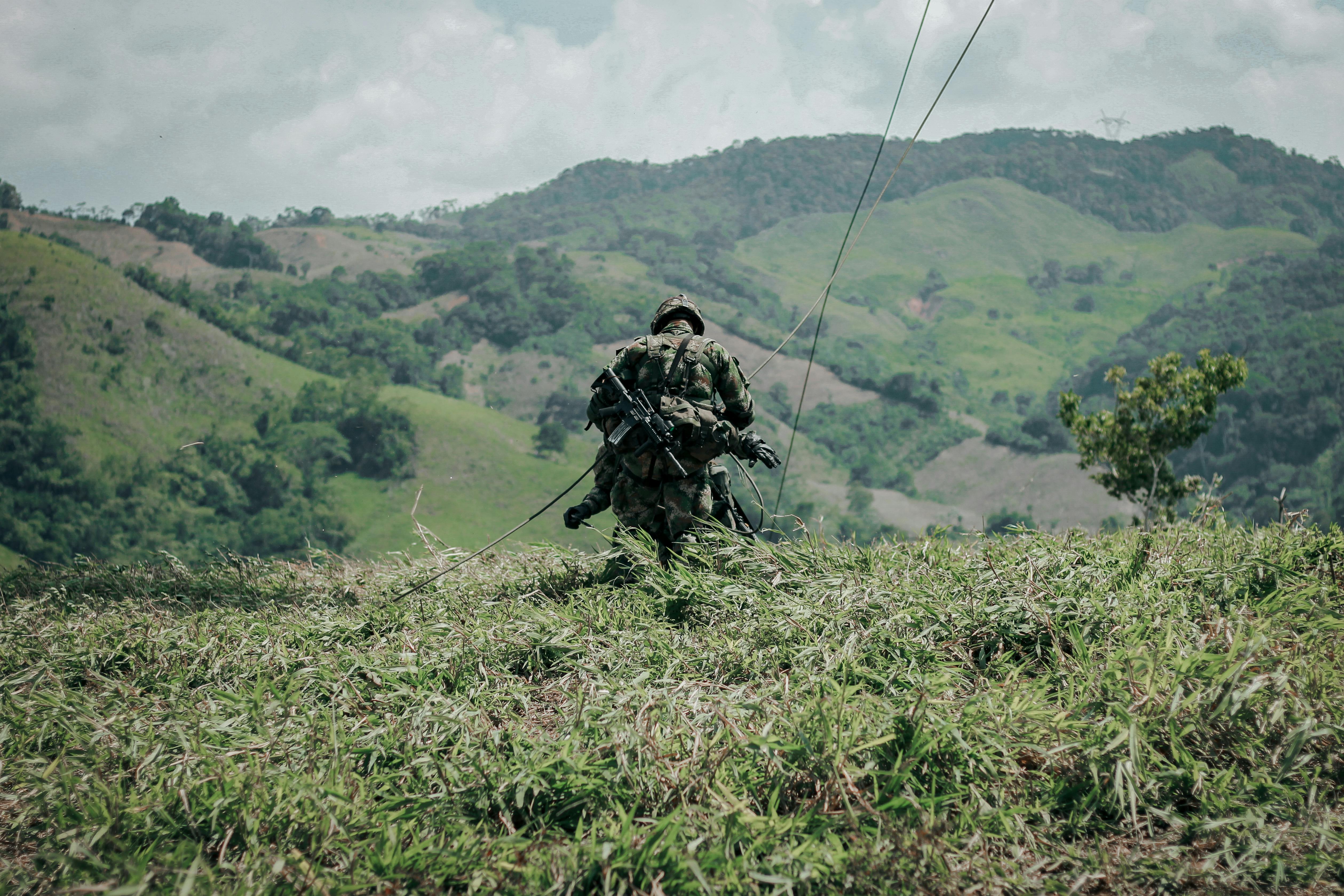
Perhaps the biggest shift is philosophical. Many campers see camp as the destination, the main event, the place where the experience happens. Ex-military survivalists are more likely to see camp as one component in a larger plan that includes movement, water, observation, rest, and next steps.
That mindset changes everything. The camp does not need to impress anyone. It needs to support the mission, whether that mission is staying dry, conserving energy, avoiding attention, or being ready to move at first light.
Once you understand that, the differences make perfect sense. Their camps are not less thoughtful than what you see online. They are just solving a completely different problem.