Fishing success often comes down to one key choice: using the right bait. While skill and patience matter, matching your bait to the fish you’re after makes the difference between a slow day and a full cooler. From learning fish behavior to considering water conditions, these steps guide you toward picking the perfect bait for any fishing trip, giving you confidence no matter where you cast your line.
Know Your Target Fish
The first step in choosing bait is knowing exactly what species you want to catch. Different fish respond to different food sources, so bass will prefer something entirely different than trout or catfish. Doing a bit of research on their natural diets helps you select bait that mimics what they eat most often in the wild.
Match the Local Prey
Fish are more likely to bite on bait that resembles what they see in their environment. Look for insects, minnows, or crustaceans around the water, and pick bait that matches. By choosing what the fish are already feeding on, you increase your chances of hooking one because the bait feels natural and familiar.
Pay Attention to Water Temperature
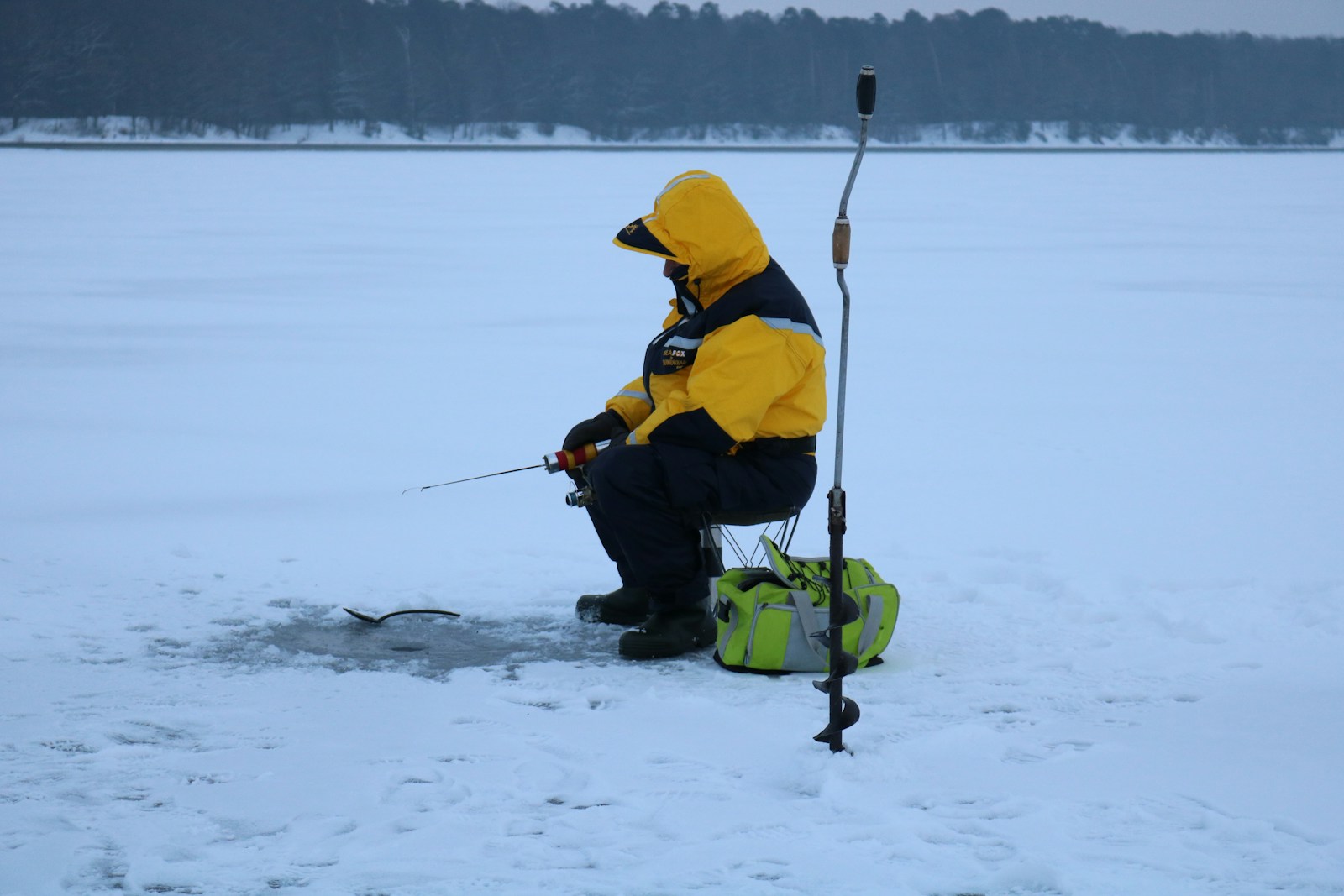
Fish behavior changes with water temperature, which affects their appetite and movement. In colder water, they are less active and prefer slower, smaller bait. In warmer water, they feed more aggressively, making larger or faster-moving bait effective. Adjusting your choice to the season keeps your bait aligned with their energy levels.
Consider Water Clarity
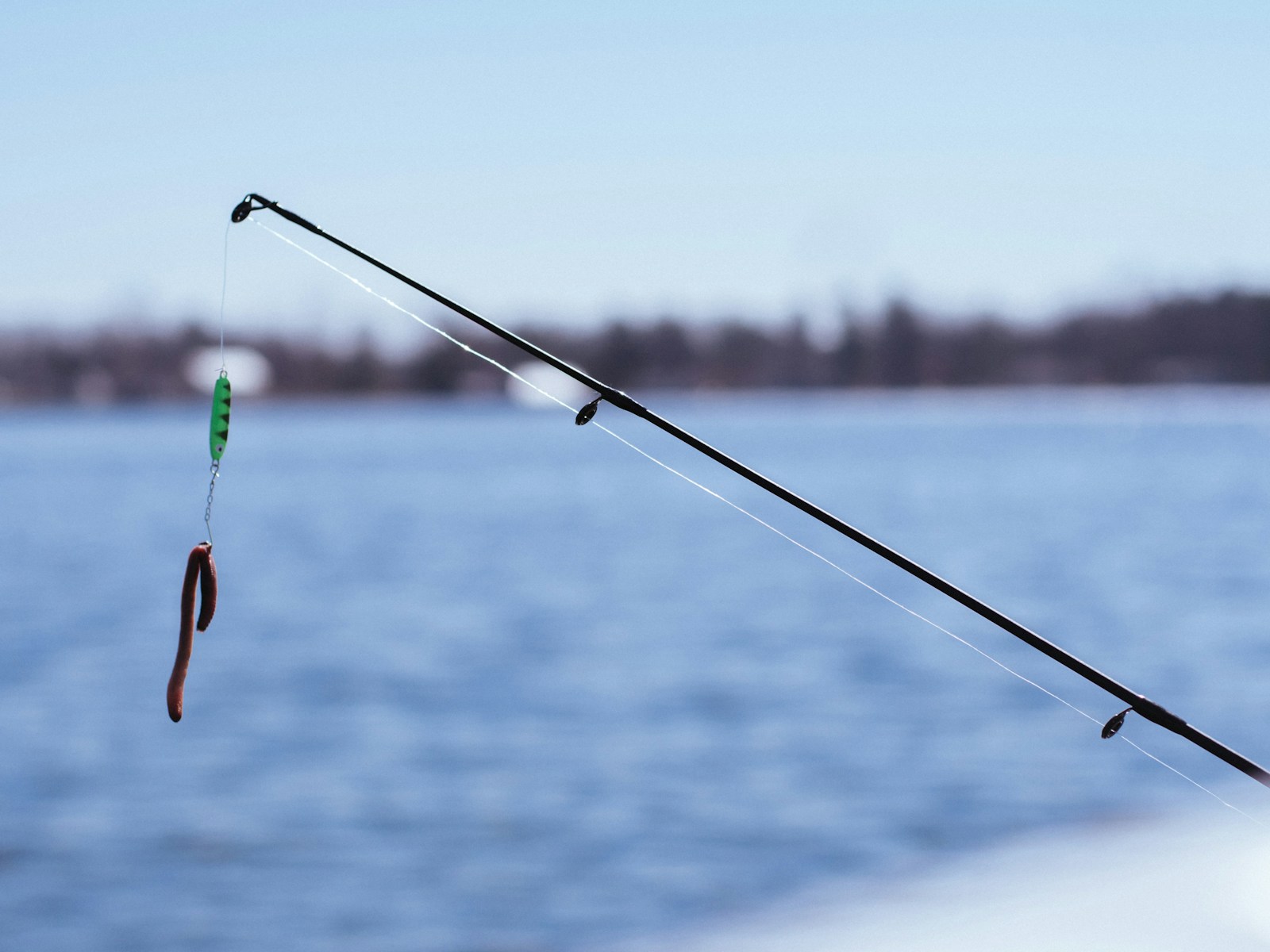
Clear water requires bait that looks and acts natural since fish can see well. In murky water, scent and vibration become more important, so strong-smelling live bait or lures with bright colors can stand out. By matching your bait to visibility, you make it easier for fish to find and trust it.
Use Live Bait When Possible
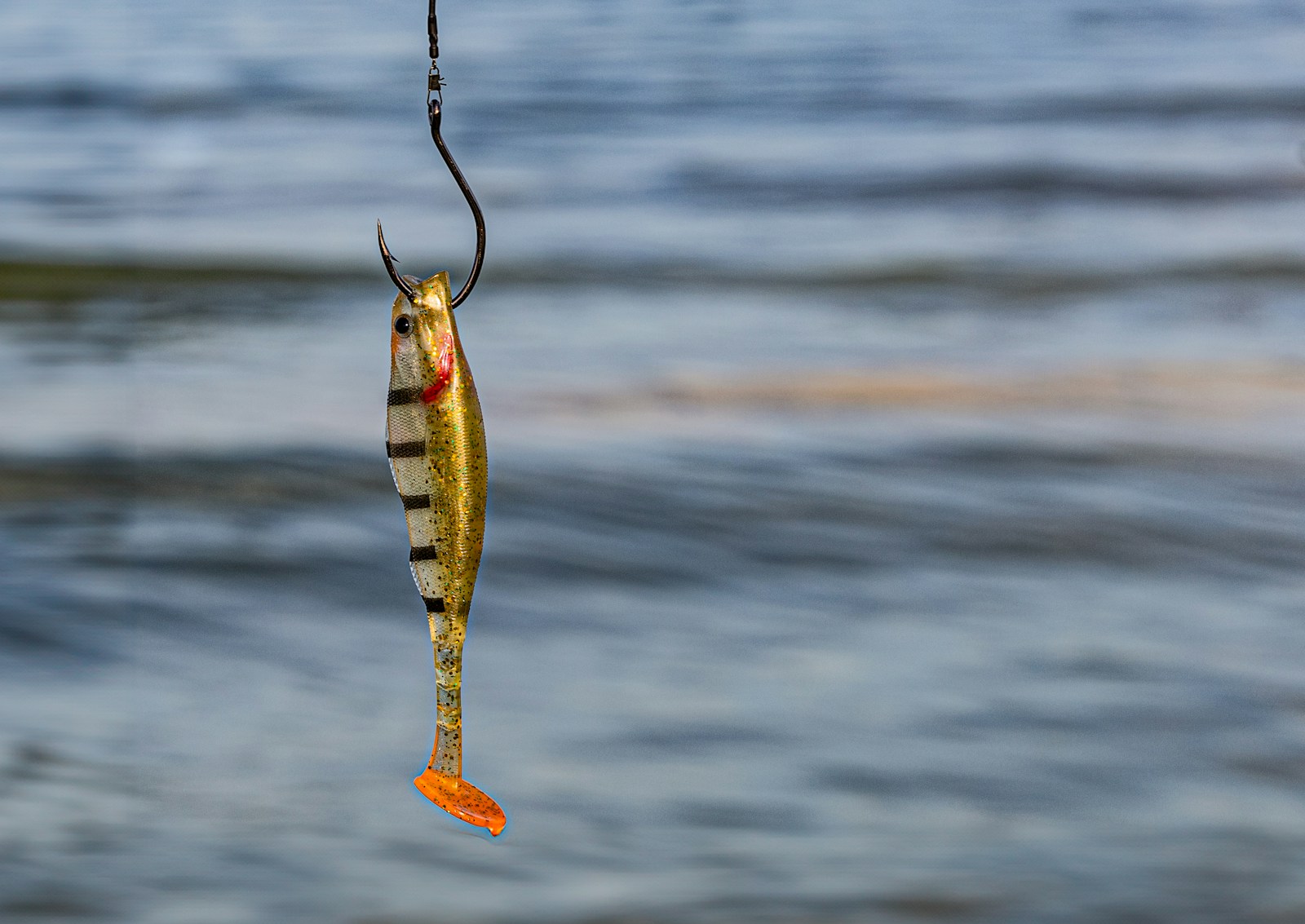
Live bait such as worms, minnows, and crickets often provides the most reliable results. The movement and scent of live organisms are hard for fish to resist. While artificial lures can work well, nothing beats the authenticity of live bait for attracting fish that are picky or heavily pressured in popular waters.
Adapt to Depth and Location

Fish at different depths prefer different bait presentations. Bottom-feeders like catfish respond well to stink bait or cut bait, while fish higher up may go for floating lures or insects. Think about whether you are fishing near the bottom, midwater, or surface, and select bait that works best in that layer.
Pay Attention to Time of Day
Morning and evening often bring more active feeding, which makes flashy lures or fast-moving bait effective. Midday, when the sun is high, fish can be sluggish and prefer slower presentations. By timing your bait choice with their feeding cycles, you increase your chance of tempting them into a strike.
Match Bait Size to Fish Size
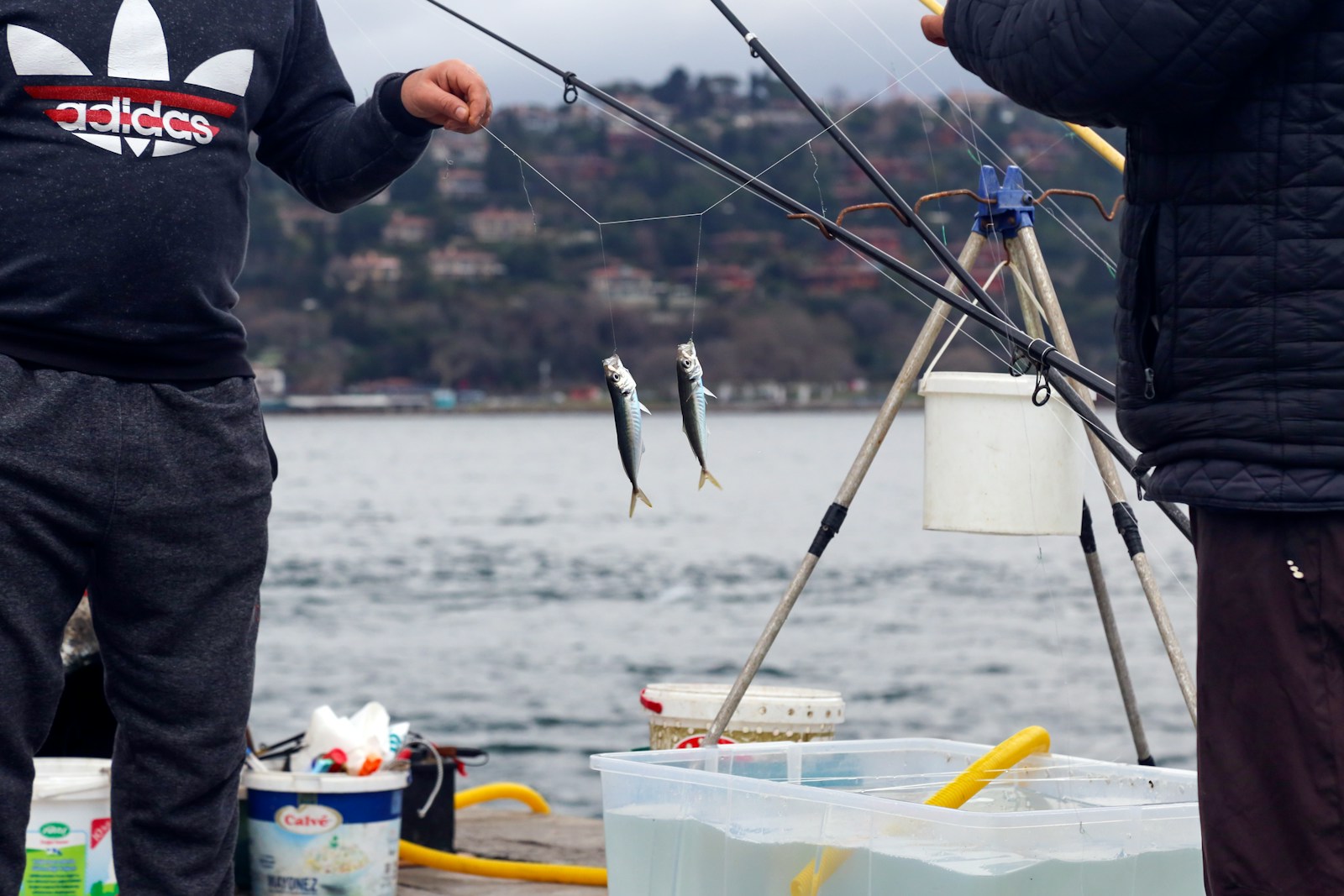
Smaller fish have smaller mouths and prefer small bait, while larger fish need bigger, more substantial offerings. Oversized bait can intimidate smaller species, while tiny bait might not interest a trophy catch. By considering the size of the fish you expect to catch, you can make smarter bait choices.
Experiment and Adjust
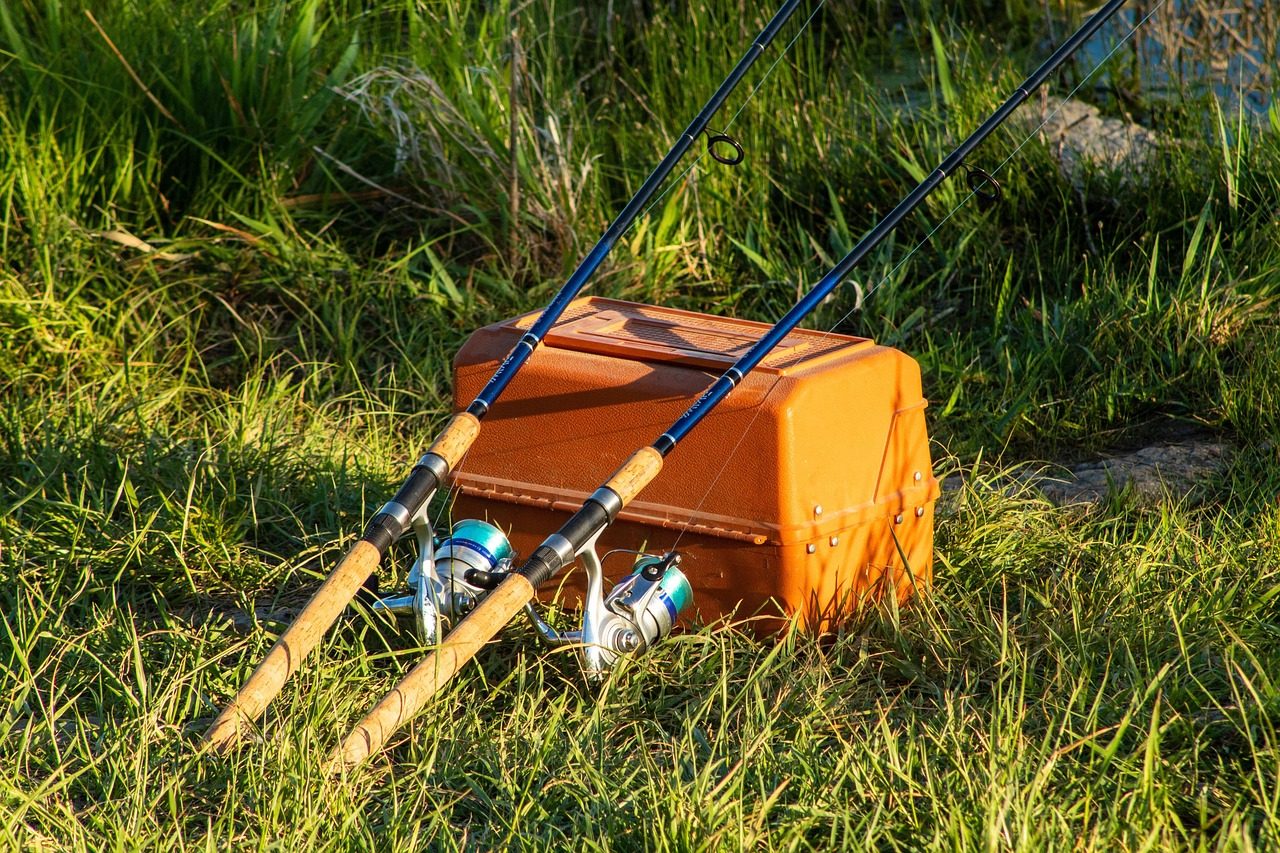
Even with research and preparation, sometimes fish will surprise you. If one type of bait is not working, don’t hesitate to switch to something different. Carrying a variety of options, both live and artificial, allows you to adjust quickly and figure out what the fish are biting that day.
Learn From Local Anglers

The best way to get bait advice is from people who fish the same waters regularly. Local anglers often know what works best for that lake or river during the current season. Talking to them or checking local bait shops gives you insider knowledge that can save time and improve your chances of success.