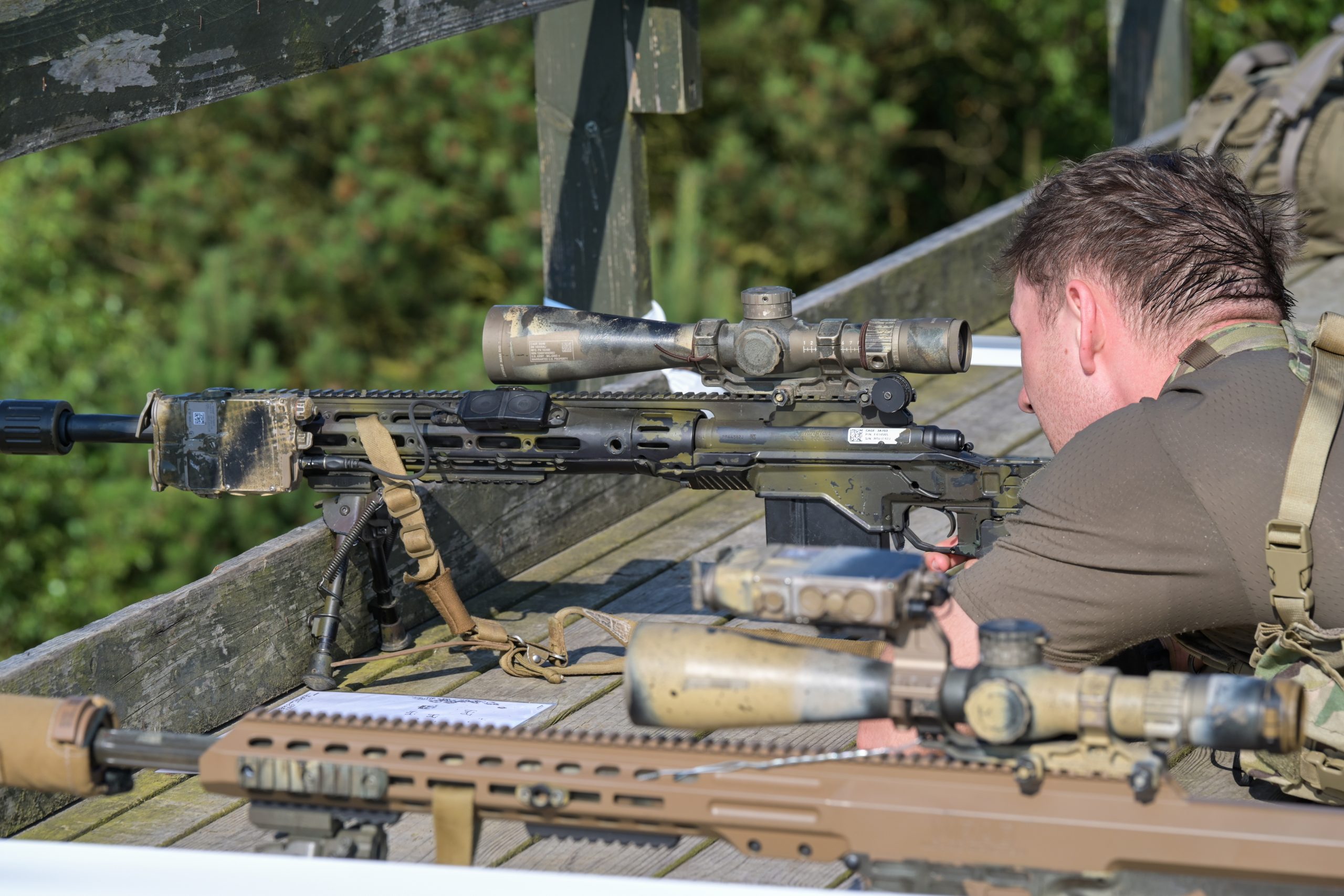
Competition firearms can contain everything from ordinary sights and grips to components that federal law treats as firearms themselves. That distinction becomes especially important when a race gun, replacement component, or ammunition order crosses a state boundary. Federal rules generally prohibit direct interstate transfers of firearms to unlicensed residents, while state laws and carrier policies can add their own restrictions.
1. Serialized Frames and Receivers
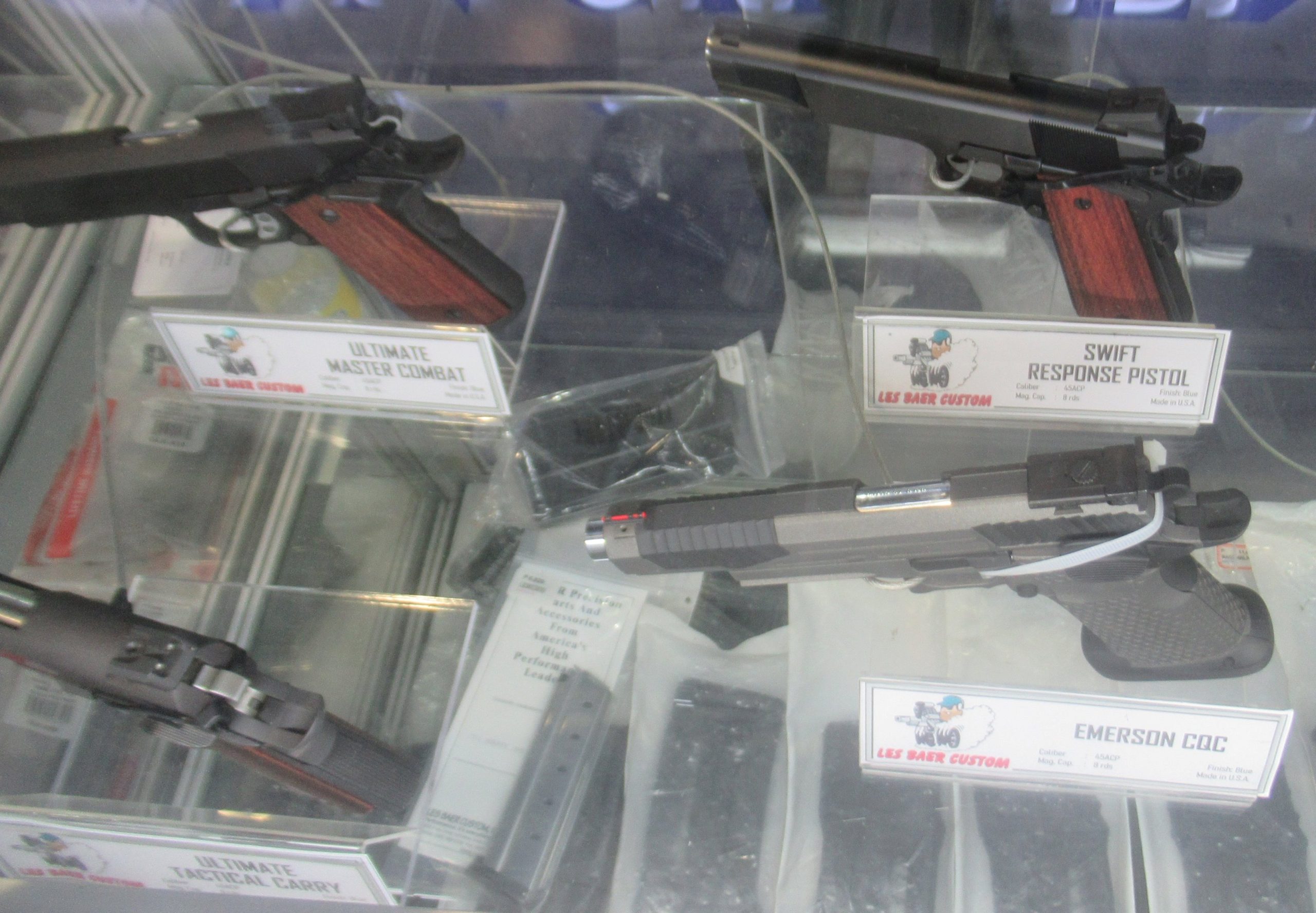
The most important distinction is the frame or receiver. A race pistol built around a serialized receiver can trigger federal firearm-transfer rules, even when every other component is simply a competition part. Under federal rules, an FFL generally cannot transfer a frame or receiver directly to an unlicensed buyer who lives in another state. The item may need to go through an FFL in the buyer’s state, while state law can add further limits. This is why a $300 replacement frame is not treated like an ordinary accessory. Always check the current destination-state rules before shipping.
2. Complete Competition Pistols
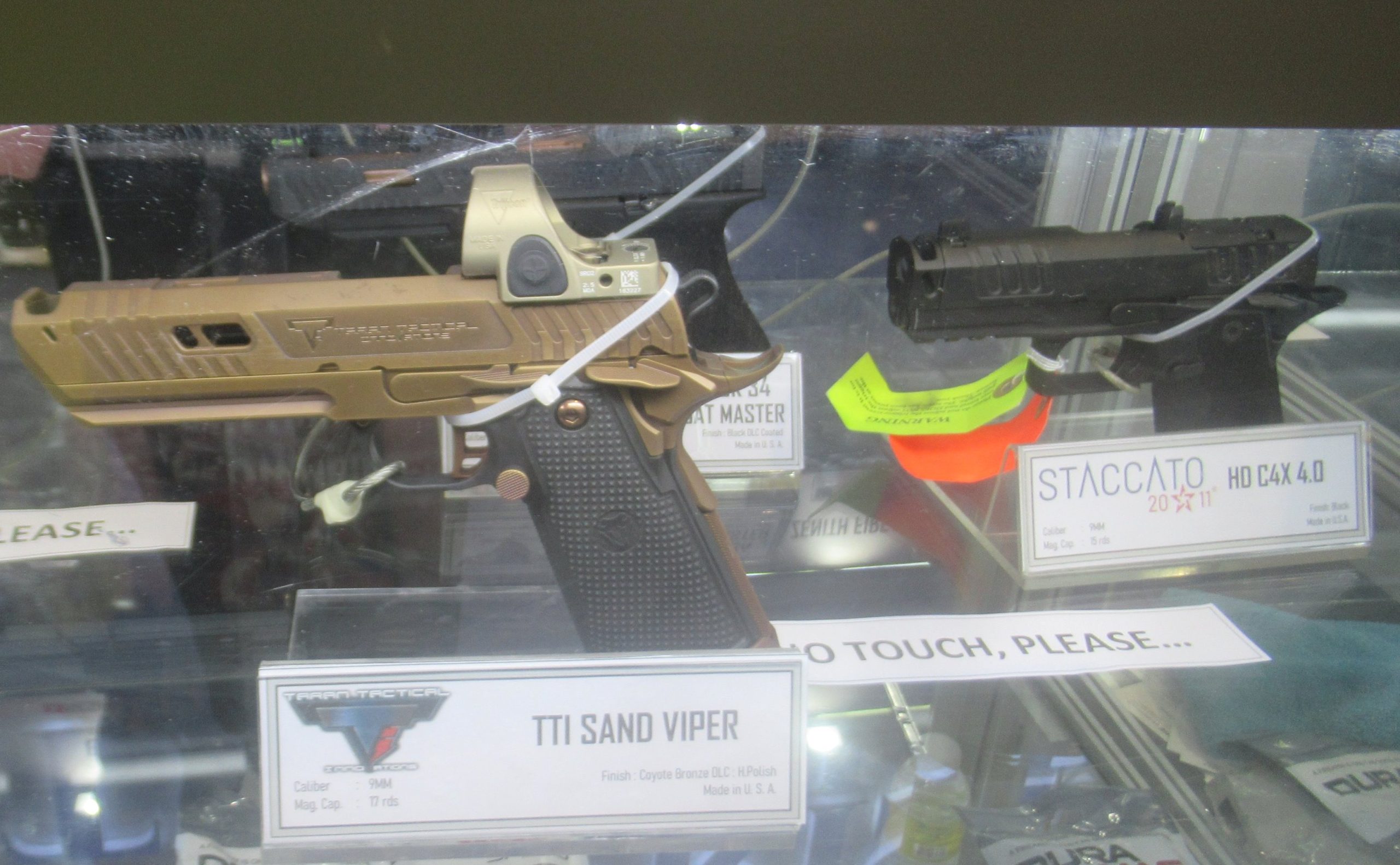
A complete competition pistol is not merely a collection of racing components in the eyes of federal law. Interstate transfers to an unlicensed resident generally have to be handled through an FFL in the recipient’s state, with the applicable federal and state requirements completed there. USPS also treats handguns differently from ordinary merchandise and generally does not allow nonlicensees to mail them. A $2,000 race pistol may therefore involve a licensed transfer route even when it is intended only for matches. Always check the current destination-state rules before shipping.
3. Regulated Frames Sold Separately
Buying only the serialized heart of a competition pistol does not necessarily make the transaction simpler. Federal rules treat a regulated frame or receiver as a firearm for transfer purposes, and the fact that it is unfinished as a competition build does not automatically remove that status. ATF guidance also distinguishes frames and receivers from complete rifles and shotguns when discussing interstate sales. For a race build worth $1,500, the legal classification of that single component can matter more than the price of the remaining parts.
4. NFA-Configured Race Guns
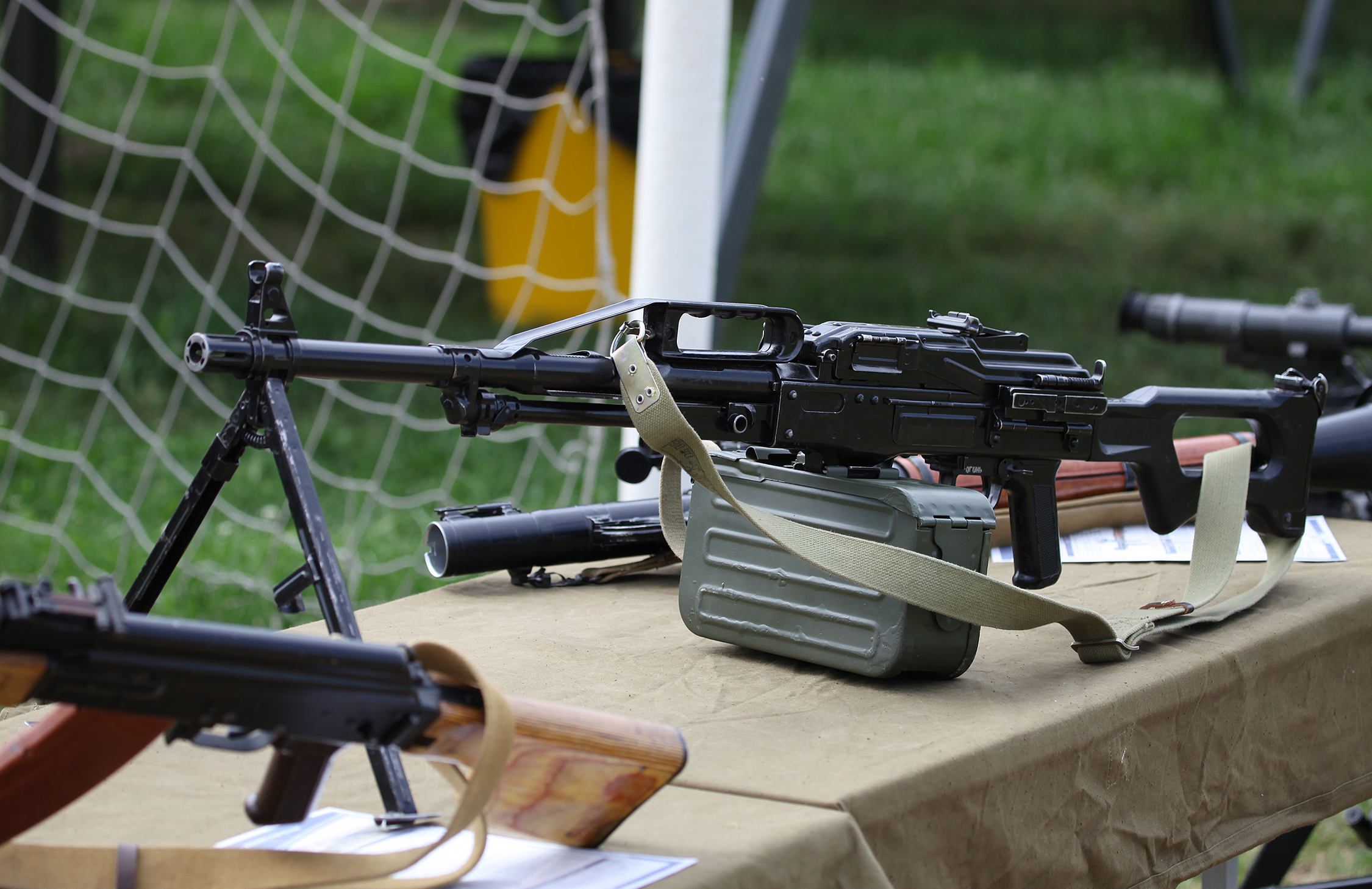
Some competition firearms can fall under the National Firearms Act rather than ordinary firearm rules. If a race gun is configured as a regulated NFA firearm, interstate movement may require additional federal compliance, including prior approval for certain permanent moves. That is separate from ordinary shipping rules and should never be assumed from the gun’s sporting purpose. A competitor traveling to 3 states for 4 matches should verify the firearm’s exact classification before moving it, rather than treating it like standard match equipment.
5. Frames From Out-of-State Sellers
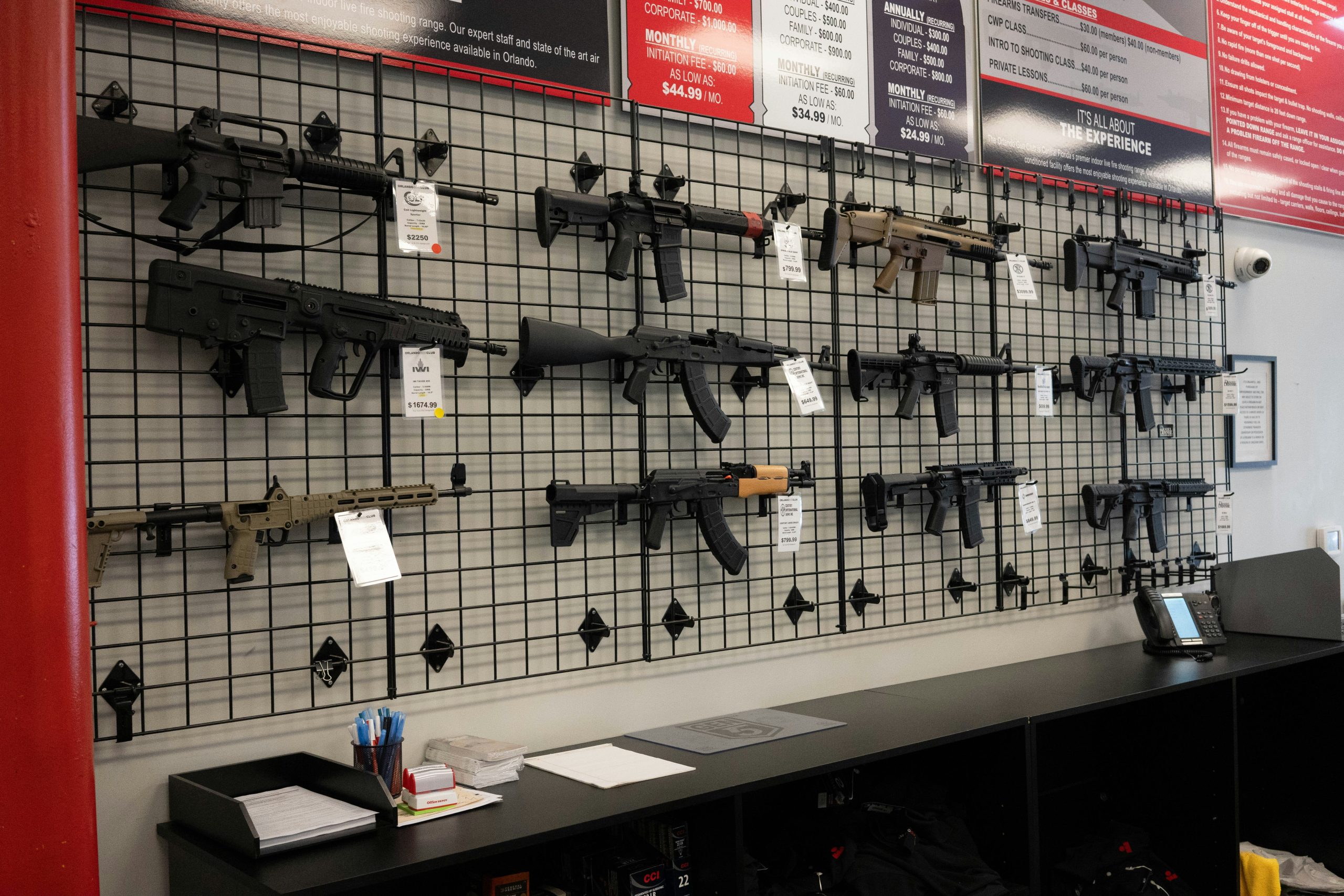
An out-of-state seller cannot simply treat a regulated frame like a trigger, grip, or sight. Federal rules generally prohibit an FFL from selling or delivering a frame or receiver directly to an unlicensed buyer who resides in another state. The distinction matters because some race pistols use modular frames that look like ordinary components to a casual buyer. If a frame is legally classified as a firearm, the transfer route changes. State law may impose additional requirements beyond the federal baseline. Always check the current destination-state rules before shipping.
6. Serialized Chassis Systems
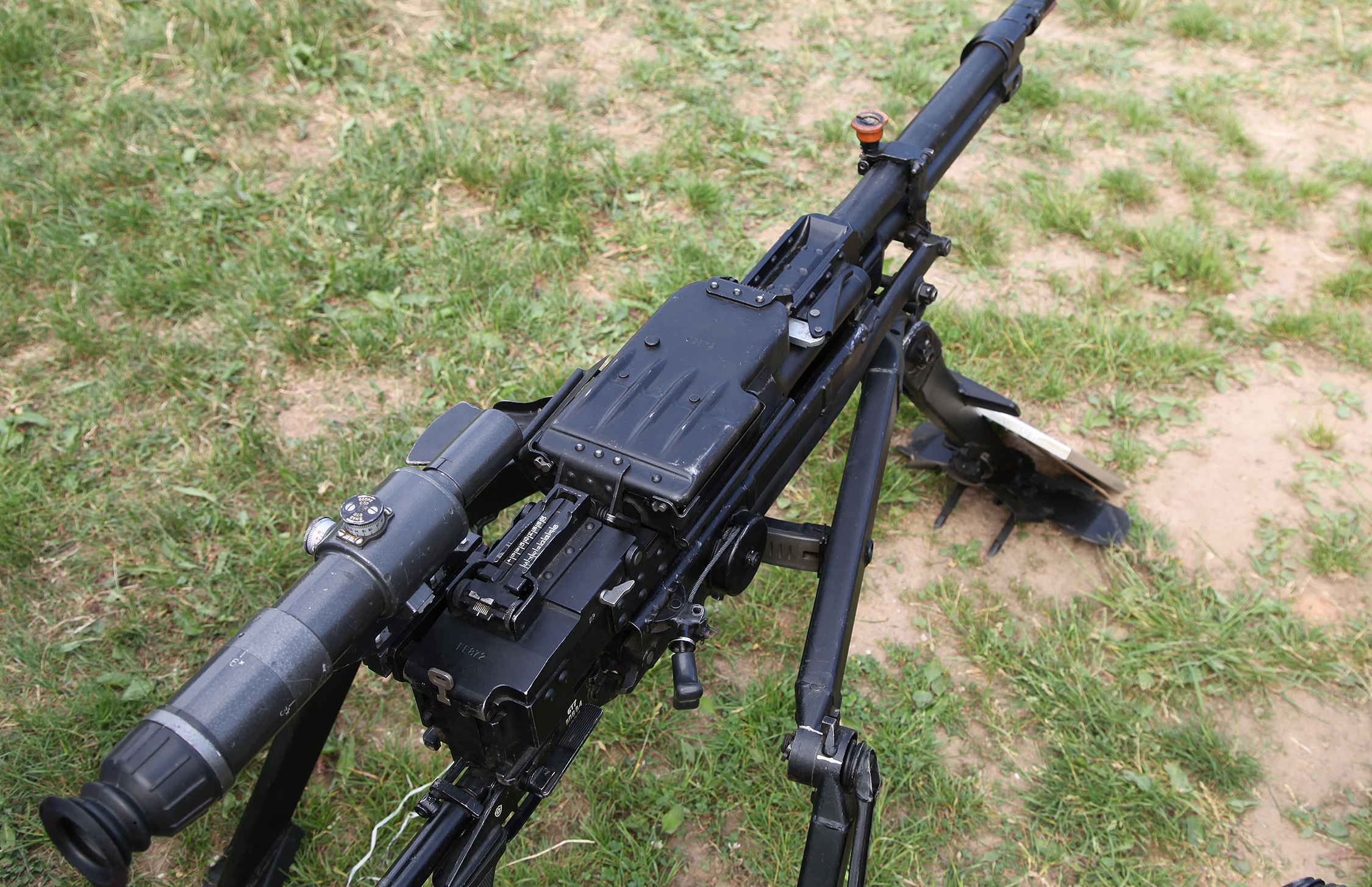
Modern competition designs sometimes use serialized chassis or receiver-like assemblies that can be legally significant. Whether a particular component is a firearm depends on its legal classification and the applicable federal rules, not simply on marketing language such as “chassis” or “competition module.” A $700 replacement assembly therefore deserves the same careful classification check as a conventional frame. When interstate shipping is involved, confirm the exact model and status with the manufacturer, an FFL, or qualified counsel before sending or receiving it.
7. Complete Race Rifles

A complete race rifle is different from a loose barrel, stock, optic, or brake. Federal law has specific interstate-transfer rules for firearms, while rifles and shotguns have limited exceptions that do not automatically apply to every configuration or state. An unlicensed buyer may face a licensed-transfer requirement depending on the transaction and destination. A $3,000 rifle may require more than ordinary parcel shipping. Carrier policies and state restrictions must also be checked before the firearm is tendered. Always check the current destination-state rules before shipping.
8. Ammunition With State Restrictions
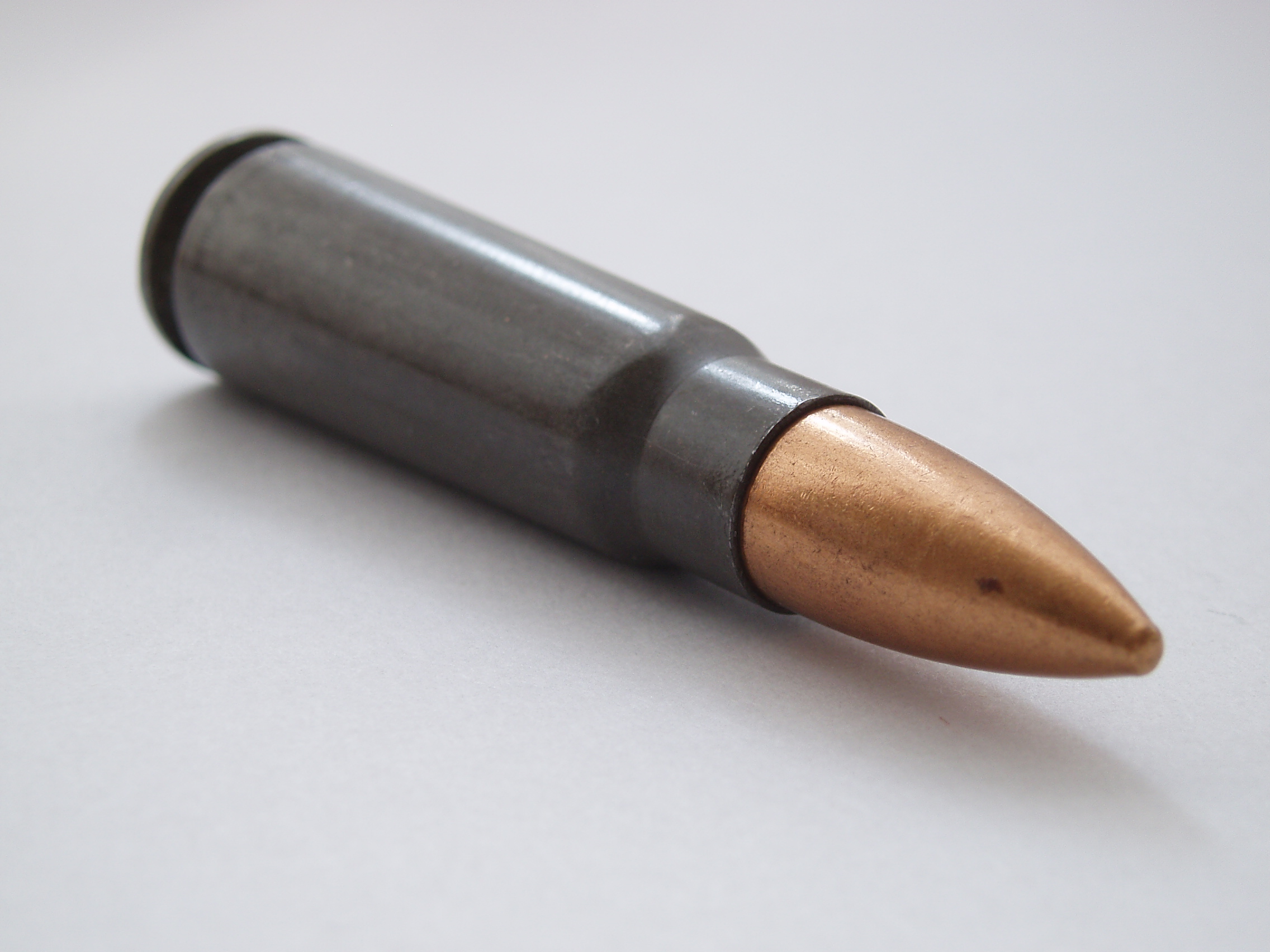
Ammunition is not a firearm frame or receiver, but it can still create interstate shipping problems. Federal, state, local, and carrier rules may all affect whether ammunition can be sent to a particular destination, who may receive it, and how it must be packaged. USPS rules also impose specific restrictions on ammunition. A competitor ordering 1,000 rounds for a match should therefore check the destination rules and carrier policy first, rather than assuming that ordinary ground shipping is automatically lawful. Always check the current destination-state rules before shipping.
9. Parts Banned by State Law

The biggest trap is assuming that federal law is the whole story. A component can be ordinary merchandise under federal rules yet restricted by the destination state or locality. Magazine capacity limits, particular configurations, and other state-specific rules can affect what a competition shooter may lawfully receive. A $100 accessory is not worth creating a legal problem over, especially when shipping crosses state lines. Before ordering, compare the exact part, destination, and current state rules, and keep the seller’s compliance policy in mind.