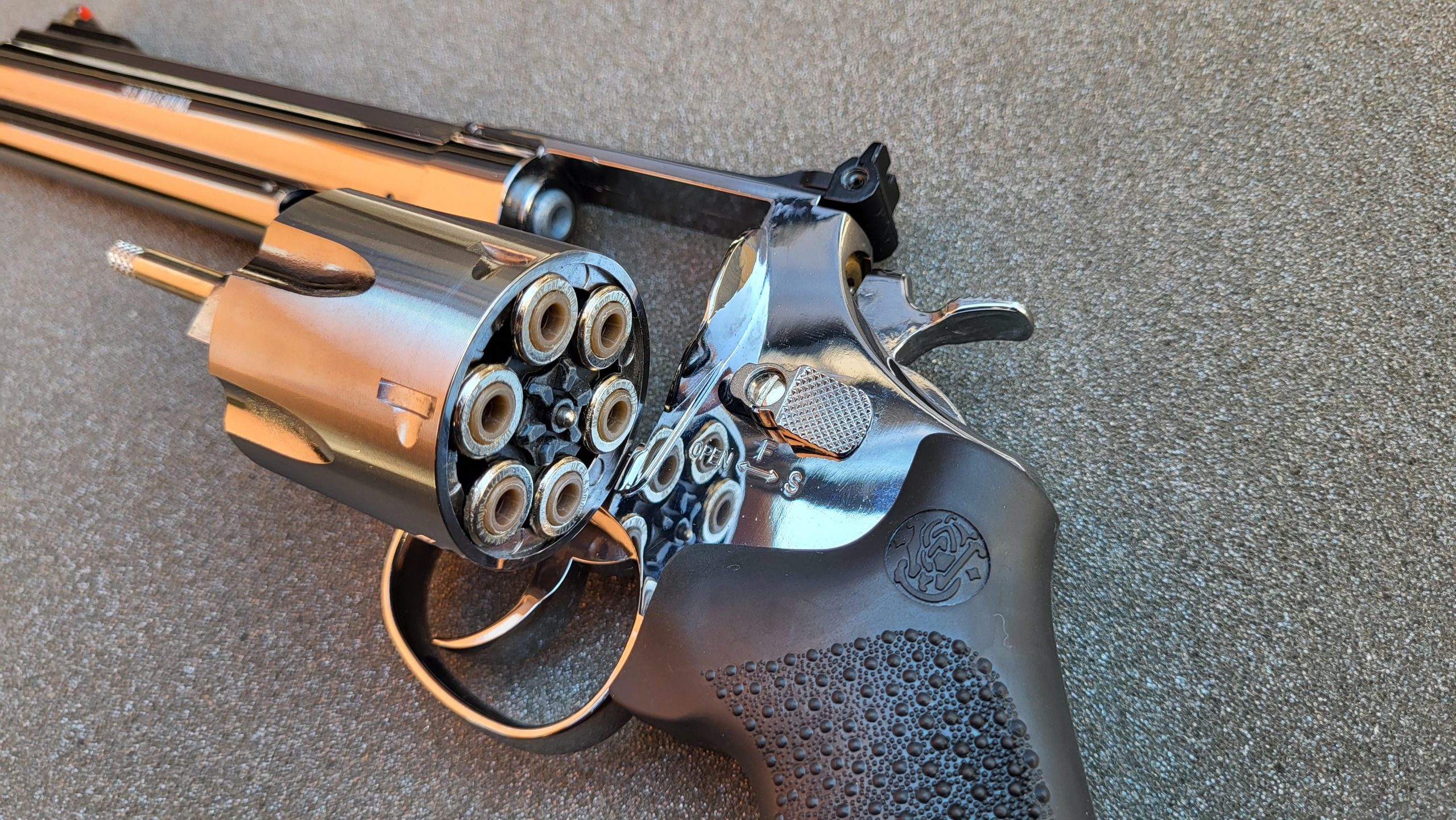
Handgun hunting has always attracted shooters willing to accept extra weight in exchange for strength, stability, and cartridge flexibility. Some of the most respected hunting handguns look excessive beside ordinary pistols, but their large frames and substantial construction serve a purpose. Models such as the Super Redhawk and Freedom Arms Model 83 were built around powerful cartridges and demanding field conditions, while the Contender took a different approach through interchangeable barrels. The following ten examples show why size and weight can become advantages when a handgun is designed specifically for hunting.
1. Ruger Super Redhawk
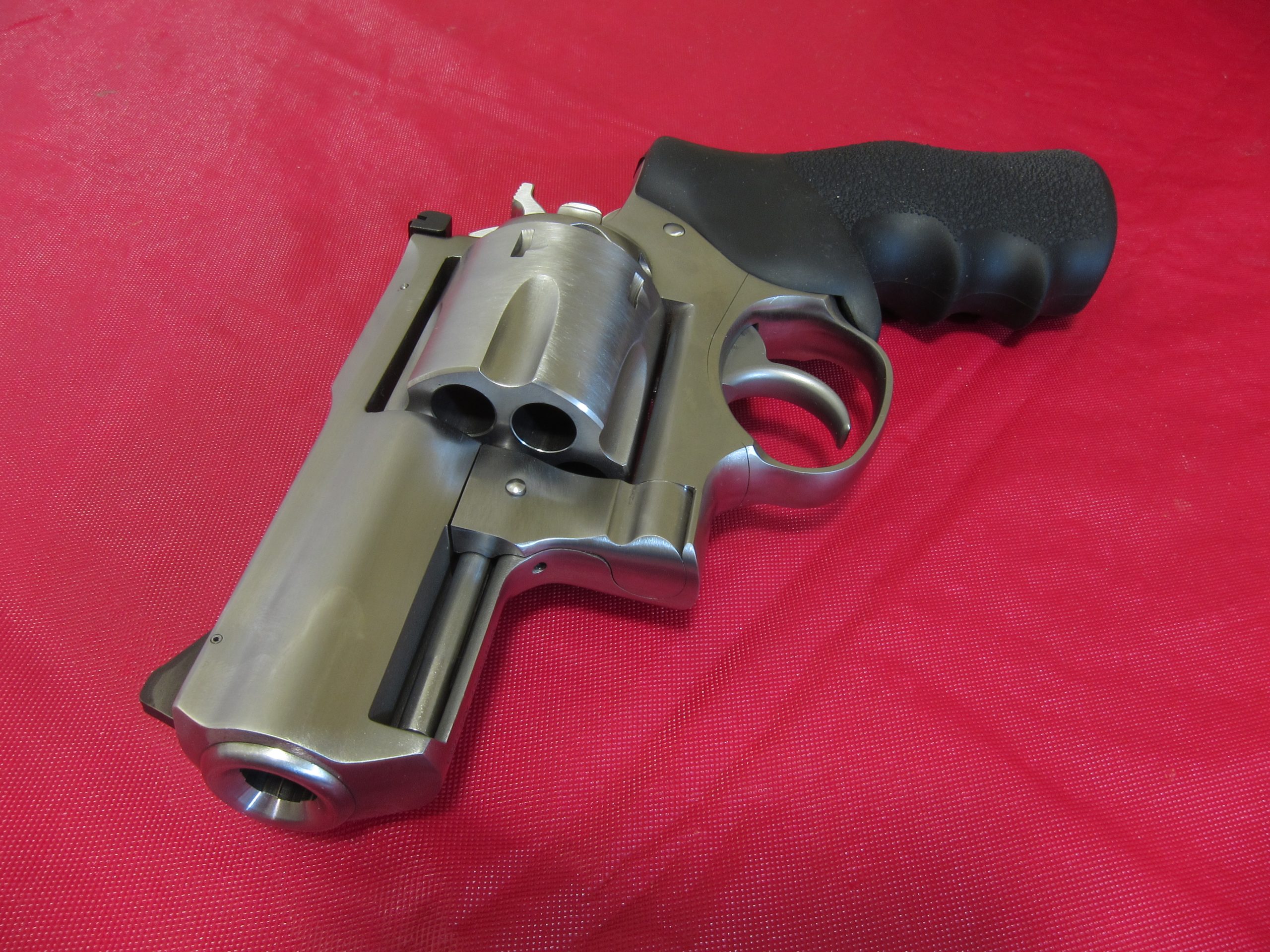
The Ruger Super Redhawk earned its reputation by combining a heavy frame, reinforced cylinder, and long-barrel configurations into a revolver built for demanding field use. Introduced in 1987, it has been offered in powerful chamberings including .44 Magnum, .454 Casull and .480 Ruger. Six-shot .44 Magnum versions with 7.5-inch or 9.5-inch barrels have been especially associated with hunting. Its weight can be a drawback for general carry, but that same mass helps make the platform steady and durable. For hunters, the appeal is less about raw power alone and more about a rugged handgun designed around accuracy, optics, and hard use.
2. Ruger Super Blackhawk
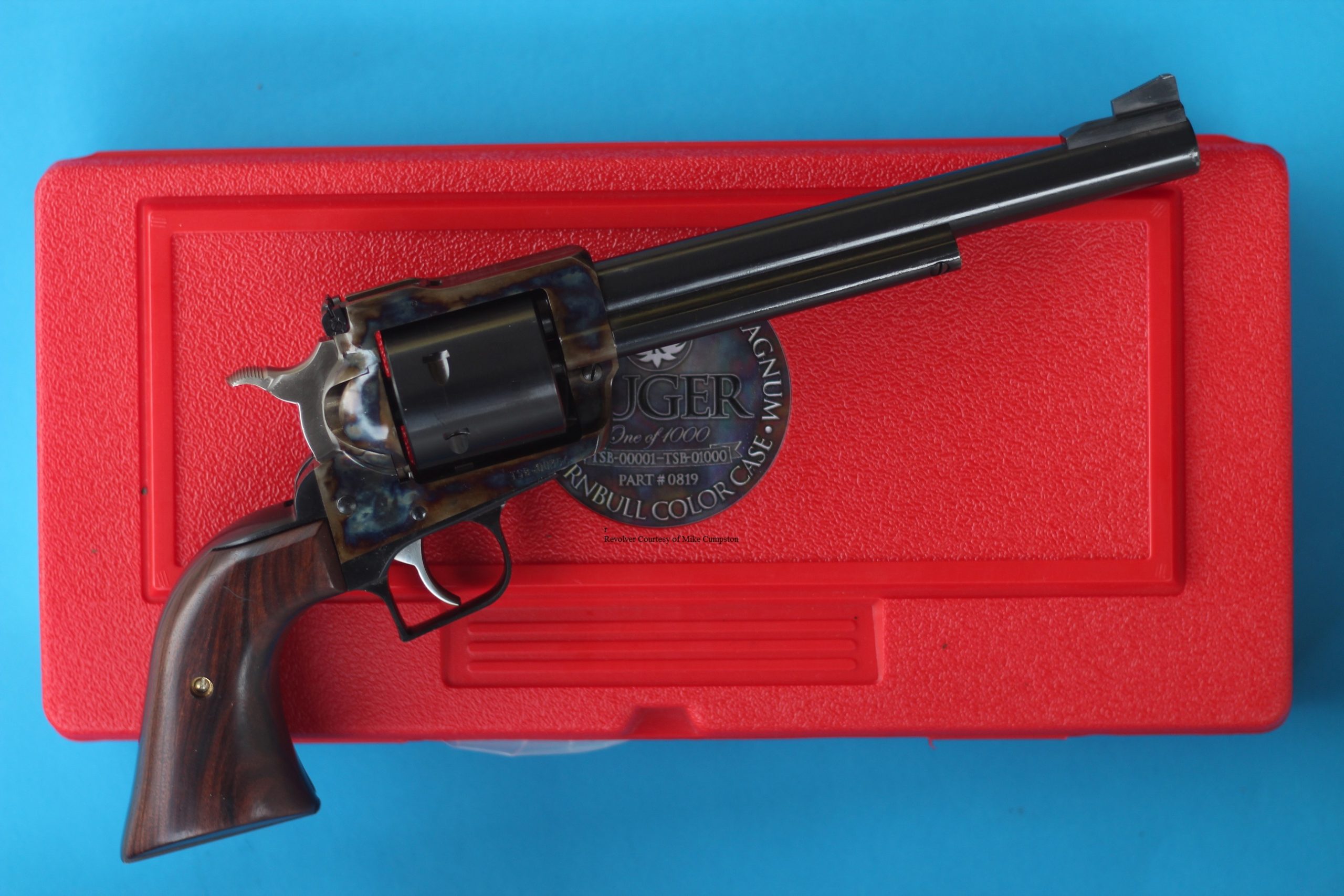
The Ruger Super Blackhawk is a single-action revolver that has remained relevant to hunters because its design puts strength and field simplicity ahead of compactness. Ruger introduced the Blackhawk family in 1955, and the Super Blackhawk followed as a heavier .44 Magnum-oriented variant. Common hunting versions have used 6.5-inch or longer barrels, while other configurations have appeared over the years. The single-action system requires deliberate operation, yet many hunters appreciate its straightforward layout and solid construction. Its long history also means older examples can differ noticeably in grips, sights, finishes, and barrel lengths.
3. Freedom Arms Model 83
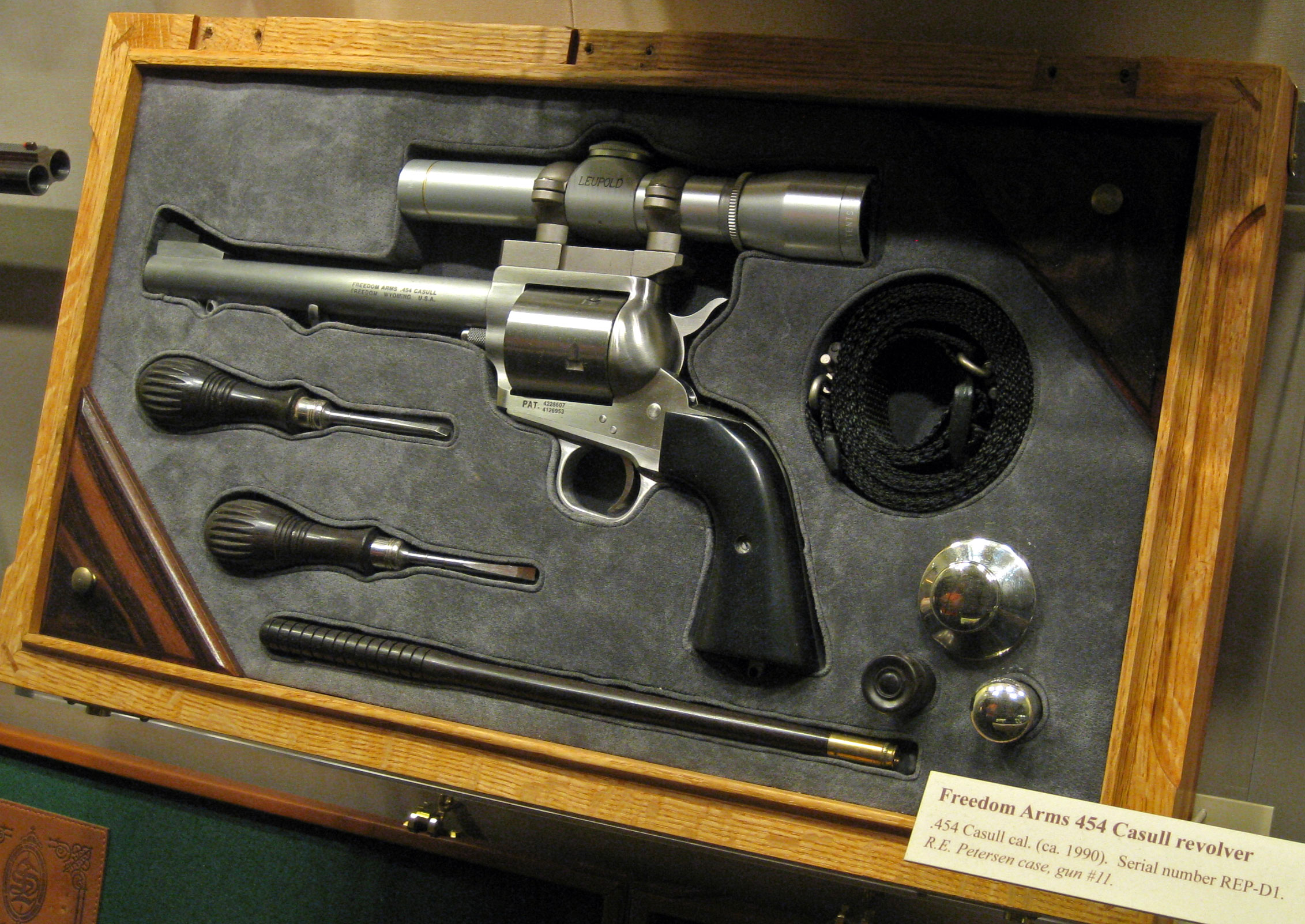
Freedom Arms built the Model 83 around the idea that a hunting revolver could combine premium construction with powerful cartridges. Introduced commercially in the 1980s, the five-shot revolver became closely associated with chamberings such as .454 Casull, .475 Linebaugh, and .500 Wyoming Express. Its compact cylinder and precise construction give it a distinctive place among serious hunting handguns. Barrel lengths and configurations vary, so two Model 83s can serve different roles. The pistol’s price and recoil make it specialized, but its reputation for accuracy and rugged construction has kept it relevant for decades. Its five-shot design is a defining feature.
4. Smith & Wesson Model 29
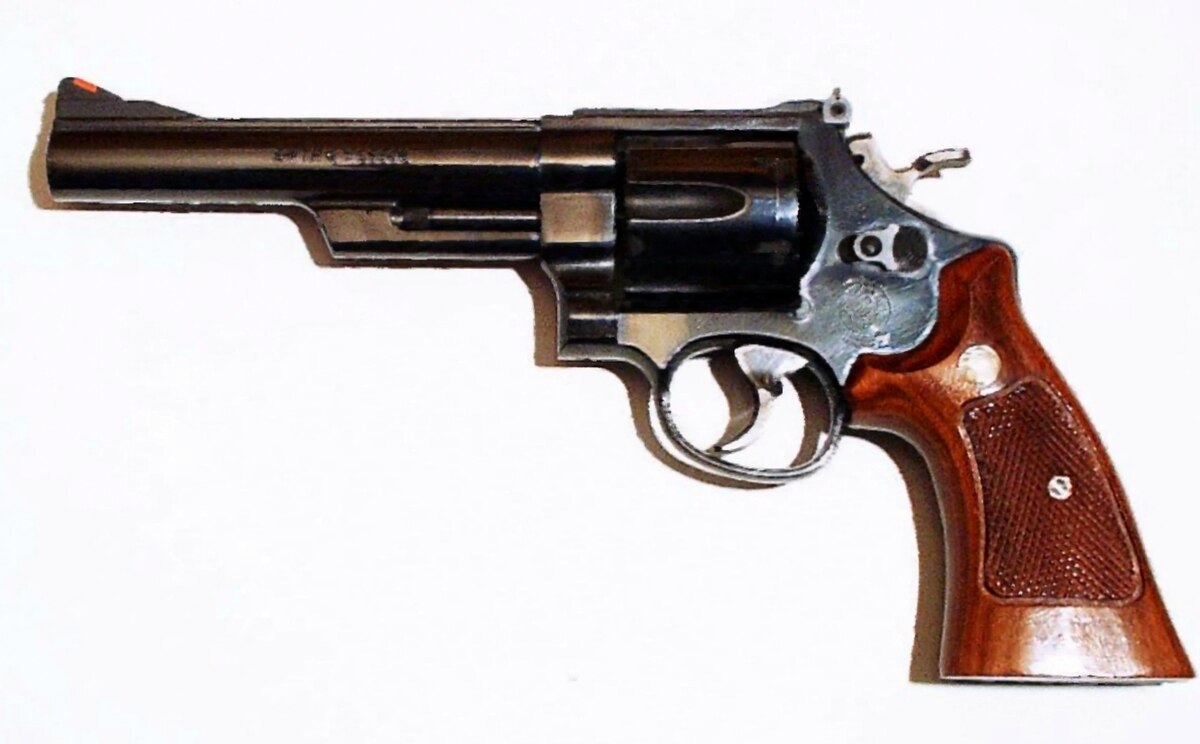
The Smith & Wesson Model 29 helped establish the .44 Magnum revolver as a serious hunting handgun rather than merely a novelty. Introduced in 1955, it has appeared with several barrel lengths and finishes, giving hunters plenty of historical configurations to encounter. Six-round cylinders and double-action operation remain central to the design. Earlier examples can also carry collector interest because production details changed over the decades. For hunting, longer barrels can provide a useful sight radius and handling characteristics, while the revolver’s substantial weight helps manage some of the cartridge’s recoil. Its long field reputation remains strong.
5. Smith & Wesson Model 629
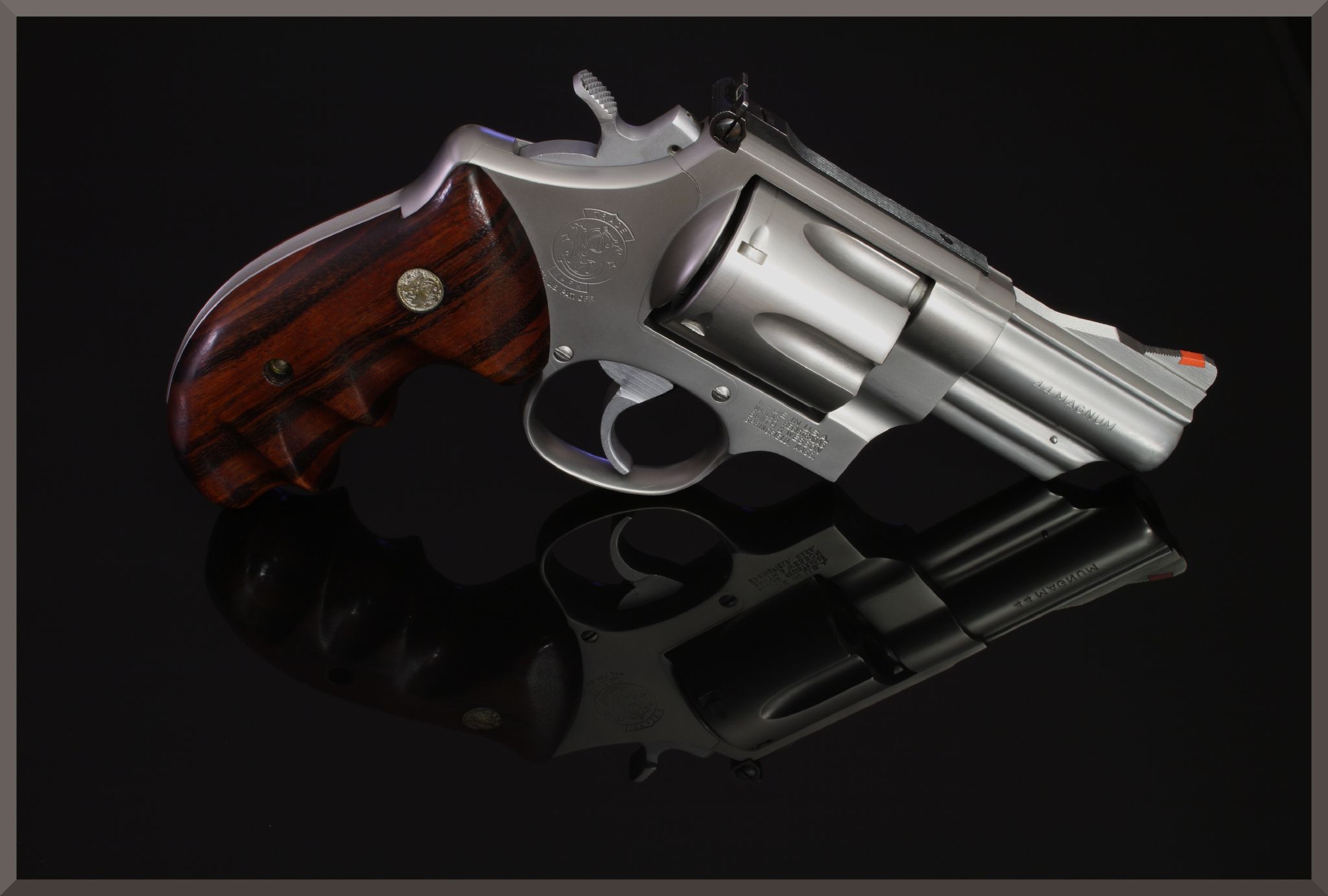
The stainless-steel Model 629 brought the familiar .44 Magnum hunting concept into a more weather-resistant package. Introduced in 1978, it shares the basic lineage of the Model 29 but uses stainless construction, making it particularly attractive for outdoor use where moisture and rough conditions are concerns. Six-shot cylinders and several barrel lengths have been offered, including long configurations intended for hunting. Performance depends heavily on ammunition and the individual firearm, but the platform has long been regarded as a practical big-bore hunting revolver. Its combination of durability, optics-ready variants, and familiar controls keeps it relevant.
6. Magnum Research BFR
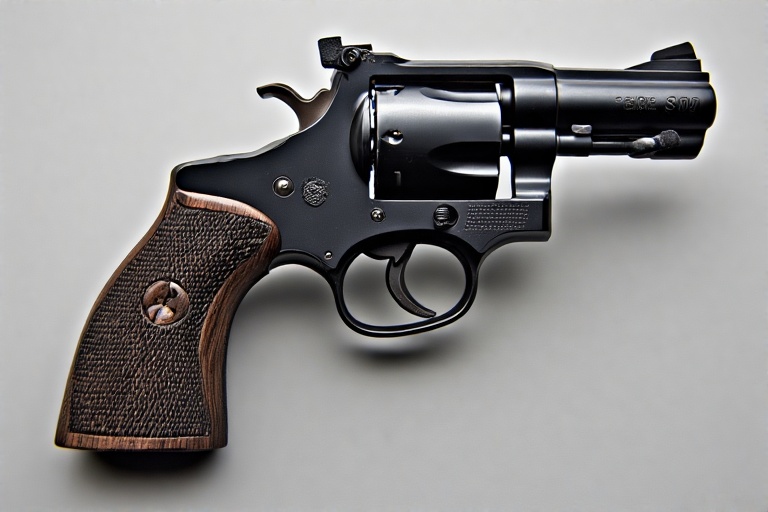
Magnum Research’s BFR takes the idea of an oversized hunting revolver to an extreme. The single-action platform has been chambered for powerful cartridges including .44 Magnum, .454 Casull, .45-70 Government, and other large-bore options depending on production period. Its large frame and substantial cylinder add considerable weight, but that bulk is part of the design rather than an accidental drawback. Barrel lengths and chamberings vary widely, so the exact model matters when evaluating one. Hunters interested in handgun hunting appreciate the BFR because it extends the cartridge choices available in a revolver-sized package. It remains a specialized hunting handgun.
7. Colt Anaconda
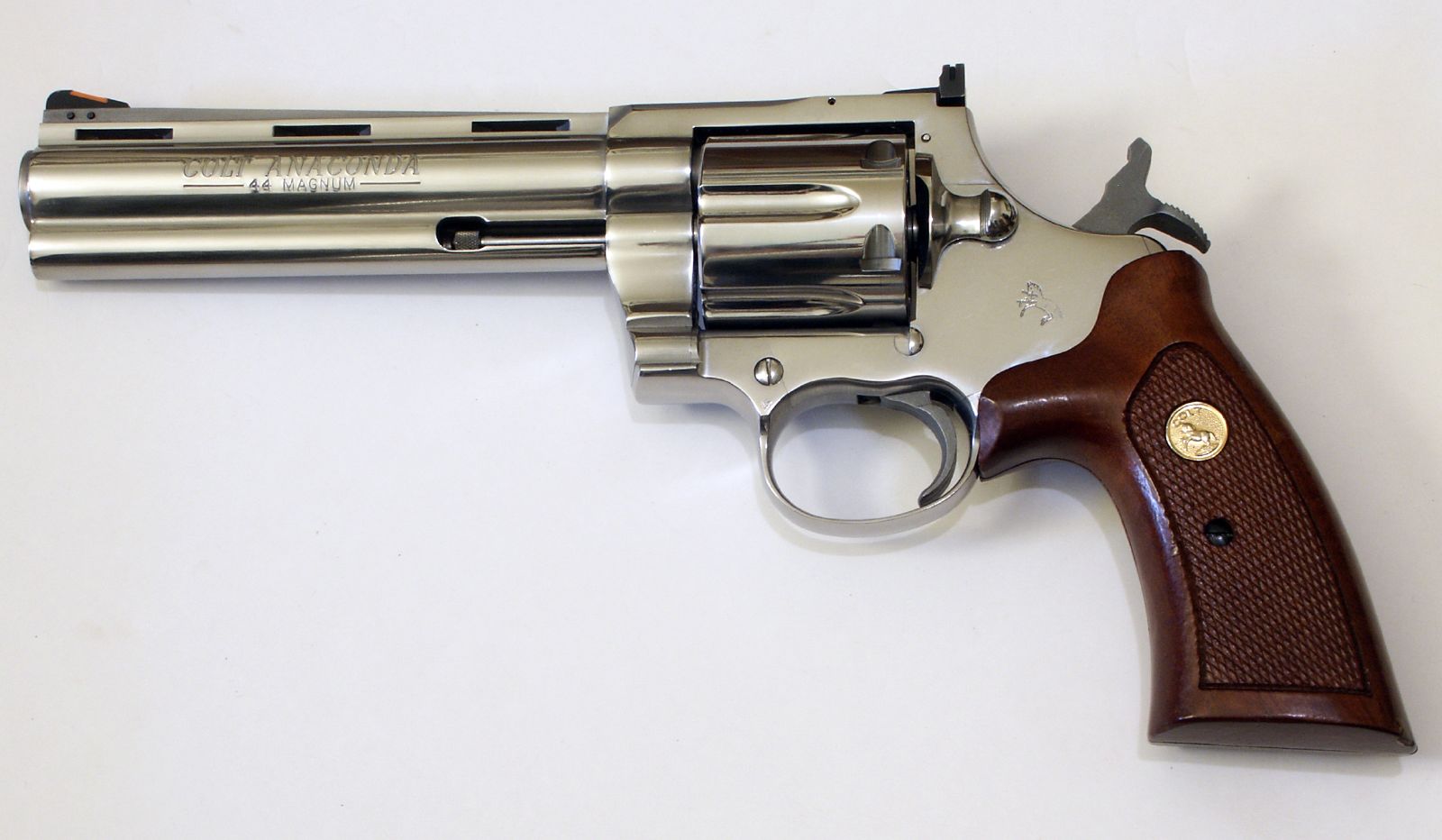
The Colt Anaconda brought modern manufacturing to the classic idea of a large hunting revolver. The original appeared in 1990 as a stainless-steel double-action revolver, mainly associated with .44 Magnum. Eight-inch barrels have been among the hunting-oriented configurations, providing a long sight radius and substantial forward weight. Six-shot cylinders and stainless construction give it a distinctive profile. Its Colt heritage and big-bore capability have made it interesting to hunters and collectors, particularly when comparing older production guns with newer-generation versions. Configuration, condition and production period can all change the character of a particular Anaconda.
8. Ruger Redhawk
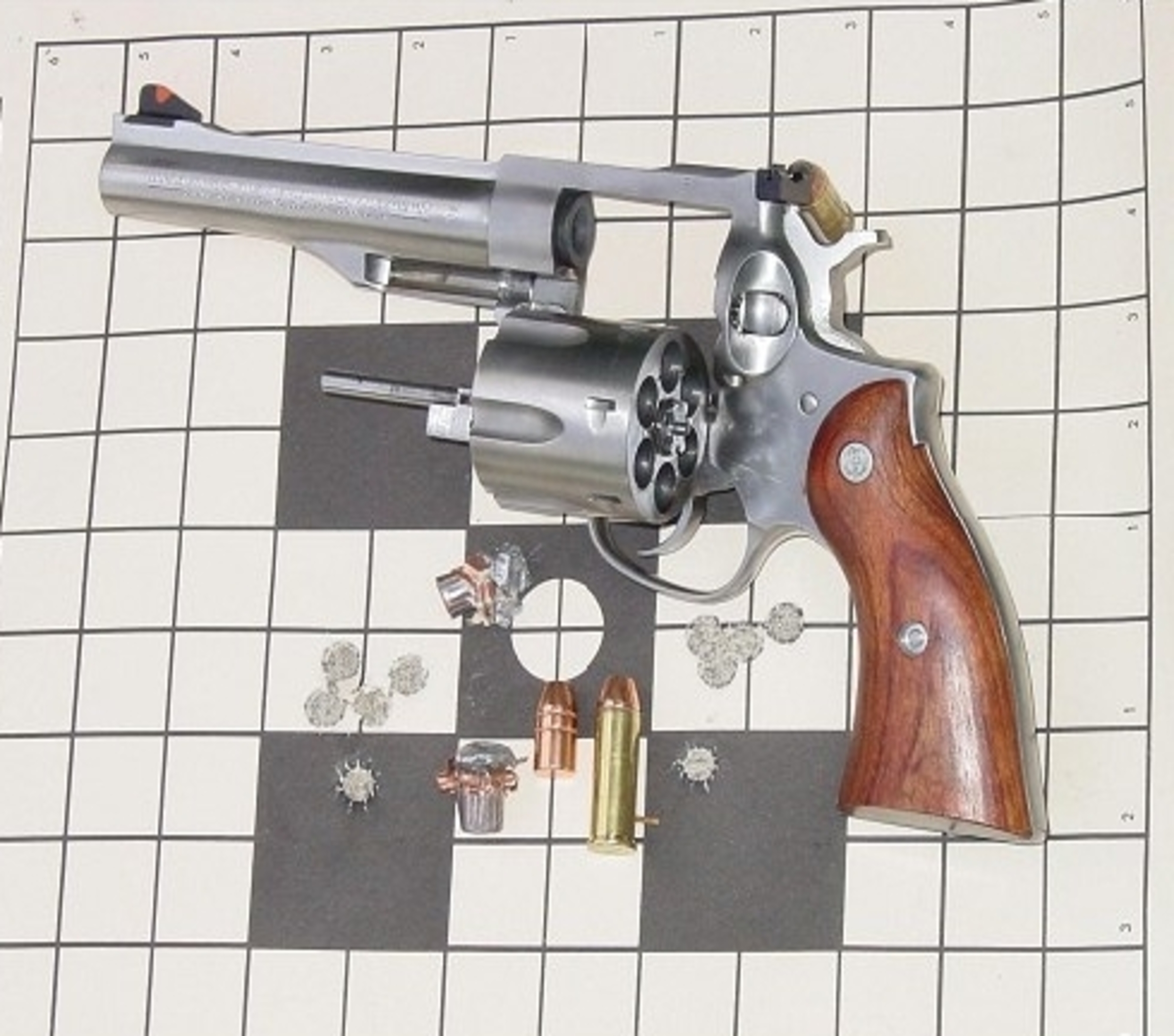
The original Ruger Redhawk helped establish Ruger’s reputation in heavy-duty hunting revolvers. Introduced in 1979, it used a robust one-piece frame and was designed around powerful cartridges, with .44 Magnum becoming its best-known chambering. Barrel lengths have varied, and stainless-steel versions broadened its appeal for outdoor use. Compared with lighter revolvers, the Redhawk’s size and weight can make it cumbersome, but those same qualities contribute to its stability and durability. Hunters have long valued the platform as a straightforward six-shot handgun that can accept substantial loads within appropriate factory specifications. Its long history offers many configurations.
9. Thompson/Center Contender
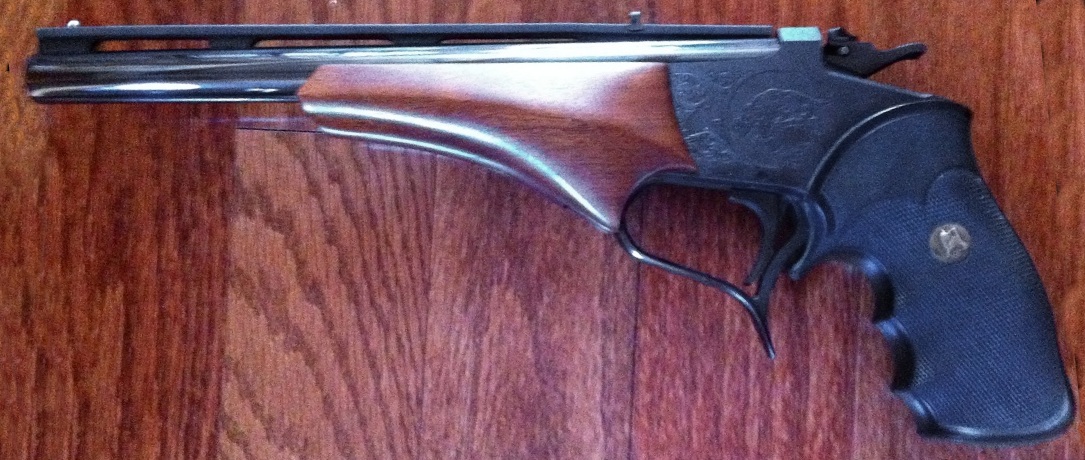
The Thompson/Center Contender approaches handgun hunting differently from a conventional revolver. Introduced in 1967, its break-open single-shot design allowed interchangeable barrels, making one frame adaptable to numerous cartridges and configurations. Barrel lengths and chamberings have varied extensively, including handgun and rifle-derived cartridges. That flexibility appealed to hunters who wanted a specialized setup for particular game or terrain. It is not a rapid-fire design, but its strong lockup, single-shot simplicity and barrel interchangeability made it unusually adaptable. Its modular history remains a major part of the Contender’s appeal among handgun hunters.
10. Smith & Wesson Model 500
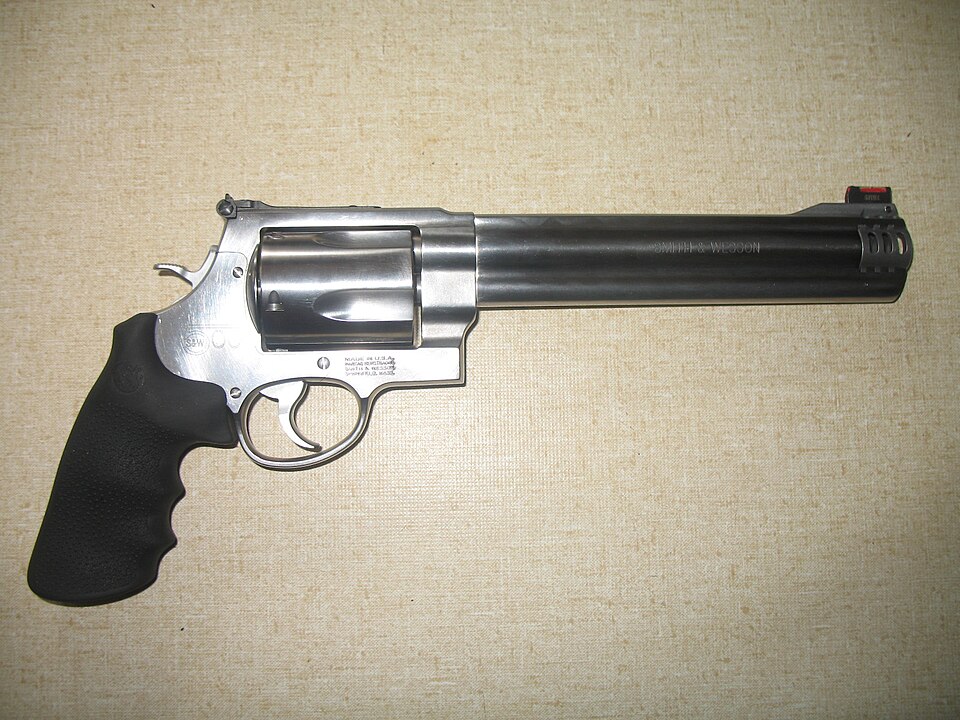
The Smith & Wesson Model 500 was designed specifically to handle the enormous .500 S&W Magnum cartridge and quickly became one of the most recognizable large-frame hunting revolvers. Introduced in 2003, it uses the company’s massive X-frame and a five-shot cylinder. Barrel lengths range from compact versions to long hunting configurations, with longer barrels adding substantial weight and sight radius. The cartridge produces formidable recoil and is not a casual choice for most shooters. For experienced handgun hunters, however, the Model 500 represents the upper end of factory revolver power and demonstrates how far the hunting-handgun concept can be pushed.