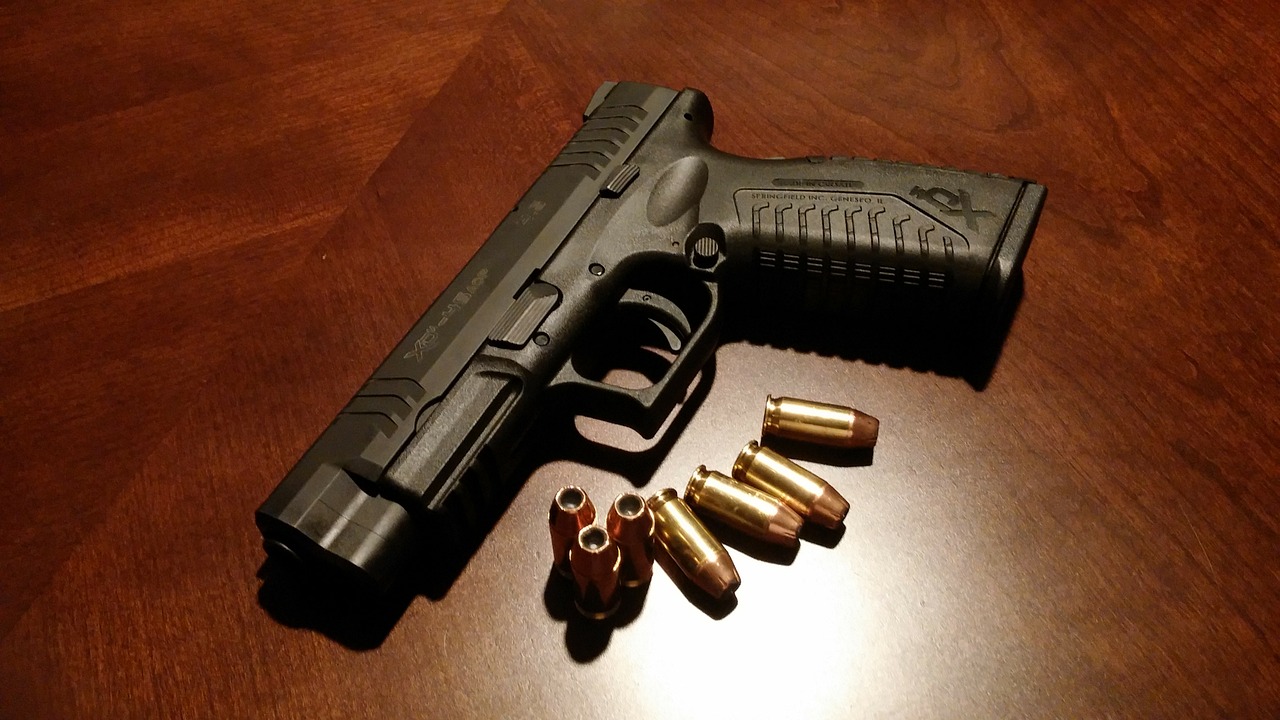
A pistol is usually imagined as a self-contained machine, with the holster added later as carrying equipment. History, however, produced several interesting exceptions. Some pistols were closely tied to saddle holsters, shoulder-stock holsters, or specialized carrying systems that influenced their dimensions, controls, and overall shape. The examples below are not all literally proven to have been designed “from the holster backward.” Instead, they show how strongly the intended carrying method could shape a pistol’s final form. Historical collections confirm that holster pistols were often substantial weapons built specifically for mounted or uniformed carry.
1. Mauser C96
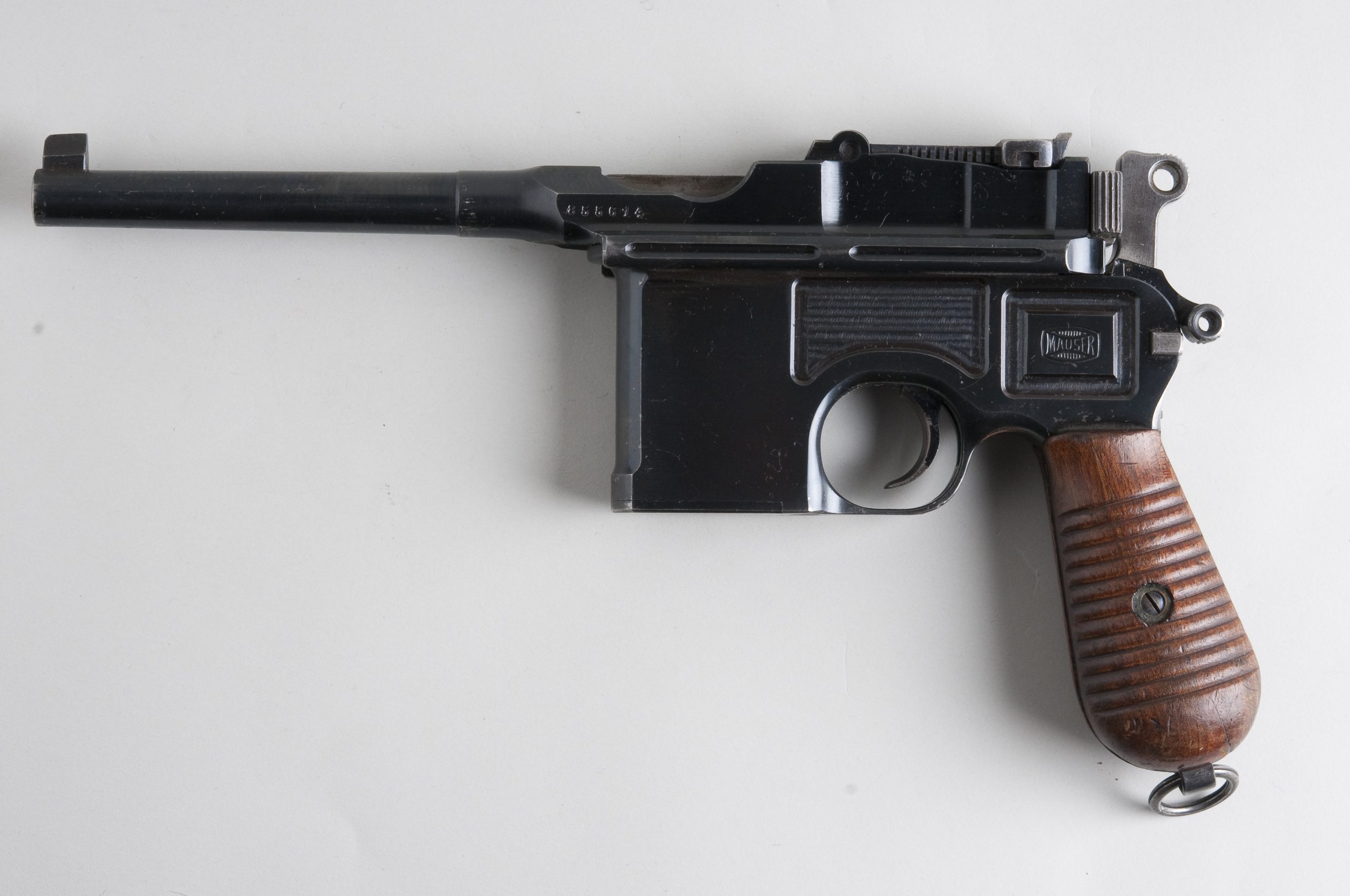
The Mauser C96 is one of the clearest examples of a pistol whose carrying system became part of its identity. Introduced in 1896, the C96 had a distinctive fixed magazine ahead of the trigger and was commonly paired with a wooden shoulder stock that also functioned as a holster. That arrangement turned the pistol into a compact, stocked arm when attached. The stock measured roughly 35 cm and could be opened to accept the pistol. Its unusual grip, magazine position, and balance make more sense when considered alongside this carry concept. Rather than treating the holster as an afterthought, the C96 became famous for making it part of the weapon’s overall package.
2. Borchardt C-93
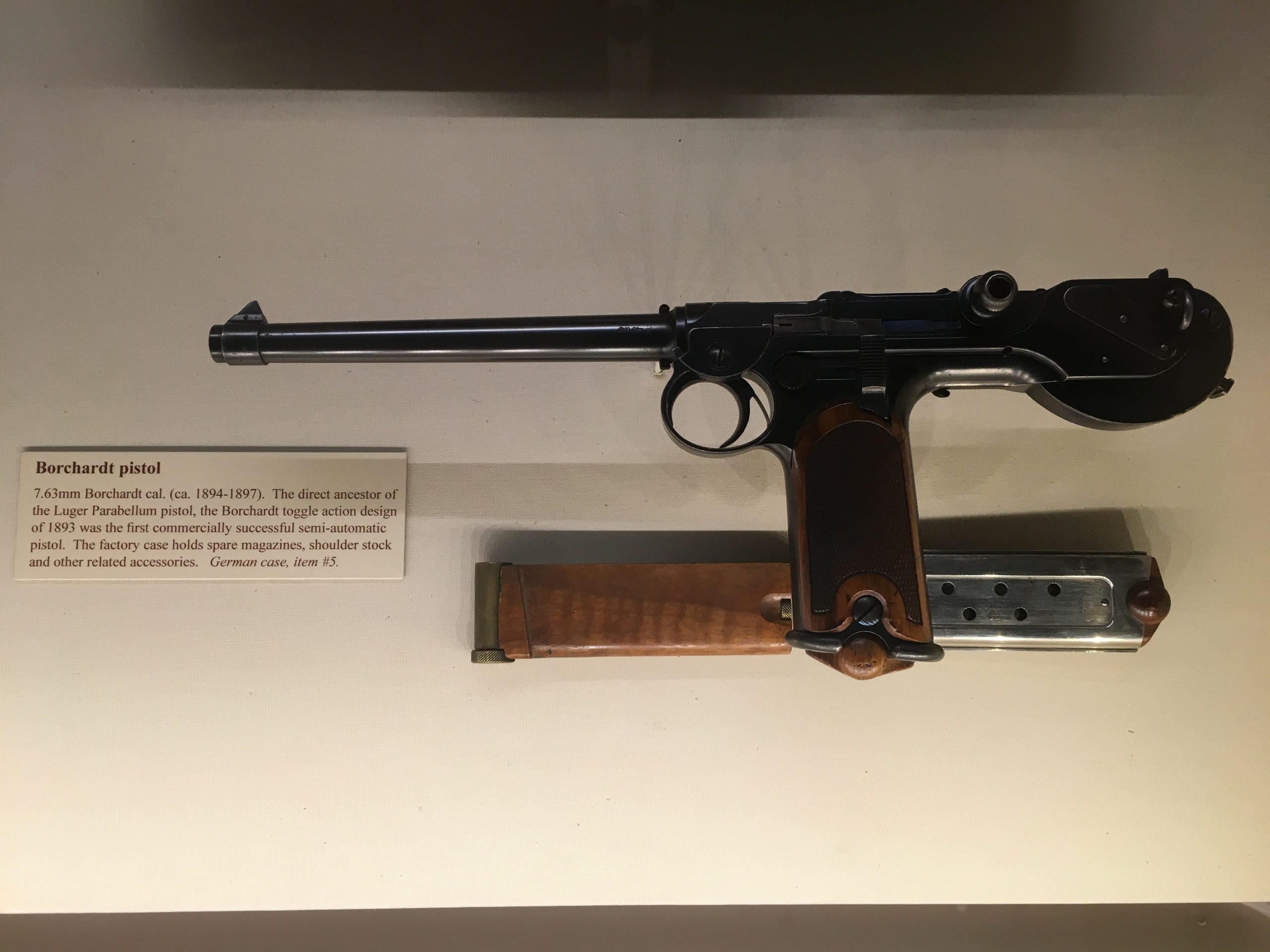
The Borchardt C-93 appeared in 1893 and introduced a remarkably unconventional silhouette for a self-loading pistol. Its long toggle mechanism extended behind the grip, producing a shape that demanded specialized carrying arrangements. The pistol used a 7.65 mm cartridge and a detachable magazine holding 8 rounds. Its original wooden holster was designed around the weapon’s unusual proportions rather than resembling a simple pocket or belt case. The result was bulky compared with later service pistols, but it reflected the engineering priorities of its period. The C-93 shows how an unusual action and its carrying solution could become inseparable from the pistol’s appearance.
3. Luger P08
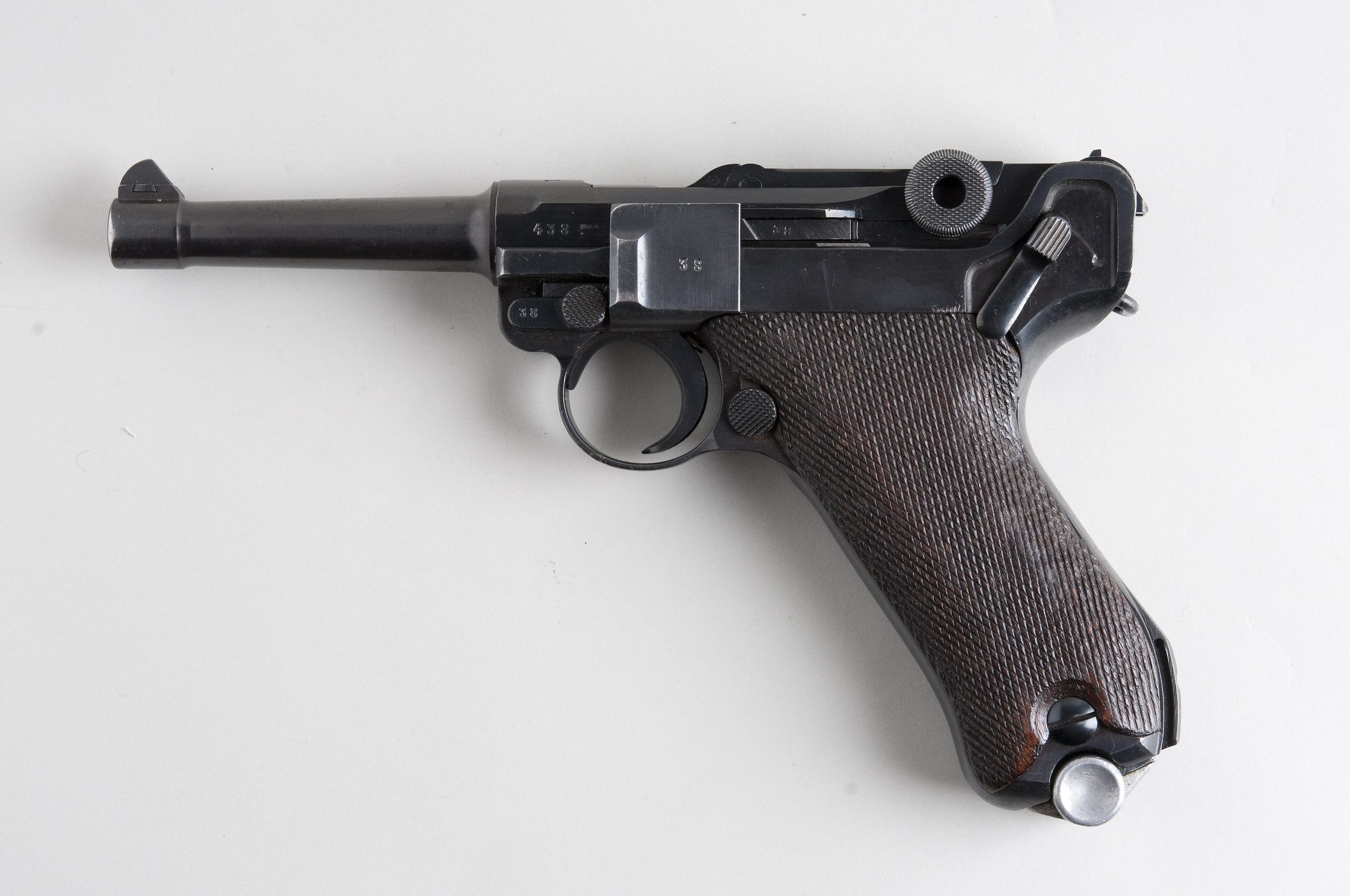
The Luger P08 is another pistol where the relationship between weapon and holster became unusually sophisticated. Adopted by Germany in 1908, the pistol’s toggle-lock action created a distinctive profile that required a properly shaped leather holster. Military examples were commonly carried in purpose-made holsters with compartments for magazines and accessories. The standard pistol used the 9×19 mm cartridge and an 8-round magazine. Its narrow grip and sharply angled appearance were consequences of its mechanical design, but its military carrying system was developed as a complete package. The P08 demonstrates how a service pistol’s practical usefulness depended not only on the firearm but also on how its equipment accommodated it.
4. Mauser HSc
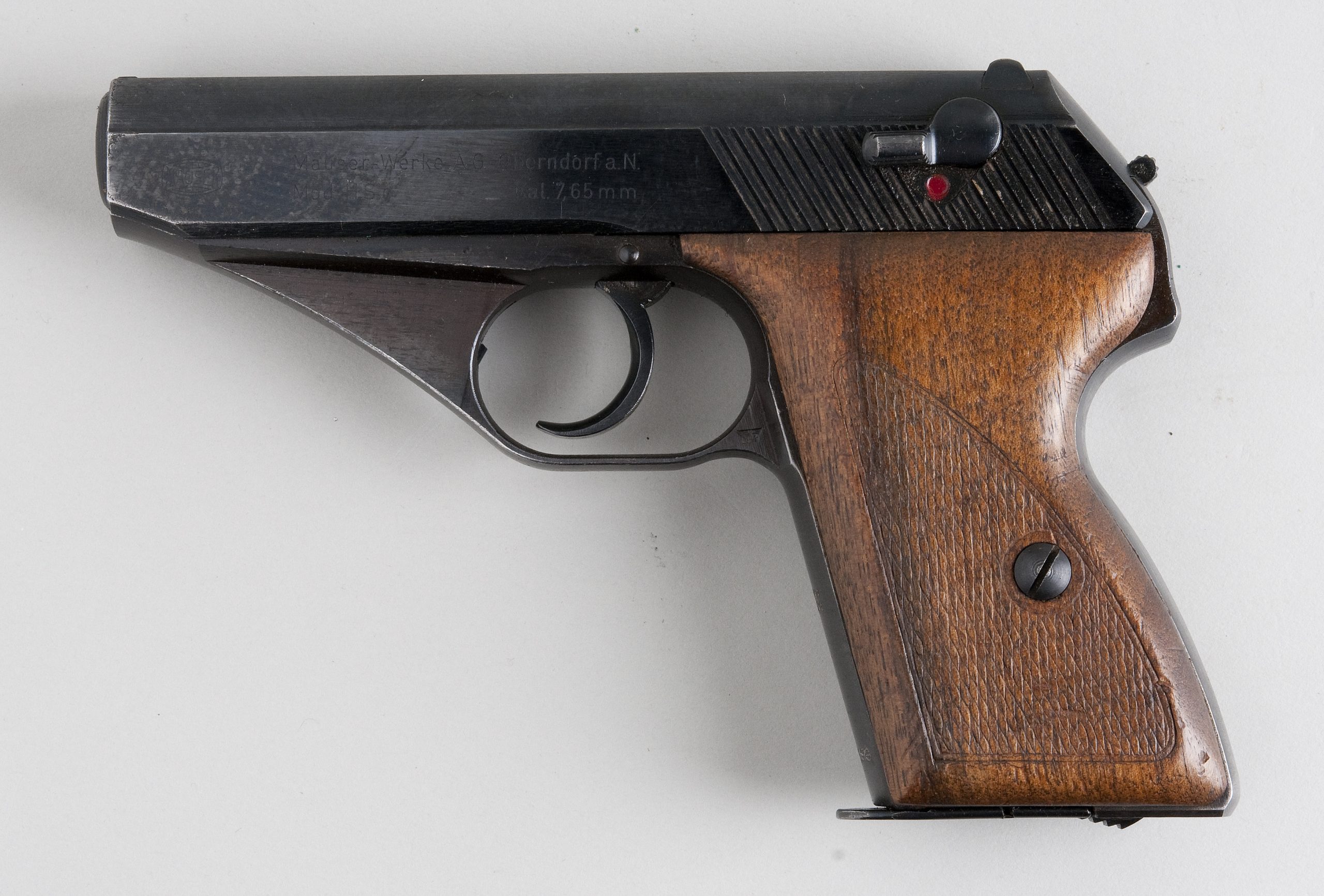
The Mauser HSc approached the problem from a completely different direction. Introduced in 1940, it was a compact 7.65 mm semi-automatic pistol intended for discreet personal and military carry. Its 8-round magazine and rounded slide produced a comparatively smooth exterior that worked well with compact leather holsters. The pistol’s enclosed hammer and streamlined profile reduced protrusions that could interfere with carrying or drawing. German military and police users received versions of the HSc, making its compact dimensions particularly relevant to uniformed carry. It illustrates a different interpretation of the same principle: instead of making the holster elaborate, make the pistol itself easier to accommodate.
5. Walther PP
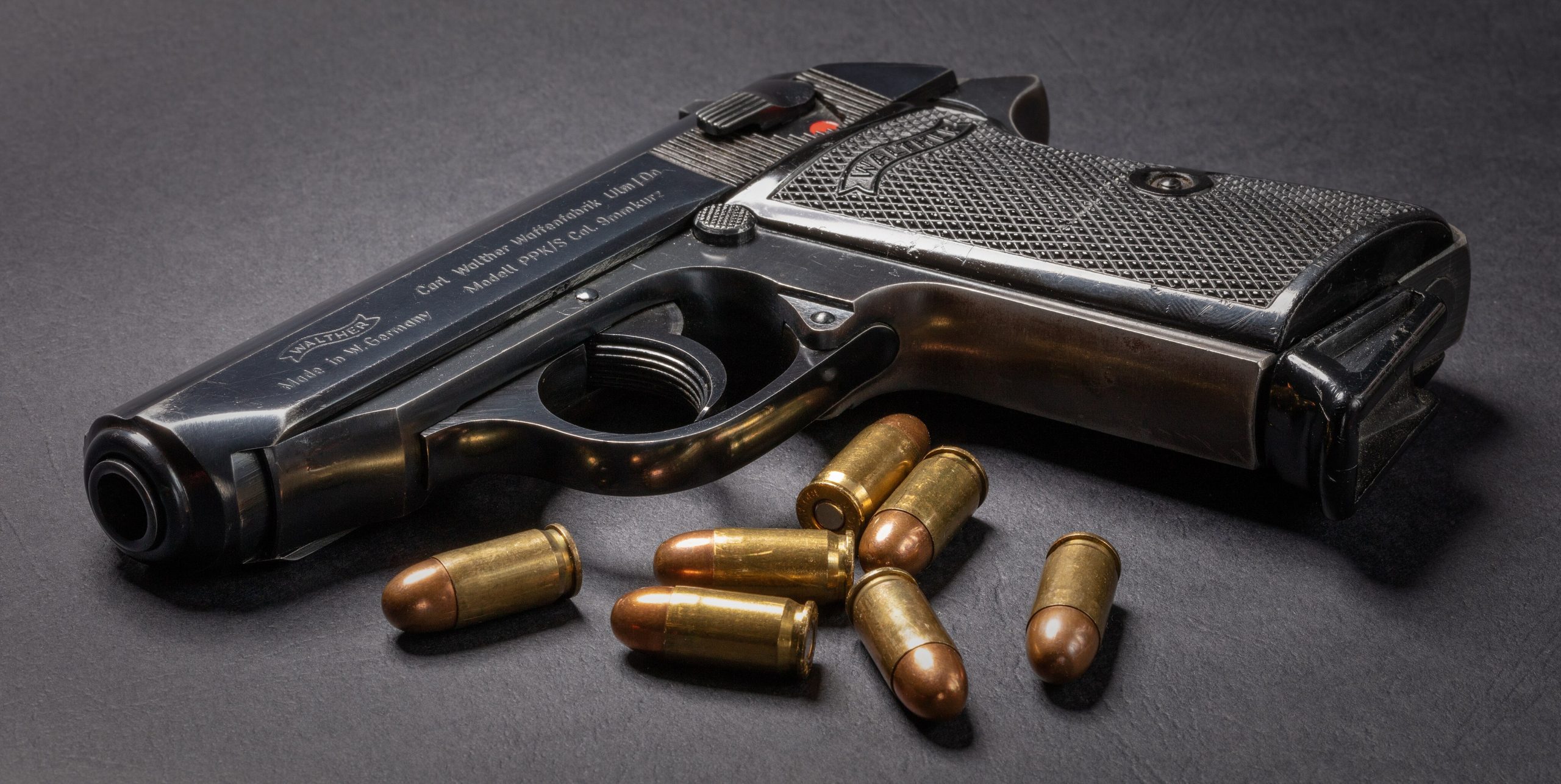
The Walther PP, introduced in 1929, helped establish the modern compact double-action pistol and was strongly associated with concealed and uniformed carry. Its relatively slim profile, exposed hammer, and fixed barrel produced a shape that fitted compact leather holsters without the bulk of many earlier service pistols. The common 7.65 mm version used an 8-round magazine, while other chamberings existed. Police and civilian users carried the PP in a variety of purpose-made holsters. Its success came partly from balancing a practical carry size with useful handling characteristics. The PP therefore represents a stage when the pistol and its carrying equipment were increasingly developed as complementary parts of the same system.
6. Colt M1903 Pocket Hammerless
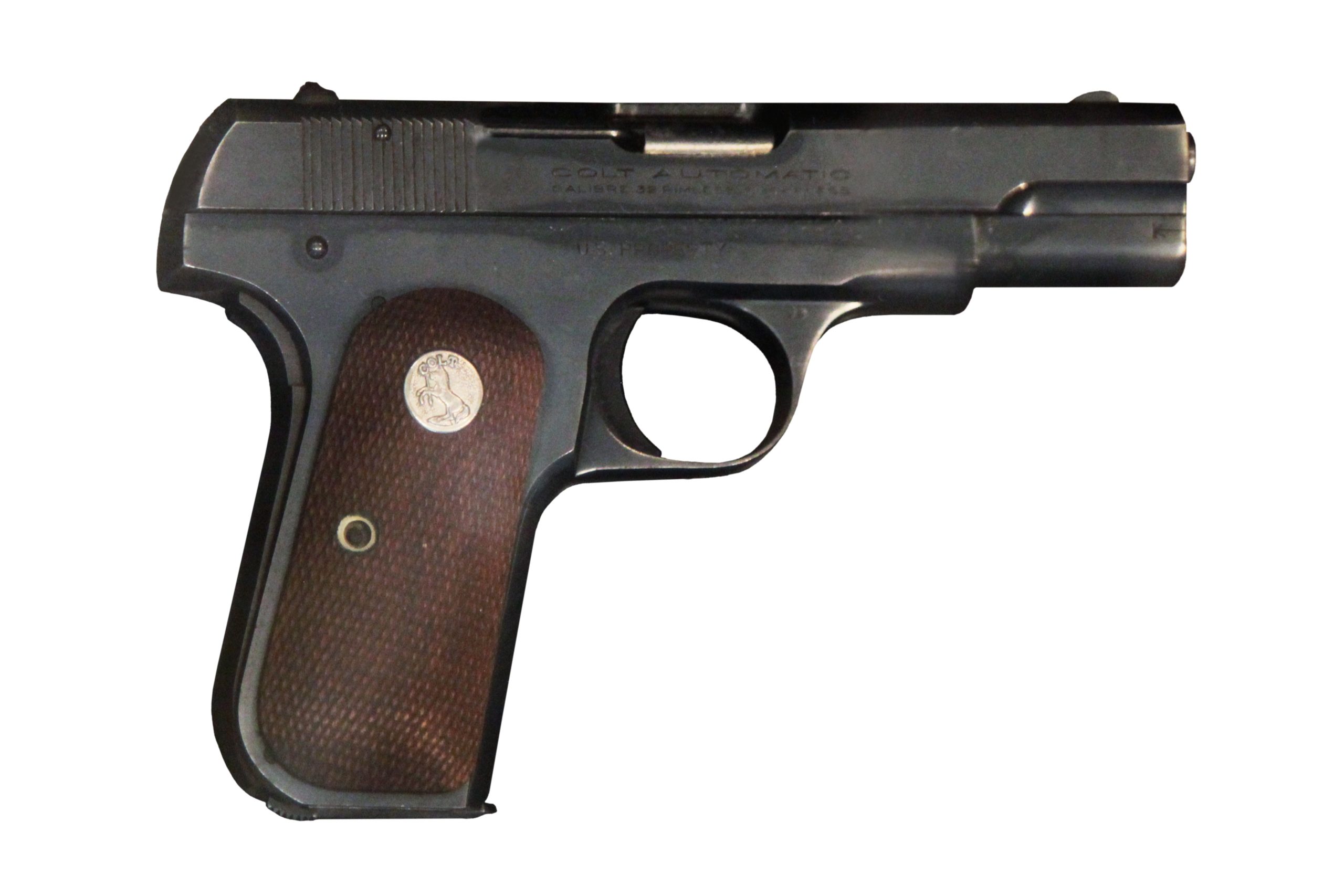
The Colt M1903 Pocket Hammerless was built around discreet everyday carry rather than cavalry or battlefield holsters. Introduced in 1903, it used the .32 ACP cartridge and an 8-round magazine in its standard configuration. Its enclosed hammer and smooth-sided slide gave the pistol a remarkably clean exterior for its era, reducing features that could catch on clothing or equipment. Colt produced millions of examples across related models, and pocket and belt holsters were widely associated with them. The pistol’s compact proportions reveal a design philosophy centered on portability. Here, the “holster-first” idea means the weapon was shaped to disappear comfortably into the user’s normal carrying arrangement.
7. Mauser Model 1910
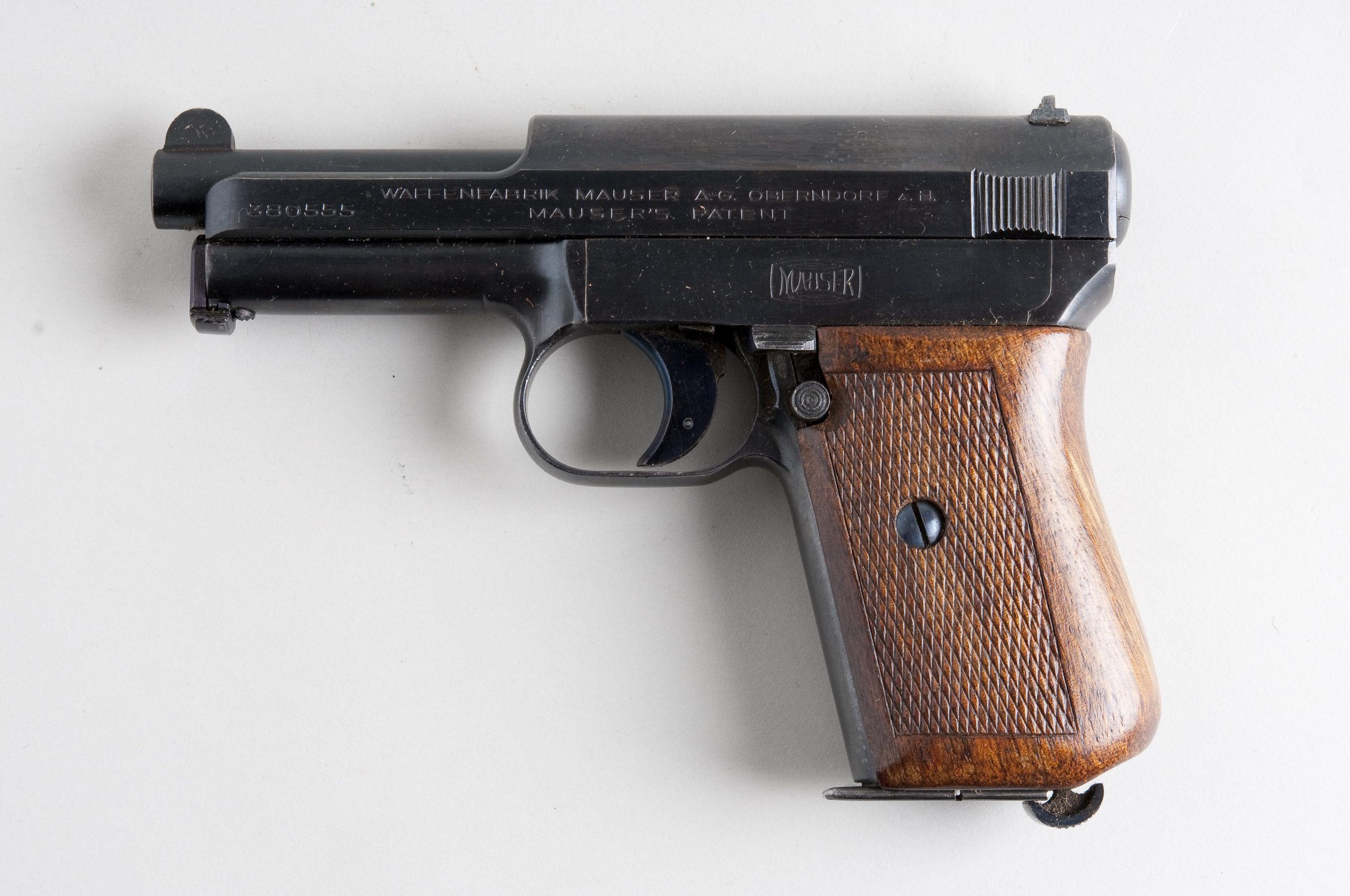
Mauser’s Model 1910 was another compact pistol whose dimensions were heavily influenced by the realities of personal carry. Introduced around 1910, it was chambered for 6.35 mm Browning (.25 ACP) and normally used a 9-round magazine. The pistol’s small size made it suitable for pocket and compact belt holsters, while its simple blowback mechanism allowed a relatively slim construction. Its successor and related variants remained popular for civilian and police use. Unlike the large military pistols designed around saddle or duty holsters, the Model 1910 shows the opposite end of the spectrum. Its entire concept revolved around making a functional repeating pistol small enough to carry unobtrusively.
8. Webley Mk VI
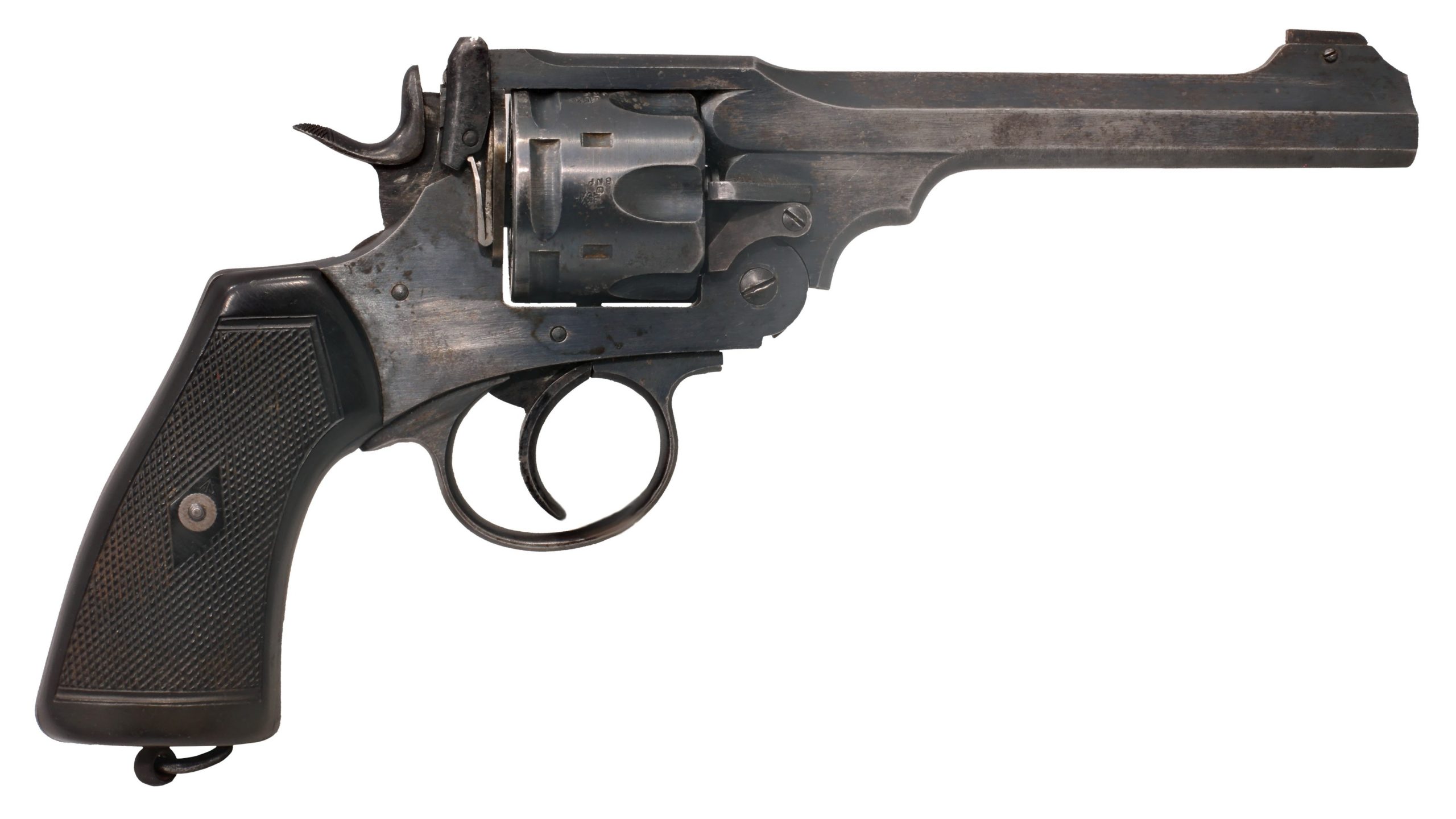
The Webley Mk VI was introduced in 1915 as Britain’s principal service revolver during the First World War. Its large frame, substantial grip, and 6-round cylinder were closely suited to the heavy-duty military holsters used by British forces. Chambered in .455 Webley, the revolver was not intended to disappear beneath clothing. Instead, its carrying equipment was designed around a full-sized service weapon worn on a soldier’s belt. The Webley’s break-open action also made its overall dimensions distinctive. In this case, the relationship runs both ways: the holster accommodated a large revolver, while the revolver’s dimensions reflected the demands of uniformed service and accessible belt carry.
9. C96 Broomhandle Carbine
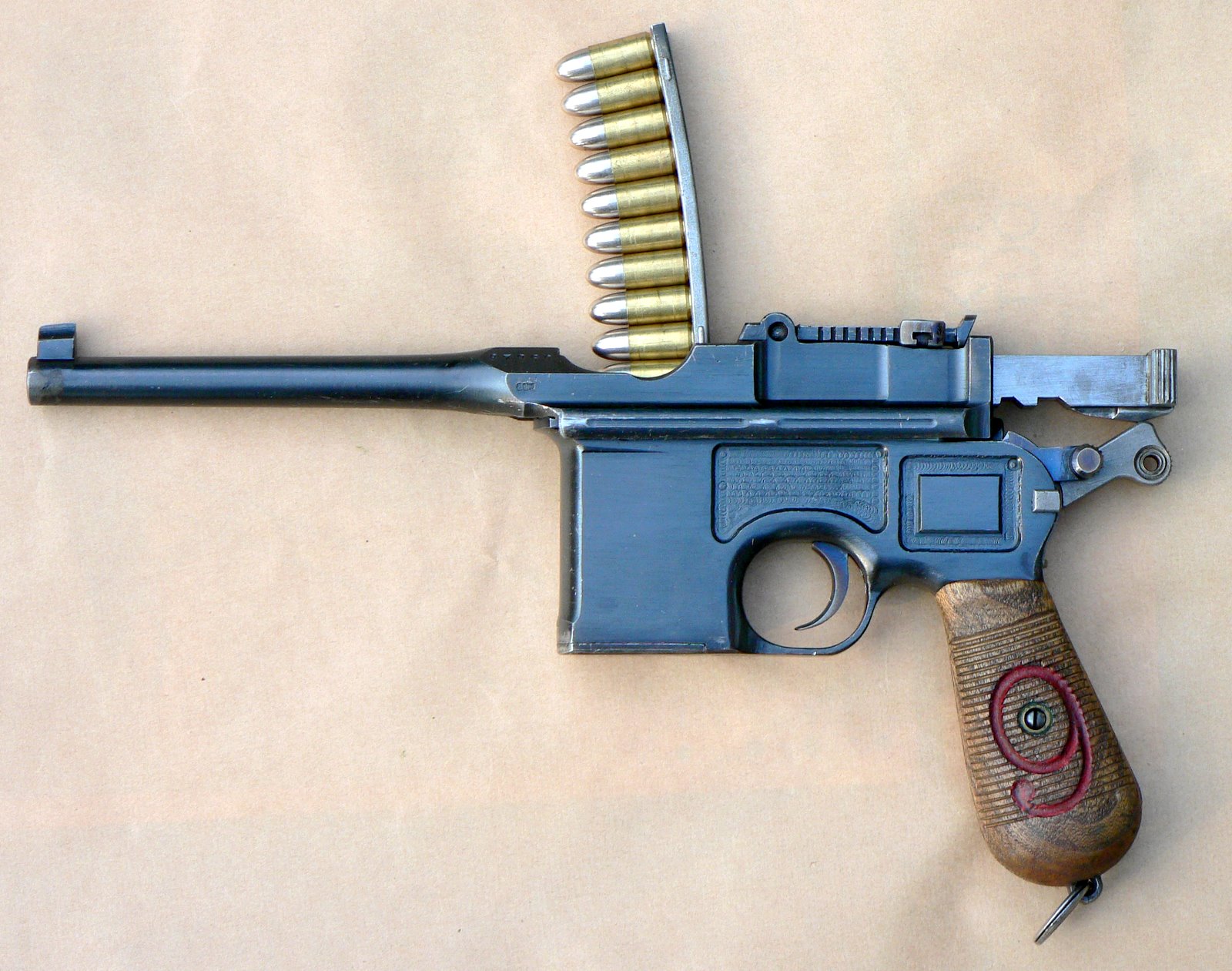
The C96’s carbine-style configurations take the holster concept even further. The standard pistol already accepted a wooden stock that doubled as a holster, but some variants were produced with longer barrels and other changes intended to make the stocked arrangement more useful. The basic C96 carried a 10-round fixed magazine, while other versions existed. Once the stock was attached, the pistol became a much more stable shoulder-fired arm, yet the same wooden component remained its carrying case. That dual-purpose design was unusual even among early self-loading pistols. Few handguns demonstrate so clearly how the boundary between firearm and carrying equipment could disappear into one engineered package.