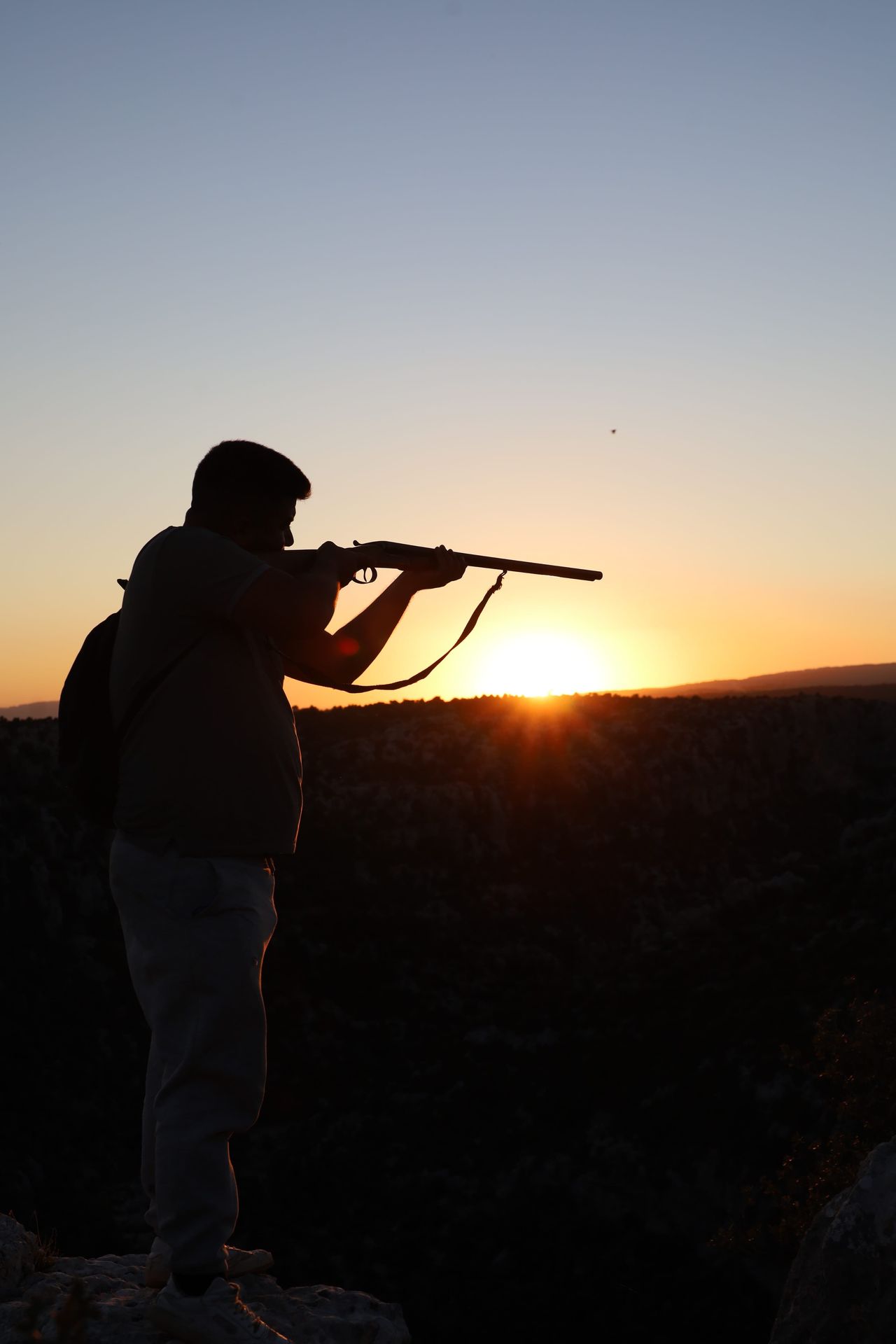
It used to be the overlooked season. Not anymore.
Across hard-to-draw hunting states, muzzleloader tags are becoming some of the most fiercely contested permits in the system.
Muzzleloader season has lost its old underdog status

For years, muzzleloader hunts sat in a sweet spot between archery and modern rifle. They drew hunters who liked primitive weapons, close-range encounters, and a more specialized challenge. In many units, that meant fewer applicants, better draw odds, and a realistic path into quality country that was nearly impossible to access during peak rifle dates.
That reputation has changed fast. Hunters now share draw strategies in forums, podcasts, and state application workshops with a level of detail that barely existed 15 years ago. Once enough people realize a season offers high-quality animals, lower crowding, and better calendar timing, the secret does not stay a secret for long.
In states like Colorado, Utah, Nevada, Arizona, and New Mexico, limited-entry and premium deer, elk, and antelope tags already attract enormous demand. When applicants spot a season with comparable trophy potential but less historical pressure, they flood it. Muzzleloader season has become a target in many places.
What makes the shift notable is that it is not just elite trophy hunters driving it. Family hunters, public-land DIY hunters, and experienced applicants burned out on impossible rifle draws are all moving into the same lane. That broadening demand base is a major reason these seasons are tightening so quickly.
Better equipment has changed what hunters think is possible
A big driver is technology, even in seasons still labeled primitive. Modern muzzleloaders are more accurate, more weather-resistant, and easier to operate than the sidelock rifles many people picture when they hear the term. Ignition systems, optics rules where allowed, improved projectiles, and cleaner-burning powders have raised confidence dramatically.
The result is simple: more hunters believe they can be effective. A season that once looked highly specialized now feels accessible to anyone willing to practice. That matters in a draw system, because perceived difficulty often suppresses applications more than actual regulations do.
Even where states maintain stricter rules, the overall market has educated hunters faster. Manufacturers promote dependable 150- to 250-yard capability in legal setups, and hunters hear enough success stories to conclude muzzleloader hunting is no longer a fringe proposition. Accuracy expectations that once belonged to rifle seasons have crept into muzzleloader planning.
That confidence changes behavior at application time. A hunter who used to say, “I’ll wait until I can draw a rifle,” may now decide that muzzleloader offers nearly the same chance at success with far better odds, or at least it used to. As more people make that same calculation, the odds compress.
Season timing is often the real prize.
The weapon gets the attention, but the dates are often the real reason demand spikes. In several western states, muzzleloader seasons land during highly attractive biological windows: pre-rut movement, early migration patterns, velvet periods, or times when bulls are still vocal and visible. Those dates can offer a rare combination of animal activity and manageable pressure.
That timing can make a muzzleloader tag more appealing than a later rifle hunt. A hunter may give up some effective range, but gain more predictable animal behavior, less snow complications, and a better chance to locate mature animals in open country. For many experienced hunters, that trade is worth making.
Colorado elk is a common example in draw conversations because hunt codes, season structures, and point strategies create nuanced choices. If a muzzleloader season overlaps periods when elk are responsive or concentrated in useful ways, applicants notice. Similar logic shows up in deer and antelope decisions across the West.
In other words, hunters are not merely choosing a different weapon. They are choosing a more favorable point in the season curve. Once enough people understand that a tag offers premium timing rather than a consolation prize, demand rises sharply and stays high.
Draw strategy has become more sophisticated.d
The average serious applicant is much more strategic than in the past. Hunters track point creep, quota changes, weapon restrictions, harvest reports, and nonresident allocations with the discipline of investors watching a volatile market. That level of analysis naturally pushes more interest toward any season that appears undervalued.
Muzzleloader tags fit that profile perfectly. In many systems, they have looked like the best compromise between access and quality. Applicants who cannot justify waiting another 5 to 10 years for a premier rifle tag increasingly decide to burn points on a muzzleloader permit while they still can.
This creates a feedback loop. Once point-conscious applicants begin pivoting in noticeable numbers, odds shift quickly, and then even more people rush in for fear of being left behind. State wildlife agencies may not change much at all, yet the draw can feel completely different in just 2 or 3 application cycles.
Preference point systems are especially vulnerable to this kind of pile-on effect, but bonus point states see it too. A season does not need to become easy to trigger a surge. It only needs to look better than the alternatives, and right now, muzzleloader often checks that box.
Limited tags, social proof, and crowd avoidance all add pressure
Scarcity is the foundation of every hard draw, and muzzleloader seasons are no exception. Many units simply do not offer many tags, either because managers want lower harvest pressure during sensitive periods or because the season structure is intentionally narrow. When quotas are small, even modest applicant growth can wreck odds.
Social proof magnifies that pressure. A few notable public-land success stories, a magazine feature, or a popular hunting video can elevate a specific muzzleloader unit almost overnight. Hunters do not need a formal trend report to react; they just need enough evidence that good bulls or bucks are coming from a certain season.
Crowd avoidance is another underrated force. Rifle pressure in well-known units can be intense, and more hunters are willing to trade weapon convenience for a quieter experience. If they believe a muzzleloader permit means fewer camps, less road traffic, and less orange on every ridge, the tag becomes more attractive before the hunt even begins.
That appeal is powerful in a culture increasingly focused on experience as much as harvest. For some applicants, a quality hunt with lower density is the trophy. Wildlife agencies are still allocating a limited resource, but hunters are now valuing the full package more than they used to.
States are shaping demand through rules and management choices
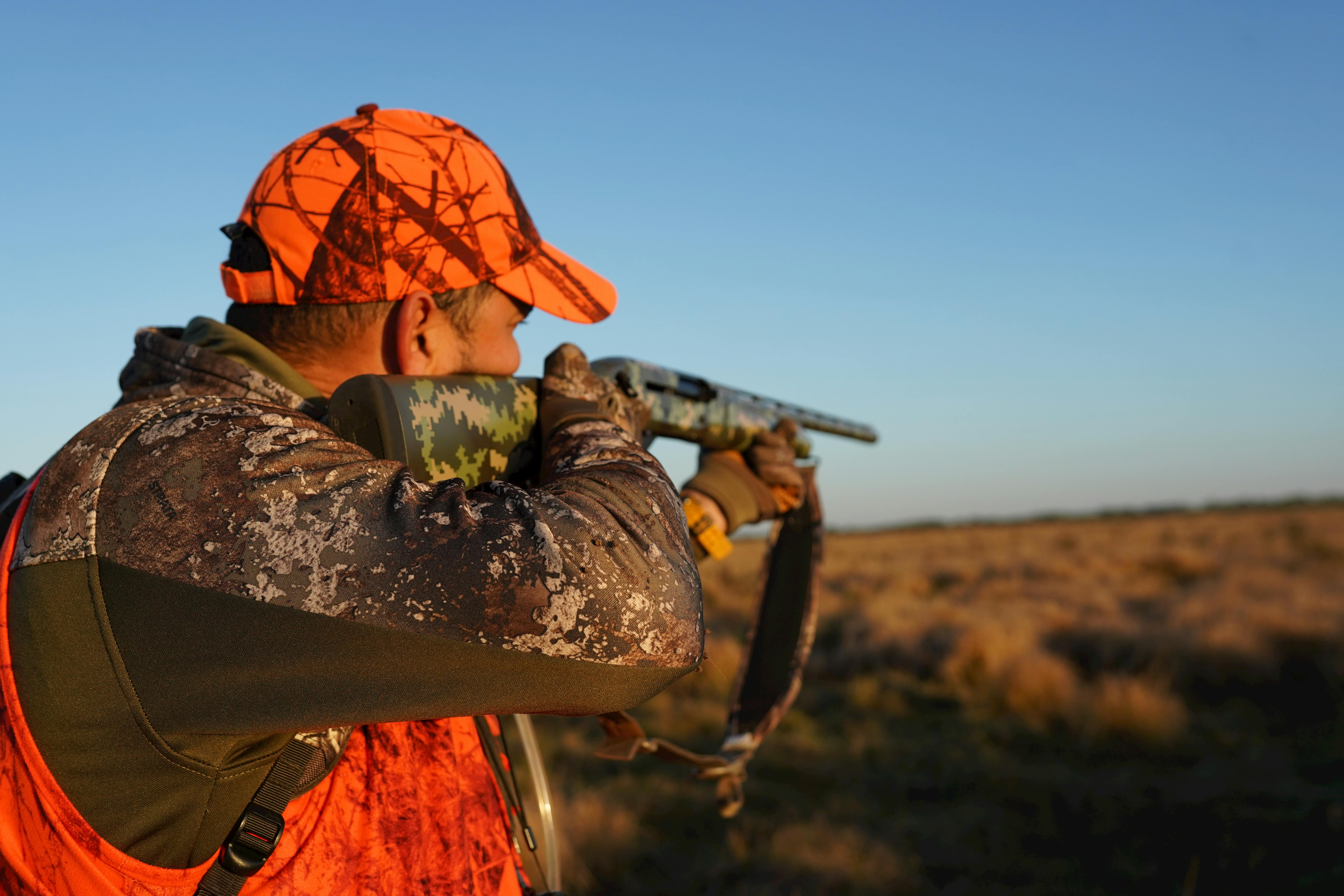
Every state handles muzzleloader seasons differently, and those differences strongly shape competition. Some states keep strict open-sight rules, loose powder requirements, or bans on pelletized charges and certain ignition setups. Others allow more modern configurations, effectively broadening the pool of hunters willing to apply.
Regulations can either preserve the season’s niche character or mainstream it. When a state loosens rules, even modestly, more hunters suddenly feel equipped to participate. When a state tightens restrictions, demand may cool, but often not as much as people expect if the dates and unit quality remain strong.
Wildlife management goals also matter. Agencies may shift season dates, trim quotas, or redistribute tags to manage age class, harvest success, or population objectives. A small quota reduction in a desirable unit can create dramatic changes in draw odds, especially when demand is already rising.
This is why applicants who focus only on weapon type often miss the bigger picture. They should be watching season timing, legal equipment definitions, tag numbers, and herd management signals all at once. Muzzleloader competition is not exploding for one reason. It is the product of multiple policies and market forces moving together.
What hunters should expect next?
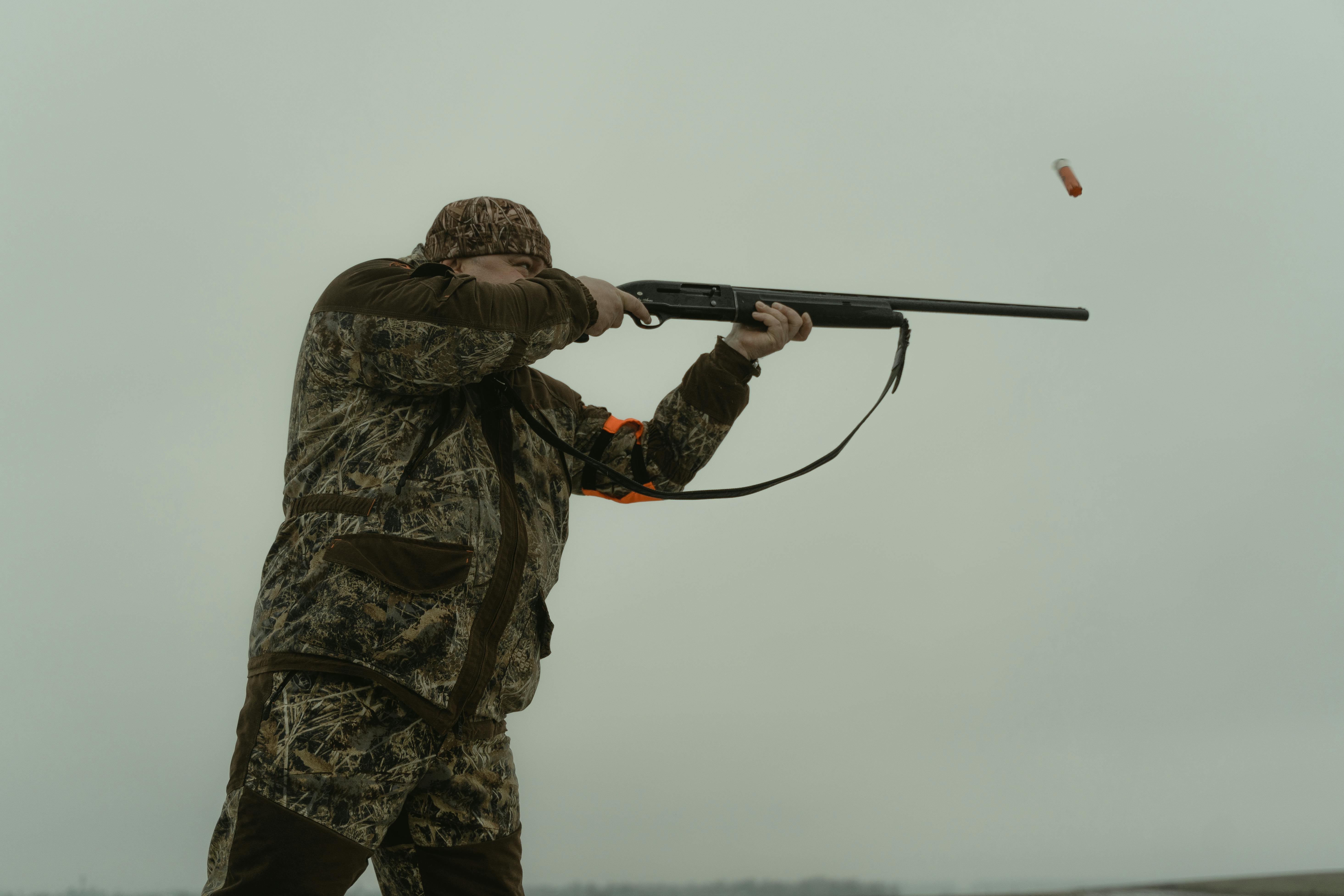
Hunters should expect the trend to continue, especially in states where premium opportunity is already rationed tightly. As point creep worsens in flagship rifle seasons, displaced applicants will keep looking for categories that offer a better return on time and points. Muzzleloader season remains one of the clearest alternatives.
That does not mean every muzzleloader hunt will become unattainable. Some units will stay reasonable because of tougher access, stricter regulations, or less glamorous trophy reputations. But the top-tier and near-top-tier hunts are likely to remain under increasing pressure as more applicants learn the same lesson at the same time.
The smart response is not panic, but realism. Hunters need to study each state’s rules closely, decide whether they value timing over range, and understand that yesterday’s sleeper tag may already be gone. Application habits built on old assumptions are becoming less useful every year.
In practical terms, the muzzleloader draw is becoming a leading indicator of where western tag demand is headed. When hunters are willing to compete this hard for a once-overlooked season, it tells you the broader tag market has fundamentally changed. The primitive season is now mainstream, and the draw odds show it.