Some pistols become famous because they win a military contract. Others become important because later designers keep borrowing their ideas. The nine pistols in this list belong to the second category. Their influence can be seen in later service guns, commercial models, licensed versions, and outright copies. Some original manufacturers changed ownership, ended production, or moved on to newer designs, while the pistol patterns continued to attract attention. Their lasting importance comes from identifiable engineering choices, battlefield history, production numbers, and the ability of each design to remain recognizable across generations.
1. Colt M1911
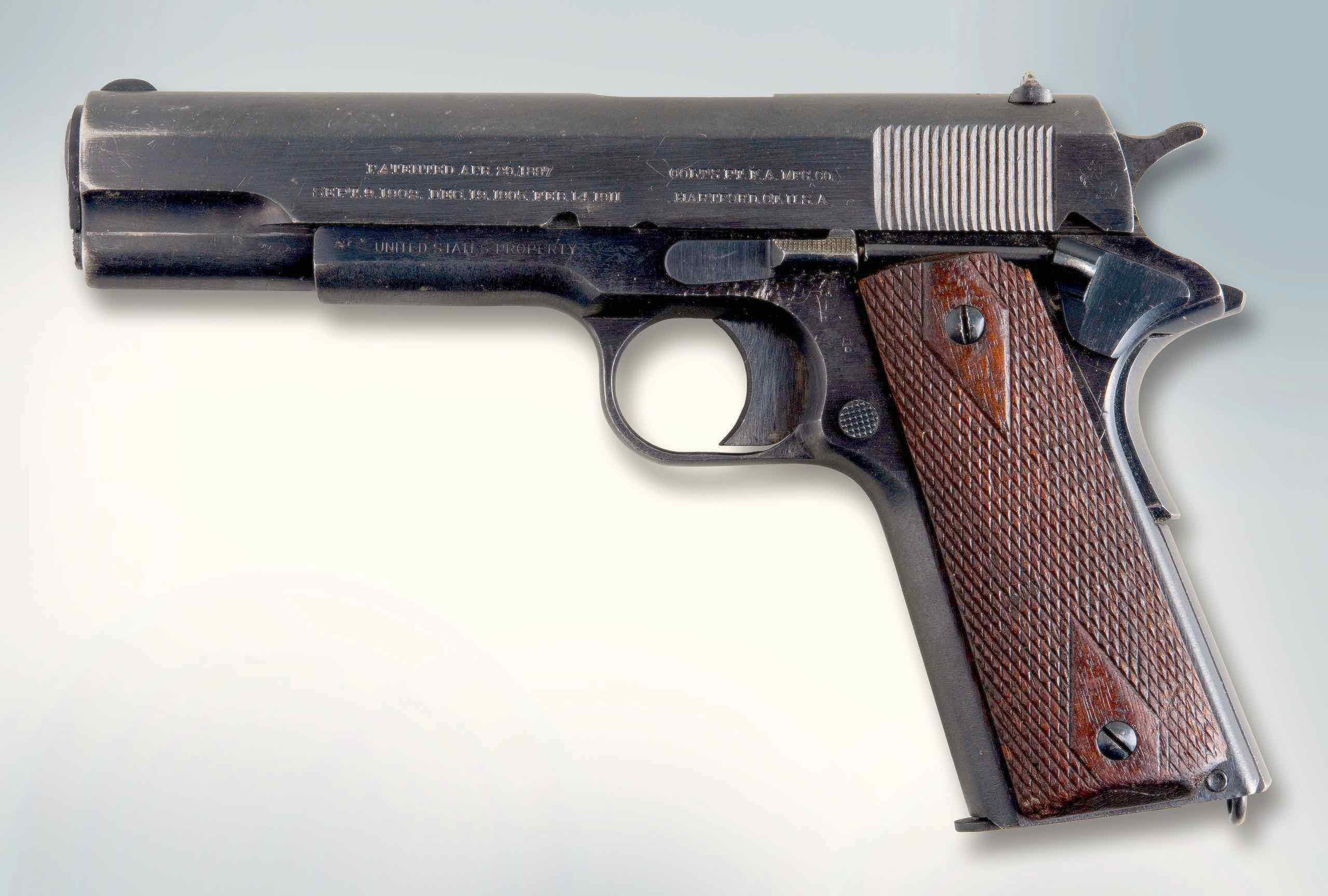
The Colt M1911 became a template that refused to disappear. John Browning’s short-recoil, locked-breech pistol was adopted by the U.S. military in 1911 and remained the standard sidearm for more than seven decades. Its basic layout was copied, licensed, modified, and reworked by numerous makers, yet the original pattern continued to attract military, law-enforcement, competition, and civilian users. Even after official U.S. replacement in the 1980s, M1911-pattern pistols remained common. Its enduring appeal comes from a simple mechanical architecture, familiar controls, and a huge ecosystem of parts and variants.
2. Browning Hi-Power
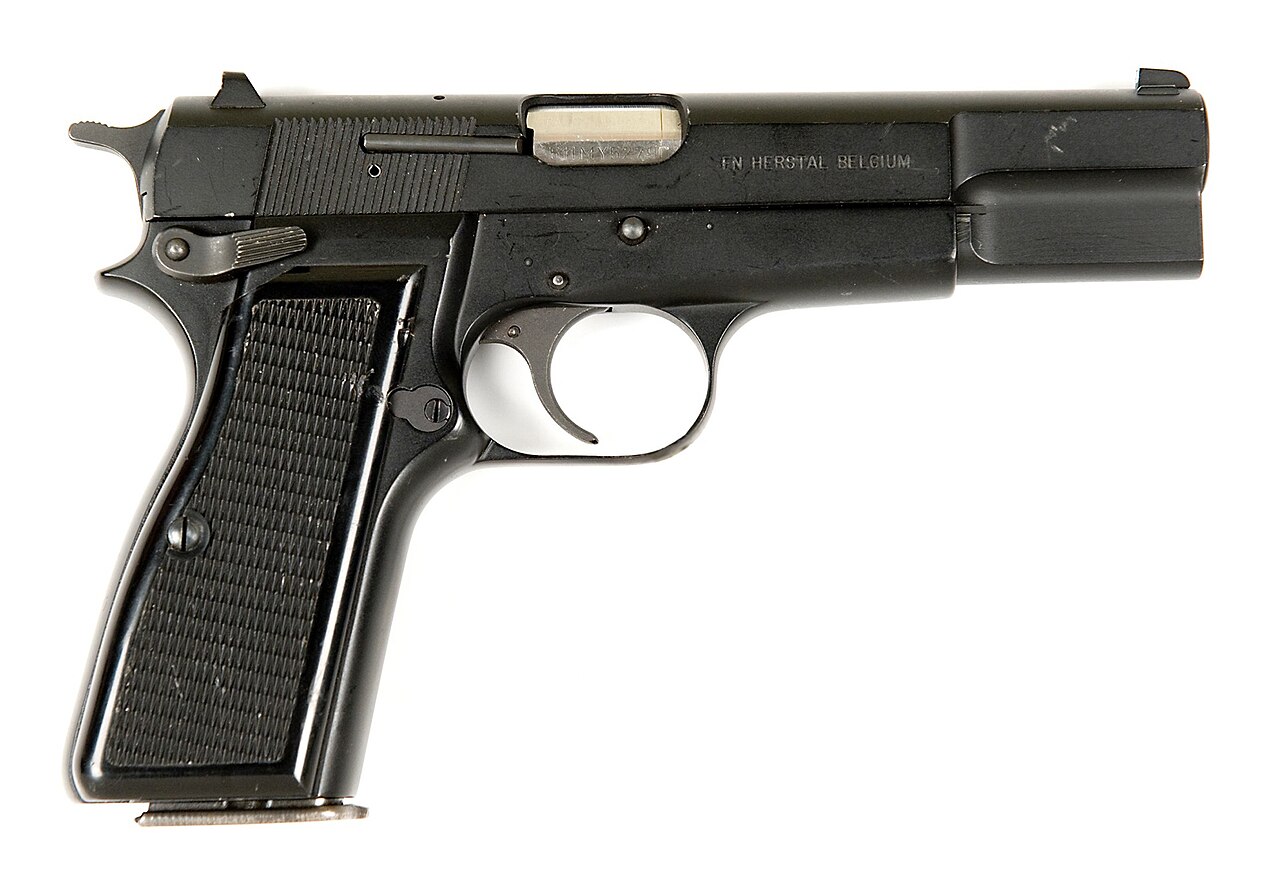
The Browning Hi-Power arrived with a capacity advantage that made many earlier service pistols look dated. John Browning began the design, while Dieudonné Saive completed it after Browning’s death. The pistol used a locked-breech action and a double-column magazine, combining compact dimensions with 13-round capacity at a time when seven- and eight-shot service pistols were common. Its design was copied or closely echoed by manufacturers in several countries, especially after patent protection expired. FN eventually ended original production, but the pattern survived through licensed and independent descendants.
3. CZ 75
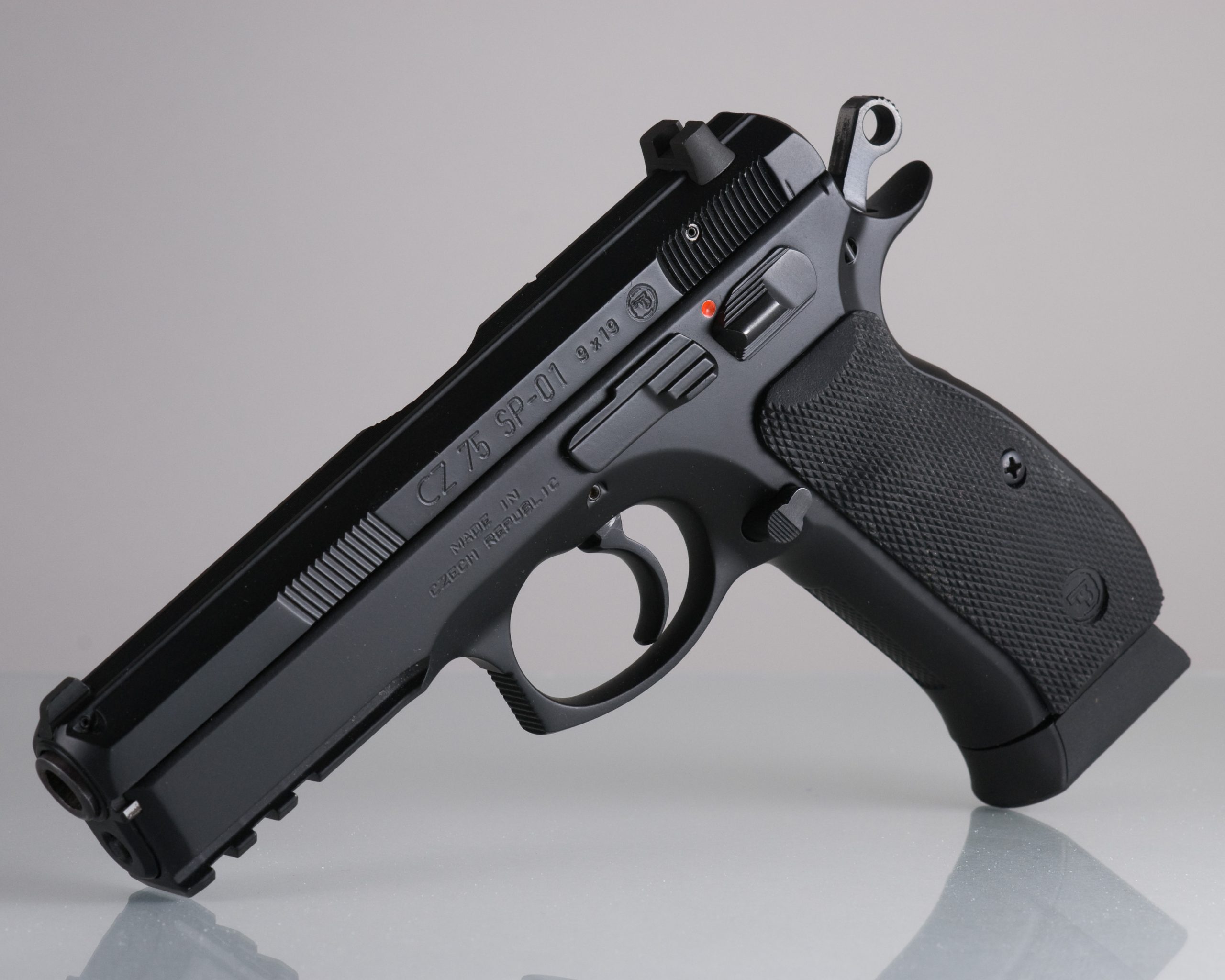
The CZ 75 is one of the clearest examples of a pistol design becoming bigger than its manufacturer. Developed by Josef and František Koucký, it combined a 15-round magazine, double-action/single-action trigger, and an unusual slide that runs inside the frame rails. Because Czechoslovakia restricted exports and patent protection was limited internationally, other makers produced close copies and related designs. Models such as the Tanfoglio-based pistols and IMI Jericho 941 helped spread its mechanical ideas. CZ, meanwhile, continued producing the original family, which also evolved into competition and service-oriented variants.
4. Walther P38
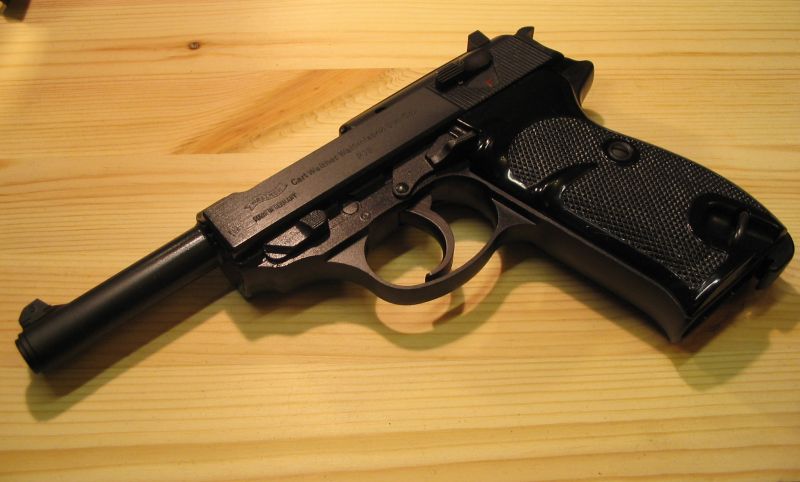
The Walther P38 helped establish features that later became familiar on generations of service pistols. Designed for German military service, it combined a locked-breech action with a double-action first shot and a manual safety/decocker arrangement. Its eight-round magazine was modest by modern standards, but its operating system was influential. Later pistols borrowed or echoed elements of the P38, while the design itself continued through postwar production and modernized variants. The P38 therefore mattered less for magazine capacity than for proving that a practical DA/SA service pistol could be built around a locked breech.
5. Beretta 92
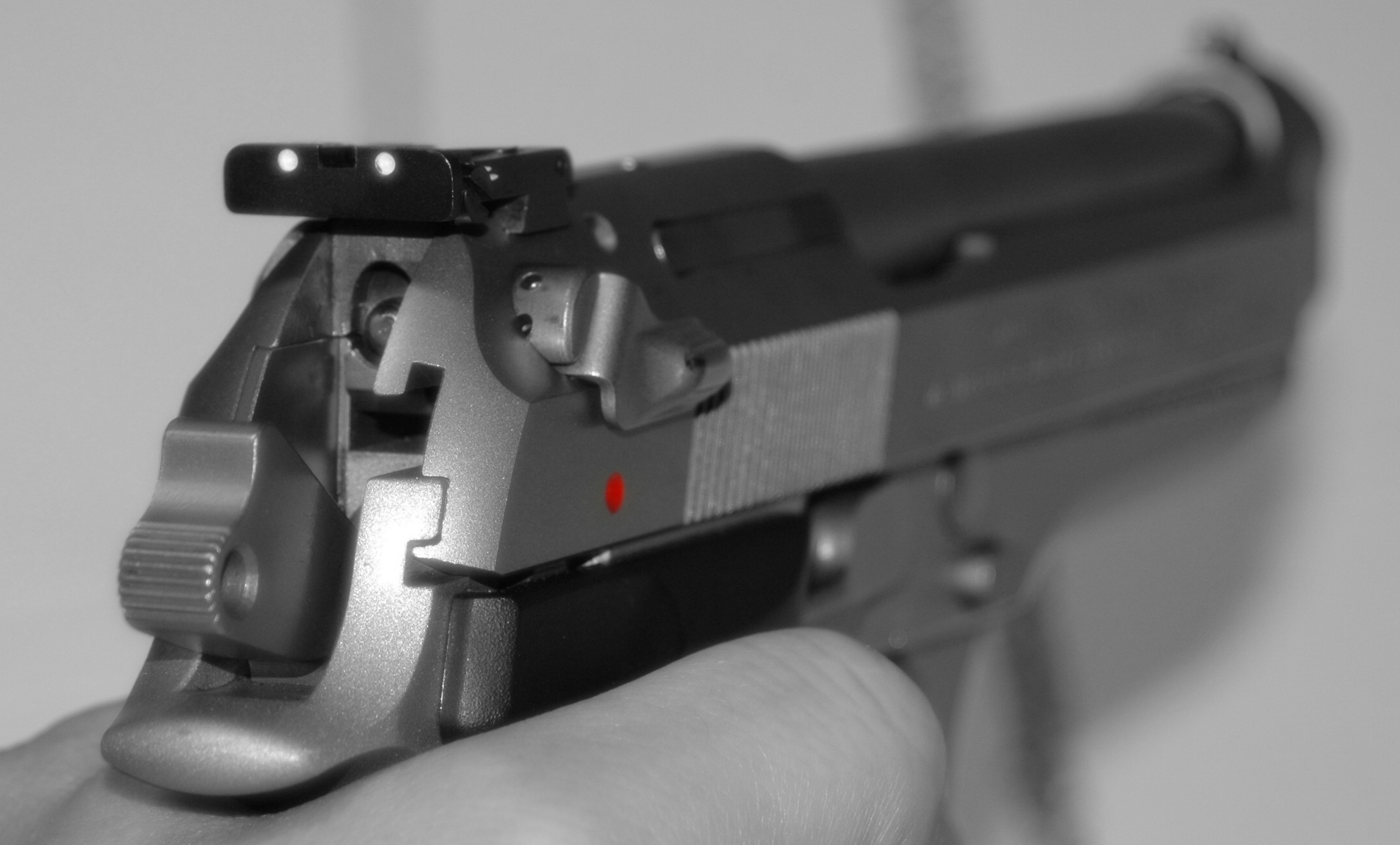
The Beretta 92 turned a long-lived Italian pistol family into one of the most recognizable service platforms of the late 20th century. Its open-top slide, locking block system, aluminum frame, and DA/SA trigger gave it a distinctive mechanical identity. The U.S. military selected the Beretta 92FS as the M9 in 1985, giving the design enormous visibility. Its architecture influenced later pistols and inspired related commercial patterns, while Beretta continued developing the 92 family rather than abandoning it. Decades after introduction, the original design remains a reference point for full-size service pistols.
6. Luger P08
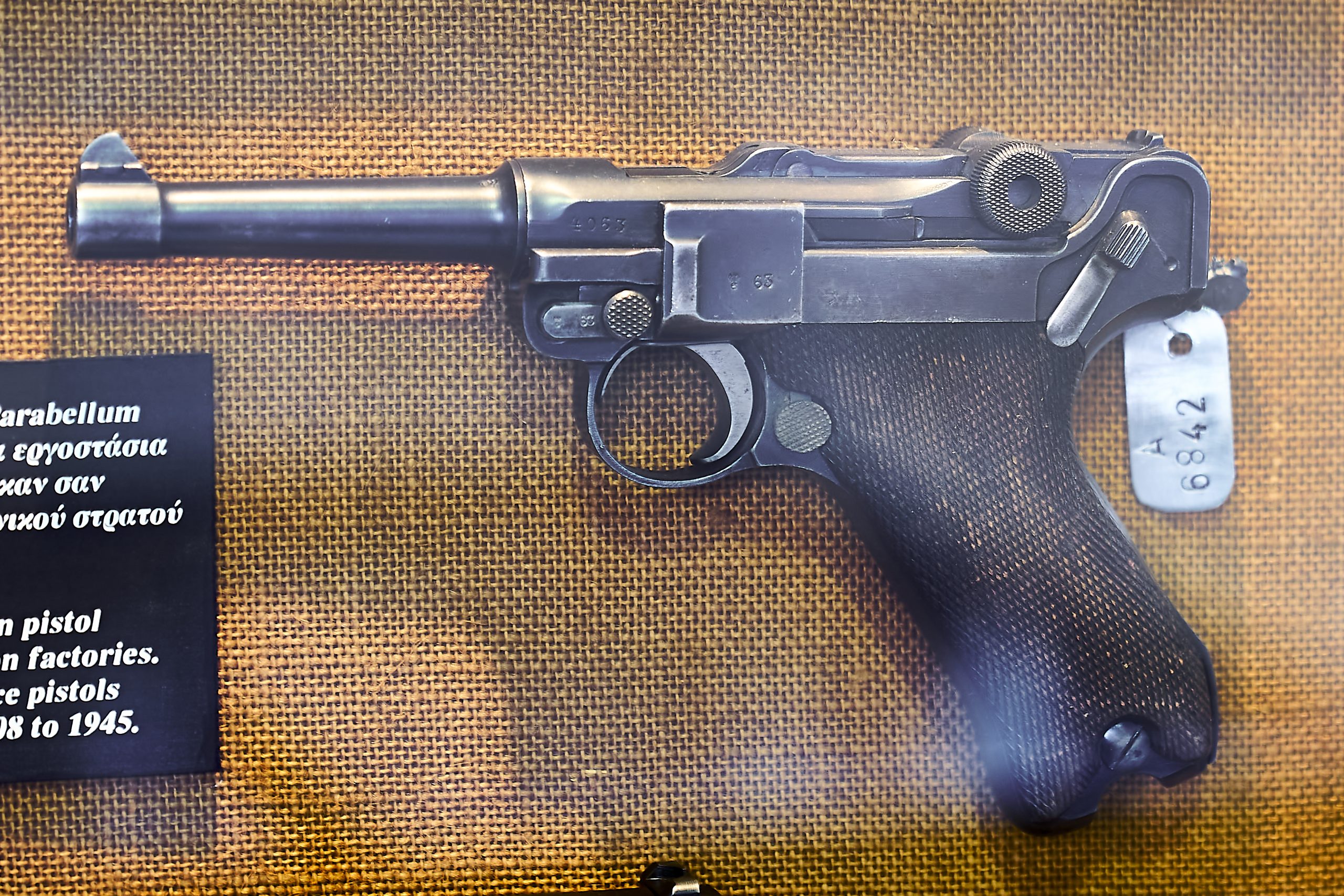
The Luger P08 is remembered for its toggle-lock action, distinctive shape, and role in popularizing the 9×19mm Parabellum cartridge. Its mechanism was more intricate than the Browning-style systems that later dominated service pistols, yet the design remained influential long after its production era. Manufacturers and military arsenals produced related versions, while the pistol’s silhouette became one of the most recognizable in firearms history. The Luger eventually gave way to simpler service designs such as the Walther P38, but examples and reproductions show how strongly its engineering and appearance remained influential.
7. Tokarev TT-33
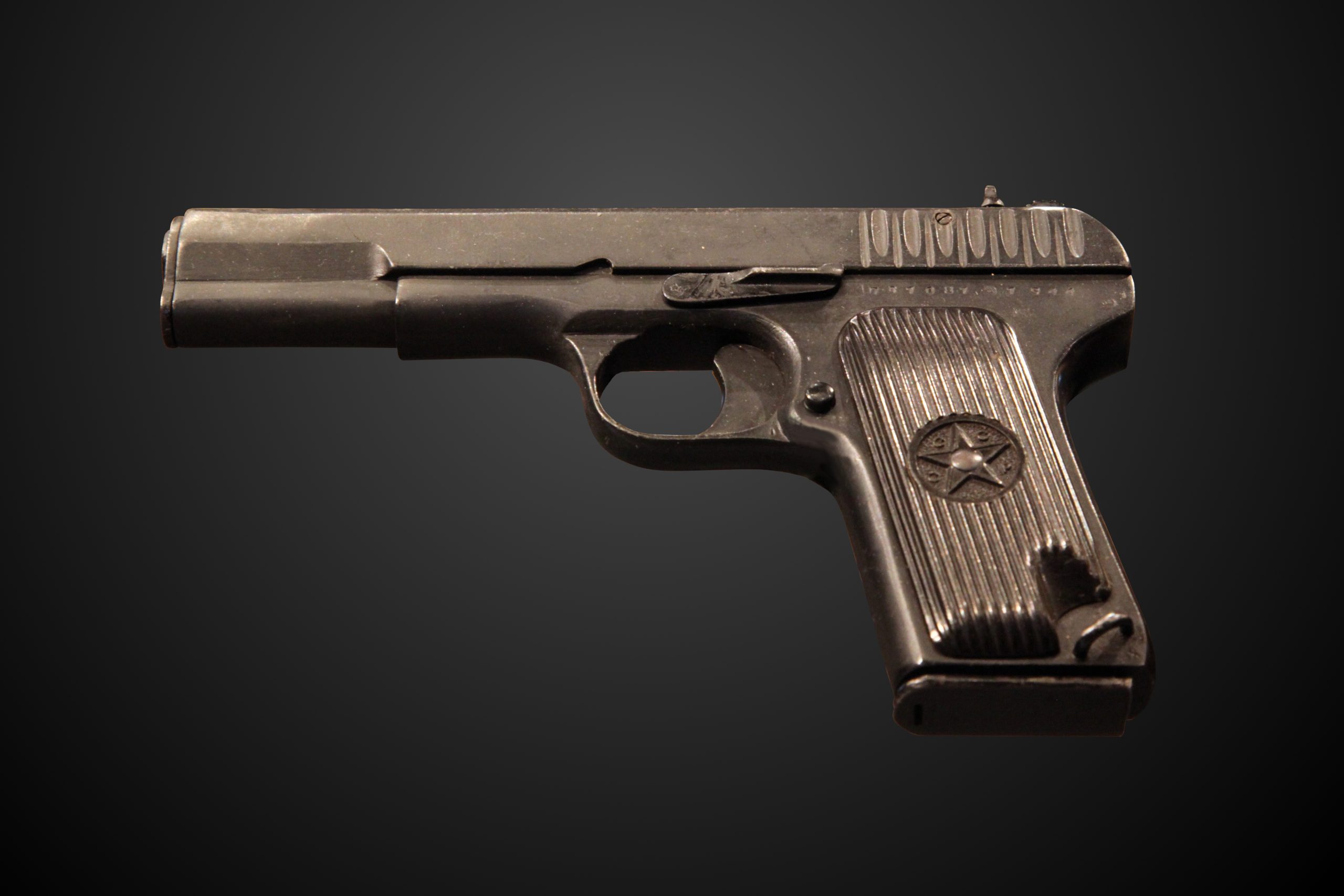
The Soviet TT-33 was built around a rugged Browning-influenced locked-breech system, but its removable fire-control group and powerful 7.62×25mm cartridge gave it a distinct identity. Adopted by the Soviet military in the 1930s, it became widely associated with the Red Army and later spread across the Eastern Bloc. After Soviet production ended, factories and arsenals in several countries produced their own versions or close relatives. The original pattern survived changes in governments and military contracts. Its continued historical presence comes from a design that was simple to manufacture and adapt.
8. Makarov PM
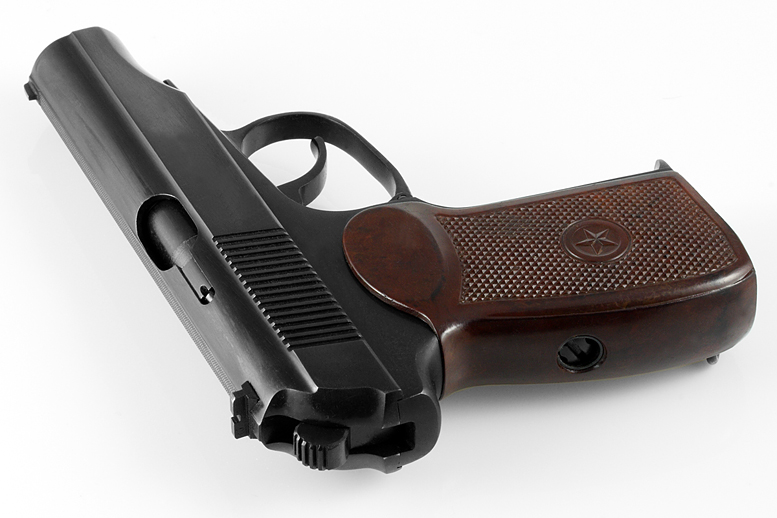
The Makarov PM took a different path from the locked-breech service pistols common in Western military circles. Nikolay Makarov’s design used a simple straight-blowback action and a compact 9×18mm cartridge, producing a small package with relatively few moving parts. It became a standard Soviet sidearm and was later manufactured or copied in several countries, including East Germany, Bulgaria, and China. Although many modern pistols surpassed it in capacity and ergonomics, the Makarov pattern remained recognizable and durable. Its long production history shows how a modest design can outlive the companies that backed it.
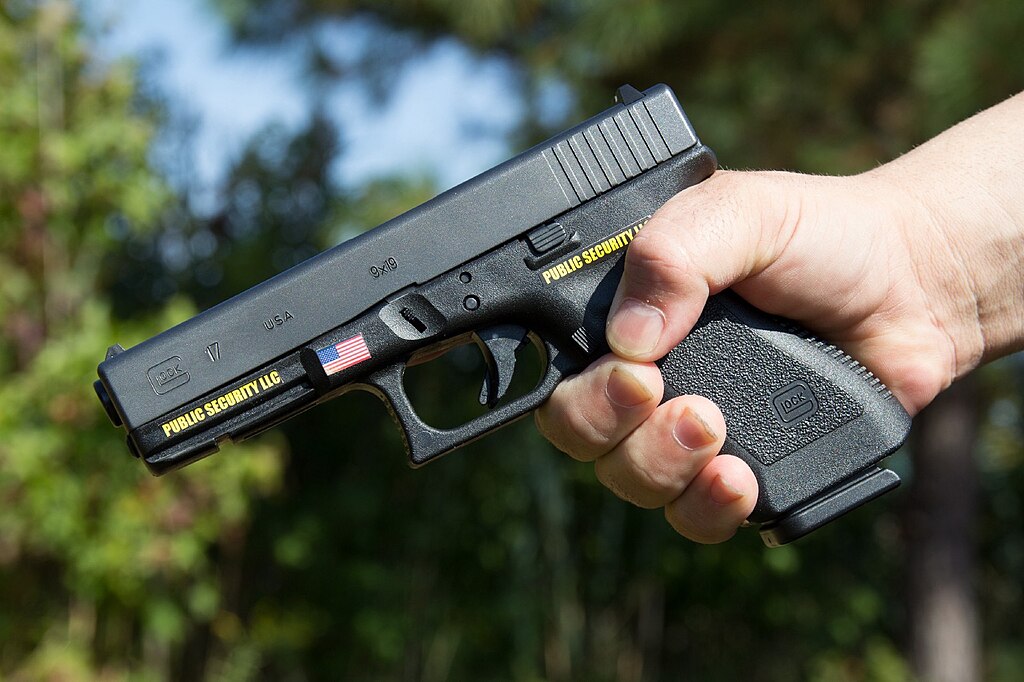
9. Glock 17
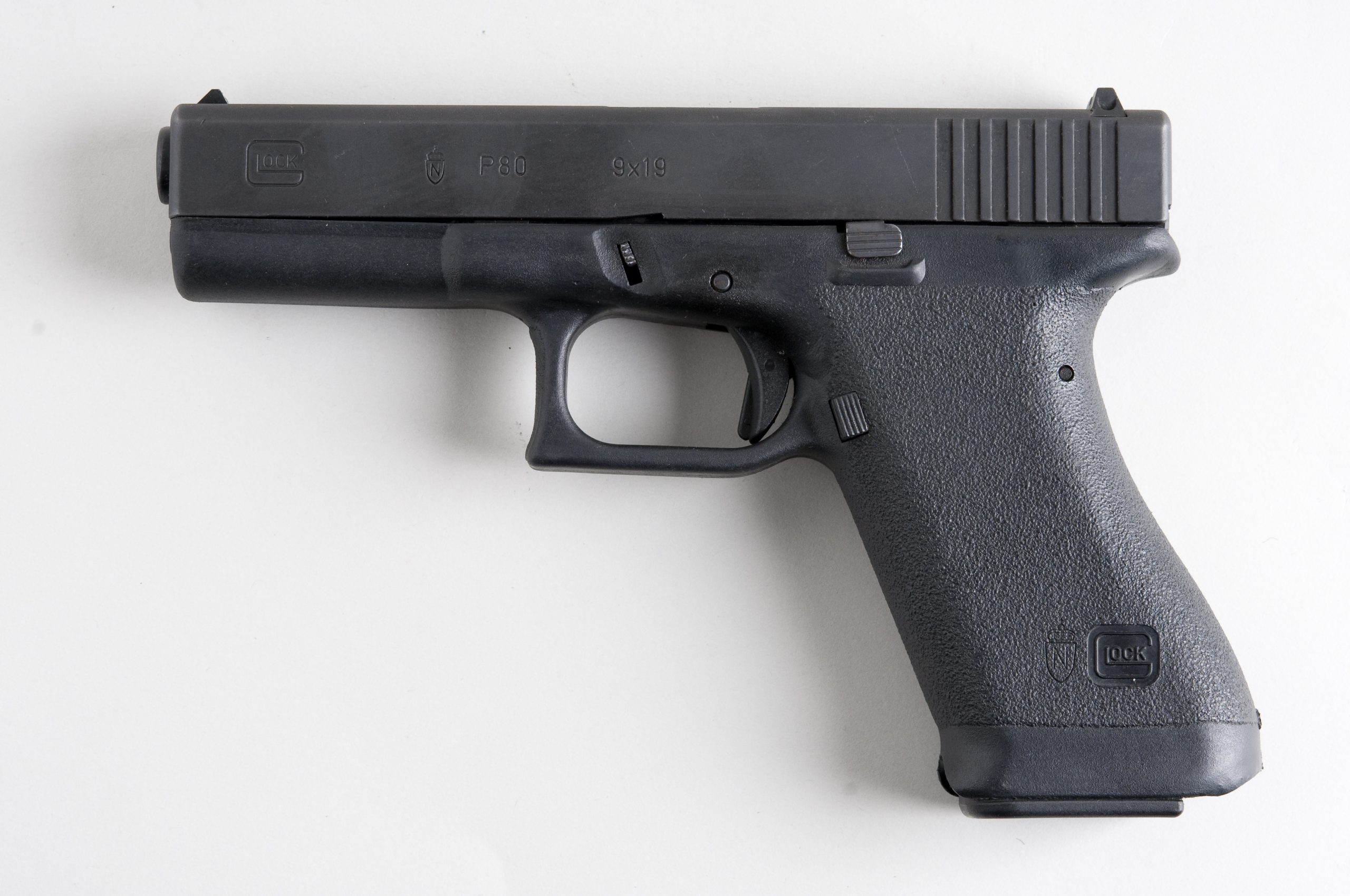
The Glock 17 changed the visual and manufacturing language of the service pistol. Gaston Glock’s design used a polymer frame, striker-fired mechanism, and a 17-round magazine, combining low weight with a relatively simple operating system. Other manufacturers soon introduced polymer-framed striker-fired pistols with similar proportions and controls, expanding the market around the concept. Yet the Glock 17 itself continued through successive generations rather than becoming a short-lived trend. Its importance lies in how its combination of materials, capacity, and trigger system became a lasting industry reference.