Alaska hunting demands equipment that can handle wet weather, rough ground, long hikes, and very large animals. There is no single rifle that every guide carries, and cartridge choice depends on the hunt, terrain, game, and the shooter’s ability. Alaska Fish and Game stresses that accurate shot placement matters more than simply choosing a larger caliber. The following list focuses on firearms commonly associated with practical Alaska hunting, while noting that current unit-specific regulations always control what can legally be used.
1. .30-06 Springfield
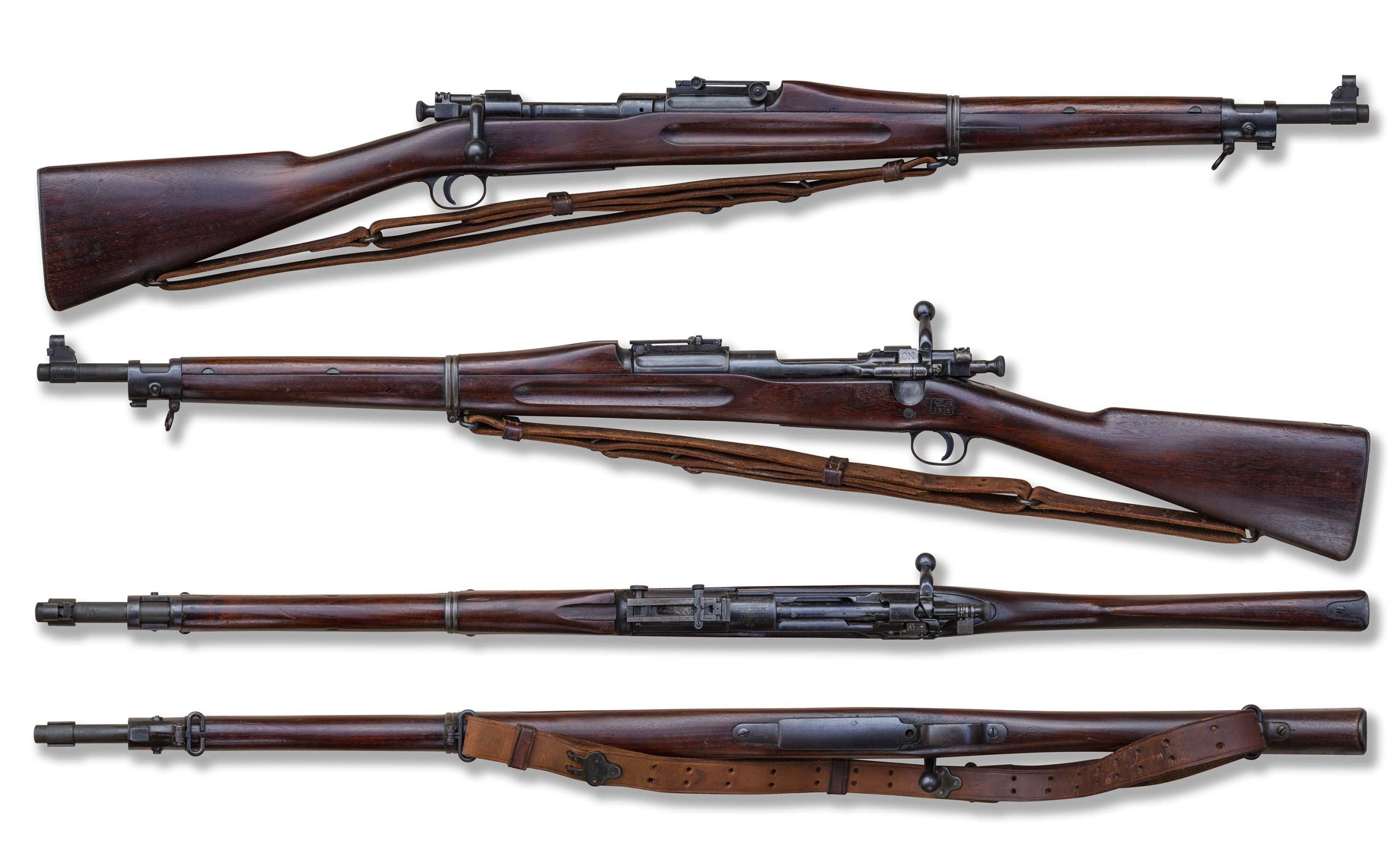
For many Alaska guides, the .30-06 remains the practical all-around rifle because it balances reach, recoil, and ammunition availability. It has long been used for moose, caribou, black bear, and other large game when paired with an appropriate premium bullet and careful shot placement. Alaska Fish and Game notes that a hunter who can reliably keep shots inside an 8-inch circle at 200 yards from field positions can be effective with cartridges such as the .30-06. A typical hunting setup weighs about 8 to 10 pounds. The key number is not magnum power, but repeatable accuracy.
2. .300 Winchester Magnum
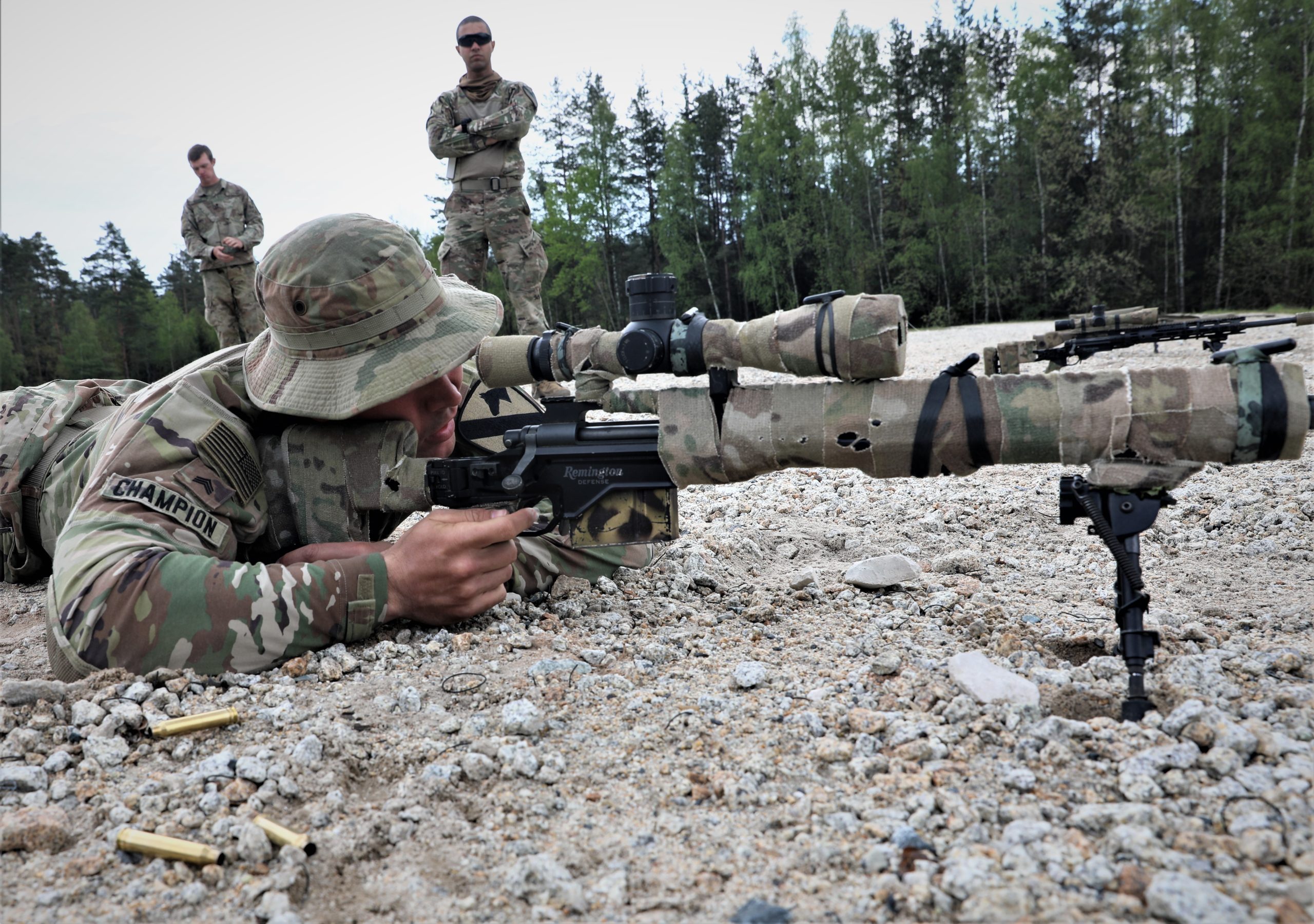
The .300 Winchester Magnum earns a place in many Alaska camps because it adds useful reach and energy without moving into the most punishing magnum class. It is suited to large game such as moose, caribou, and bear when the hunter can handle its recoil and place shots precisely. Alaska Fish and Game specifically notes that larger magnums are not automatically necessary, and a rifle that is shot well is preferable to a harder-kicking rifle that is not. A practical setup may weigh 8 to 10 pounds, with the hunter practicing from sitting, kneeling, and standing positions.
3. .338 Winchester Magnum
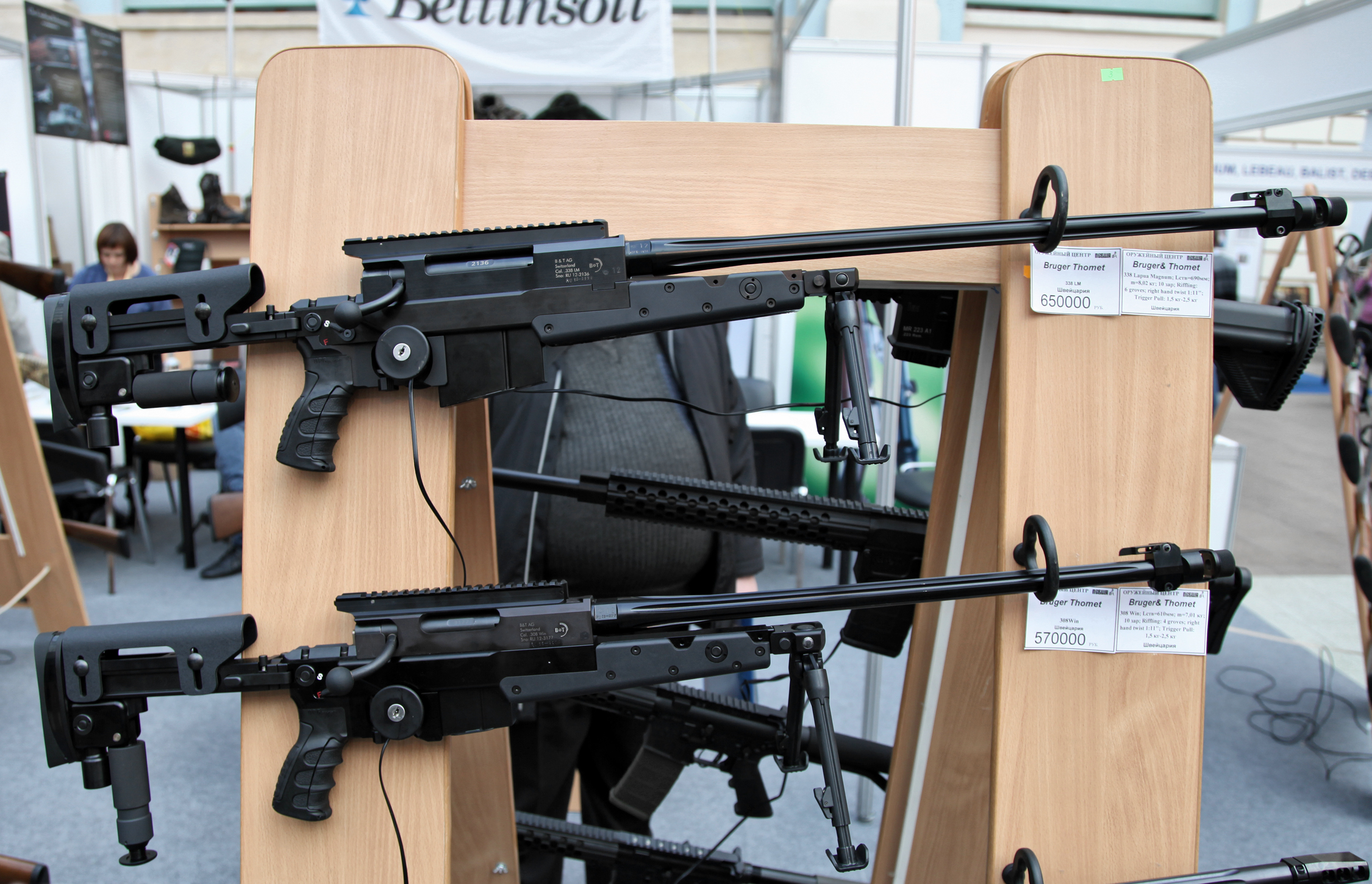
The .338 Winchester Magnum has a strong reputation in Alaska because it combines substantial bullet weight with the reach expected from a modern hunting rifle. Guides may favor it for hunts where very large animals or demanding terrain are part of the picture, but it is not a magic answer to poor marksmanship. Alaska Fish and Game uses the .338 as an example when explaining that caliber cannot compensate for a poorly placed hit. A 9- to 11-pound rifle can make recoil easier to manage, while regular practice matters more than chasing maximum power.
4. .375 H&H Magnum
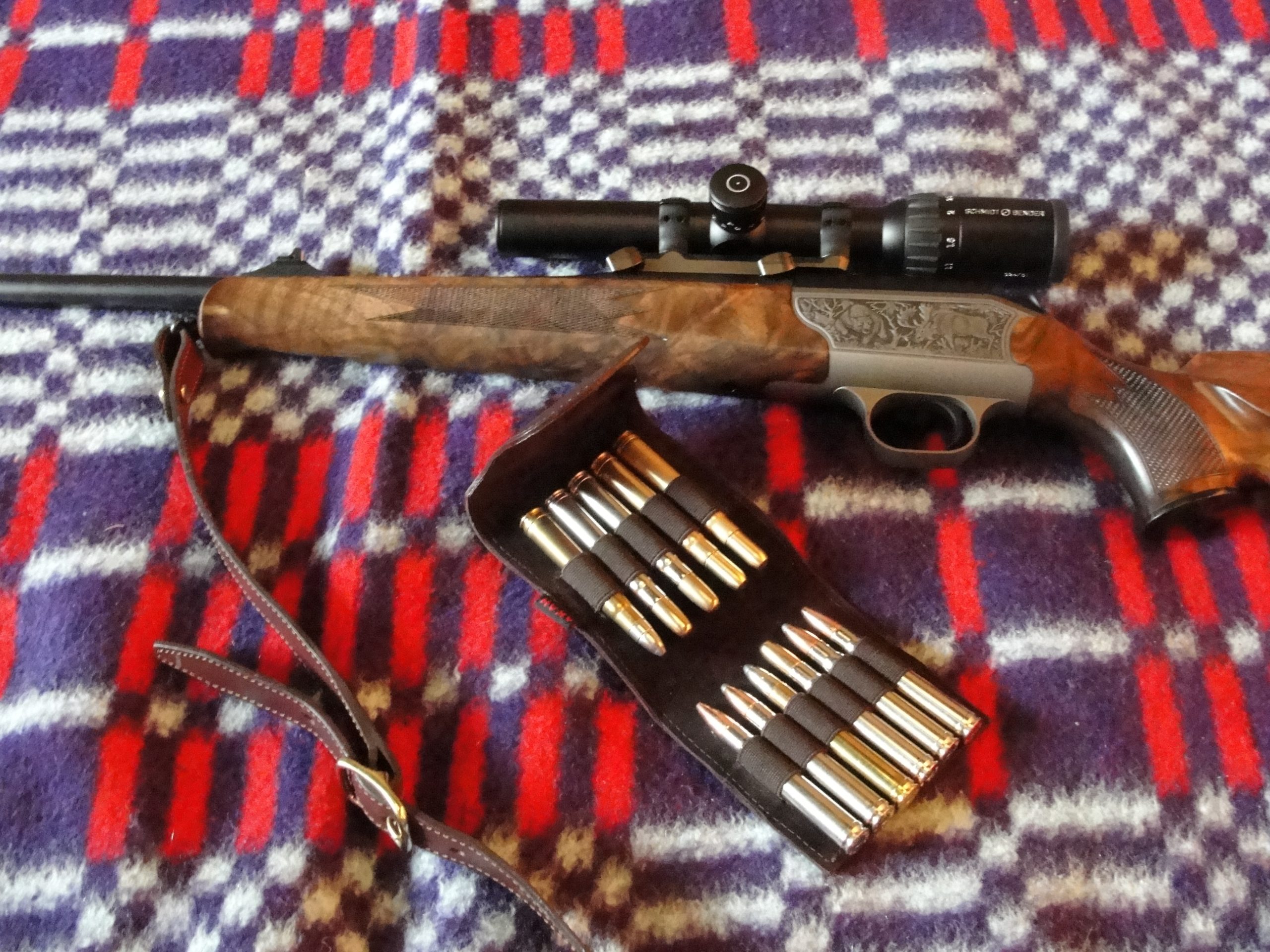
The .375 H&H Magnum is a classic large-game cartridge that still appears in Alaska hunting camps, particularly where brown or grizzly bear country is part of the itinerary. Its appeal comes from a long record with heavy, controlled-expansion bullets. That does not mean every guide needs one, or that it is automatically better than a .30-06 or .300. Recoil can reduce practical accuracy if the shooter is not accustomed to it. A rifle around 9 to 11 pounds can be easier to control, while Alaska Fish and Game emphasizes that precise heart-lung hits matter more than choosing a larger bore.
5. .308 Winchester
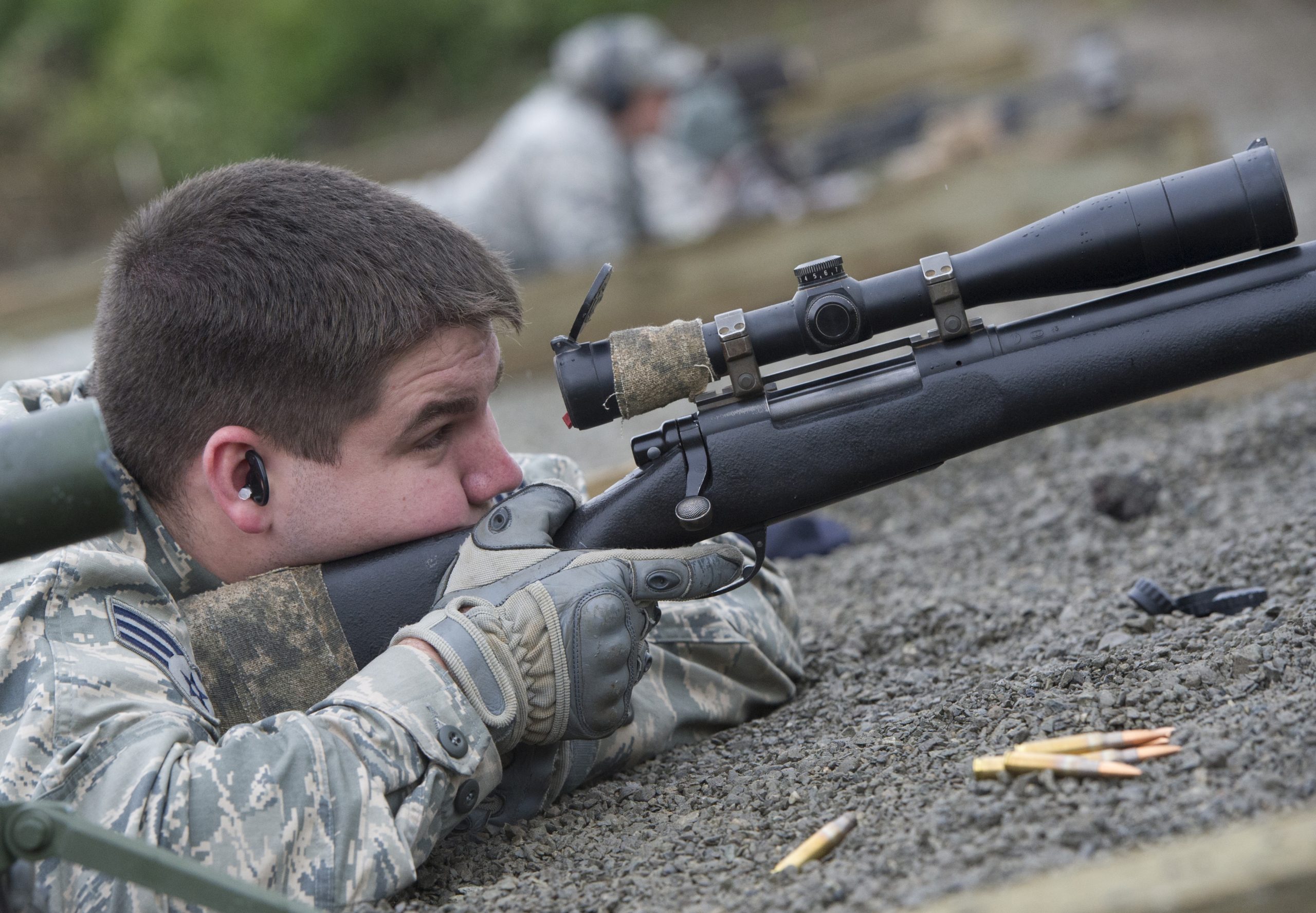
The .308 Winchester is compact, familiar, and easier for many hunters to shoot well than heavier magnums. That combination makes it a sensible Alaska choice for hunters who value controllability and a manageable rifle during long days in rough country. Alaska Fish and Game specifically lists the .308 among cartridges that can be successful for Alaska hunting when the shooter can place shots accurately and uses quality bullets. A useful benchmark is an 8-inch group at 200 yards from field positions. For a guide, reliability and familiarity can matter more than ballistic advantage.
6. .270 Winchester
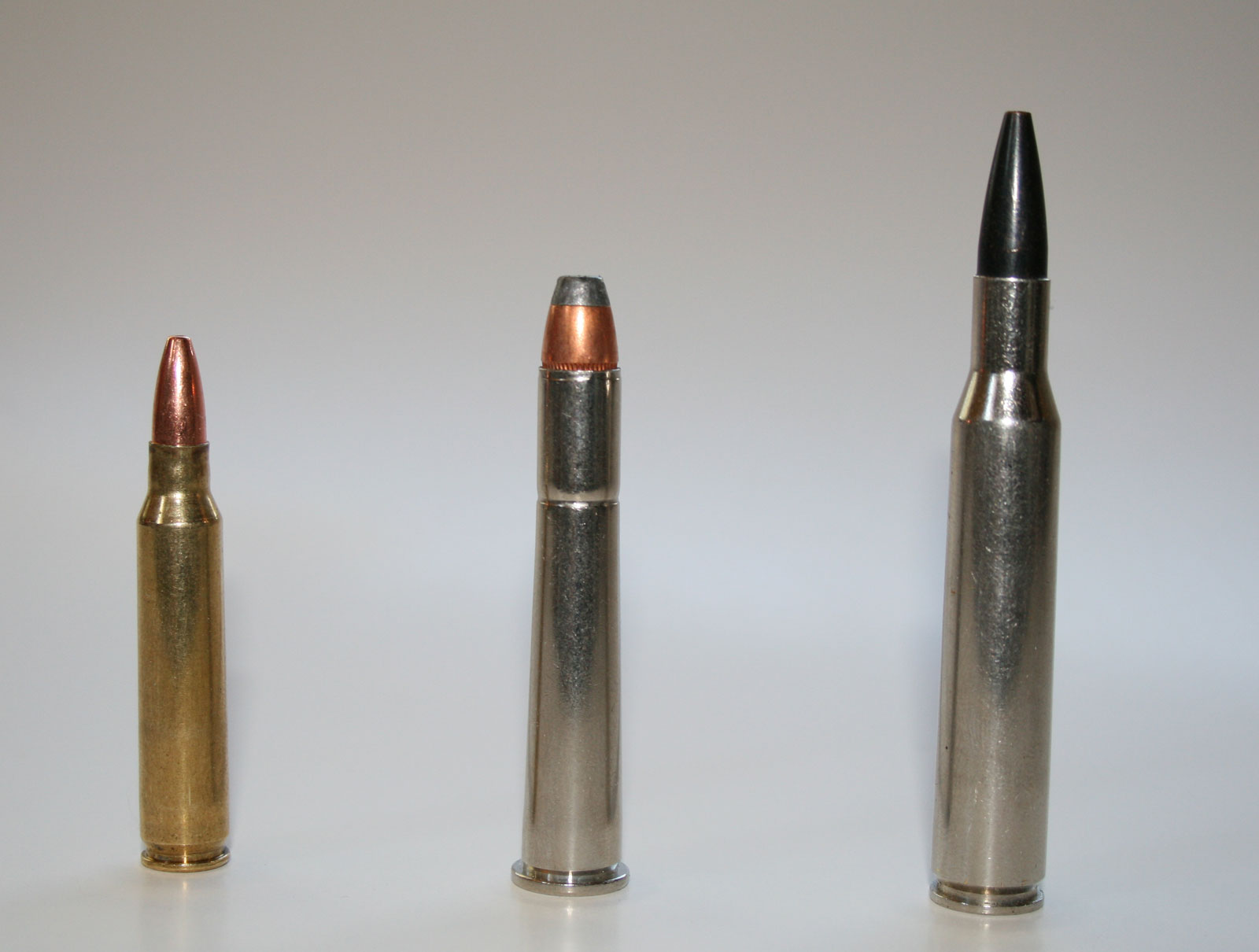
The .270 Winchester may look modest beside Alaska’s famous magnums, yet Alaska Fish and Game specifically identifies it as a cartridge capable of taking Alaska big game when used with suitable premium bullets and accurate shot placement. Its relatively manageable recoil can encourage more practice, which is valuable in steep terrain and changing weather. A hunter who can repeatedly keep shots inside an 8-inch circle at 200 yards has a meaningful foundation. A sturdy 7 to 9-pound rifle can also be less tiring to carry over long distances. That can matter on multi-hour climbs.
7. .375 Ruger
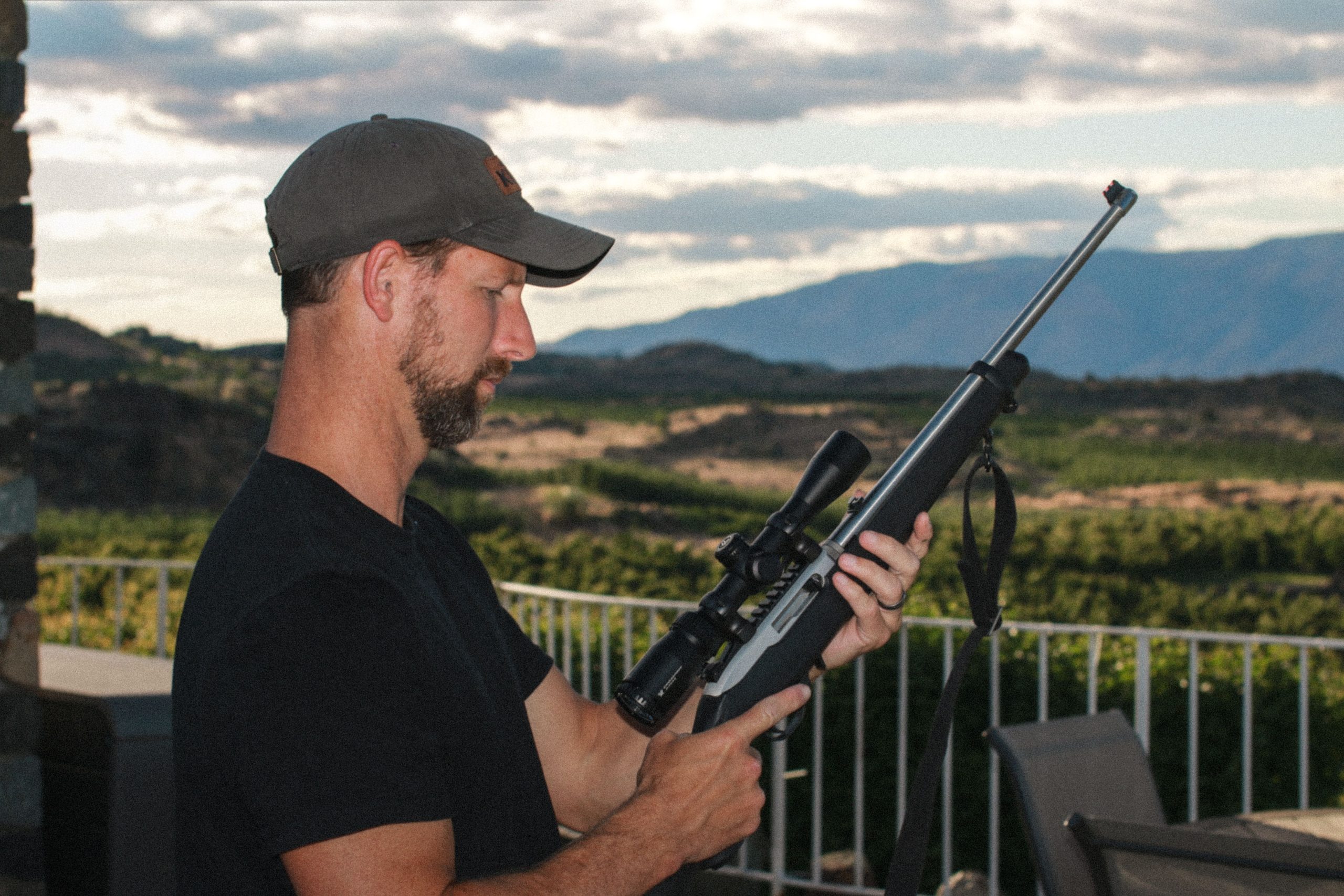
The .375 Ruger offers modern performance in a cartridge designed for rifles that can be shorter and handier than some traditional .375 setups. That can be attractive in Alaska, where a rifle may be carried through alder, timber, river crossings, and tight brush rather than only fired from an open ridge. It is still a powerful cartridge, so recoil control and practice are essential. A sensible guide’s setup prioritizes dependable feeding, weather-resistant construction, and a secure sling. The important number remains the shooter’s consistent accuracy, not the cartridge’s headline energy.
8. 12-Gauge Pump Shotgun
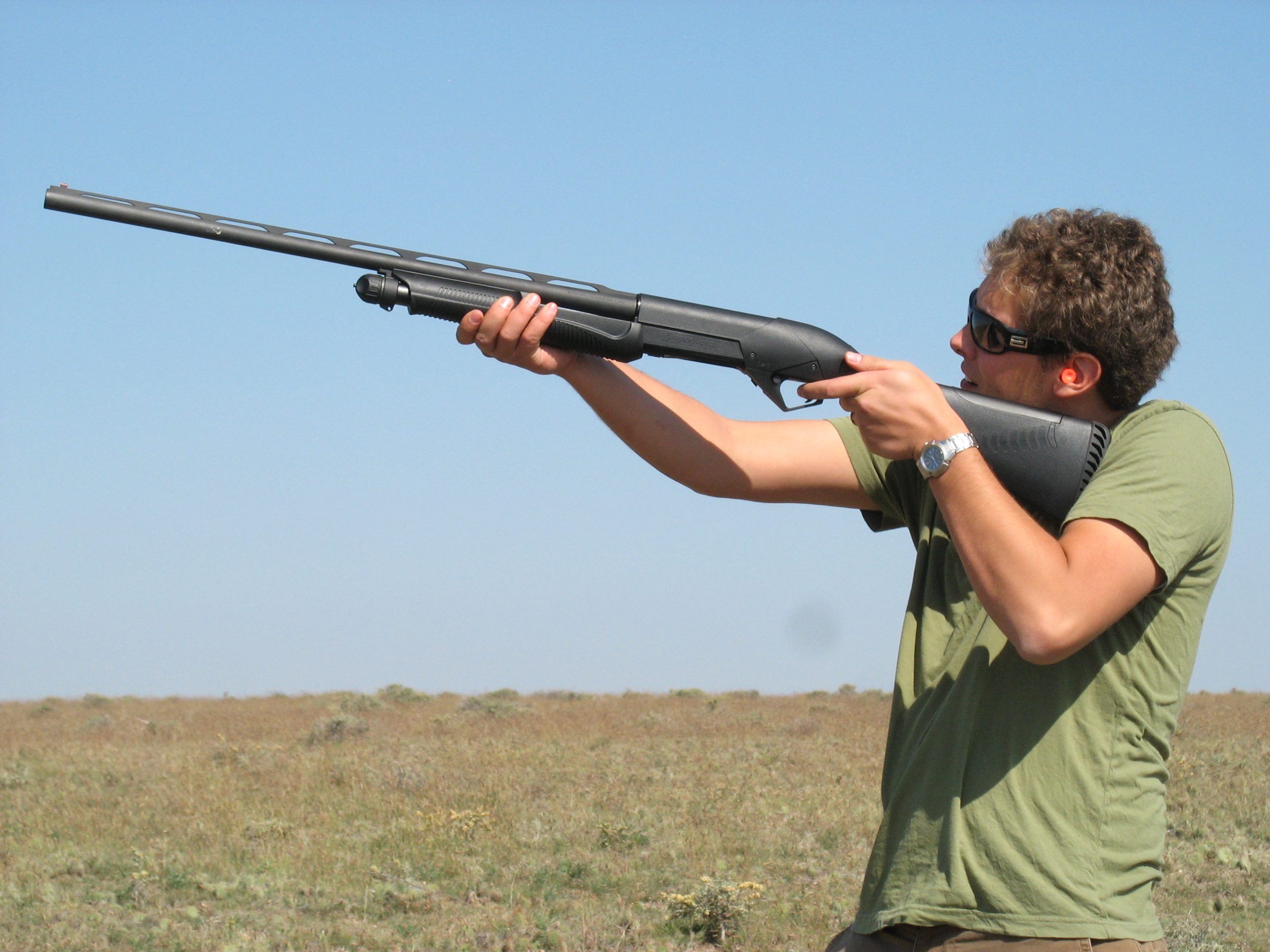
A 12-gauge pump shotgun can fill a different role from the centerfire rifles that dominate big-game discussions. In an Alaska camp, it may be useful for certain small-game or bird hunting opportunities and as a general-purpose long gun where legally appropriate. Its value comes from versatility and straightforward operation rather than extreme range. A common 12-gauge chamber is 3 inches, giving hunters a broad selection of loads. Regulations vary by hunt and unit, so guides check current rules before carrying or using a shotgun. Alaska prohibits shotguns larger than 10 gauge for taking game.
9. .45-70 Government
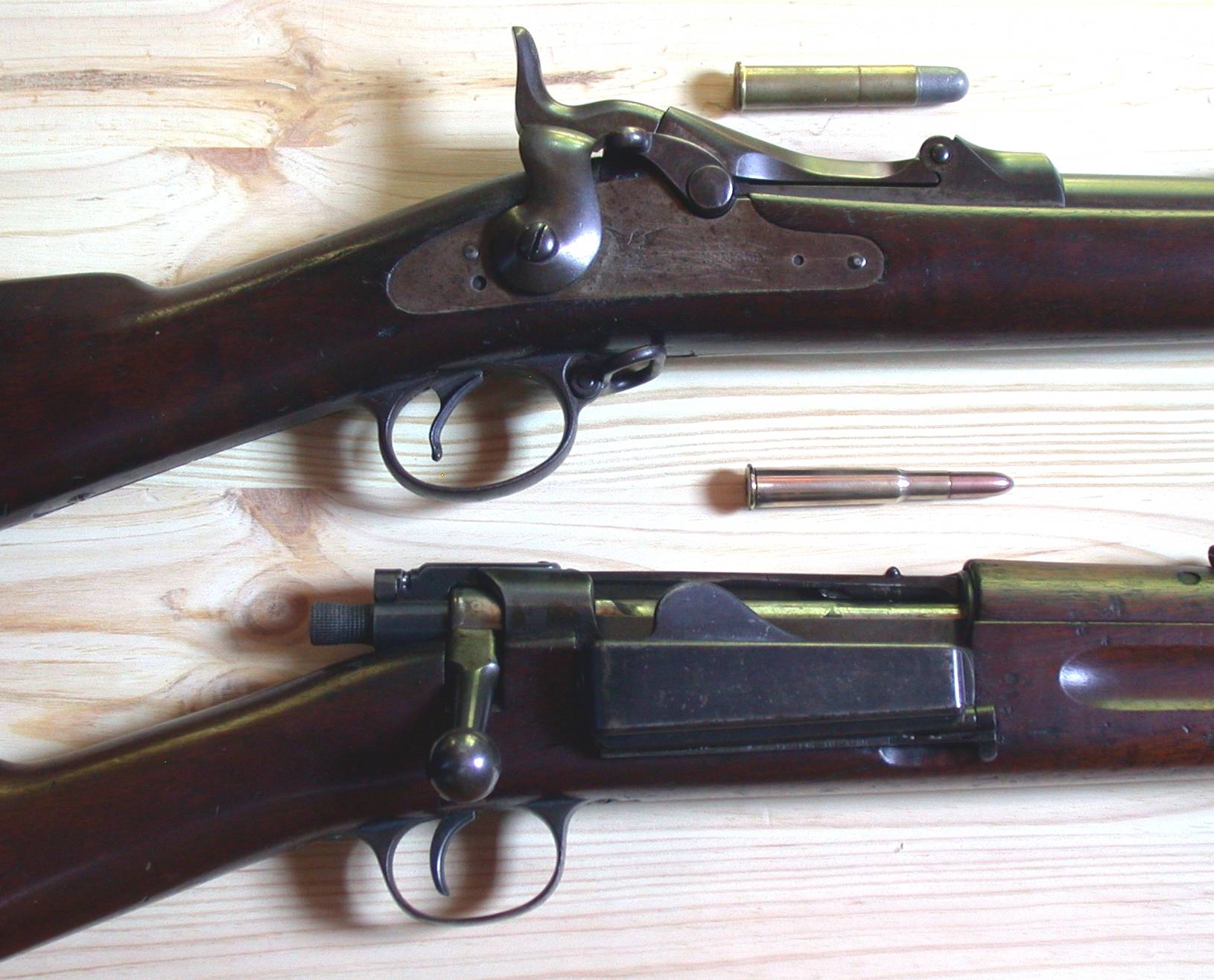
The .45-70 Government has a special place in Alaska because its lever-action rifles can be compact, rugged, and handy in thick country. It is often discussed for close-range large-game hunting, where a quick-handling rifle can be convenient. That reputation should not be confused with unlimited capability. The cartridge still depends on suitable ammunition, a sound rifle, and disciplined shot placement. A practical lever gun may be around 7 to 8 pounds, keeping it manageable when moving through brush or climbing uneven ground. Guides may choose it for specific terrain and game.