
A day hike can begin with a clear trail, pleasant weather, and a simple plan to return before sunset. Yet a few small navigation errors can quickly turn an enjoyable outing into a dangerous situation. Taking the wrong junction, trusting a phone with a dying battery, or misjudging the distance back can leave hikers stranded far from familiar ground. Even experienced outdoor enthusiasts can make these mistakes when tired, distracted, or overconfident. Understanding these nine common navigation failures can help hikers recognize trouble early, make better decisions, and avoid turning a short walk into a search and rescue emergency.
1. Following the Wrong Trail Junction

A trail junction can look harmless, especially when two paths share the same width or one appears more inviting. The mistake is continuing without checking the map, trail marker, or direction of travel. A wrong turn of just 10 minutes can become a much longer detour when the path bends into a different valley or climbs away from the route. Pause at every junction, compare at least 2 clues, and note the time before moving on. If landmarks stop matching the map, do not keep walking in the hope that the trail will reconnect. Turn back to the last confirmed point while the route is still familiar. A junction photo or brief note can help you recognize the spot on your return.
2. Relying Only on a Phone
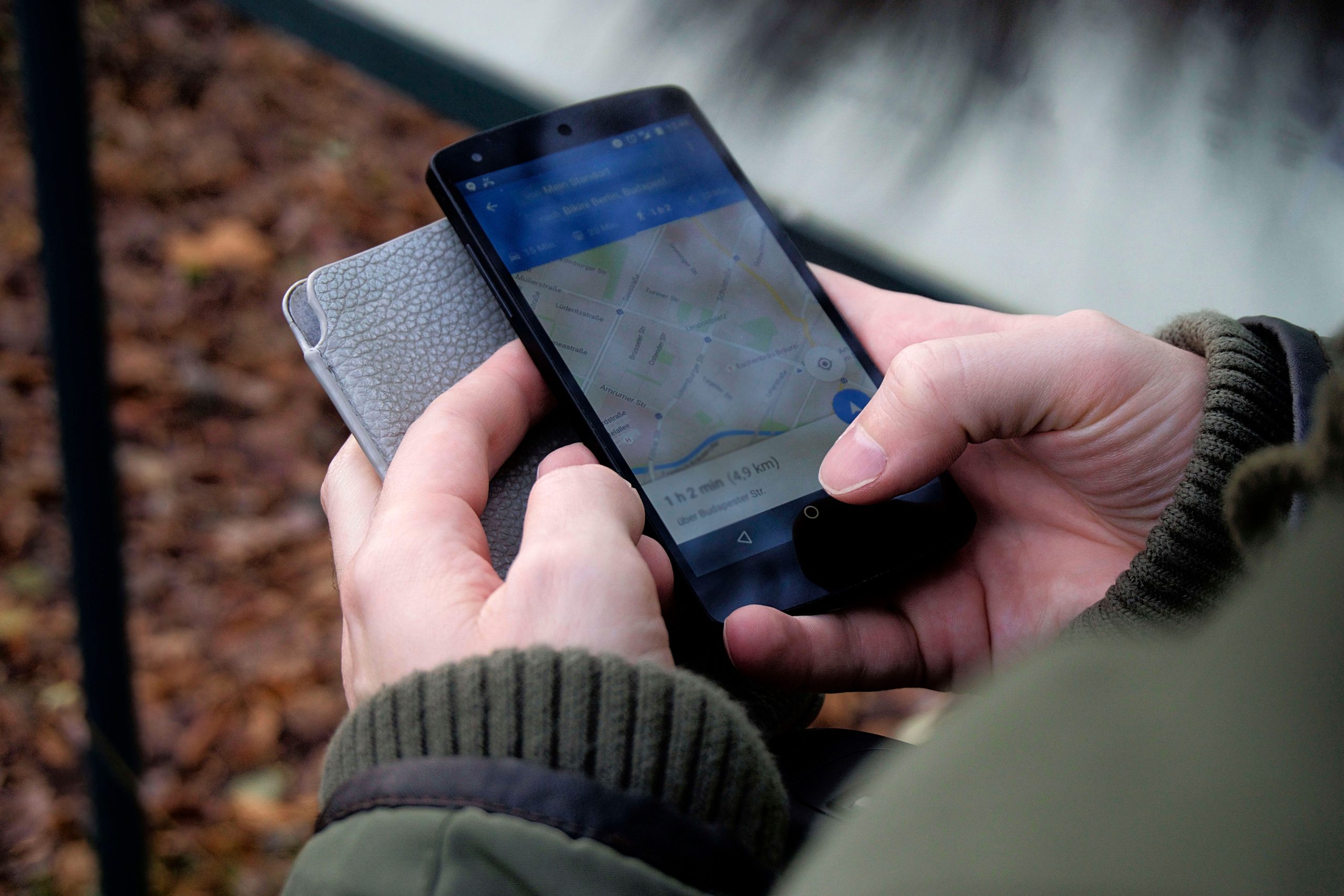
A phone map is convenient, but it is not a complete navigation plan. Battery drain, cold weather, a cracked screen, or a dropped device can remove access to the route at the worst moment. Download the map before you leave, carry a power bank, and keep your phone dry and secure. For a 4-hour hike, don’t assume a full battery will last if GPS, photos, and mobile data stay active. Bring a paper map and compass, and learn the basics before the trip. A backup helps only when you know how to use it and have checked that the map covers the whole trail. Keep offline maps and emergency numbers saved, and learn how to read them before leaving.
3. Starting Without Checking the Route
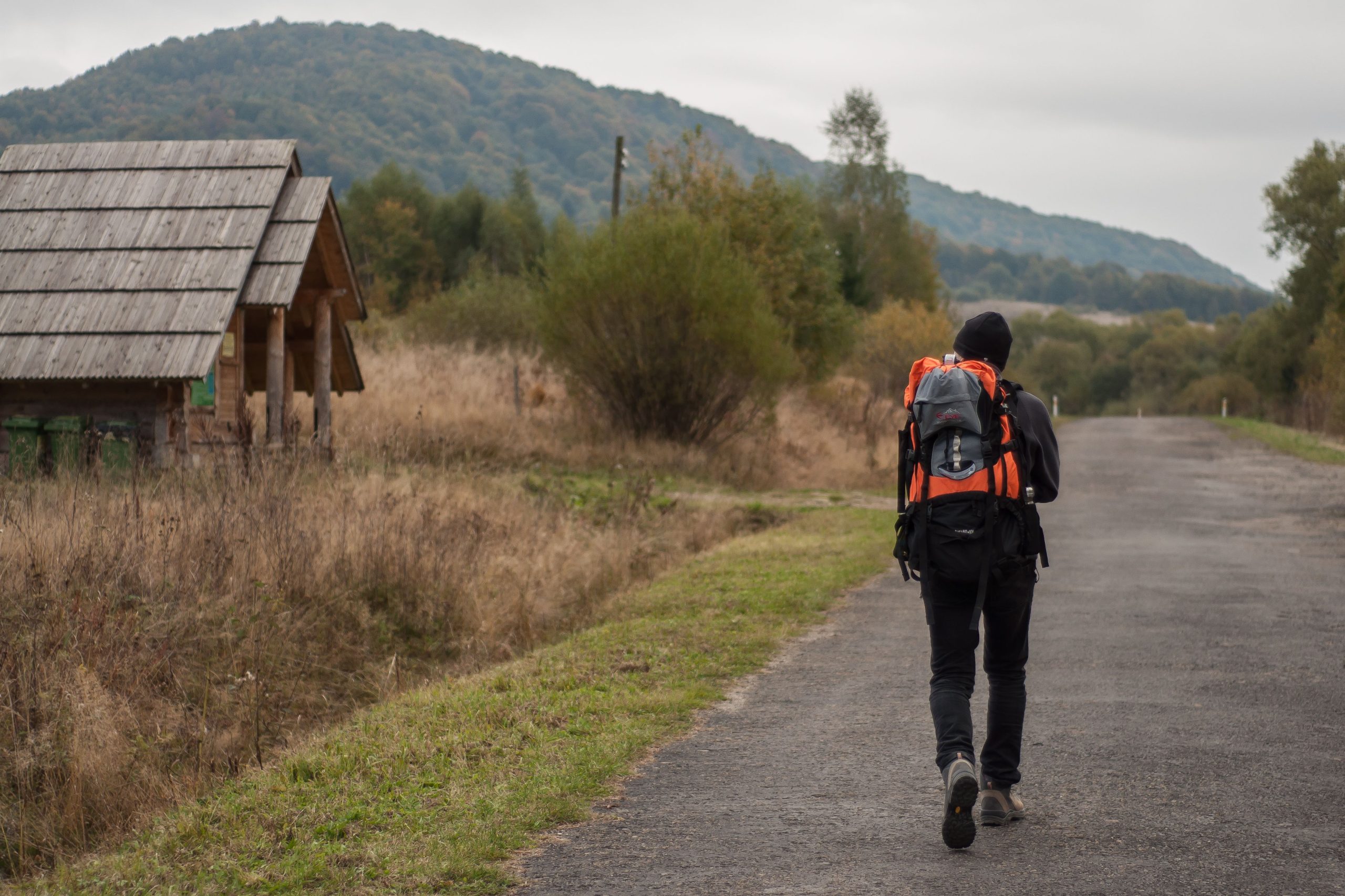
Setting out with only a trail name or a pin on a screen leaves too many questions unanswered. Before hiking, check the route length, elevation gain, junctions, water sources, closures, and expected return time. A trail listed as 8 kilometres may feel far harder if it includes steep climbs, mud, or exposed rock. Read recent trail updates and identify at least 2 landmarks that confirm progress. Tell someone your route and when you expect to return. If the route description, signs, and map disagree, stop to resolve the difference instead of choosing whichever direction seems easiest. A few minutes of preparation can prevent hours of confusion later.
4. Misjudging Distance and Walking Time
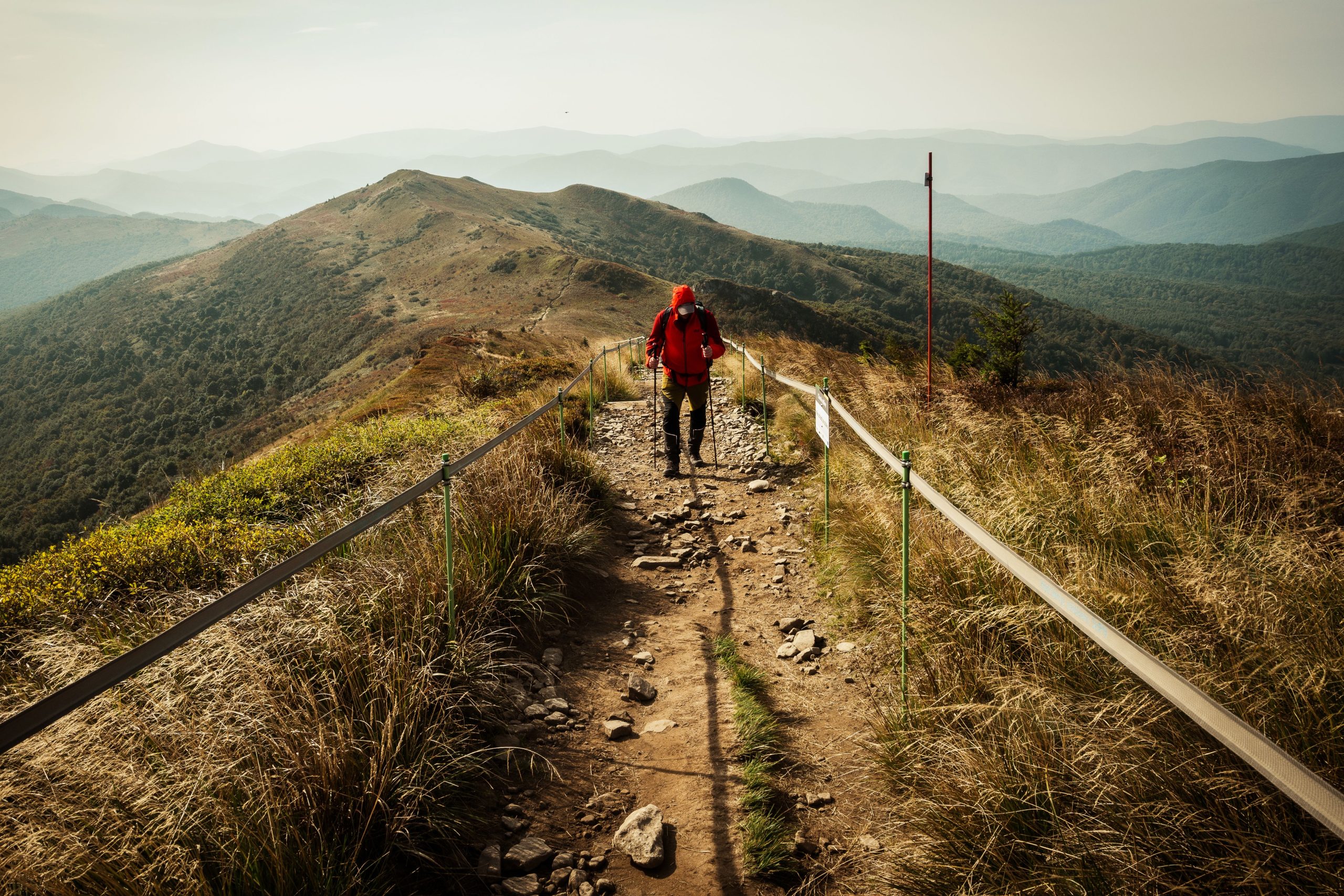
A short distance on a map can hide steep slopes, rough ground, stream crossings, and slow sections through dense forest. Hikers who plan using distance alone may reach the halfway point later than expected and then run out of daylight on the return. Estimate time using both distance and elevation, and add a margin for breaks or delays. For example, a 6-kilometre route can take much longer than expected when it climbs sharply or the trail is slippery. Check your progress at set intervals, such as every 30 minutes, and turn around early if your pace falls behind the plan. Agree on a turnaround time before leaving, even if the destination seems close.
5. Ignoring Trail Markers and Landmarks
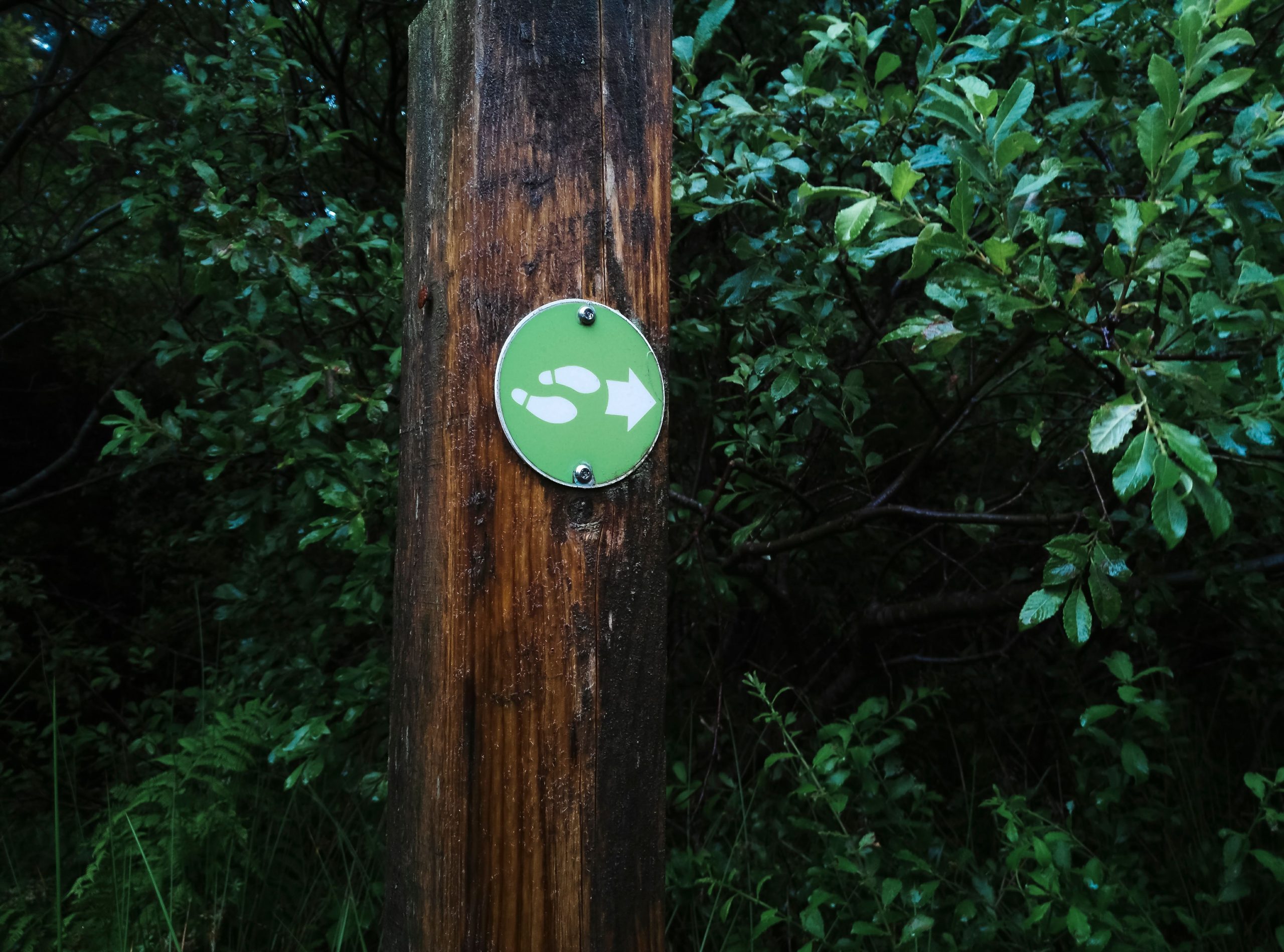
Paint blazes, signposts, cairns, and distinctive natural features help confirm that you are still on the intended route. The danger comes from assuming a marker seen earlier proves that every later turn is correct. Markers may be faded, spaced far apart, or confused with signs for another path. Check for a sequence of clues rather than relying on one tree marking or stone pile. If you have not seen a clear marker for 15 minutes and the terrain looks unfamiliar, stop and verify your location. Avoid creating your own trail marks that could mislead other hikers or damage the landscape. Markers are useful evidence, not a substitute for reading terrain and direction.
6. Continuing After Losing Your Bearings
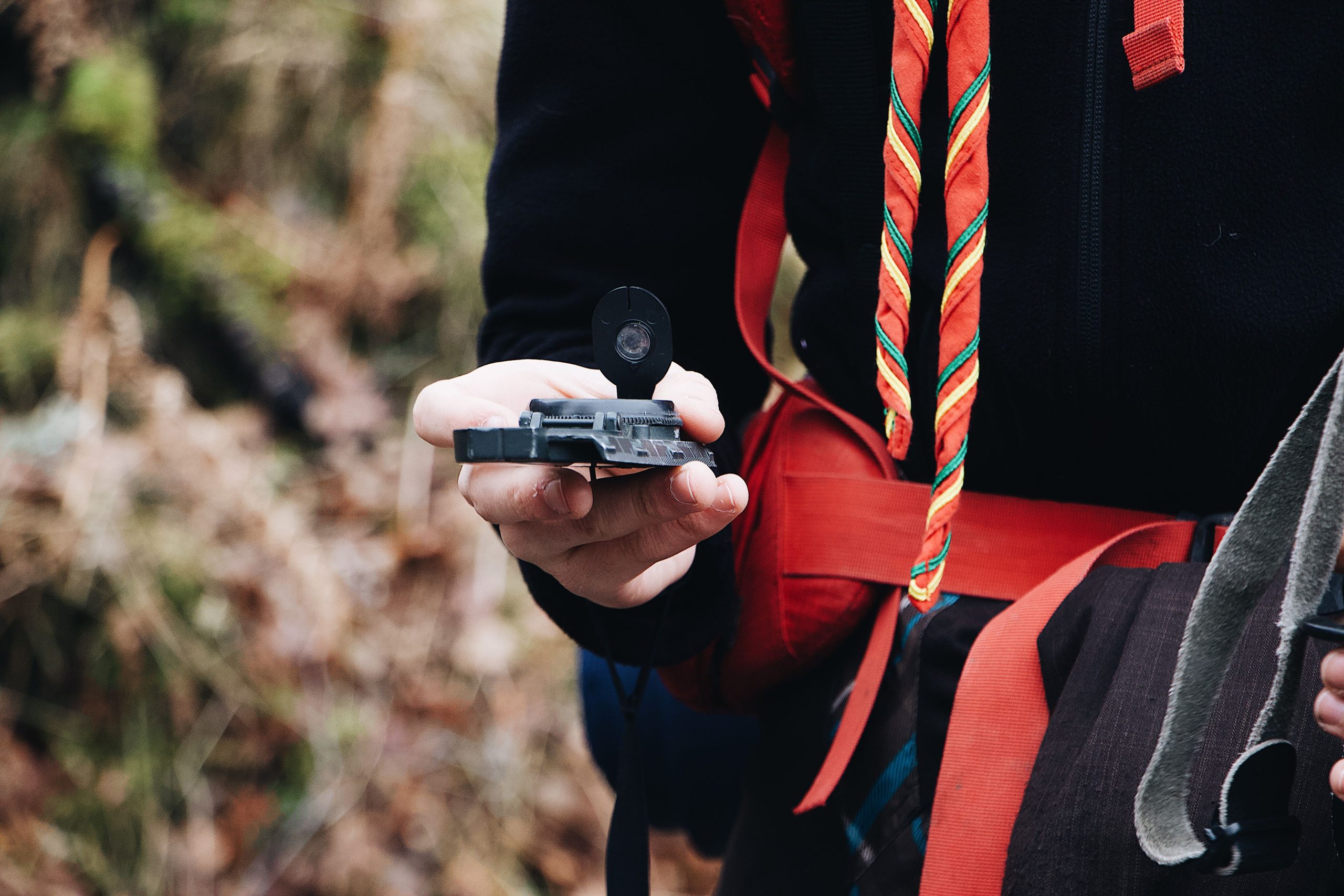
When the trail becomes confusing, walking faster rarely solves the problem. Each unverified step can carry you farther from the last place you knew with confidence, making a later search more difficult. Stop as soon as the route no longer makes sense, stay calm, and check your map, compass, GPS position, and nearby terrain. Try to identify the last confirmed point before deciding what to do next. If you cannot establish a safe route, avoid wandering in several directions. In poor visibility or fading light, staying put in a safe location and contacting emergency services may be safer than guessing. Tell your group to stop too, so nobody walks on while you check the route.
7. Failing to Account for Weather and Darkness
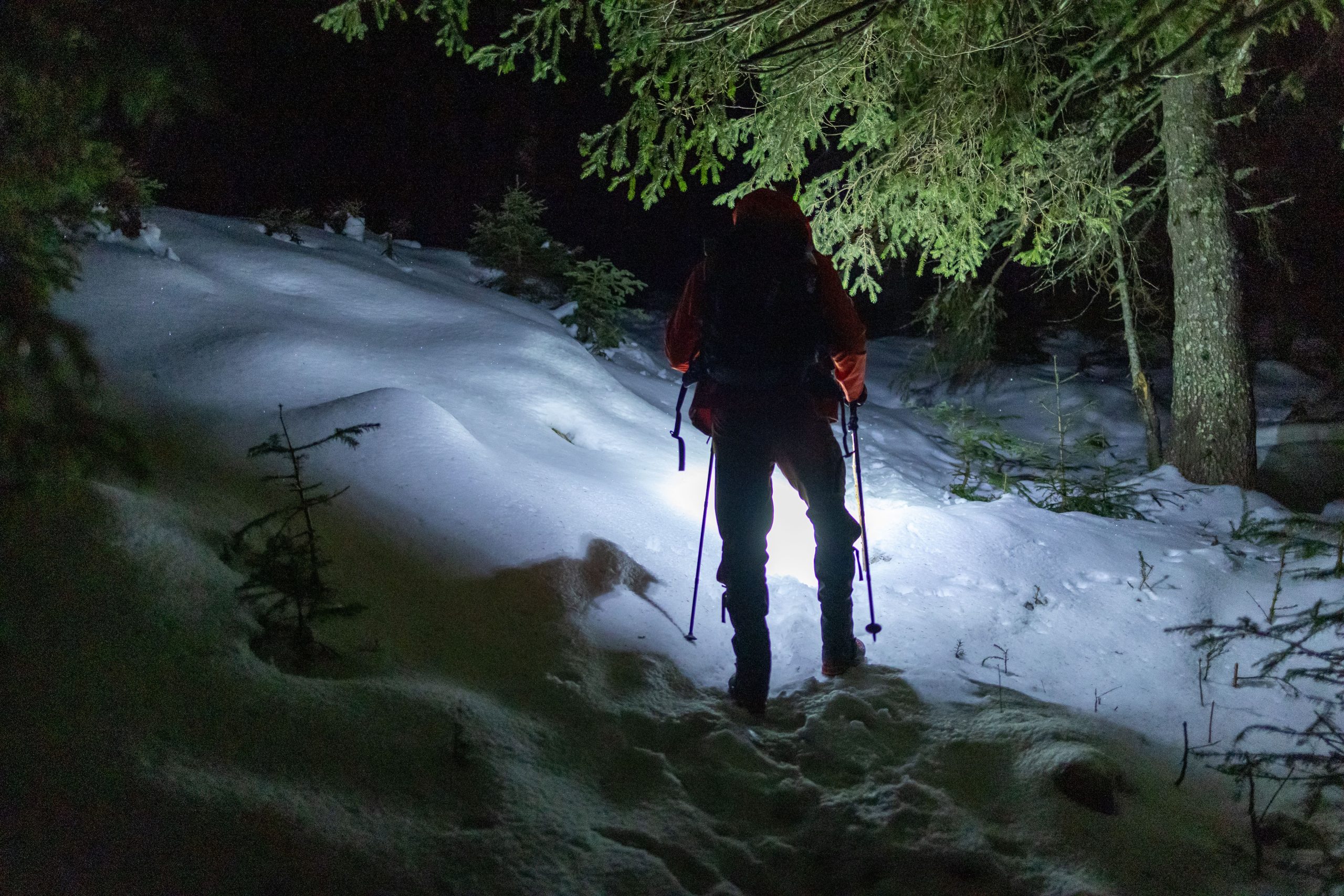
Fog, heavy rain, early darkness, and low cloud can erase landmarks that were obvious on the way in. A familiar ridge or trail junction may look completely different when visibility drops to 20 metres. Check the forecast before departure and note sunset time, but remember that mountain and forest conditions can change quickly. Carry a headlamp with spare power, even for a planned 2-hour walk, and keep navigation tools accessible. If the weather begins to obscure the route, do not push onward simply to reach a viewpoint. Reassess early, follow a known safe route if possible, or seek shelter and assistance when necessary. Warm layers and a whistle can help if you must wait for assistance.
8. Splitting Up or Leaving the Trail to Find a Shortcut

A group that separates to search for a missing path can turn one navigation problem into several. People may lose sight of one another, follow different slopes, or become difficult for rescuers to locate. Agree on a simple rule before starting: stay together, and stop at a safe place if the group becomes separated. Never leave the marked route just because a shortcut appears to save 10 minutes. Steep ground, thick vegetation, cliffs, and streams can block the way back. If someone is missing, avoid sending everyone in different directions; keep communication clear and contact emergency services when the person cannot be found quickly. Agree on a meeting point before the hike.
9. Not Knowing When to Call for Help
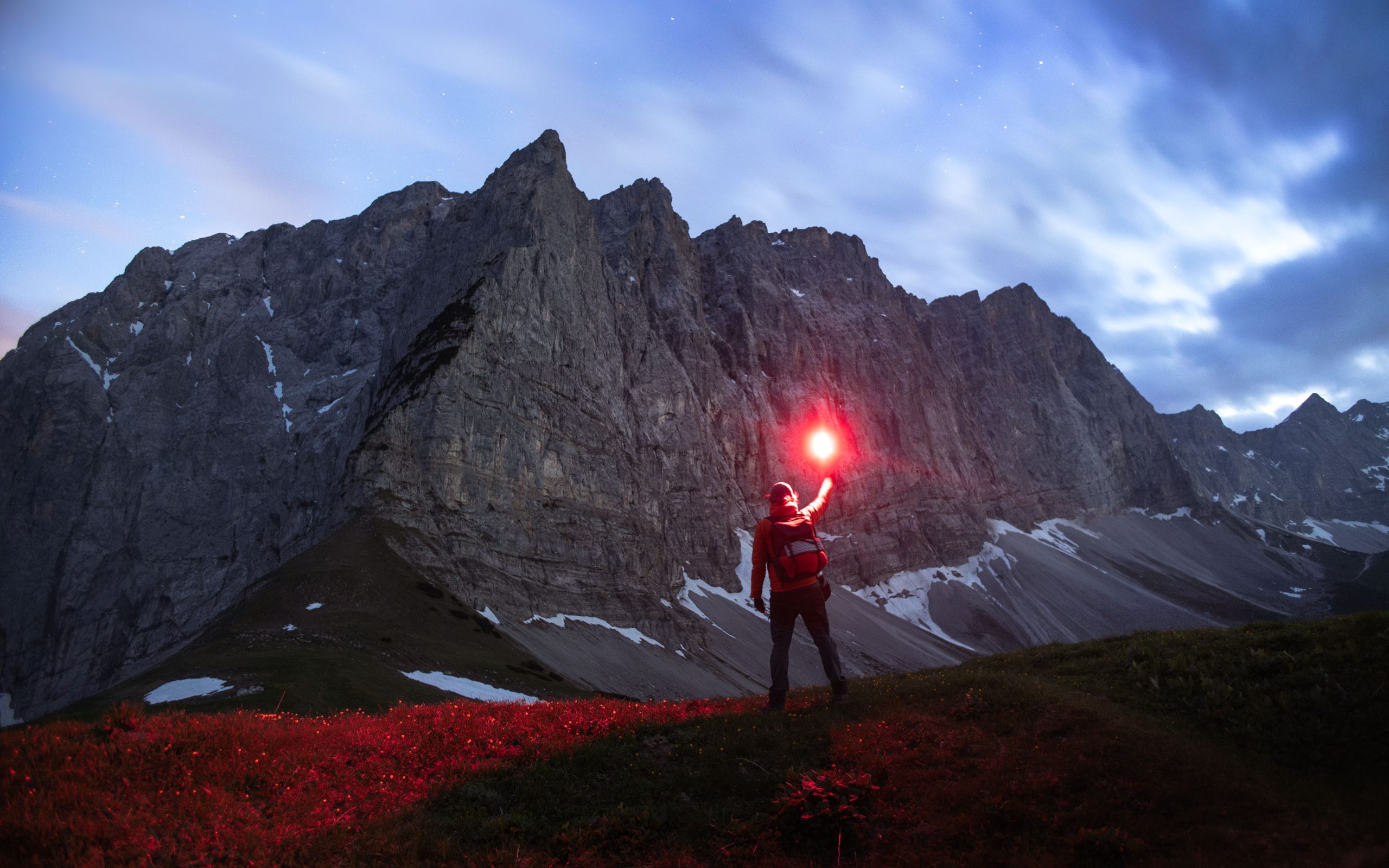
Pride and fear of overreacting can delay a call until daylight, battery power, or safe options have disappeared. Contact local emergency services when someone is injured, the group is lost and cannot relocate a known point, or darkness and weather make travel unsafe. Share your last confirmed location, trail name, number of people, injuries, clothing, and phone battery level. If possible, send coordinates from your map app and keep the phone available for callbacks. Do not keep moving merely to improve a weak signal unless emergency guidance or immediate danger requires it. An early, accurate report can save valuable time for rescuers. Share your plan before setting out.