
“Stopping power” sounds like a simple way to compare firearms, but the reality is far more complicated. Cartridge design, projectile construction, velocity, penetration, shot placement, and the anatomy struck can all influence the outcome. Even standardized ballistic testing focuses on several measurements rather than a single magic number. The FBI’s ammunition testing, for example, evaluates penetration and projectile behavior under multiple conditions.
1. Bigger Caliber Always Means More Stopping Power
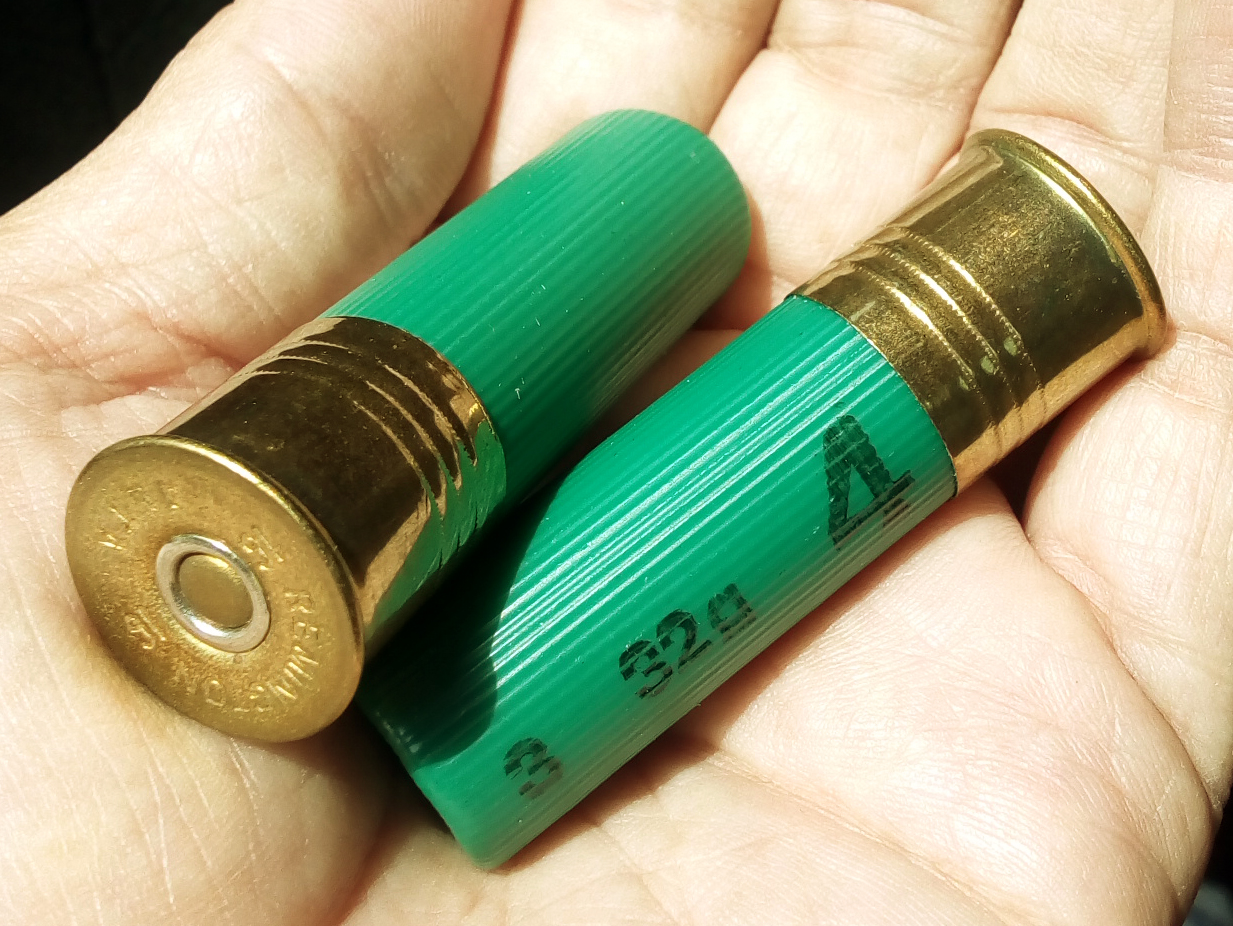
Caliber alone does not predict how quickly a person will be incapacitated. A larger diameter can matter, but bullet construction, penetration, impact velocity, shot placement, and the anatomy struck all affect the outcome. A 9mm, .40, or .45 pistol round can perform very differently depending on its design, just as two rifle cartridges of similar diameter can behave differently. The useful number is 12 inches: the FBI ammunition protocol has traditionally sought at least that much penetration in calibrated gelatin. That standard shows why diameter should never be treated as a magic measurement. Real-world performance is a combination of several variables, not one number.
2. Rifle Bullets Always Create Massive Wounds
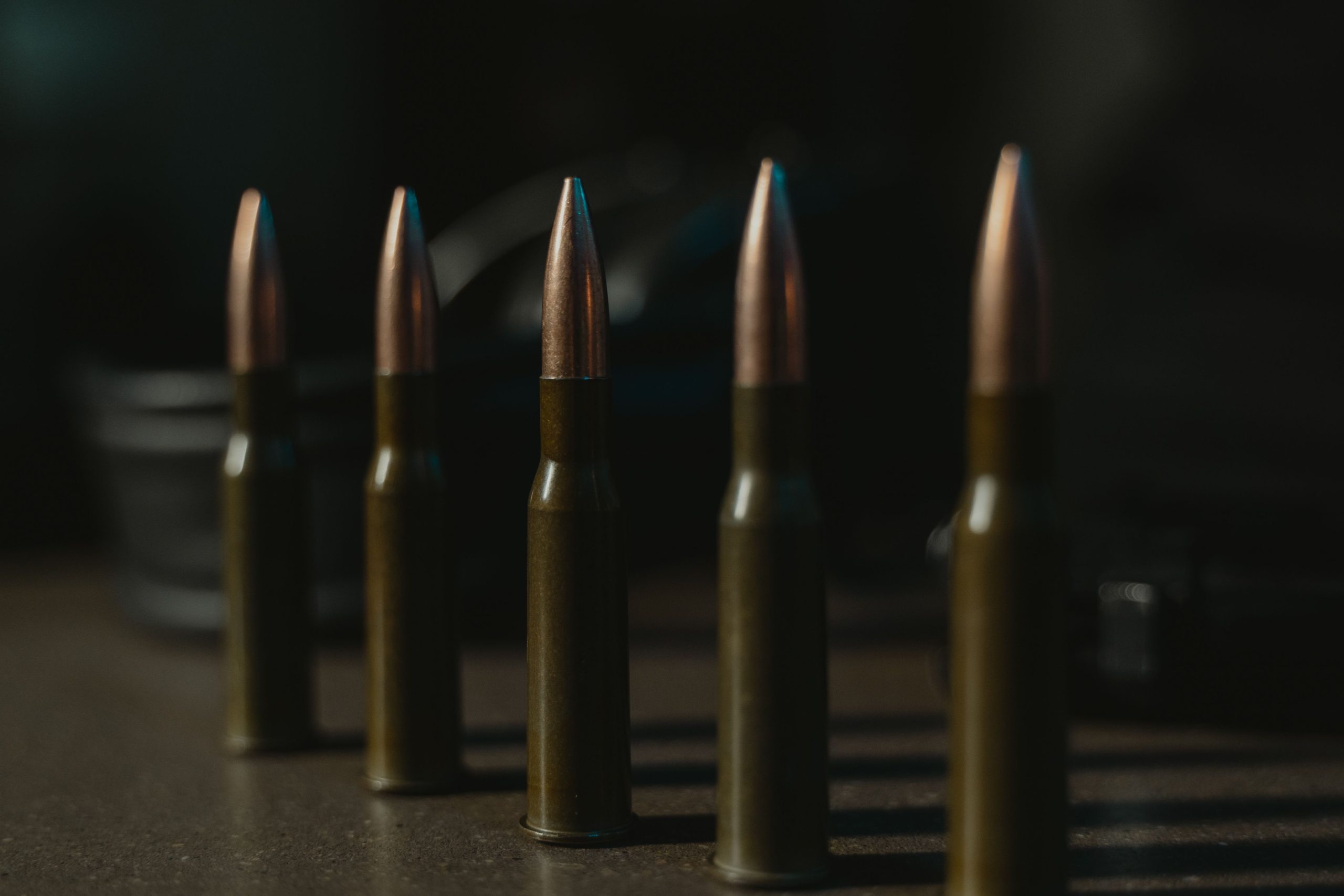
Rifle ammunition can produce greater velocity and energy than typical handgun ammunition, but the phrase “massive wound” oversimplifies what happens in tissue. Projectile construction, velocity at impact, yaw, fragmentation, and the structures struck all influence the injury. High-velocity bullets can produce temporary cavitation, but medical literature warns against treating that effect as a simple measure of damage. One rifle bullet can behave differently from another, even at similar speed. The key number is 1: the permanent wound path remains the central physical feature that directly destroys tissue. Energy figures alone cannot predict exactly what an injury will look like.
3. Shotguns Automatically Stop Threats With One Hit

A shotgun is not a guaranteed one-shot stopping tool. Its performance changes dramatically with ammunition, range, choke, and whether the load contains birdshot, buckshot, or a slug. Shot pellets also spread rather than forming a perfectly uniform cloud, and that pattern changes as distance increases. One important number is 3: the broad ammunition categories can produce very different ballistic results. A shotgun can cause severe injuries, but severity is not the same as instant incapacitation. A hit that misses vital structures may not produce immediate collapse, regardless of firearm type. That is why “one shot always stops” is an unsafe myth.
4. More Energy Always Means Faster Incapacitation
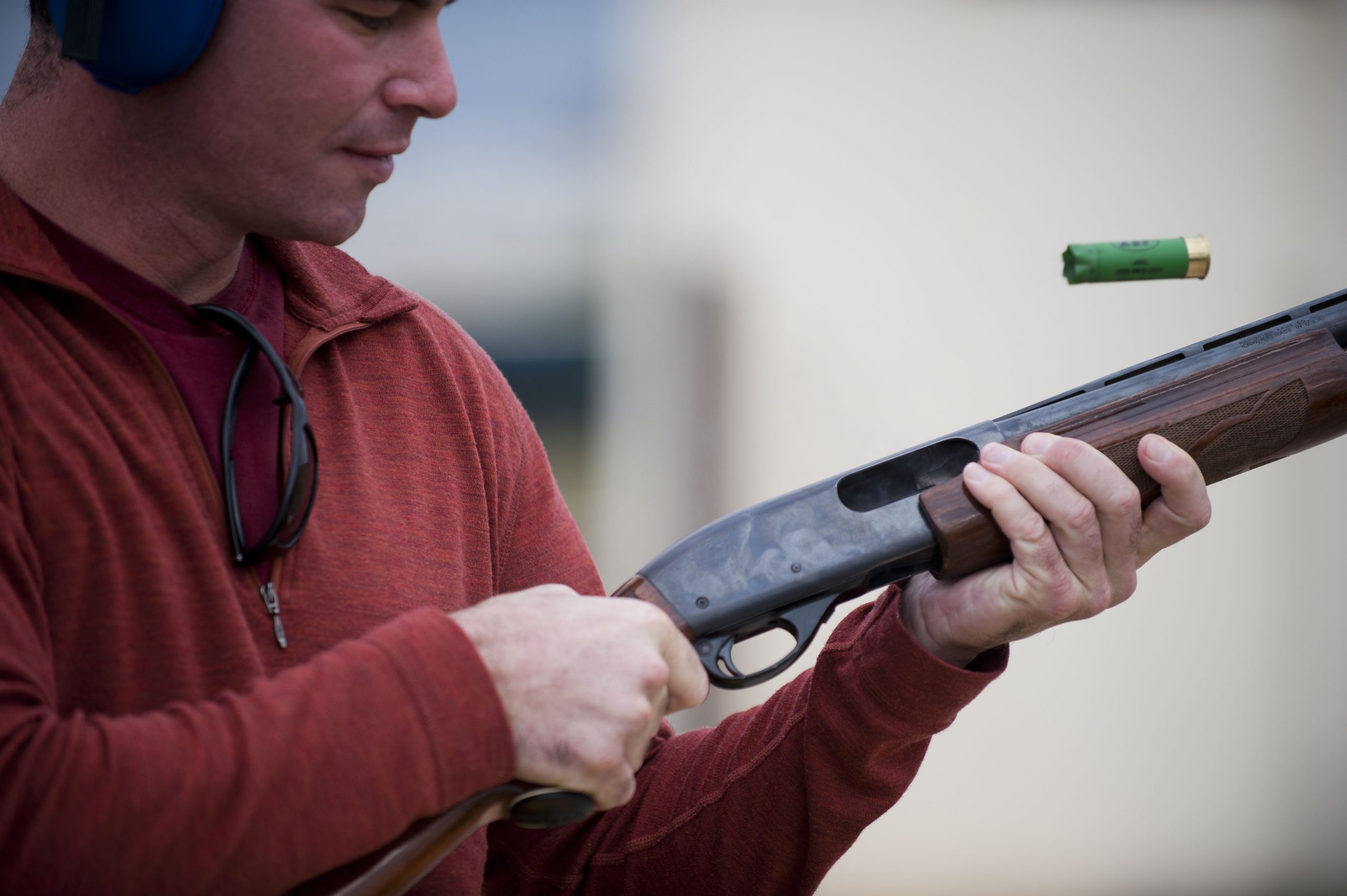
Muzzle energy is useful for comparing cartridges, but it is not a stopwatch for human incapacitation. Kinetic energy depends on projectile mass and velocity, yet the body’s response depends on where the projectile travels and what structures are damaged. A powerful round that misses critical anatomy cannot compensate for poor placement. Conversely, a lower-energy projectile that disrupts an essential structure can produce a serious medical emergency. One number often creates confusion: energy is measured in foot-pounds, but no universal foot-pound figure guarantees immediate incapacitation. Ballistic testing therefore looks at penetration and projectile behavior rather than relying on energy alone.
5. A Wider Wound Channel Guarantees a Faster Stop
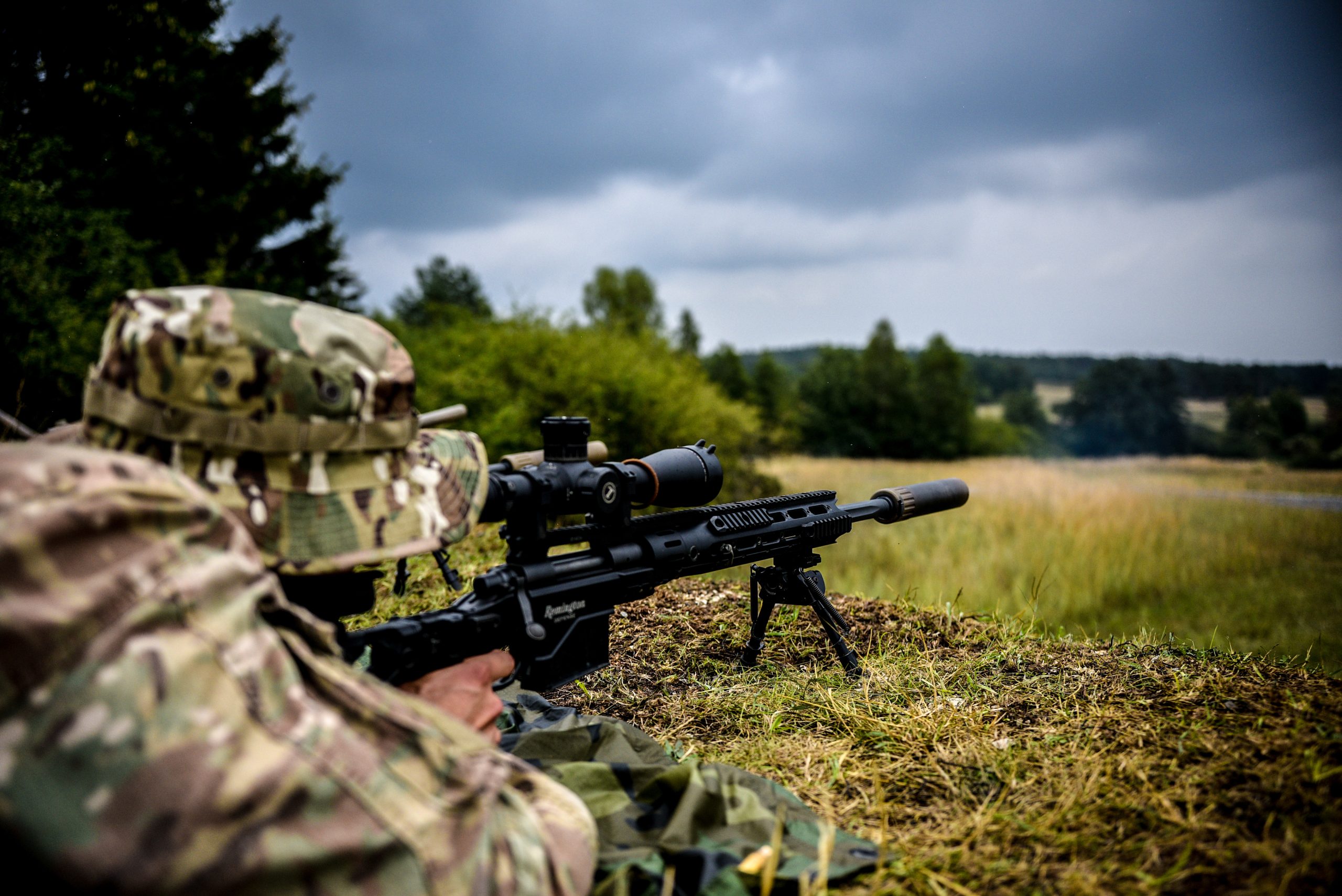
A larger wound channel can increase tissue disruption, but width by itself does not determine whether someone immediately loses the ability to act. The projectile must first reach relevant anatomy and create meaningful damage. Expansion can increase a bullet’s frontal area, yet excessive expansion or inadequate penetration can work against the intended result. The familiar 12-to-18-inch gelatin range is useful because it emphasizes sufficient penetration rather than dramatic expansion alone. That is a test benchmark, not a prediction of a human outcome. The important lesson is simple: wound width, depth, location, and bullet behavior have to be considered together.
6. Temporary Cavity Is the Main Reason Rifles Are Powerful
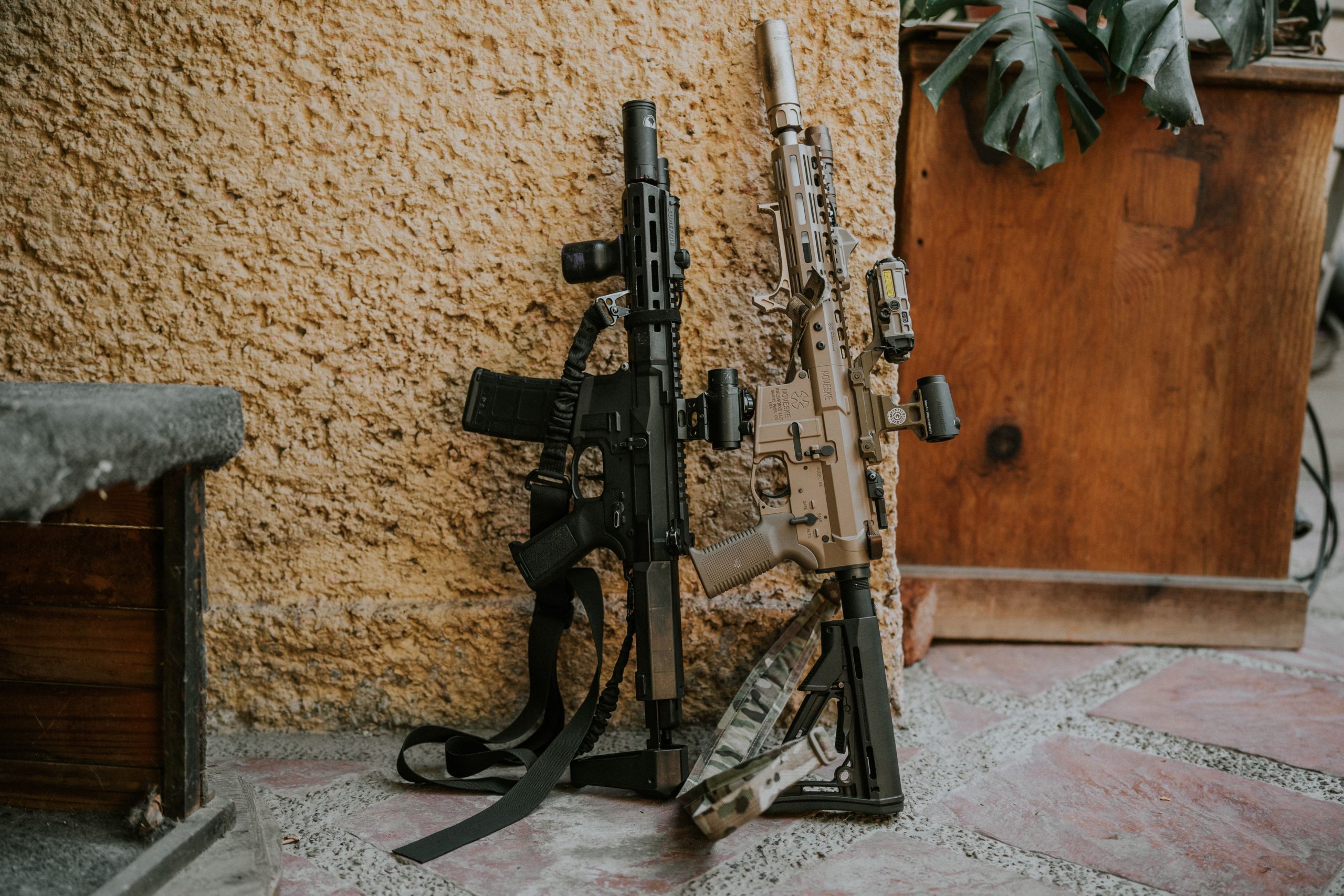
Temporary cavitation is one of the most misunderstood ideas in discussions about rifle stopping power. A fast projectile can push tissue outward and create a temporary cavity, but the effect depends heavily on velocity, tissue elasticity, projectile behavior, and the structures involved. It is not simply a giant invisible wound that guarantees immediate incapacitation. Medical literature specifically notes controversy around how temporary cavitation contributes to different rifle injuries. One useful distinction is 2 cavity types: permanent and temporary. The permanent cavity represents tissue actually disrupted by the projectile, while the temporary cavity is a transient stretch around it.
7. The Same Caliber Always Performs the Same Way
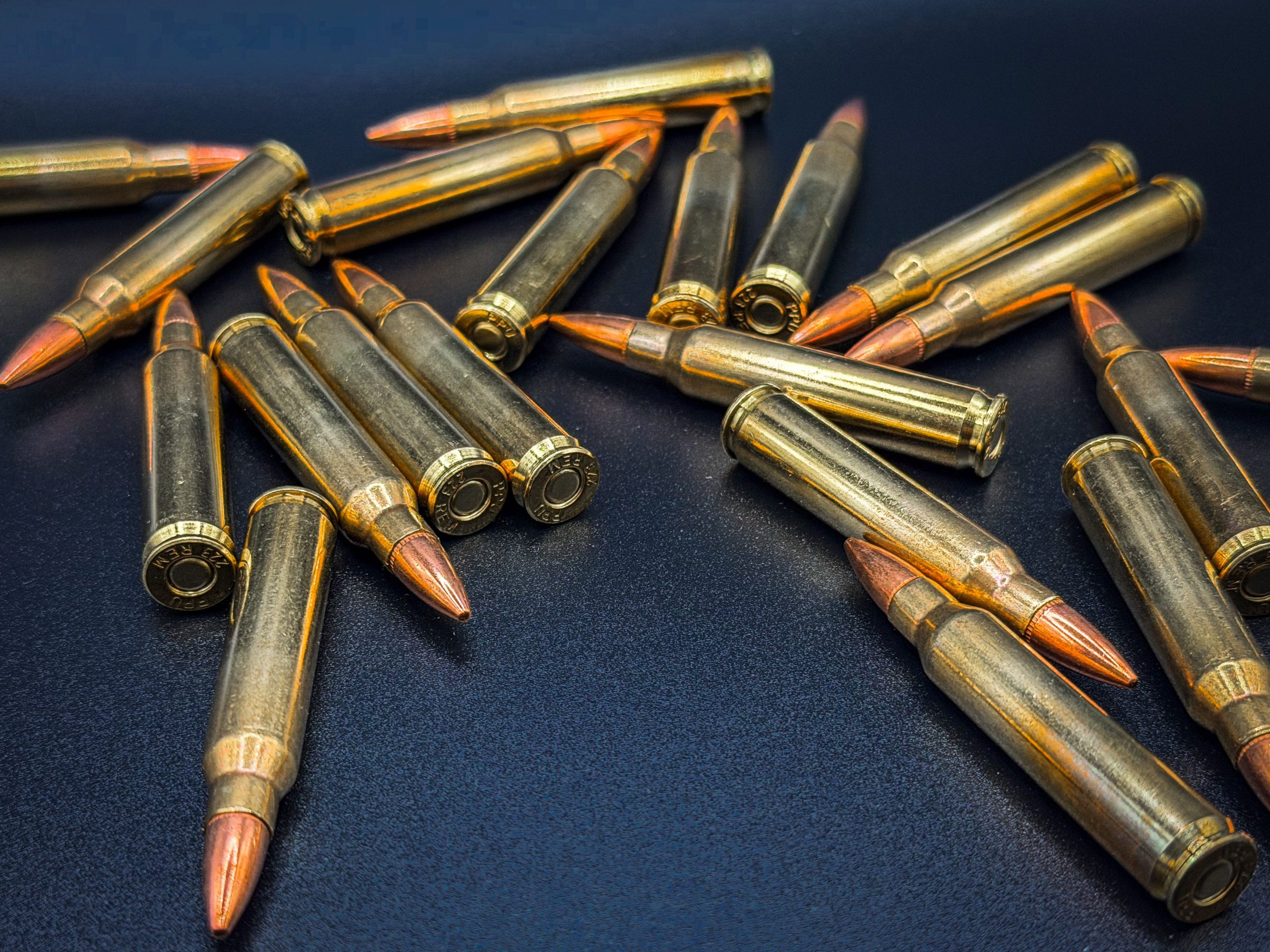
Two cartridges sharing a caliber designation can behave very differently because projectile weight, construction, velocity, barrel length, and bullet design may change the result. Even ammunition from the same manufacturer can have different loads intended for different purposes. This is why laboratory testing examines penetration, expansion, and consistency instead of assuming that a caliber name tells the entire story. One number can be misleading: bullet diameter is only one measurement among several. The same principle applies across pistols, rifles, and shotguns. A firearm’s label tells you what ammunition it accepts; it does not provide a complete prediction of terminal performance.
8. More Penetration Is Always Better
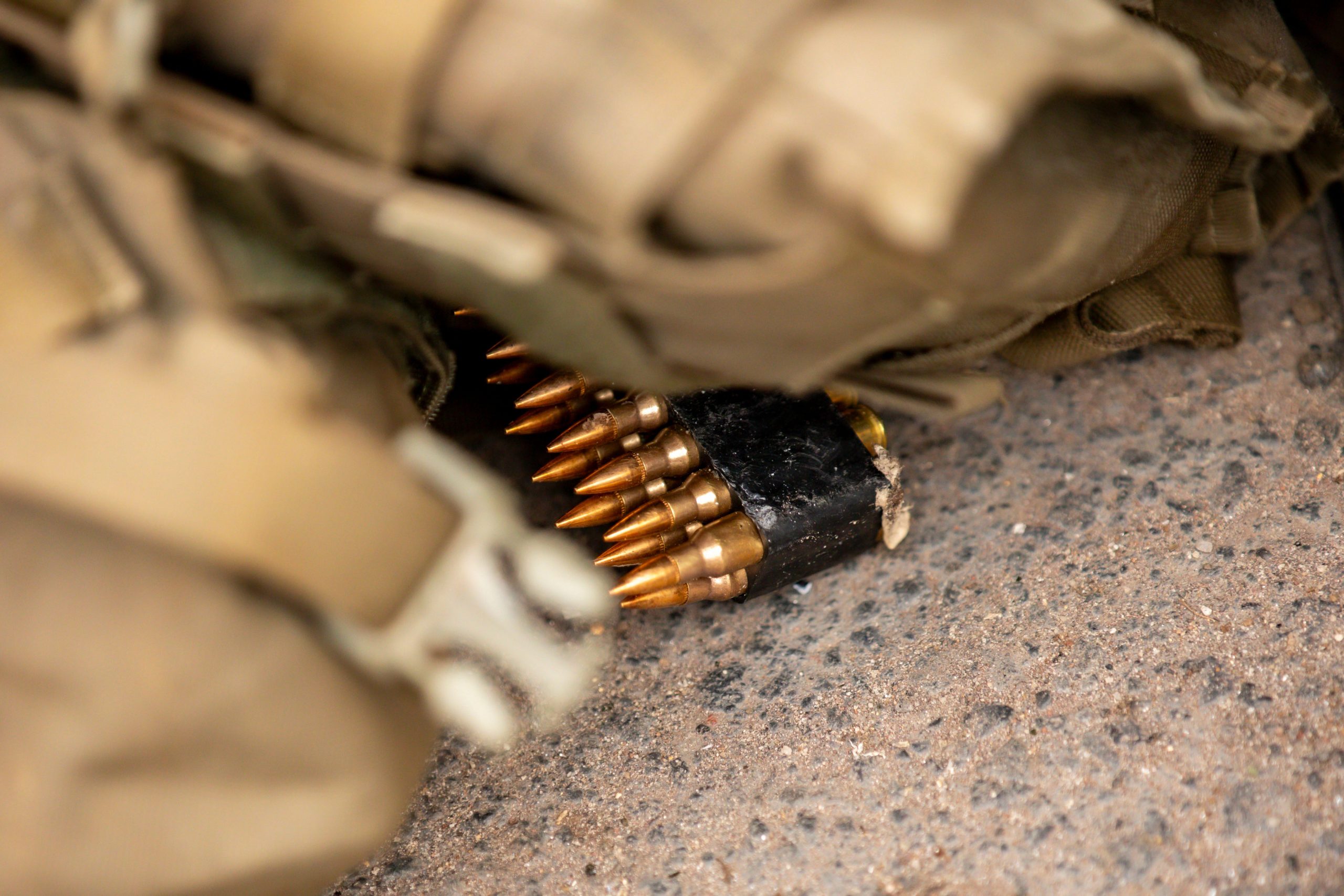
Deep penetration is important, but unlimited penetration is not automatically an advantage. A projectile needs enough depth to reach important structures, particularly when clothing, an arm, or another barrier affects its path. Beyond that point, additional travel may provide little benefit in a particular application. The FBI’s commonly cited 12-to-18-inch performance window illustrates this balance in handgun ammunition testing, although it should not be treated as a universal rule for every firearm or situation. The key number is 18 inches, not because that depth guarantees anything, but because it helps explain why penetration must be evaluated alongside expansion, consistency, and use.
9. “Stopping Power” Can Be Reduced to One Ranking
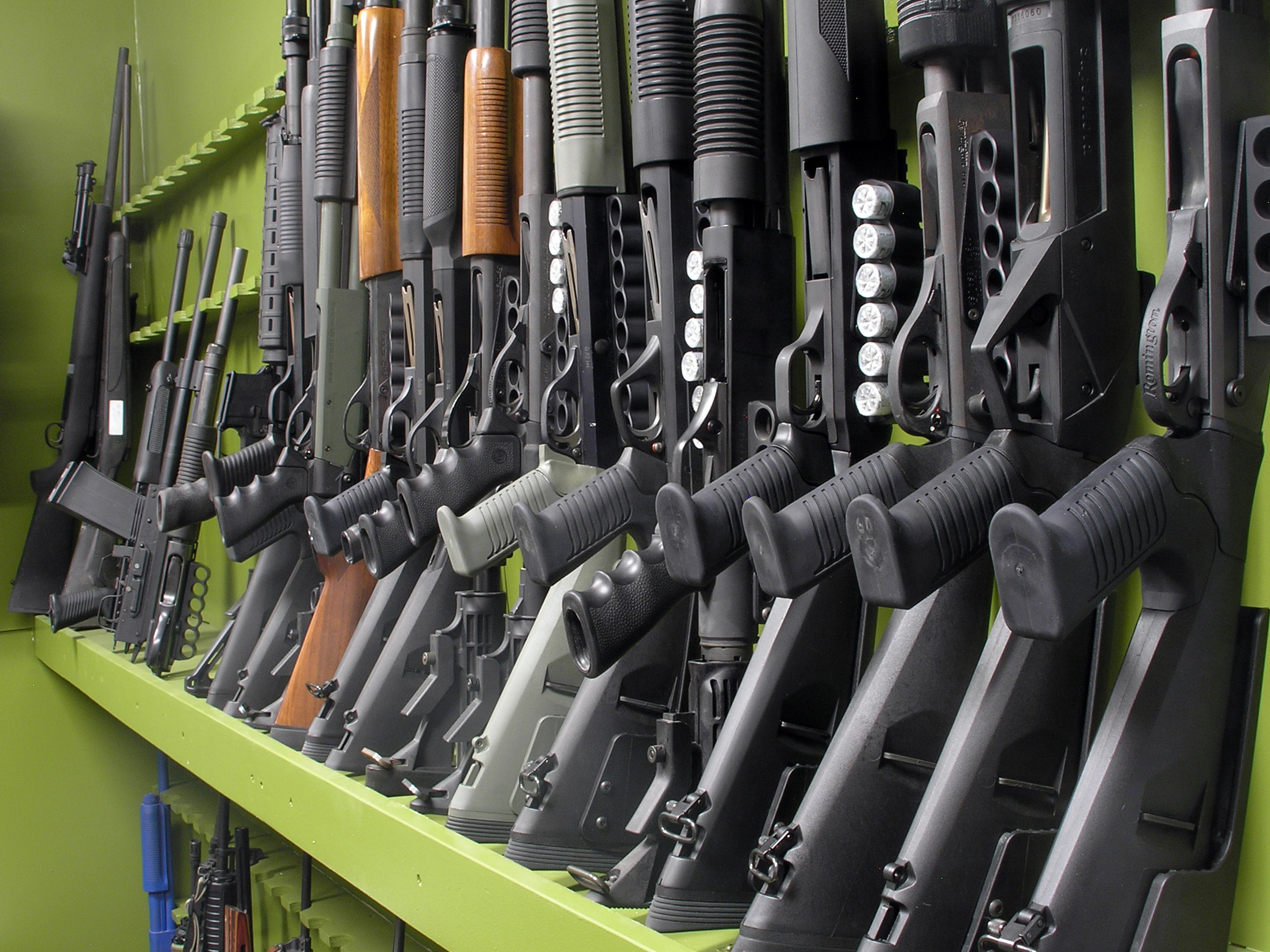
There is no universal scoreboard that can honestly rank pistols, rifles, and shotguns by stopping power. Each category covers many different cartridges, loads, barrel lengths, and projectile designs, while human outcomes depend heavily on anatomy and circumstances. A handgun may prioritize controllability and portability, a rifle may deliver greater velocity and reach, and a shotgun may offer several distinct ammunition types. That is at least 3 broad firearm categories with enormous variation inside each. The better approach is to discuss measurable factors such as penetration, expansion, accuracy, reliability, and consistency rather than treating “stopping power” as a single fixed number.