A hunting rifle does not always earn respect the moment it reaches store shelves. Some models arrive with unfamiliar designs, unusual operating systems, awkward proportions, or prices that make traditional buyers hesitate. Over time, however, hunters and outdoor writers may discover strengths that an initial review overlooked. Better ammunition availability, shifting hunting preferences, and years of field experience can also reshape a rifle’s reputation. The nine examples below explore firearms whose distinctive characteristics helped them find a lasting audience, while separating documented design history from the idea that every model was universally rejected at launch.
1. Remington Model 8
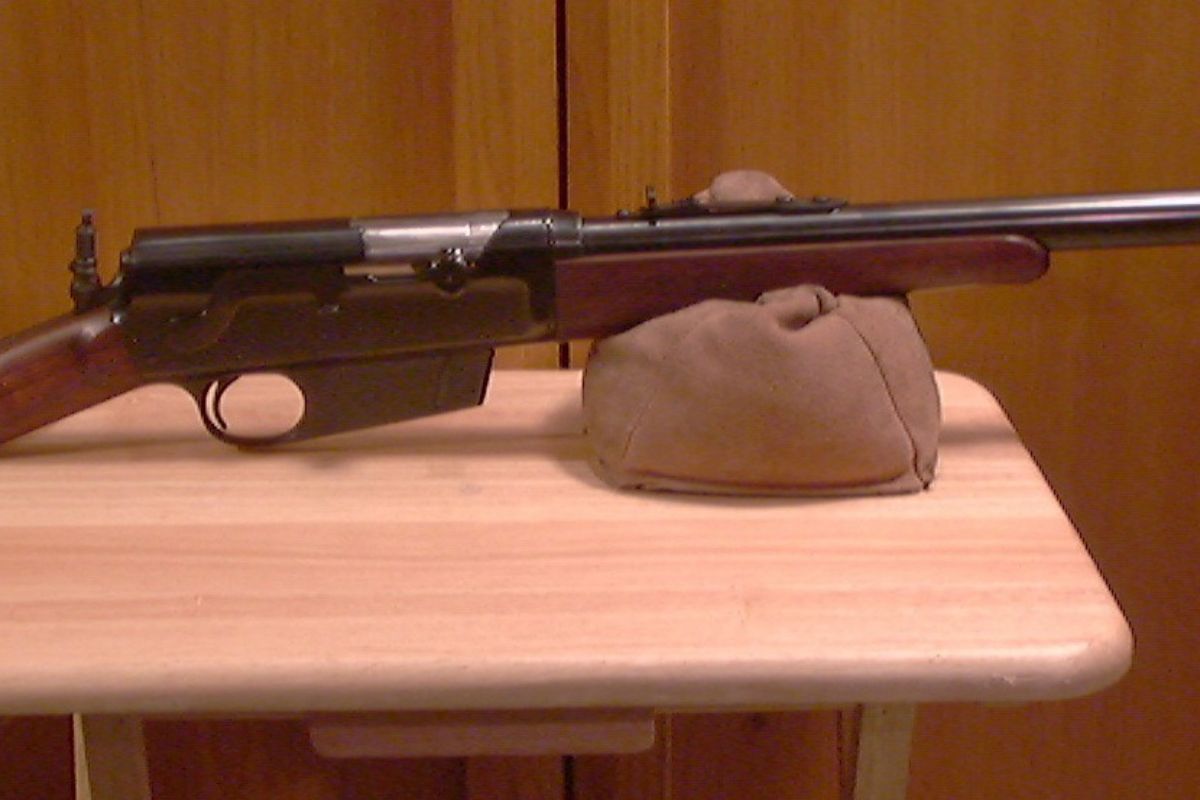
Introduced in 1906 as the Remington Autoloading Rifle, this design challenged the belief that a sporting rifle needed a manually operated action. Its long-recoil mechanism moved the barrel and bolt together before separating them during cycling, making the engineering more complex than a conventional lever-action. Some hunters found its weight and unusual appearance less appealing, yet its practical value became clear over time. More than 80,000 Model 8 rifles were produced before the name changed in 1911. Its historical importance rests on proving that self-loading rifles could serve serious hunting purposes.
2. Winchester Model 88
When Winchester introduced the Model 88 in 1955, it offered an unusual combination: lever-action handling with a rotating bolt and a detachable magazine. Traditional lever-action enthusiasts did not necessarily need that extra mechanical complexity, while bolt-action buyers already had familiar alternatives. Nevertheless, the design attracted hunters seeking modern cartridge performance in a compact rifle. Production continued until 1973, with more than 280,000 examples manufactured. The .308 Winchester became its most popular chambering, accounting for 110,289 rifles. Today, collectors value its distinctive action, while hunters appreciate its historical blend of speed, portability, and power.
3. Ruger Mini-14
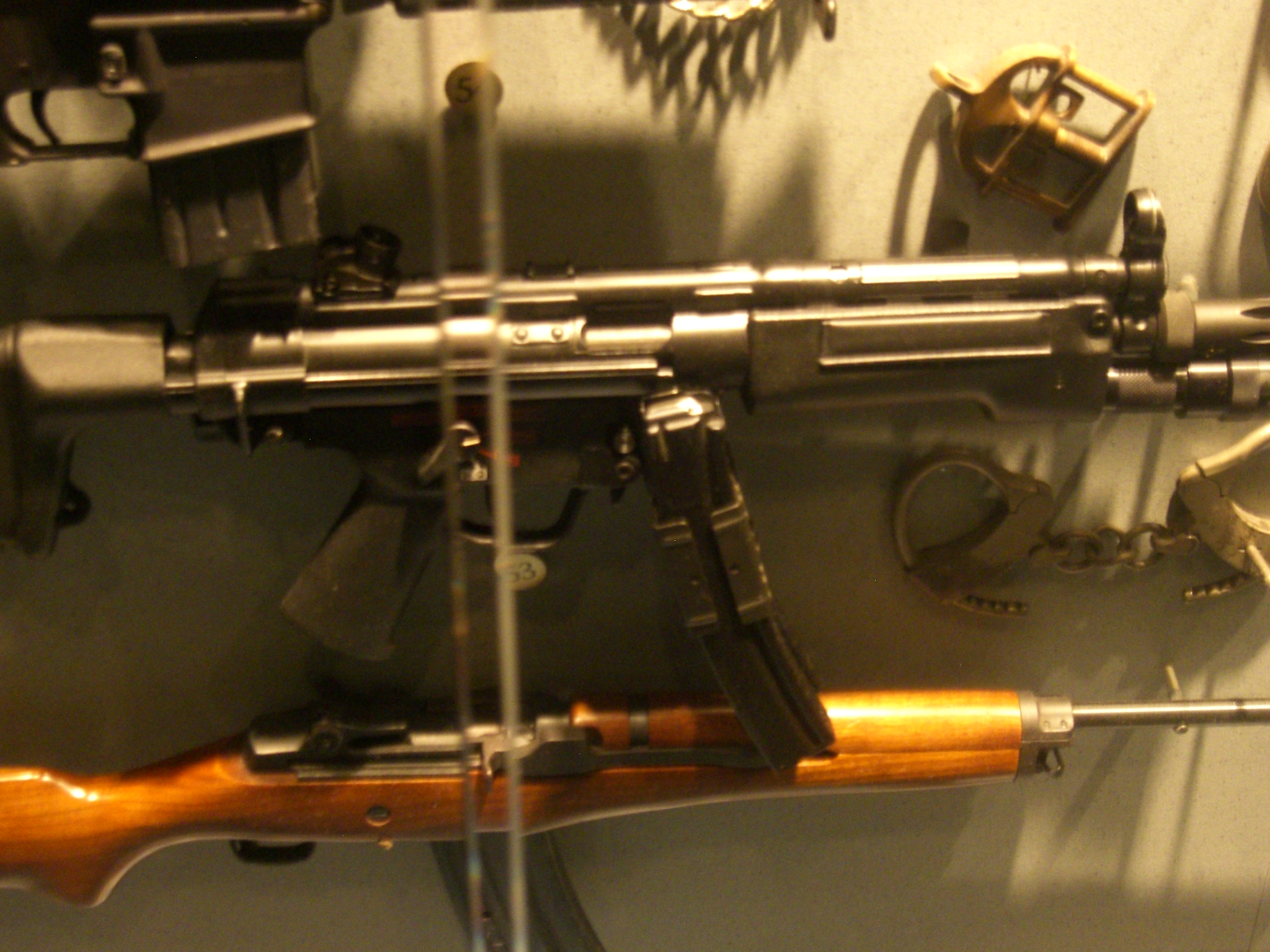
The Ruger Mini-14 arrived in 1973 with a compact, traditional appearance and a gas-operated action influenced by earlier military rifle designs. It did not win universal approval, particularly among shooters who expected the precision associated with bolt-action sporting rifles. Early versions also developed a reputation for inconsistent accuracy, which affected opinions of the platform. Ruger revised production methods in the mid-2000s, improving consistency in later examples. Chambered in .223 Remington, the rifle found a lasting following among ranchers, recreational shooters, and some hunters where legal. Its decades-long production shows how practical handling can outweigh early criticism.
4. Browning BAR Sporting Rifle
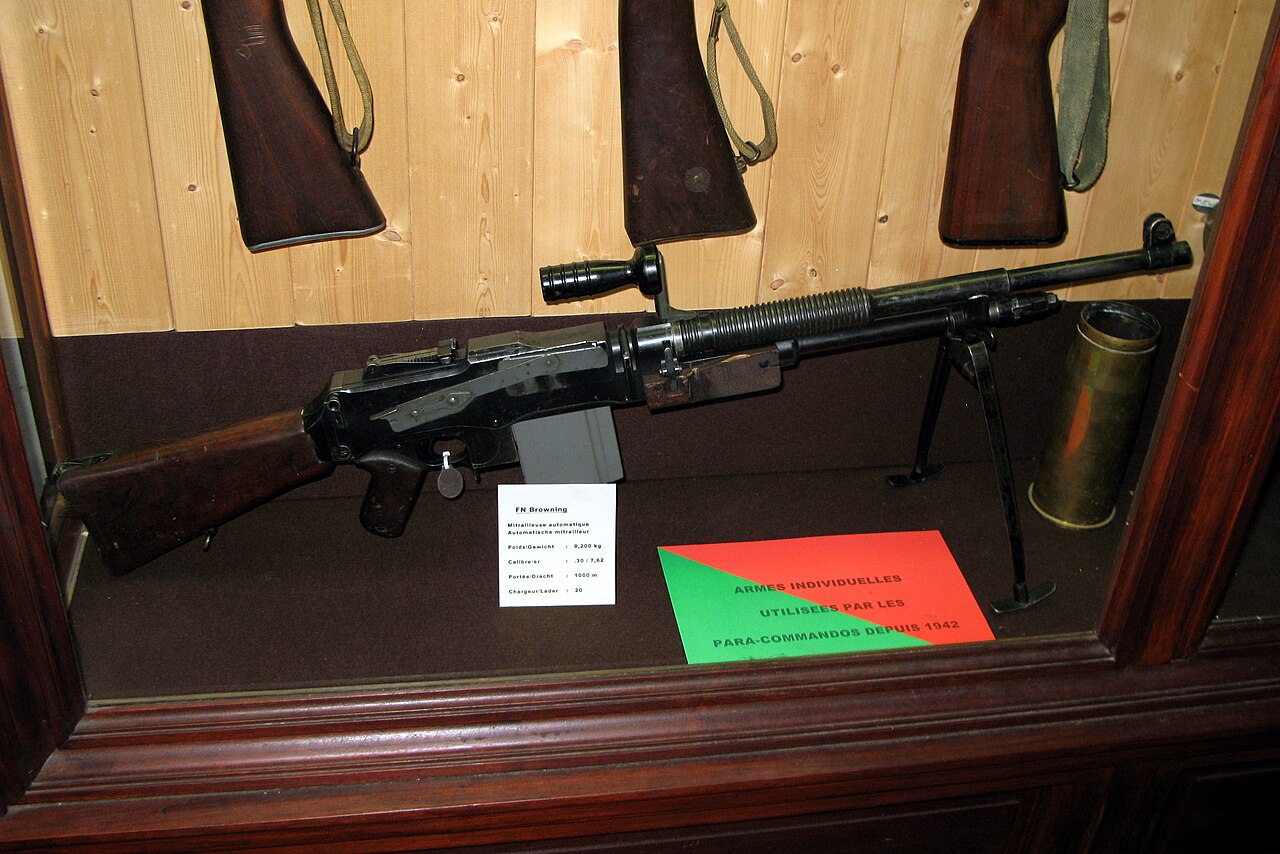
Introduced in 1967, the Browning BAR sporting rifle brought semiautomatic operation to a market long dominated by bolt-actions and traditional lever-actions. Its name sometimes causes confusion because it is not the same firearm as the military Browning Automatic Rifle. The sporting version uses a gas-operated action and was designed for hunting cartridges such as .30-06 Springfield. Its added mechanical complexity and greater weight could deter buyers who preferred simpler rifles. Yet many hunters came to appreciate its refined construction and reduced need for manual cycling between shots. Its continued presence in hunting circles demonstrates that a less traditional action can earn lasting respect.
5. Ruger No. 1
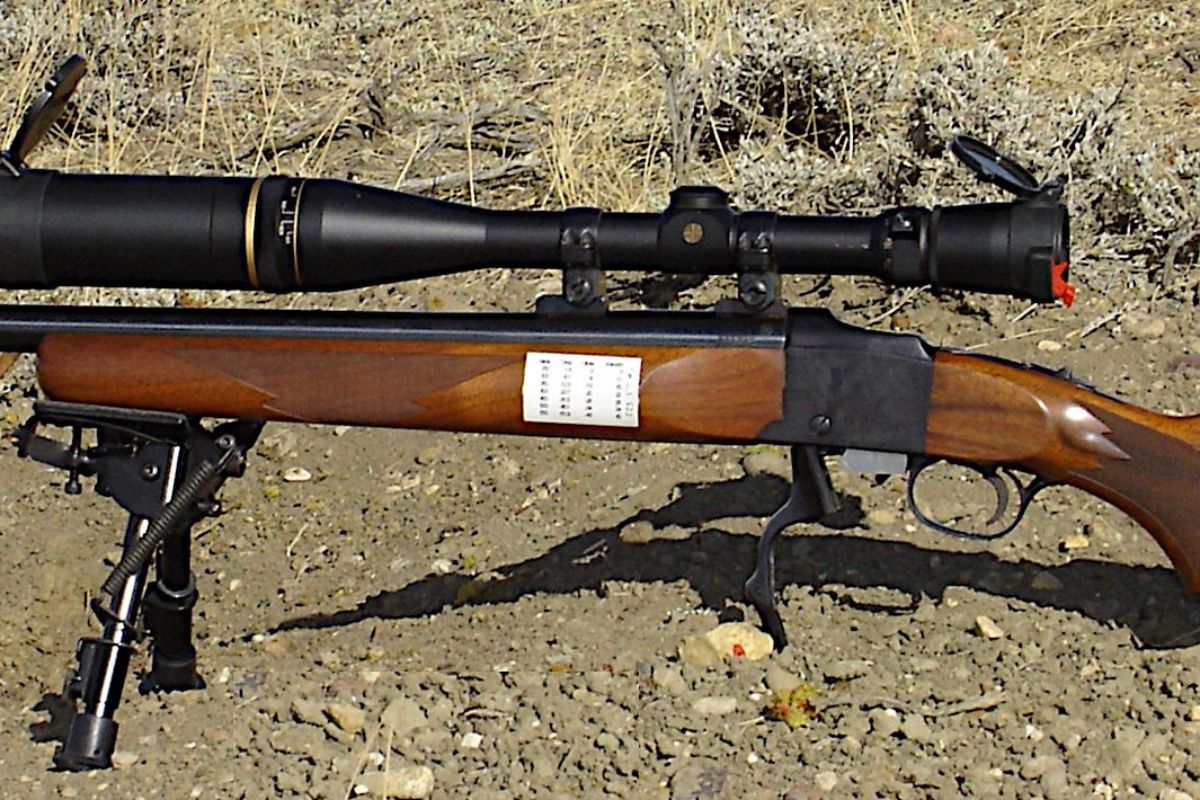
Released in 1967, the Ruger No. 1 took a different path from repeating rifles by using a strong falling-block, single-shot action. At a time when many hunters wanted several cartridges available in a magazine, carrying just one round at a time could seem like an unnecessary limitation. The rifle instead appealed to people who valued elegant lines, a compact receiver, and careful shot placement. Its design also accommodated a wide range of chamberings, from relatively mild cartridges to powerful big-game options. Although it demands deliberate reloading after each shot, the No. 1 developed a loyal following among hunters and collectors who appreciate its craftsmanship and distinctive character.
6. Remington Model 760 Gamemaster

Introduced in 1952, the Remington Model 760 Gamemaster offered hunters a pump-action alternative to the bolt-action rifles that dominated many sporting racks. Its operating method was familiar to people who already used pump-action shotguns, but some rifle traditionalists questioned whether it offered a meaningful advantage. Chamberings included popular hunting rounds such as .30-06 Springfield, making it suitable for a variety of North American game where regulations permitted. The detachable magazine and quick manual cycling helped establish its appeal, especially among hunters in wooded regions. Its reputation grew through practical use rather than a universally enthusiastic reception at launch.
7. Weatherby Mark V

Roy Weatherby’s Mark V, introduced in 1957, entered the market with bold styling, premium presentation, and a reputation for high-velocity magnum cartridges. Its price placed it above many conventional hunting rifles, while its specialized ammunition and substantial recoil could discourage practical-minded buyers. The action featured 9 locking lugs on standard versions, with some smaller versions using 6, reflecting a design focused on strength. Over time, the Mark V established a recognizable place in premium hunting circles. Its appeal comes from a combination of distinctive engineering, accuracy potential, and chamberings suited to demanding hunting conditions, rather than affordability or universal appeal.
8. Winchester Model 100

Winchester introduced the Model 100 in 1961 as a semiautomatic sporting rifle intended to combine convenient handling with the familiar feel of a traditional hunting firearm. Its clean lines and detachable magazine appealed to some buyers, although hunters accustomed to bolt-actions could be cautious about maintenance and long-term reliability. The rifle was chambered in .308 Winchester and other sporting cartridges, giving it practical potential for deer-sized game. A later safety-related recall involving certain rifles affected its reputation and remains an important consideration for collectors. Its history illustrates how promising handling and attractive design cannot replace careful attention to mechanical condition and documented safety updates.
9. Savage Model 99
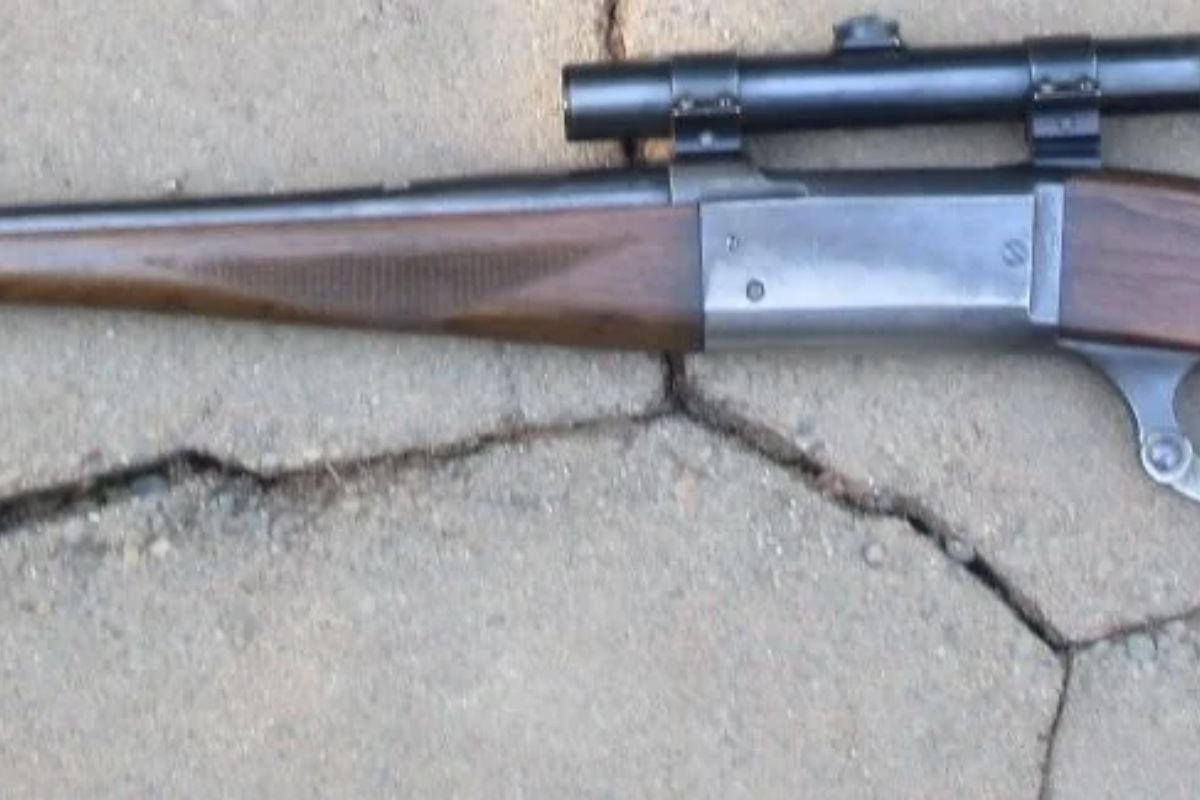
The Savage Model 99 began life in the late 19th century and became one of the most distinctive American sporting rifles, though its success was gradual rather than a simple story of rejection followed by rediscovery. Its innovative hammerless lever-action system and rotary magazine helped distinguish it from conventional lever guns. Later versions used detachable magazines, and the design accommodated cartridges including .300 Savage, introduced in 1920. Hunters valued its relatively compact form and its ability to handle cartridges suited to larger game. The Model 99 eventually earned a devoted following among hunters and collectors, demonstrating how unusual engineering can become a classic when practical performance supports it.