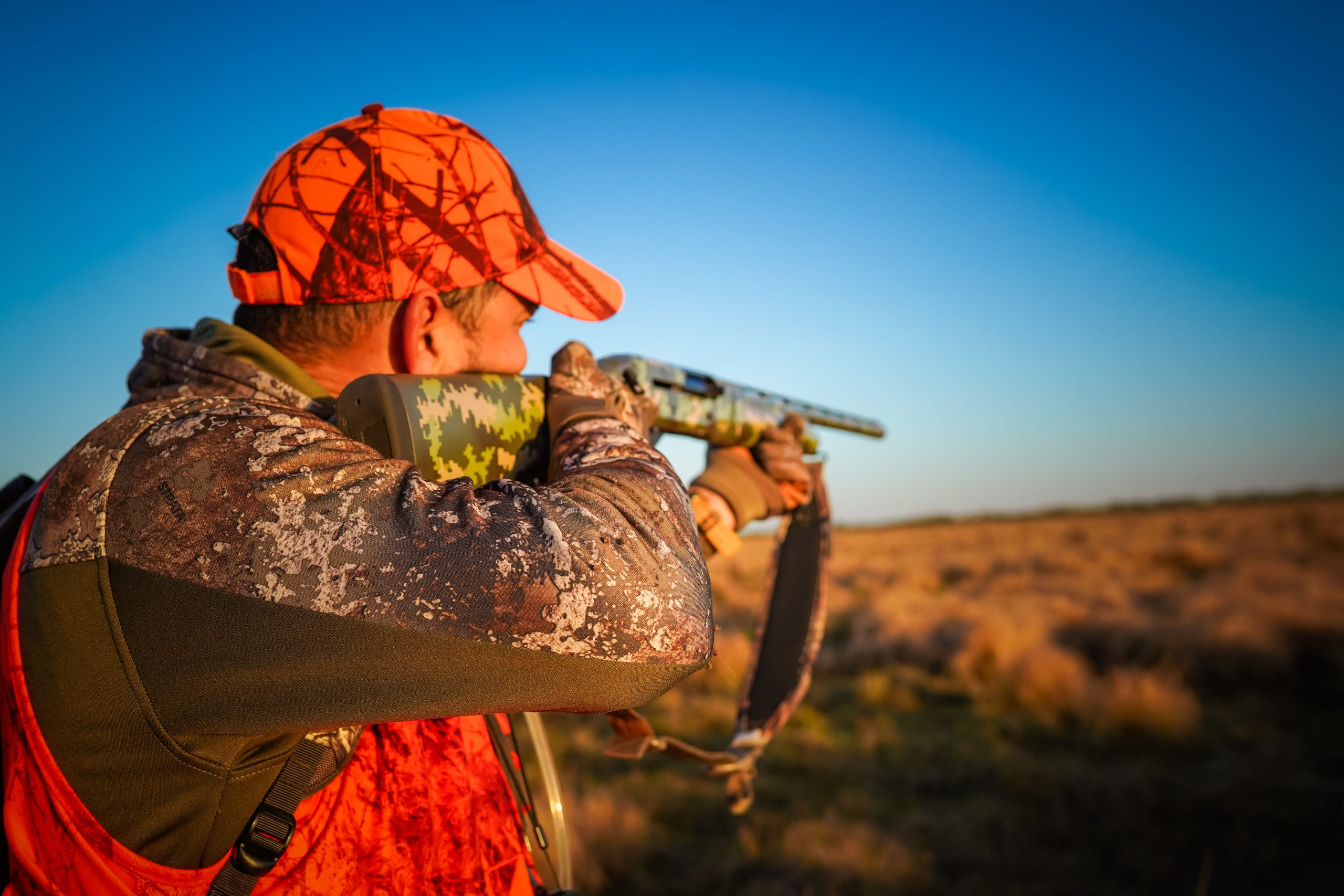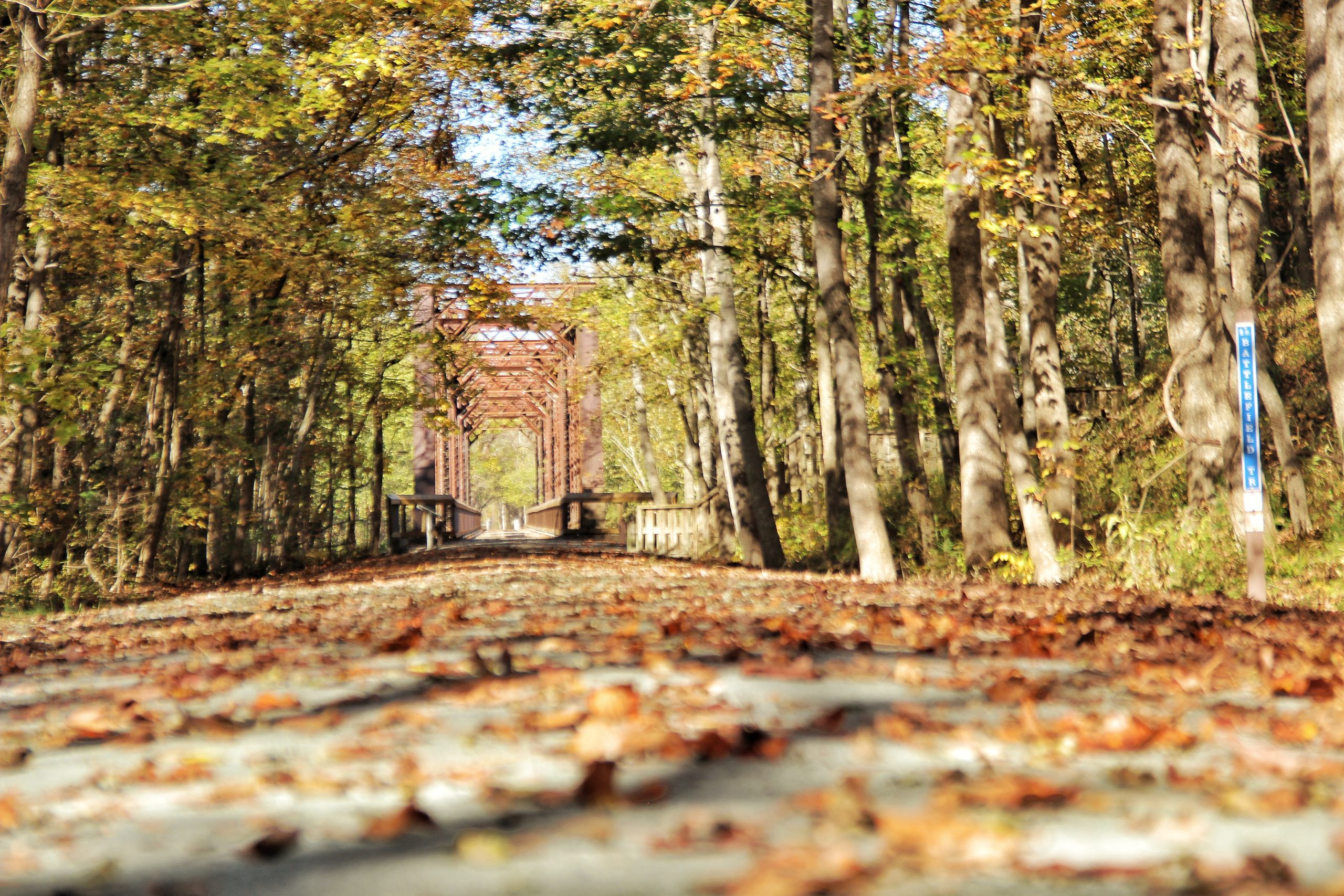
Across America, hunting is still a major outdoor tradition, but some of its older customs are becoming harder to maintain. The change is not simply about fewer hunters. It can involve work schedules, migration, land access, technology, and the loss of people who once taught skills face-to-face. Federal data recorded 14.4 million hunters age 16 and older in 2022, so the story is less about hunting disappearing and more about certain ways of doing it changing.
1. Multi-Generation Deer Camps
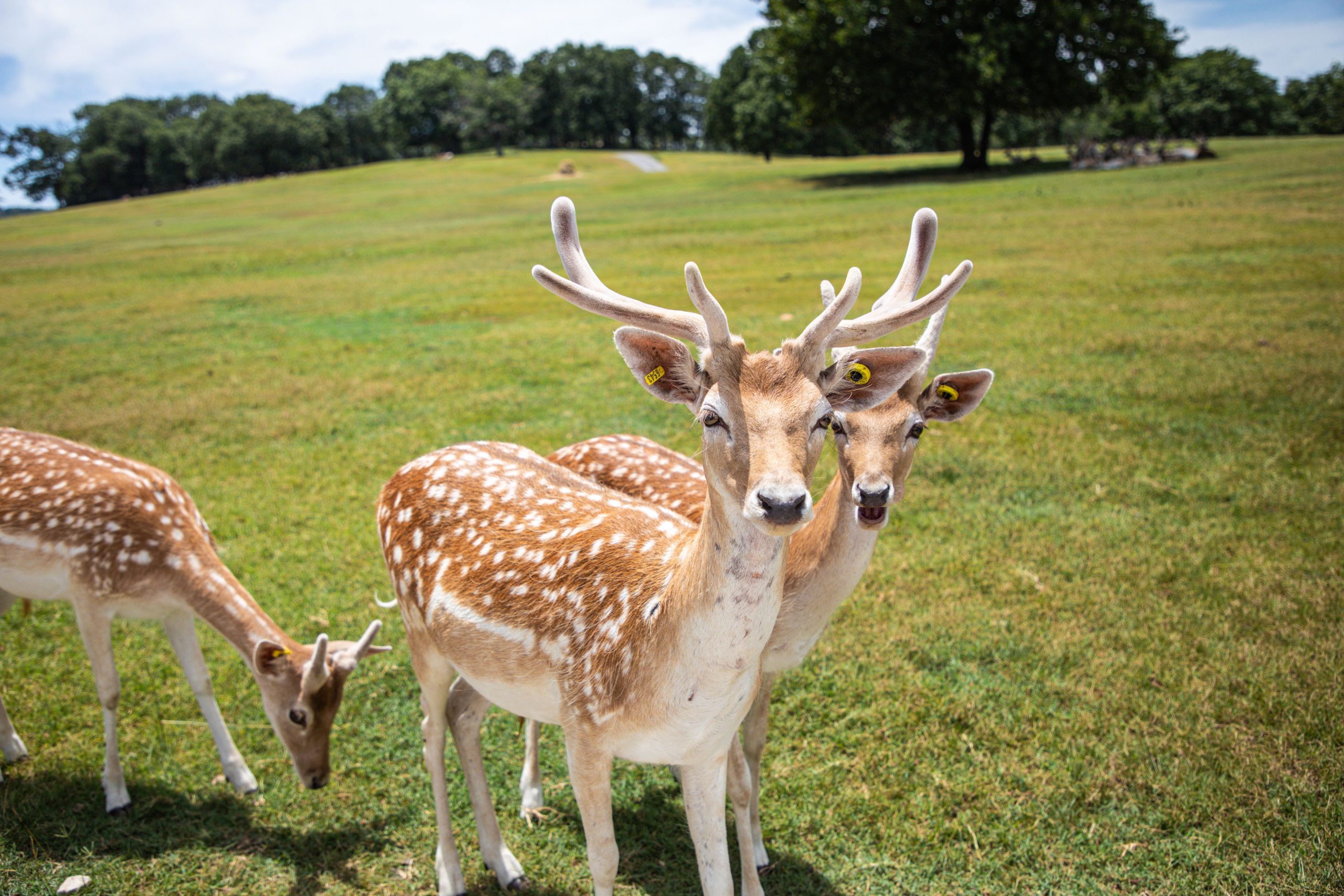
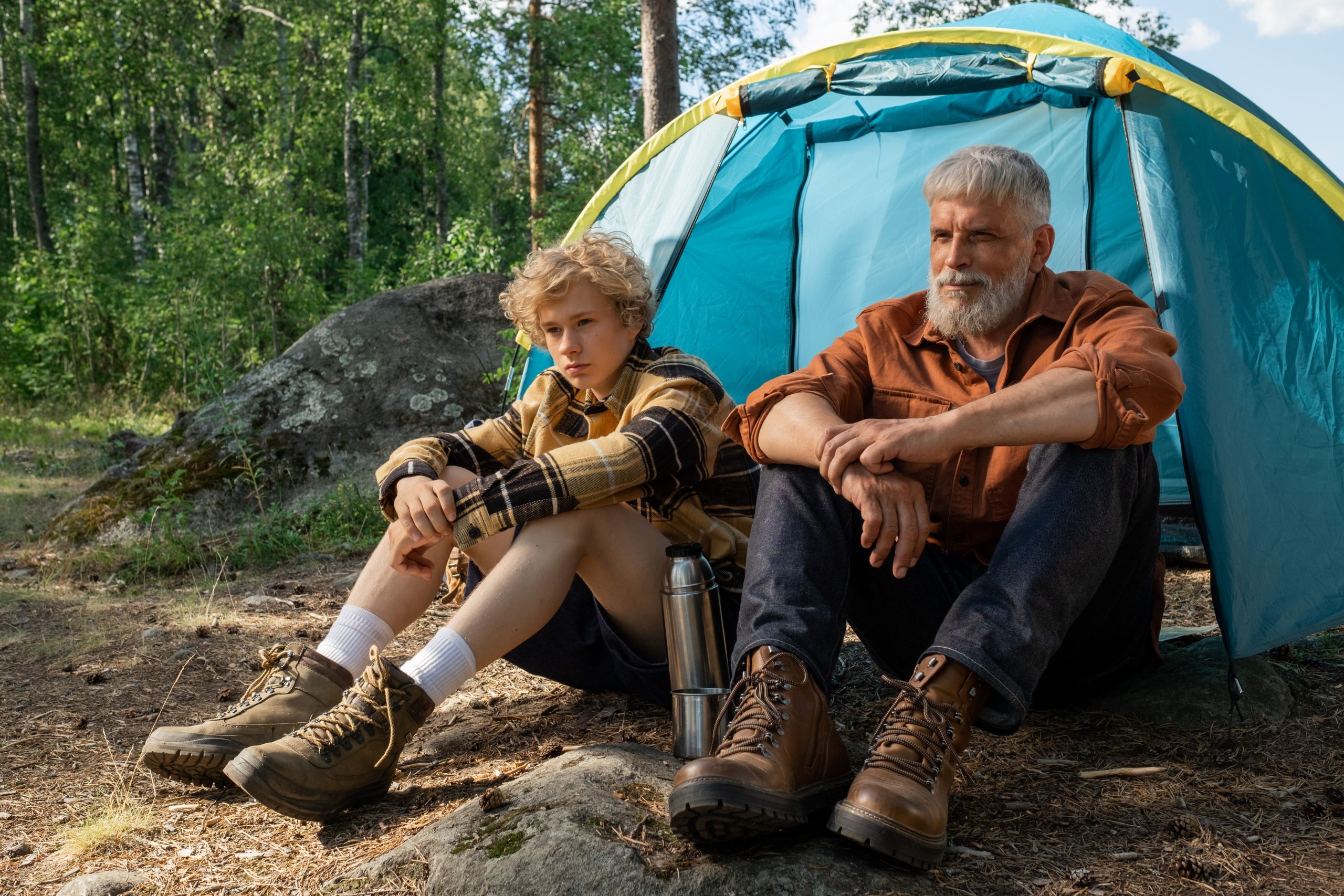
For decades, some deer hunters have treated opening week as a family gathering rather than a simple trip into the woods. Relatives return to the same cabin, cook together, swap stories, and pass down routines that rarely appear in a regulation book. The pressure comes when younger family members move away, work schedules tighten, or private land access changes. In 2022, 11.5 million Americans hunted big game, showing that deer culture remains large, but the old camp-centered version can still fade one generation at a time. For some families, that shared place is the tradition itself.
2. The Shared Venison Tradition
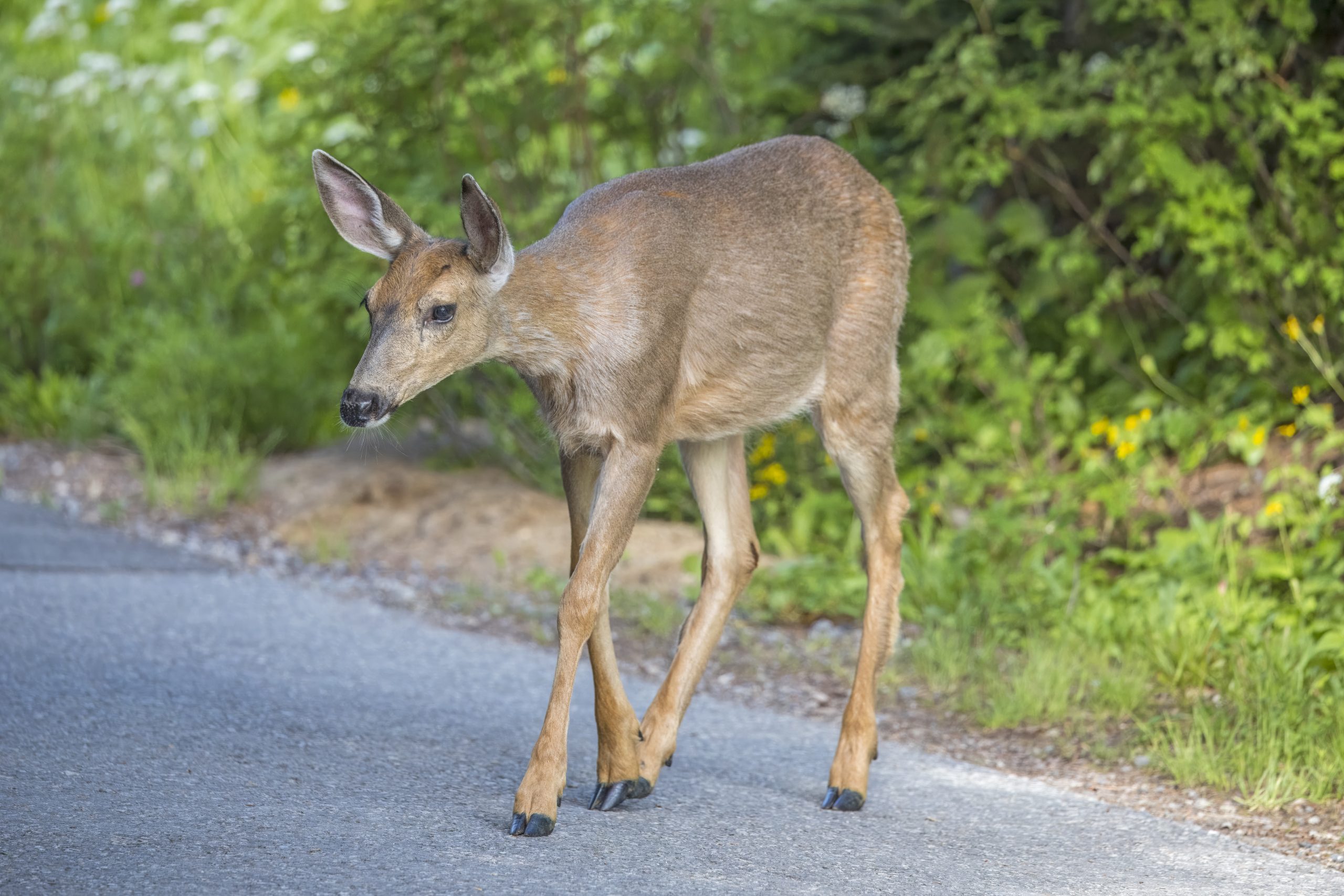
A successful hunt once often meant filling more than one household’s freezer. Hunters might divide venison among grandparents, neighbors, friends, or families who could not hunt themselves. That practice remains strong in many places, but changing households and less frequent hunting can weaken the informal network behind it. The National Park Service documents meat redistribution as part of traditional subsistence life in Alaska. In 2022, U.S. hunters spent about 241 million days hunting, and harvests are still used as food beyond the hunter’s own household.
3. Learning the Woods From Elders
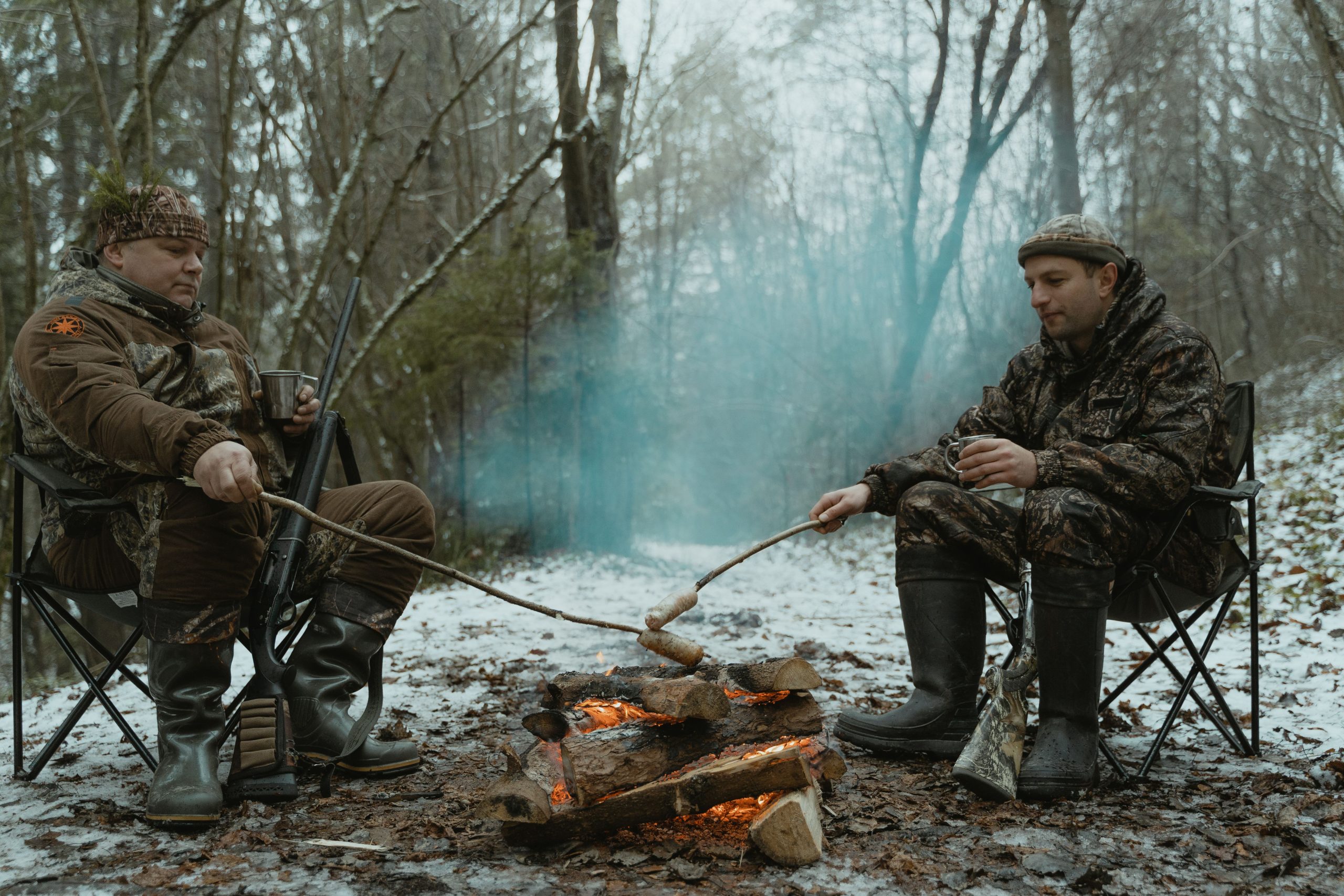
Before cameras and smartphone maps, a great deal of hunting knowledge lived in people’s memories. An older hunter could explain where deer crossed a ridge, how wind changed near a creek, or which sign showed recent movement. That knowledge is difficult to replace when families hunt together less often. The National Park Service describes traditional ecological knowledge as knowledge gained through observation, experience, and teaching. Federal survey data counted 14.4 million hunters age 16 and older in 2022, yet participation alone does not guarantee that older field skills are being transmitted.
4. Small-Game Hunting as a Main Event
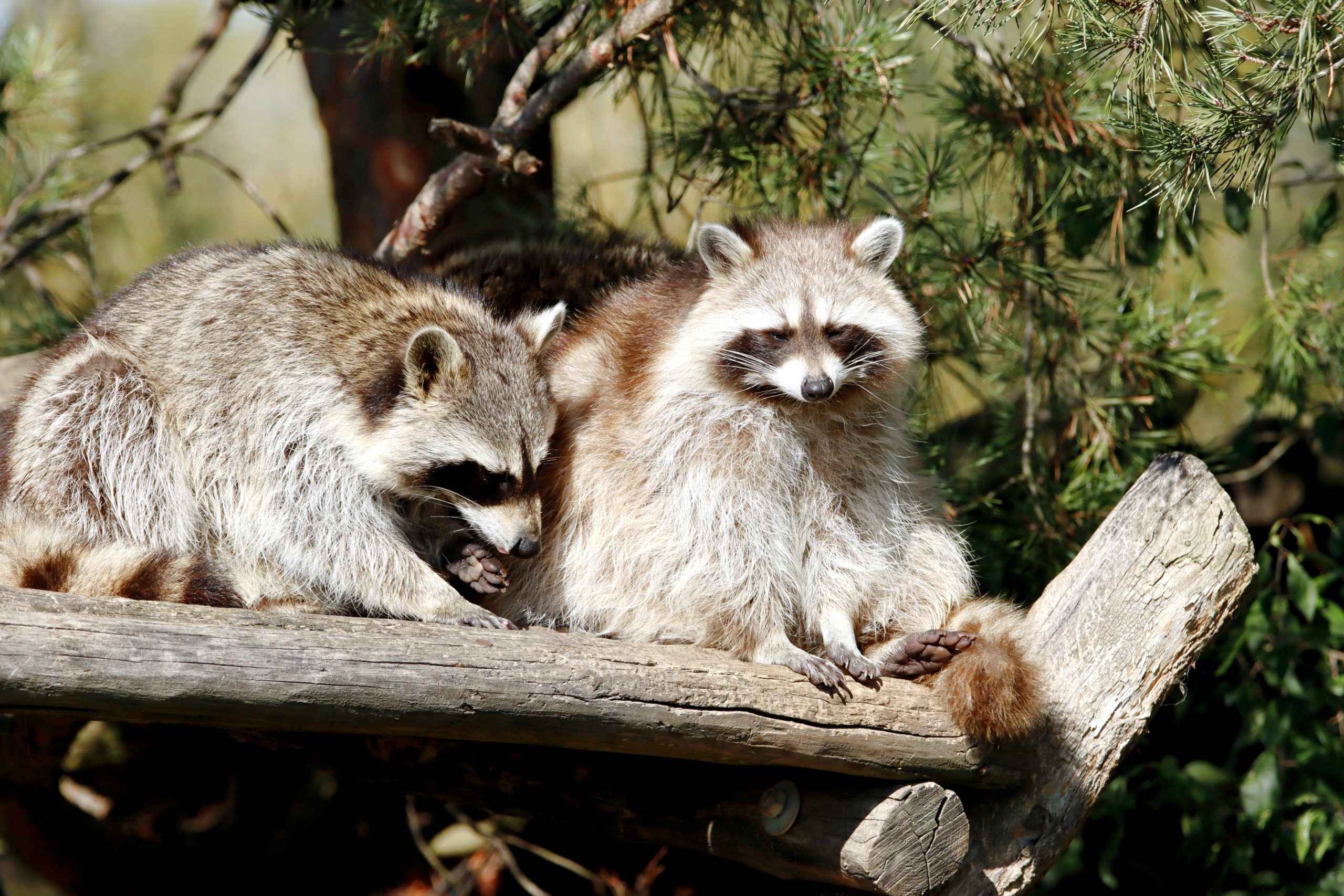
Squirrel, rabbit, raccoon, and other small-game hunts gave many young hunters an inexpensive way to spend whole days outdoors before pursuing larger animals. In some regions, those hunts have become less central as attention shifts toward deer, turkey, or other high-profile seasons. Federal data show that 5.3 million people hunted small game in 2022, compared with 11.5 million big-game hunters. The gap does not prove a tradition is disappearing, but it shows how strongly attention is concentrated on big game. For some families, those modest hunts were the first classroom.
5. Traditional Hunting and Trapping Skills
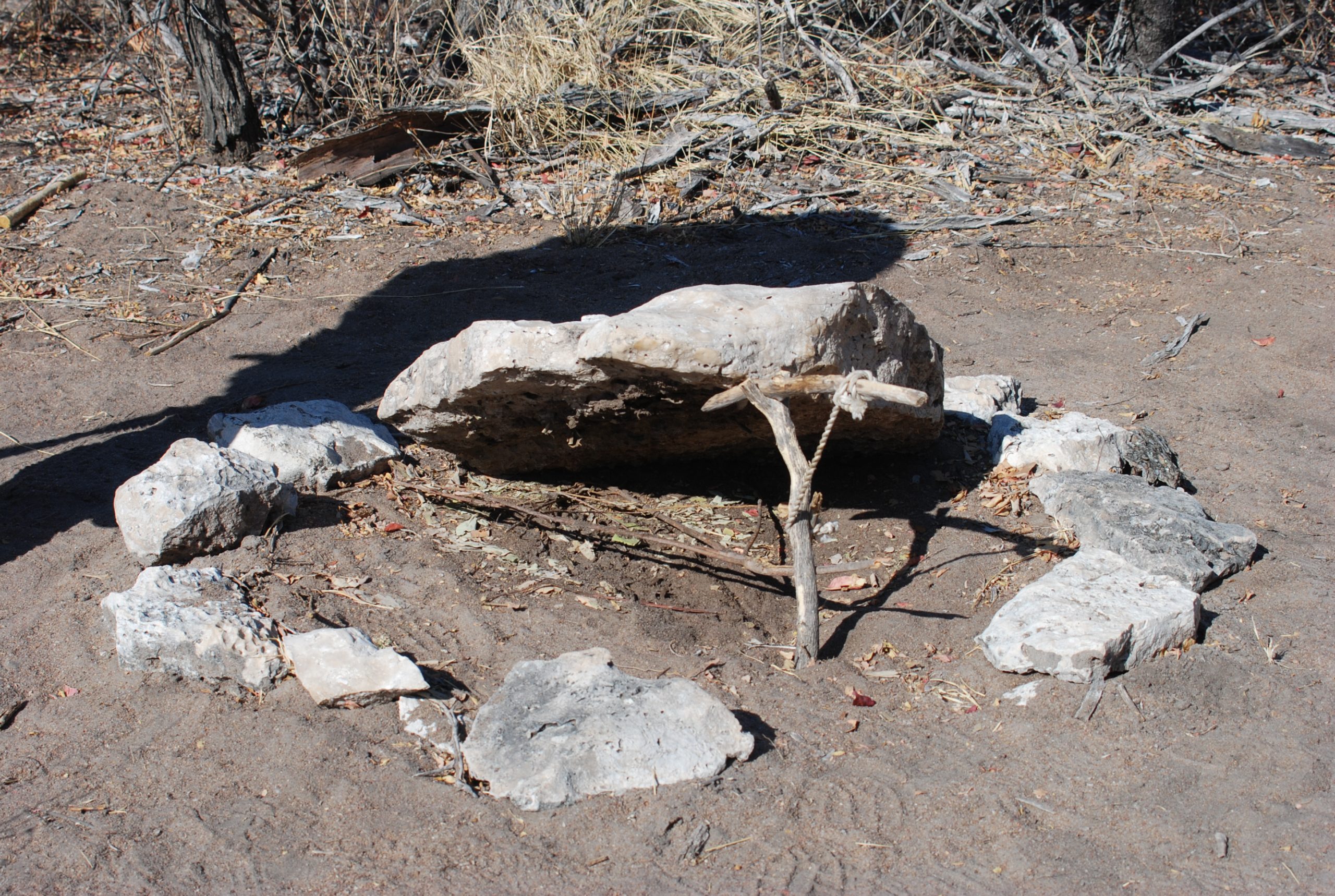
Some hunting cultures included trapping, hide preparation, natural-material gear, and careful use of an animal. These skills demand practice, so they can decline when store-bought equipment replaces hands-on learning. In Alaska, the National Park Service documents trapping and subsistence practices involving food, clothing, crafts, and income. A notable figure is that about half of households in the cited Dena’ina study participated in some form of trapping or small-mammal harvest, showing such traditions can survive amid change. The skills remain valuable because they connect hunting with self-reliance and practical knowledge.
6. Community Deer Drives
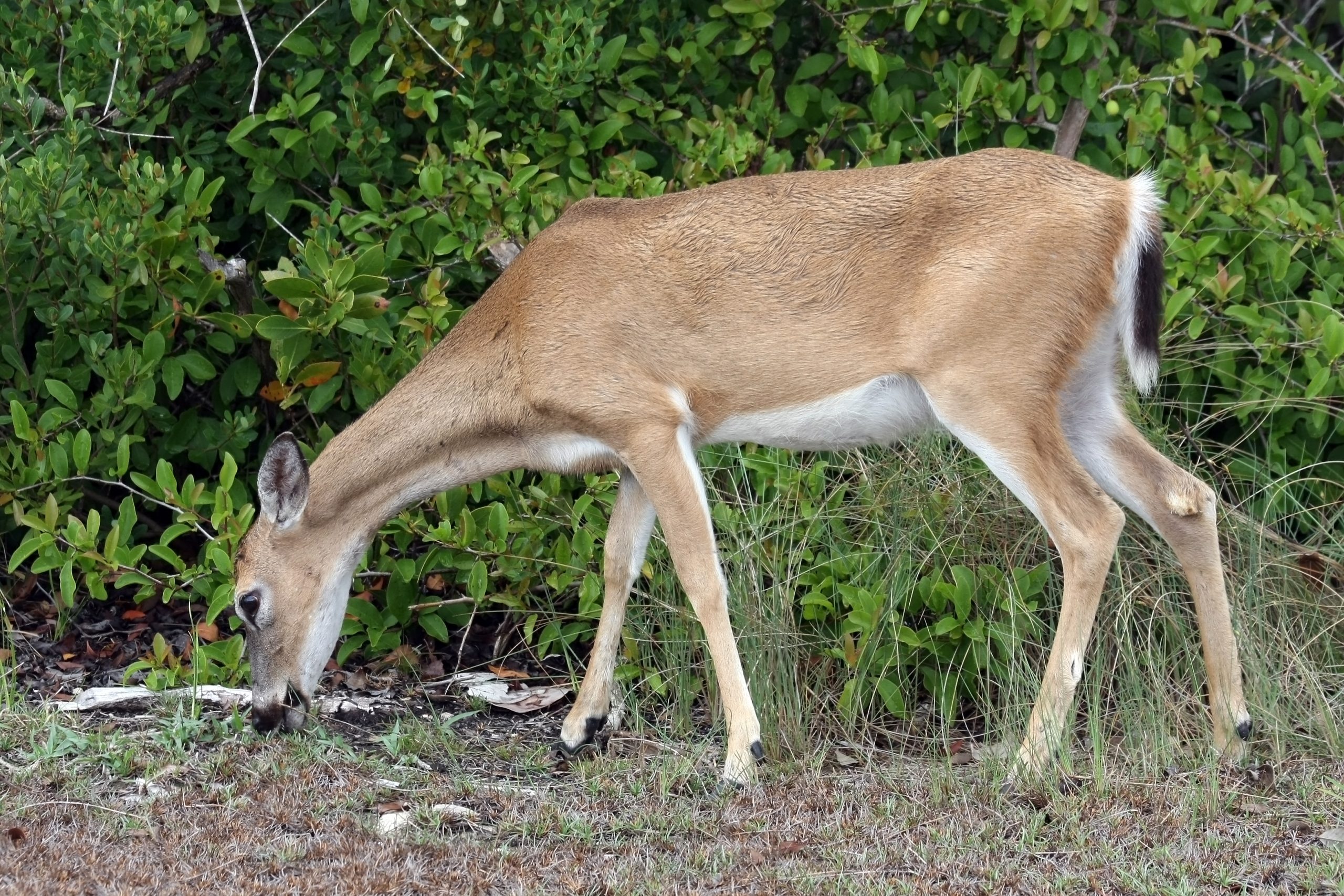
In parts of the Midwest and Northeast, deer drives have brought several hunters together to move deer toward waiting stands. The method depends on cooperation, local knowledge, land access, and spending a full day hunting together. Property changes, safety concerns, fewer participants, and shifting preferences can make these events harder to organize. The broader hunting population remains substantial: 14.4 million Americans age 16 and older hunted in 2022. Yet a national total can coexist with the decline of local traditions that depend on a small circle of people.
7. The Weeklong Hunting Camp
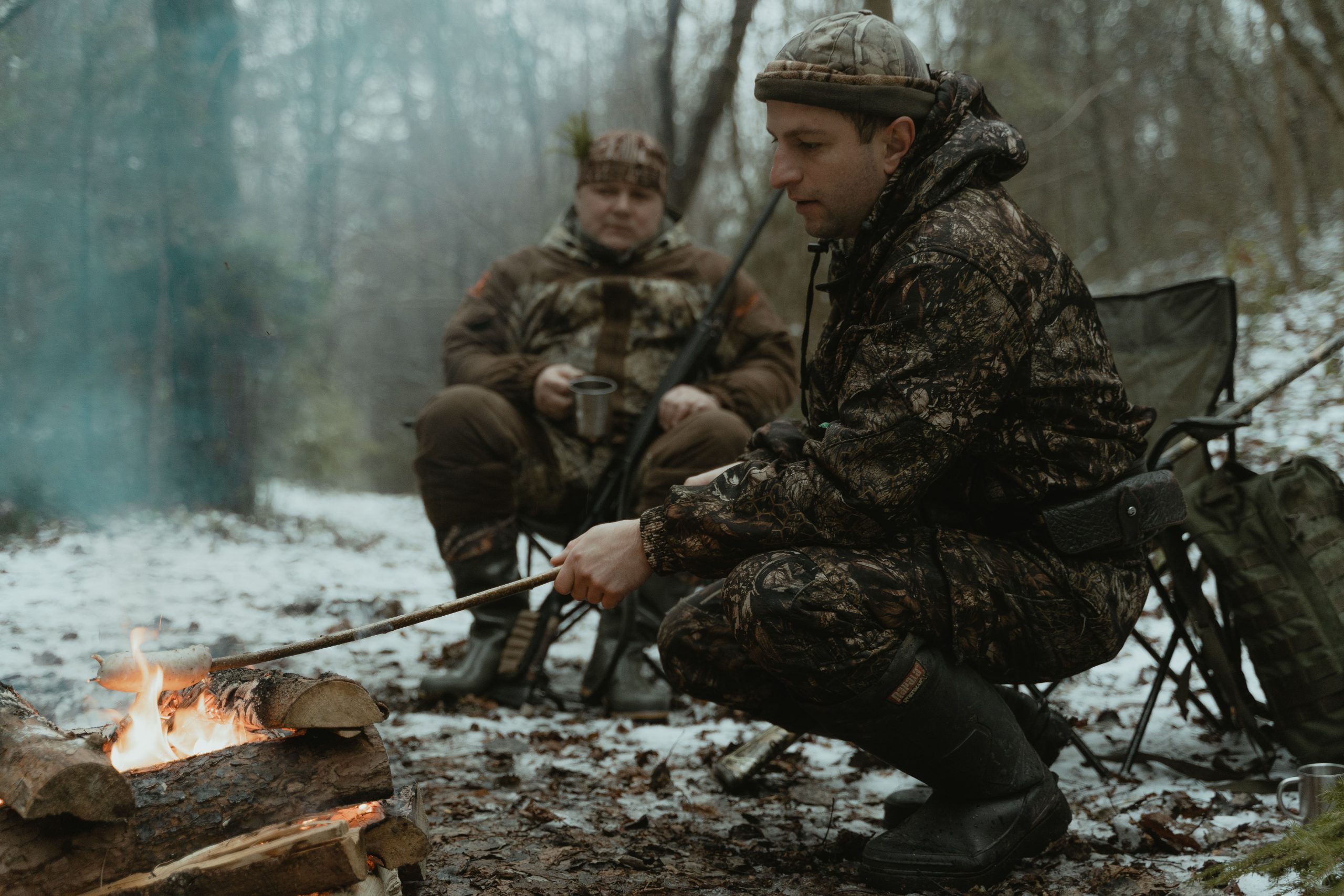
A weeklong hunting camp can be as much about routine as harvest. Hunters rise before daylight, return for meals, maintain gear, tell stories, and repeat the same rhythm for several days. Modern work schedules, travel costs, and easier short hunting trips can make long stays harder to maintain. The change matters because camp life creates repeated chances to teach fieldcraft and hunting etiquette. In 2022, Americans took 165 million hunting trips, according to federal survey data. That figure covers many hunting styles, so it does not show how common the traditional multi-day camp remains.
8. Home Processing and Old Recipes
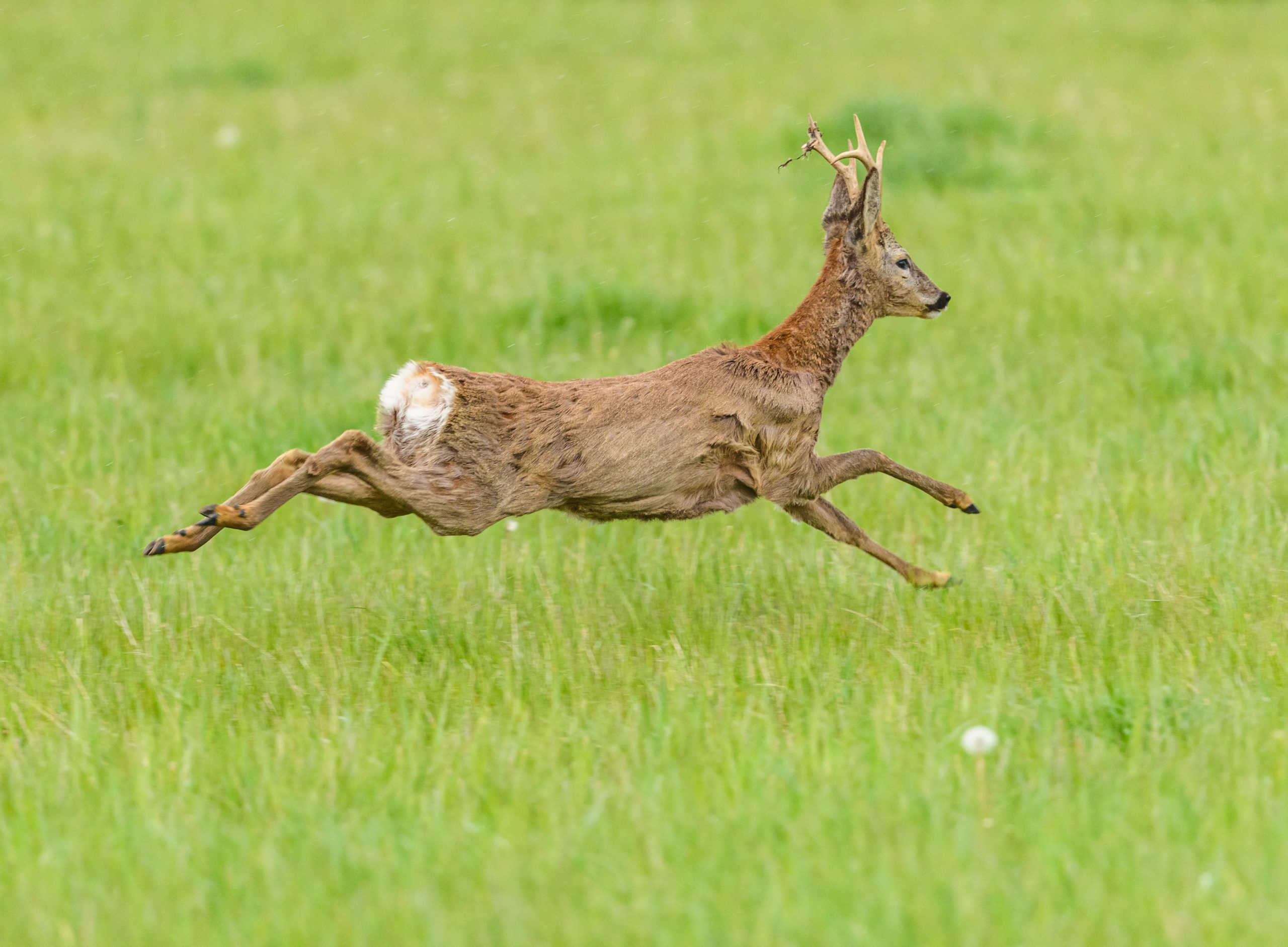
Home processing once connected the hunt directly to the kitchen. Families learned to butcher deer, save useful parts, smoke meat, make sausage, and prepare recipes that were rarely written down. Commercial processors make it easier, especially for hunters with limited time. That can reduce the number of people learning older methods. In 2022, hunting expenditures reached $45.2 billion nationwide, reflecting a large modern industry around equipment, travel, licenses, and services. Traditional home processing survives, but convenience can gradually replace hands-on knowledge. When a recipe disappears from a family, an important part of the hunting tradition can disappear with it.
9. Hunting Stories and Oral History
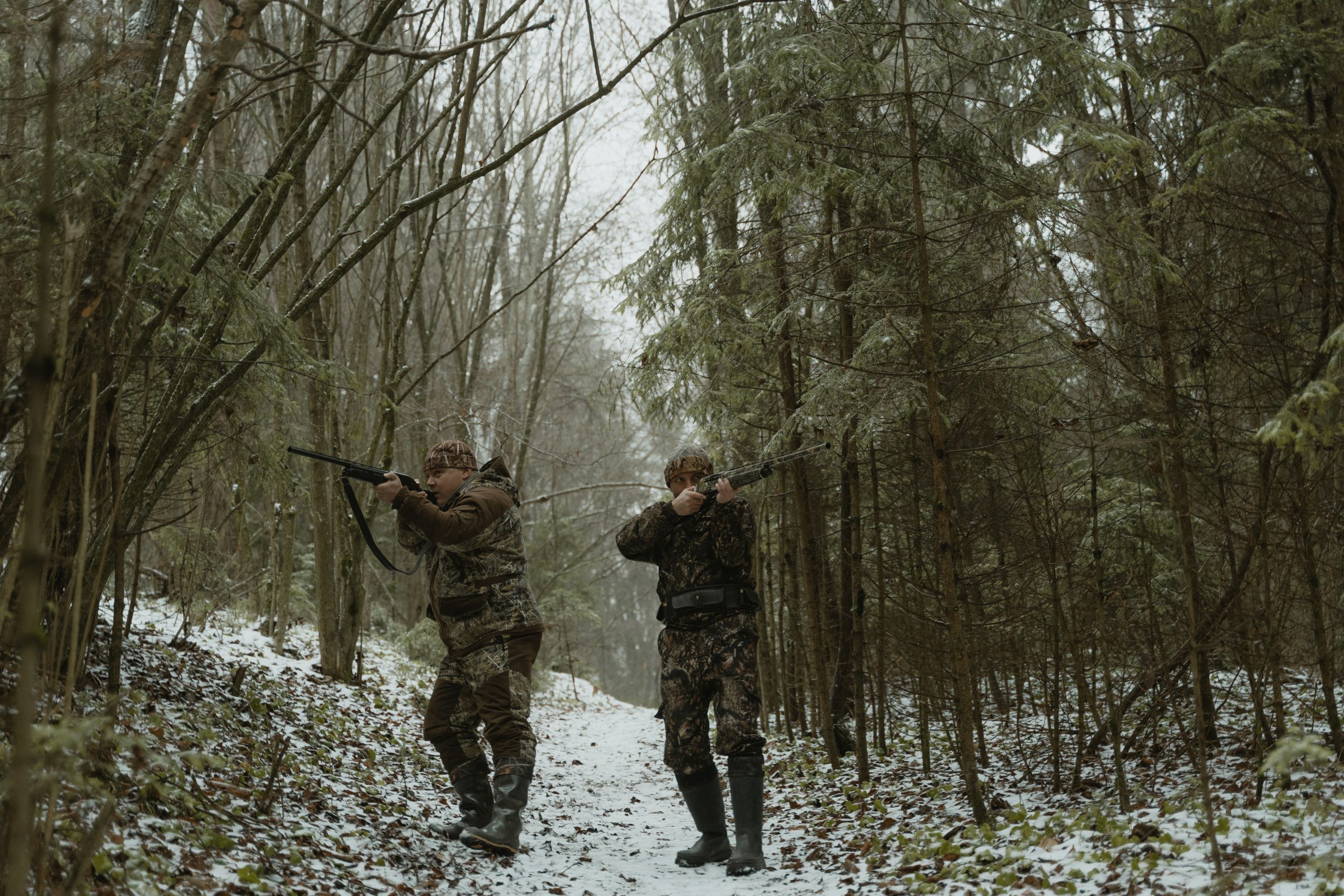
In many families, stories about a first deer, a difficult tracking job, a grandfather’s favorite stand, or a memorable storm become informal family history. Those stories help explain why certain places, seasons, and practices matter. When fewer relatives hunt together, the stories can disappear even if the legal season remains open. Federal data recorded 14.4 million hunters in 2022, so hunting itself is far from gone. The subtler question is whether today’s hunters inherit the same local stories, rituals, and unwritten rules. They are part of the hunt, too.