Game wardens do much more than check hunting licenses and inspect harvested animals. Their work can involve remote forests, wetlands, mountain trails, and long hours patrolling areas far from immediate assistance. Depending on their agency, assignment, and local regulations, they may carry different firearms for law enforcement, personal protection, or specialized field duties. Some look familiar to hunters, while others are less obvious because they resemble ordinary service weapons or are carried only for particular situations. Here are nine firearms worth knowing about and why they may appear in a game warden’s equipment.
1. Glock 22
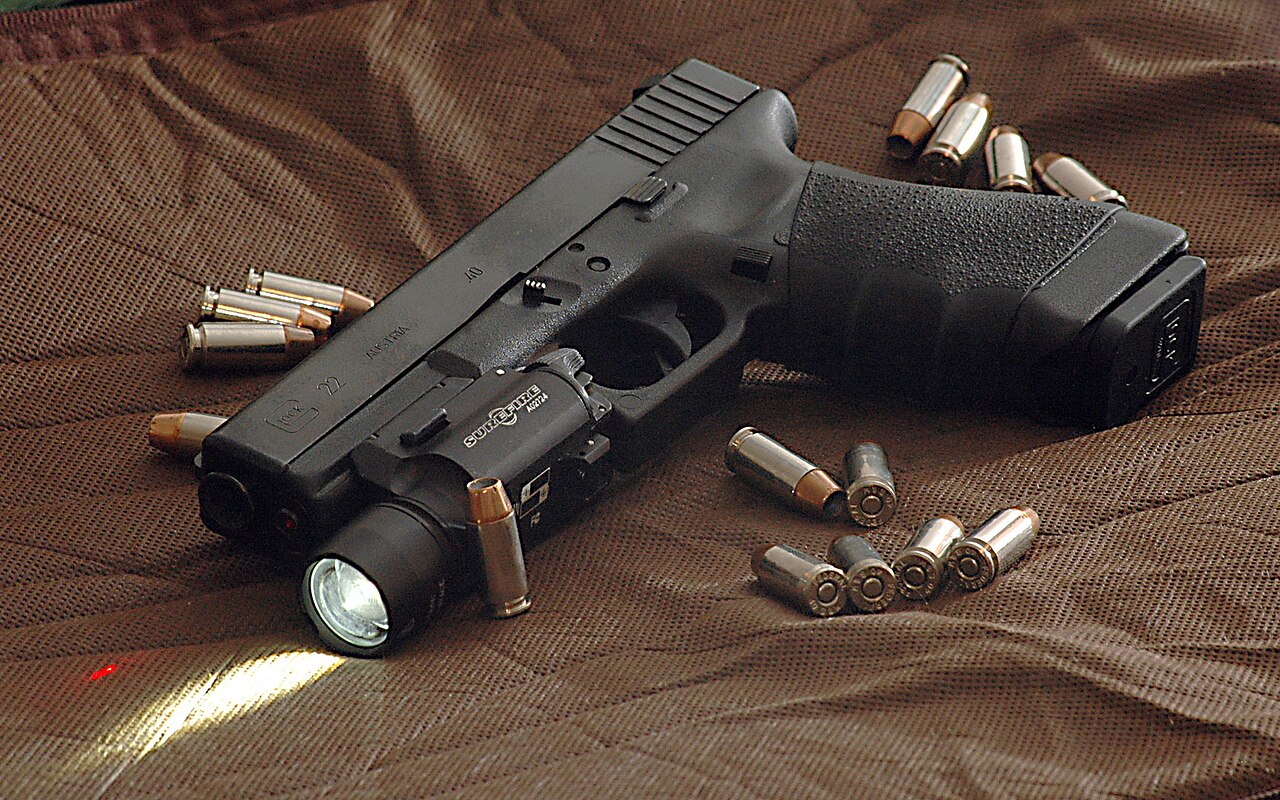
The Glock 22 is a .40-caliber semiautomatic pistol that has served as a duty sidearm for some conservation officers. Its full-size frame offers a substantial grip and a standard magazine capacity of 15 rounds, although agency rules and local laws determine what officers carry. A warden may wear a pistol like this during routine patrols, license checks, or investigations where the role is law enforcement rather than hunting. It is not universal equipment: some departments have moved to 9mm models, and issued firearms can differ by state, training policy, and date.
2. Glock 45 9mm
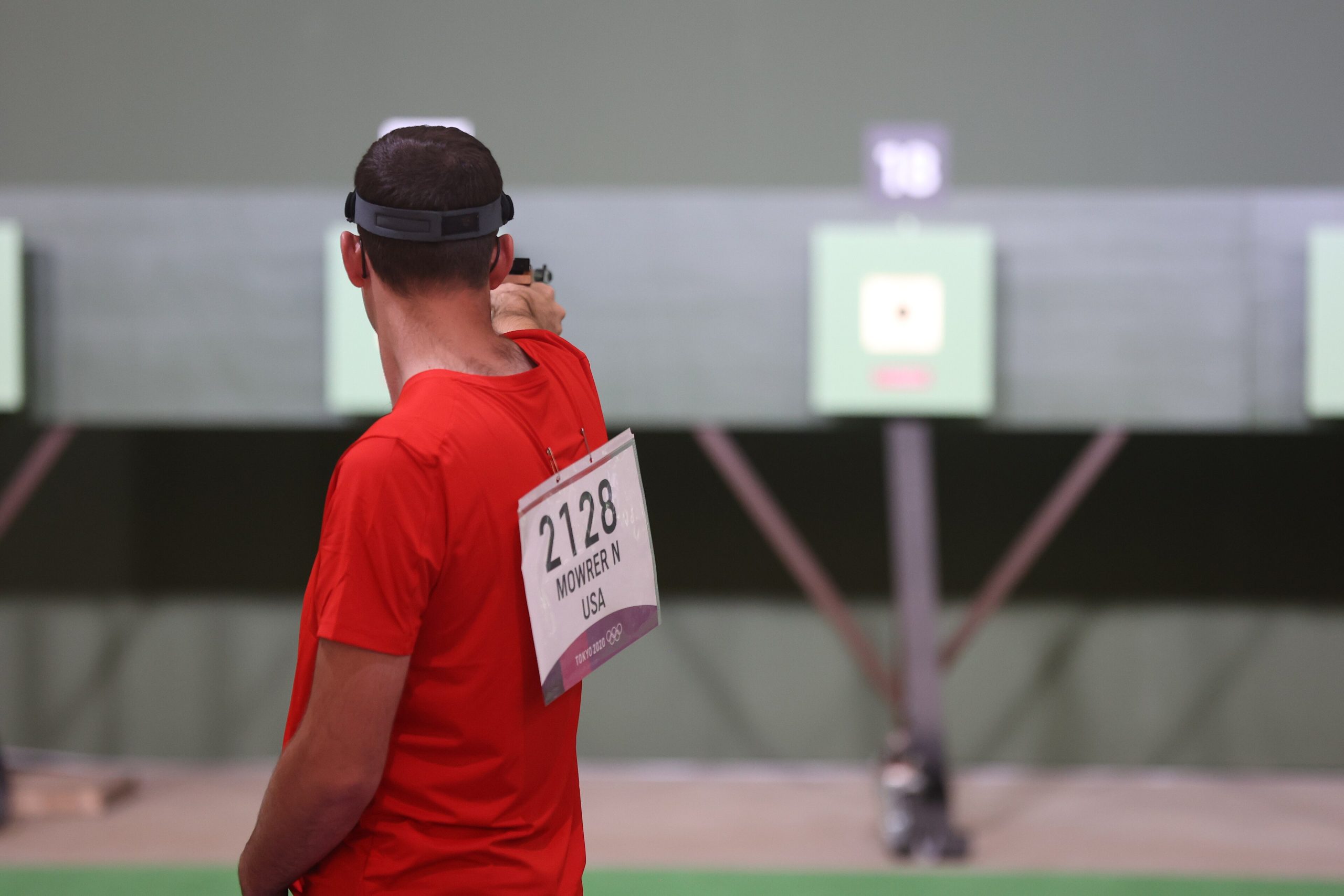
The Glock 45 is a 9mm semi-automatic pistol used by some agencies as a modern duty handgun. It combines a full-size grip with a shorter slide, and its standard magazine holds 17 rounds in common configurations. Georgia wildlife officers, for example, transitioned to this model as part of a wider change from .40-caliber pistols. That detail shows why a warden’s equipment may look different from what hunters remember seeing years ago. The exact pistol depends on the agency’s approved list, training standards, and replacement schedule, not on a single nationwide rule.
3. Smith & Wesson M&P45
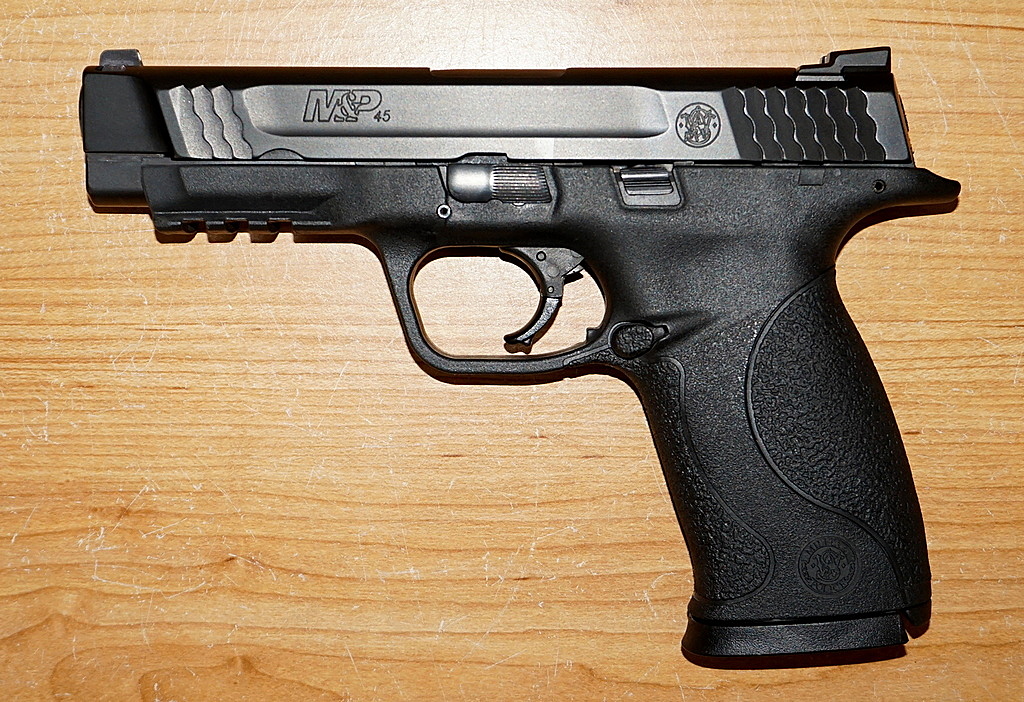
The Smith & Wesson M&P45 is a .45 ACP semi-automatic pistol that has been carried by some Colorado wildlife officers as an issued sidearm. The cartridge is larger in diameter than 9mm, while the pistol’s magazine capacity depends on the specific model and magazine. For a game warden, the handgun is primarily part of law-enforcement equipment and may also be relevant when dealing with injured wildlife under agency procedures. It is not a firearm every warden carries; departments can change models as ammunition, training, and service requirements evolve.
4. Daniel Defense DDM4
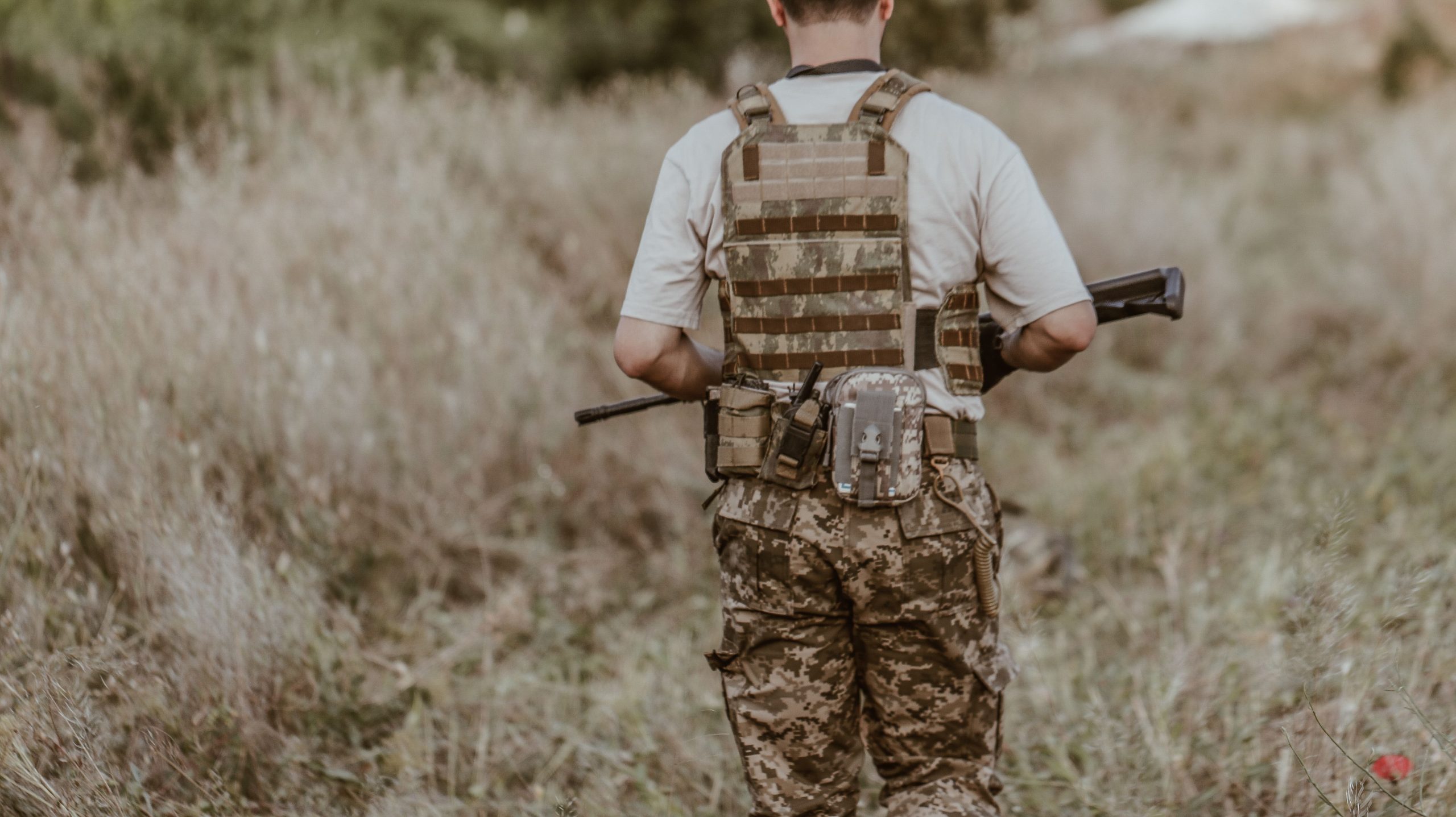
The Daniel Defense DDM4 is an AR-pattern semiautomatic rifle chambered in 5.56 NATO in commonly issued versions. Some wildlife agencies have included this type of rifle in their officers’ equipment, especially where wardens have full peace-officer duties and patrol remote areas. A rifle is not simply a hunting gun carried for convenience: it is an agency-controlled law-enforcement tool, subject to qualification, storage, and use-of-force rules. Models and authorizations vary, so the presence of a DDM4 in one state does not mean it is standard issue everywhere.
5. Remington 870
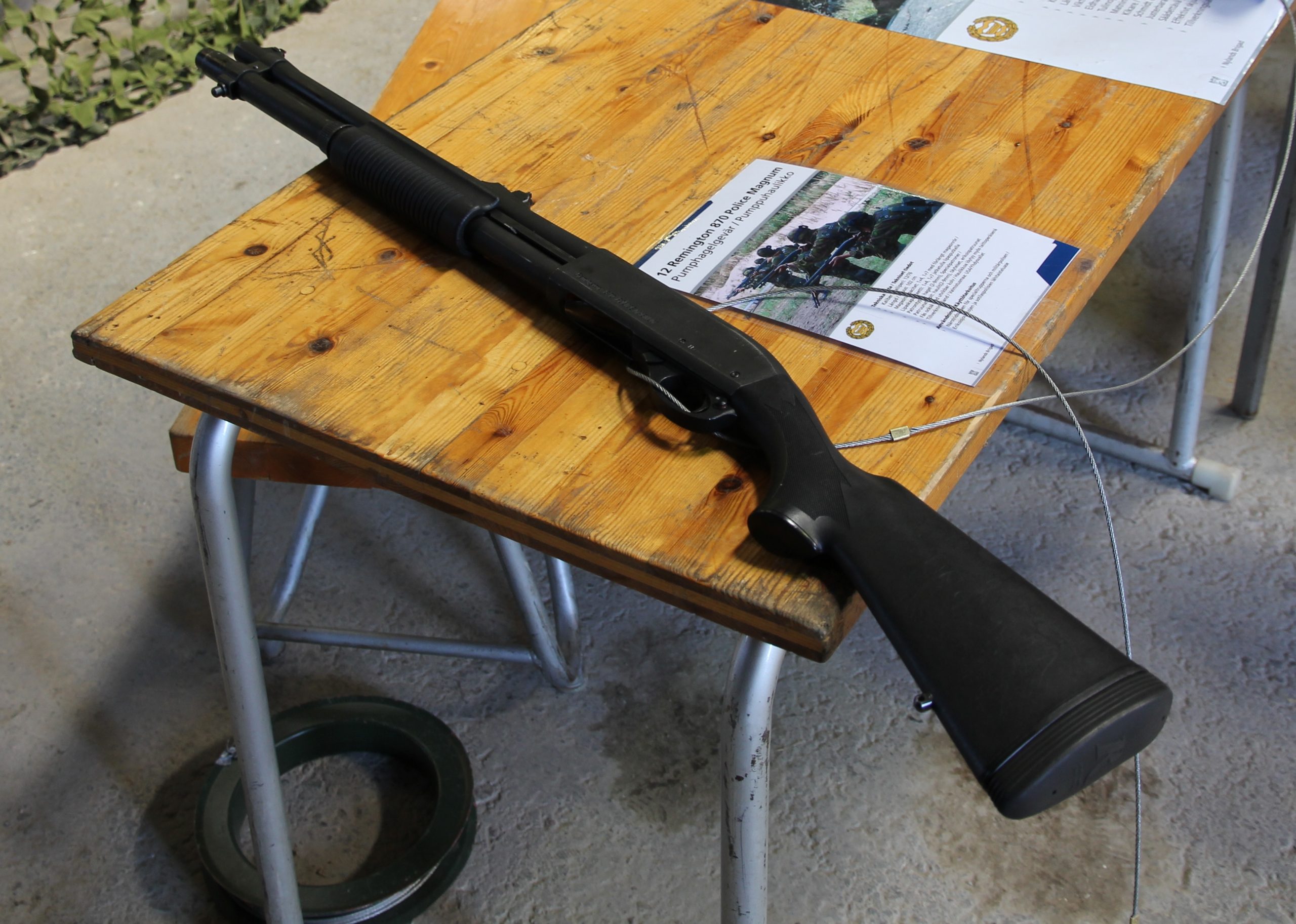
The Remington 870 is a pump-action shotgun with a long history in American law enforcement and wildlife work. The 12-gauge version is especially familiar, though exact configurations and permitted ammunition depend on agency policy. A shotgun may be retained for particular duties even when it is no longer the standard-issue firearm, as has happened in some wildlife departments. Its appearance in a warden’s vehicle does not mean it is carried on every patrol or used for ordinary hunting checks. Training, safe storage, and strict rules govern when an officer may deploy it.
6. Remington 700
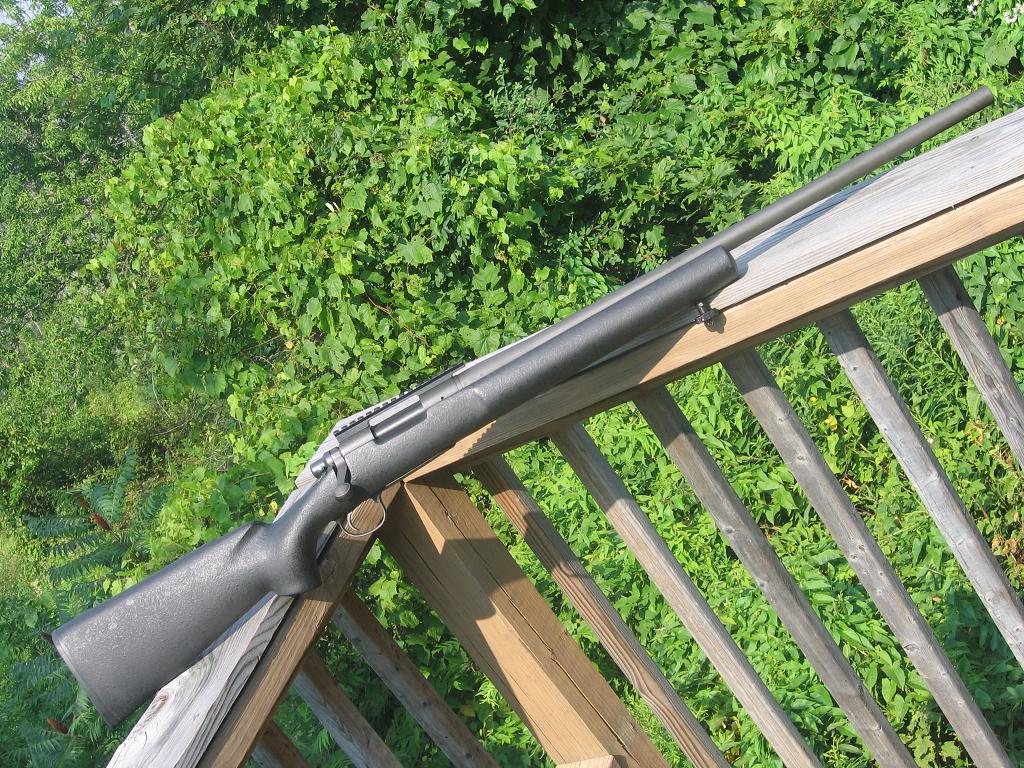
The Remington 700 is a bolt-action rifle platform that has been used by some game wardens in .308 Winchester configurations. Unlike a duty pistol, a rifle of this kind is associated with assignments where a department authorizes a longer-range firearm, rather than everyday contact with hunters. The model has many variants, and not every officer receives one; equipment can be assigned by region, role, or qualification. Its familiar sporting-rifle appearance can make it easy to overlook that, when agency-issued, it remains part of a professional law-enforcement system with specific rules.
7. Ruger Mini-14
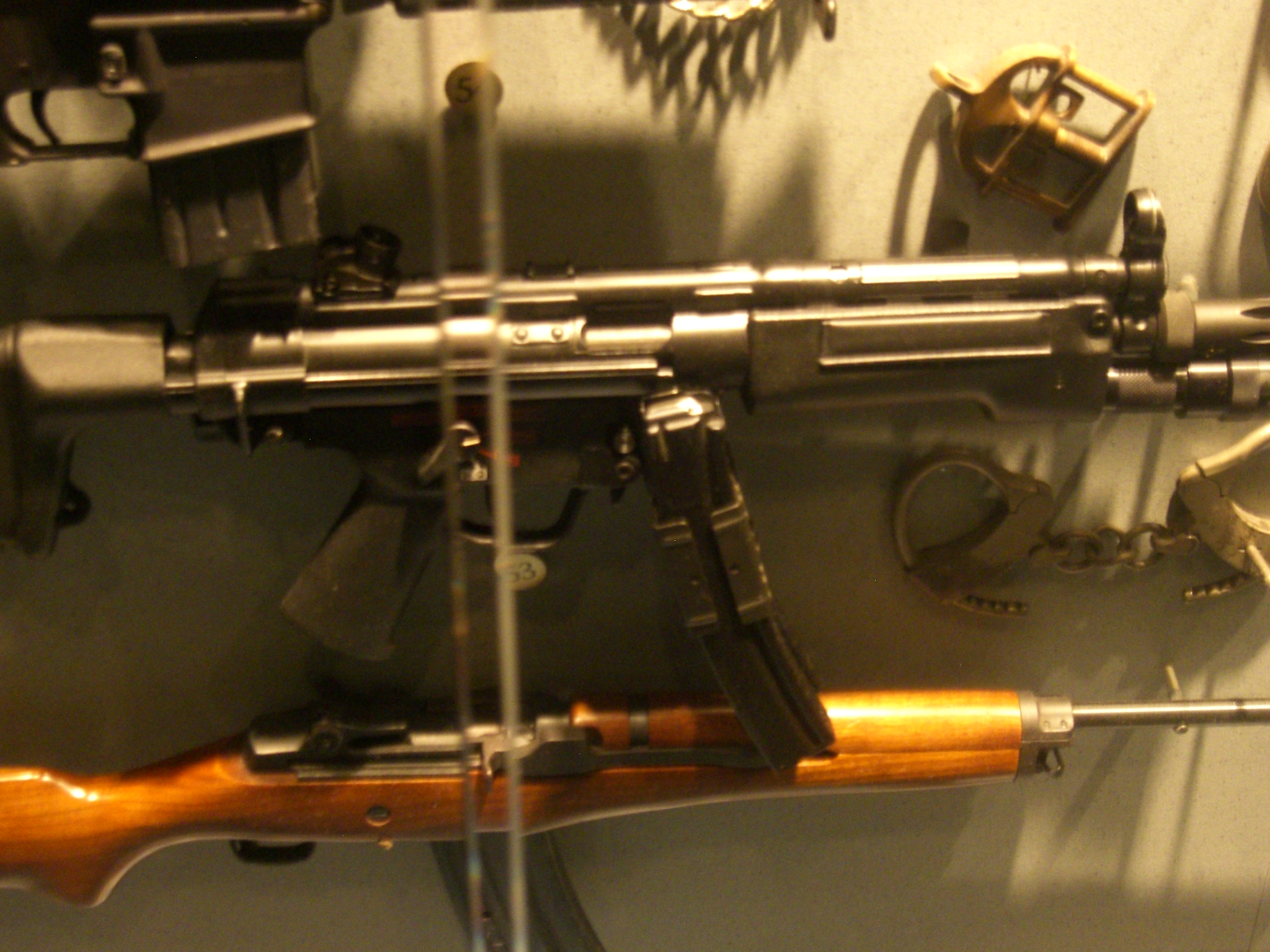
The Ruger Mini-14 is a semiautomatic rifle chambered in .223 Remington in common versions, with a design that looks more traditional than many AR-pattern rifles. Texas wardens have used Mini-14 rifles historically, before the agency’s equipment changed. That makes it a useful reminder that a firearm seen in an older photograph may not reflect current policy. The Mini-14 is not a universal game-warden rifle, and any present-day use depends on the department’s approved equipment and training. Its wood-stock appearance can also make it less conspicuous to casual observers.
8. Glock 43
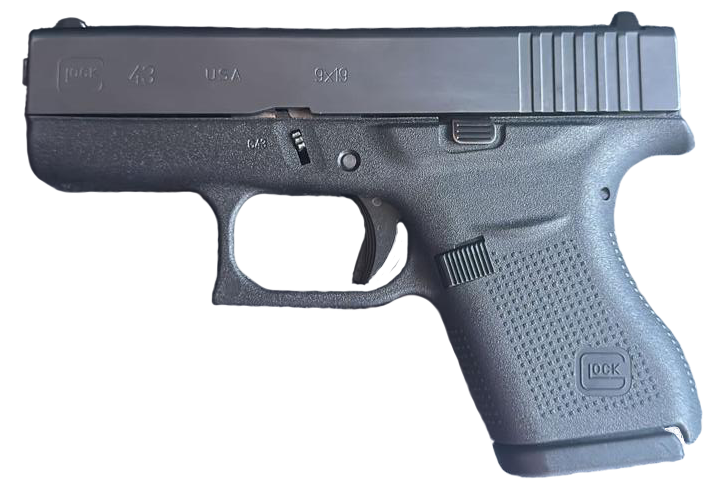
The Glock 43 is a compact 9mm semiautomatic pistol designed around a single-stack magazine, which holds 6 rounds in its standard configuration. Some law-enforcement agencies have issued compact handguns alongside full-size duty pistols, but whether a wildlife officer carries one depends on departmental policy and assignment. A smaller pistol may be less noticeable than a full-size sidearm, yet it is still a regulated duty firearm that requires qualification and secure handling. It should not be assumed that every warden has a backup pistol or is authorized to carry this specific model.
9. SIG Sauer AR-15-Pattern Rifle
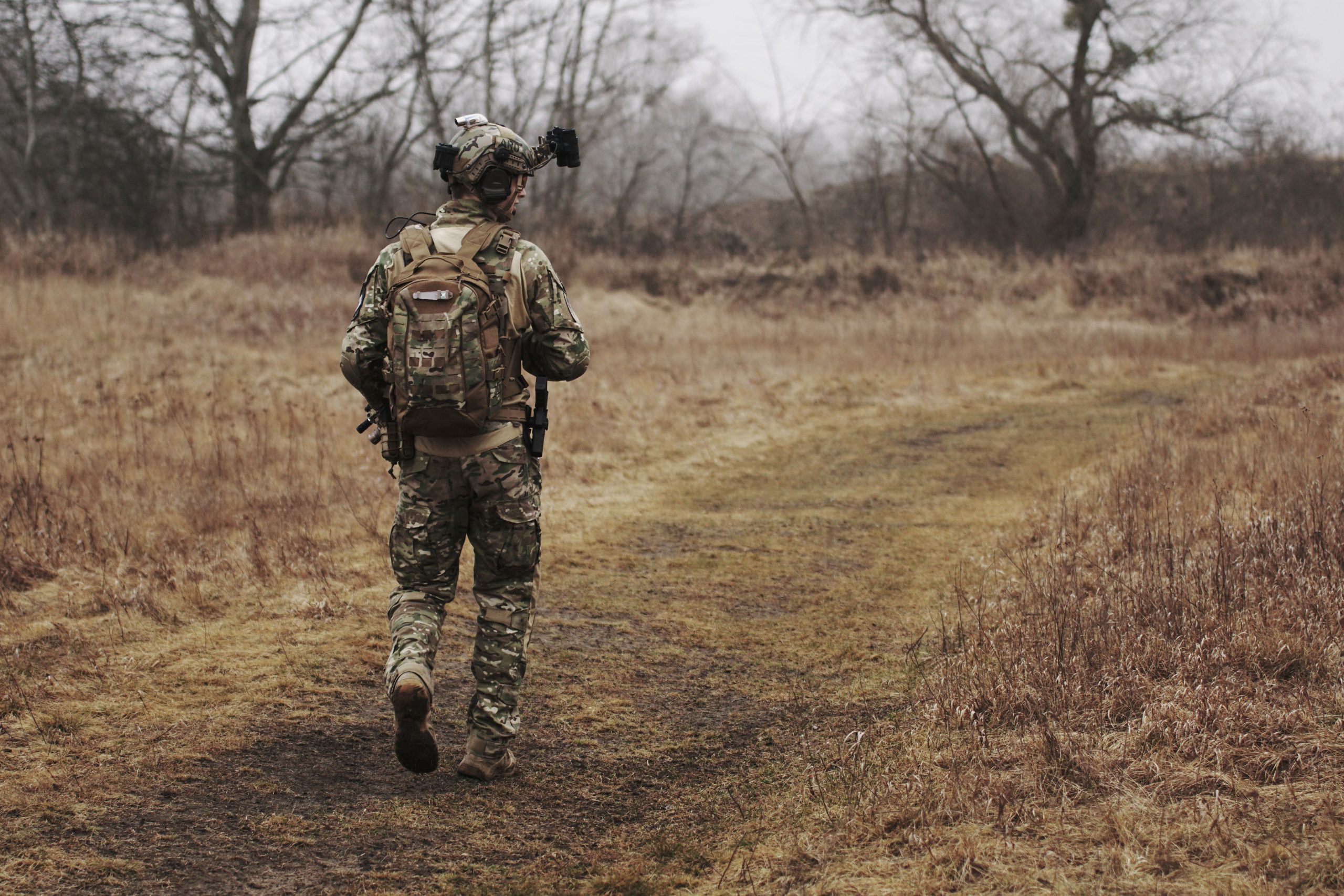
Some conservation agencies have authorized AR-15-pattern rifles from different manufacturers, including SIG Sauer models, for officers whose duties require a rifle. These are not one single firearm model: specifications, sights, and other features vary by agency and version. A rifle may be kept secured in a patrol vehicle rather than carried throughout a routine inspection, and access is governed by training and policy. This is one reason hunters may not notice it during an encounter. Seeing one agency use this platform does not establish a standard for every state or