Trapping history is filled with equipment that once served a practical purpose but has since become valuable to collectors. While old rifles often attract attention, certain traps, specialized tools, and accessories can command surprising prices because of their rarity, unusual construction, maker’s marks, and historical significance. A century-old piece of equipment may be worth more than a common vintage firearm, especially when it survives in original condition. The real appeal lies in the details: how the item was made, who produced it, and how much of its original history remains intact.
1. Antique Newhouse Steel Traps
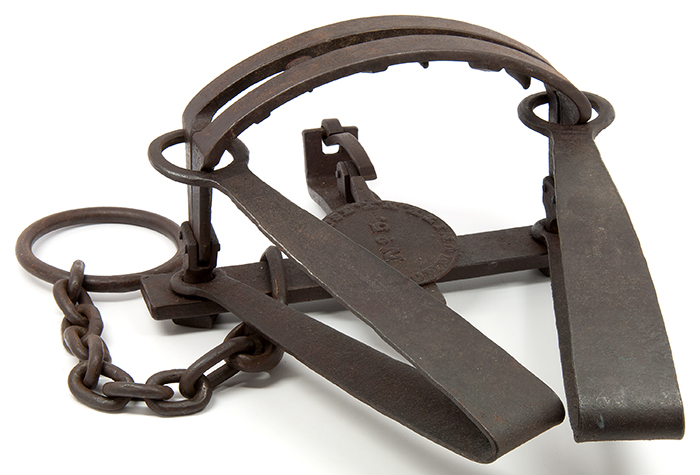
Among the most recognizable names in American trapping history, Newhouse traps were produced by the Oneida Community in New York during the 19th and early 20th centuries. Their sturdy construction, distinctive markings, and association with commercial fur trapping make surviving examples appealing to collectors. A trap’s value depends on its model, jaw design, condition, and legible maker’s stamp. Some scarce examples can outprice ordinary vintage rifles, although common models may sell for much less. Original components and documented age matter more than rust or an impressive appearance alone.
2. Early Oneida Community Trap Variations
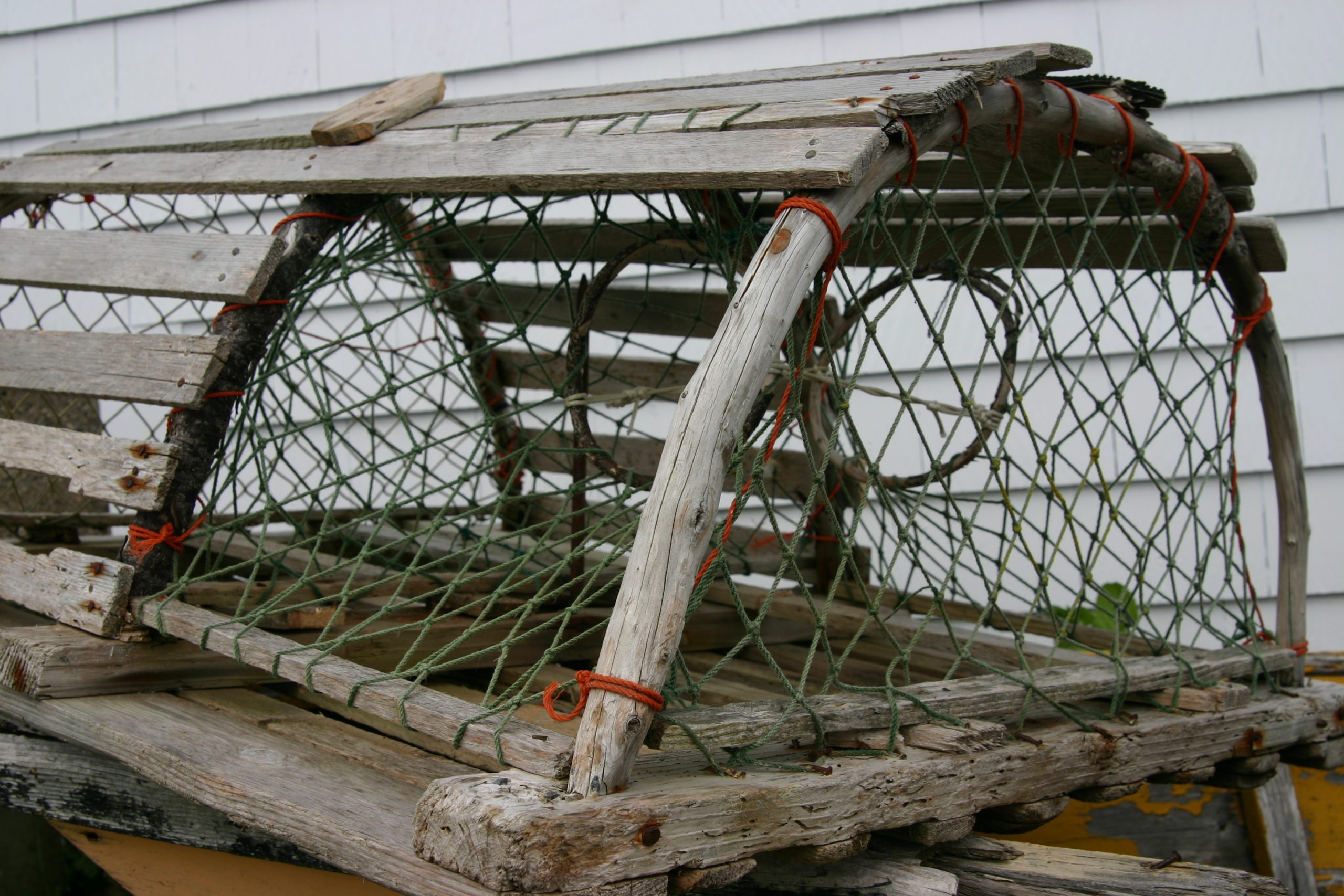
The Oneida Community produced several generations of trapping equipment, and small differences between examples can interest specialist collectors. Changes in jaw shape, pan design, spring arrangement, and stamped lettering can help distinguish one production period from another. A trap measuring roughly 8 to 10 inches across may look ordinary until its markings reveal a less common version. Collectors often compare these details with historical catalogs before assigning a value. An unusual model in original condition may command a premium over a more familiar rifle, but rarity must be verified rather than assumed.
3. Vintage Victor Traps

Victor traps became familiar across North America through the long-running manufacturing business associated with the Animal Trap Company. Older examples interest collectors because their markings and construction reflect changes in industrial production over many decades. A trap bearing an early stamp, an uncommon model number, or an intact original chain may attract more attention than a heavily restored piece. Even so, age alone does not guarantee a high price. Collectors usually examine spring condition, missing parts, corrosion, and evidence of repainting before deciding whether an example deserves a place in a serious collection.
4. Rare Blake & Lamb Traps
Blake & Lamb traps occupy an interesting place in American trapping history, particularly among collectors studying established manufacturers and their competing designs. Examples with unusual markings, less common sizes, or original components can attract more interest than everyday models. A trap roughly 6 to 8 inches wide might appear unremarkable, yet its maker’s stamp and construction details can reveal a collectible variation. Buyers also look for intact springs and matching parts. Prices differ considerably between examples, so a rare, well-documented model may exceed the value of a common rifle, without every old trap being valuable.
5. Antique Trapper’s Chains and Swivels
Chains, swivels, and connecting hardware rarely receive the attention given to complete traps, but specialist collectors sometimes seek early examples with distinctive construction. These parts reveal how equipment was assembled and adapted for different trapping conditions. A chain containing 10 or more original links, paired with a period swivel, may interest buyers when its age and association are documented. Matching hardware can strengthen a collection, especially when it accompanies a known trap model. However, loose iron components are difficult to date, and modern replacements or reproductions generally lack the appeal of verifiable historical pieces.
6. Historic Trapper’s Skinning Knives
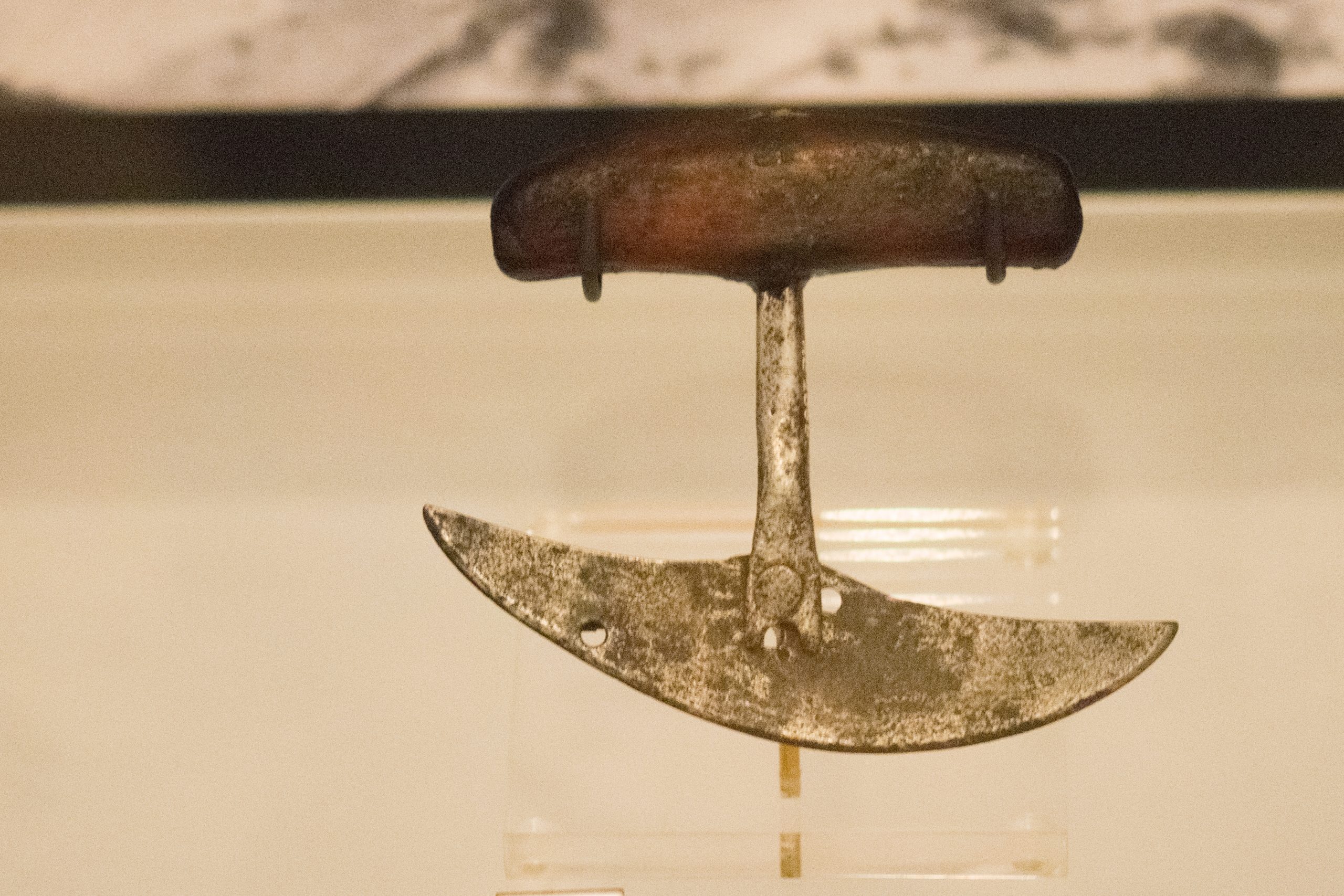
Older skinning knives appeal to collectors because they connect trapping with the wider history of hunting, fur trading, and rural craftsmanship. Features such as a maker’s mark, original handle material, and a distinctive blade profile can help establish an example’s identity. Knives with documented production dates or links to a recognized maker may command stronger prices than unmarked examples. A blade measuring around 4 inches is not automatically more collectible than a larger one; rarity and provenance matter far more. Original condition is important, since aggressive sharpening or replacement handles can reduce historical interest.
7. Vintage Fur Stretchers and Drying Boards
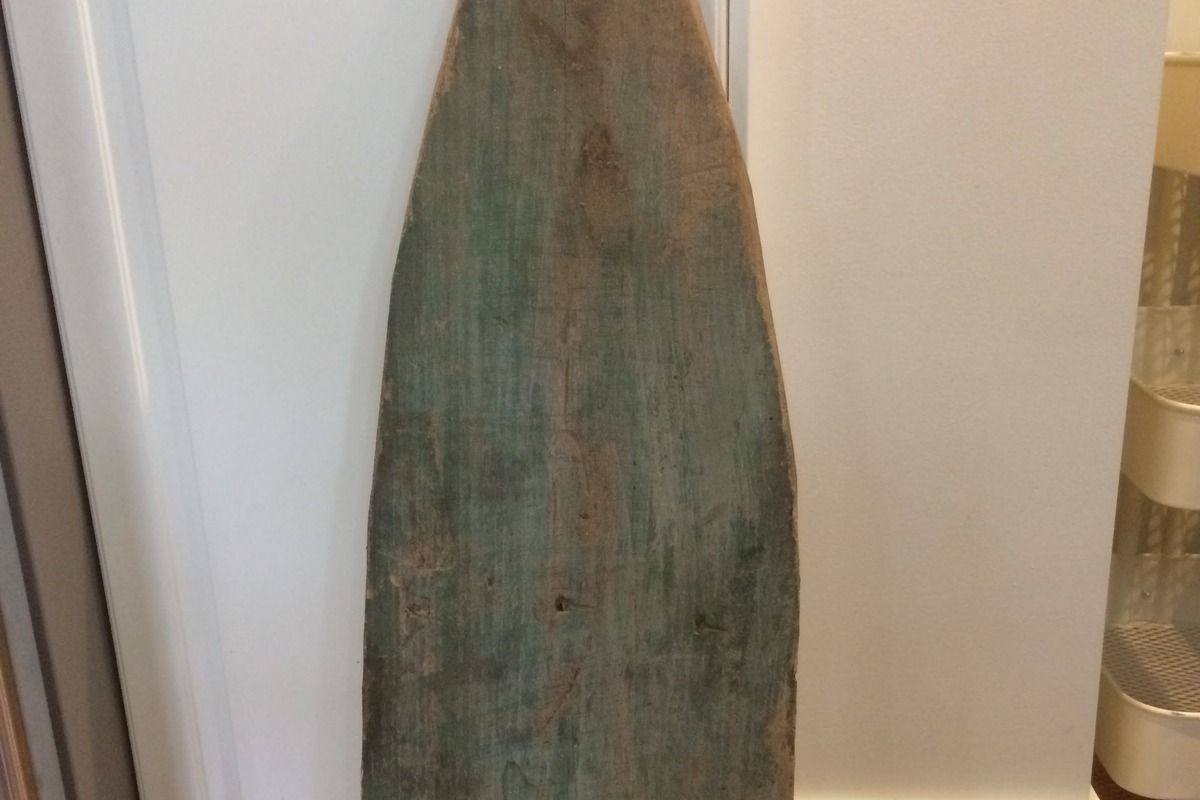
Wooden fur stretchers and drying boards offer a different kind of collecting appeal because their shapes often reflect the animal pelts they were designed to accommodate. Examples made for beaver, fox, or mink can help illustrate the practical side of the historical fur trade. A board measuring 24 to 36 inches long may be an interesting display piece, depending on its intended use and age. Maker’s marks, original construction, and documented regional history can increase desirability. Unusual surviving examples may sell for more than expected, although ordinary used boards are not automatically worth more than vintage firearms.