Military rifles rarely stay confined to the battlefield. Their engineering, cartridges, and handling traits often spill into the hunting world, target ranges, and home workshops, where they inspire entire generations of civilian firearms. These nine rifles did more than serve soldiers. They changed what everyday shooters expected from rifles at home.
Mauser 98
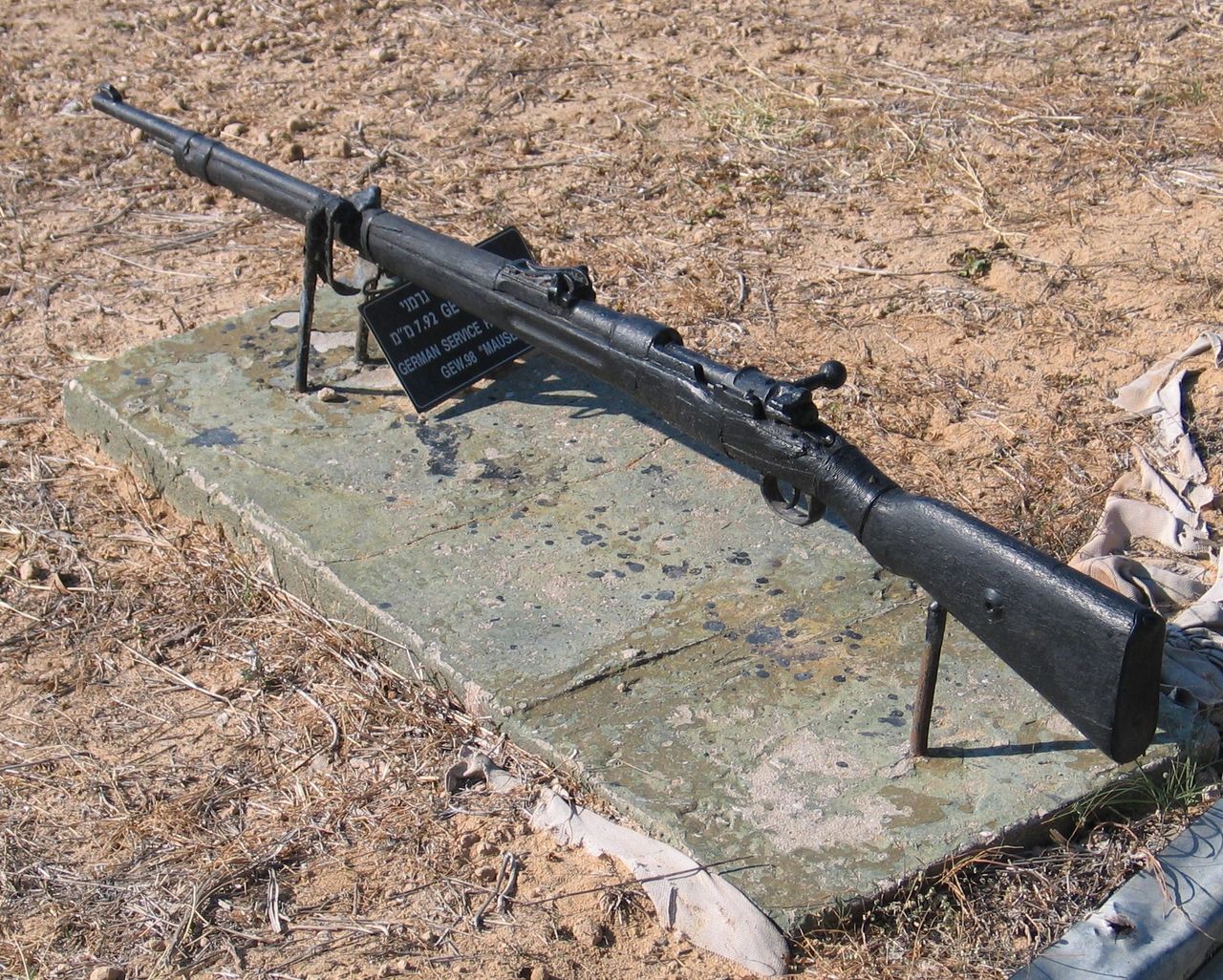
The Mauser 98 set the template for the modern bolt action sporting rifle. Introduced for military service in the late 19th century, it brought together controlled round feeding, a strong dual lug action, and reliability that gunsmiths and hunters still admire today.
Its influence on civilian firearms is hard to overstate. Countless hunting rifles borrowed its action design either directly or by inspiration, from custom safari guns to mass market deer rifles. For many shooters, the Mauser 98 became the gold standard for what a serious bolt action should feel like.
Even now, when people praise a rifle for smooth feeding and rugged construction, they are often praising ideas the Mauser popularized first.
Springfield 1903
The Springfield 1903 carried military heritage into the American sporting world with unusual ease. Its strong action, familiar handling, and reputation for accuracy made it one of the most respected service rifles of its time, and that reputation followed it into civilian hands.
After military use, many surplus examples were sporterized for hunting, especially in the mid-20th century. Families turned former service rifles into deer camp staples, often shortening stocks, adding scopes, and creating practical field guns on a budget.
The rifle also helped normalize the idea that a military action could become a refined sporting arm, blurring the line between arsenal issue and hunting tradition.
Lee-Enfield
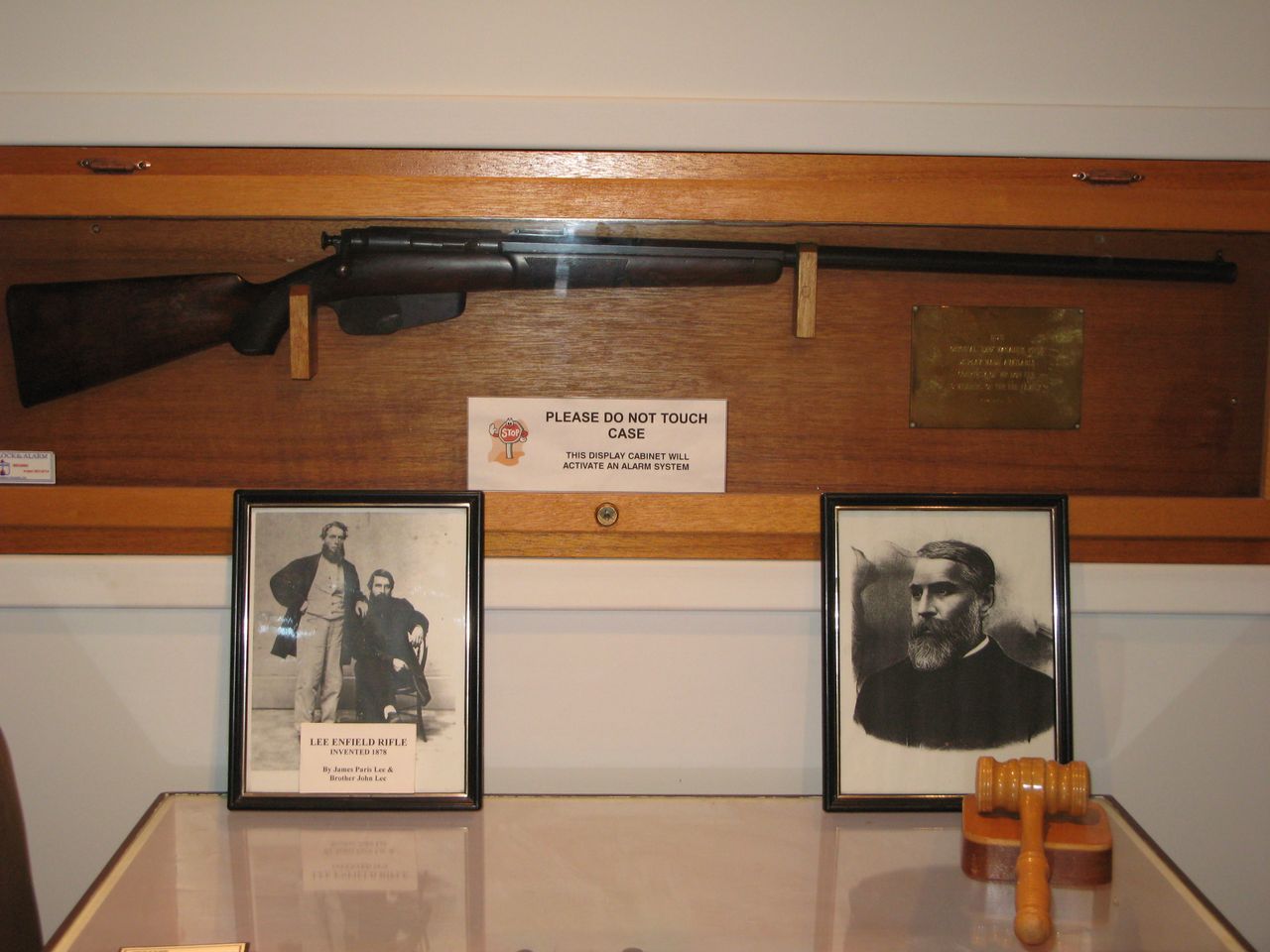
The Lee-Enfield brought a different personality to the bolt action world. Fast cycling, generous magazine capacity, and famously smooth operation made it a standout military rifle, especially in British and Commonwealth service.
For civilian shooters, the Lee-Enfield proved that a bolt gun did not have to feel slow or stiff. Surplus rifles became common on the commercial market, where they found second lives in hunting fields, club matches, and gun collections across several continents.
Its quick handling influenced how many shooters judged practical bolt action performance. Even among modern rifles, the Lee-Enfield still has a devoted following for its speed, balance, and unmistakable character.
M1 Garand
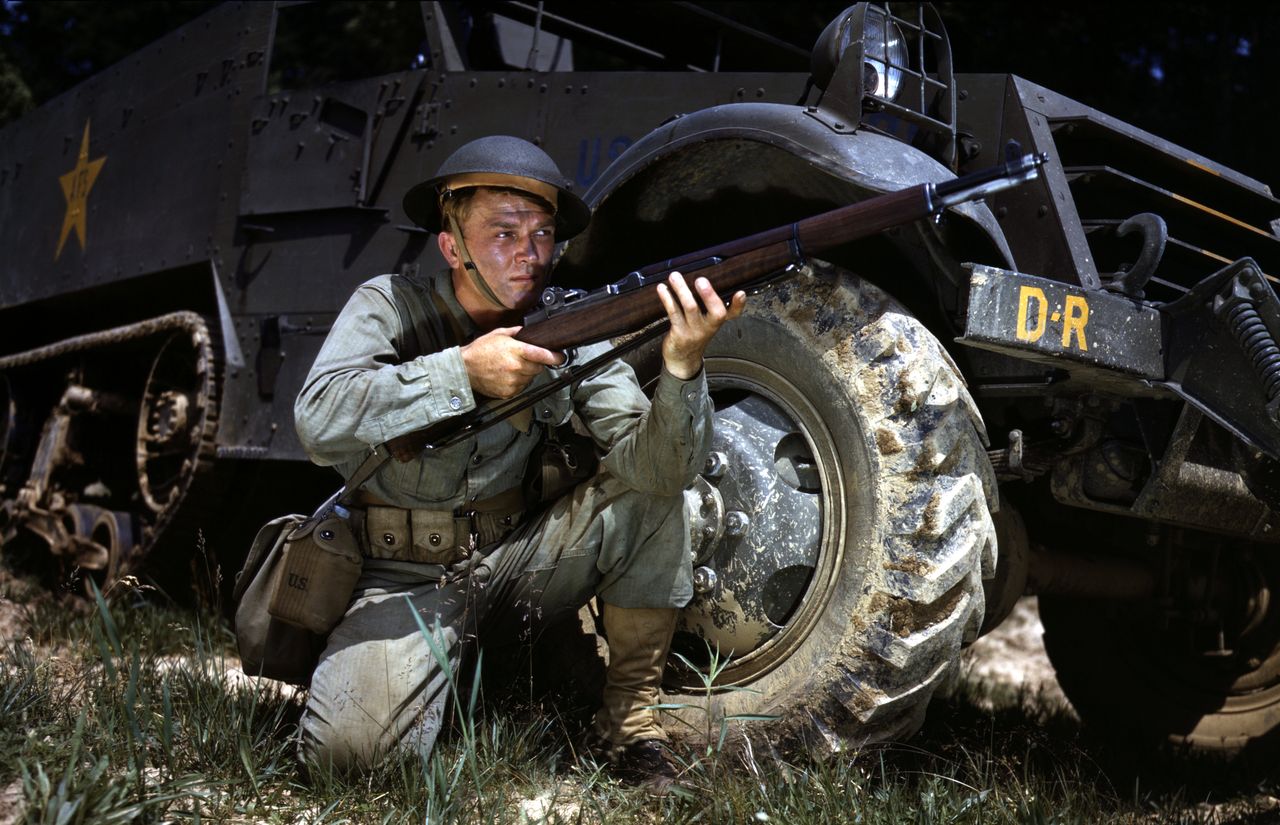
The M1 Garand changed civilian expectations by making the semi-automatic rifle feel proven, credible, and desirable. In military service it earned enormous respect for reliability and firepower, and after the war it became a symbol of American marksmanship and mechanical confidence.
Civilian shooters embraced it through surplus sales, competition, and sheer admiration. The Garand showed that a self-loading rifle could be accurate enough for serious target work and rugged enough for regular field use, which helped open the door for later commercial semi-autos.
Its legacy lives on at rifle matches and in gun safes where owners still value its heft, balance, and historic presence.
SKS
The SKS may not always get the spotlight, but it had a major effect on the civilian market. Simple, durable, and chambered in 7.62×39, it introduced many American buyers to an affordable semi-automatic rifle platform with military roots.
Large waves of imports made the SKS a gateway firearm for collectors and new shooters alike. It offered rugged utility, modest recoil, and a price point that encouraged experimentation, from preserving original condition to adding aftermarket stocks and accessories.
Just as importantly, it helped popularize 7.62×39 in civilian circles. That cartridge would later thrive in other rifles, but the SKS helped make it familiar and accessible first.
AK-47
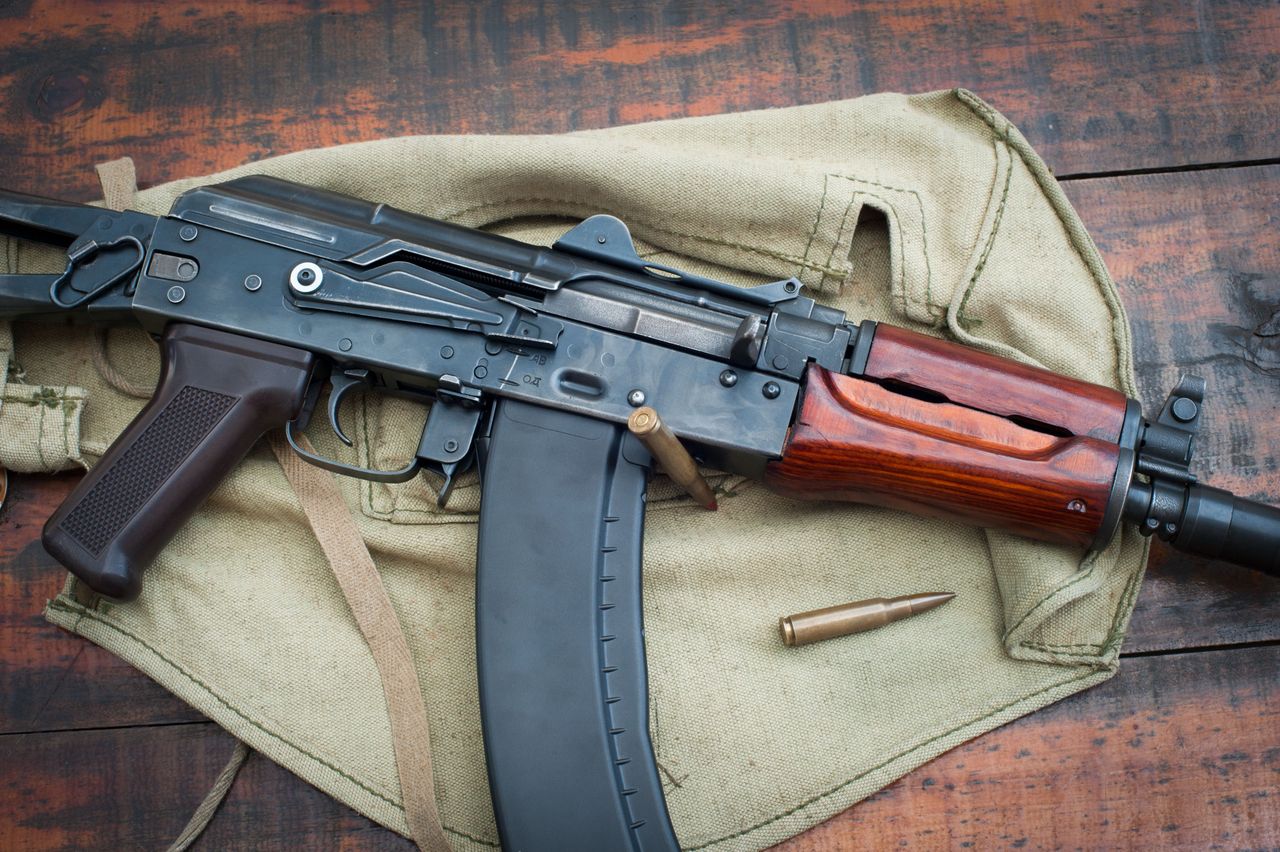
Few rifles changed the civilian firearms landscape as dramatically as the AK-47. Its military reputation for toughness became its commercial calling card, and civilian versions quickly built a following among shooters who valued simplicity, reliability, and easy maintenance.
The AK platform also changed the accessory market. Magazines, optics mounts, furniture, and caliber conversions created a broad ecosystem that turned the rifle into more than a single design. It became a customizable category of its own.
For many owners, the AK offered practical shooting fun with a distinct global identity. It also helped cement the idea that military pattern rifles belonged in ordinary civilian collections and range bags.
AR-15 and M16 Family
No military rifle lineage has influenced civilian firearms more deeply in the modern American market than the AR-15 and M16 family. Lightweight materials, modular construction, and user-friendly ergonomics created a rifle system that could adapt to almost any legal civilian purpose.
Its military development fed a civilian explosion in sporting, defensive, and competition use. Owners could swap uppers, triggers, stocks, and optics with remarkable ease, turning one rifle into many specialized tools without starting from scratch.
That flexibility reshaped the business of firearms itself. Manufacturers, trainers, and accessory makers built entire industries around the AR pattern, making it one of the defining civilian rifles of the last half century.
Ruger Mini-14
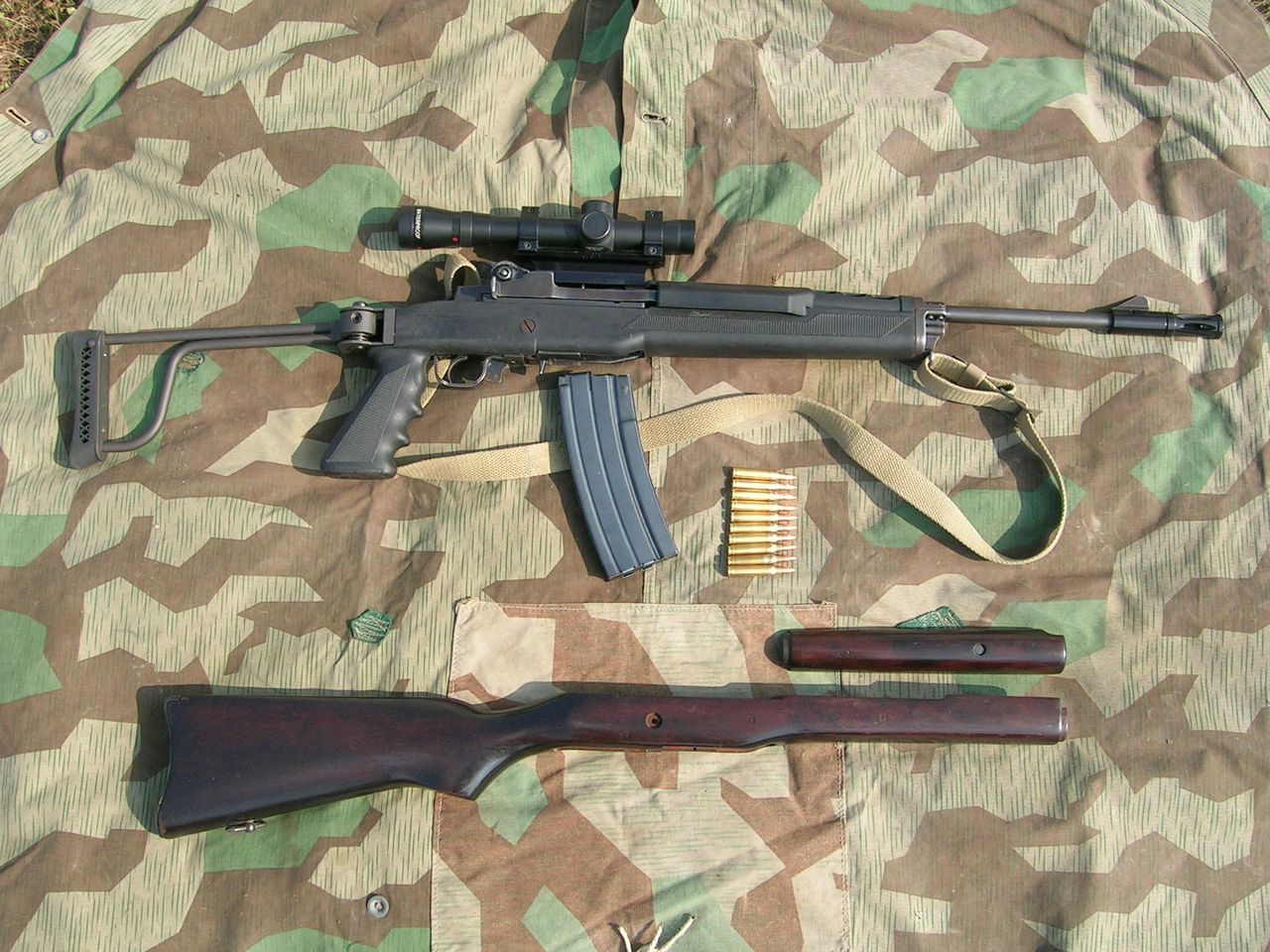
The Ruger Mini-14 was not a direct military issue icon on the level of some others here, but its design clearly drew from the M14 and Garand tradition. That connection mattered, because it translated military inspired function into a package many civilian buyers found approachable and familiar.
For years, the Mini-14 appealed to ranchers, recreational shooters, and homeowners who wanted a semi-automatic rifle without the visual profile of an AR. It proved there was a strong civilian appetite for practical self-loading rifles with traditional styling.
In that sense, the Mini-14 helped broaden the market. It showed that military derived performance could thrive even when wrapped in a more conventional American look.
Steyr AUG
The Steyr AUG pushed civilian imagination forward by making the bullpup rifle feel futuristic, compact, and real. Its military service gave credibility to a layout that placed the action behind the trigger, shortening overall length without sacrificing barrel length.
Civilian interest followed because the AUG looked unlike almost anything else on the market. It introduced many shooters to polymer construction, integrated optics concepts, and the idea that rifle design did not have to follow classic proportions to be effective.
While bullpups remain a niche compared with ARs, the AUG opened the commercial door for them. It expanded the conversation about what a civilian rifle could be in both form and function.