Firearm operating systems can sound complicated because manufacturers and enthusiasts use many technical terms for mechanisms that perform a surprisingly simple job: safely cycling the action and preparing the firearm for its next shot. Bolt, lever, pump, blowback, recoil, gas, and inertia systems all solve that problem differently. Understanding the basic principle behind each one makes it much easier to understand why different firearms feel, sound, and behave differently.
1. Bolt Action
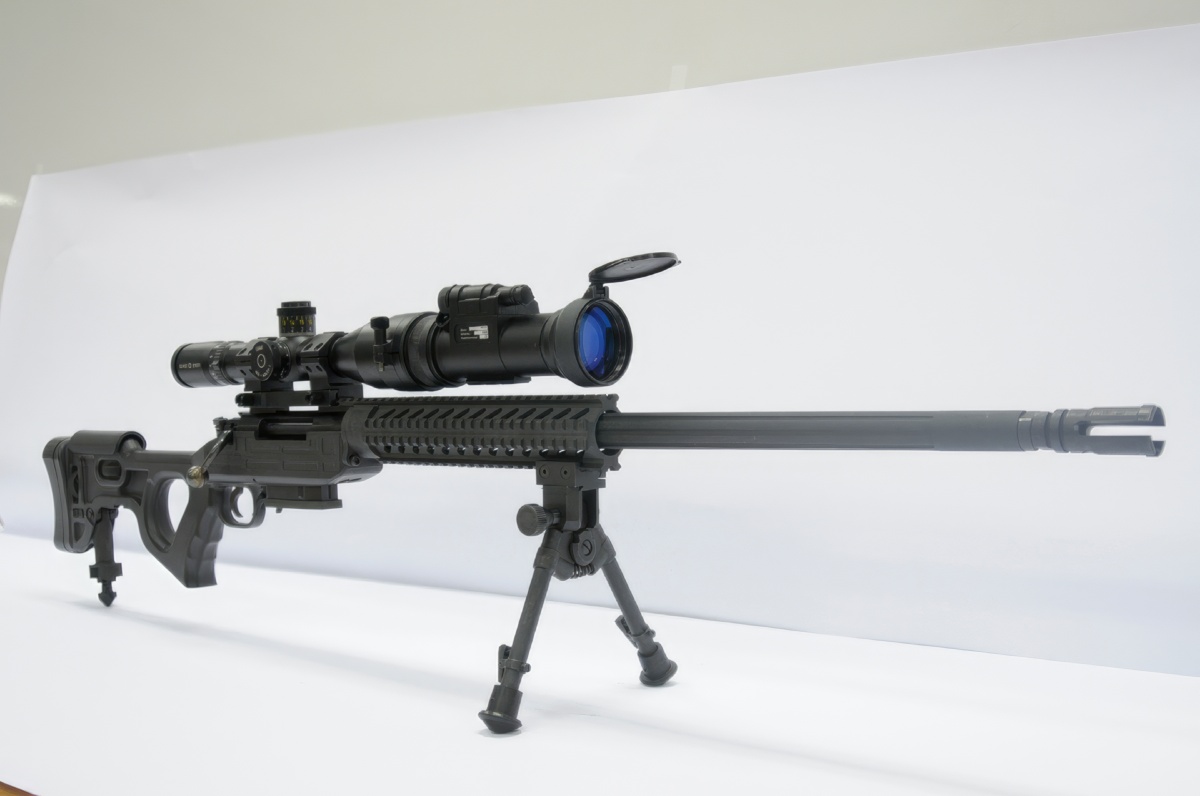
Bolt action is one of the easiest systems to recognize because the shooter supplies the cycling force. A bolt locks the cartridge chamber, then moves rearward and forward to extract, eject, and load. The Mauser 98 and Lee-Enfield are classic examples. Modern sporting rifles often retain the same principle because it is mechanically simple, strong, and precise. A typical cycle has 4 main tasks: unlock, extract, eject, then chamber. Its slower manual operation is the trade-off for simplicity and direct control. That clear sequence is why the action remains popular.
2. Lever Action
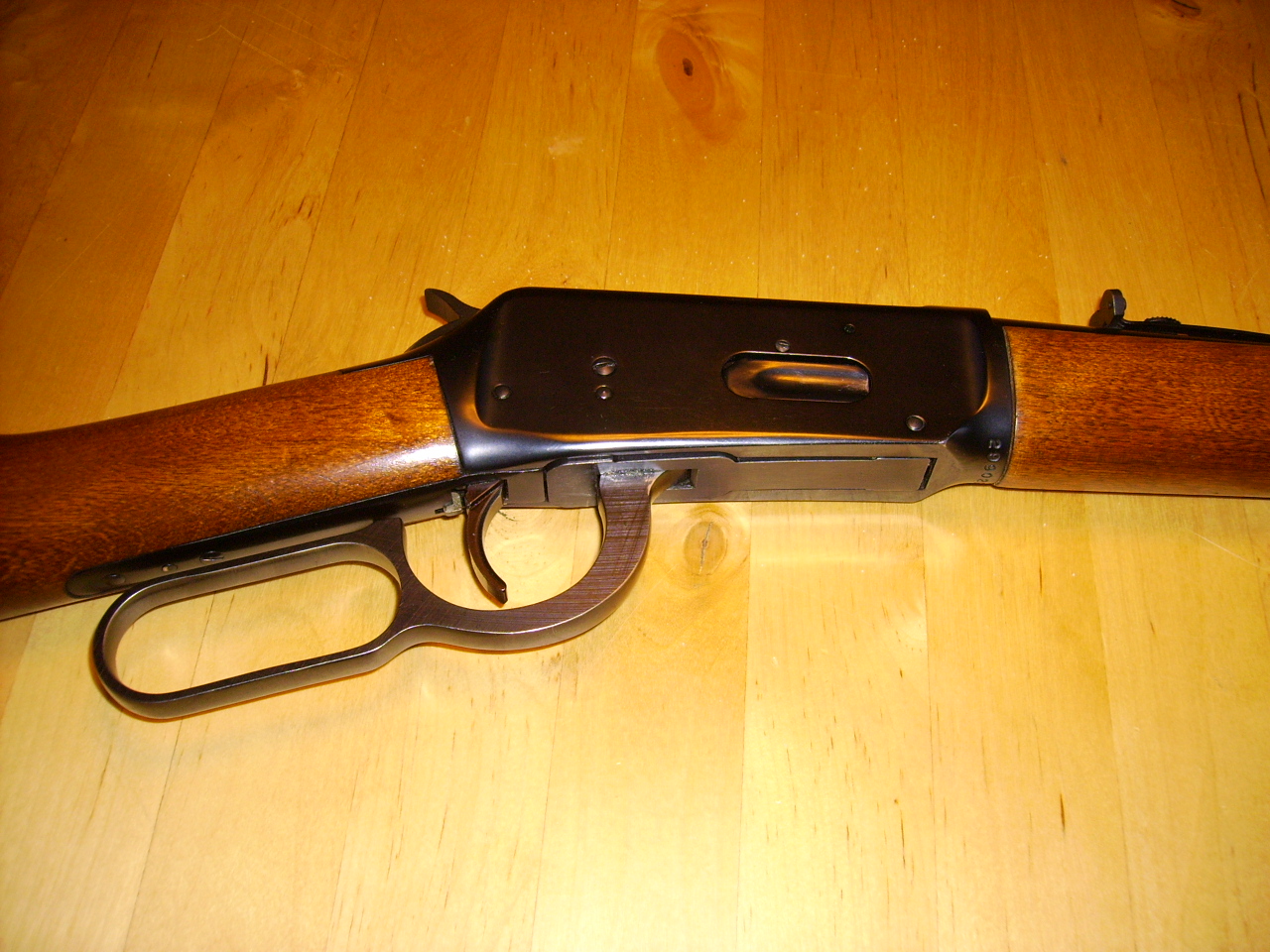
Lever action rifles use a hinged lever beneath the receiver to move the action through its cycle. Lowering the lever opens the action, extracts and ejects the fired case, while returning it closes the breech and loads another cartridge. The Winchester 1873 helped popularize the pattern, and later designs refined it for hunting and sporting use. A lever gun may use a tubular or box magazine, depending on the design. Its appeal comes from a compact profile, quick manual cycling, and a handling rhythm that feels very different from a bolt action. too.
3. Pump Action
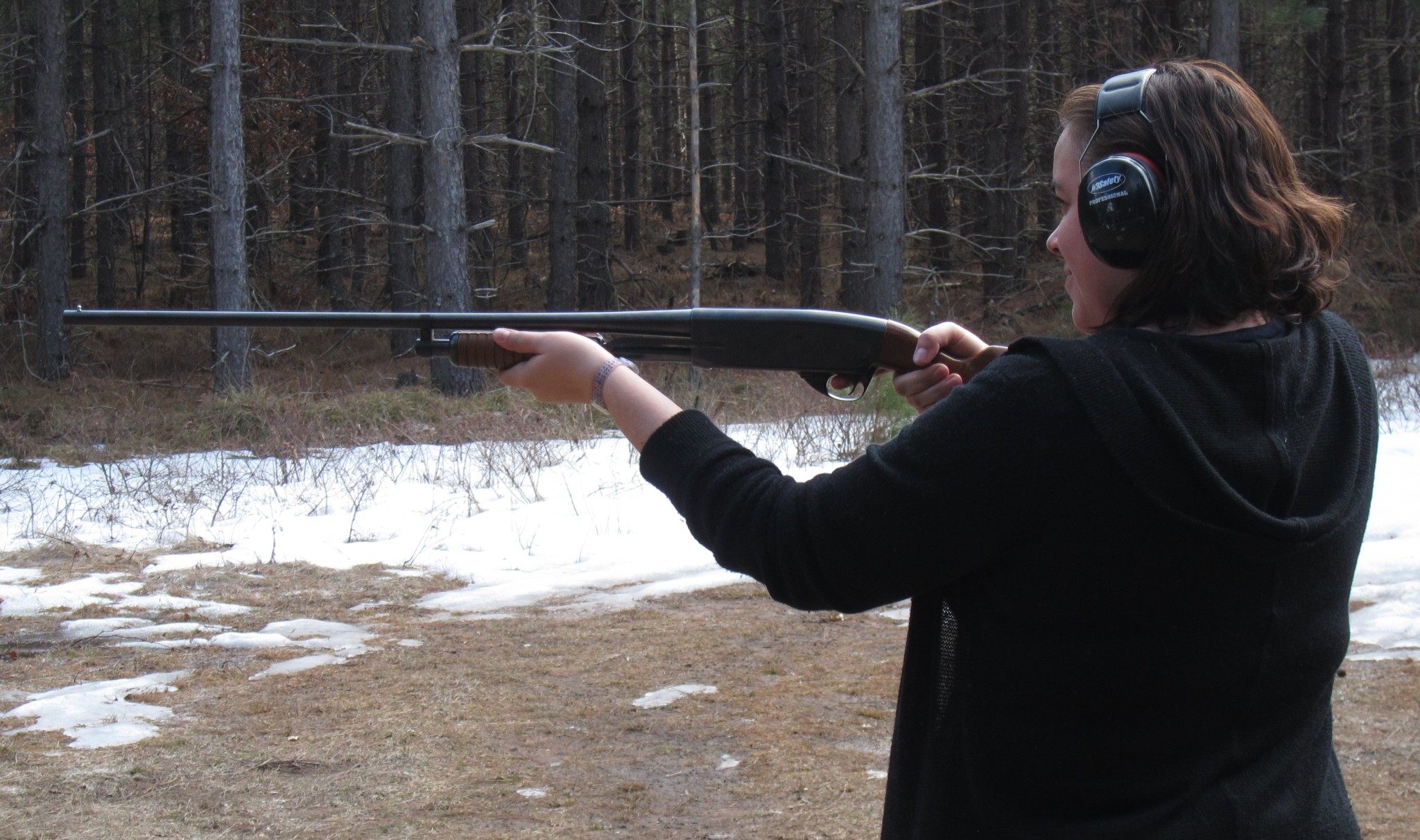
Loppear, CC BY 2.0/Wikimedia Commons
Pump-action firearms use a sliding fore-end to cycle the mechanism manually. Pulling it rearward generally extracts and ejects the spent shell, while pushing it forward chambers the next one. Common pump shotguns use tubular magazines, although other configurations exist. The system separates firing from automatic cycling, so the shooter’s support hand provides the operating energy. Its design can be straightforward and durable, but incomplete or poorly timed movement can interrupt the cycle. The basic sequence is 2 directions: rearward to open, forward to close.
4. Straight Blowback
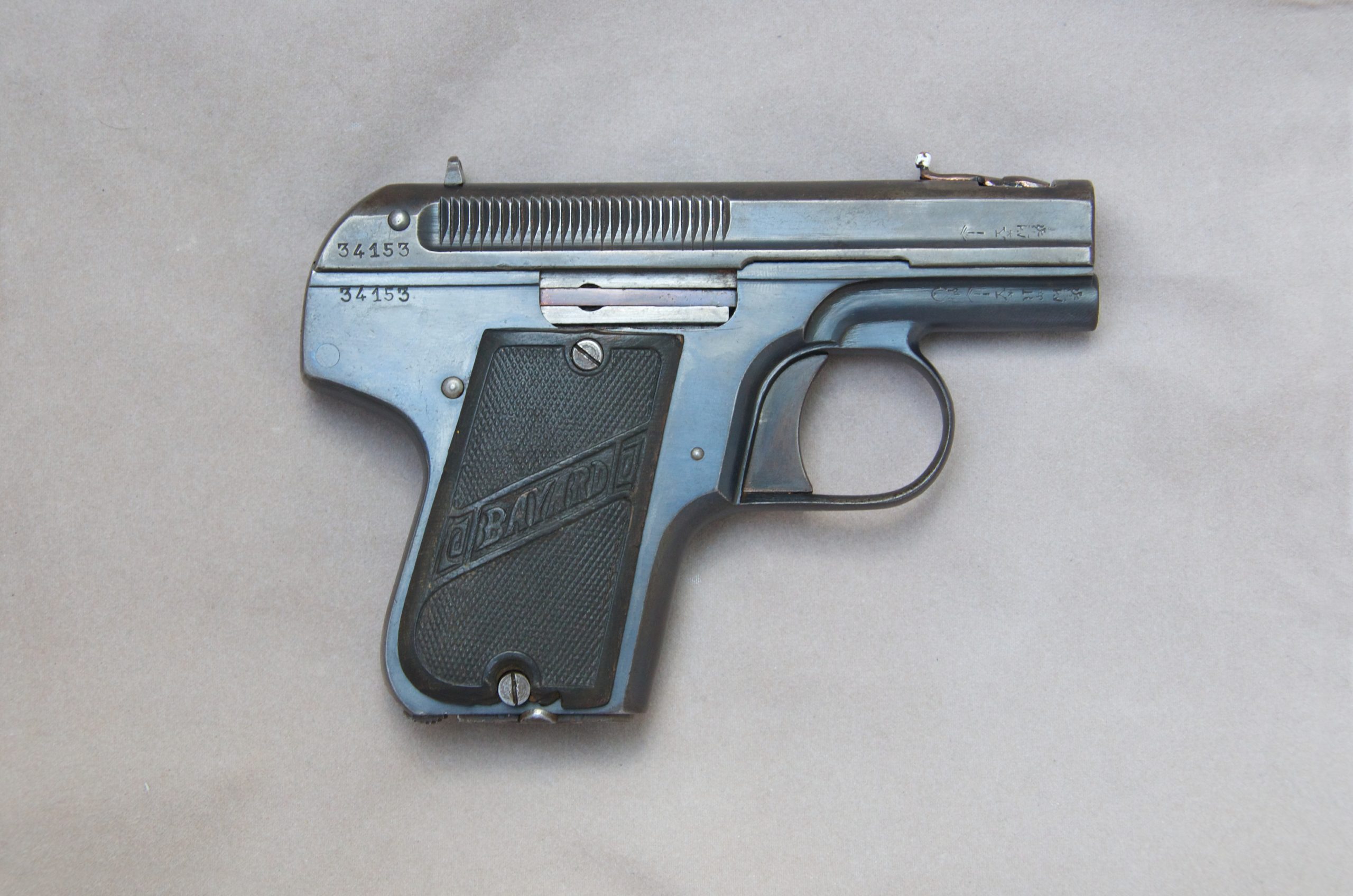
Straight blowback uses rearward cartridge pressure to move an unlocked bolt or slide. There is no mechanical breech lock holding it closed; instead, bolt mass and spring resistance delay opening long enough for pressure to fall. This simple arrangement is common in lower-powered firearms, including many .22 LR designs. Its major attraction is a relatively small number of moving parts and straightforward manufacturing. The key idea is not that the bolt stays completely still, but that its movement is controlled by inertia and spring force during the critical first part of the firing cycle.
5. Short Recoil
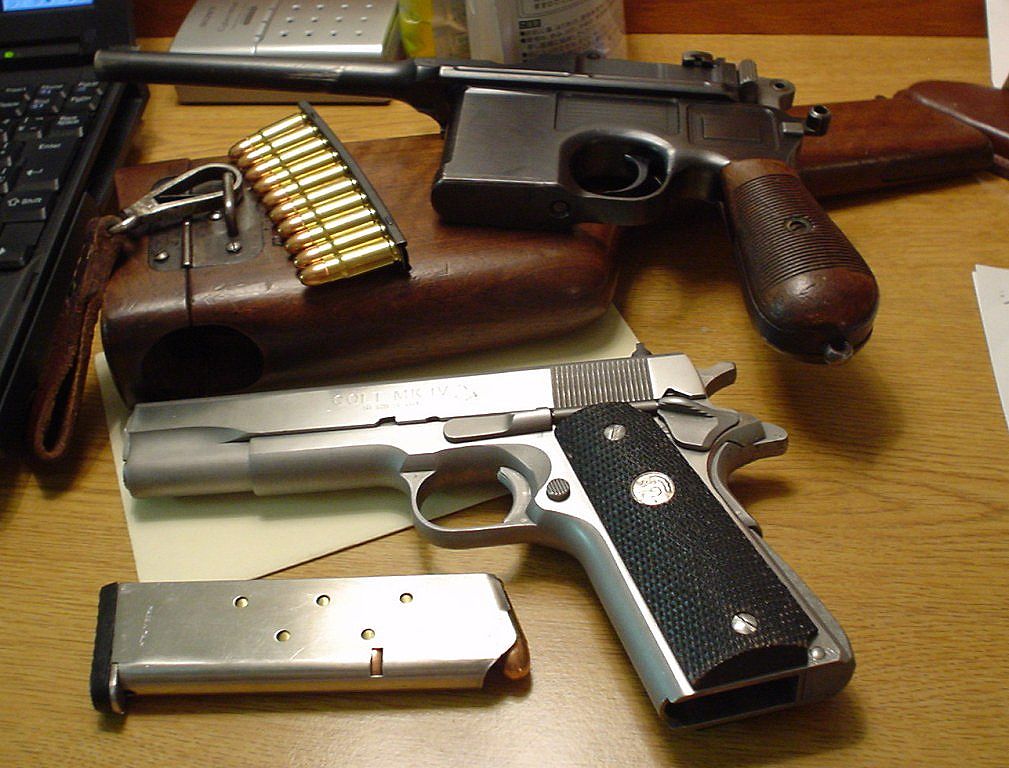
Short-recoil operation is widely associated with modern self-loading pistols. After firing, the barrel and slide initially move rearward together while the breech remains locked. After a short movement, the barrel unlocks, allowing the slide to continue rearward, extract and eject the case, and compress the recoil spring. The spring then drives the slide forward to chamber another cartridge. Browning’s M1911 is a famous example, while many contemporary pistols use related principles. The important number is 1 brief shared movement before unlocking, not a fixed distance common to every model.
6. Gas Operation
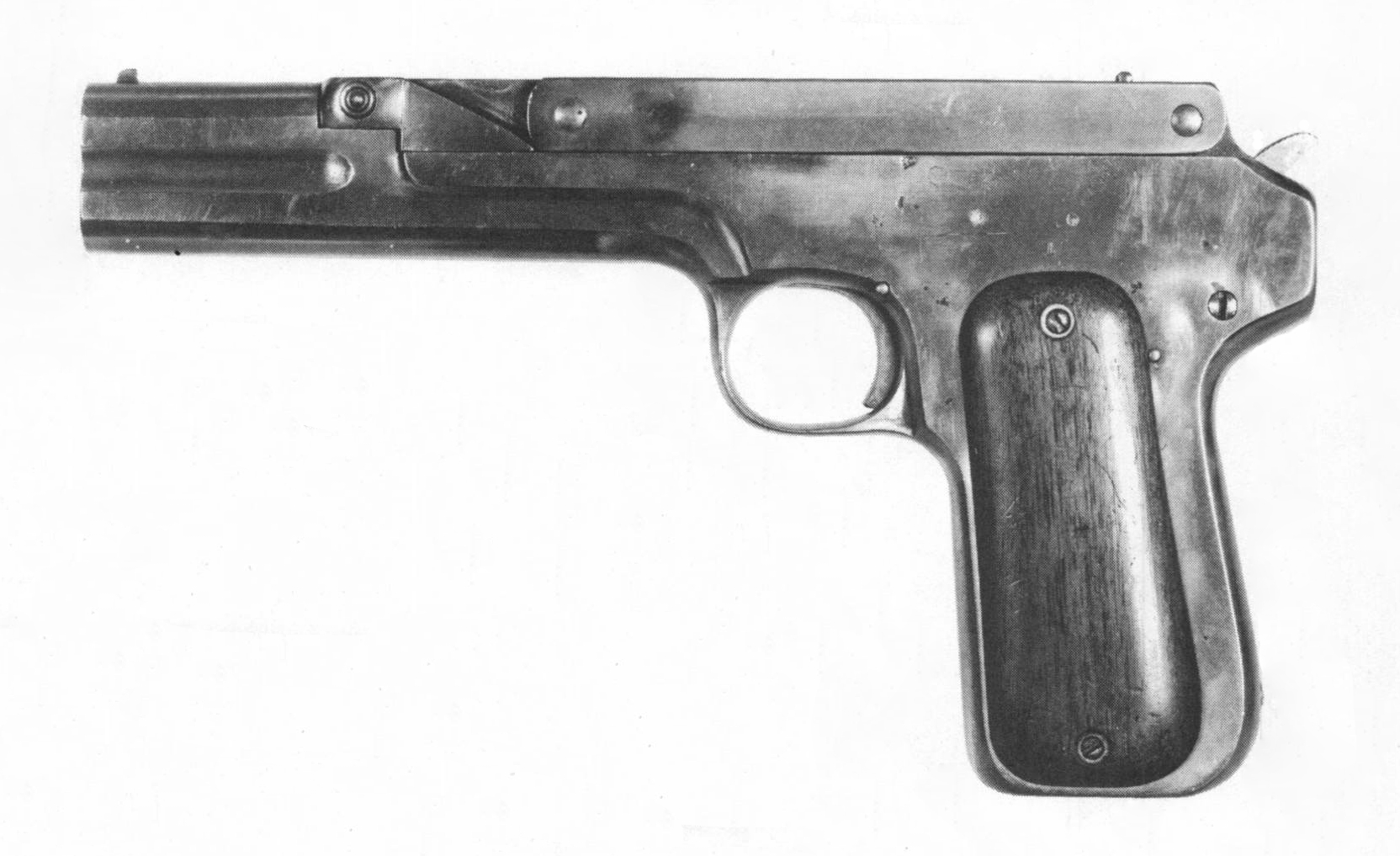
Gas-operated firearms divert a portion of propellant gas through a barrel port to drive the operating mechanism. The gas may act on a piston or directly influence the bolt carrier, depending on the design. Long-stroke and short-stroke piston systems differ in how far the piston travels, while direct gas systems route gas into the action without a conventional piston. The M1 Garand and AK family illustrate long-stroke layouts, while the AR-15 uses direct gas operation. The essential sequence has 3 broad phases: gas is tapped, the action moves, and the bolt returns to battery.
7. Delayed Blowback
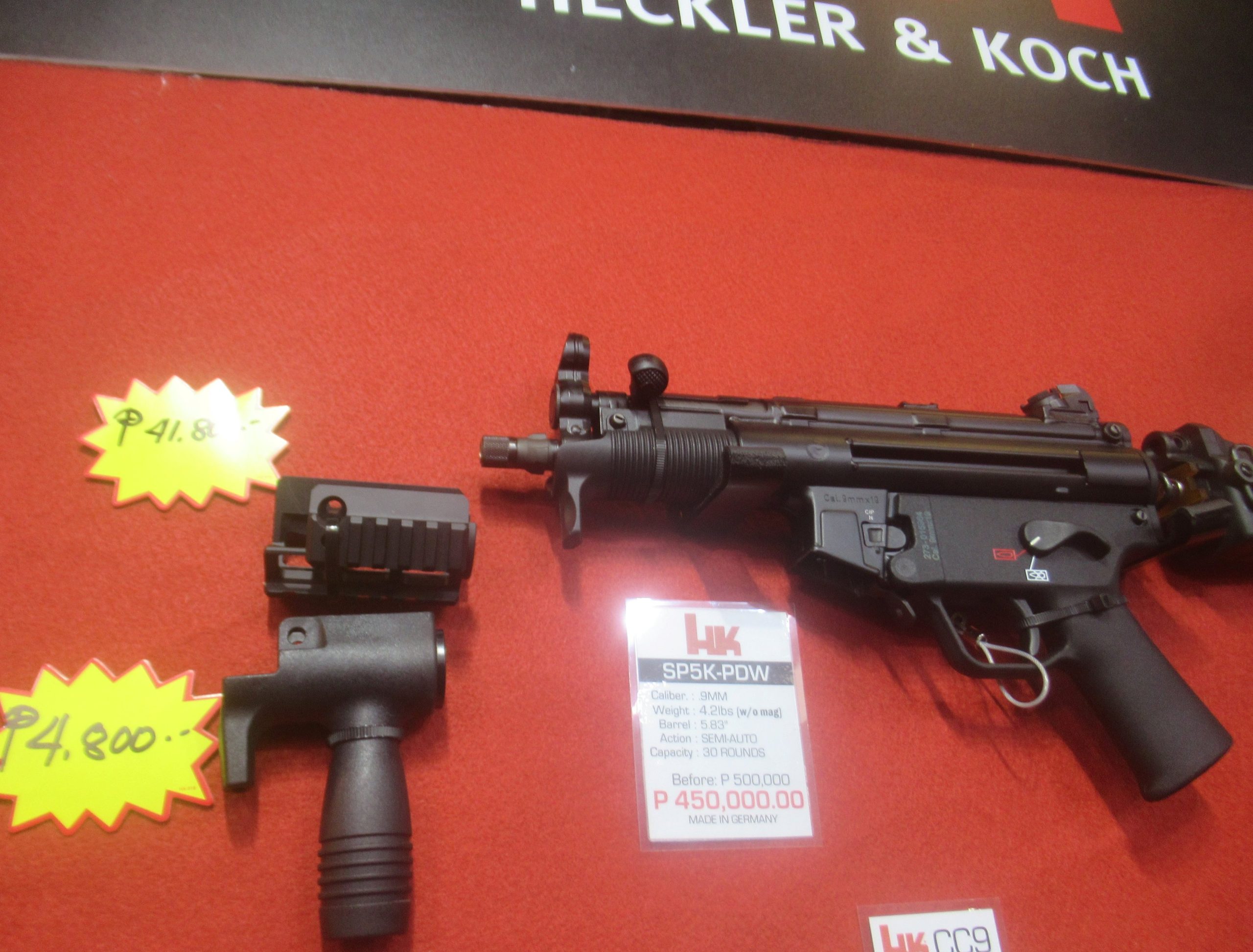
Delayed blowback begins with cartridge pressure pushing rearward on the case, but a mechanism deliberately slows the bolt’s opening. This allows the system to manage pressure without using a conventional locked breech. Roller-delayed, lever-delayed, and gas-delayed designs use different methods to create that delay. The Heckler & Koch MP5 is a well-known roller-delayed example, while the FAMAS uses lever delay. It offers a compact concept, but its trade-offs include specialized geometry and sensitivity to ammunition. The defining feature is 1 controlled delay before full bolt travel begins.
8. Inertia Operation
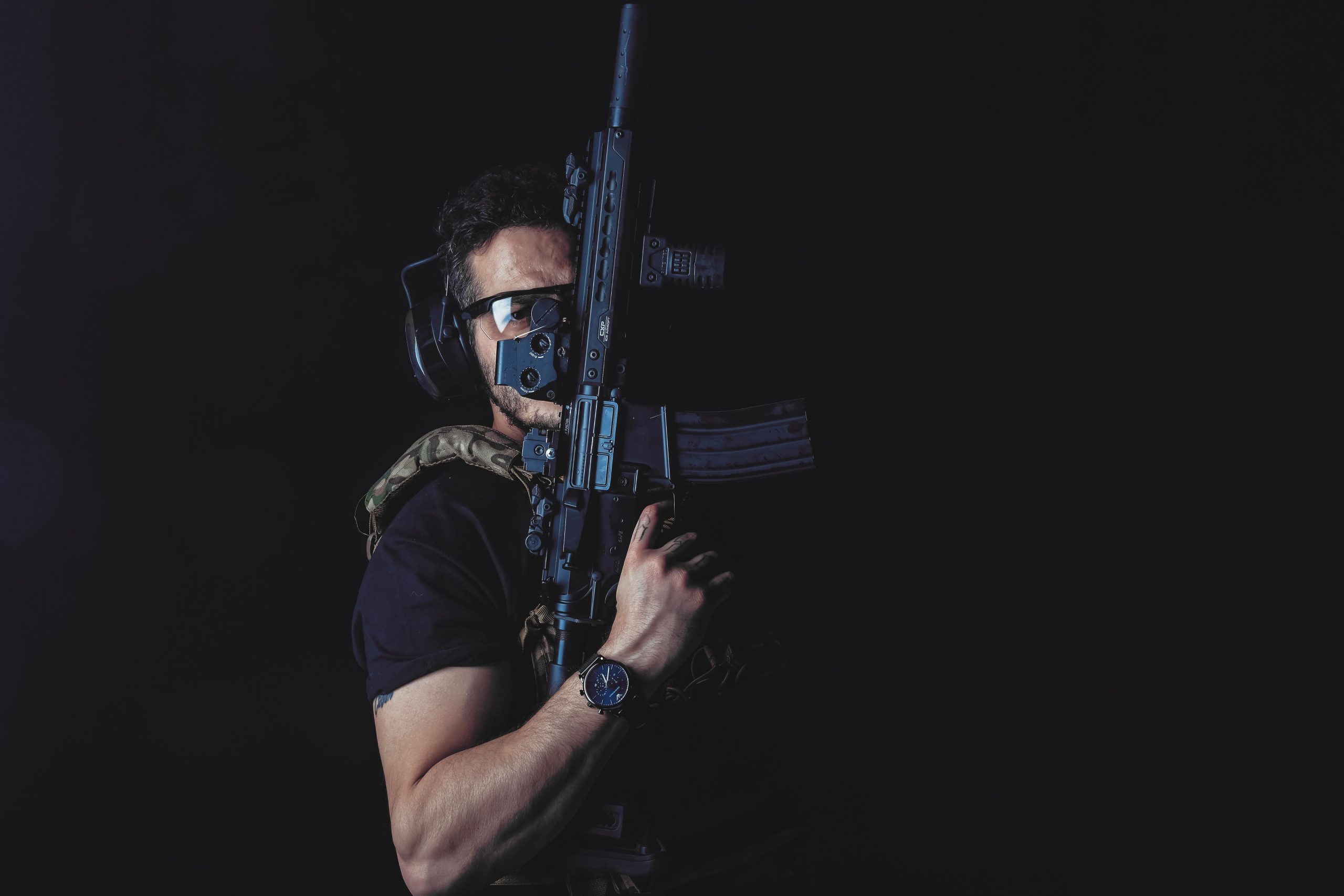
Inertia-operated firearms use recoil movement to compress a spring within the bolt assembly, storing energy that later drives the action rearward. This is especially associated with certain self-loading shotguns. Unlike a conventional gas system, the mechanism does not tap propellant gas from the barrel. It can be relatively clean and light because it avoids a gas piston and cylinder. Its operation depends on recoil movement, so shooting position and ammunition can matter. The cycle can be summarized in 3 stages: recoil, spring compression, and then bolt movement.
9. Semi-Automatic Operation
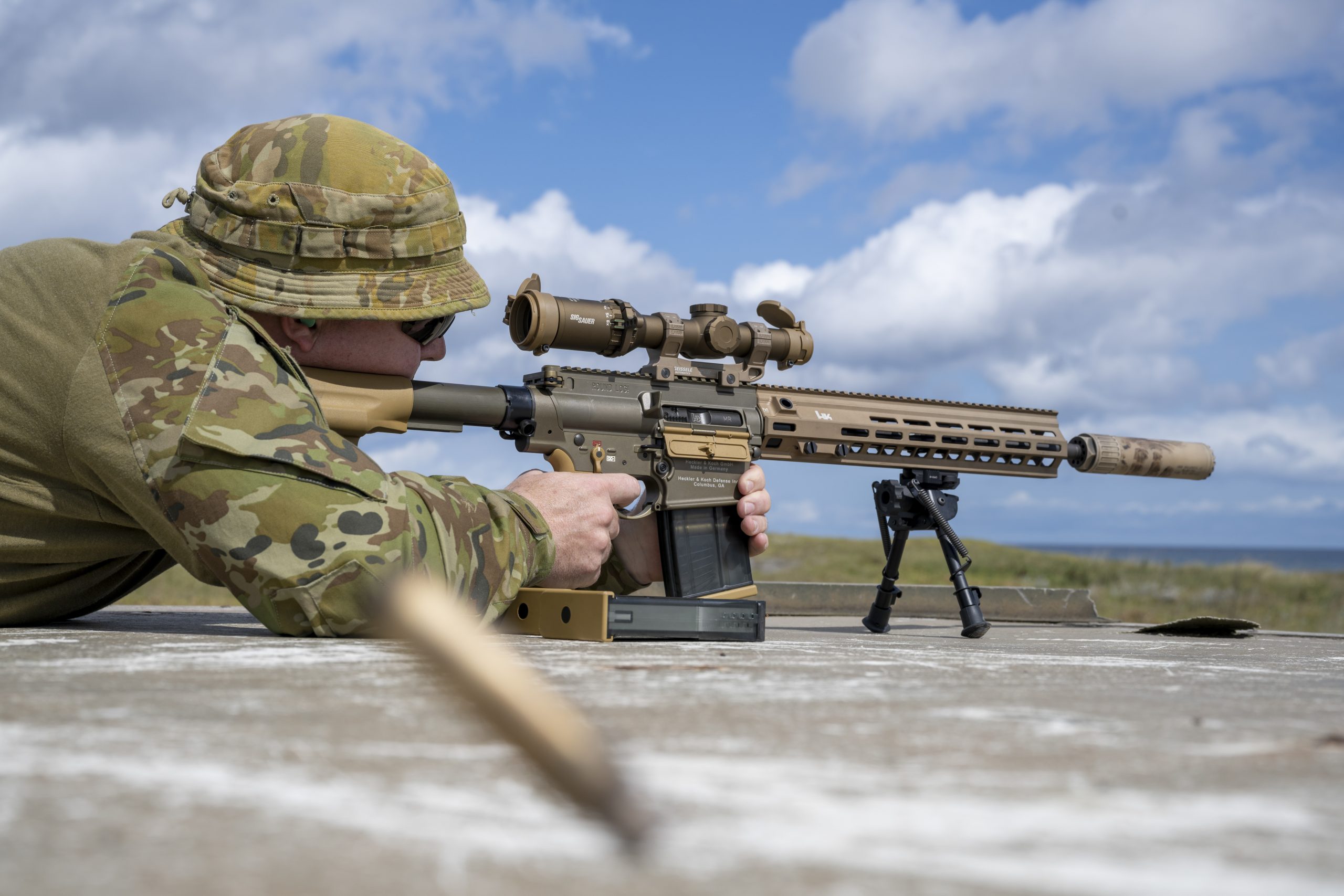
A semi-automatic firearm fires one cartridge per trigger press and uses the energy from that shot to prepare the mechanism for the next cartridge. The exact operating method may be blowback, recoil, gas, or delayed blowback, so “semi-automatic” describes the firing cycle rather than one specific mechanism. After firing, the action normally extracts and ejects the spent case, cocks the firing system, and chambers another round. That creates a repeating sequence without manual cycling between shots. Understanding this distinction makes technical descriptions much easier to follow.