Perfect habitat often appears abundant, quiet, and untouched, yet mature bucks frequently avoid it. Experience teaches older deer caution rather than comfort. Years of survival shape behavior that prioritizes security over convenience. Small disturbances, subtle pressure, and predictable patterns turn ideal looking spaces into risk zones. Younger deer may linger, but mature bucks adapt differently. Understanding why seasoned animals sidestep flawless cover helps hunters and wildlife observers interpret movement more accurately. These nine reasons explain how maturity changes habitat use, revealing why the best looking ground sometimes holds fewer older bucks than expected there today.
Predictable Human Activity

Predictable human activity quickly devalues perfect habitat for mature bucks. Repeated hiking, farming routines, vehicle traffic, and stand access create patterns deer learn over time. Older bucks associate consistency with danger. Even low impact presence becomes meaningful when repeated. Entry routes, timing, and scent buildup reinforce avoidance. Younger deer tolerate patterns longer, but mature animals shift movement accordingly. Habitat quality matters less than perceived risk. When human activity becomes routine, mature bucks relocate to less ideal but safer areas. Predictability transforms attractive habitat into a known threat zone, limiting daylight use and reducing visible mature buck presence despite strong food and cover.
Overexposed Travel Routes

Overexposed travel routes discourage mature bucks from using perfect habitat. Open trails, field edges, and obvious crossings increase visibility and vulnerability. Older bucks prefer concealed movement. Even abundant food loses value if access requires exposure. Repeated use of visible routes increases detection risk. Wind, noise, and sightlines matter. Younger deer move freely, but mature bucks detour through thicker cover. Habitat that forces predictable, exposed travel becomes undesirable. Mature bucks choose security over efficiency, selecting longer, concealed routes. Perfect habitat with poor travel protection often holds sign but lacks daylight movement from older animals avoiding unnecessary risk.
Concentrated Hunting Pressure

Concentrated hunting pressure quickly reshapes mature buck behavior. Ideal habitat attracts hunters first. Stand placement, access trails, and scent accumulation cluster pressure. Older bucks detect subtle cues. Pressure does not require harvest to influence behavior. Repeated disturbance teaches avoidance. Mature bucks shift to overlooked edges, thicker cover, or marginal areas nearby. Younger deer linger longer, creating false confidence. Perfect habitat becomes a pressure hotspot. Mature bucks respond by adjusting timing or abandoning daylight use entirely. Even excellent resources cannot offset sustained pressure. Concentrated hunting transforms prime areas into nocturnal zones with limited mature buck exposure.
Limited Escape Cover

Limited escape cover undermines otherwise perfect habitat. Mature bucks prioritize rapid retreat options. Open feeding areas without nearby security feel risky. Dense bedding cover must connect seamlessly to resources. When escape routes funnel movement or lack depth, older bucks avoid use. Habitat appearance misleads observers who focus on food and water alone. Mature bucks evaluate worst case scenarios. Thick cover, elevation changes, and obstacles matter. Without immediate concealment, even ideal resources lose value. Younger deer accept risk, but mature bucks choose locations offering multiple escape paths, favoring security over abundance when selecting core areas.
Inconsistent Wind Advantage
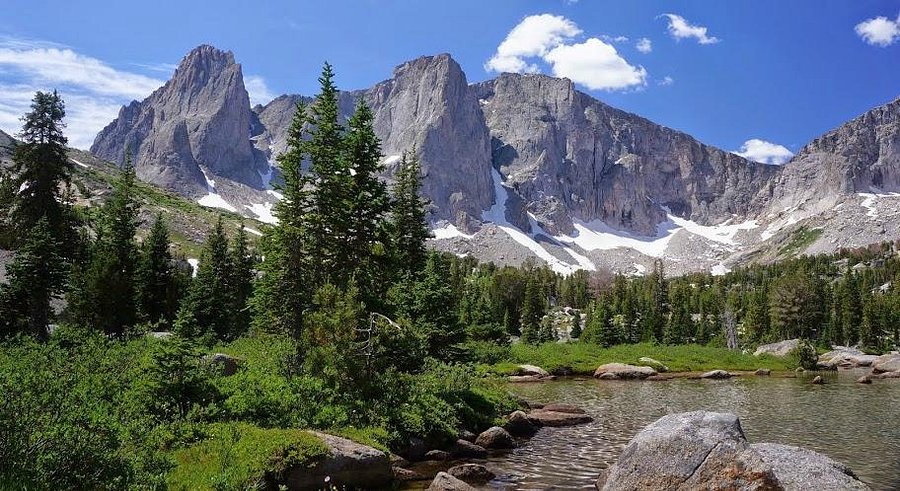
Inconsistent wind advantage drives mature bucks away from perfect habitat. Older deer rely heavily on wind to monitor danger. Areas where wind swirls, shifts, or funnels unpredictably reduce confidence. Terrain, timber edges, and thermal changes affect airflow. Habitat that looks ideal may betray wind reliability. Mature bucks favor locations where wind and thermals provide consistent warning. If scent control fails, avoidance follows. Younger deer tolerate uncertainty longer. Perfect habitat without dependable wind advantage becomes risky. Mature bucks relocate to areas offering predictable scent coverage, even if food quality declines, because early detection outweighs resource convenience.
High Deer Density
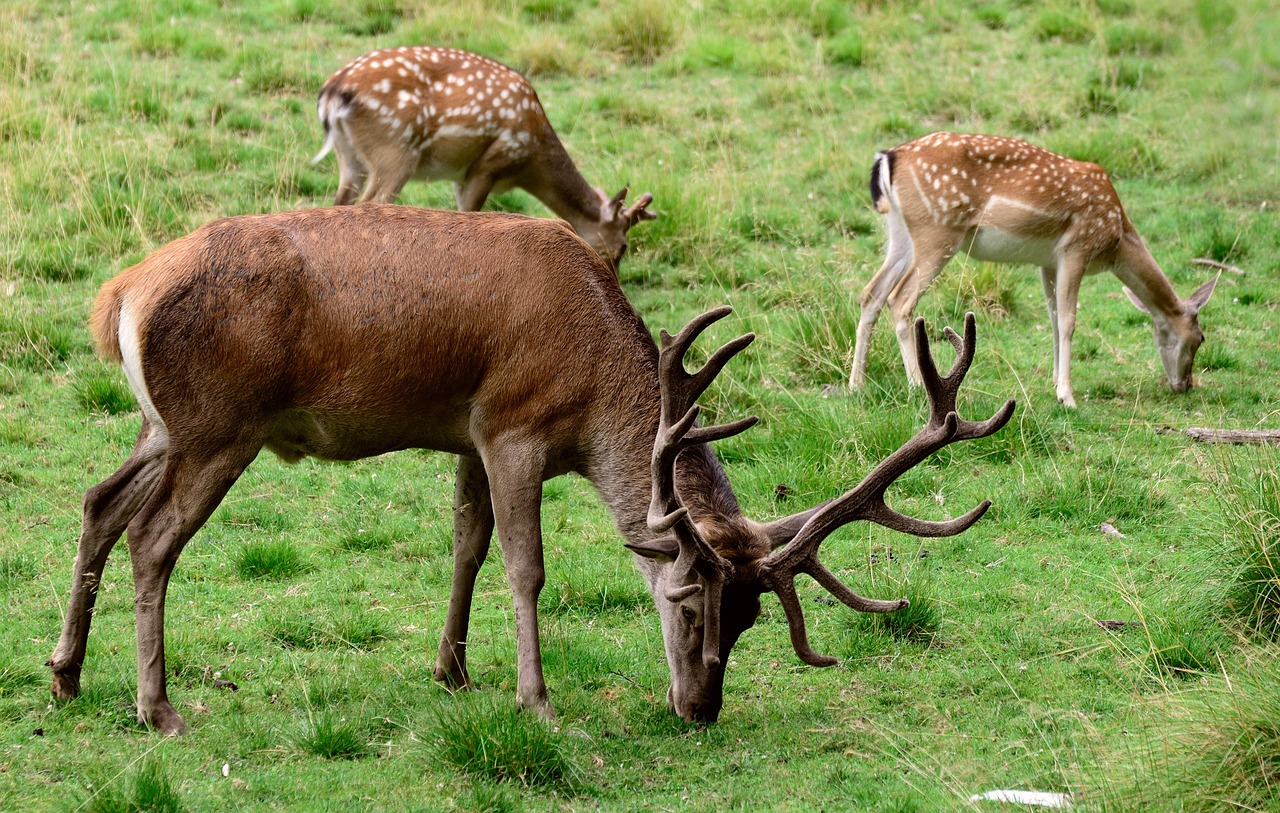
High deer density can repel mature bucks. Perfect habitat attracts numbers. Increased movement raises noise, scent, and visual disturbance. Social pressure increases competition. Younger bucks and does draw attention. Mature bucks seek isolation. Dense populations reduce control over encounters. Habitat quality declines as pressure rises. Older bucks shift to quieter fringes. They sacrifice abundance for solitude. High density increases risk of human contact and predator detection. Mature bucks prefer lower density zones where movement remains controlled. Perfect habitat crowded with deer often lacks mature buck daylight presence because security diminishes as activity increases.
Easy Hunter Access

Easy hunter access undermines mature buck confidence. Roads, trails, and terrain that simplify entry increase pressure frequency. Even occasional access teaches patterns. Mature bucks learn where humans approach. Habitat near parking areas, gentle slopes, or navigable waterways loses appeal. Effort filters pressure. Older bucks favor areas requiring difficulty. Easy access equals frequent disturbance. Younger deer remain, reinforcing illusion of quality. Mature bucks withdraw to harder to reach cover. Perfect habitat with simple access becomes avoided during daylight. Accessibility, not habitat quality, often determines where mature bucks feel secure enough to remain active.
Daylight Visibility
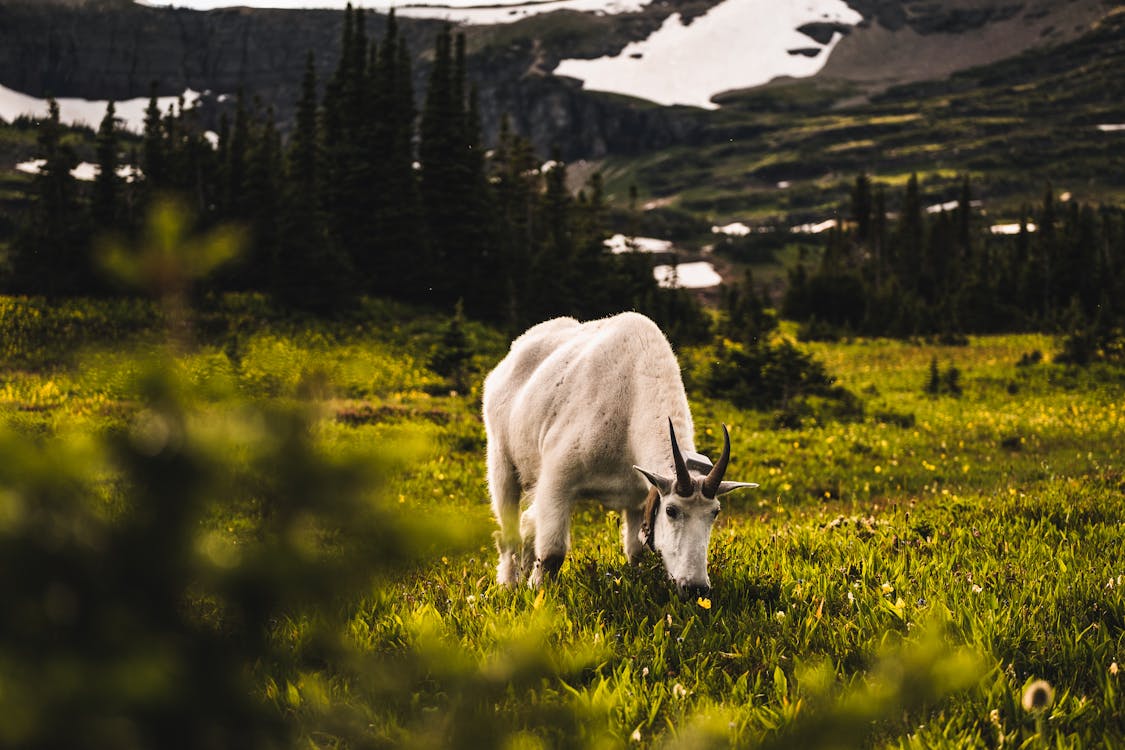
Daylight visibility discourages mature buck use of perfect habitat. Open timber, trimmed edges, and clear understories increase exposure. Older bucks avoid areas where movement becomes visible during shooting light. Even minimal openings reduce confidence. Younger deer feed openly, but mature bucks wait for darkness. Habitat that photographs well often lacks visual security. Shadows, clutter, and broken sightlines matter more. Mature bucks evaluate how visible they appear while moving. Perfect habitat offering poor visual concealment becomes nocturnal only. Daylight avoidance explains why sign exists without sightings, revealing how visibility shapes mature buck behavior.
Historic Negative Encounters
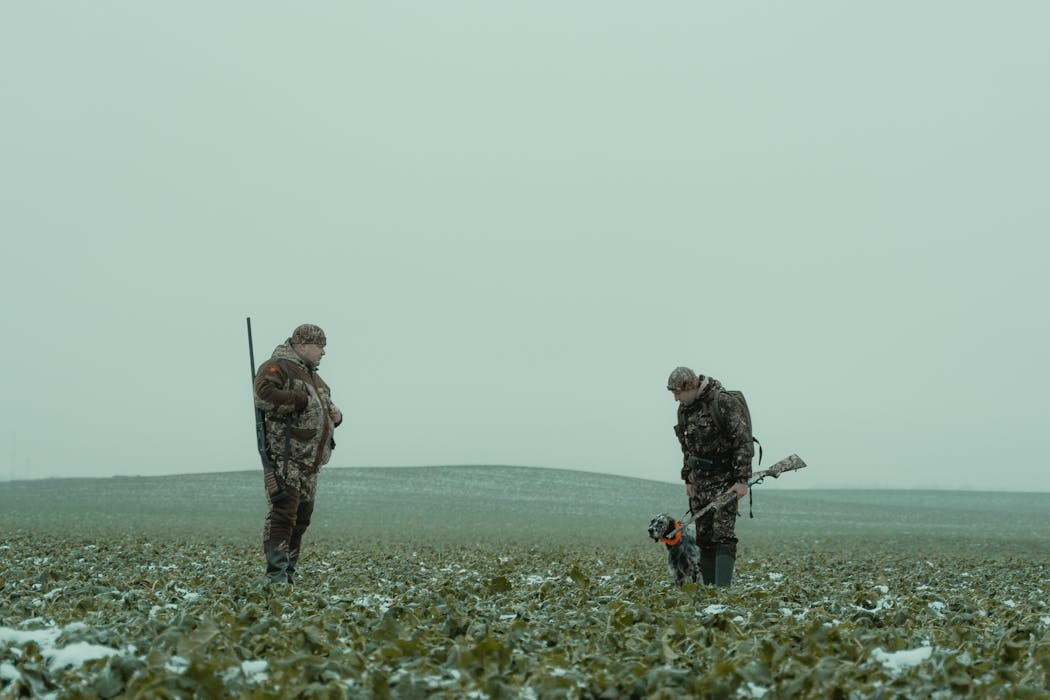
Historic negative encounters permanently alter mature buck behavior. Surviving pressure teaches avoidance. Even one close call imprints memory. Mature bucks remember locations associated with danger. Perfect habitat loses appeal after encounters involving scent, noise, or pursuit. Younger deer lack experience and return sooner. Older bucks adjust core areas. Time does not erase learned risk quickly. Habitat quality cannot override survival memory. Mature bucks avoid places tied to threat, regardless of resources. These learned associations explain sudden abandonment of ideal areas. History shapes movement more than current conditions, reinforcing cautious habitat selection over perceived abundance.