The modern micro-pistol market can feel crowded today, but the formula was far less obvious when Kel-Tec introduced the P3AT. It combined an unusually small footprint with the .380 Auto cartridge, creating a handgun built around portability rather than traditional service-pistol proportions. Its influence was not based on size alone. The P3AT helped establish a design philosophy that later manufacturers would refine, expand, and eventually turn into one of the most recognizable categories of compact defensive handguns.
1. It Put .380 Auto Into an Exceptionally Small Package
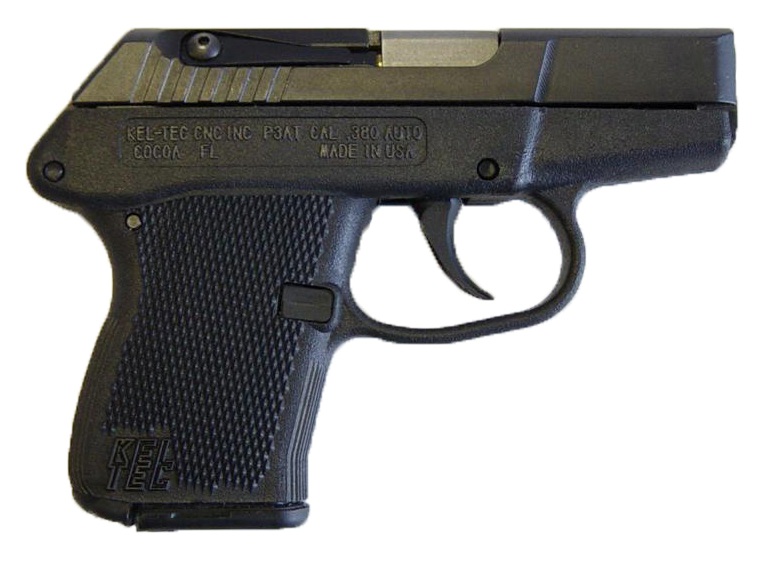
The P3AT arrived when many pocket pistols still leaned toward .32 ACP or heavier .380 designs. Kel-Tec’s answer was unusually small: a locked-breech, double-action-only pistol chambered for .380 Auto. Official specifications list a 5.2-inch overall length, 3.5-inch height,t and 0.77-inch width, with a 6-round magazine. That combination made the P3AT less a shrunken service pistol than a purpose-built deep-concealment tool. Its importance came from making the idea of carrying a .380-sized defensive cartridge in such a tiny package feel practical to a much wider audience.
2. Its Roots Were Found in the Smaller P32
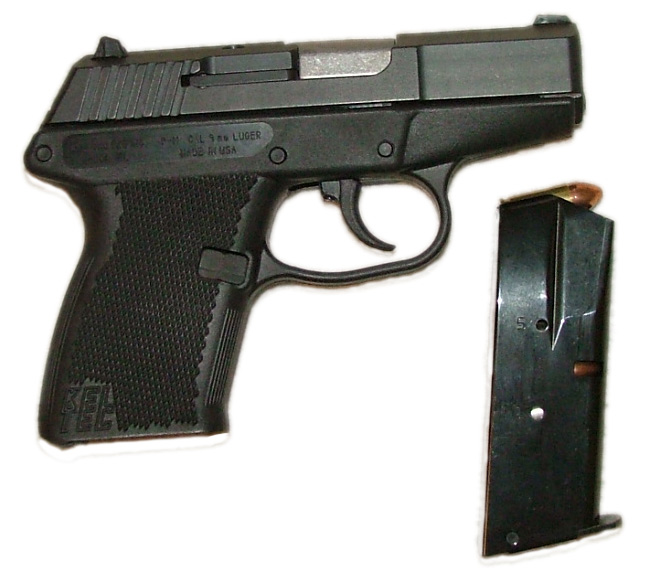
One reason the P3AT mattered was its relationship to Kel-Tec’s earlier P32. Instead of creating a completely separate concept, the company adapted the same compact philosophy around the larger .380 Auto cartridge. The result kept a remarkably slim profile while offering a larger projectile diameter than .32 ACP. The P3AT measured about 0.77 inches across and used a 2.7-inch barrel, figures that helped define the pocket-pistol formula later seen across the industry. In simple terms, Kel-Tec proved that small size did not automatically require stepping down to .32 caliber.
3. Its Extremely Low Weight Was Part of the Appeal
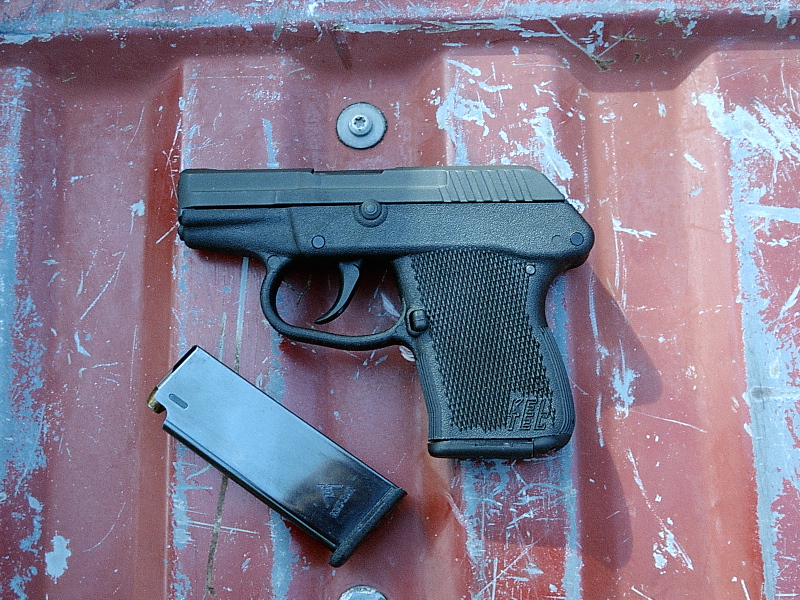
Weight was arguably the P3AT’s most attention-grabbing number. Kel-Tec’s published specifications list 7.7 ounces unloaded, while other period references and production examples vary slightly by configuration and measurement. Either way, the pistol occupied an unusually light category for a .380. At 5.2 inches long, its dimensions were compact enough for discreet lawful carry. That extreme weight reduction also illustrated the design’s tradeoff: a pistol this light can feel sharper in recoil than a larger handgun, making comfort and controllability important parts of the ownership equation.
4. Its Construction: Mixed Polymer, Aluminum, and Steel
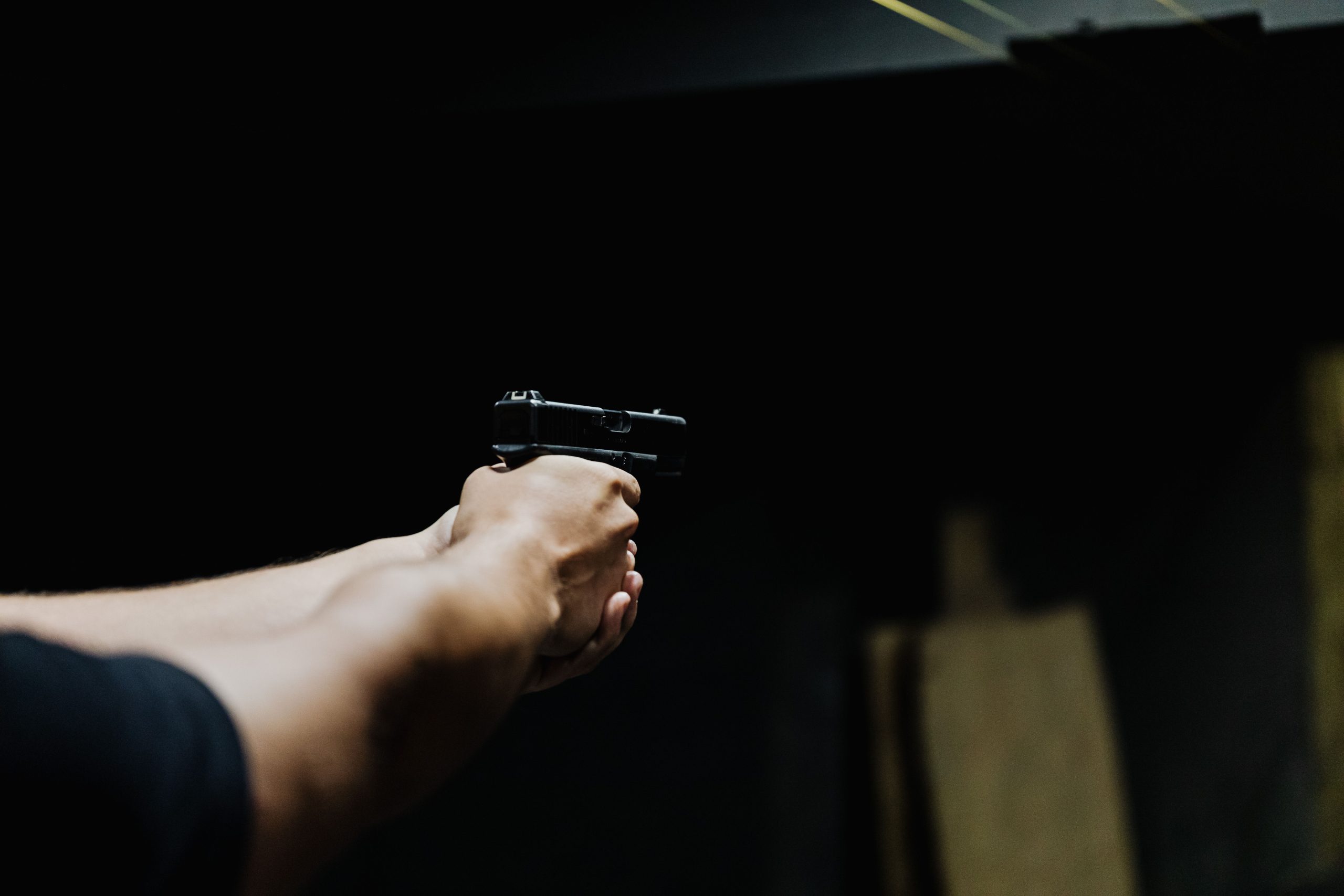
The P3AT’s construction was a major part of its personality. Its steel slide and 4140-steel barrel were paired with a polymer grip frame surrounding a 7075-T6 aluminum structure. That blend reduced mass while retaining a rigid metal core. Kel-Tec’s manual identifies 6 main component groups, including the barrel, slide, frame, firing mechanism, grip, and magazine. The design was intentionally uncomplicated on the outside, using integral sights and an internal safety arrangement. The result looked almost plain, but the simplicity was closely tied to its mission of discreet carry.
5. Six Rounds Defined Its Original Compact Formula
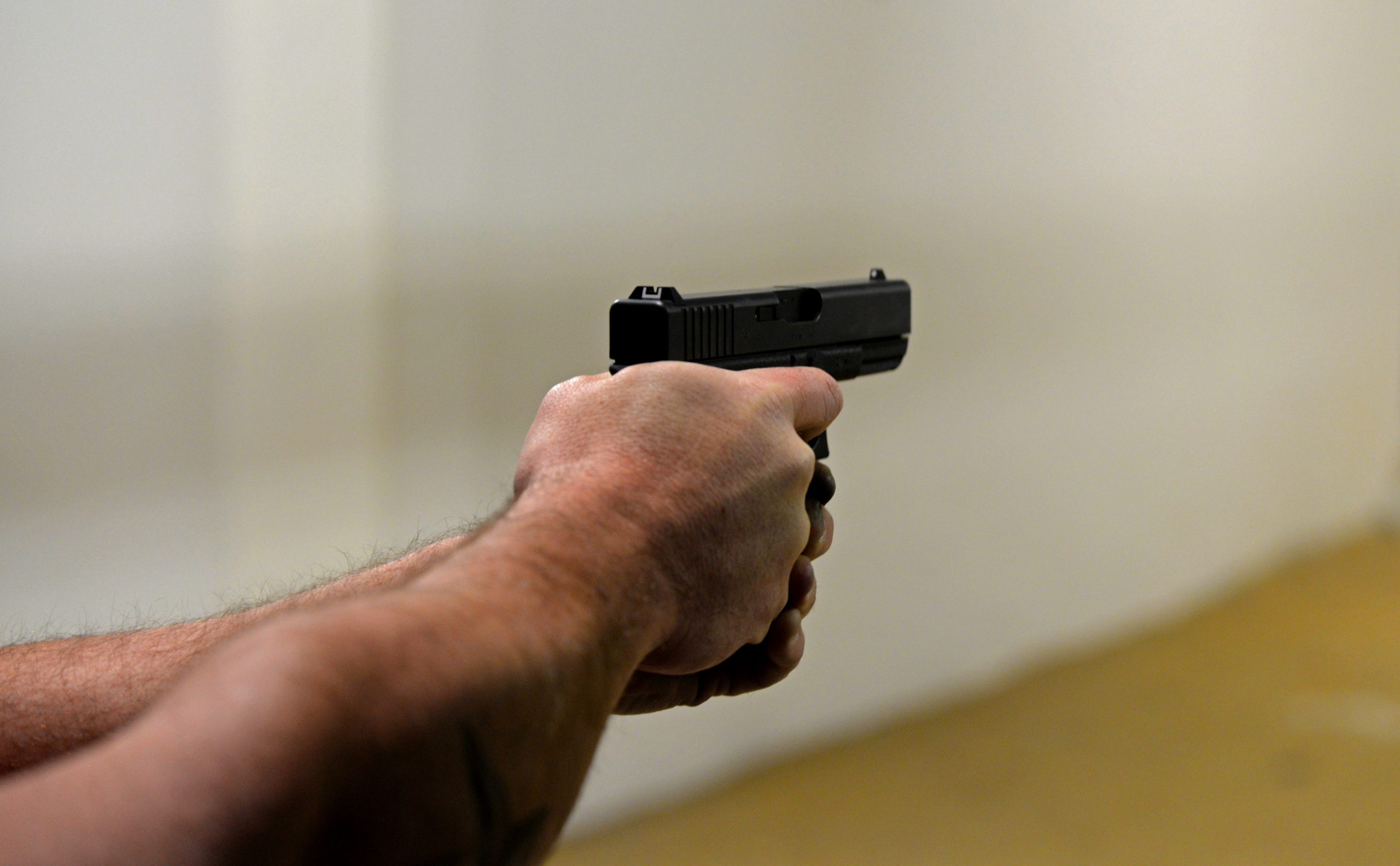
Capacity was deliberately modest because every millimeter mattered. The standard P3AT magazine holds 6 rounds, and the pistol’s design was built around that compact single-stack arrangement. Kel-Tec also offered extended magazine options, including versions holding 7 or 9 rounds, depending on configuration. The tradeoff is easy to understand: adding ammunition can improve capacity, but extra length changes the pocket-friendly profile that made the P3AT distinctive. Its original formula therefore emphasized minimal dimensions first, with capacity kept secondary to portability and concealment.
6. The P3AT Helped Redefine the Pocket .380
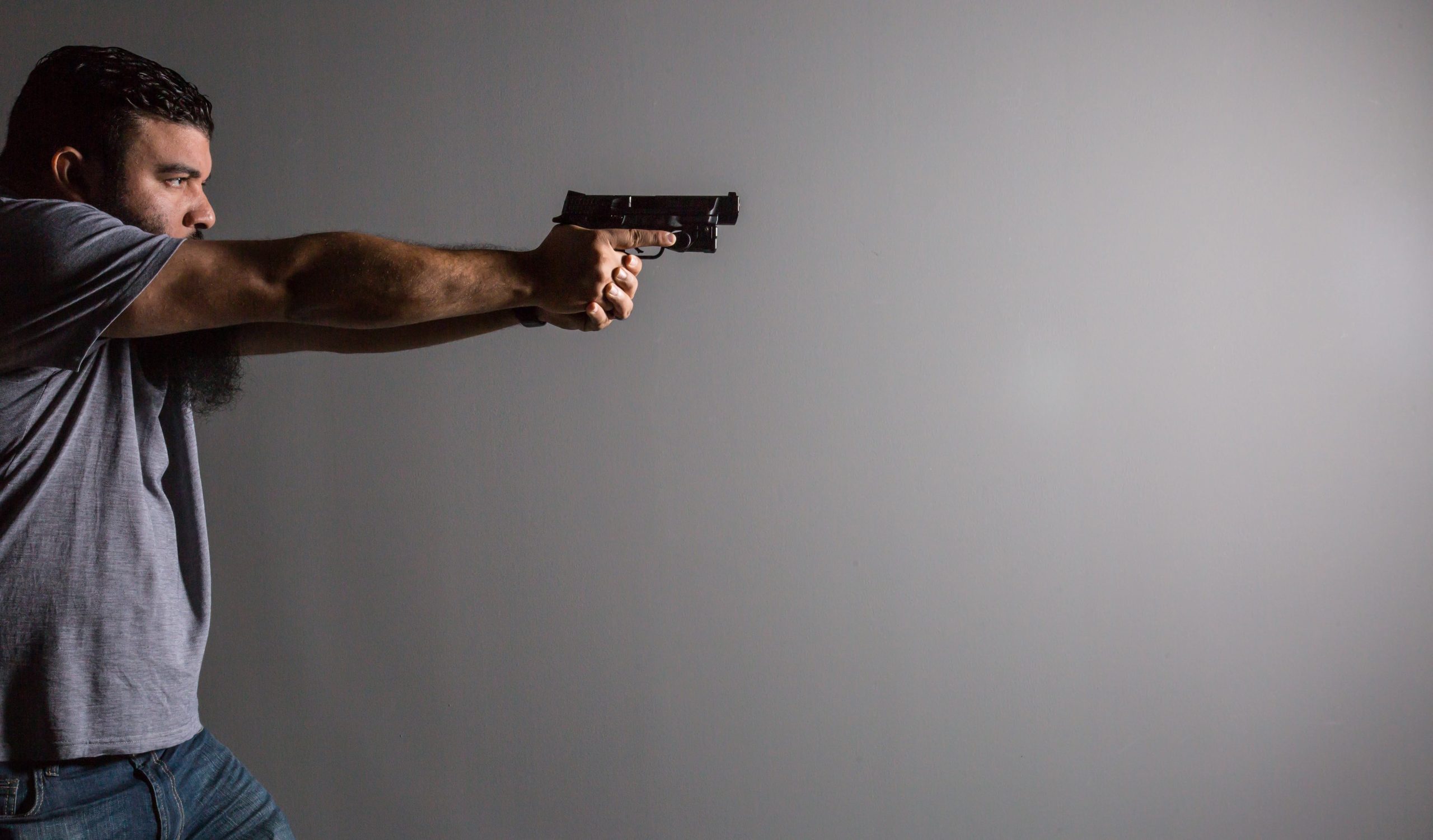
The P3AT also helped change what buyers expected from a pocket .380. Before micro-pistols became a crowded category, many people associated .380 handguns with comparatively bulky traditional designs. Kel-Tec showed that a locked-breech mechanism could be packaged into a much smaller platform. Its 2.7-inch barrel, 5.2-inch length,gth and roughly 8-ounce unloaded weight became memorable benchmarks. The later popularity of similarly shaped micro .380s made the P3AT look less like an odd experiment and more like an early template for a category that would become mainstream.
7. Ruger’s LCP Made the Formula Famous
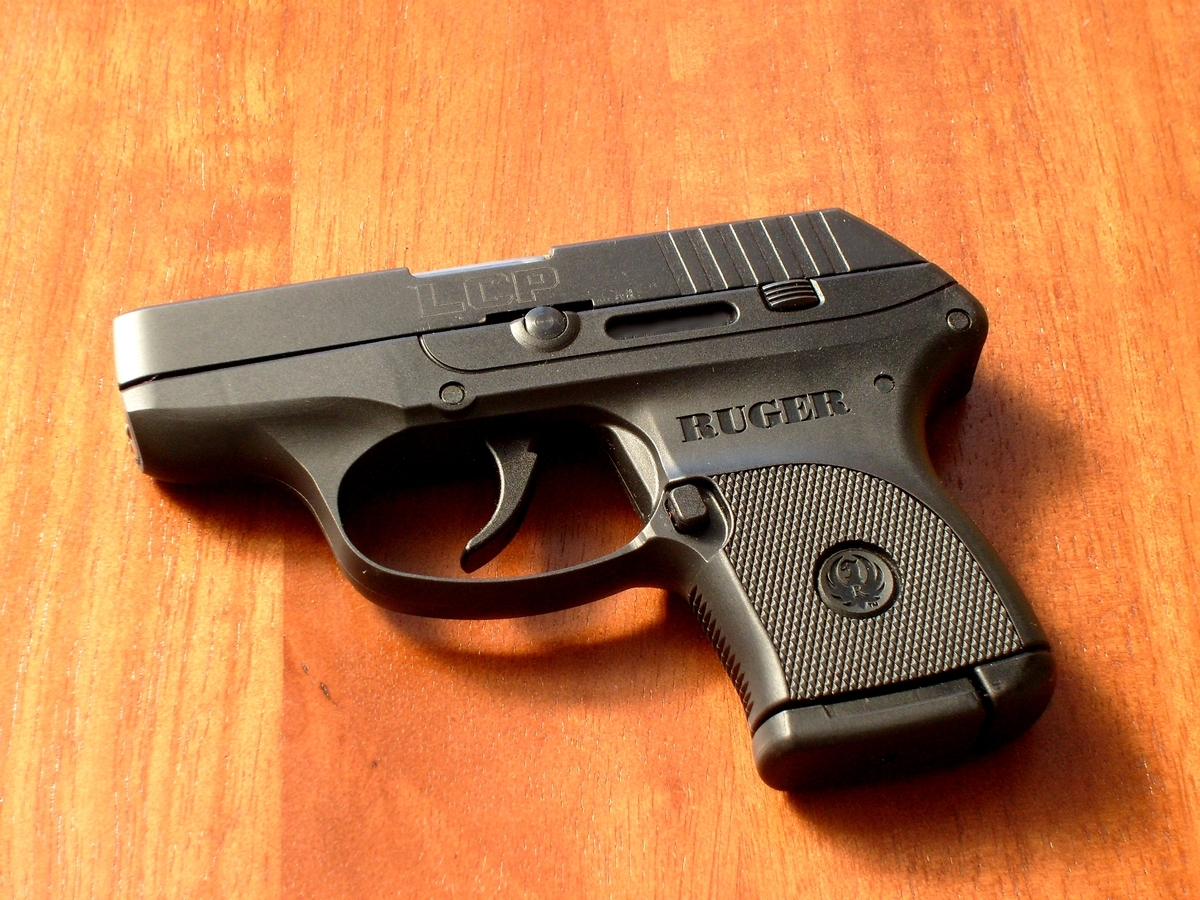
Its influence became especially visible when larger manufacturers entered the same space. Ruger introduced the LCP in 2008, several years after the P3AT had established the basic micro-.380 concept. The resemblance between the two designs was widely noticed, and the LCP helped push the format into a much larger commercial spotlight. That does not make the P3AT the only reason the category grew, but it does place Kel-Tec’s pistol near the beginning of the modern micro-.380 story. The sequence is telling: P3AT first, major mainstream competition later.
8. Portability, Not Full-Size Performance, Was the Point
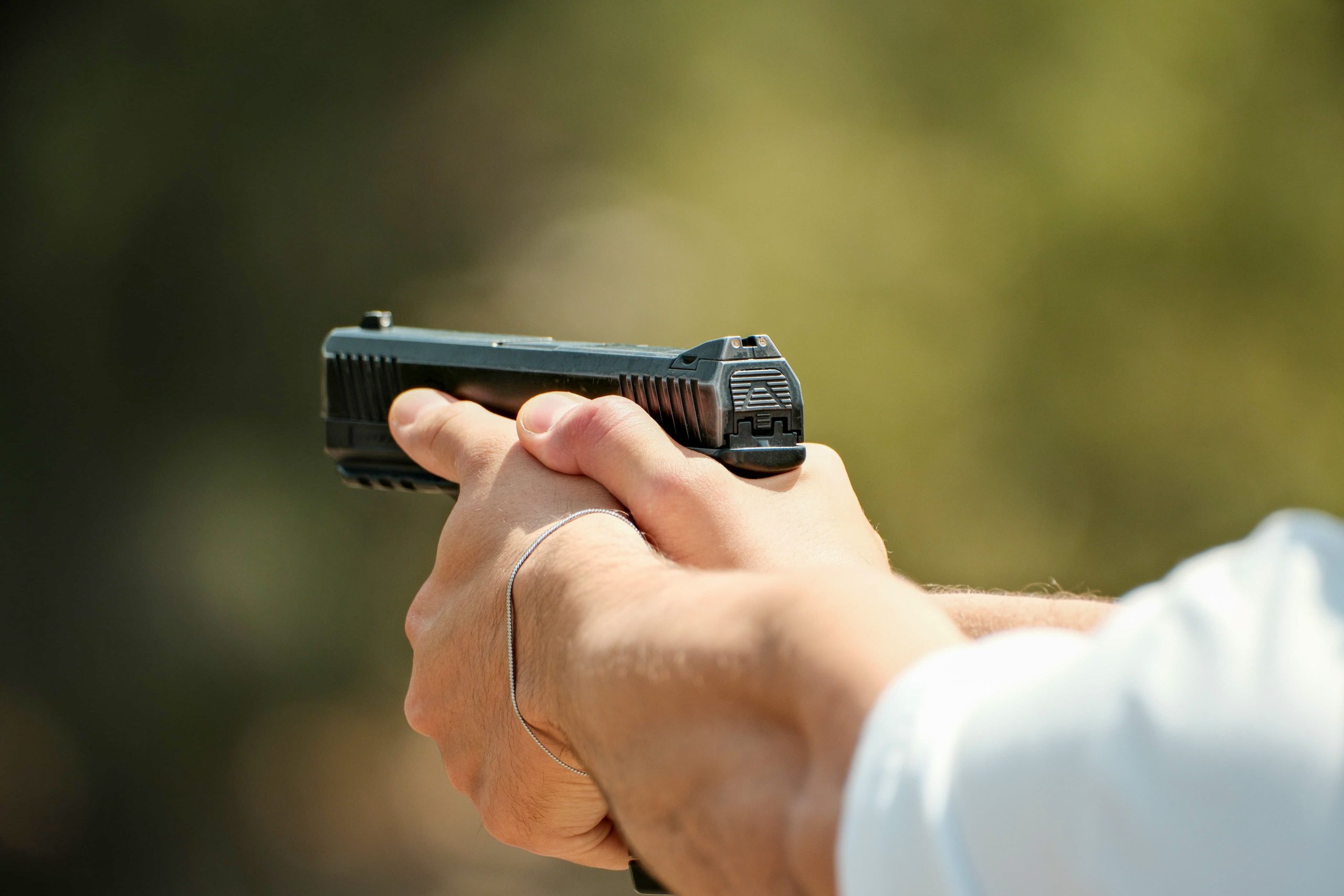
The P3AT was never simply about being tiny; it represented a philosophy of carrying less gun because a smaller gun was easier to keep with you. Kel-Tec marketed it for deep concealment and described roles including licensed civilian carry and backup use. Its 6-round magazine, double-action-only trigger, and internal safety arrangement reflected that compact mission rather than competition shooting. The pistol also demanded realistic expectations: a short, light .380 is a specialized carry format, not a full-size range handgun. Its appeal was portability, not excess capability.
9. Its Production Era Ended, But Its Influence Remained
The final chapter is important because the P3AT is now a discontinued model. Kel-Tec lists the pistol as released in 1999 and retired in 2022, while other historical references commonly identify 2003 as the public introduction of the .380 model. That dating difference reflects how product histories can vary between development, release, and production records. The legacy is clearer: the P3AT helped establish the tiny .380 as a serious commercial category. More than 20 years after its debut era, its dimensions, weight, and basic concept remain familiar whenever modern micro pistols are discussed