Most people picture 18th-century soldiers struggling with slow, smoke-filled muskets. The Ferguson rifle broke that image with a design that was faster, smarter, and surprisingly modern for its day. Though it never became widespread, its engineering showed just how far military technology could leap when someone challenged convention.
It loaded from the breech, not the muzzle

In an era when most soldiers had to pour powder and ram a ball down the barrel, the Ferguson rifle opened at the breech. That meant loading happened from the rear, a concept that feels familiar now but was remarkably bold in the 1770s.
This solved one of the biggest headaches of battlefield shooting. A soldier no longer had to stand upright and fumble through a long sequence just to get another shot ready. The design made loading simpler, quicker, and much more practical under pressure.
It delivered a much faster rate of fire

Speed was one of the Ferguson rifle’s biggest advantages. A trained user could fire several aimed shots in the time it took many musket men to manage only one or two, giving the weapon a clear edge in any brief exchange.
That kind of performance was not just impressive on paper. On a battlefield where seconds mattered, faster firing could disrupt enemy movement and keep pressure on advancing troops. The rifle hinted at a future where firepower depended on efficient mechanics as much as soldierly drill.
It could be reloaded while lying down

One of the most modern-feeling traits of the Ferguson rifle was that it could be loaded from a prone position. With a muzzle-loader, soldiers often had to stand or kneel awkwardly to recharge the weapon, exposing themselves to enemy fire.
The Ferguson’s system changed that equation. A shooter could stay lower to the ground, use cover more effectively, and remain a harder target. That may sound routine today, but at the time it represented a serious tactical shift toward survivability and smarter use of terrain.
Its rifled barrel improved accuracy
The Ferguson rifle was not just faster than many of its contemporaries. It was also built with a rifled barrel, which spun the projectile and generally offered better accuracy than the smoothbore muskets that dominated most armies.
That greater precision opened the door to more deliberate shooting. Instead of relying purely on mass volleys, a soldier with a Ferguson could make better use of aimed fire at longer distances. In that sense, the weapon pointed toward a future where accuracy would become just as prized as volume.
It blended innovation with familiar materials

For all its novelty, the Ferguson rifle was not some science-fiction object dropped into the 18th century. It was made from the wood, metal, and gunsmithing traditions of its day, which is part of what makes its leap in design so striking.
That balance matters because true innovation often works best when it builds on what people already know. The Ferguson did not require a totally alien manufacturing world to exist. It adapted existing craftsmanship into a more advanced system, showing how breakthroughs can emerge from practical, incremental thinking.
It anticipated specialized infantry tactics
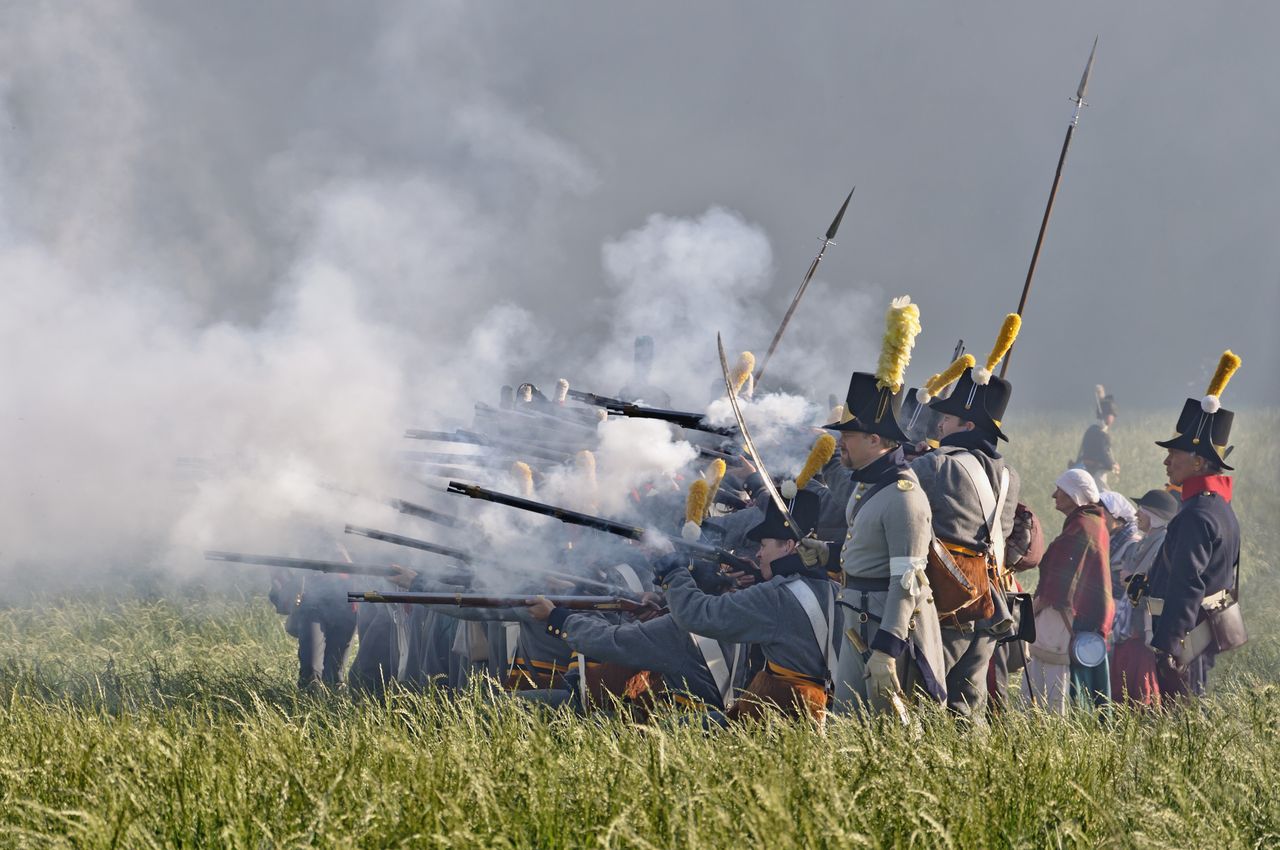
The Ferguson rifle was especially well suited to troops who needed mobility, initiative, and accurate fire rather than rigid line tactics alone. That made it a natural fit for light infantry style operations, where adaptability could matter more than sheer numbers.
In many ways, the weapon foreshadowed later military thinking about specialized units. Armies would increasingly value soldiers who could move independently, use terrain well, and place effective shots under changing conditions. The Ferguson did not create that shift by itself, but it fit the idea unusually well.
Its screw-plug action was a serious engineering leap
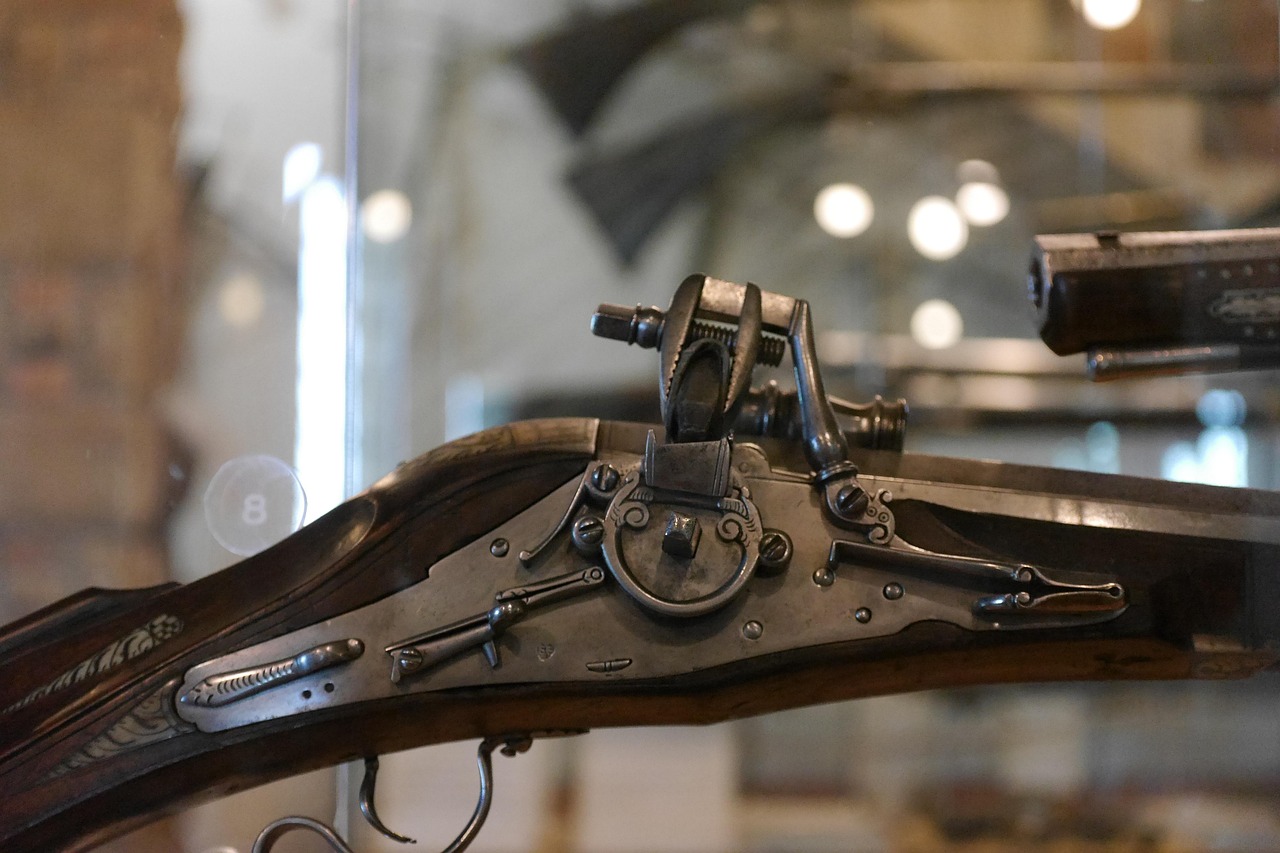
At the heart of the Ferguson rifle was a threaded screw-plug breech that opened and closed with a turn of the trigger guard. For the 18th century, that was an elegant mechanical solution to a problem gunsmiths had wrestled with for generations.
The brilliance was not just in making a breech-loader. It was in making one compact enough, strong enough, and usable enough for military service. Even if the system was costly and demanding to produce, it showed how clever engineering could radically improve an established technology.
It proved that military small arms could evolve quickly

The Ferguson rifle stands as a reminder that weapons development did not always move at a slow, steady crawl. Sometimes a single design could jump ahead of prevailing practice and reveal possibilities that institutions were not yet ready to embrace.
Its limited service life does not make it a failure so much as a preview. Cost, complexity, and logistics held it back, but the core ideas behind it would echo through later firearms design. In that sense, the Ferguson rifle was less a dead end than an early glimpse of the future.