The Remington Model 8 is one of those rifles that seems familiar until you start really studying it. Beneath its classic profile are production details, factory changes, and condition quirks that can dramatically affect appeal and value. This gallery highlights the often-missed points that separate a casual glance from an informed collector’s eye.
Its place in firearms history is bigger than many realize
The Model 8 is often admired as a handsome old rifle, but its real significance runs deeper. Designed by John Moses Browning and introduced by Remington in the early 1900s, it was one of the earliest successful semi-automatic centerfire sporting rifles sold to the American public.
That matters because collectors sometimes focus only on rarity or condition and miss the rifle’s place in the broader story of sporting arms. The Model 8 sits at the crossroads of innovation, commercial ambition, and changing ideas about what a hunting rifle could be.
Owning one is not just owning a vintage gun. It is owning a piece of the moment when modern self-loading sporting rifles truly entered the mainstream.
Caliber can change collectibility in a hurry
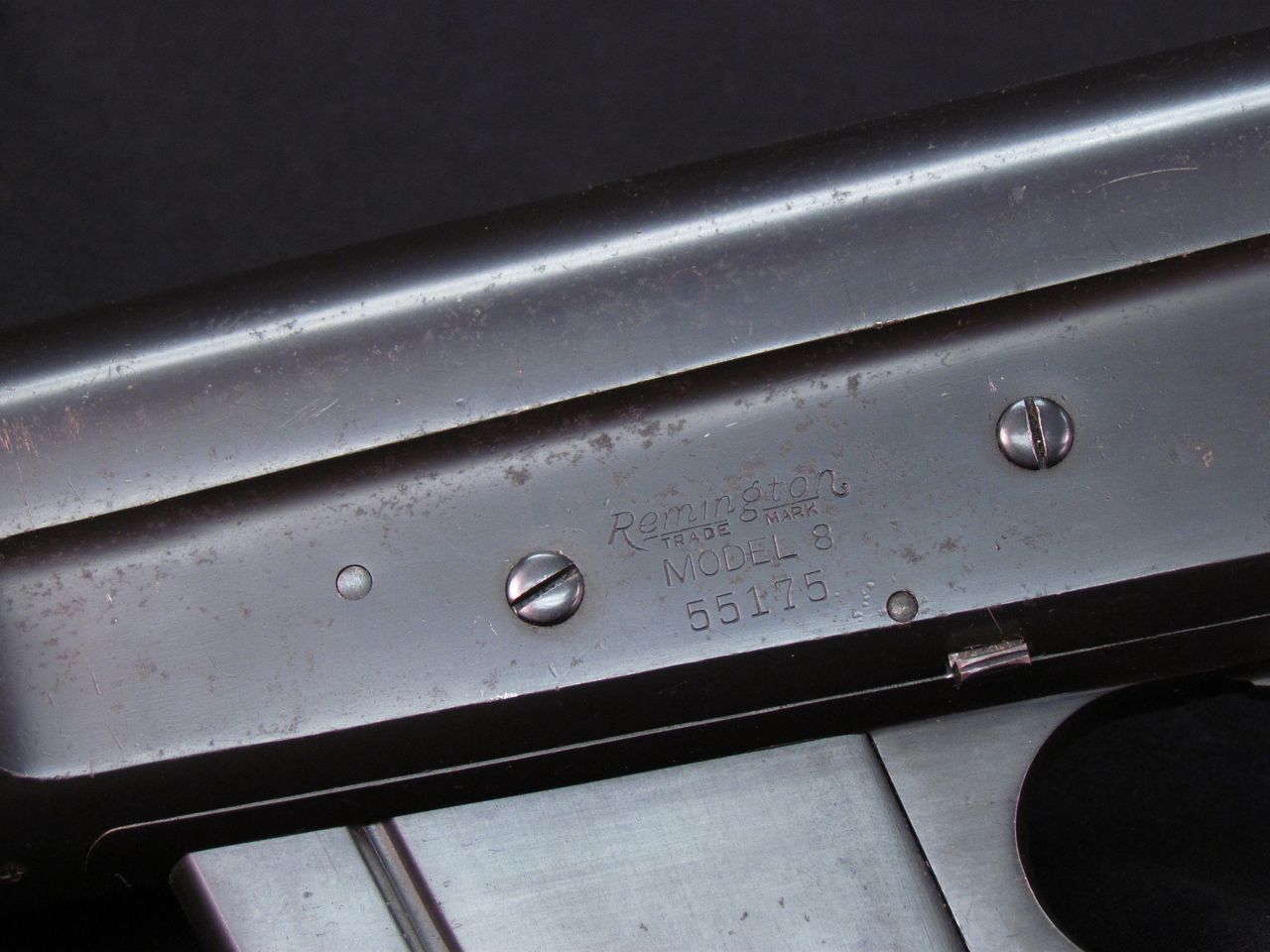
At a glance, many Model 8s look similar, which is why caliber is easy to overlook. Yet chambering can make a major difference in desirability, with some collectors especially drawn to less commonly encountered examples such as .35 Remington in strong original condition.
The rifle was offered in several proprietary Remington cartridges, and those distinctions matter far more than casual buyers sometimes expect. A rifle in an uncommon configuration can stand out even if it shows honest wear.
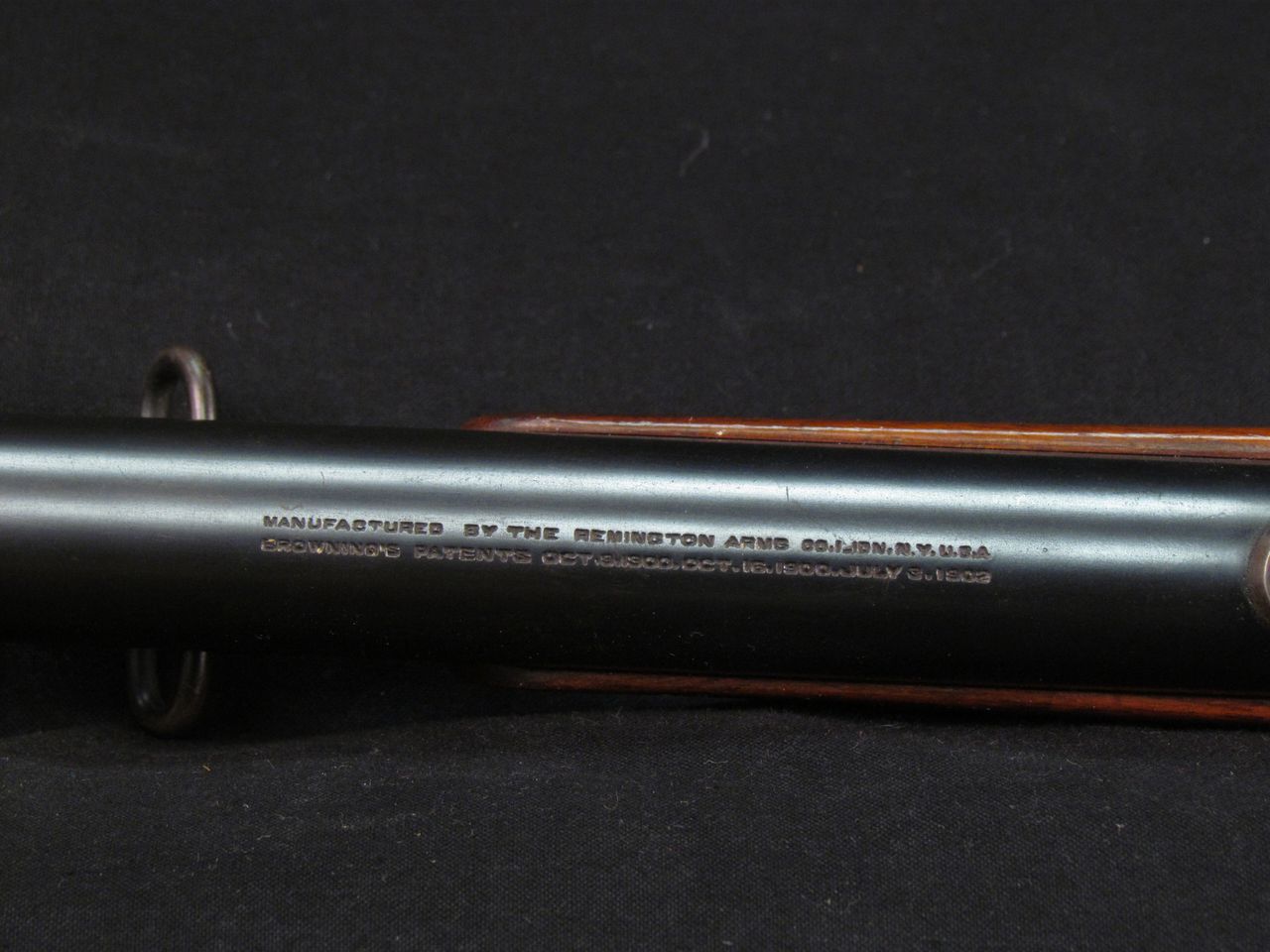
Smart collectors check barrel markings carefully and confirm that the caliber matches the rifle’s period features. That small rollmark can be the difference between ordinary and memorable.
Factory variations are where the real detective work begins
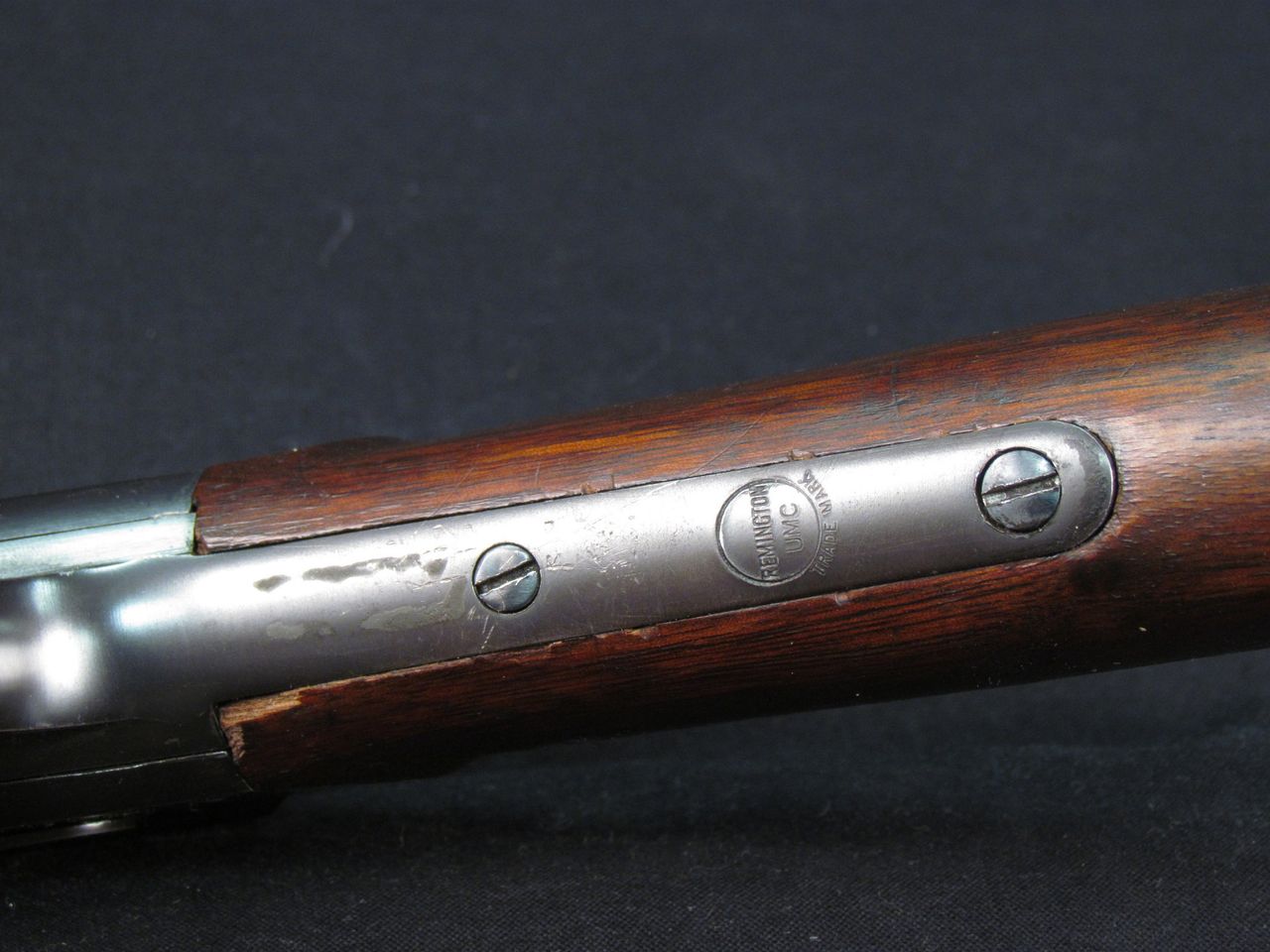
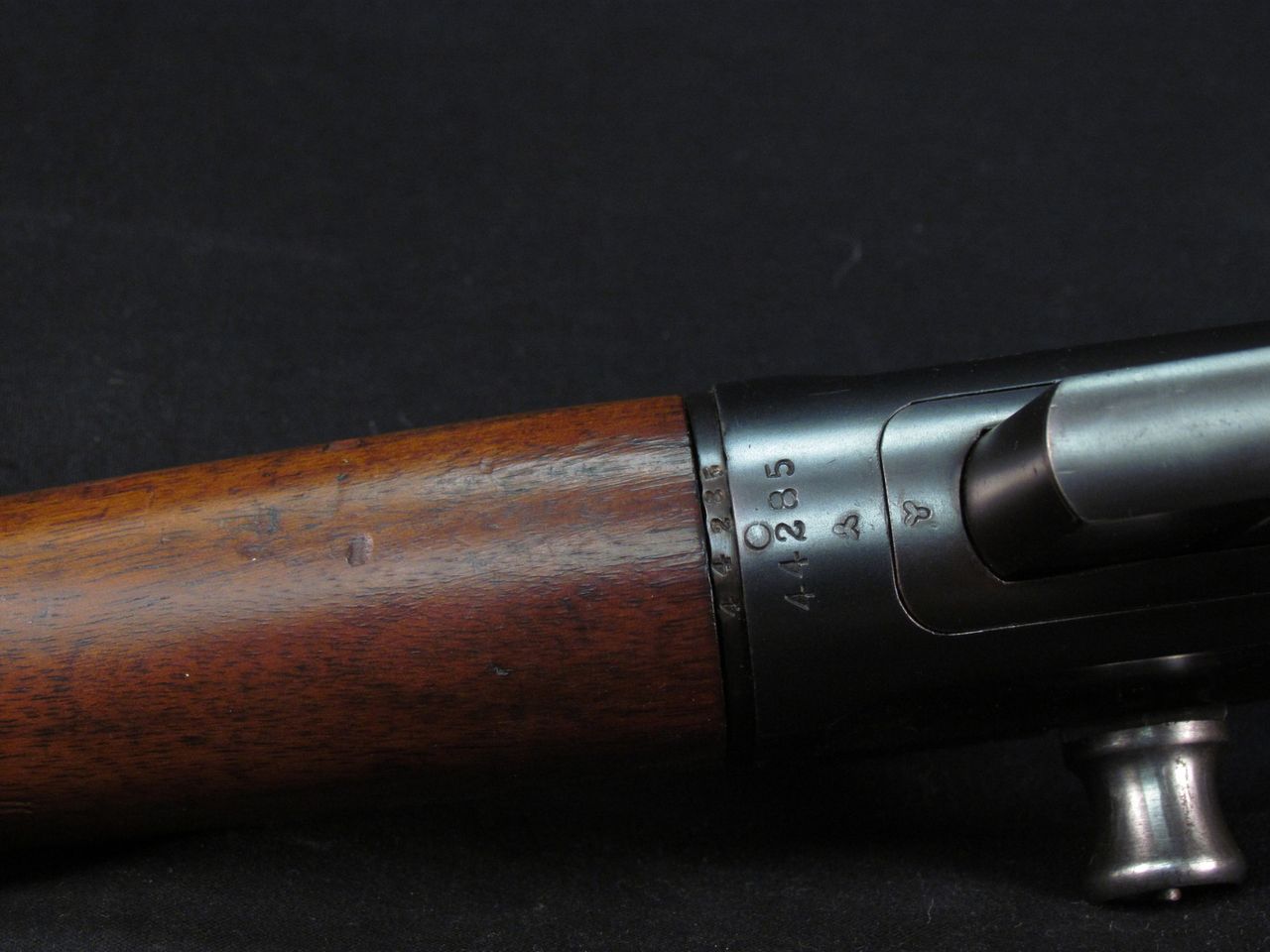
One overlooked aspect of the Model 8 is how many subtle factory differences appeared over its production life. Stock shapes, sights, receiver markings, safety details, and finish variations can all reveal when a rifle was made and whether its parts belong together.
For collectors, that is where the hobby becomes especially rewarding. Two rifles may look nearly identical across a gun show table, yet one may be a far more correct and desirable example because its features align properly with its production period.
These are not flashy differences, but they are meaningful ones. The closer you look, the more the Model 8 rewards patience, reference books, and a skeptical eye.
Original finish matters more than a shiny refinish

Collectors new to older firearms sometimes assume a bright refinish improves value. With the Model 8, the opposite is often true. Honest blue wear, softened edges, and age-appropriate patina usually tell a more appealing story than polished metal and sanded wood.
A refinish can erase tiny clues that help establish authenticity, from crisp stampings to the natural character of old walnut. Once those details are gone, the rifle may look cleaner but lose much of its collector interest.
The best examples often show restraint rather than perfection. A Model 8 that has aged gracefully tends to carry more credibility and more charm than one restored beyond recognition.
The takedown design is a feature worth checking closely
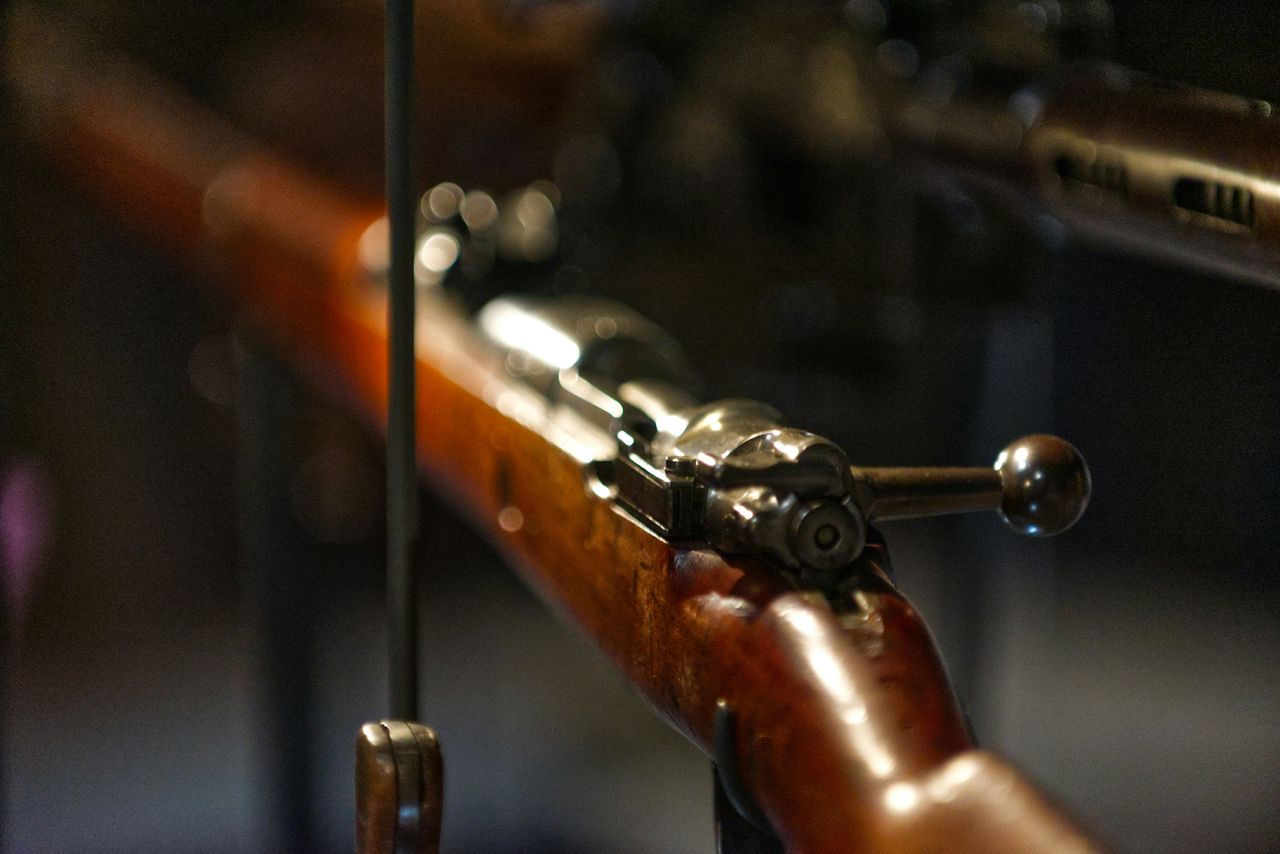
The Model 8’s takedown system is one of its most distinctive traits, yet many buyers do not inspect it carefully enough. A rifle that separates and reassembles properly, with matching wear and solid fit, can tell you a lot about how it was used and cared for over time.
Loose fit, damaged threads, or signs of forced assembly can point to hard use or careless handling. Because the rifle was designed to come apart for transport, wear in this area is especially important to evaluate.
Collectors who understand the takedown mechanism usually spot quality faster. It is not just a clever design feature, it is also one of the best windows into the rifle’s mechanical integrity.
Special order features can be easy to miss
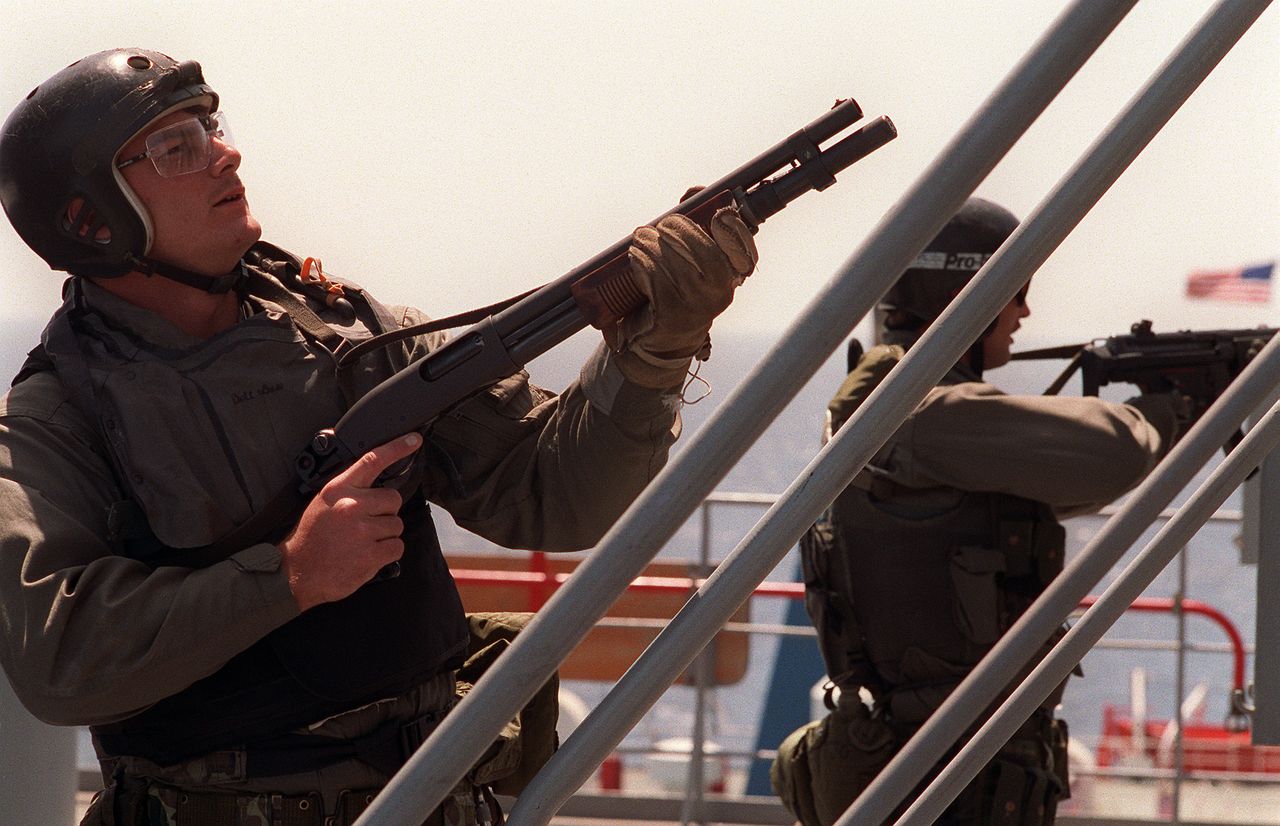
Not every interesting Model 8 announces itself from across the room. Some of the most desirable examples have special order traits or less common factory features that look subtle unless you know what to watch for, including sight upgrades, checkering, sling swivels, or higher-grade wood.
Because these details can seem modest, they are sometimes dismissed as aftermarket additions. That is where research becomes essential. Period catalogs and surviving factory information can help separate genuine factory features from later modifications.
When original, these touches give a rifle personality and context. They also remind collectors that early sporting arms were often more customizable than modern buyers assume.
Provenance can matter almost as much as condition

A standard Model 8 becomes much more compelling when its history is known. Law enforcement associations, family documentation, period photographs, or links to notable owners can transform a rifle from a nice example into a conversation piece with real narrative weight.
This model has a fascinating footprint in American culture, including civilian sporting use and limited police application. That broader context makes documentation especially valuable, even when the rifle itself is not the rarest variant in the room.
Collectors often pay for stories when the stories can be supported. A worn but well-documented rifle may ultimately be more desirable than a cleaner one with no traceable past.
Replacement parts can quietly change the whole picture

One of the easiest mistakes in Model 8 collecting is overlooking swapped parts. Buttplates, sights, screws, forearms, and even internal components may have been replaced over decades of use, repair, and resale, leaving a rifle that appears fine until details stop lining up.
That does not automatically make a rifle undesirable, but it does change how it should be valued. Collectors generally place a premium on examples that remain correct and consistent, even if they show moderate wear.
The Model 8 rewards slow examination. Tiny differences in finish, fit, and age can reveal a long service life, and they often separate an honest original from a rifle assembled from convenient parts.