Gun cartridge names often sound straightforward, but many of them are little history lessons in disguise. Some seem to reference a caliber they do not actually use, while others borrow place names, old black-powder conventions, or company branding that can confuse modern readers. Here are seven well-known examples where the label and the reality do not quite match.
.38 Special
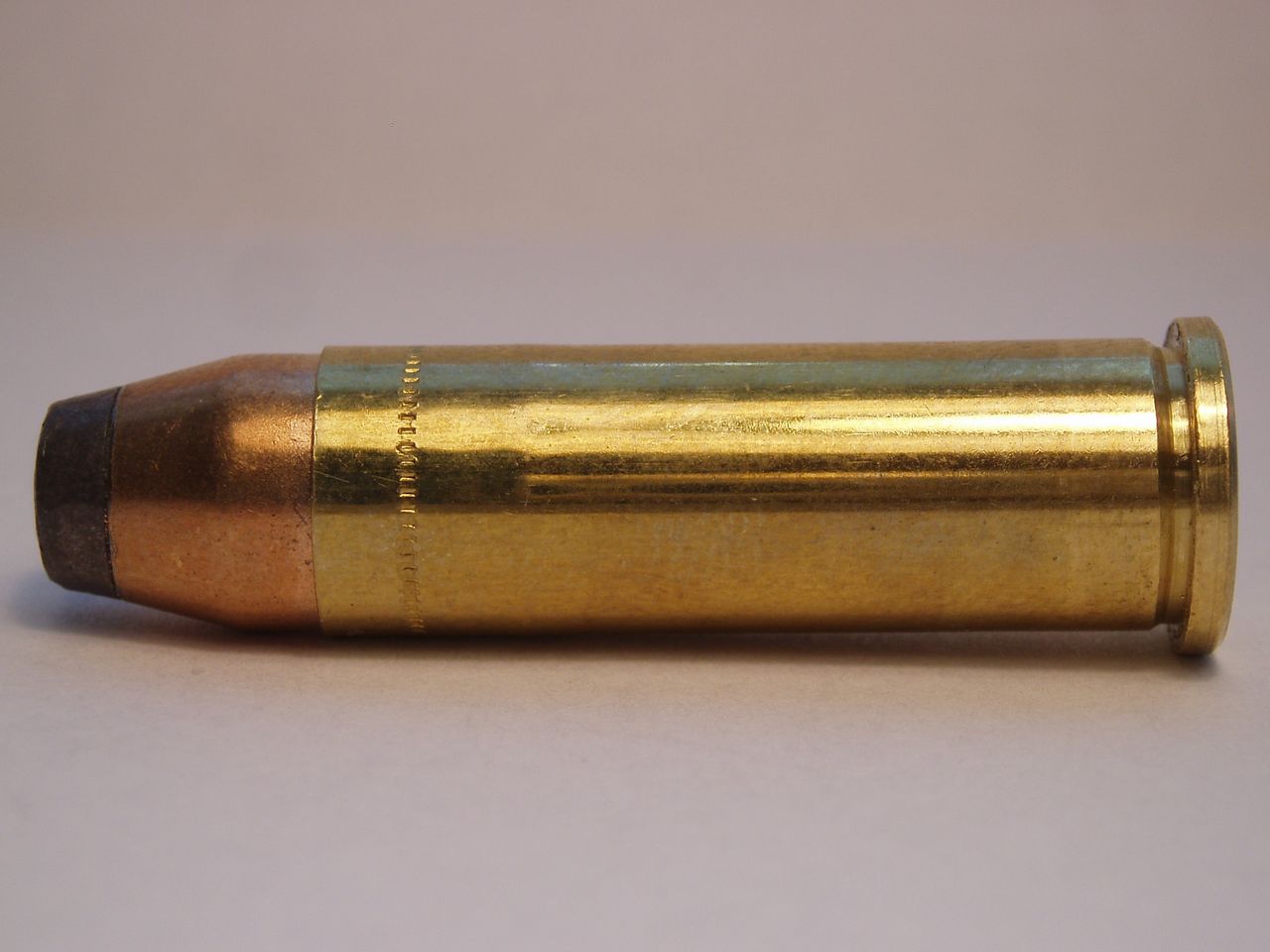
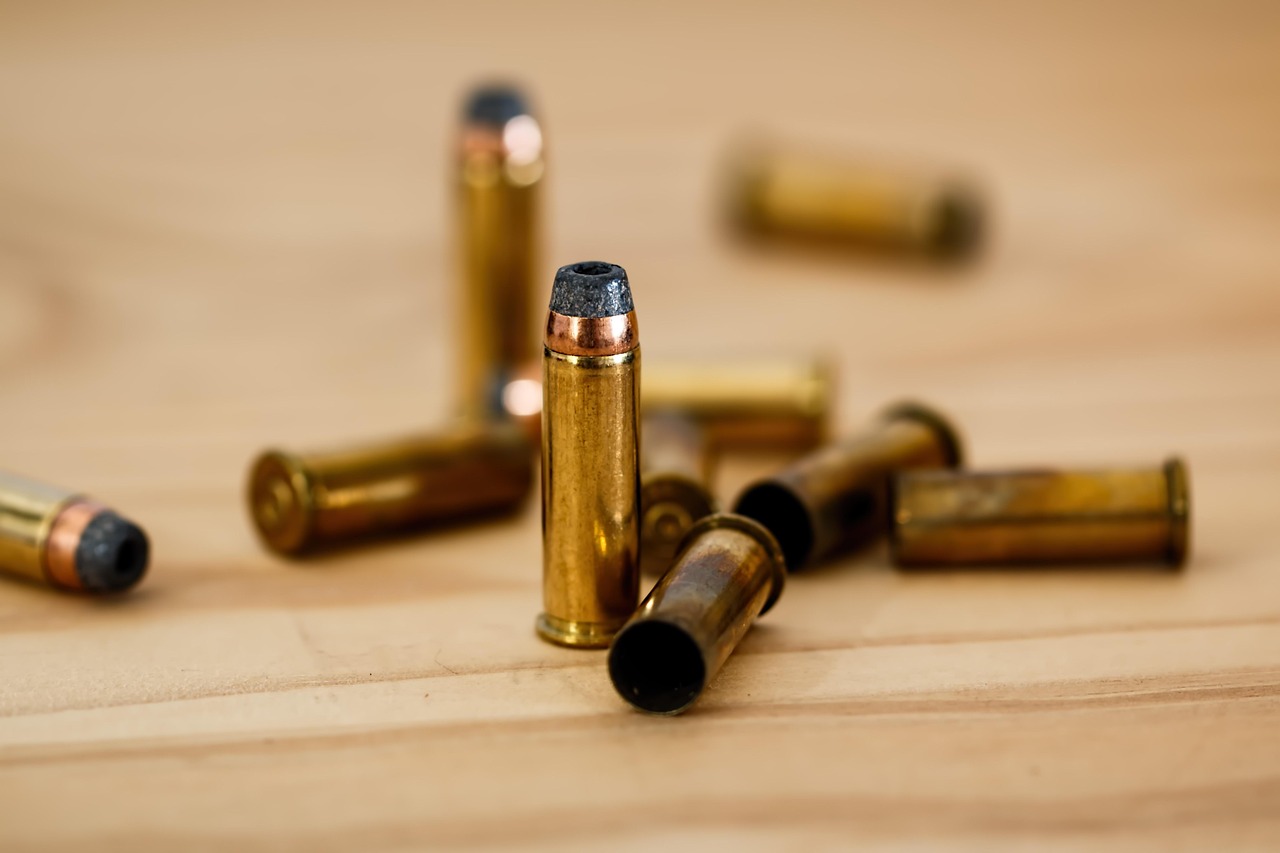
The .38 Special sounds like it should fire a .38-inch bullet, but that is not what happens. In reality, the standard bullet diameter is about .357 inches, which is why .357 Magnum revolvers can often chamber and fire .38 Special safely, though not the other way around.
The name comes from an older black-powder era way of measuring cartridges, often tied to case dimensions and heeled bullets rather than modern groove diameter. That old naming logic stuck, and the market kept the familiar label. It is one of the clearest examples of a cartridge name preserving history instead of precision.
.44 Magnum
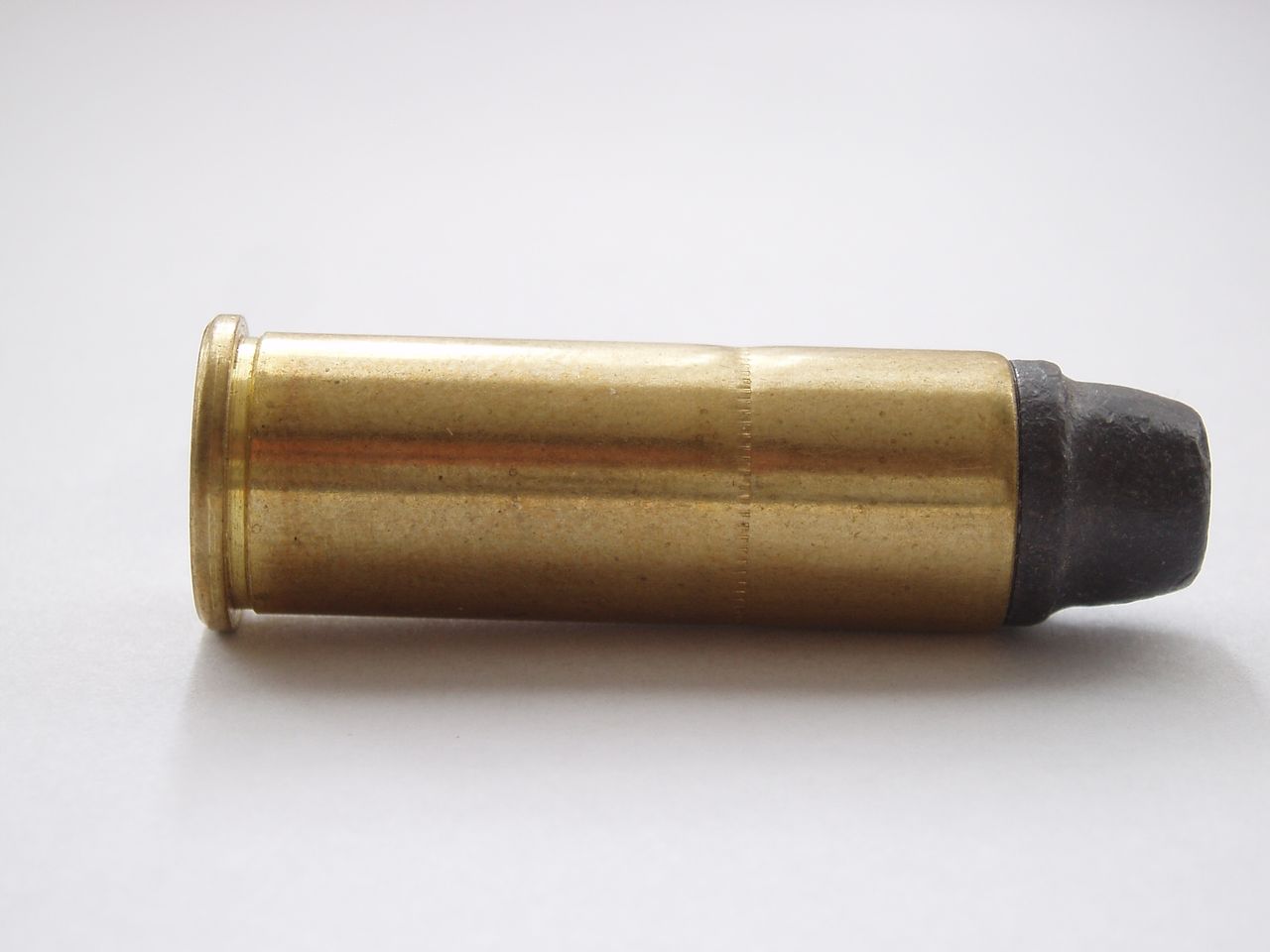
The .44 Magnum has one of the most famous names in shooting culture, yet its bullet diameter is also not truly .44 inch. Like the .44 Special before it, it typically uses bullets around .429 inches in diameter, which surprises plenty of first-time readers of a loading manual.
Its name is inherited from an older family line that dates back to 19th-century revolver cartridges. Back then, naming was often more approximate and not always based on the exact projectile diameter we would expect today. The result is a powerhouse round with a title that sounds exact but is really a historical hand-me-down.
.38-40 Winchester
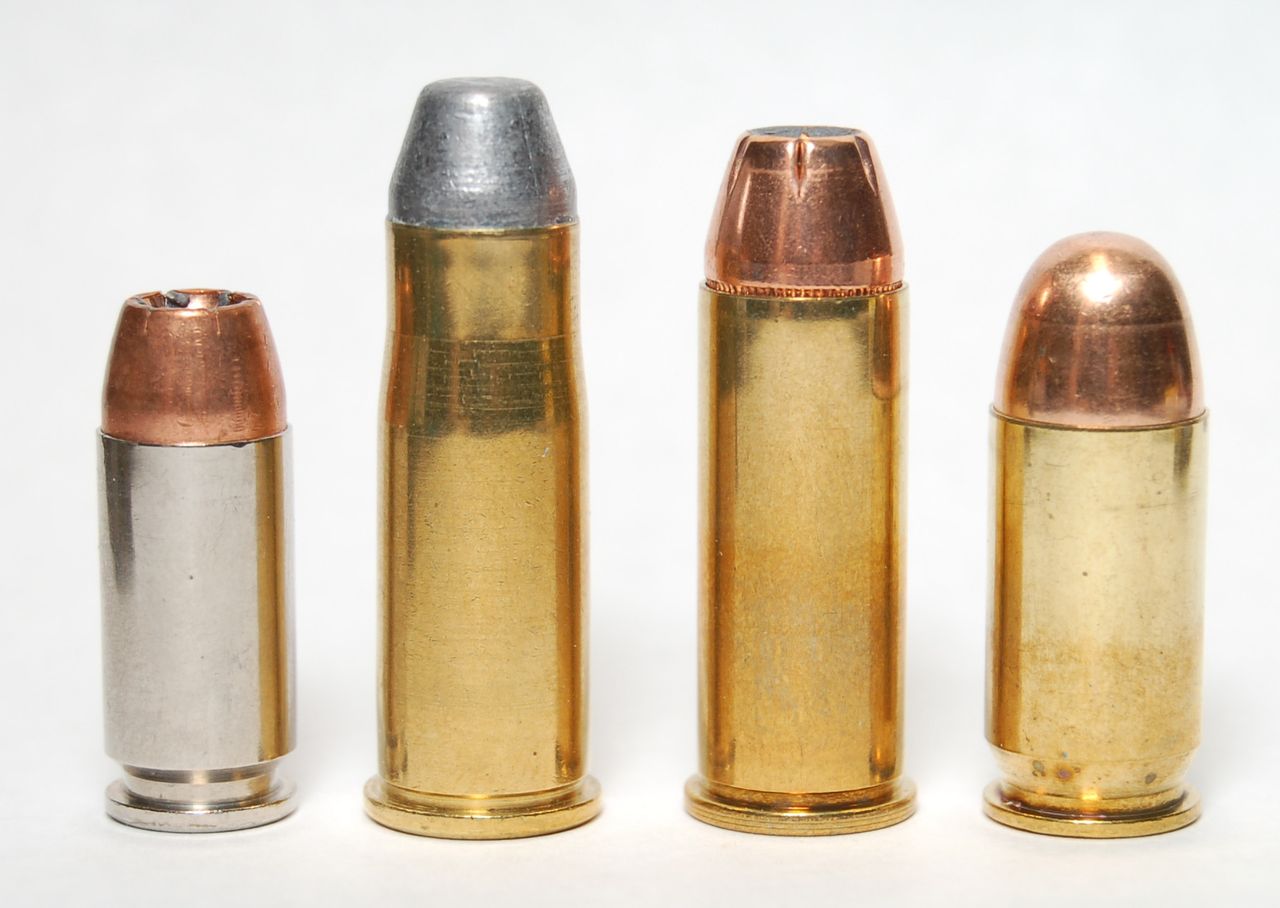
The .38-40 Winchester seems as if it should be a .38-caliber cartridge loaded with 40 grains of powder. The second part is true in its original black-powder context, but the first part is misleading. The cartridge actually uses bullets around .40 inch, usually about .401 inches.
So why call it .38 at all? Period naming was messy, and companies often rounded dimensions or referred to older conventions that did not map neatly onto modern standards. Winchester kept a marketable name, shooters adopted it, and the mismatch lived on. It is a reminder that cartridge labels were often shaped by sales language as much as measurement.
.32-20 Winchester
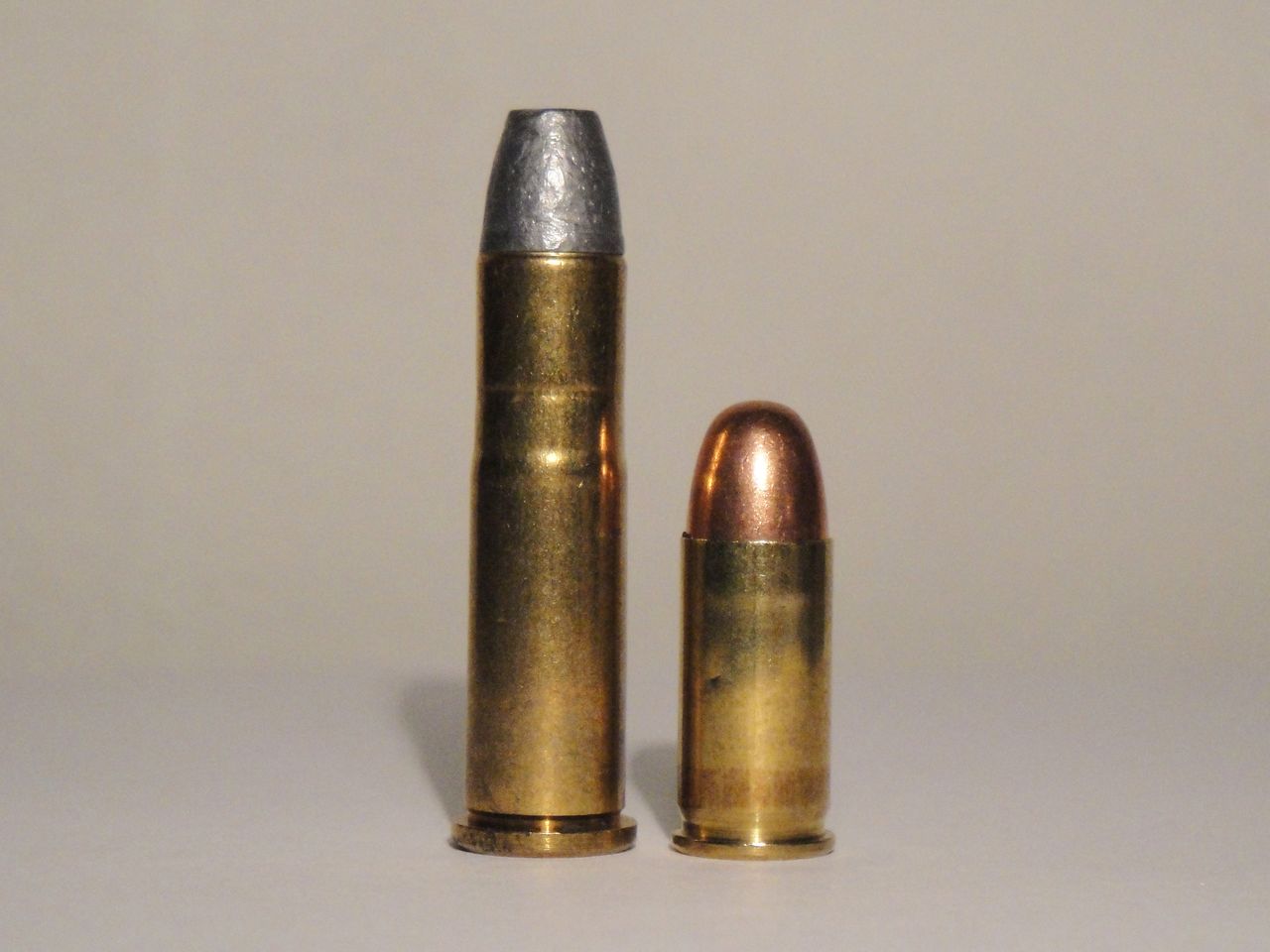
The .32-20 Winchester sounds neatly descriptive, but even this tidy-looking label is only partly literal. The 20 refers to its original black-powder charge, while the .32 suggests caliber in a broad, period-correct sense rather than a modern exact bullet diameter. Standard bullets are closer to .312 inches.
That may not seem like a huge gap, but it shows how old naming systems favored rounded family labels over strict engineering detail. The cartridge became popular in rifles and revolvers, and its familiar name stuck because everyone knew what it meant in practice. Precision on paper mattered less than recognition at the counter.
.250-3000 Savage
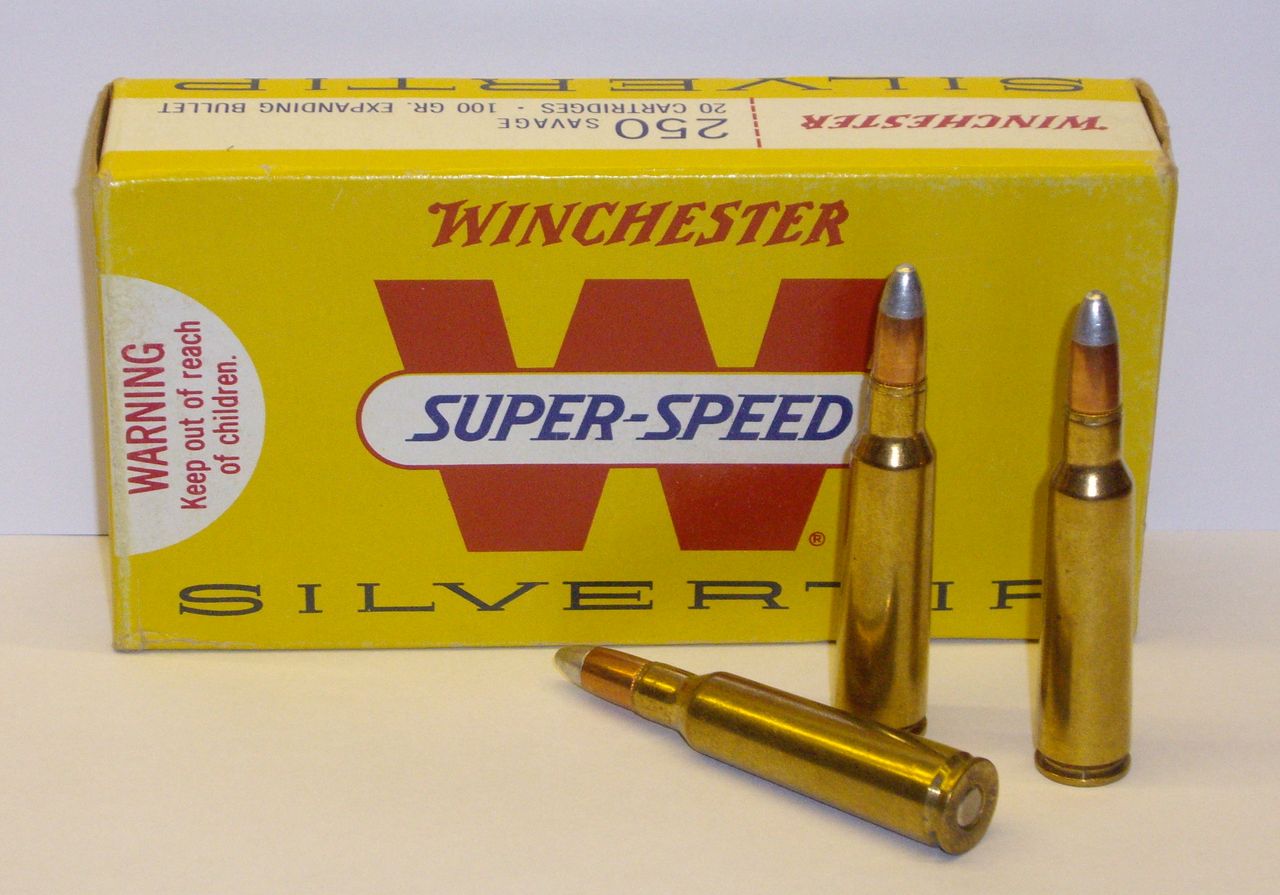
The .250-3000 Savage sounds like a giant cartridge or maybe something firing a 3000-caliber projectile if you read it too quickly. In fact, the 3000 refers to velocity, specifically the celebrated claim of 3000 feet per second, which was a major marketing milestone when Savage introduced it.
The cartridge itself is a .25-caliber round, and the dramatic second number was there to signal speed, not size. It was a smart bit of branding that helped the round stand out in a crowded field. Even today, the name feels a little like an advertisement frozen in time, which is exactly why it remains memorable.
6.5 Creedmoor
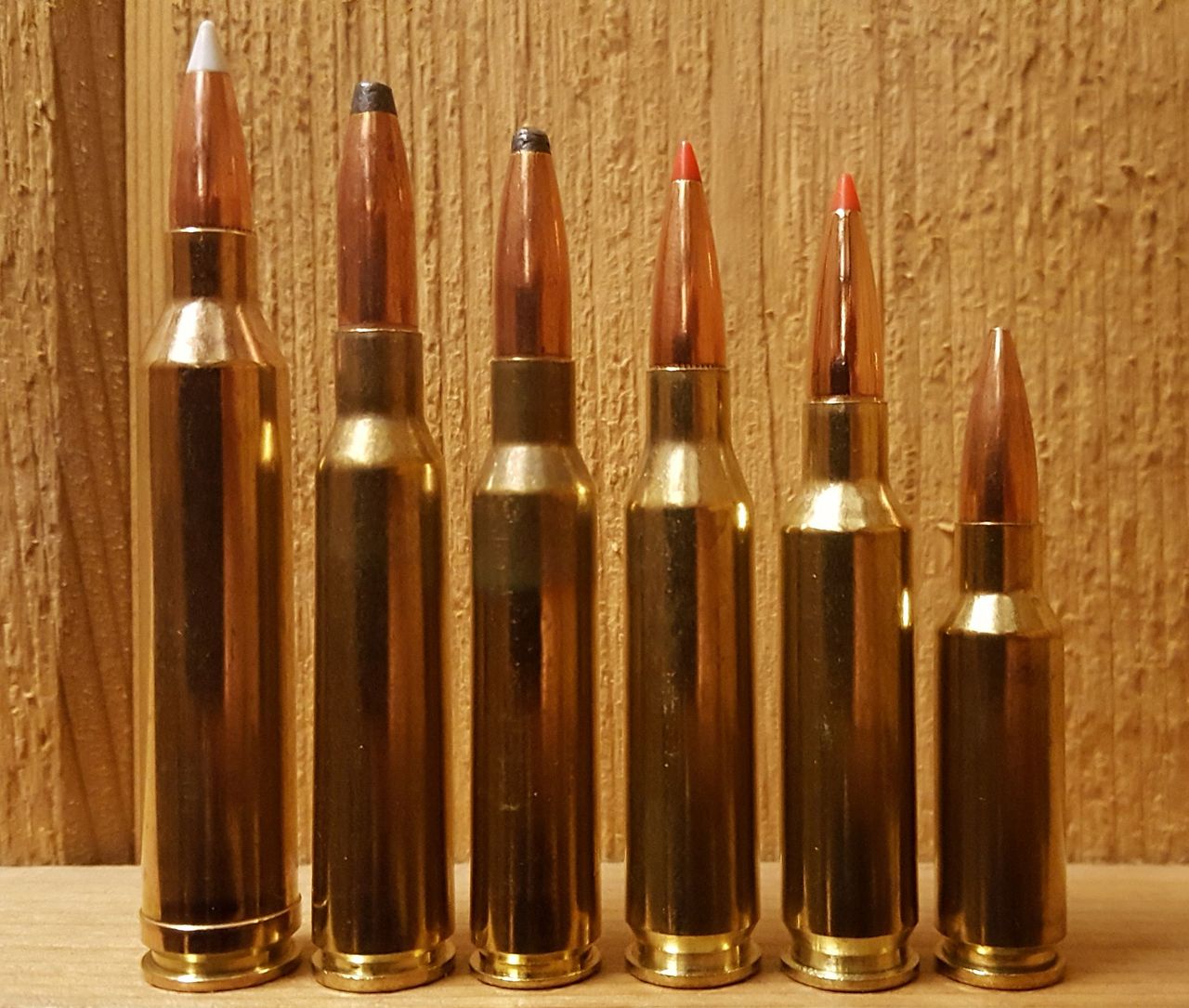
6.5 Creedmoor sounds as if it were named after an old English village or a windswept moorland somewhere in Britain. It is not. The name actually comes from Creedmoor Sports, the company connected to its development and early promotion, borrowing a brand and a famous target-shooting association rather than a geographic origin in the way many assume.
That confusion makes sense because plenty of cartridges do use place names, and Creedmoor has an old-world ring to it. But this is a modern design with a modern naming strategy. It is a good example of how a cartridge can sound traditional while being very much a product of contemporary branding.
.257 Roberts
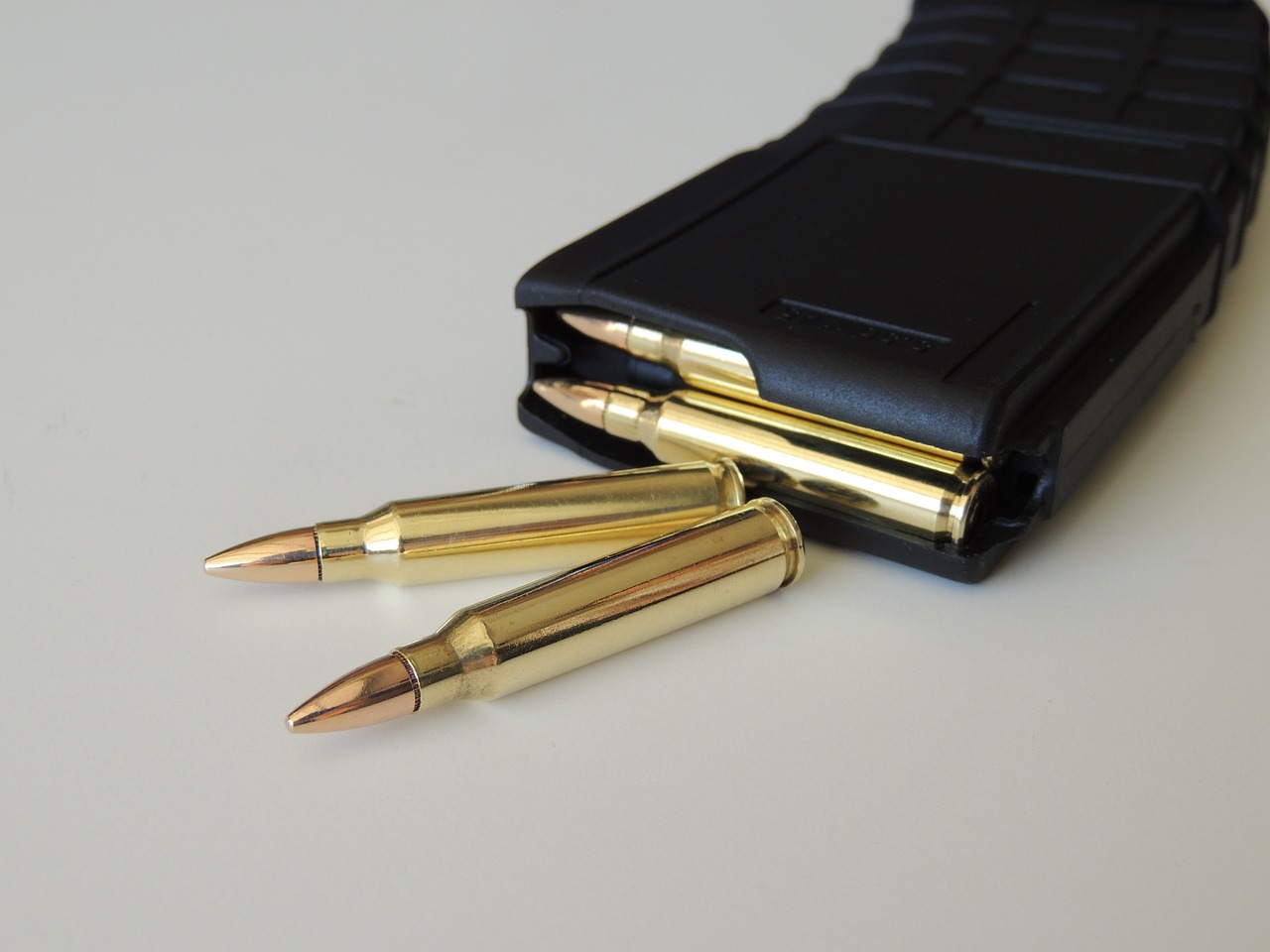
The .257 Roberts sounds like it should have been invented by someone named Roberts from scratch, but the story is more layered than that. It was based on the 7×57 Mauser case and developed through wildcat experimentation before becoming a commercial cartridge associated with gun writer and experimenter Ned Roberts.
So the name points to a person, but not to a wholly original invention in the way many readers might imagine. That is common in cartridge history, where credit, influence, and parentage can overlap. The .257 Roberts wears a personal name, yet its roots are unmistakably tied to an earlier Mauser design.