Some of the most familiar cartridges on gun store shelves began as unofficial workshop projects, shaped by handloaders, gunsmiths, and competitive shooters chasing better performance. These wildcats were born from curiosity, then refined by demand until major manufacturers made them mainstream. Here are six standout examples that prove today’s standards often start on the fringes.
.22-250 Remington
Before it became a factory favorite, the .22-250 was a hot-rod wildcat built by necking down the .250-3000 Savage case to take .22 caliber bullets. Varmint shooters loved it because it pushed light bullets at eye-opening speed, making long shots on small targets much easier.
Its reputation spread the old-fashioned way, through handloaders, custom rifle builders, and shooters who wanted flatter trajectories than the .223 Remington could offer. By the time Remington standardized it in 1965, the cartridge already had a loyal following and a proven track record in the field.
Even now, the .22-250 keeps its identity as a fast, no-nonsense varmint round. It may be mainstream today, but its wildcat roots still show in its performance-first personality.
.25-06 Remington
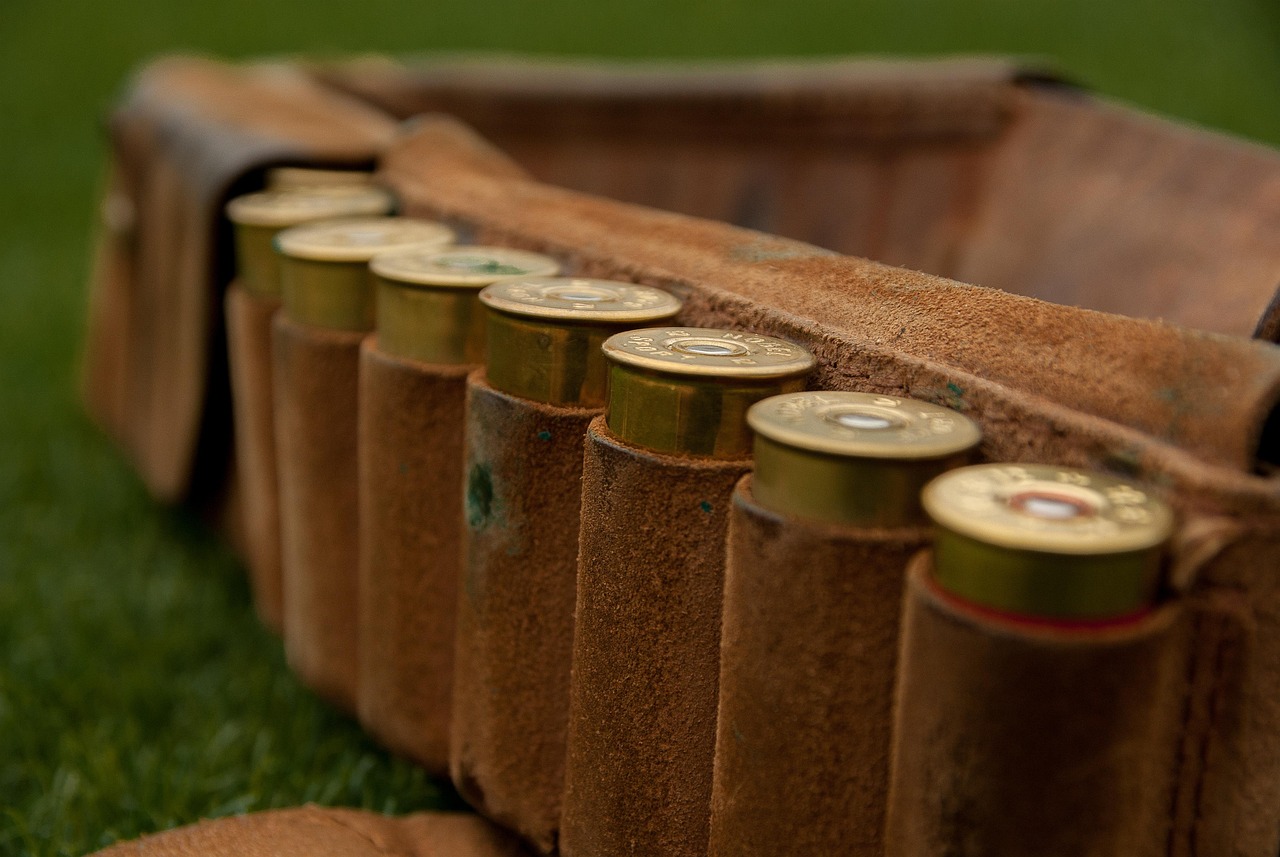
The .25-06 began life as a simple but smart idea: take the .30-06 Springfield case and neck it down to .25 caliber. Wildcatters saw the potential early, creating a cartridge that blended high velocity with relatively mild recoil and excellent reach.
For decades it remained a handloader’s darling, especially among hunters who wanted one rifle for varmints, deer, and antelope. It delivered speed and flexibility in a package that felt efficient rather than flashy, which helped it earn a very steady reputation.
Remington finally adopted it as the .25-06 Remington in 1969, giving the cartridge factory legitimacy. What had started as a clever experiment became one of the classic dual-purpose hunting rounds in America.
7mm-08 Remington
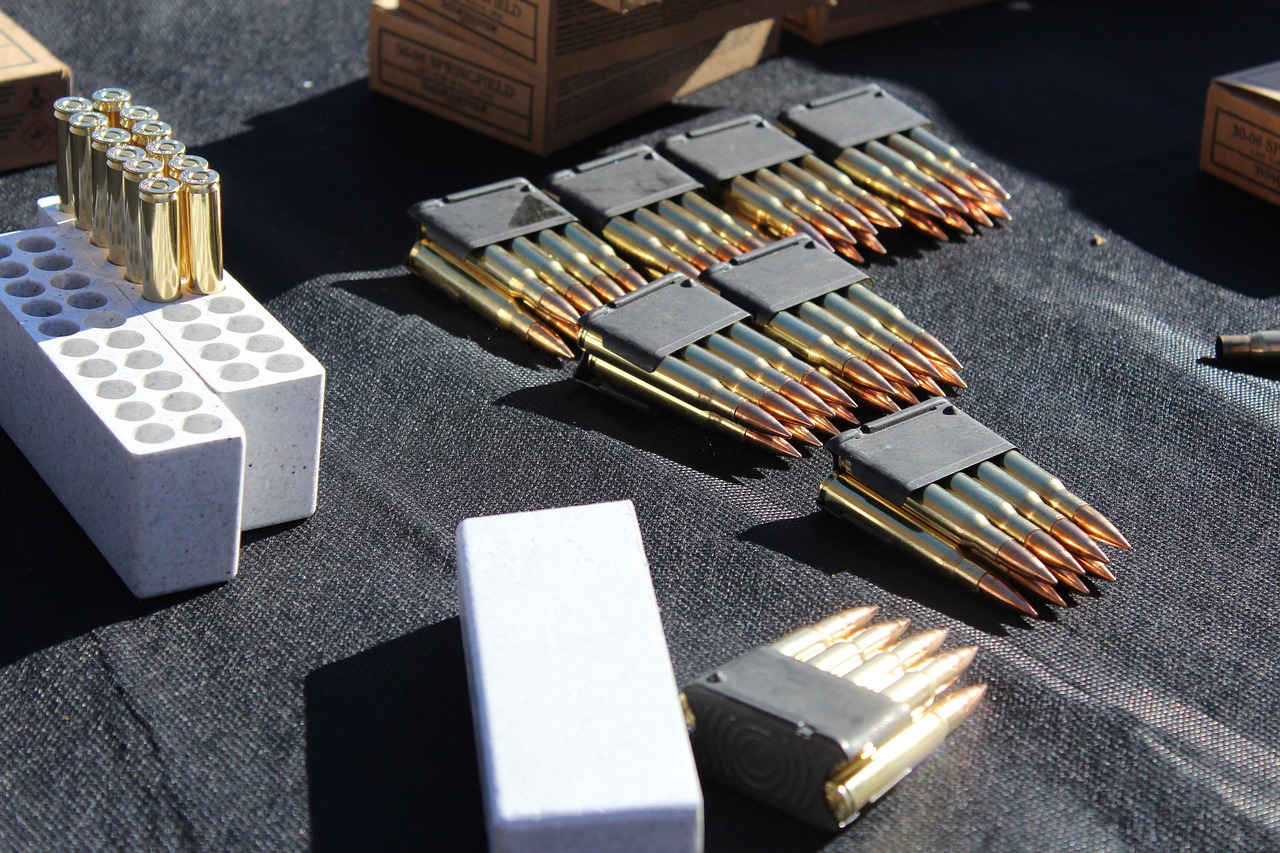
Long before it wore a Remington headstamp, the 7mm-08 existed as a wildcat based on the .308 Winchester case necked down to accept 7mm bullets. Shooters quickly recognized the formula: efficient case design, manageable recoil, and bullets with excellent ballistic performance.
It found favor with hunters and target shooters who wanted something softer-shooting than a .30 caliber without giving up real downrange authority. That balance gave it broad appeal, especially for deer hunters, younger shooters, and anyone who valued practical accuracy over raw horsepower.
Remington standardized it in 1980, and the move felt almost inevitable. The cartridge had already proven that a wildcat could become an all-around star once the industry caught up.
.280 Remington
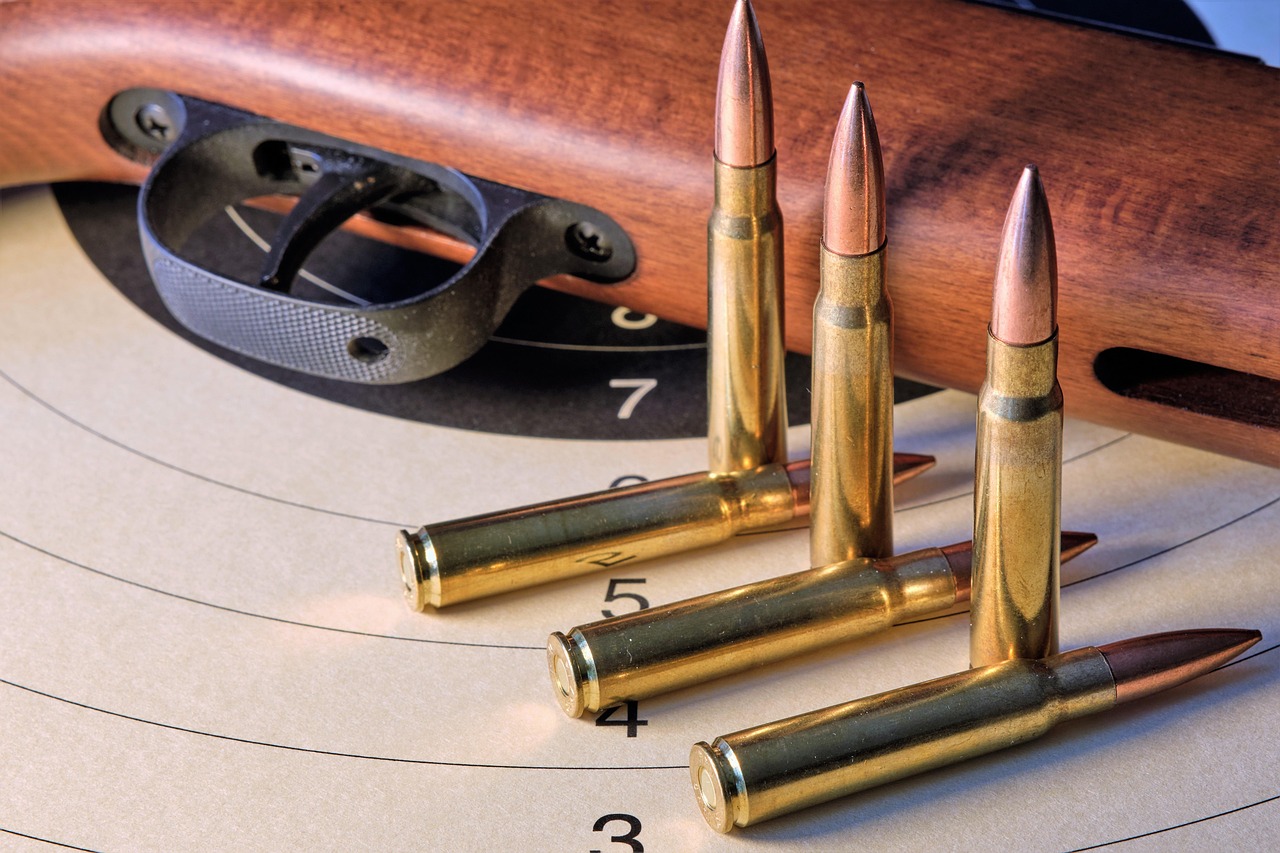
The .280 Remington traces back to wildcat work built around the .30-06 case, necked down to hold 7mm bullets. On paper, it offered a very appealing middle ground, combining strong velocity with the sleek, efficient bullets that made 7mm cartridges so admired.
Its path to commercial success was more complicated than some others on this list. Even after factory adoption in 1957, it spent years living in the shadow of better-marketed rivals, despite winning plenty of respect from knowledgeable hunters who appreciated its balance.
That underdog status is part of its charm today. The .280 never stopped reflecting its wildcat origins, a cartridge loved most by shooters who enjoy finding performance gems outside the loudest mainstream trends.
.35 Whelen
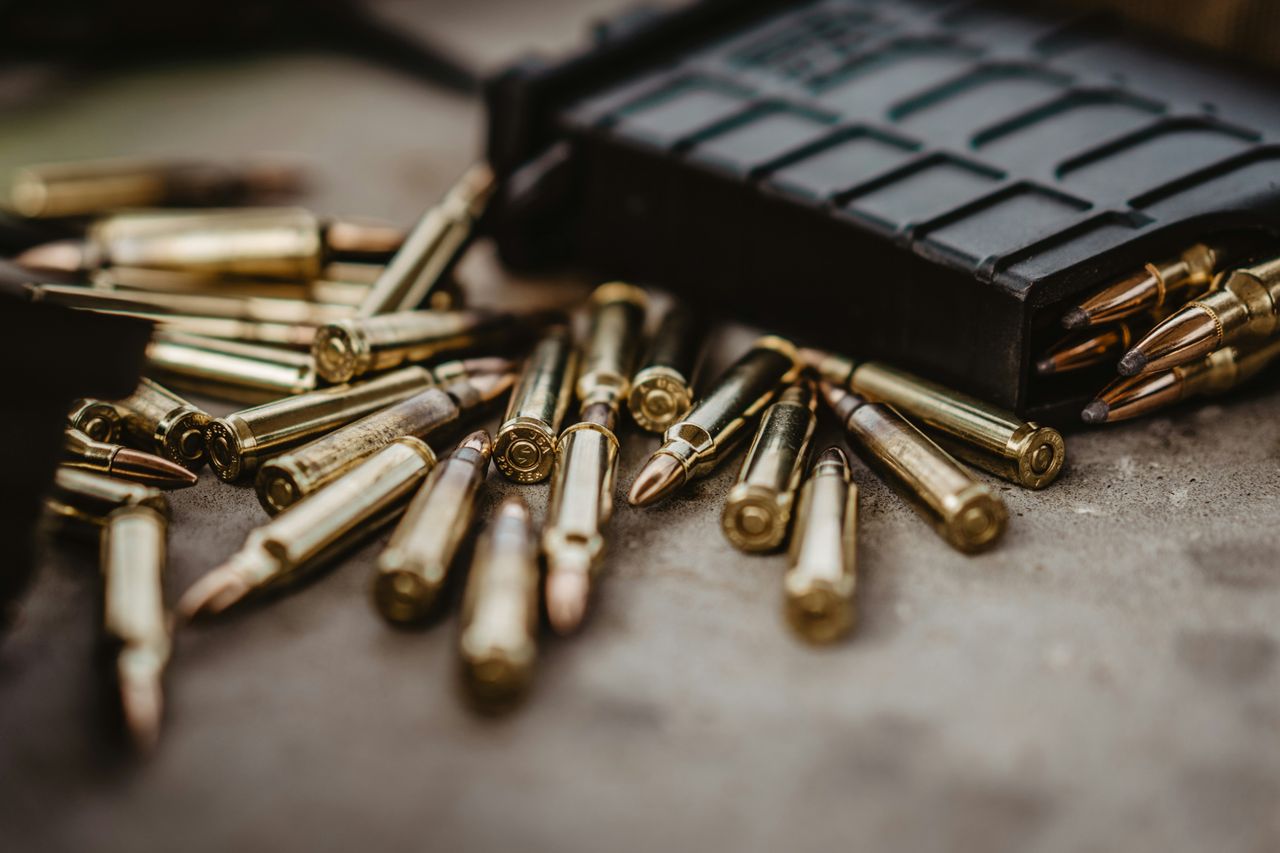
The .35 Whelen started as a big-game wildcat created by necking up the .30-06 case to .35 caliber. Often linked to Colonel Townsend Whelen and gunsmith James Howe, it was designed for hunters who wanted a harder-hitting round without stepping up to a magnum action.
That idea had lasting appeal. The cartridge offered heavy bullets, respectable power, and a practical fit in standard-length rifles, making it especially attractive for elk, moose, and bear hunters who wanted authority at ordinary field distances.
Remington eventually standardized the .35 Whelen in 1988, but by then its reputation was already secure. It had spent decades proving that wildcat ingenuity could deliver exactly what serious hunters were asking for.
.300 Whisper / .300 AAC Blackout
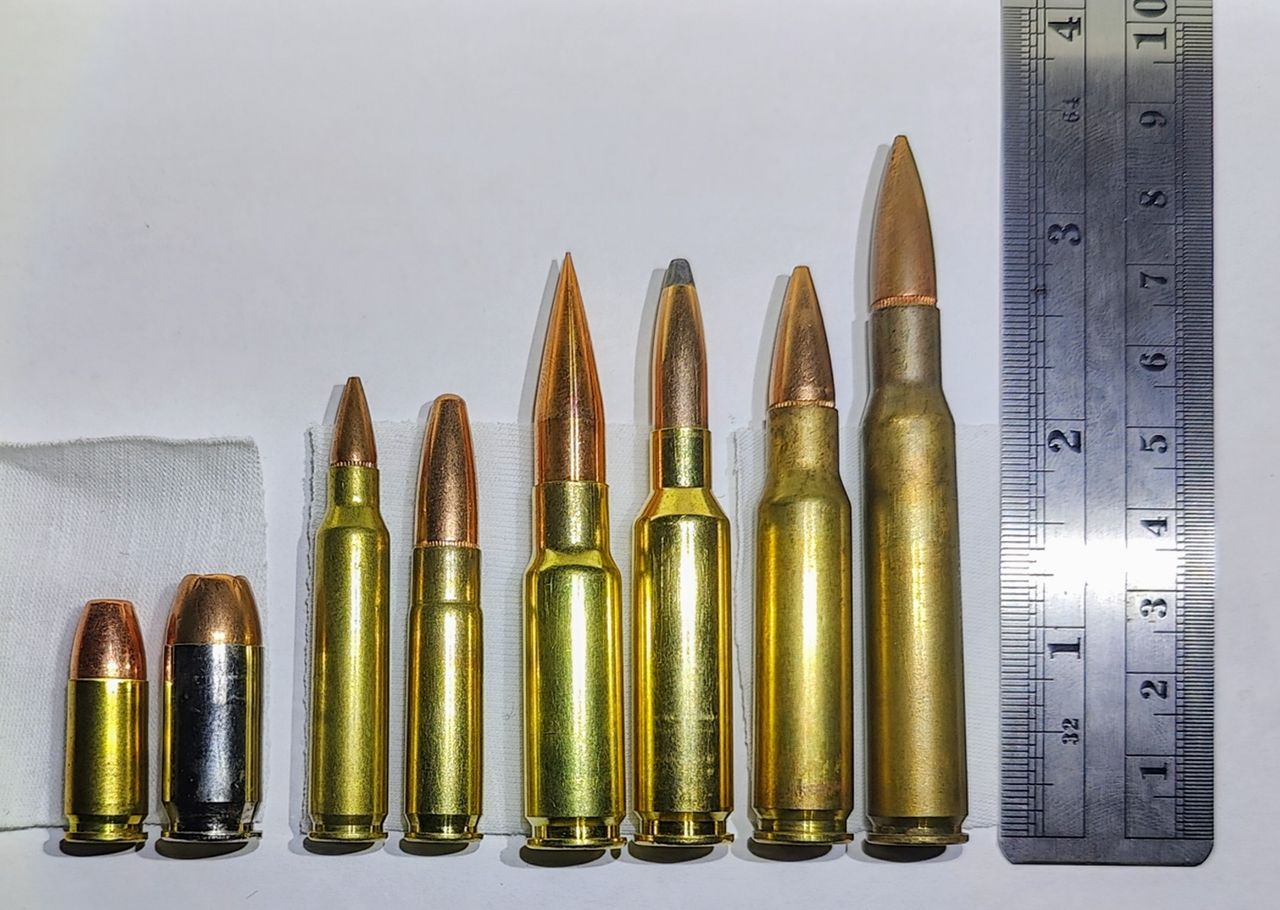
This is the most modern success story in the group. J.D. Jones developed the .300 Whisper as a wildcat by adapting small rifle cases to fire .30 caliber bullets, with a special emphasis on both subsonic and supersonic performance, especially in suppressed firearms.
The concept was brilliant because it offered flexibility that shooters could actually use. With the right setup, one platform could handle quiet, heavy subsonic loads or faster supersonic loads, all while fitting the needs of modern sporting rifles.
Advanced Armament Corp. and Remington later standardized the idea as .300 AAC Blackout. What began as a niche wildcat quickly became one of the most recognizable cartridges of the AR era.