Sometimes the most interesting thing about a famous gun is the ammo it inherited. Plenty of iconic firearms were built around cartridges that had already proven themselves years, or even decades, earlier. This gallery looks at six standout examples where an older round found new life in a newer gun, often changing both of their reputations in the process.
Colt M1911 and the .45 ACP
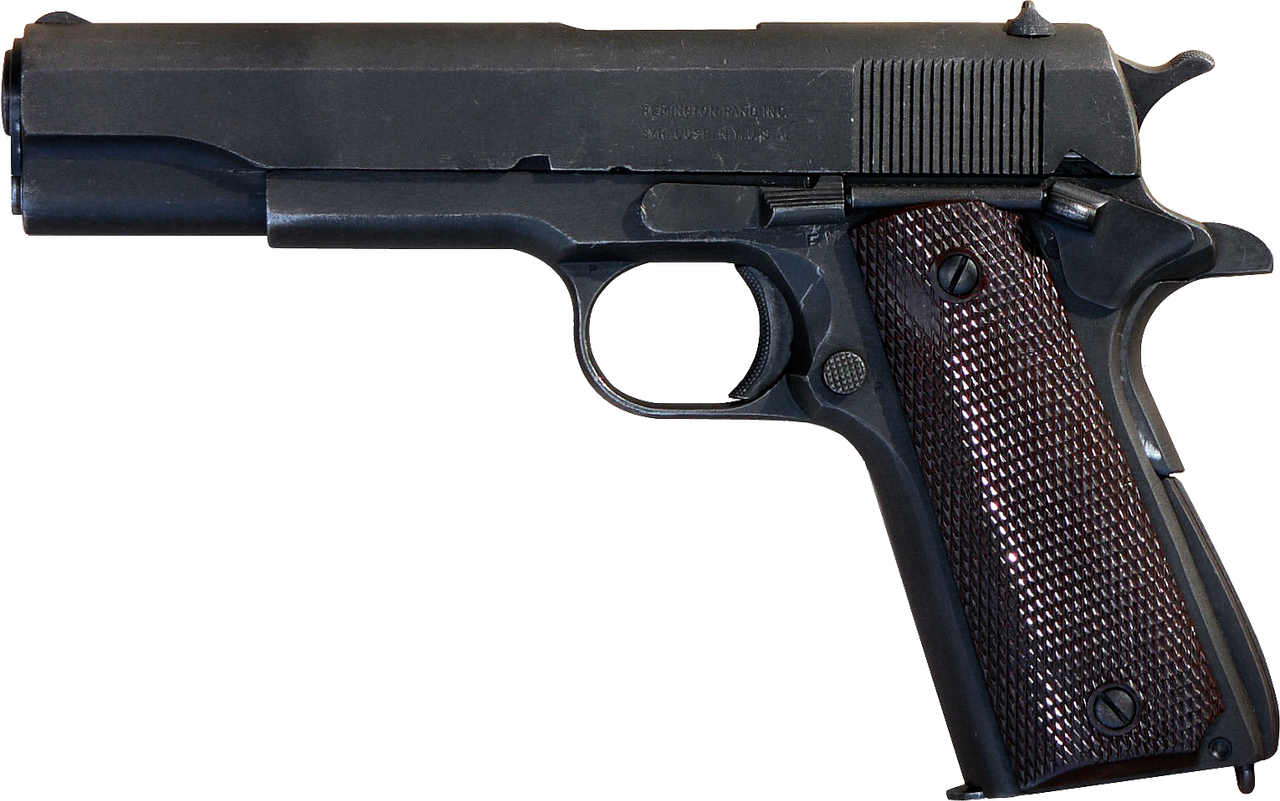
The Colt M1911 is so closely tied to .45 ACP that it is easy to imagine the pistol and cartridge arriving as a matched set. In reality, the cartridge was developed first during the U.S. military’s search for a more effective handgun round after disappointing combat experience with smaller calibers.
John Browning then designed the pistol around that already established requirement, and the result became one of the most influential handgun pairings ever made. The M1911 gave .45 ACP a legendary service platform, while the cartridge helped define the pistol’s hard-hitting image for generations of soldiers, competitors, and collectors.
Luger P08 and the 9×19mm Parabellum
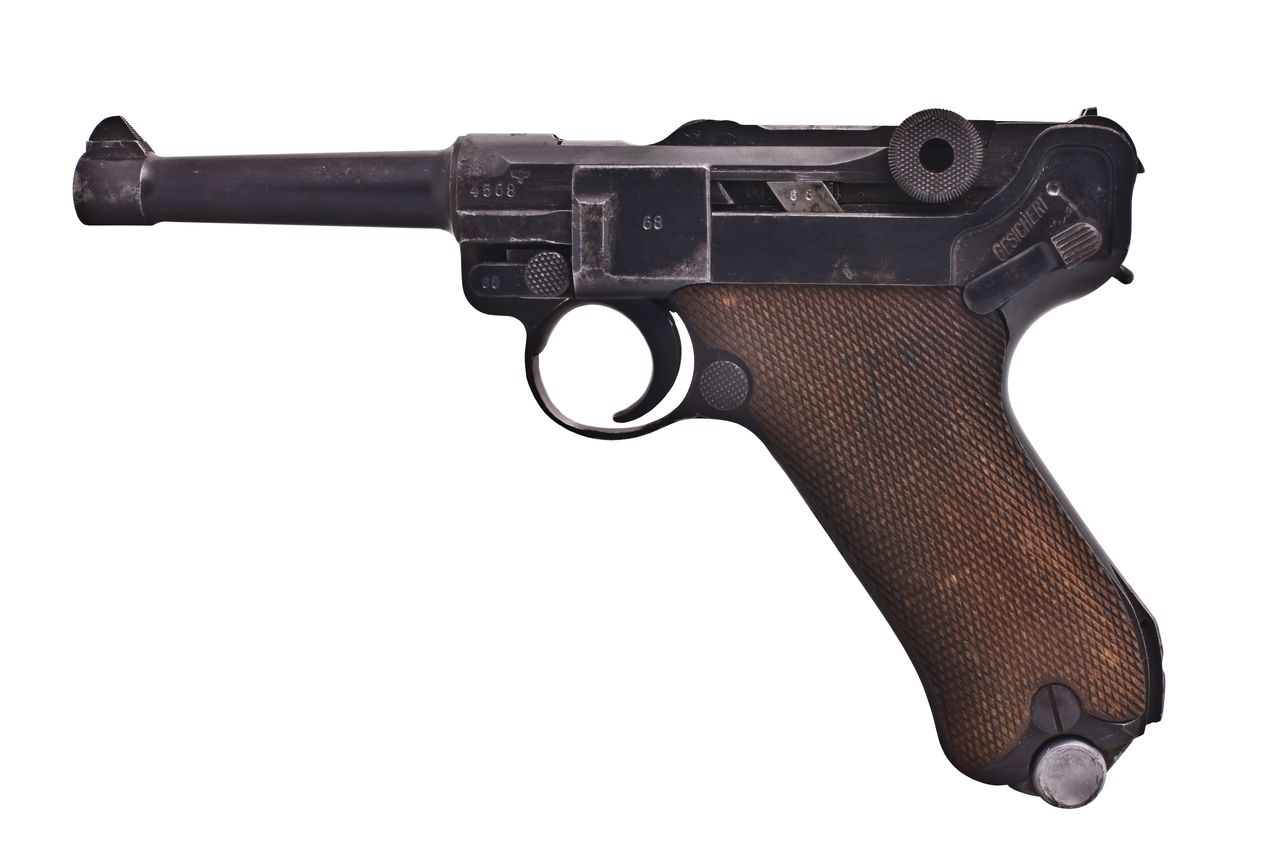
The 9×19mm Parabellum cartridge predates the widespread fame of the Luger P08, even though many people think of the two as inseparable. Georg Luger developed the round from earlier Borchardt designs, refining it into what would become the world’s most successful pistol cartridge.
The P08 then turned that cartridge into an international symbol of military sidearms. Its distinctive grip angle and toggle-lock action gave 9mm a glamorous and sometimes intimidating public image. Long after the Luger left front-line service, the cartridge it helped popularize kept spreading across armies, police forces, and civilian shooting ranges worldwide.
Winchester Model 1894 and the .30-30 Winchester
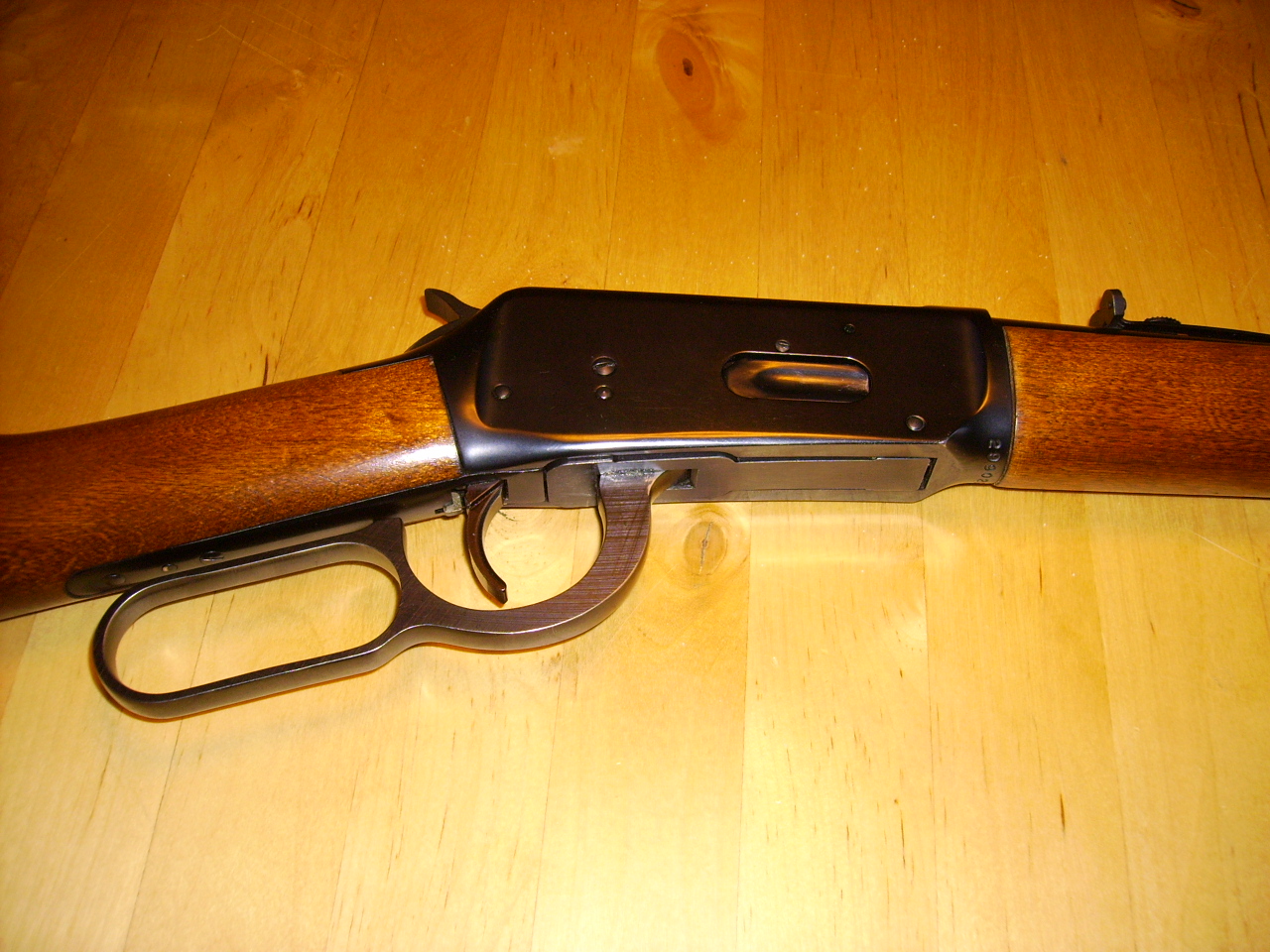
The Winchester Model 1894 existed before the .30-30 Winchester became the cartridge that defined it. When Winchester introduced the smokeless .30 W.C.F., later famous as the .30-30, the rifle was suddenly paired with one of the first successful small-bore smokeless sporting rounds in America.
That timing mattered enormously. The Model 1894 was already a strong, handy lever gun, but the newer cartridge made it feel modern in a rapidly changing era. Hunters embraced the combination for deer camps and ranch work, and the rifle-cartridge pairing became so iconic that many people remember the gun and round as if they were born together.
M1 Carbine and the .30 Carbine
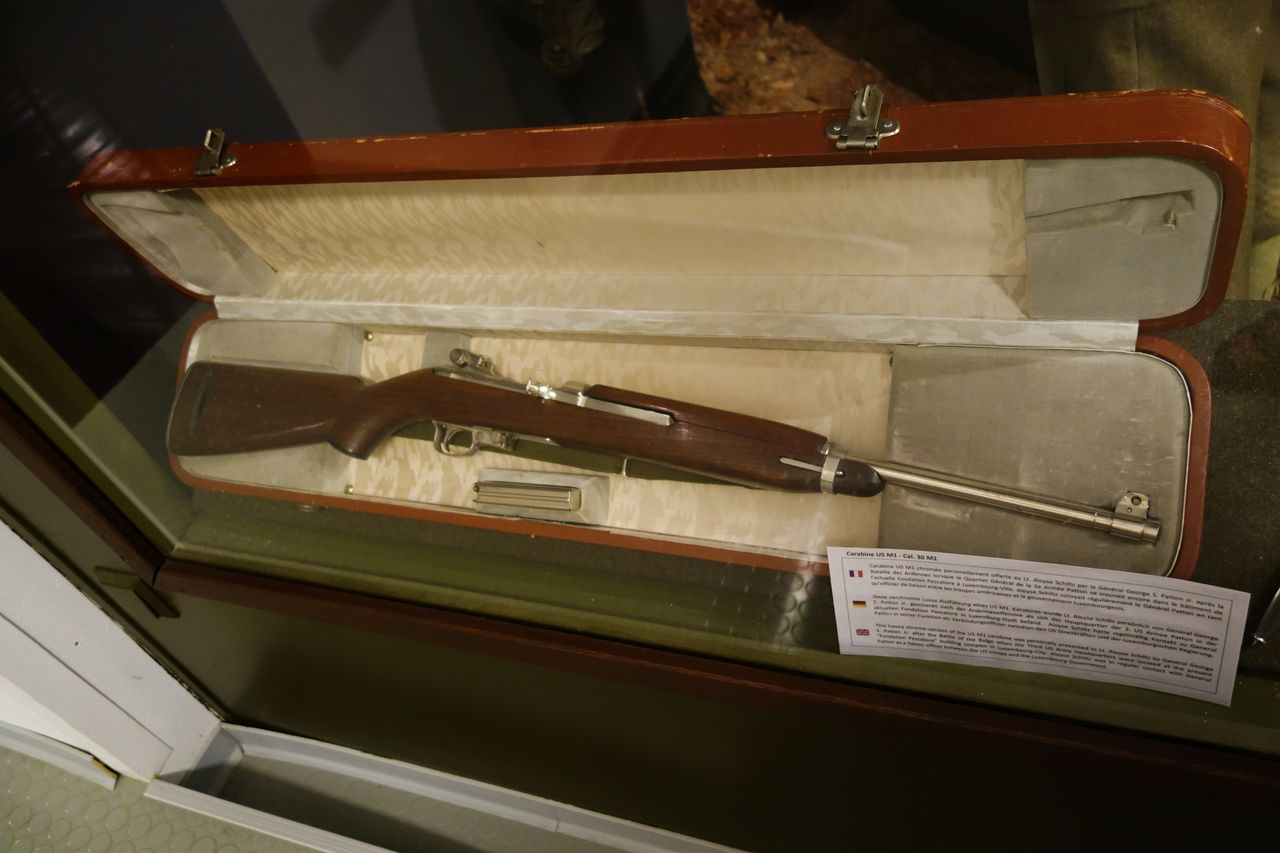
The .30 Carbine round was developed as part of the same wartime effort that produced the M1 Carbine, but the cartridge itself was finalized before the finished firearm that made it famous. That sequence is a reminder that military small arms often begin with a performance need rather than a completed gun.
Once adopted, the lightweight M1 Carbine gave the new round a perfect stage. It was compact, quick-handling, and far easier to carry than a full-size battle rifle. The cartridge’s modest recoil and practical range suited the weapon well, helping the pair earn a lasting place in World War II history and postwar collecting culture.
AK-47 and the 7.62×39mm
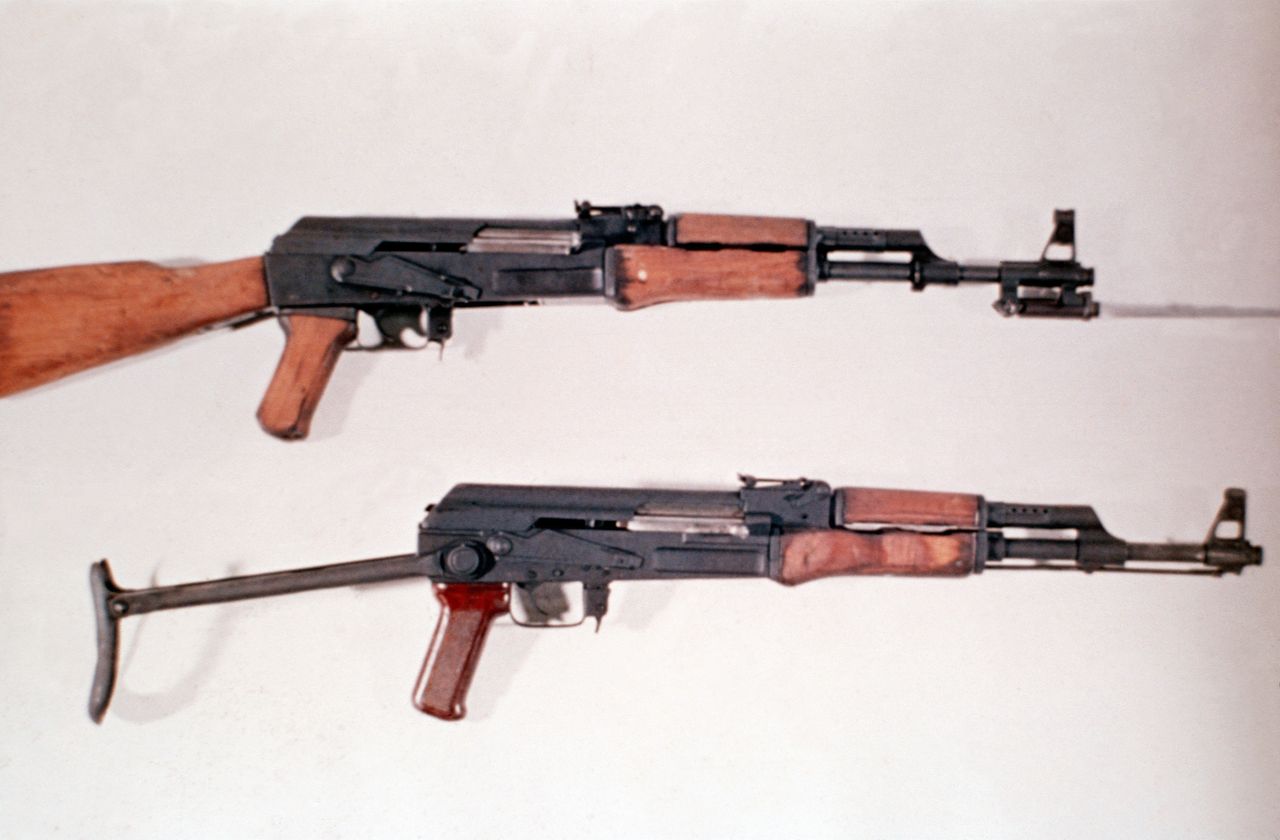
The 7.62×39mm cartridge was developed by the Soviet Union during World War II before the AK-47 became the rifle that would make the round globally famous. Early designers were searching for an intermediate cartridge that offered more practical battlefield performance than full-power rifle rounds in typical combat distances.
Mikhail Kalashnikov’s rifle arrived afterward and gave that ammunition its defining platform. The AK-47’s rugged simplicity, controllable recoil, and mass production turned 7.62×39mm into one of the best-known cartridges on earth. In many parts of the world, the round’s identity is now almost impossible to separate from the rifle that popularized it.
AR-15 and the .223 Remington
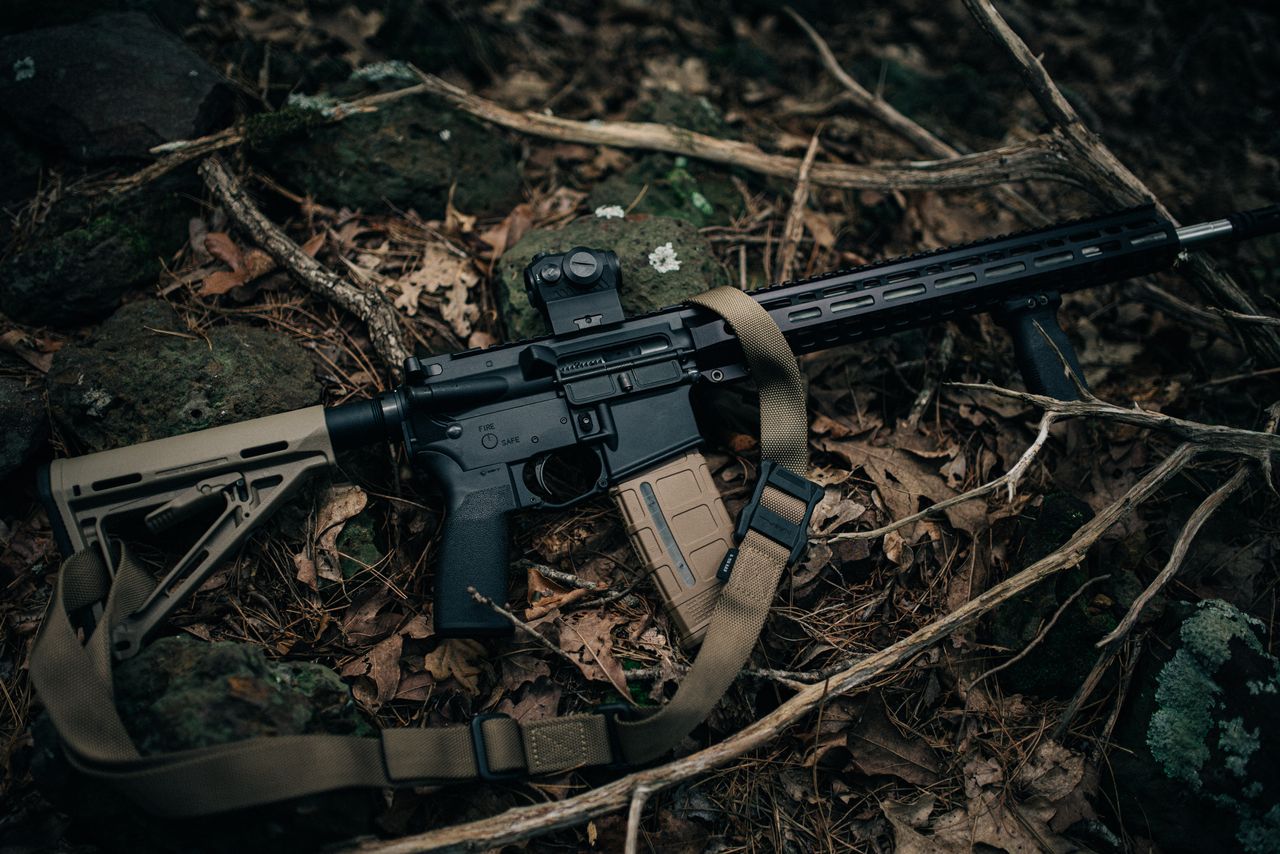
The .223 Remington emerged from military and commercial development work before the AR-15 became the civilian and cultural force we know today. The cartridge was shaped by high-velocity small-caliber thinking, and it was already gaining definition before the rifle’s broader reputation fully took hold.
Then the AR-15 changed everything. Its modular design, light recoil, and easy adaptability gave the .223 a platform that could move from varmint fields to target ranges to mainstream American gun culture. Over time, the rifle and cartridge became deeply linked, but it was the earlier ammunition concept that set the performance envelope the firearm would famously fulfill.