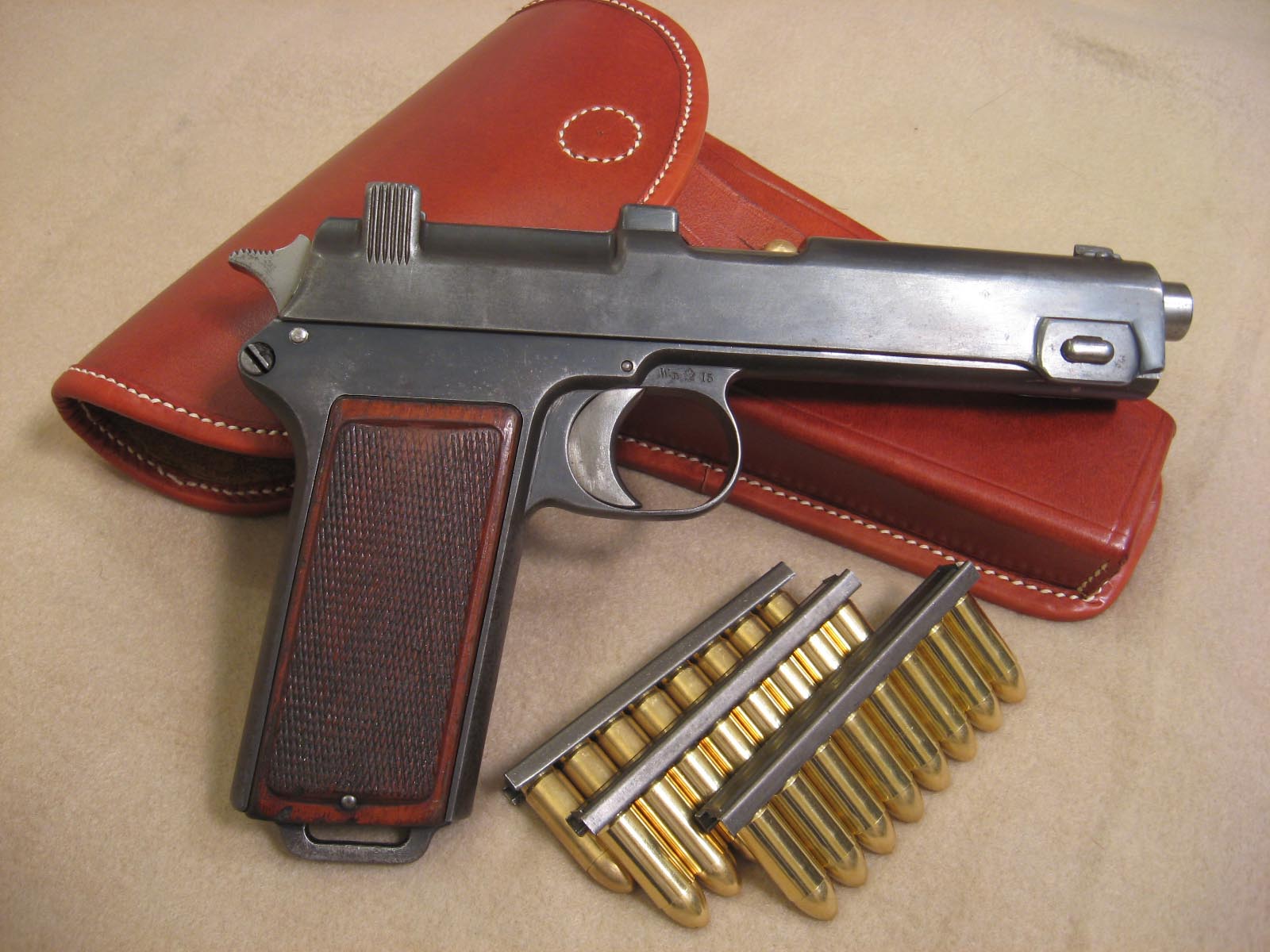
The Steyr-Hahn M1912 was one of the most unusual military pistols of the First World War era. Adopted by Austria-Hungary in 1912, it combined a powerful 9mm cartridge, a rotating-barrel locking system, and an 8-round fixed magazine that was replenished from above with a rifle-style charger clip. That loading arrangement made the pistol look surprisingly old-fashioned even when its self-loading action was technologically advanced. Its sturdy construction and distinctive mechanism helped it survive decades of military use.
1. It Was Adopted in 1912, but Its Design Was Already Underway
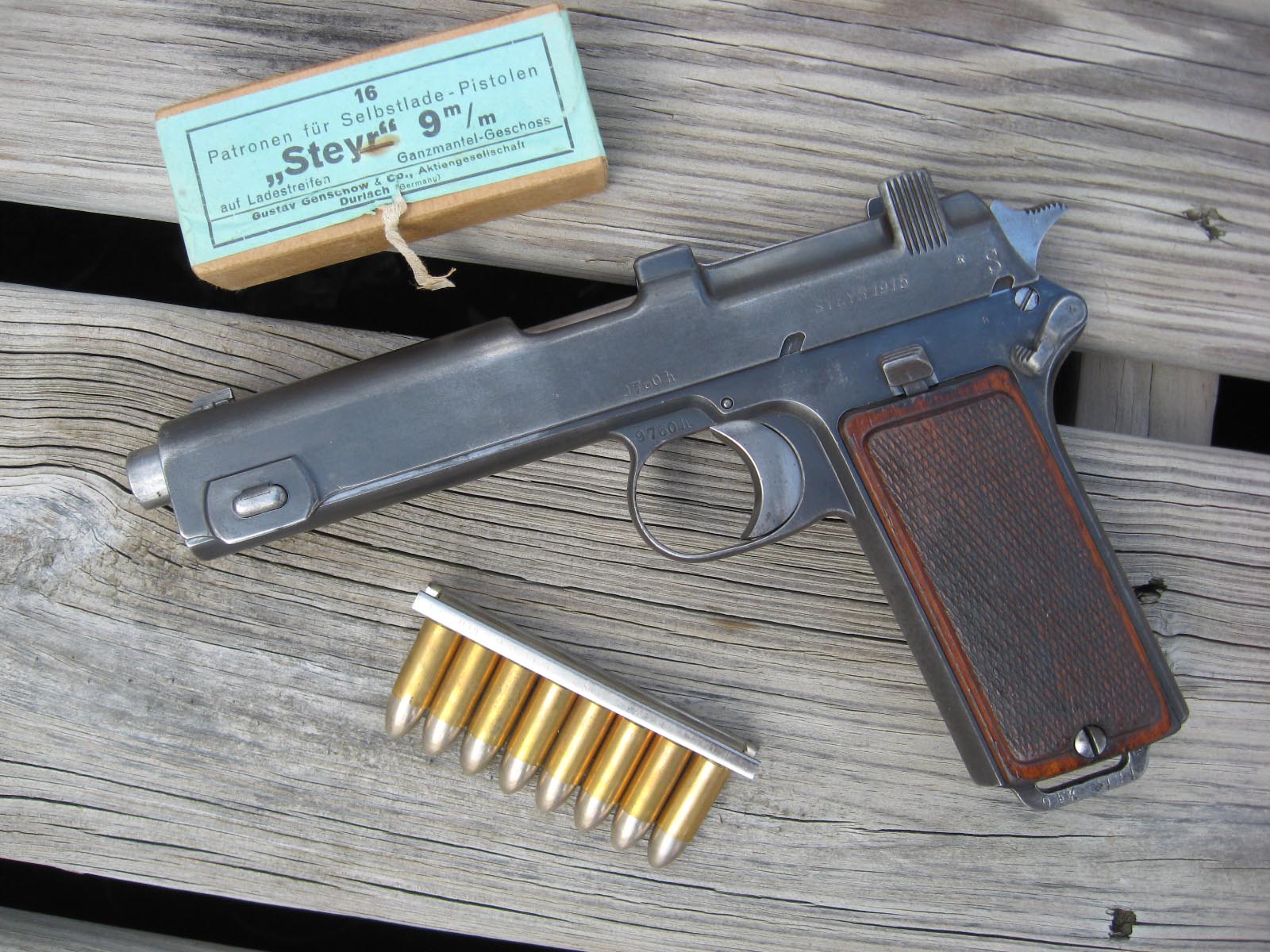
The Steyr-Hahn grew out of Austrian experimentation with self-loading military pistols in the years immediately before World War I. Designer Karel Krnka developed the basic design around 1911, and the Austrian military adopted it as the M1912. The pistol was manufactured by Österreichische Waffenfabriks-Gesellschaft at Steyr and later saw production in Hungary as well. Its official military designation separated it from the commercial terminology used during development. By the time World War I began in 1914, the design was already established as an important Austrian service handgun.
2. Its Magazine Worked More Like a Rifle Than a Pistol
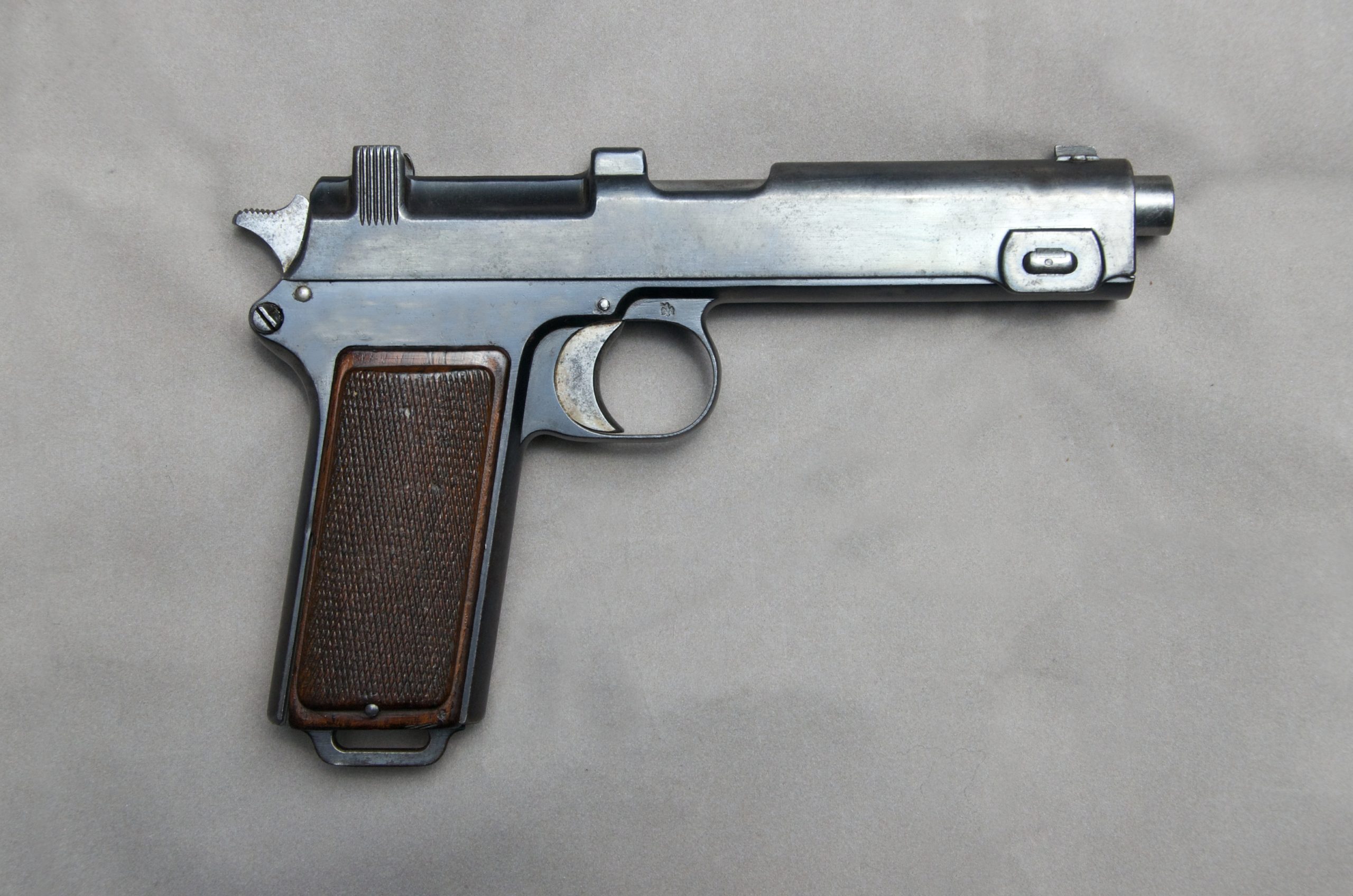
The feature that makes the M1912 instantly memorable is its 8-round fixed magazine. Instead of removing an empty magazine and inserting a loaded replacement, soldiers replenished the internal magazine from the top of the open action. An eight-round charger clip held the cartridges together, allowing the entire magazine to be replenished at once. This was a familiar military concept because riflemen were already accustomed to charger-based loading. The arrangement also meant the soldier could not simply carry a collection of detachable magazines, making the pistol noticeably different from later service handguns.
3. The “Hahn” Name Came From Its External Hammer
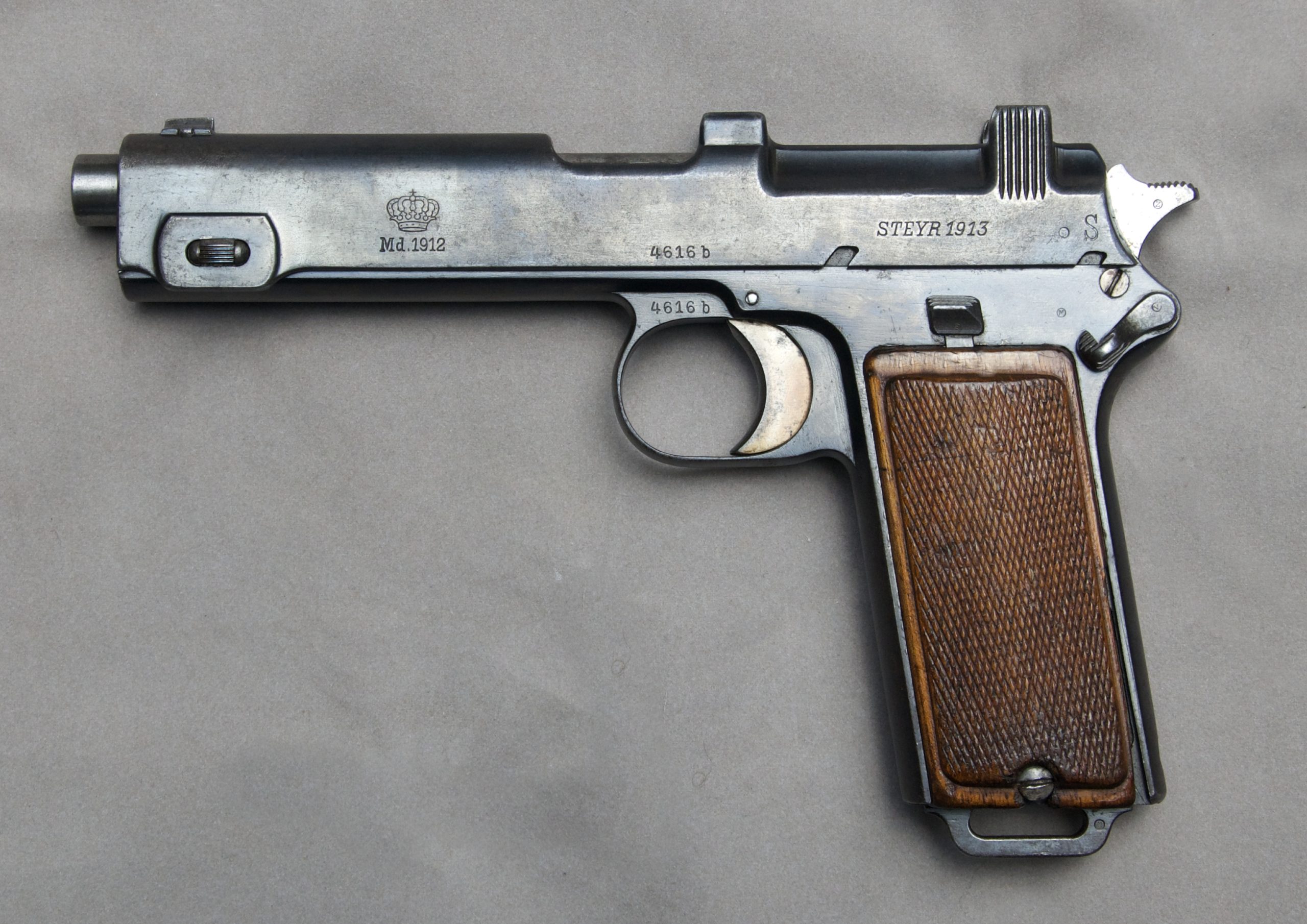
The word Hahn means “hammer” in German, and it was used to distinguish this pistol from the earlier Roth-Steyr design. Rather than using a concealed striker, the M1912 employed a prominent external hammer at the rear. That gave the pistol a visual character closer to traditional hammer-fired firearms while retaining a modern self-loading action. The design also incorporated a manual safety and a disconnector system, reflecting the military emphasis on preventing firing unless the mechanism was properly closed. For soldiers accustomed to revolvers and early automatics, the hammer provided a familiar feature on an otherwise unconventional pistol.
4. The Barrel Locked by Rotating Instead of Tilting
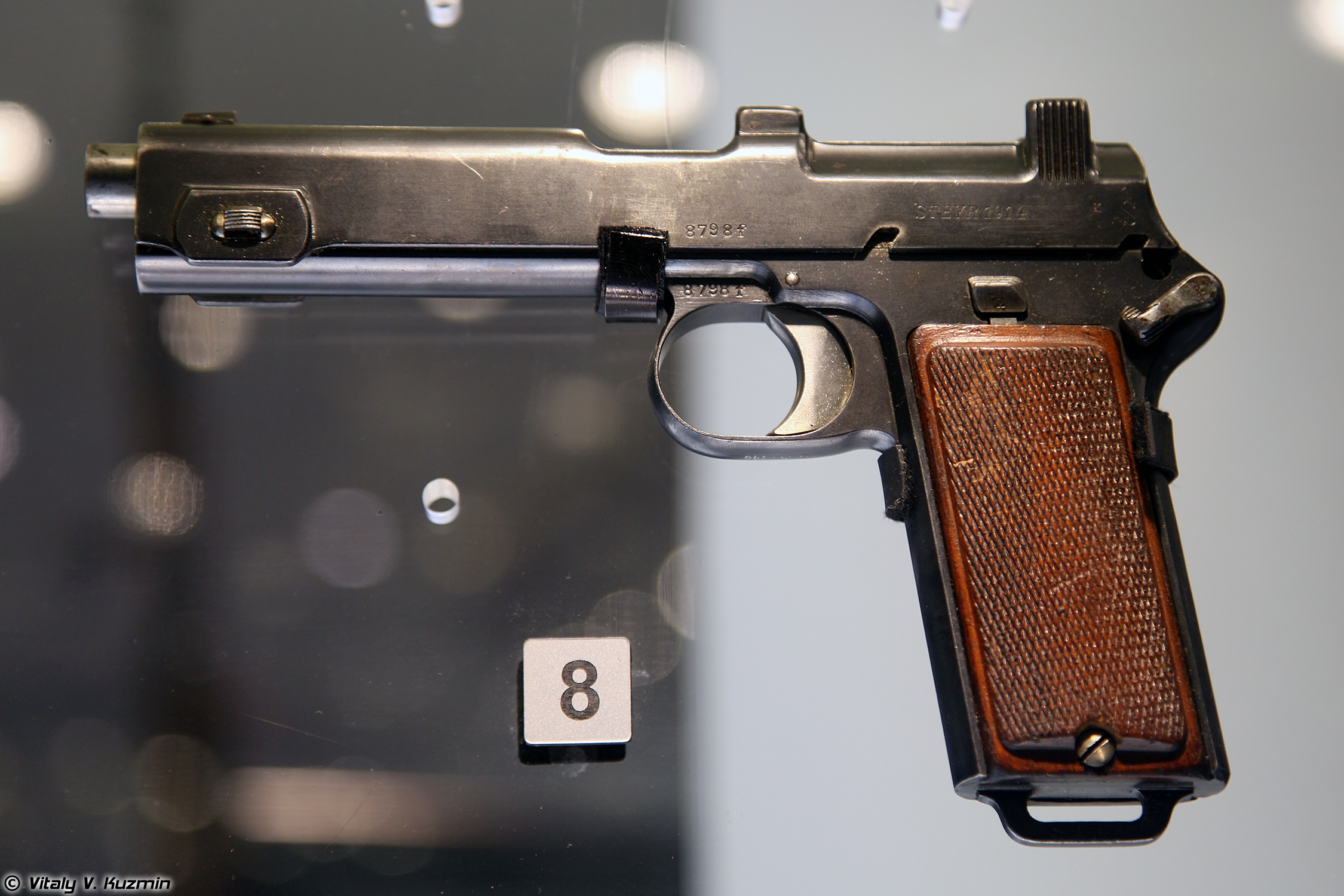
One of the M1912’s most technically interesting features was its rotating-barrel locking system. During the recoil cycle, the barrel and slide initially moved together before the barrel rotated approximately 20 degrees to disengage its locking surfaces. The slide could then continue rearward to extract and eject the spent case before returning forward to chamber another cartridge. This was a sophisticated solution for its era and differed from the tilting-barrel arrangements that later became widespread. The rotating system also linked the M1912 to earlier Austrian experimentation, particularly the Roth-Steyr M1907.
5. Its 9mm Steyr Cartridge Was Long and Powerful
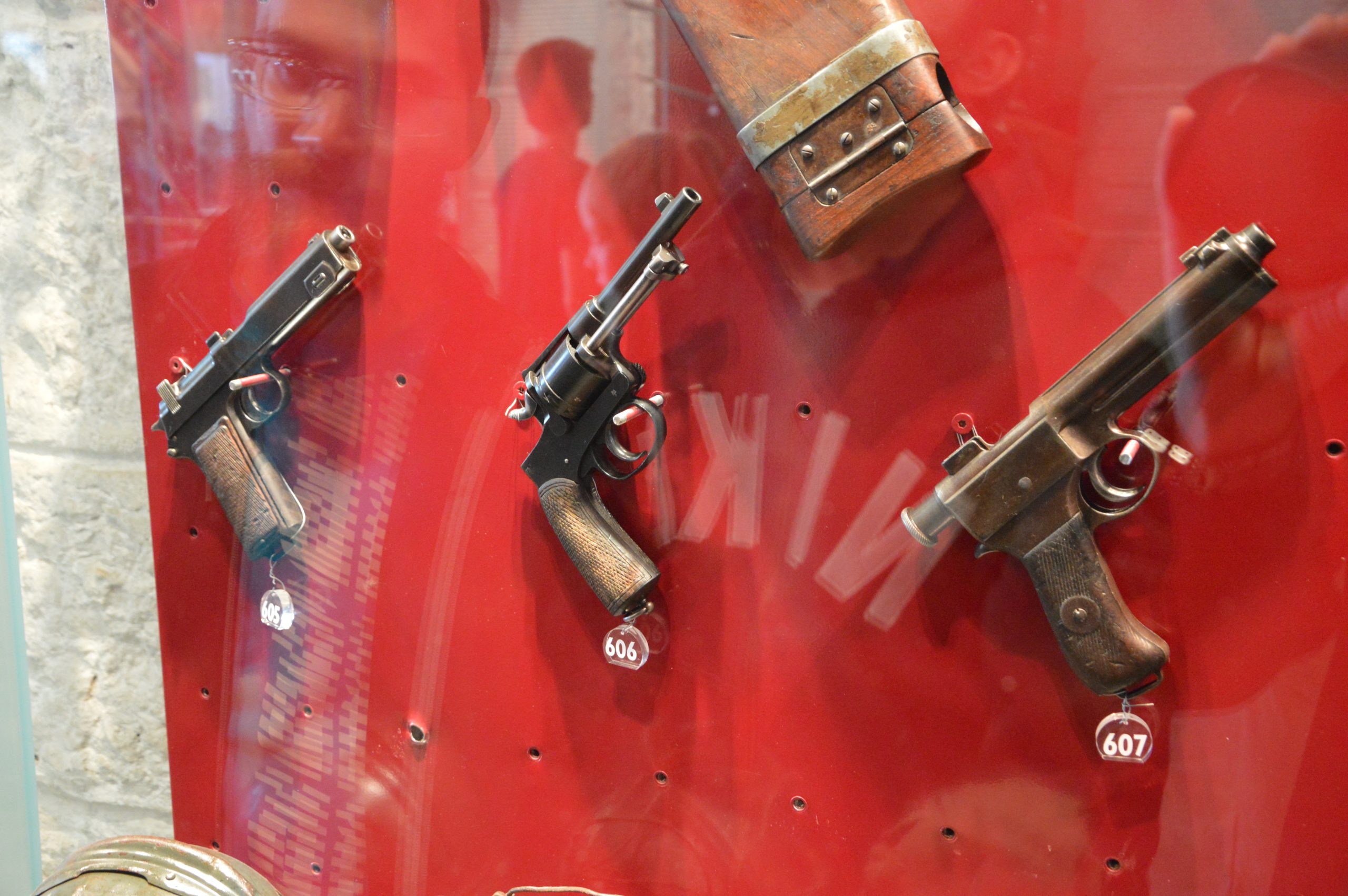
The original M1912 was chambered for 9×23mm Steyr, a cartridge longer than the 9×19mm Parabellum that eventually became dominant worldwide. Historical specifications commonly give the pistol a barrel around 128 mm and an overall length of approximately 216 mm. Reported muzzle velocity varies by ammunition and source, but figures around 375 m/s (1,230 ft/s) are frequently cited. The combination gave the Austrian pistol a substantial military cartridge for its period. Later examples were converted or manufactured for 9mm Parabellum, particularly after Austria came under German control in 1938.
6. Soldiers Got a Tough Pistol That Was Built for Service
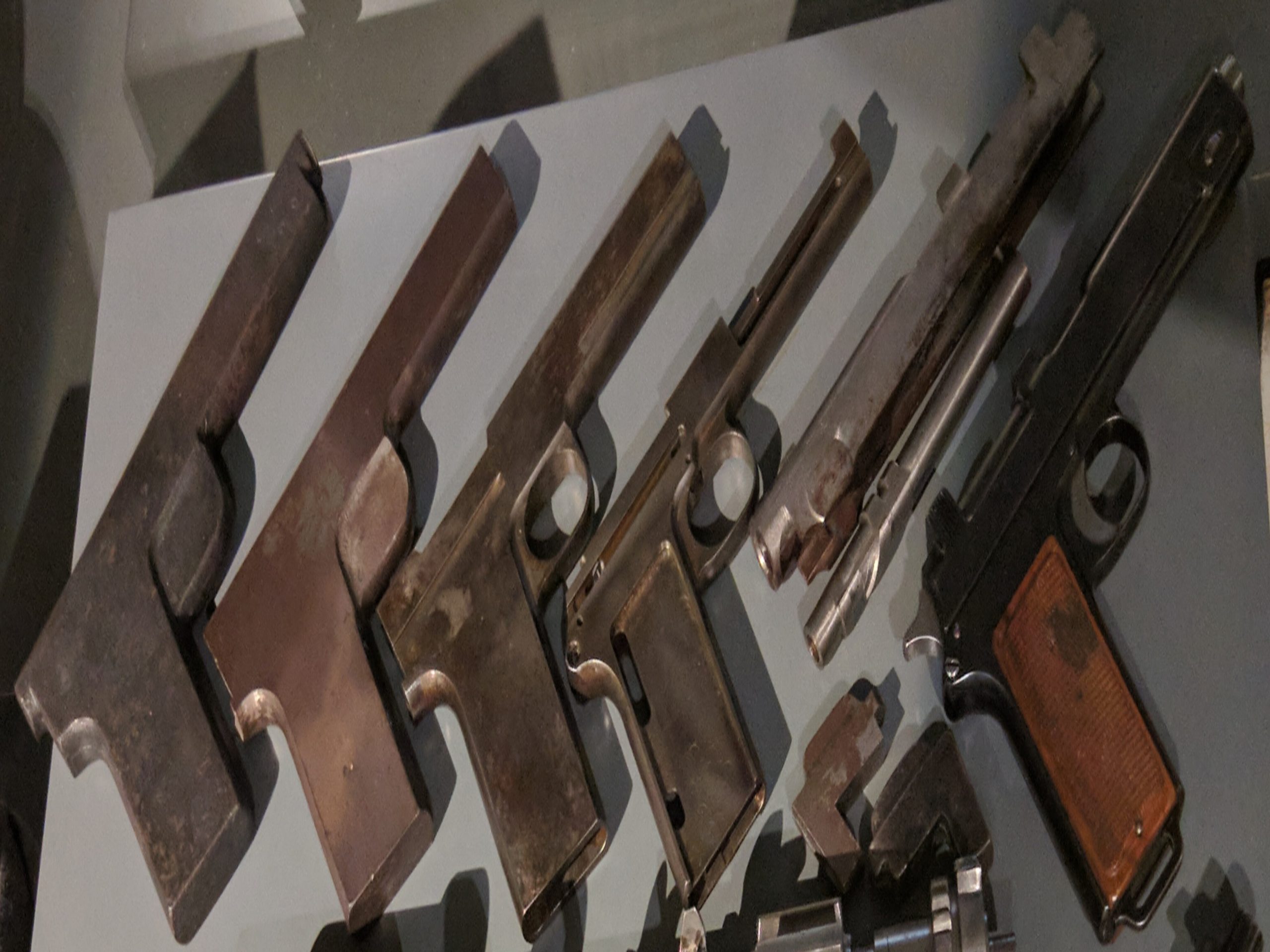
The M1912 was not a small, delicate sidearm designed primarily for civilian carry. It was a full-size military pistol weighing roughly 1 kilogram when empty, with a substantial steel construction and a grip large enough to accommodate its fixed magazine. Its designers clearly prioritized durability and straightforward field maintenance. Contemporary and later accounts frequently emphasize its robustness in difficult military conditions. The pistol’s field-stripping arrangement was also designed with practical servicing in mind. Those qualities mattered during World War I, when weapons could encounter mud, dust, cold, and prolonged use far removed from controlled workshop conditions.
7. The Design Was Adapted Into a 16-Round Automatic Variant
The basic eight-round pistol was not the end of the M1912 story. A specialized version, the M1912/P16, expanded the fixed magazine to 16 rounds and incorporated a selector for automatic fire. An additional stock could also turn the pistol into a more substantial shoulder-fired weapon. These modifications were aimed at increasing firepower, although they transformed an already unusual service pistol into something far more specialized. The P16 demonstrated how adaptable the basic mechanism could be, but it remained much less common than the standard eight-round M1912.
8. Its Military Life Continued Long After World War I
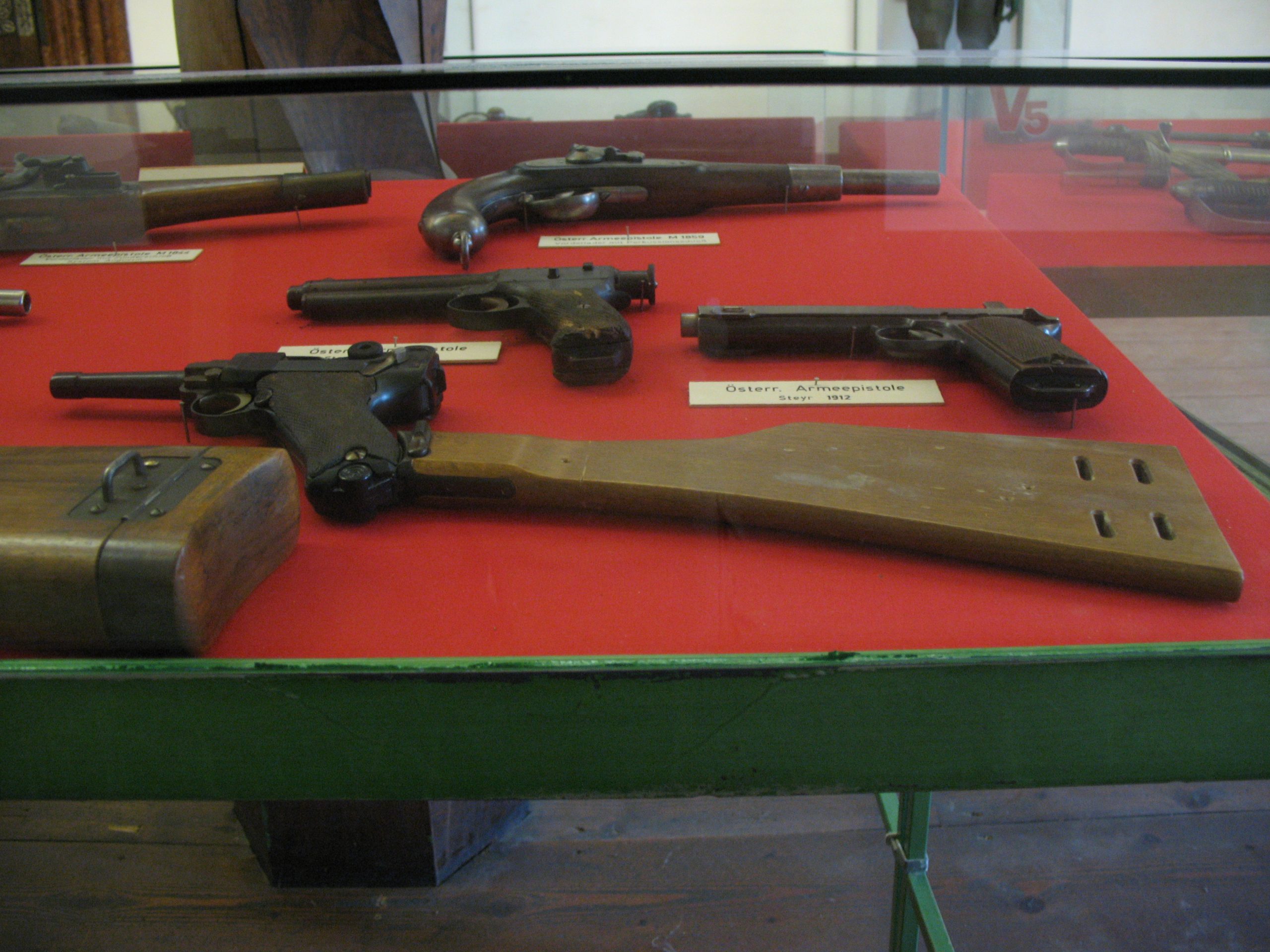
The Steyr-Hahn did not disappear when the Austro-Hungarian Empire collapsed. Production and military use extended across several decades, and surviving pistols appeared in the arsenals of multiple countries. After Germany annexed Austria in 1938, approximately 60,000 stored Austrian pistols were reportedly converted to 9mm Parabellum for continued service. Sources place total production at roughly 250,000 or more, depending on how variants and production periods are counted. Its long service life is remarkable because the fixed magazine and charger loading were already becoming outdated as detachable-magazine pistols gained worldwide acceptance.