Shotguns have a reputation for forgiving aim, but real buckshot patterns at room-length distances tell a very different story. Inside a house, the spread is often much tighter, the consequences of misses are just as serious, and small equipment choices can change results more than many people expect. This gallery walks through the pattern facts that consistently surprise even experienced shooters.
The spread is usually much smaller than people imagine

A lot of shooters grow up hearing that a shotgun sends pellets everywhere, almost like a cloud that fills the room. At typical home distances, that is usually fiction. In many setups, the pattern can stay surprisingly tight across a hallway or bedroom.
That means the shotgun still demands deliberate aiming. You are not pointing in a general direction and letting the spread do the work. If your sights are off, your mount is sloppy, or your target focus breaks down under stress, those pellets can miss together in a compact group.
Every shotgun can pattern differently with the same load

Even experienced shooters are often surprised by how much two shotguns can disagree. Barrel length, bore dimensions, choke geometry, sights, and even manufacturing tolerances can all influence where pellets land and how wide the pattern opens.
The result is that one buckshot load may look excellent in one gun and mediocre in another that appears almost identical. That is why serious shotgun owners pattern their own firearm instead of relying on hearsay. The target tells the truth, and the truth can be different from gun to gun.
Different buckshot loads can behave dramatically differently

A shotgun that shoots one load into a clean, tight cluster may throw another into a messy, uneven pattern at the same distance. Pellet hardness, buffering, wad design, velocity, and overall shell construction all play a role in how the pattern holds together.
This is where modern defensive loads often surprise people who have not tested recent ammo designs. Some loads are engineered to stay impressively tight, while others spread sooner or throw fliers that drift away from the main group. Brand, pellet count, and shell type matter more than many assume.
A cylinder bore does not automatically mean a huge pattern
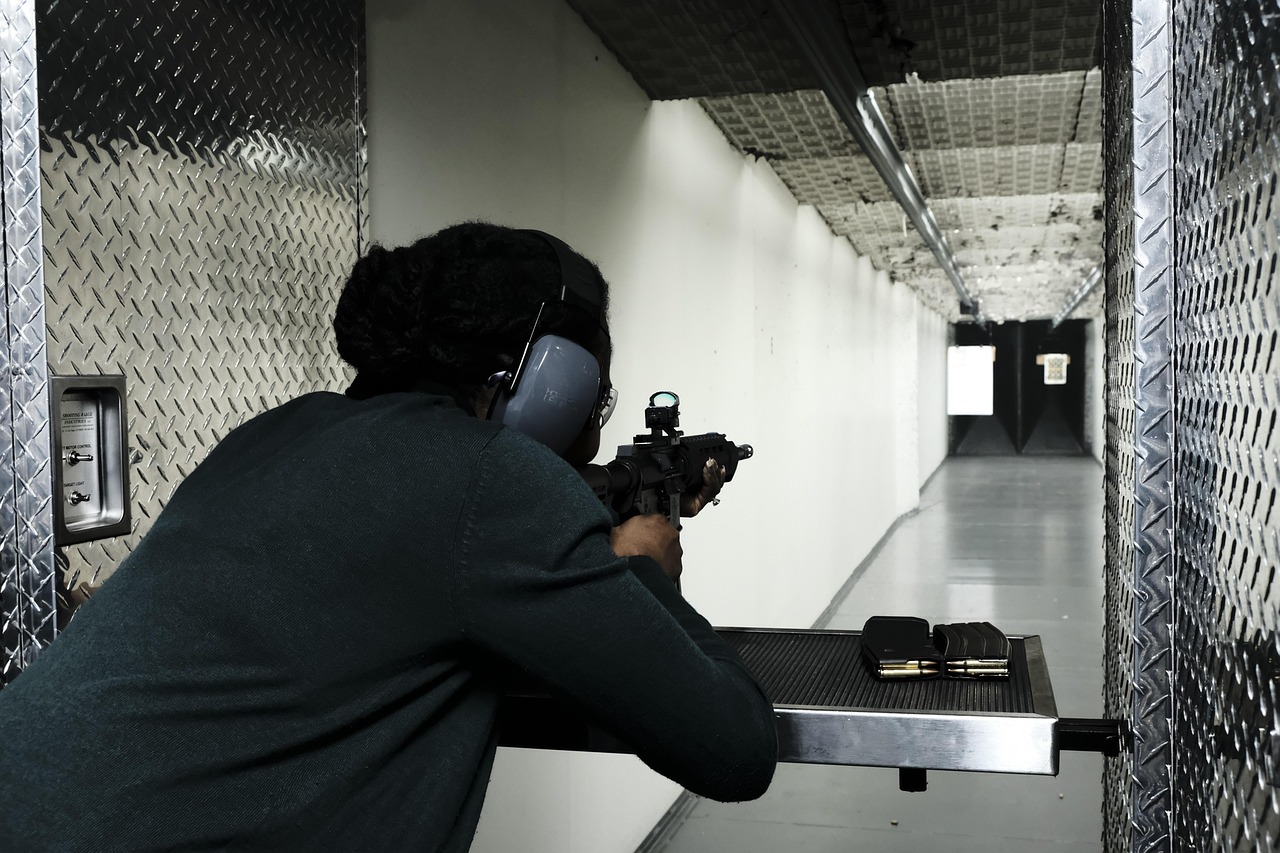
Many people hear “cylinder bore” and assume the pattern must be broad and forgiving indoors. In reality, an open choke at across-the-room distances may still print a compact group, especially with quality buckshot and a barrel that happens to like that load.
That can be eye-opening for shooters who expected a hand-sized miss to still land several pellets on target. The pattern may not open enough to rescue poor aim. Choke matters, but at close household distances, the difference is often less dramatic than myths suggest.
Fliers are often the real problem, not overall pattern size

When people think about patterning, they usually focus on the diameter of the main cluster. What often matters more is whether one or two pellets break away from that cluster. Those stray pellets can land well outside the area you intended to hit.
At home defense distances, a load with a tidy center but frequent fliers may be less desirable than one with a slightly larger but more consistent pattern. The surprise is that the target is not just grading tightness. It is also revealing accountability for every single pellet that leaves the muzzle.
The wad can stay with the shot longer than expected
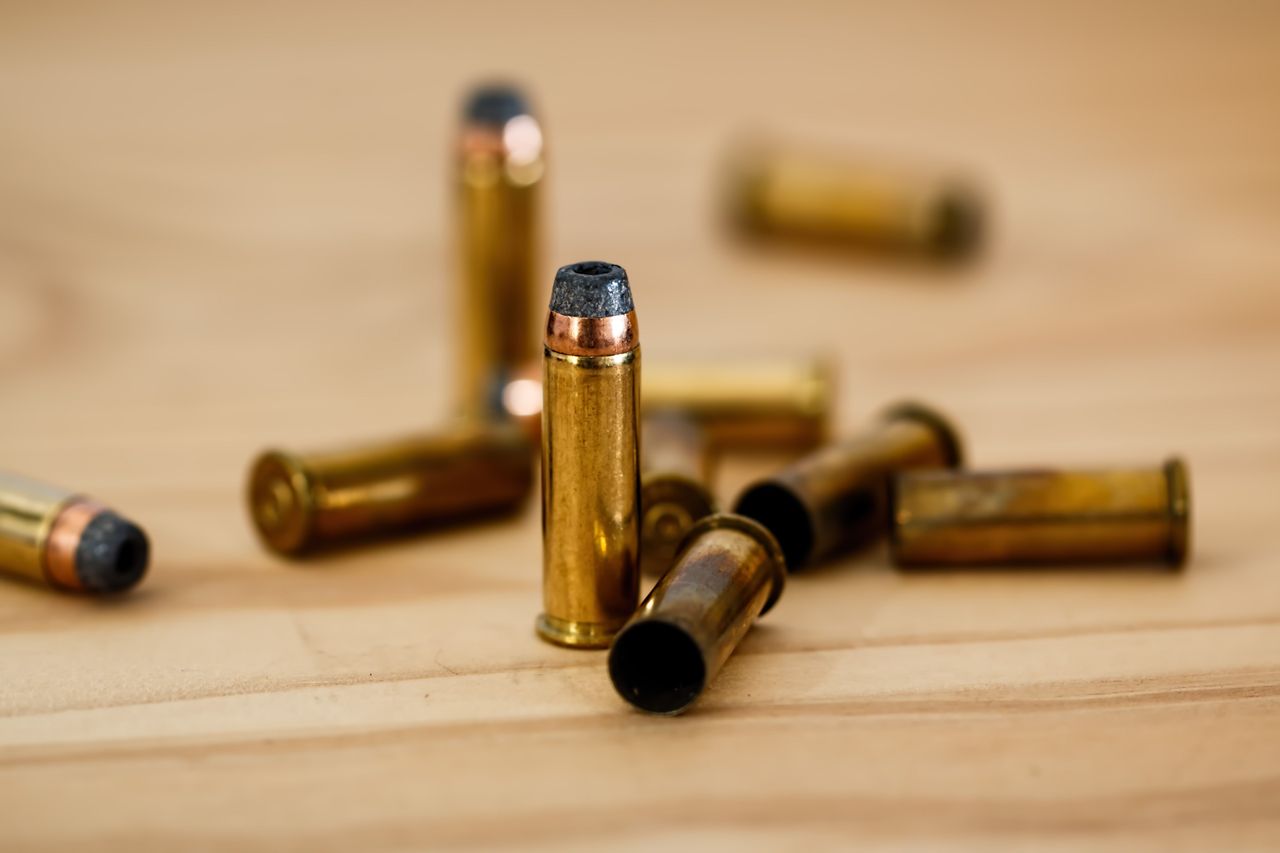
Some shooters are caught off guard when the wad is still influencing the shot column at very short range. Depending on the shell design, the wad may remain close to the pellets for a surprising distance before separation becomes obvious.
That can help explain why certain modern loads stay tight indoors. Specialized wad systems are built to control pellet deformation and hold the pattern together longer. The old mental picture of pellets instantly bursting apart after leaving the barrel is often outdated, especially with premium defensive ammunition.
Point of impact may not match point of aim

A shotgun can pattern tightly and still disappoint if that pattern lands high, low, or off to one side. That mismatch is especially important indoors, where the pattern may be small enough that a shift of just a few inches becomes a major problem.
This catches experienced shooters who assume a bead sight or familiar mount will naturally put pellets where they expect. Patterning is not only about spread. It is also a check on regulation, sight picture, and how the gun fits your body when fired quickly from realistic ready positions.
Recoil and speed can change practical accuracy

On paper, a load may produce an excellent pattern. In real handling, heavier recoil can slow follow-up shots, disrupt the shooter’s mount, and make it harder to deliver pellets precisely under pressure. That practical effect surprises people who focus only on target results from a calm range session.
At home defense distances, speed and control matter along with raw pattern quality. A softer-shooting load that patterns consistently can sometimes serve a shooter better than a harder-kicking shell that looks marginally tighter. The best defensive choice is not just what the paper likes, but what the shooter can run well.