The AR-7 has built a lasting reputation as a firearm meant to travel light and stay out of the way until it is needed. Originally tied to survival use by pilots and outdoorsmen, it remains a fascinating example of compact design with real field-minded intent. This gallery breaks down the features that made the AR-7 such a natural fit for backpacks, small aircraft, boats, and emergency kits.
Breakdown Design
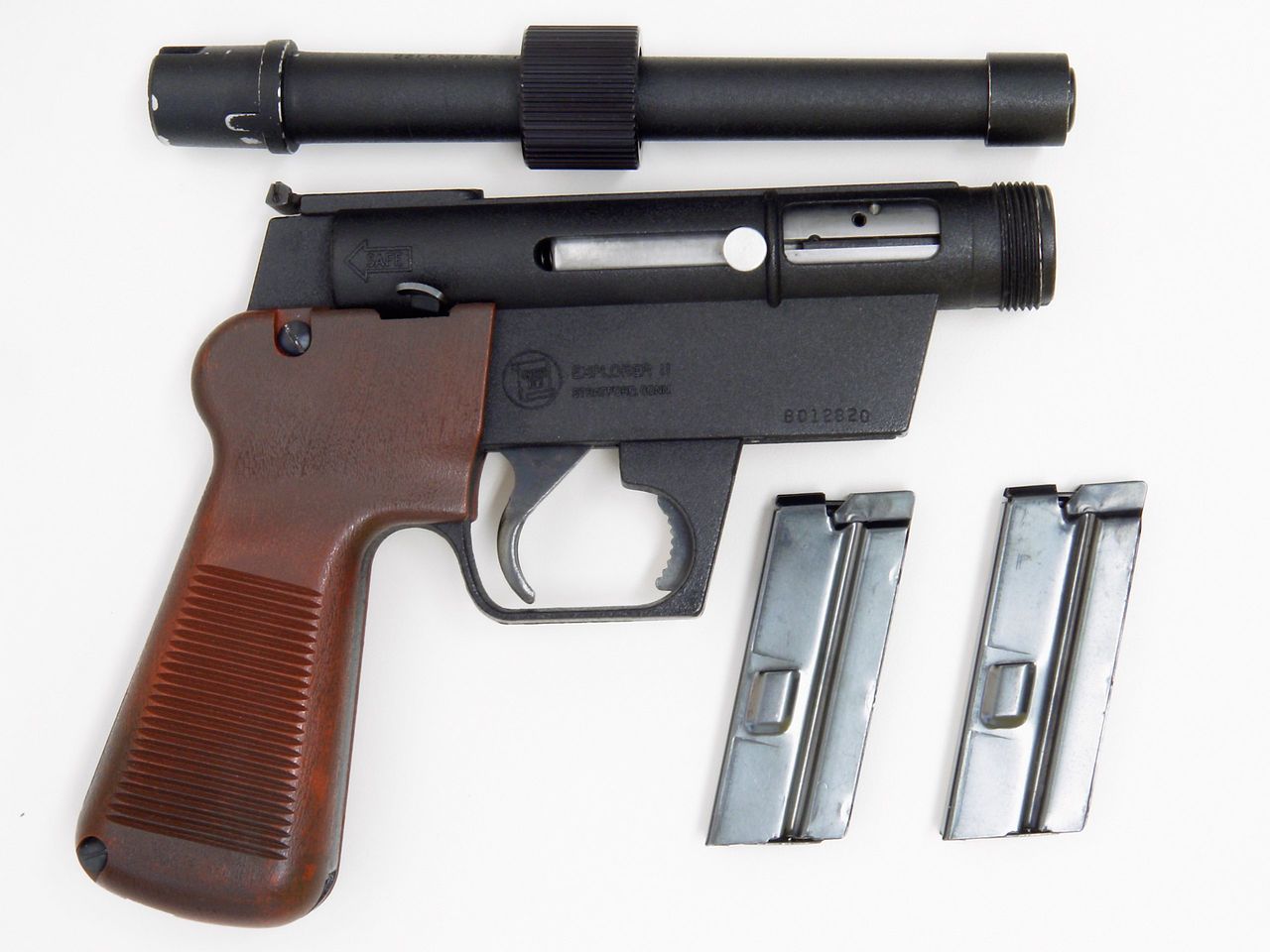
The AR-7’s biggest trick is also the one that defines its identity: it comes apart quickly into major components for easy transport. Barrel, receiver, and magazines separate from the stock without turning the rifle into a puzzle, which is exactly what a field gun needs when space is tight and time matters.
That simple takedown layout makes the rifle feel purpose-built for stowing in a pack, canoe bag, or vehicle compartment. Instead of demanding a full-length case, it shrinks into a far more manageable package, which is the whole point of a pack gun in the first place.
For survival use, that kind of portability is not a luxury. It is the feature that opens the door for everything else the rifle is meant to do.
Self-Contained Storage

One of the AR-7’s most clever survival features is that its parts store inside the stock itself. When packed away, the barrel, receiver, and magazines fit into the hollow buttstock, turning the whole rifle into a single compact unit with fewer loose pieces to track.
That matters in the real world, where gear gets moved, tossed, and forgotten in dim light or bad weather. A self-contained package is easier to keep together and easier to spot in a crowded kit bag.
It also gives the AR-7 a very tidy footprint. For anyone trying to maximize room in emergency gear, that built-in storage is a major reason the rifle earned its reputation.
Lightweight Construction
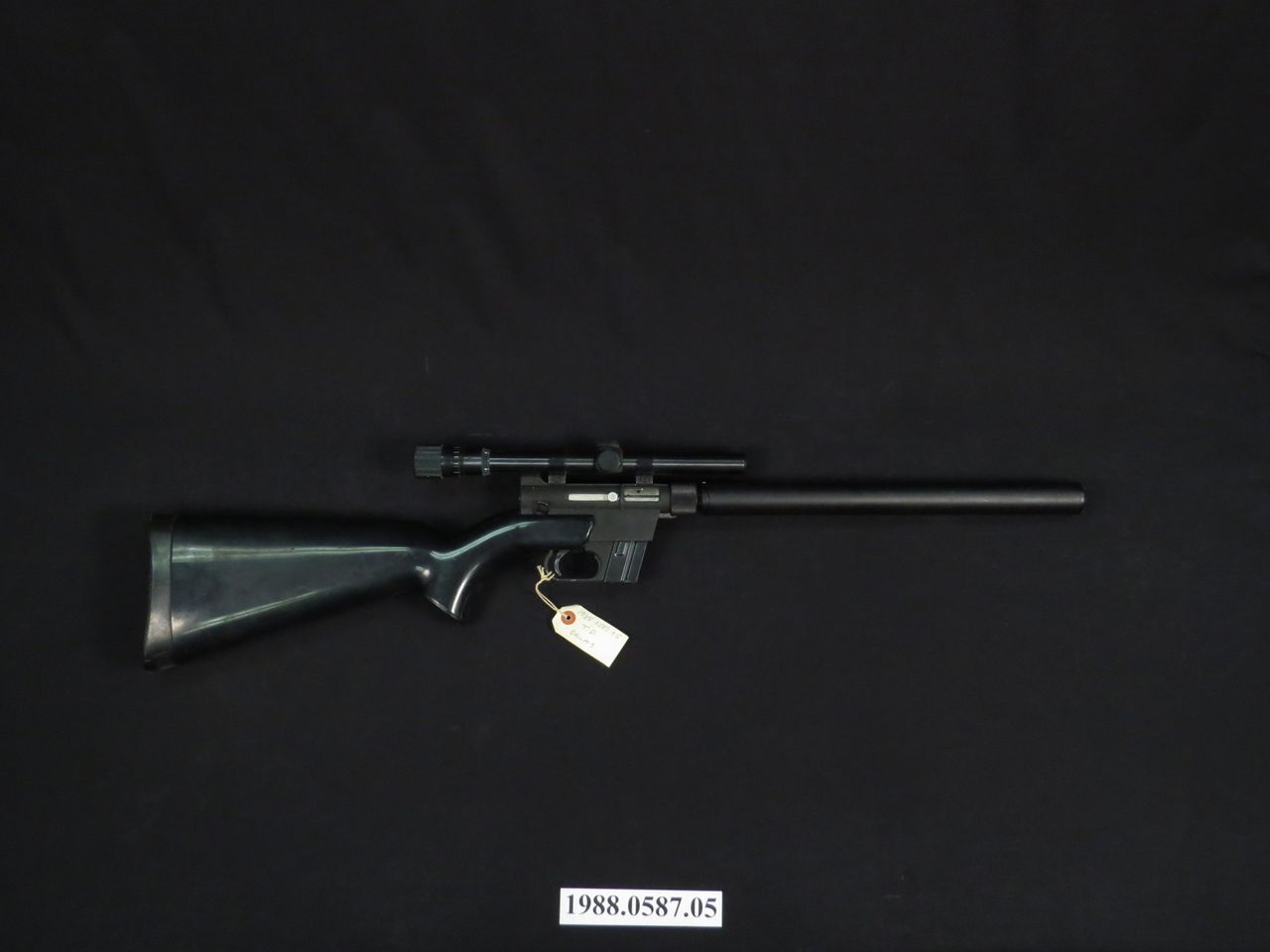
A survival gun has to justify every ounce, and the AR-7 has long stood out for being notably light. Its design keeps bulk to a minimum, making it easier to carry on foot, tuck into a small aircraft, or slip into a boat without feeling like one more heavy item competing for precious space.
That low weight also makes the rifle less intimidating for casual outdoors users who are not looking for a burdensome field arm. It is a tool meant to be there when needed, not something that dominates the loadout.
As a pack gun, that balance is essential. The lighter the rifle, the more likely it is to actually come along for the trip.
Floating Stock
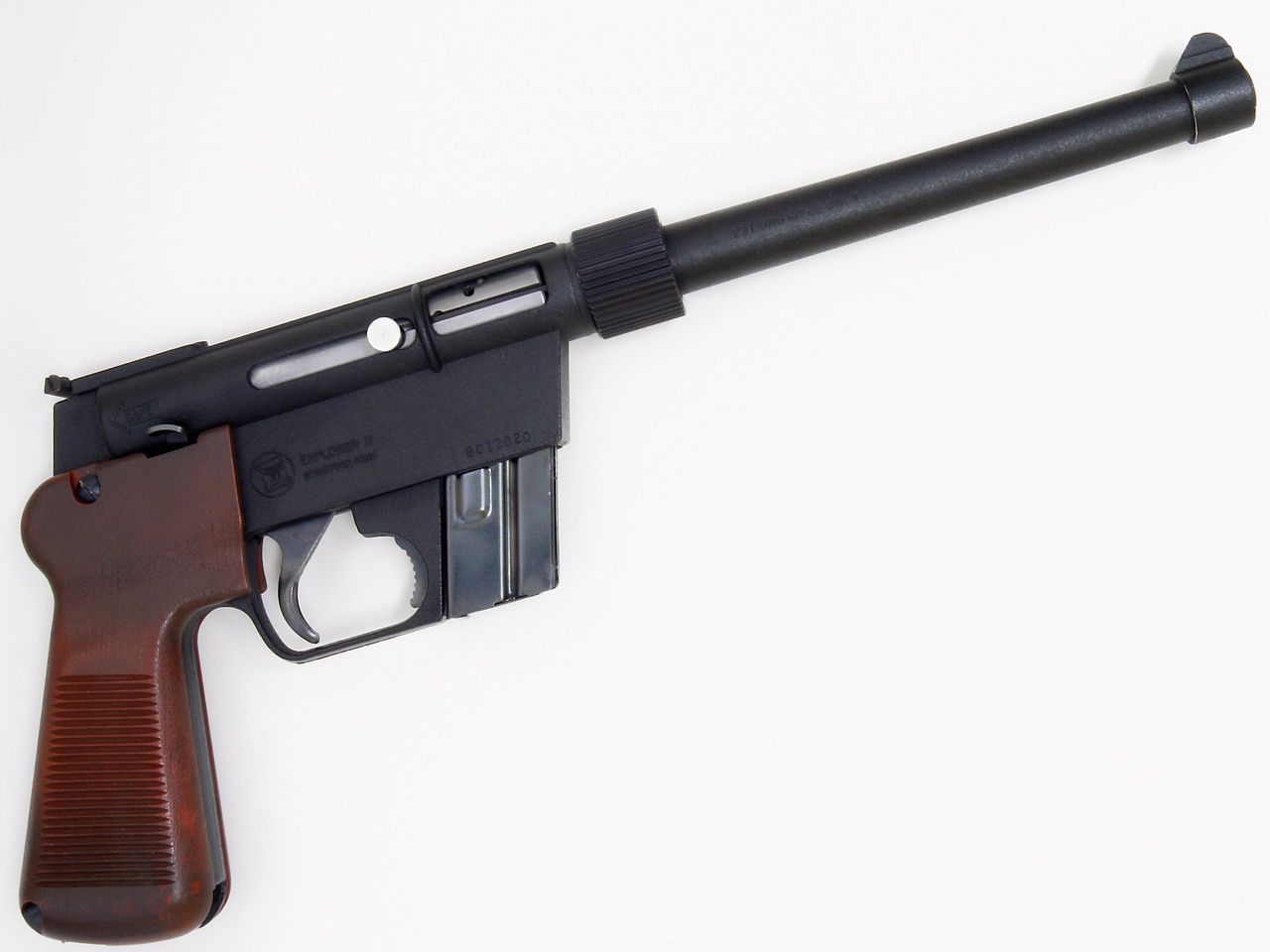
The AR-7 became especially distinctive because of its floating stock, a feature that reinforced its survival identity in a way few rifles could match. If gear went overboard or had to be used around water, the ability to stay afloat gave the rifle a real practical edge.
That trait was not just a novelty. For pilots, paddlers, and backcountry travelers crossing rivers or lakes, losing essential gear to the bottom is always a risk, and a floating firearm stands out as smart contingency thinking.
It also says something about the rifle’s original mission. The AR-7 was never just about shooting. It was about surviving harsh, unpredictable circumstances with equipment designed to forgive mistakes.
.22 Long Rifle Chambering
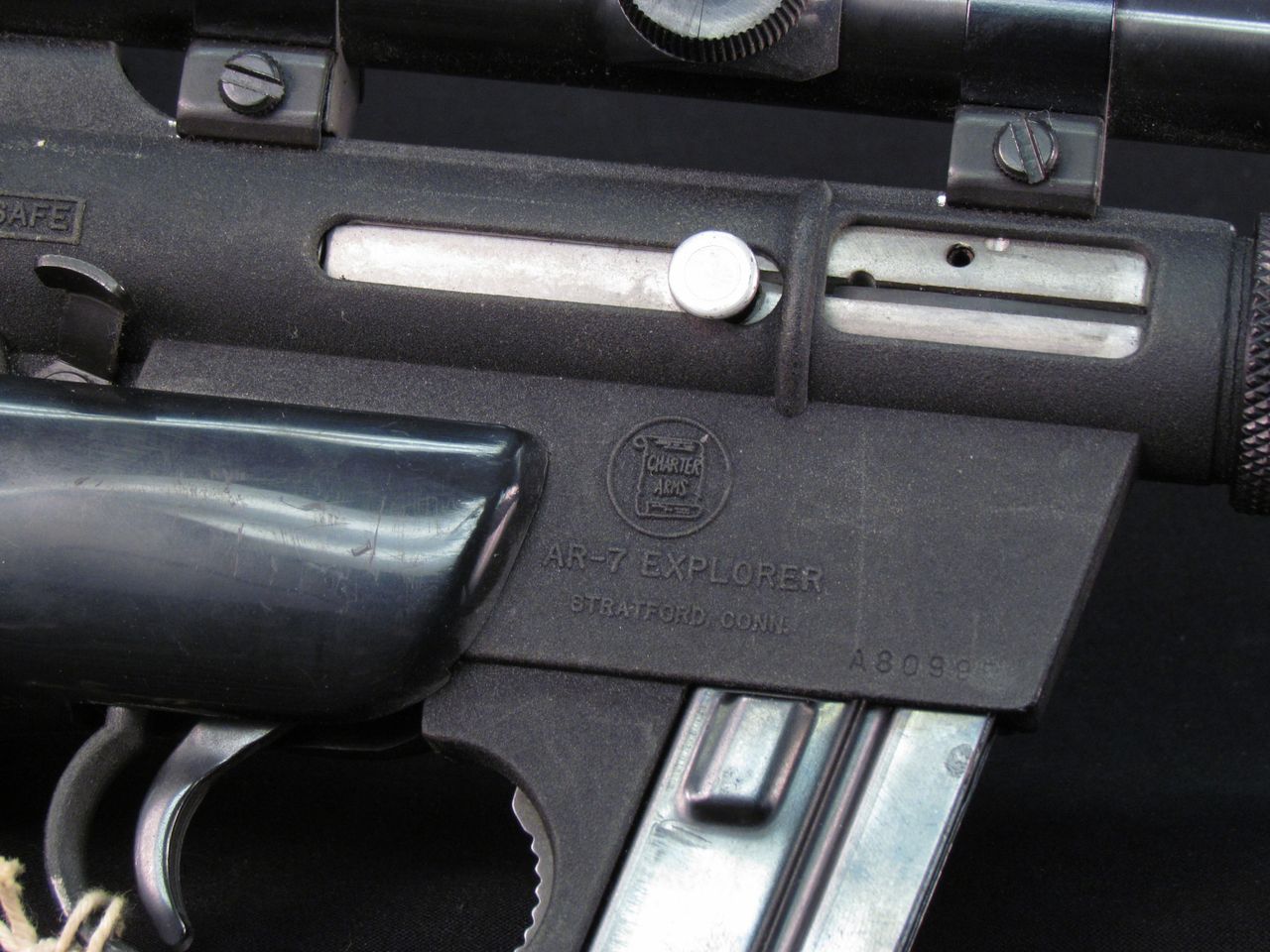
The AR-7’s .22 Long Rifle chambering is a huge part of why it makes sense as a survival gun. The cartridge is light, widely available, and easy to carry in useful quantities, which means a traveler can bring plenty of ammunition without giving up much space or adding much weight.
Just as important, .22 LR is well suited to the small-game role many survival rifles are built around. It is not about power fantasies. It is about practical foraging potential when food matters and every shot counts.
That chambering also keeps recoil and report relatively modest. For many users, that makes the rifle more approachable, more controllable, and easier to practice with before an emergency ever happens.
Simple Blowback Action
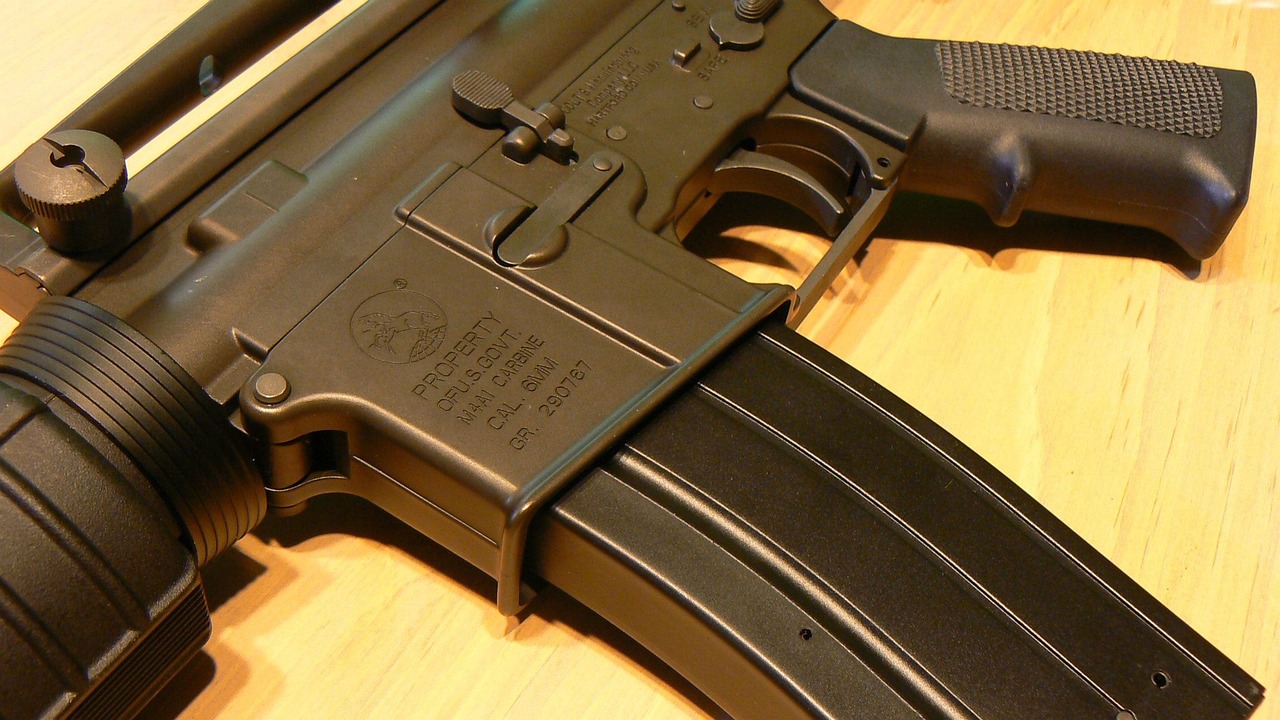
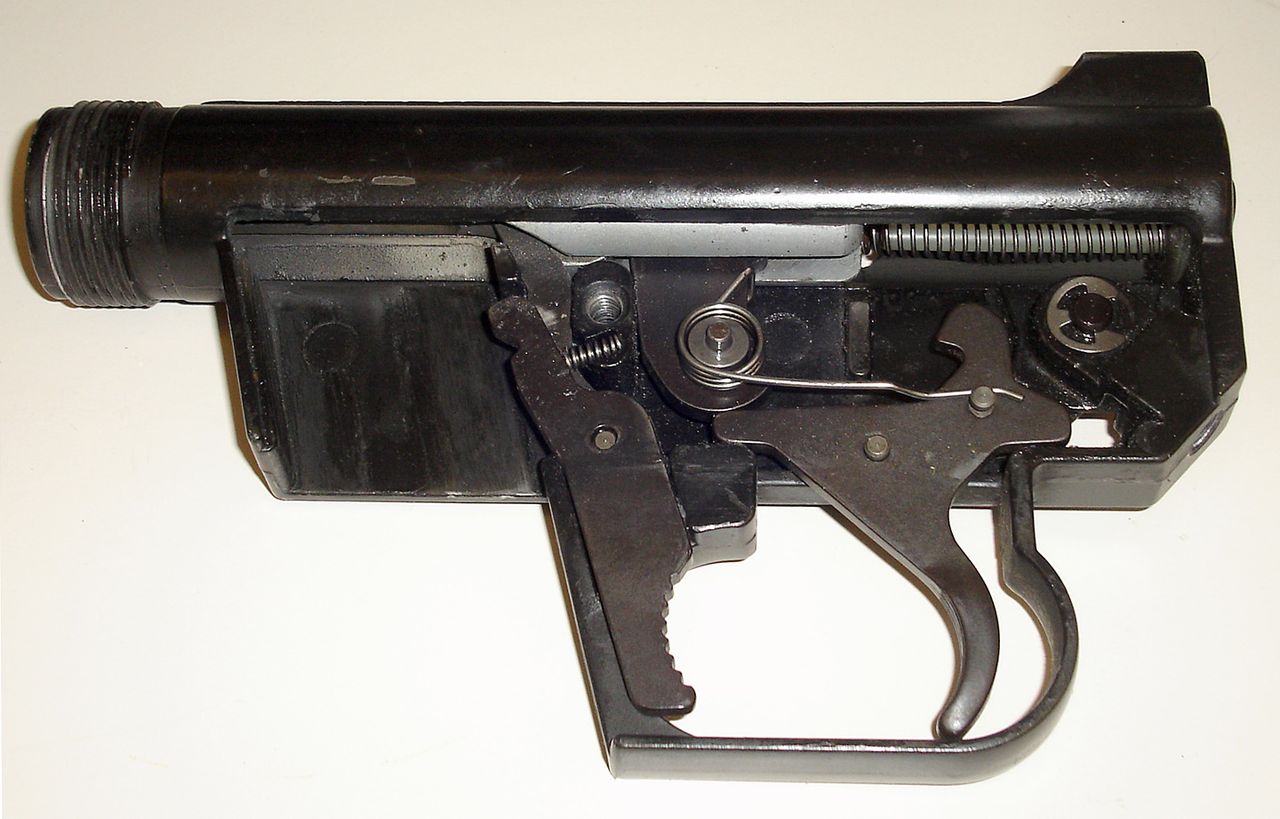
Mechanically, the AR-7 leans on a straightforward semi-automatic blowback system, and that simplicity is part of its charm. A survival firearm benefits from a design that is easier to understand, easier to maintain, and less burdened by unnecessary complexity when conditions are far from ideal.
For the average owner, a simpler operating system can mean less guesswork in the field. It also fits the rifle’s broader philosophy, which has always favored portability and utility over elaborate features.
No firearm is maintenance-free, of course, but the AR-7’s uncomplicated action helps explain why it has stayed relevant for so long. In survival gear, simple often beats sophisticated.
Weather-Resistant Materials

A pack gun cannot be precious, and the AR-7’s use of synthetic and protective materials helped it fit rough-duty use. Depending on the version, corrosion resistance and practical finishes gave the rifle a better chance of handling damp storage, changing temperatures, and the general abuse that comes with emergency gear.
That matters because survival firearms often spend more time waiting than shooting. They sit in backpacks, vehicles, cabins, and boats, where exposure can be gradual but relentless.
The AR-7’s materials reflect that reality. Its appeal has never been luxury or heirloom craftsmanship. It is the promise that the rifle can ride along quietly and still be ready when called upon.
Built for Emergency Utility
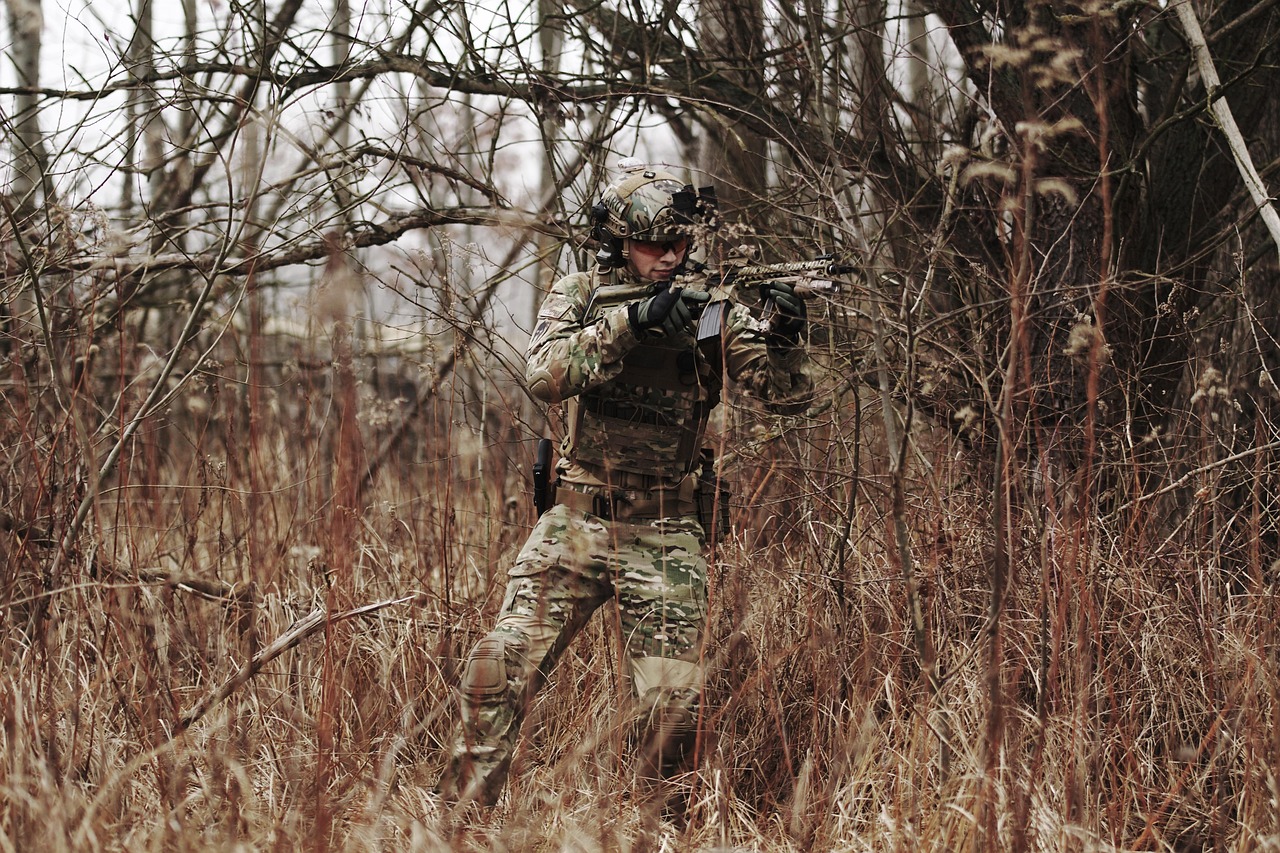
What ultimately makes the AR-7 a true pack gun is how all its features serve a single mission: emergency utility. It is not trying to be a target rifle, a collector’s showpiece, or a heavy-duty hunting arm. It is a compact, stashable tool designed to be present when normal plans fall apart.
That focus is why the rifle continues to fascinate outdoors enthusiasts and firearms historians alike. Every unusual detail, from the takedown layout to the stock storage, points back to practical survival thinking.
In the end, the AR-7’s legacy comes from staying in its lane extremely well. As a lightweight rifle made to travel discreetly and wait patiently, it remains one of the clearest examples of the pack gun concept.